Breeding Rights Contract For Dogs In Nevada
Description
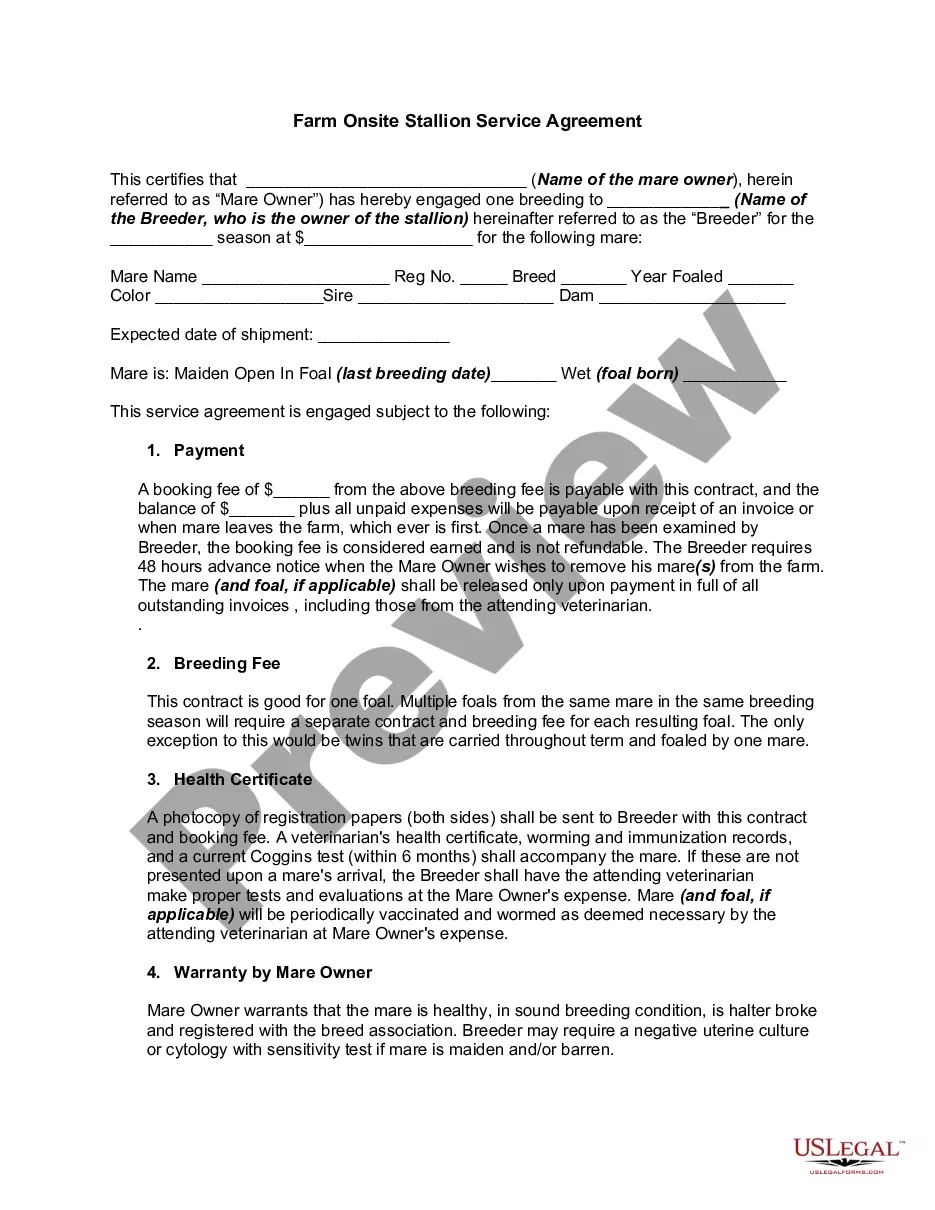
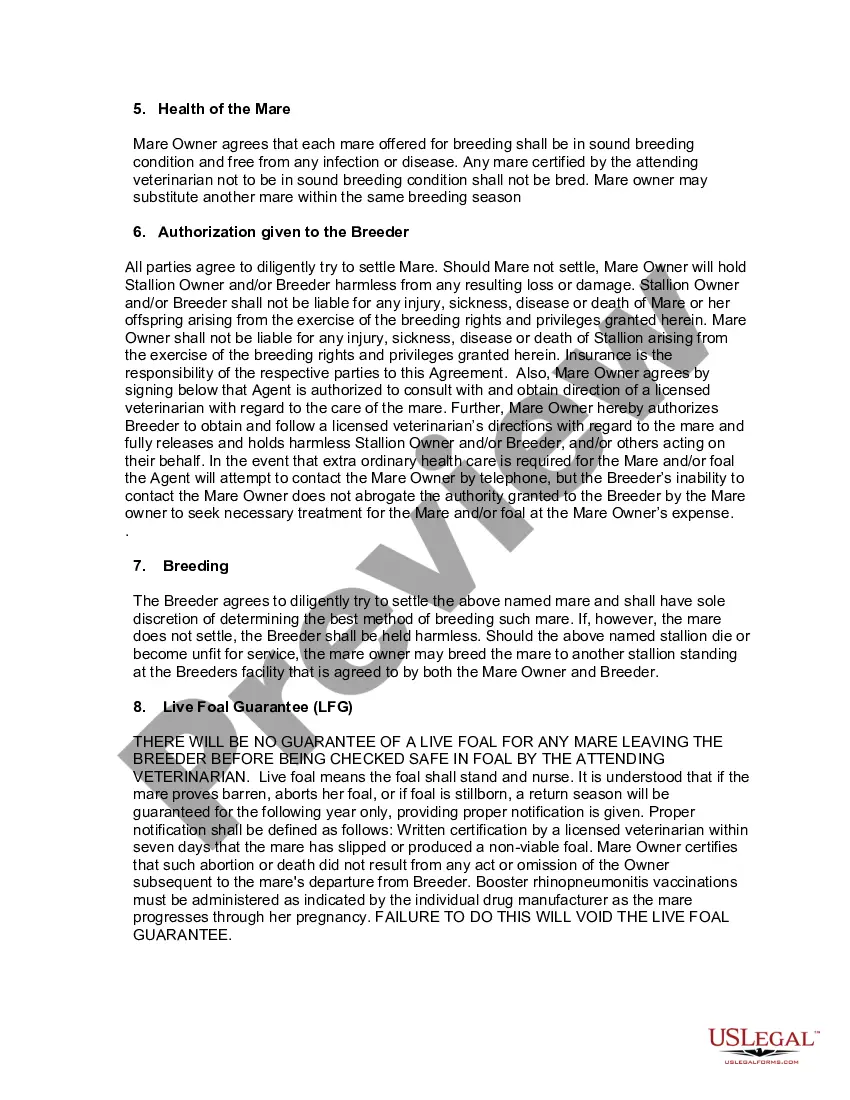
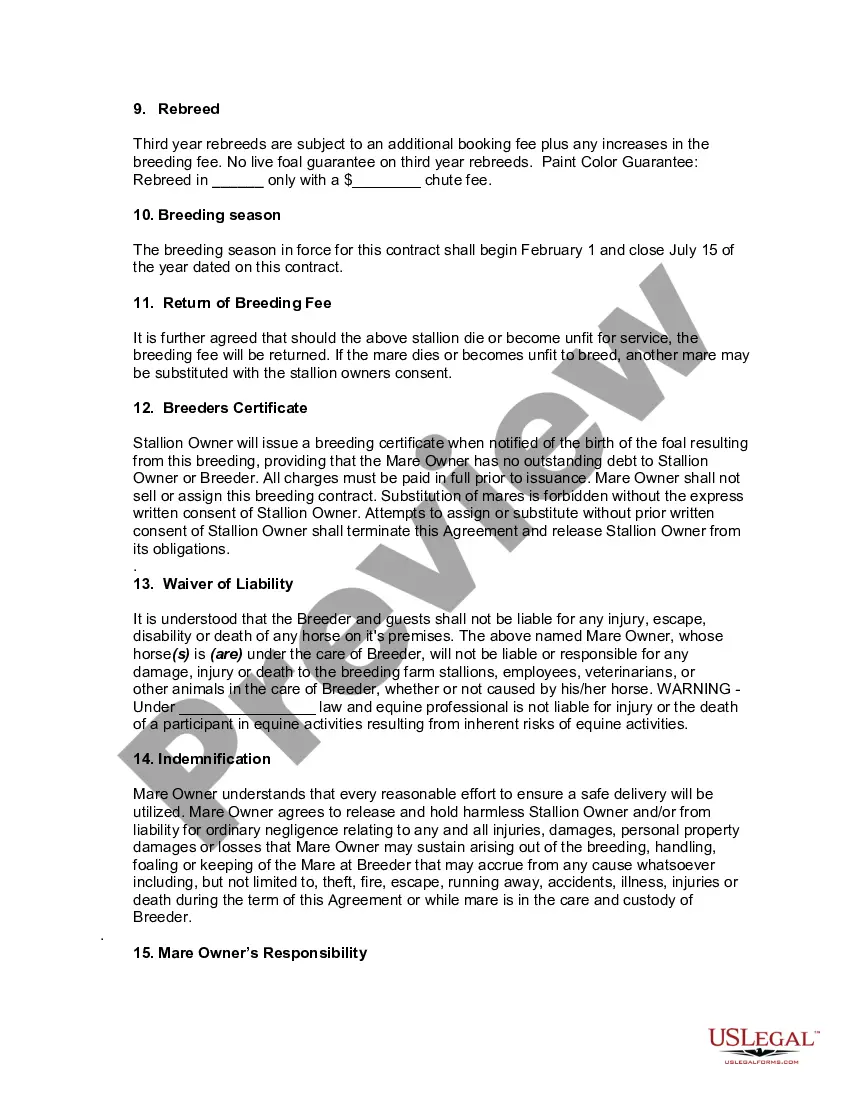
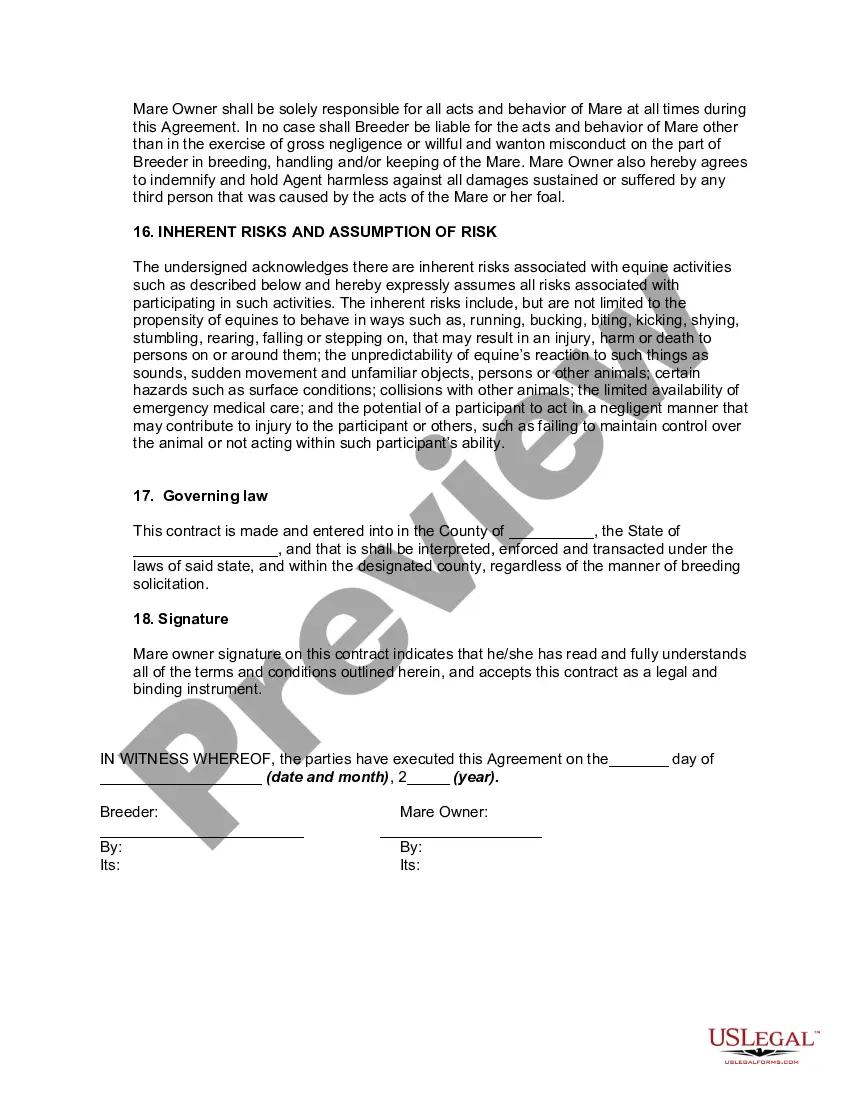
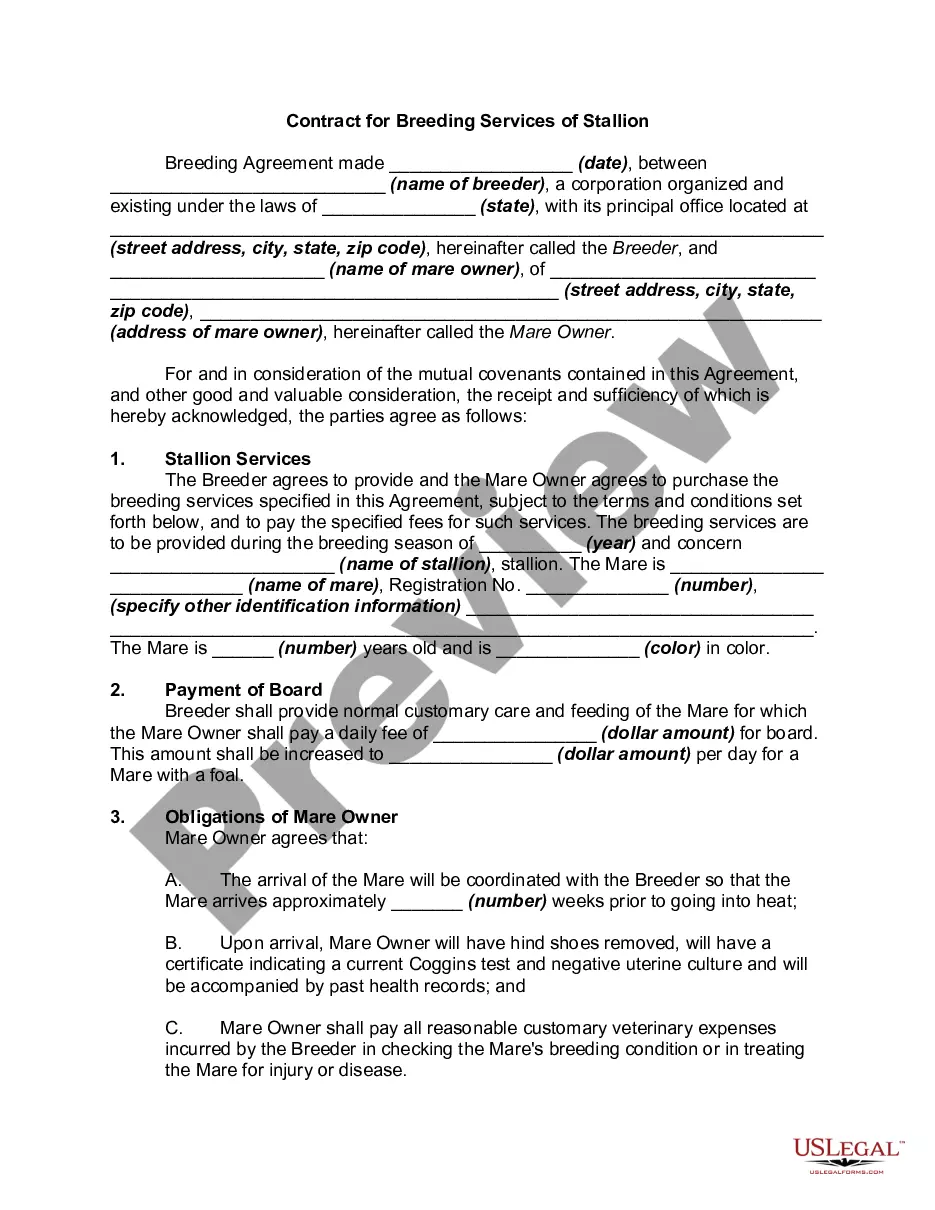
Get your form ready online
Our built-in tools help you complete, sign, share, and store your documents in one place.
Make edits, fill in missing information, and update formatting in US Legal Forms—just like you would in MS Word.
Download a copy, print it, send it by email, or mail it via USPS—whatever works best for your next step.
Sign and collect signatures with our SignNow integration. Send to multiple recipients, set reminders, and more. Go Premium to unlock E-Sign.
If this form requires notarization, complete it online through a secure video call—no need to meet a notary in person or wait for an appointment.
We protect your documents and personal data by following strict security and privacy standards.

Make edits, fill in missing information, and update formatting in US Legal Forms—just like you would in MS Word.

Download a copy, print it, send it by email, or mail it via USPS—whatever works best for your next step.

Sign and collect signatures with our SignNow integration. Send to multiple recipients, set reminders, and more. Go Premium to unlock E-Sign.

If this form requires notarization, complete it online through a secure video call—no need to meet a notary in person or wait for an appointment.

We protect your documents and personal data by following strict security and privacy standards.
Looking for another form?

Form popularity
FAQ
Breeding a dog without proper breeding rights may result in legal consequences, including fines or legal action from the dog's rightful owner or the relevant breeding organization.
Obtaining breeding rights for an AKC registered dog typically involves meeting certain criteria set by the breeder or kennel. This may include proving your commitment to responsible breeding, demonstrating knowledge of the breed, and adhering to ethical breeding practices.
Dog breeders who breed puppies to be sold as pets must be USDA-licensed if they have more than four breeding females and sell puppies wholesale, or sight unseen, to pet stores, brokers and/or online.
Obtaining breeding rights for an AKC registered dog typically involves meeting certain criteria set by the breeder or kennel. This may include proving your commitment to responsible breeding, demonstrating knowledge of the breed, and adhering to ethical breeding practices.
The Breeder represents, warrants, and agrees as follows: The dog is healthy, well-tempered, and ready for breeding. The Breeder will provide a (Enter number) generation pedigree of the dog, a negative Brucellosis test within (Enter number) breeding days, health records, vaccination details, and health clearances.
— New regulations on dog and cat breeders in Nevada include prohibiting the sale of either animal without a sales contract. Senate Bill 299 was signed into law June 10 and takes effect Oct. 1. Under the new law, breeders may not breed a female dog before the age of 18 months or more than once a year.
It may well depend upon what country you're in. In the US the short answer is no, they can't take the pup back or force you to alter the pup. Under US law, dogs are property, so if you bought it outright (no co-ownership arrangement) it's yours to do with as you see fit.
In summary, while obtaining breeding rights for an AKC registered dog is feasible, it involves navigating registration status, breeder policies, health testing, and legal obligations. If you're serious about breeding, it's essential to educate yourself and communicate openly with the breeder.
The contract should include information on the dog's health, vaccination history, and any microchip information. It should also specify what is included in the sale (such as food, toys, and veterinary care). Most importantly, it should state what will happen if the dog is ever returned to the breeder.
