Staff Rental Agreement With Utilities Included In Washington
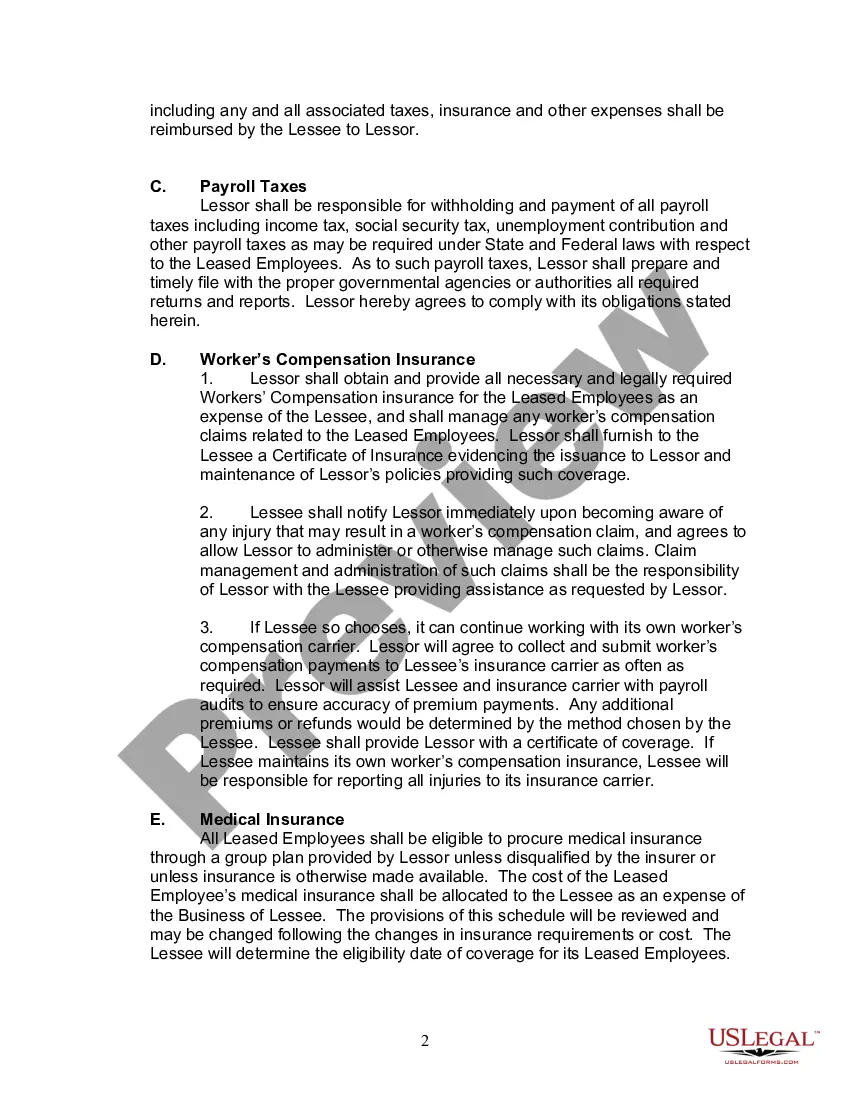
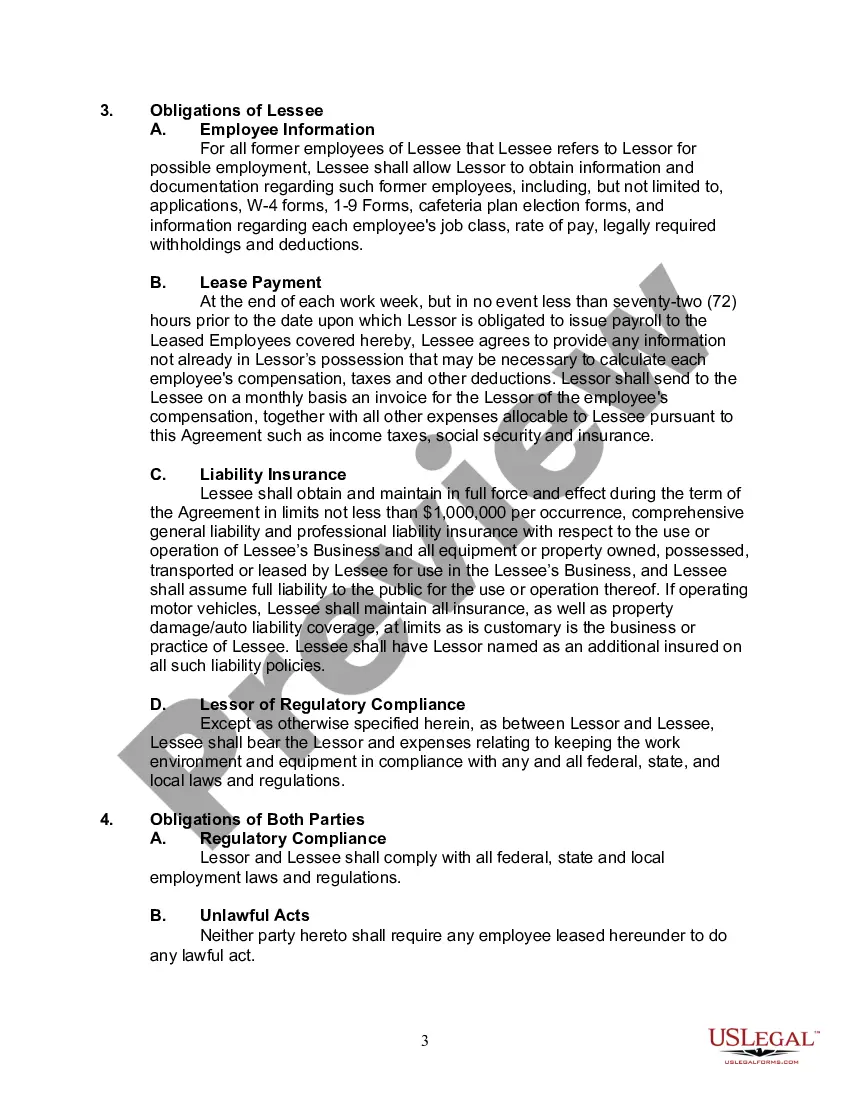
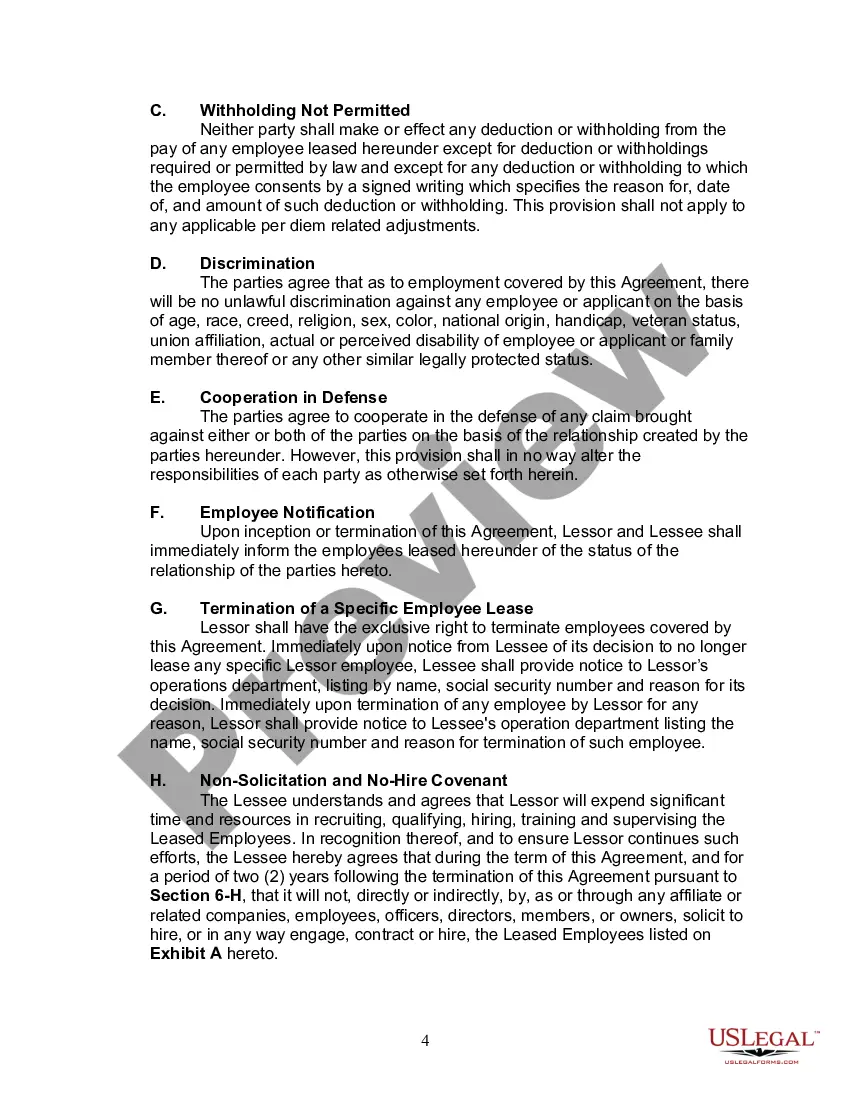
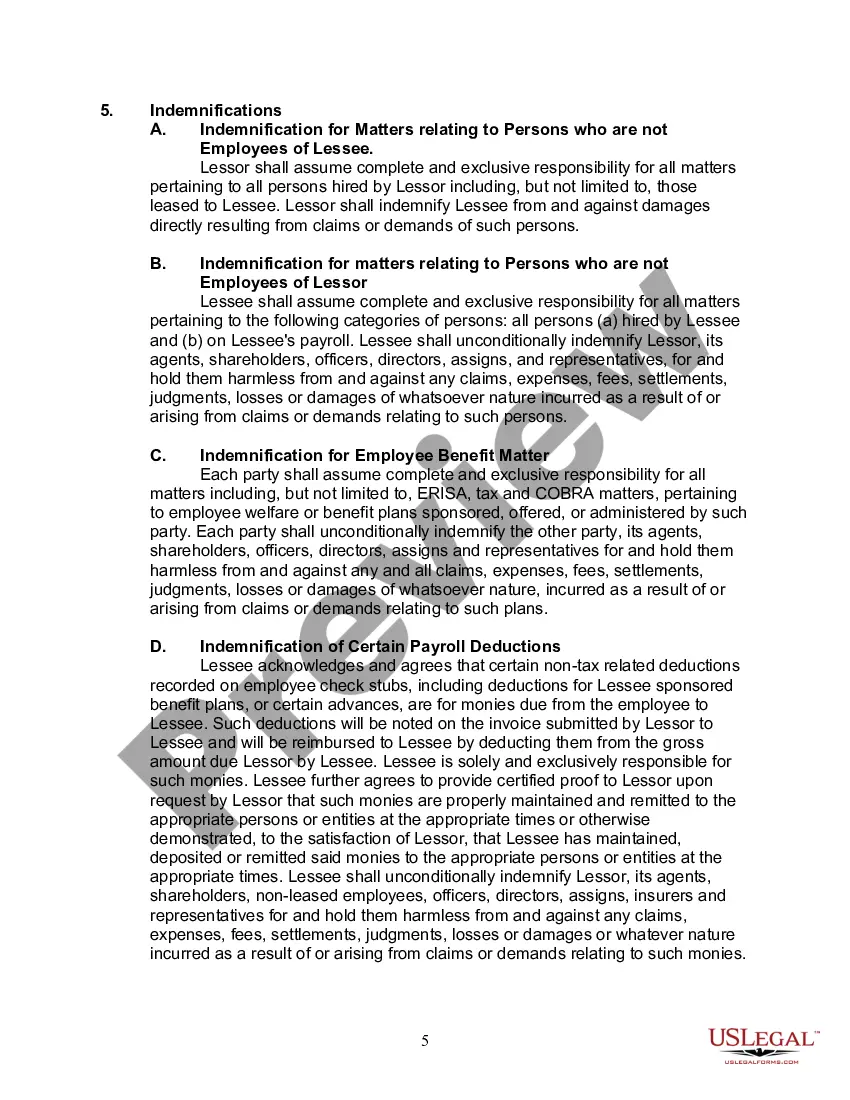
Description

Form popularity
FAQ
A full service lease typically includes a base rate, and the landlord is responsible for paying all other expenses. Common expenses can include common area maintenance (CAM) fees, utilities, property taxes, and property insurance.
What's typically covered by rent Water, sewer, and trash: Your rent often will include water, sewer, and trash services because the landlord covers this for your apartment building. Maintenance and repairs. Parking. Amenities. Electricity. Natural gas. Internet and cable TV. Furnishings:
In general, rent will not include all of your utilities, and you should plan and budget ingly. While your landlord might cover a few utility bills, such as sewer, garbage pickup, and water, tenants will almost certainly be on the hook for the majority of utilities.
Gross office leases Also known as a full service lease, a gross lease includes almost everything in the monthly rent including utilities, janitorial service, and building operating expenses.
A landlord-tenant utility agreement is a contract in which tenants agree to cover utility costs, such as water, gas, and electricity. The landlord typically provides estimates of the expected bills and takes care of any setup or maintenance associated with these services.
Utilities Are Included in Rent If a landlord does decide to include utilities in the rent each month, they typically will only include a few essentials, such as electricity and water. They may also specify some limits for heating and cooling so that they're not hit with extravagant bills during extreme weather.
Generally, no. In Washington State, most rental agreements do not need to be notarized. Notarizing rental agreements in Washington State is typically unnecessary for both residential and non-residential leases with a term of one year or less.
Ask the landlord what companies they're contracted with for utilities, ie do they use the city or a private company, what internet companies have lines to the building, ect. The easiest and cheapest thing to do is to ask them what's already hooked up and just use that.
Building codes and local ordinances; common areas must be kept clean and safe; facilities and appliances must be in reasonably good working order. Damage caused by weather, acts of God (such as earthquakes and accidents), or damage caused by unknown third parties are generally the responsibility of the landlord.
