Lease Employee Agreement With Japan In Washington
Description


Get your form ready online
Our built-in tools help you complete, sign, share, and store your documents in one place.
Make edits, fill in missing information, and update formatting in US Legal Forms—just like you would in MS Word.
Download a copy, print it, send it by email, or mail it via USPS—whatever works best for your next step.
Sign and collect signatures with our SignNow integration. Send to multiple recipients, set reminders, and more. Go Premium to unlock E-Sign.
If this form requires notarization, complete it online through a secure video call—no need to meet a notary in person or wait for an appointment.
We protect your documents and personal data by following strict security and privacy standards.

Make edits, fill in missing information, and update formatting in US Legal Forms—just like you would in MS Word.

Download a copy, print it, send it by email, or mail it via USPS—whatever works best for your next step.

Sign and collect signatures with our SignNow integration. Send to multiple recipients, set reminders, and more. Go Premium to unlock E-Sign.

If this form requires notarization, complete it online through a secure video call—no need to meet a notary in person or wait for an appointment.

We protect your documents and personal data by following strict security and privacy standards.
Looking for another form?


Form popularity
FAQ
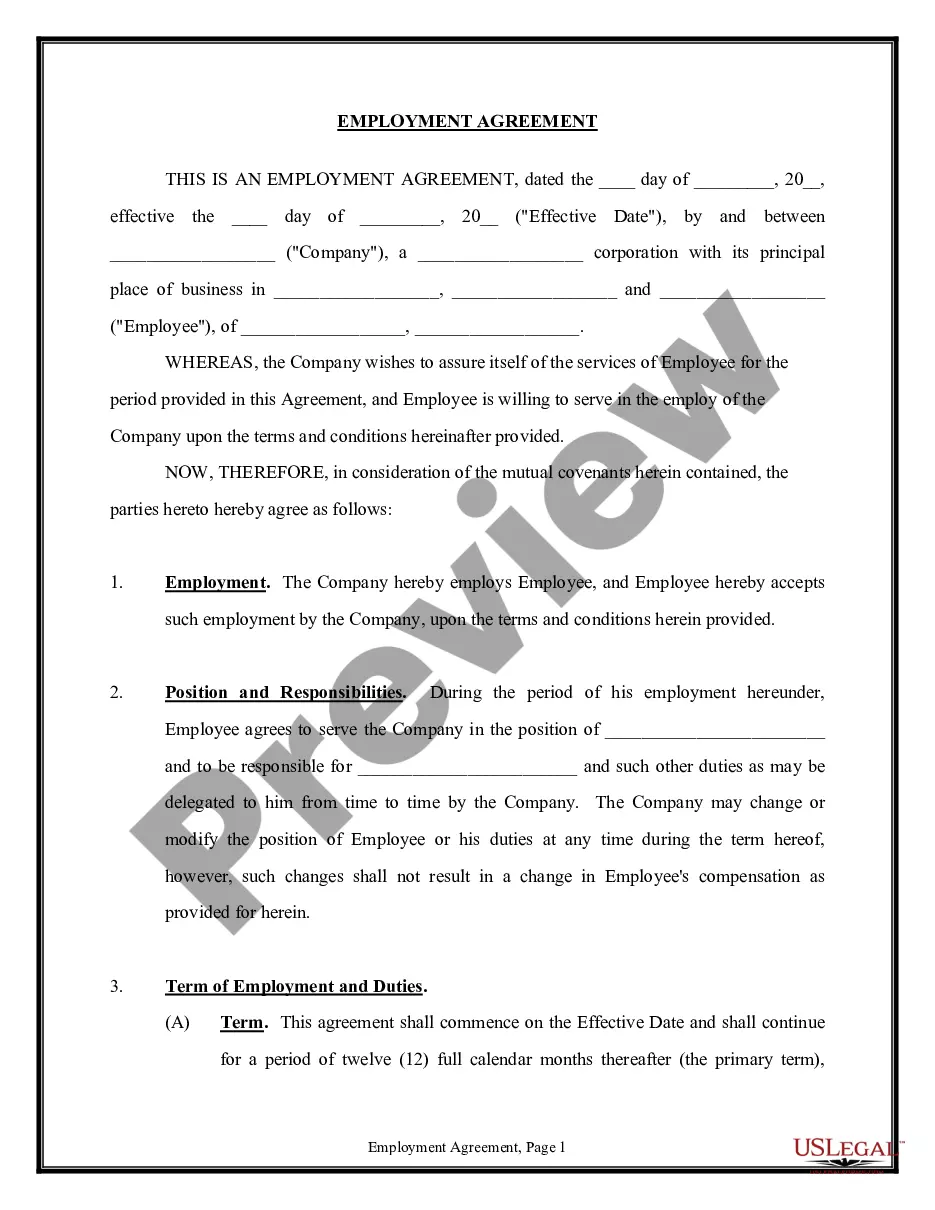
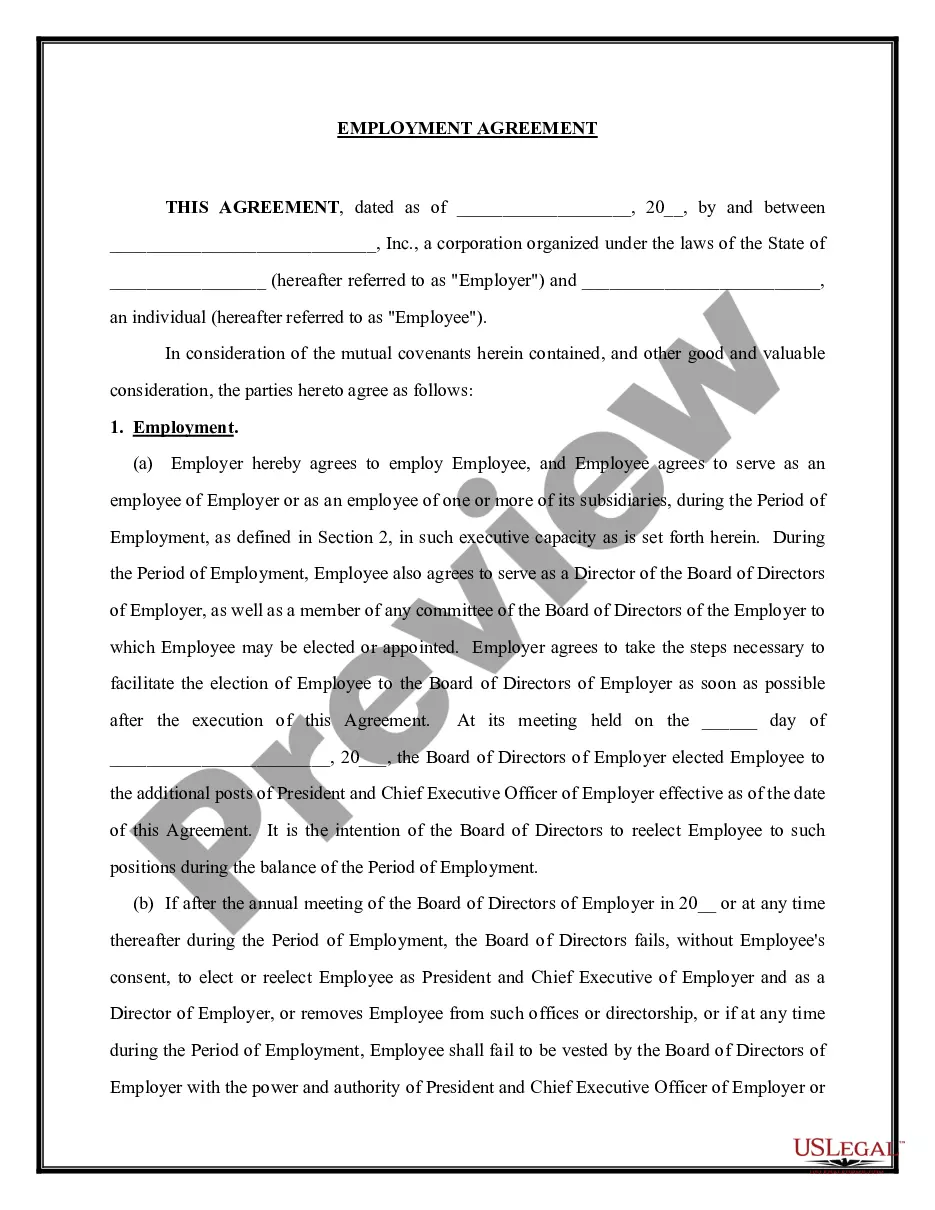
Fixed-term contracts in Japan Fixed-term employment contracts have a set duration, usually lasting up to three years. However, an employee can extend their contract for up to five years if they possess special skills or knowledge, or if they are 60 years of age or older.
There are three main employment contract types in Japan: Permanent Employee, known as Sei-sha-in; Contract Employee, known as Keiyaku sha-in; Outsourced or Temporary Employee, known as Haken sha-in.
Primary industry fell from 30.2% of the working population in 1960 to 3.42% in 2018. Over the same period, tertiary occupations rose from 41.79% of the total to 73%. A vast majority of Japan's working population is made up of salaried workers. In 2018, 89.1% of the total population worked at salaried jobs.
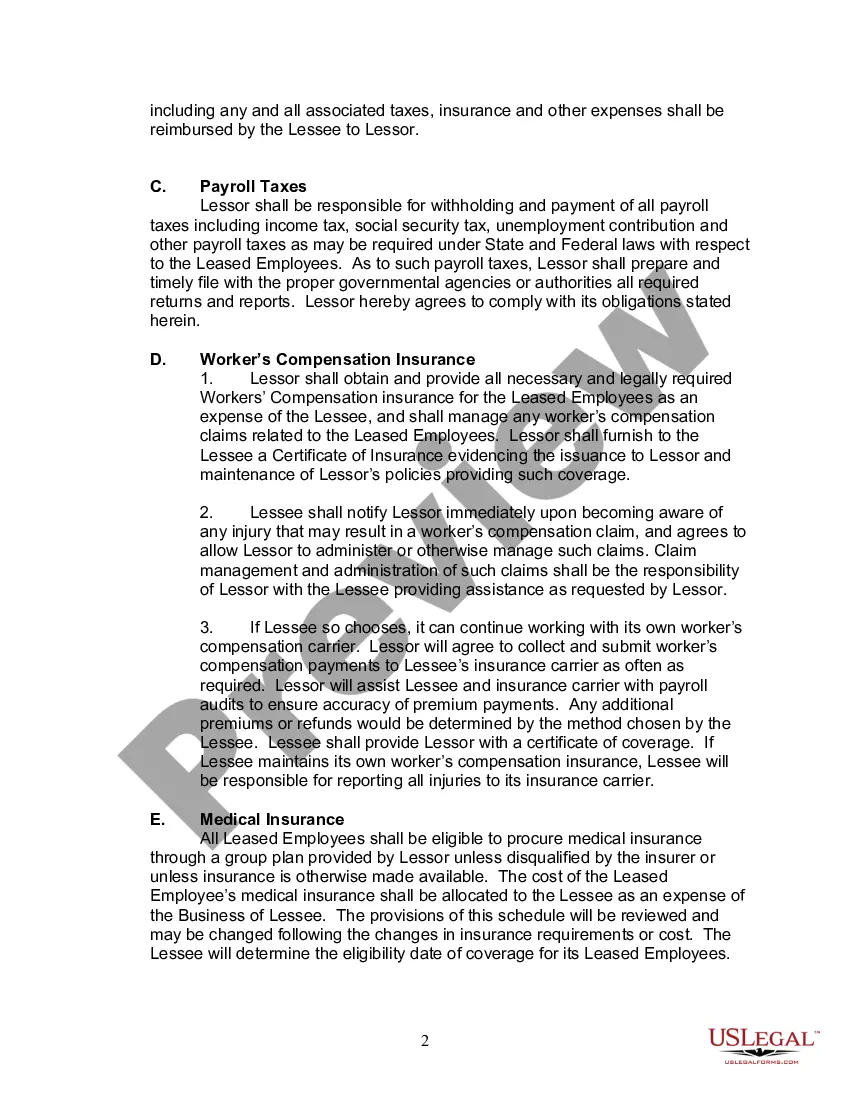
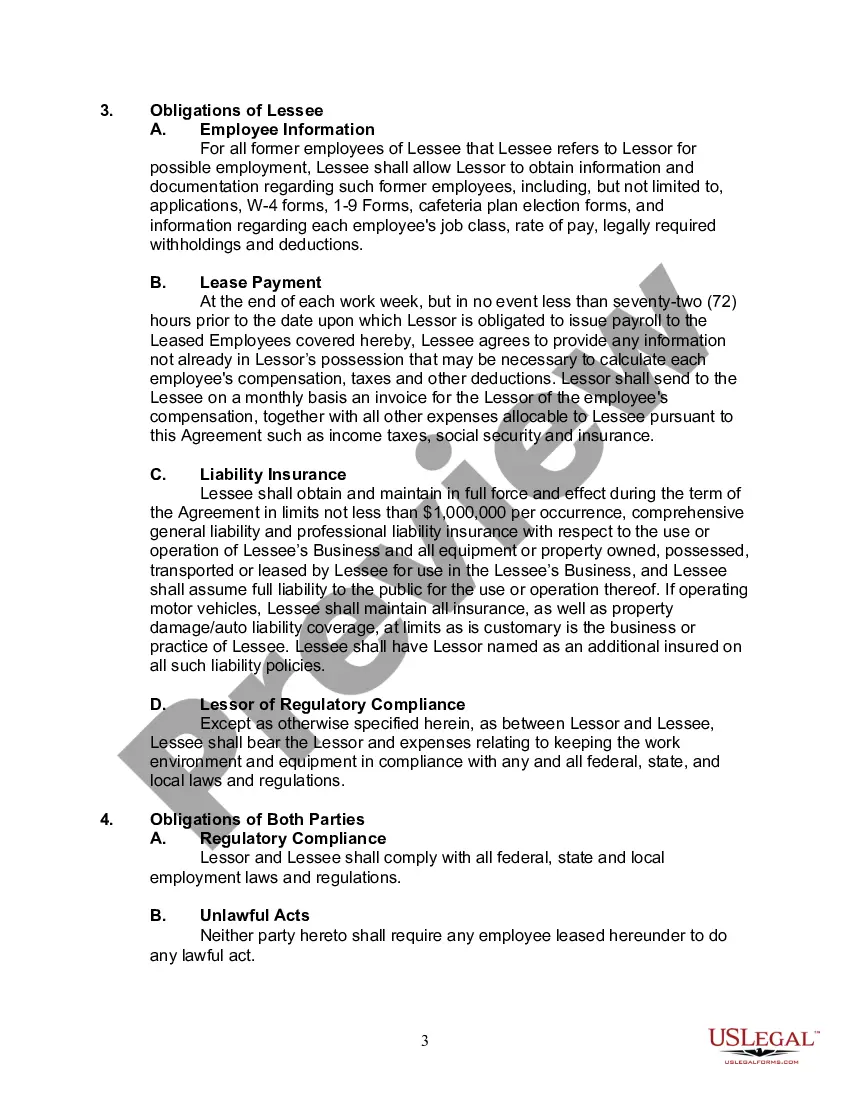
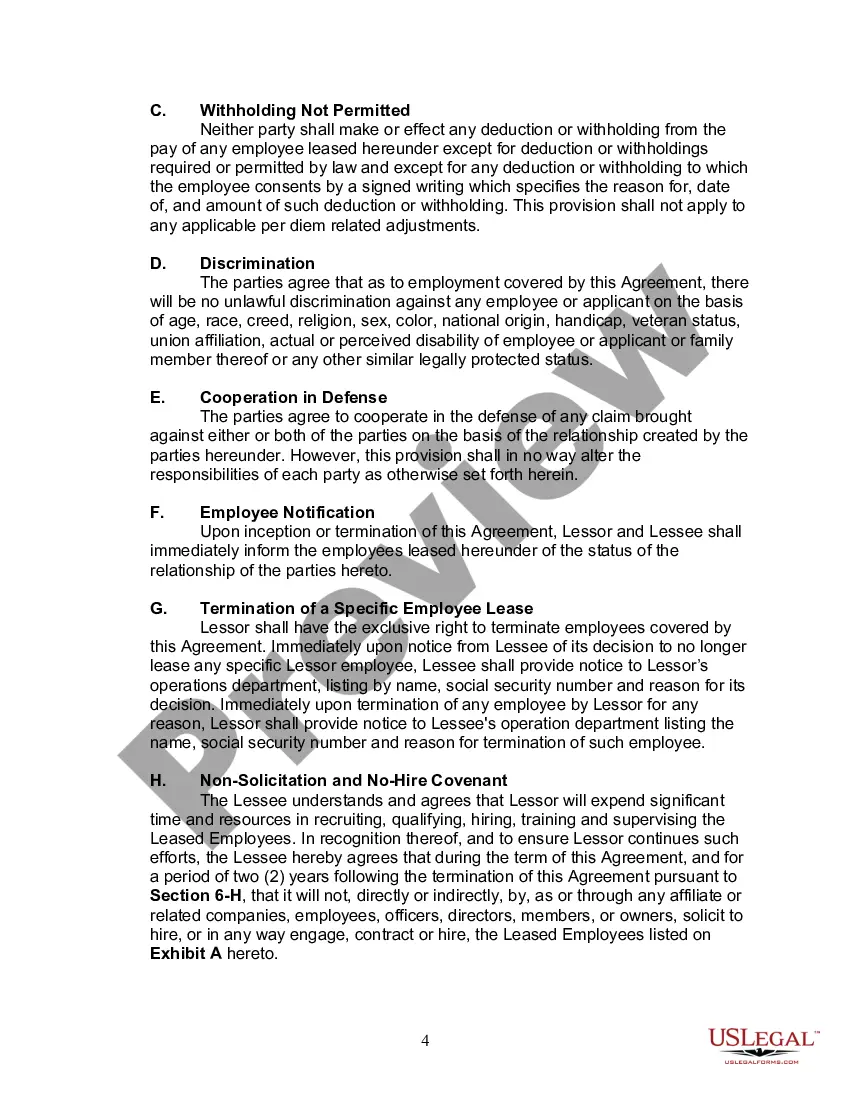
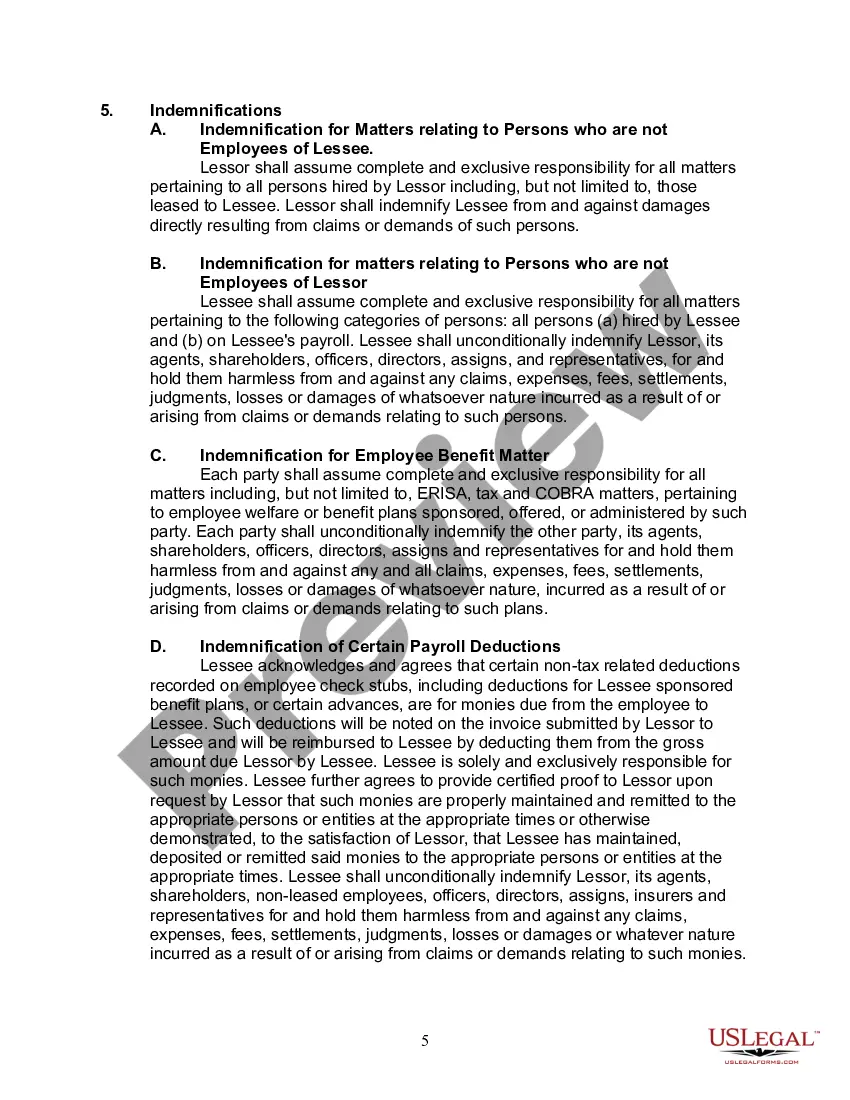
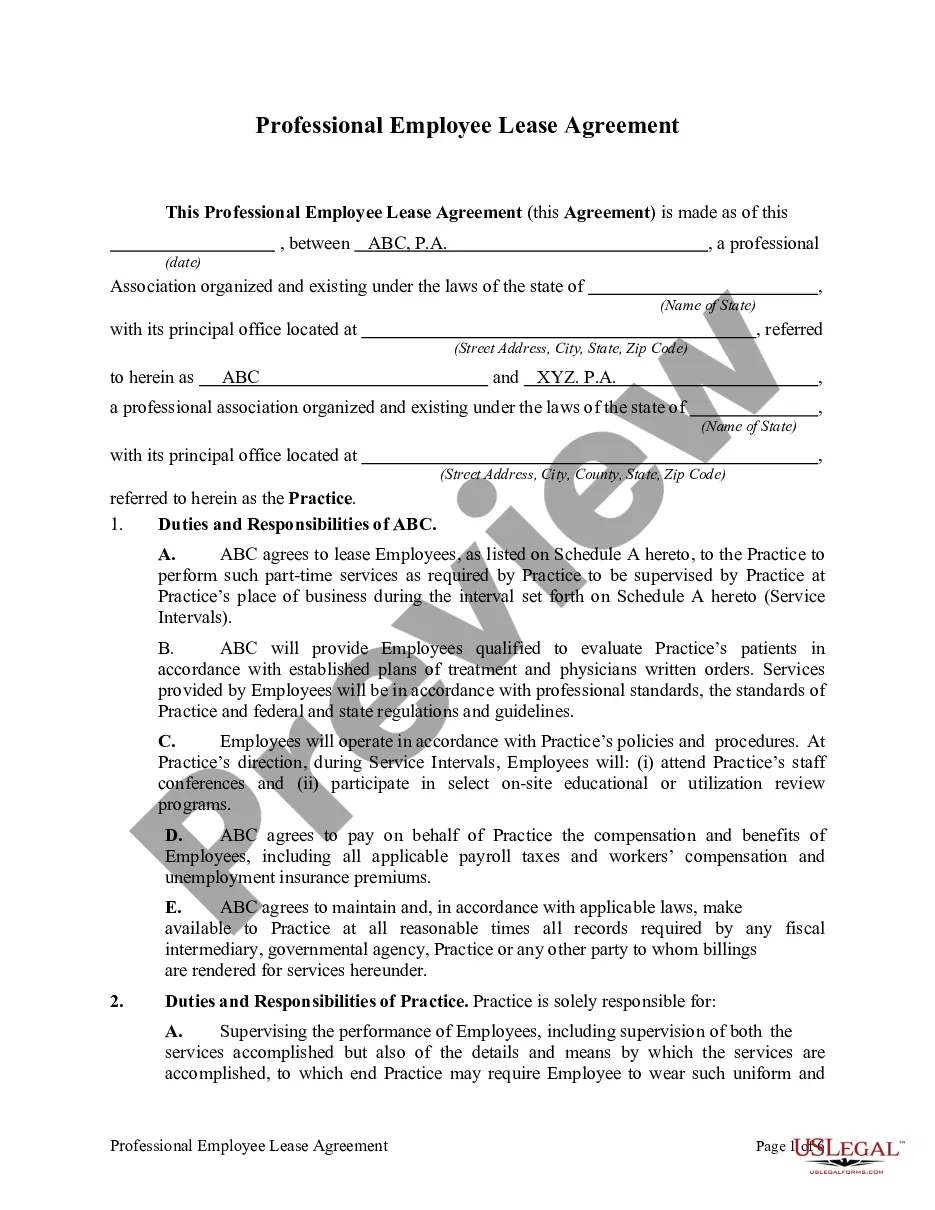
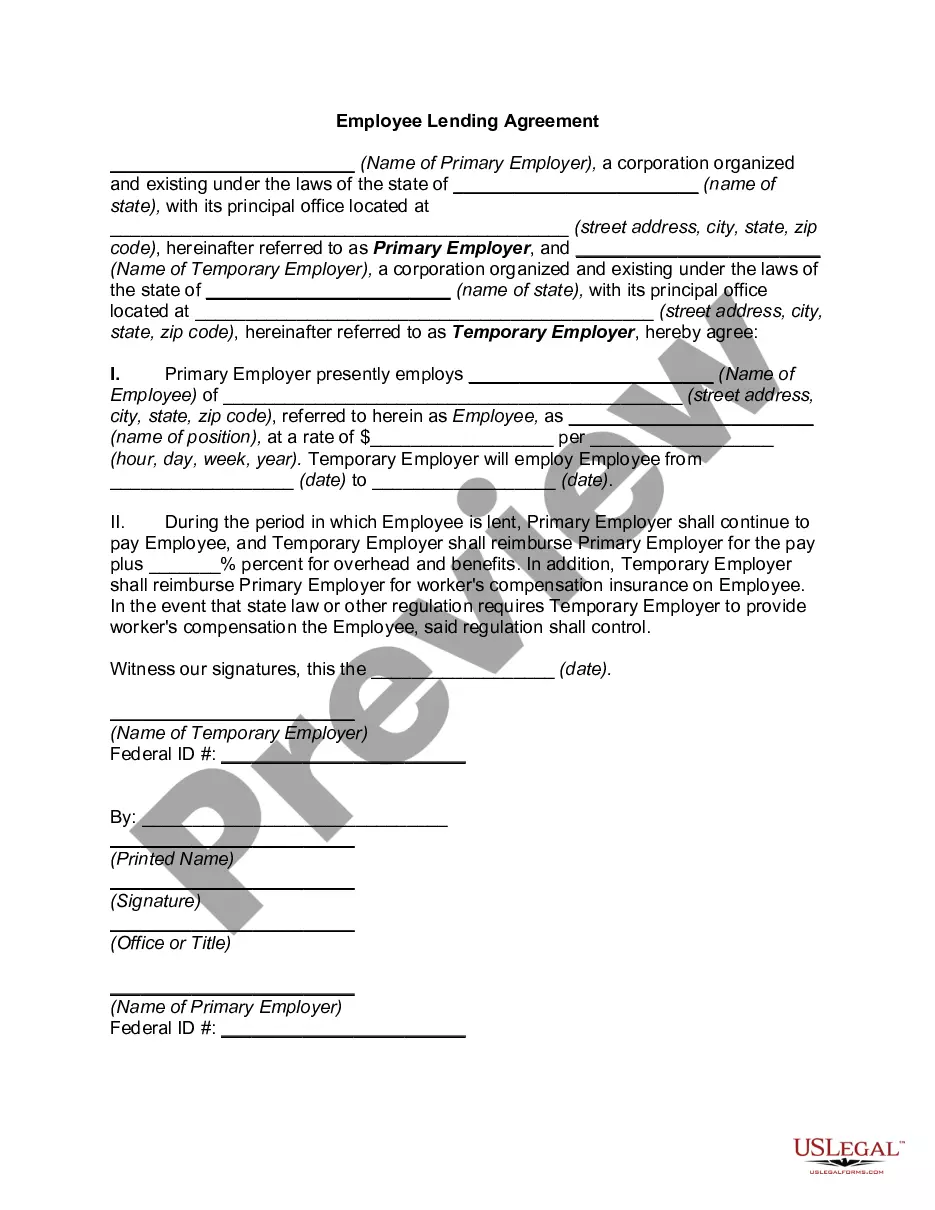
Employee leasing is an arrangement between a business and a staffing firm, who supplies workers on a project-specific or temporary basis. These employees work for the client business, but the leasing agency pays their salaries and handles all of the HR administration associated with their employment.
Japanese contract law blends traditional customs with Western influences. It evolved from informal agreements based on social hierarchies to a modern system incorporating elements from European and American legal traditions. Key principles include freedom of contract and good faith.
Subscribe now. Employee leasing is an arrangement between a business and a staffing firm, who supplies workers on a project-specific or temporary basis. These employees work for the client business, but the leasing agency pays their salaries and handles all of the HR administration associated with their employment.
A PEO, or professional employer organization, has a different relationship with client companies. Instead of being a firm that leases employees to their clients, a PEO becomes an employer of record for the client's employees. This is known as a co-employment agreement.
While every real estate rental contract is different, there are some general items that you will usually find addressed in Japanese real estate rental agreements. The residence is for you and any other tenants listed on the application; it cannot be sublet or used as an office. The lease period is 2 years.
New laws affecting renters in Washington State in 2023 Within 30 days after a tenant moves out, the landlord must either return the full security deposit or give the tenant a written statement documenting why they kept some or all of it.
