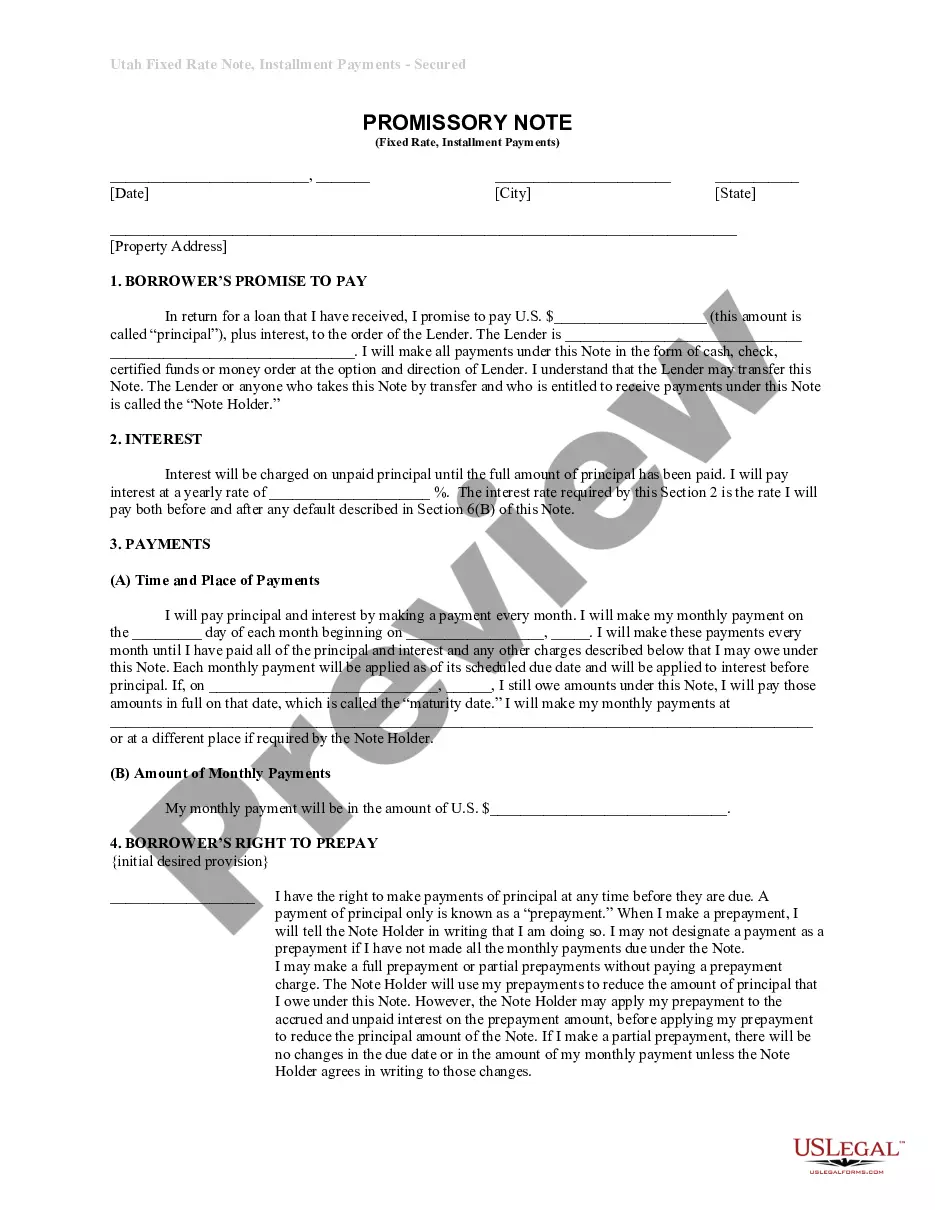
Arbitration Proceedings For In Queens
Description

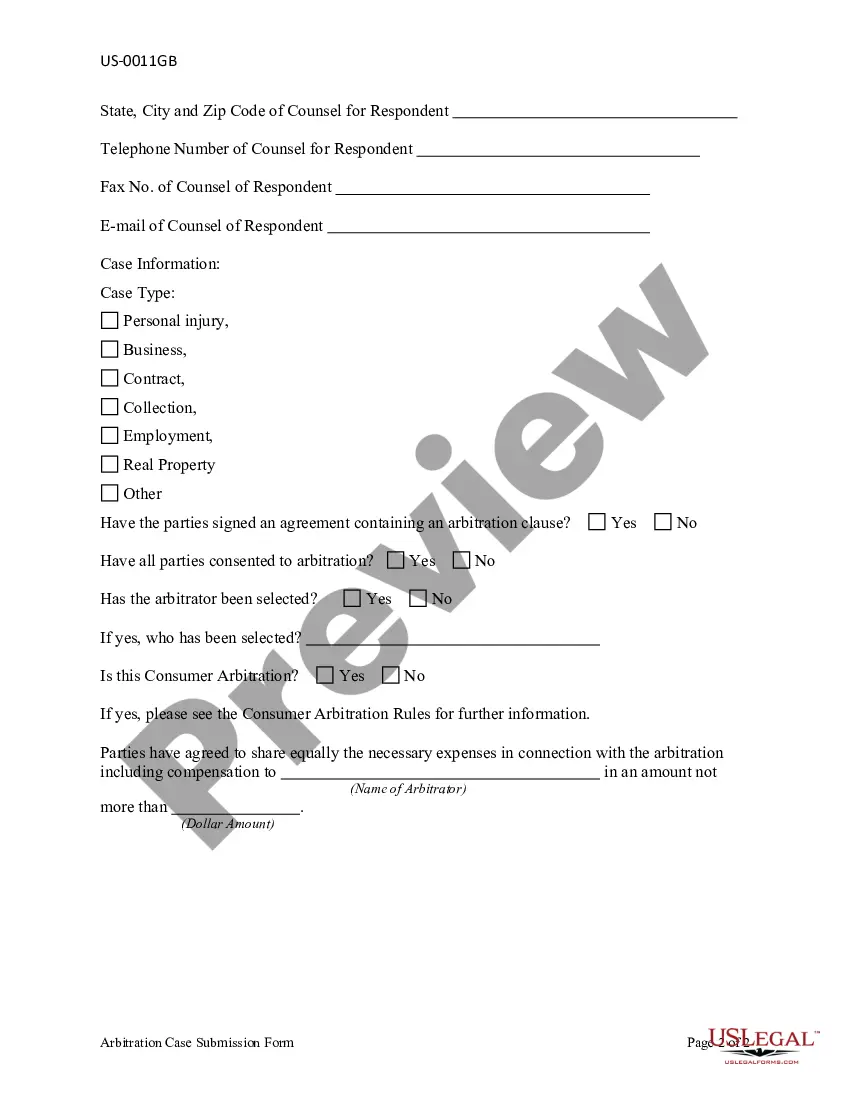

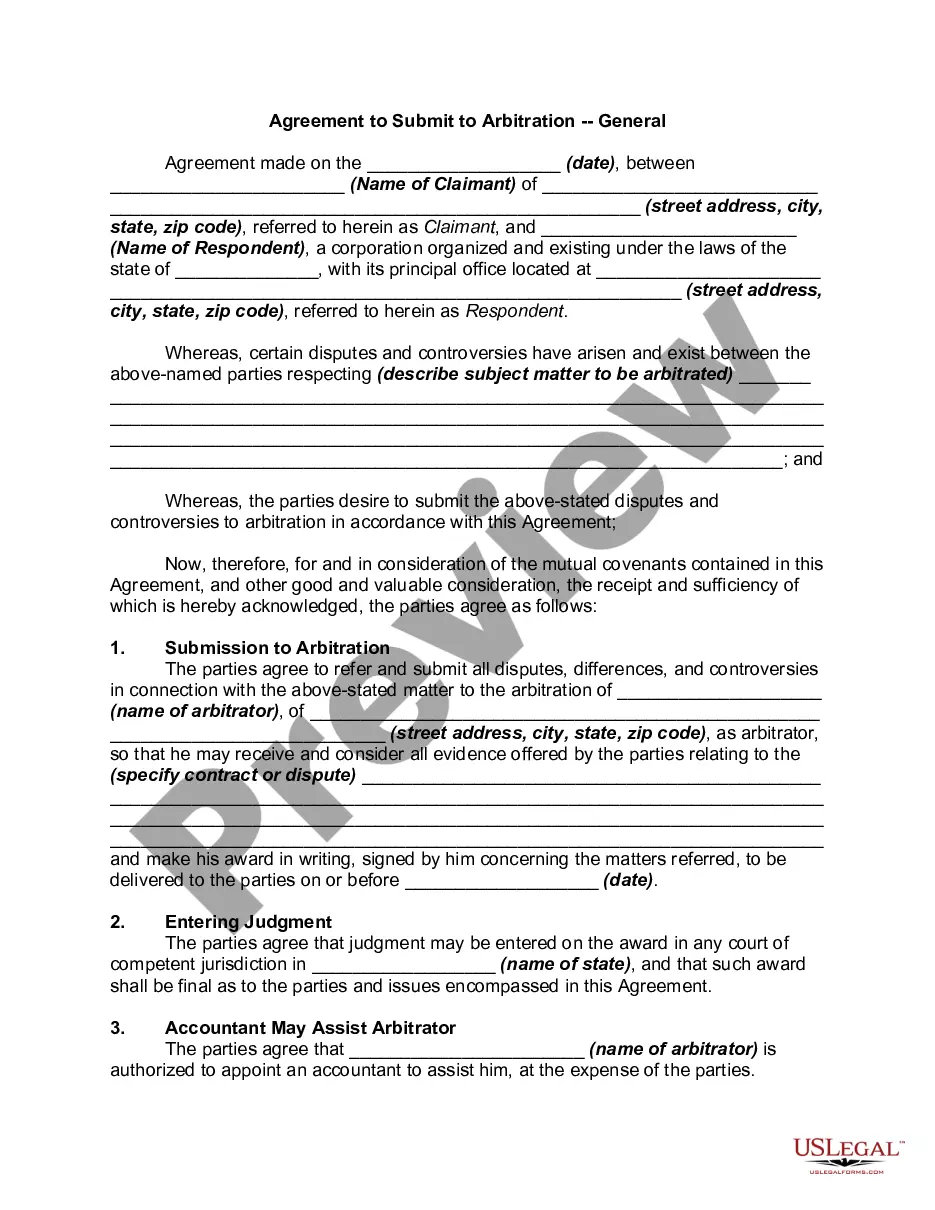

Get your form ready online
Our built-in tools help you complete, sign, share, and store your documents in one place.
Make edits, fill in missing information, and update formatting in US Legal Forms—just like you would in MS Word.
Download a copy, print it, send it by email, or mail it via USPS—whatever works best for your next step.
Sign and collect signatures with our SignNow integration. Send to multiple recipients, set reminders, and more. Go Premium to unlock E-Sign.
If this form requires notarization, complete it online through a secure video call—no need to meet a notary in person or wait for an appointment.
We protect your documents and personal data by following strict security and privacy standards.

Make edits, fill in missing information, and update formatting in US Legal Forms—just like you would in MS Word.

Download a copy, print it, send it by email, or mail it via USPS—whatever works best for your next step.

Sign and collect signatures with our SignNow integration. Send to multiple recipients, set reminders, and more. Go Premium to unlock E-Sign.

If this form requires notarization, complete it online through a secure video call—no need to meet a notary in person or wait for an appointment.

We protect your documents and personal data by following strict security and privacy standards.
Looking for another form?

Form popularity
FAQ
There are typically seven stages of the arbitration process: Claimant Files a Claim. Respondent Submits Answer. Parties Select Arbitrators. Parties Attend Initial Prehearing Conference. Parties Exchange Discovery. Parties Attend Hearings. Arbitrators Deliberate and Render Award.
There are five main stages to the arbitration process: (i) initial pleadings; (ii) panel selection; (iii) scheduling; (iv) discovery; (v) trial prep; and (vi) final hearing.
The arbitration panel shall conduct the hearing with due regard to the law and established rules of evidence and shall have the general powers of a court; including subpoenaing of witnesses, books, papers, documents and other items of evidence; administering oaths, determining the admissibility of evidence; and ...
There are typically seven stages of the arbitration process: Claimant Files a Claim. Respondent Submits Answer. Parties Select Arbitrators. Parties Attend Initial Prehearing Conference. Parties Exchange Discovery. Parties Attend Hearings. Arbitrators Deliberate and Render Award.
If possible, avoid the use of technical jargon or "shop talk." Remember that the arbitrator may not know the details of your work or the Postal Service. However, if you must use "shop talk" to clarify a point, be sure to briefly define what you mean.
Non-binding arbitration can be valuable for less complex business-to-business and business-to-consumer disputes where the parties may be too far apart in their viewpoints to mediate or are in need of an evaluation of their respective positions.
Arbitrations usually involve one or more hearings before the tribunal, where the parties' lawyers put forward arguments and question the other party's witnesses and experts. Hearings can last from half a day to many weeks or even months depending on the issues at stake.
To become a Chartered Arbitrator or Chartered Adjudicator, you must first become a Fellow and then pass a Panel interview. Our competence frameworks define the level of competence required for each membership grade.
Like any other normal contract, Arbitration agreement can also be entered only by the person who are competent to contract in the first place. The competency of parties is essential to enforce an agreement as valid, if the parties to contract are not competent then the agreement is declared to be void by the law.
Arbitrators, mediators, and conciliators typically need at least a bachelor's degree and related experience to enter the occupation. They learn their skills through a combination of education, training, and work experience.