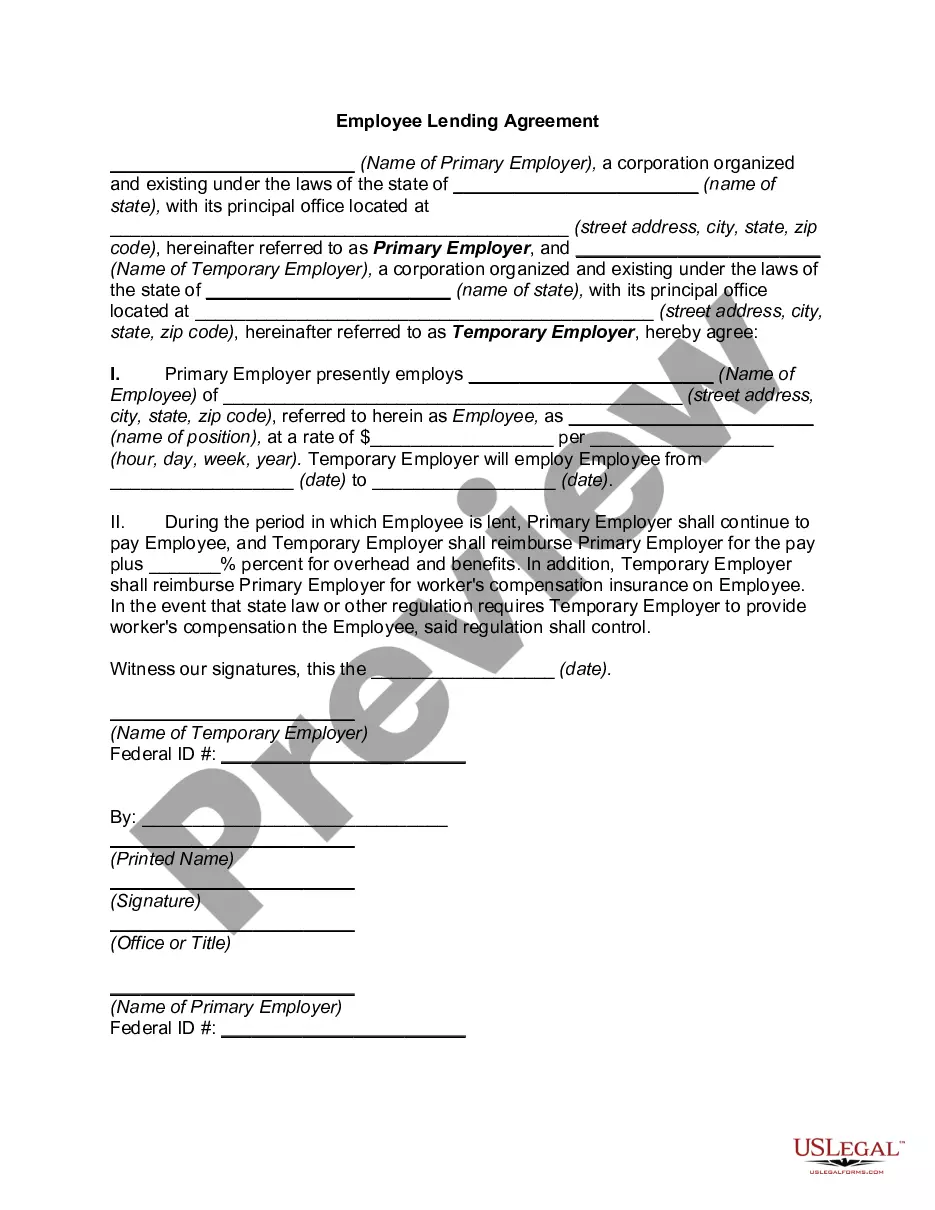
Employee Lease Agreement Template With Mileage In Virginia
Description


Form popularity
FAQ
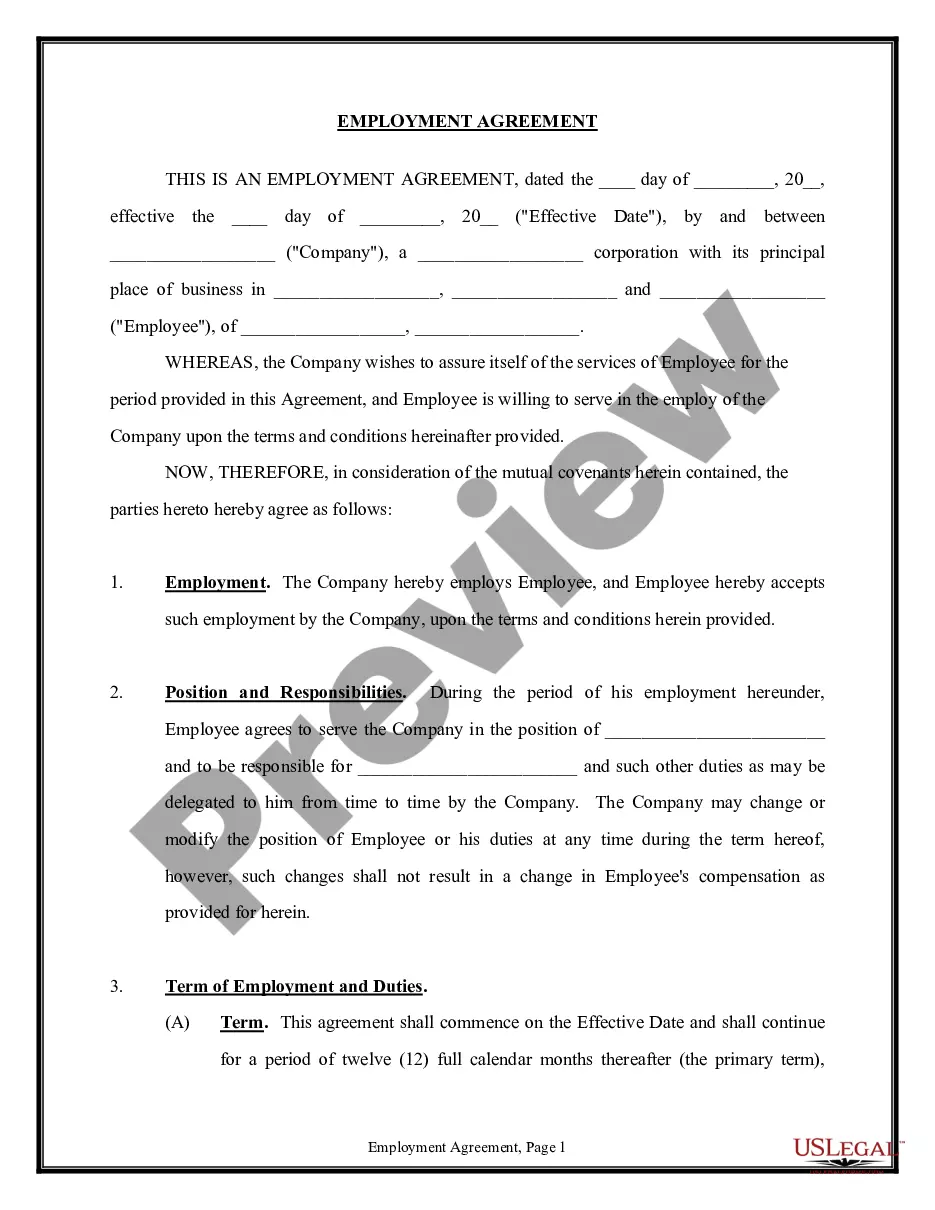
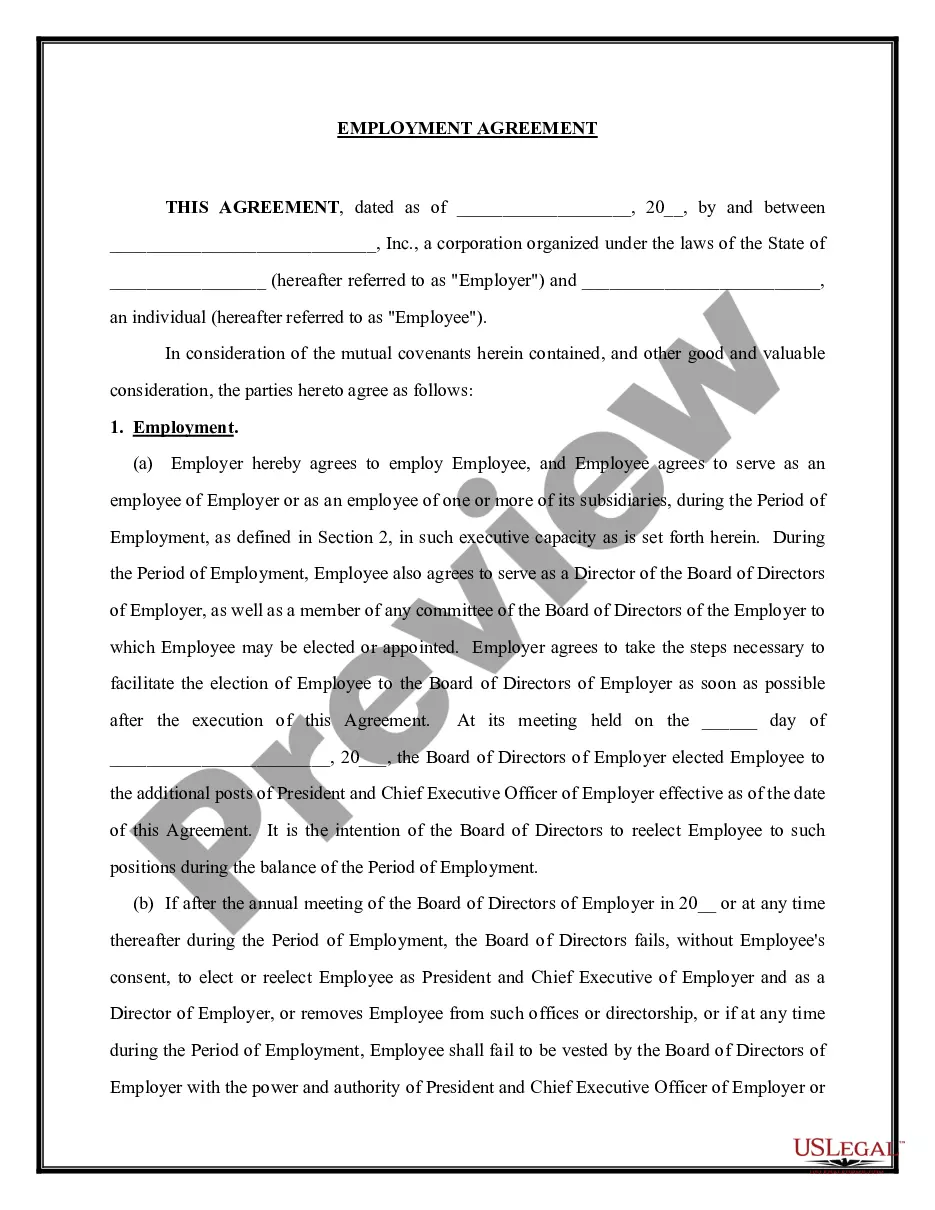
Here are some steps you may use to guide you when you write an employment contract: Title the employment contract. Identify the parties. List the term and conditions. Outline the job responsibilities. Include compensation details. Use specific contract terms. Consult with an employment lawyer.
For a contract to be legally binding, it must have 4 essential elements: An offer. Acceptance of material terms of the offer. Consideration by both parties. Mutual assent (called a “meeting of the minds”)
It is possible to draft your own lease agreement, but you are leaving yourself open to issues.
Does a lease agreement have to be notarized for Virginia? No, they do not require notarization in Virginia, though the lease must be signed by one party and meet all requirements to be enforceable.
Write the contract in six steps Start with a contract template. Open with the basic information. Describe in detail what you have agreed to. Include a description of how the contract will be ended. Write into the contract which laws apply and how disputes will be resolved. Include space for signatures.
However, in many cases individuals who are hiring the employee can also choose to write their own contracts. In some cases, independent contractors or freelancers can provide their own contracts and terms of employment. In all scenarios both parties would need to agree and sign the contract for it to be effective.
The first step to living in your own rental property is to draft a lease agreement for yourself. It might sound absurd, but you need to go through all of the formal steps that you would for a standard tenant.
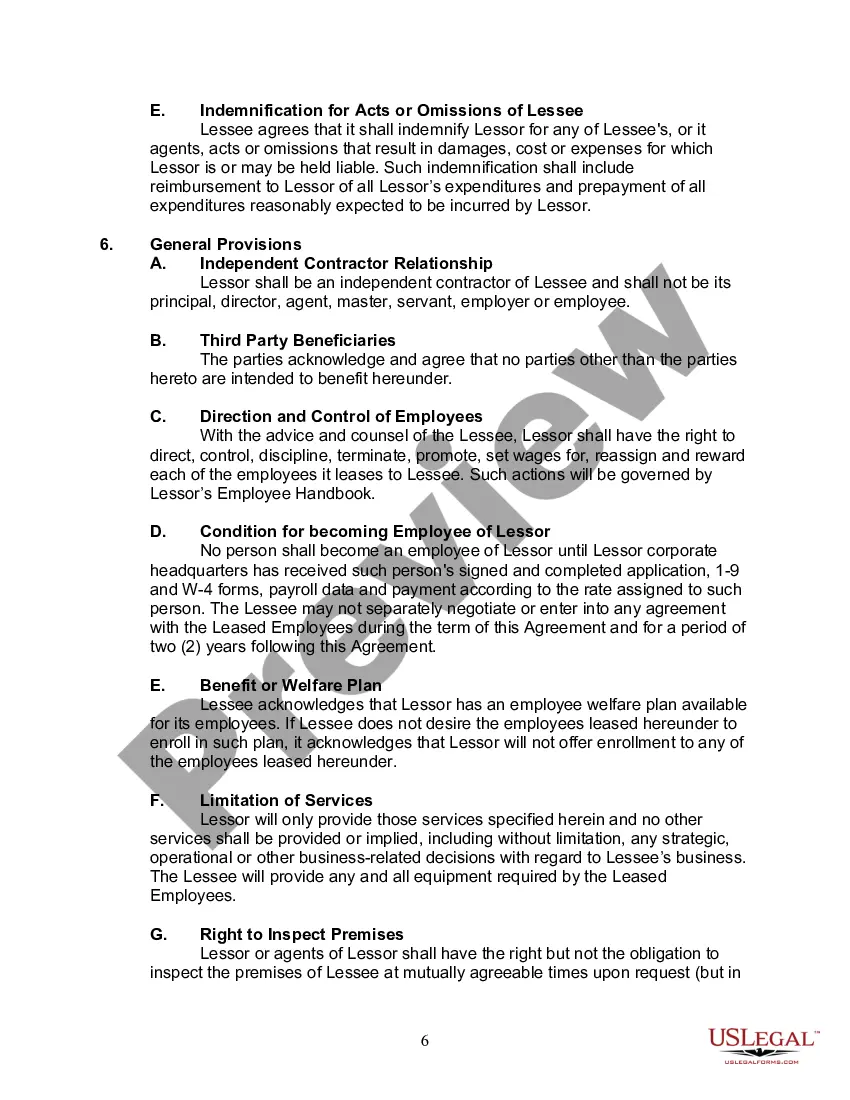
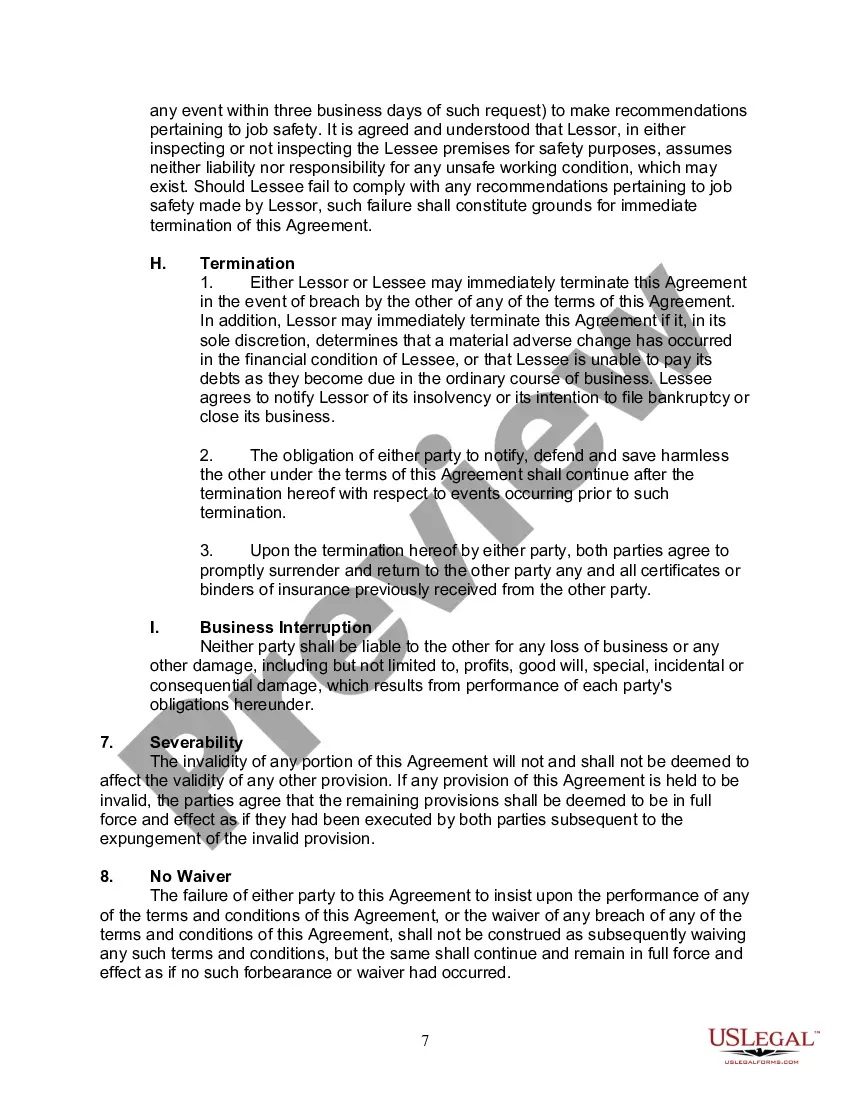
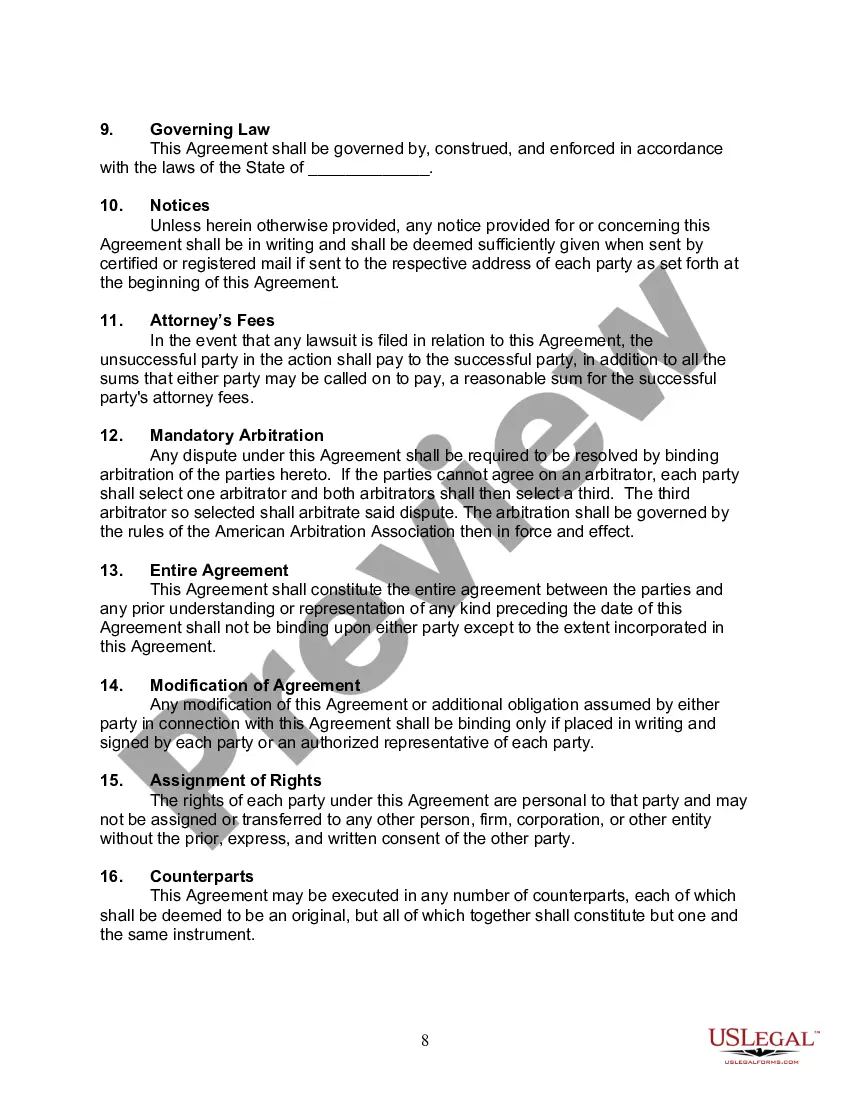
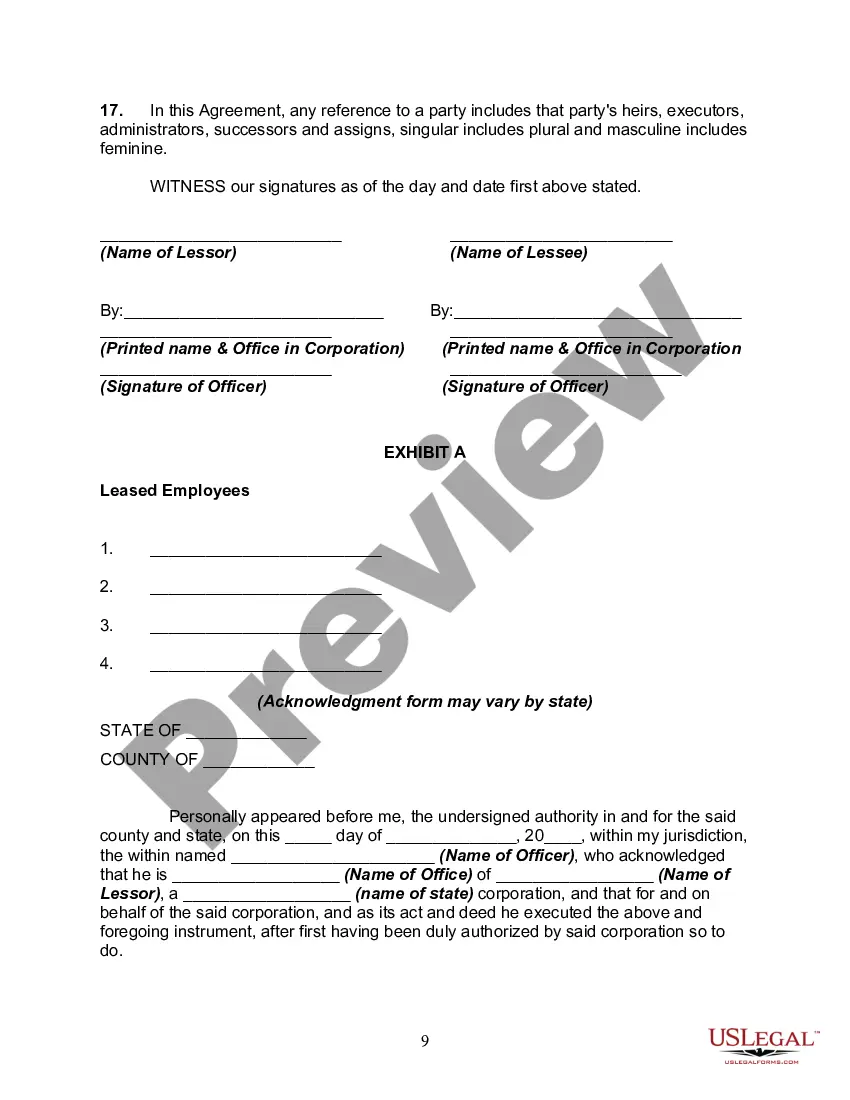
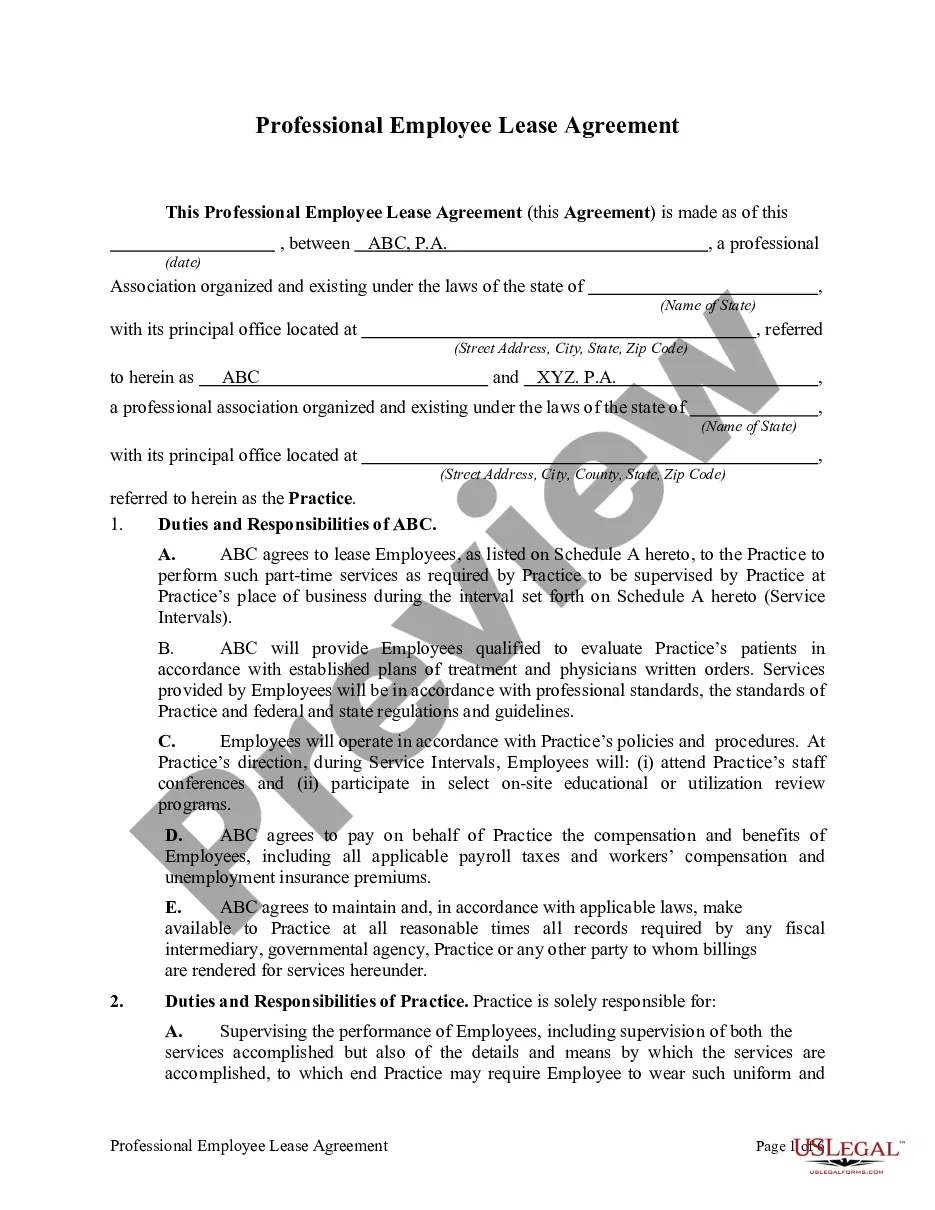
Employee leasing is an arrangement between a business and a staffing firm, who supplies workers on a project-specific or temporary basis. These employees work for the client business, but the leasing agency pays their salaries and handles all of the HR administration associated with their employment.
Handwritten contracts are legally binding if they meet the necessary conditions that apply to all contracts: mutual agreement, capacity, consideration, and legal validity. There are no legal differences between typed and handwritten agreements when it comes to enforceability.
