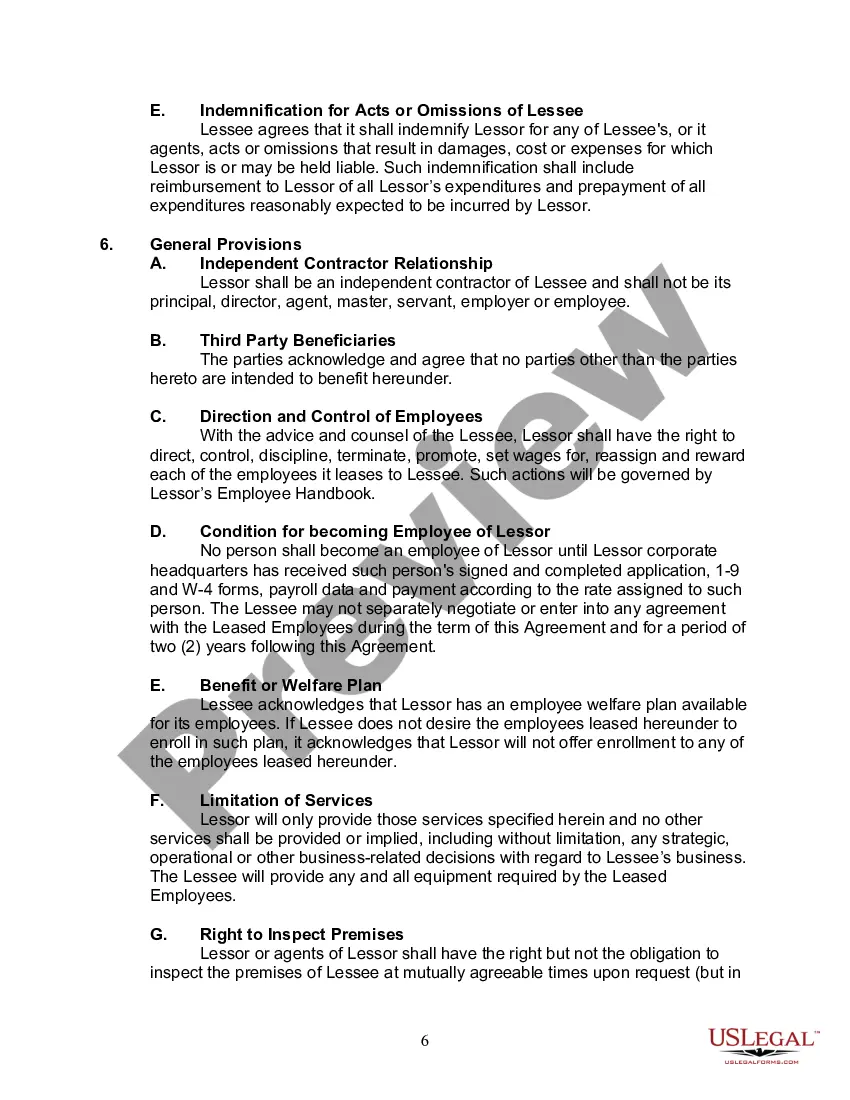
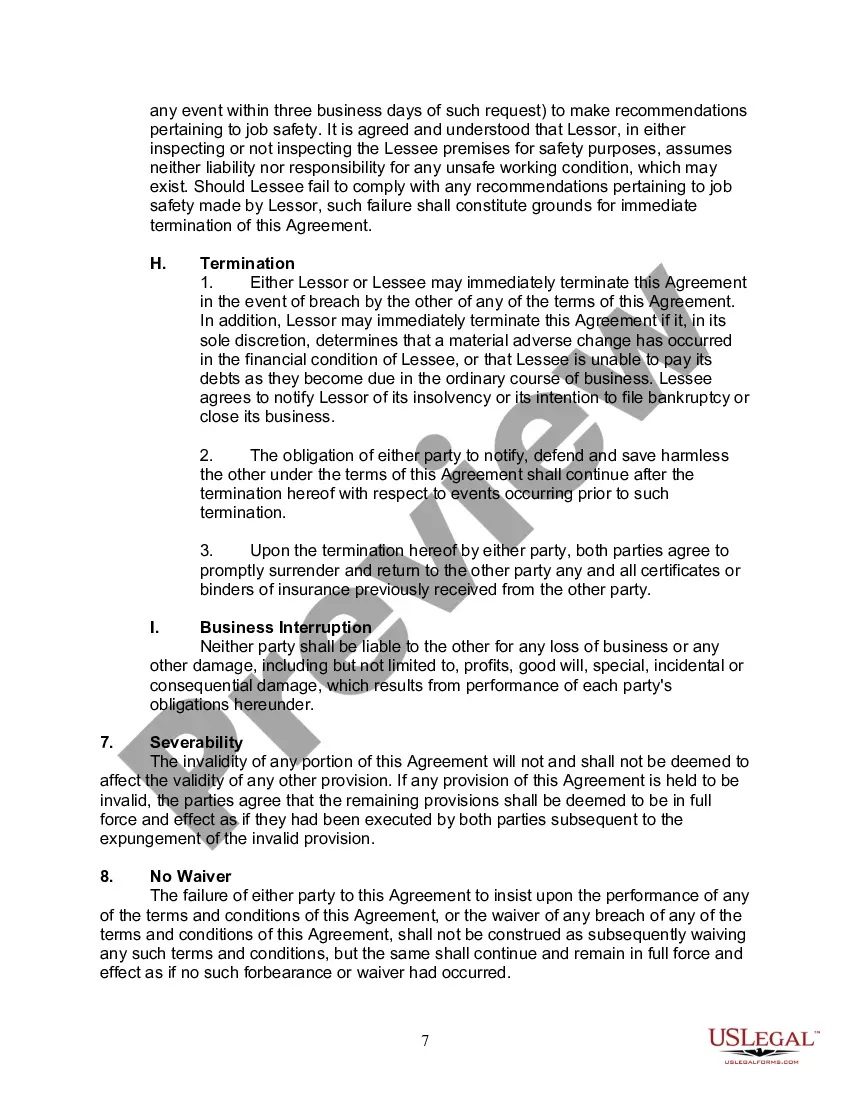
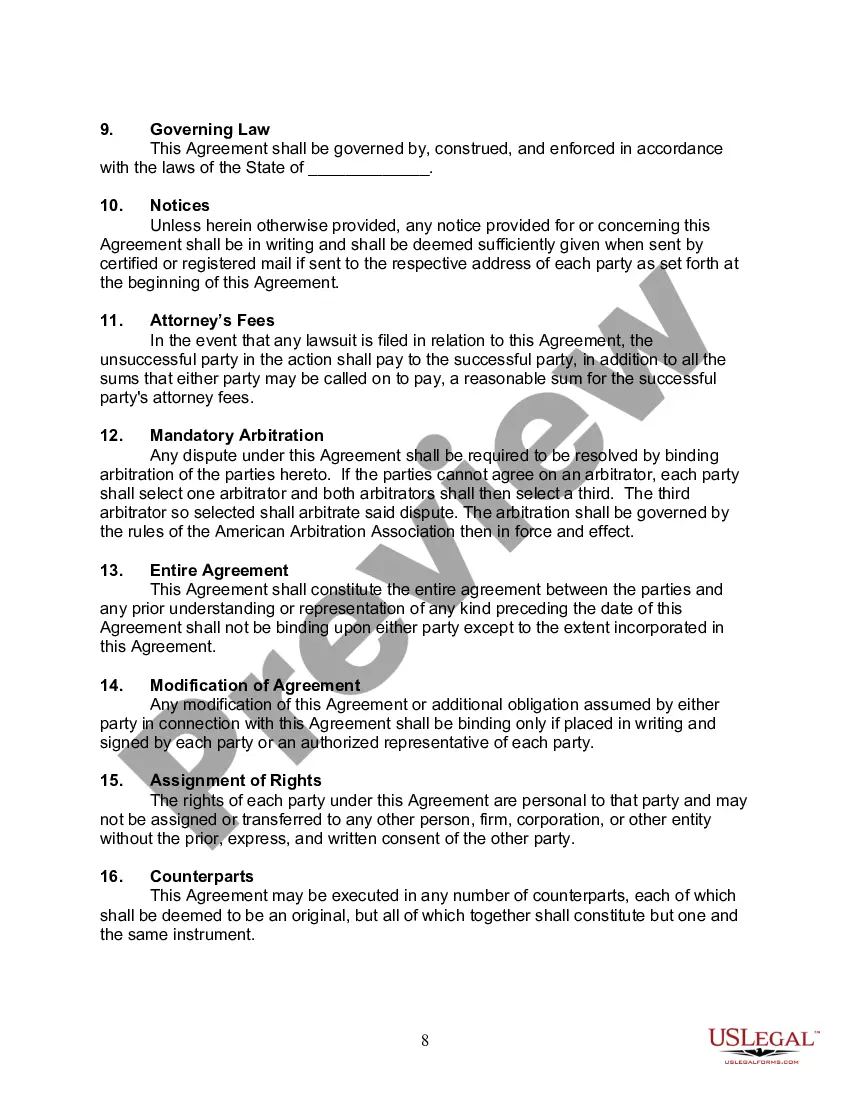
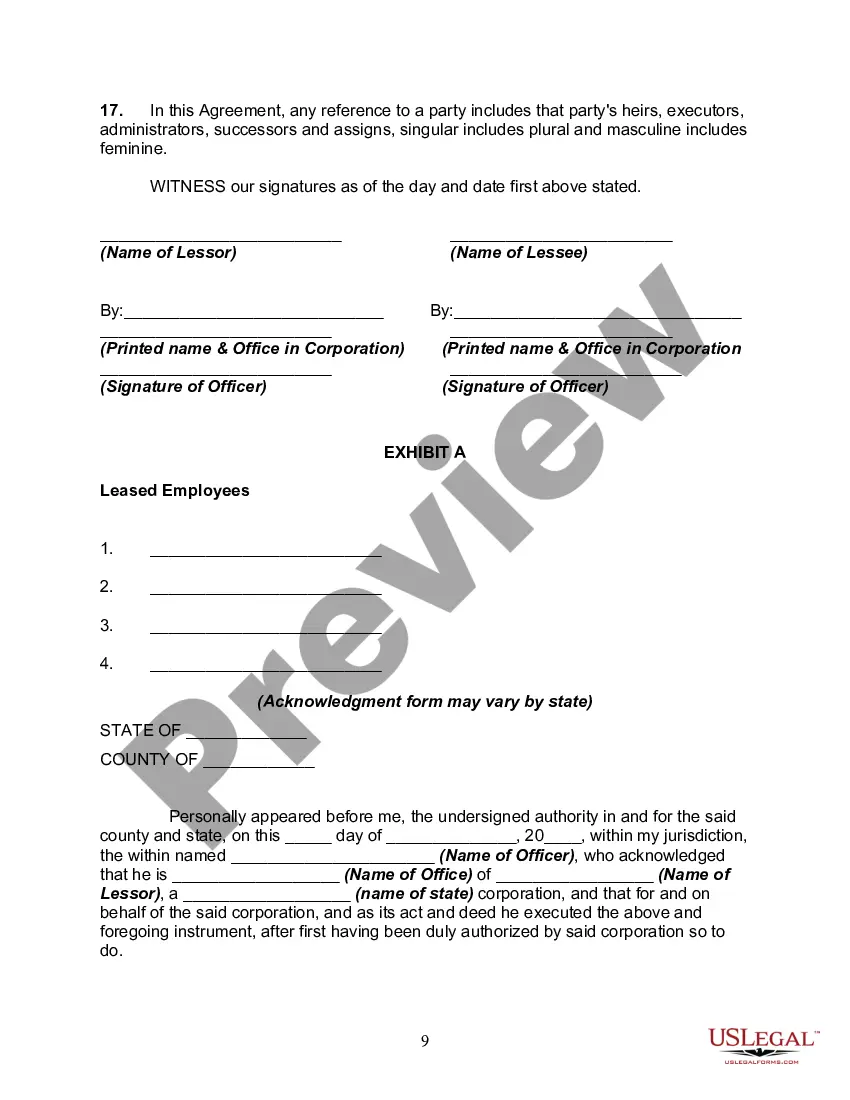
Staff Rental Agreement Form Texas In Travis
Description

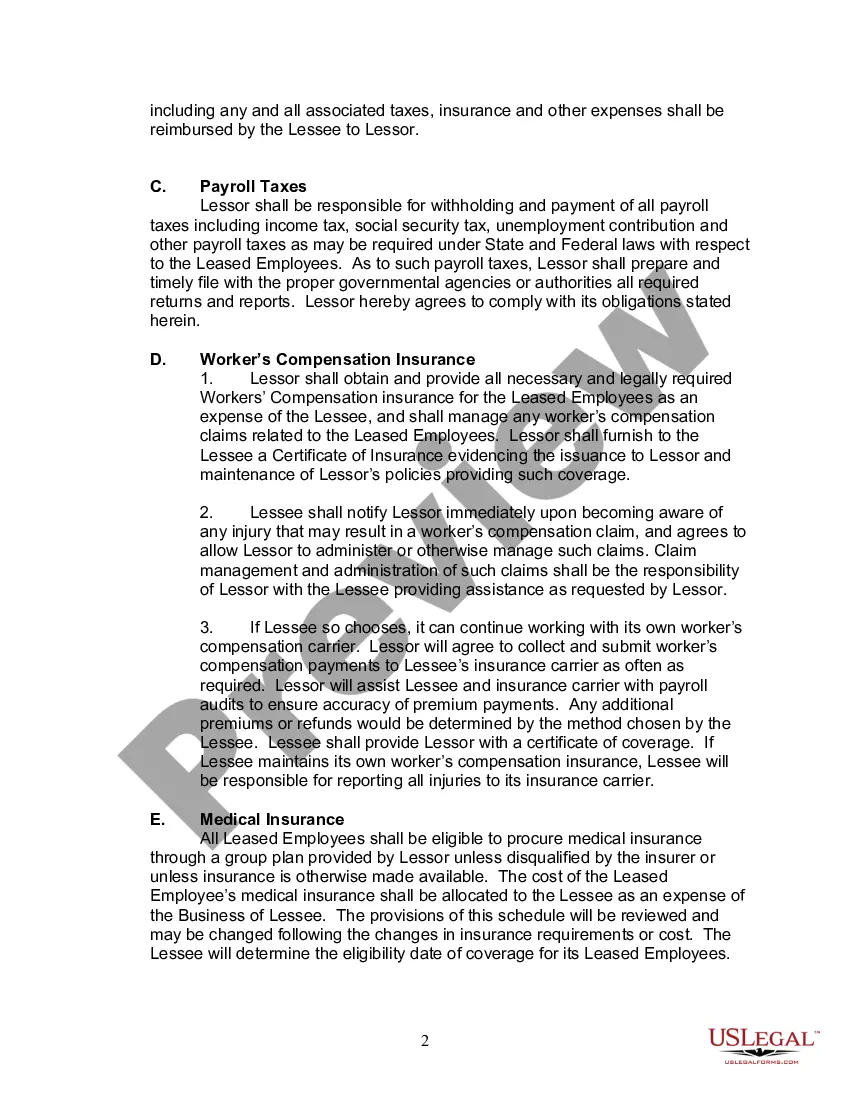
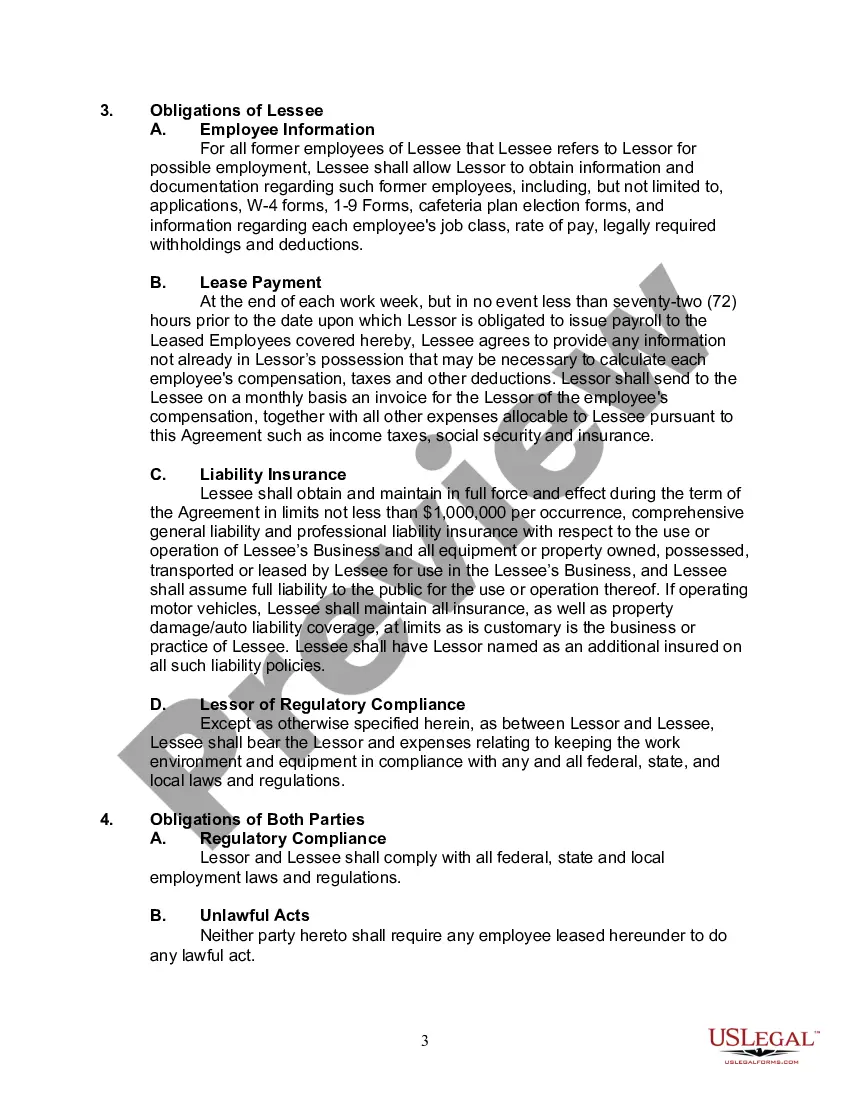
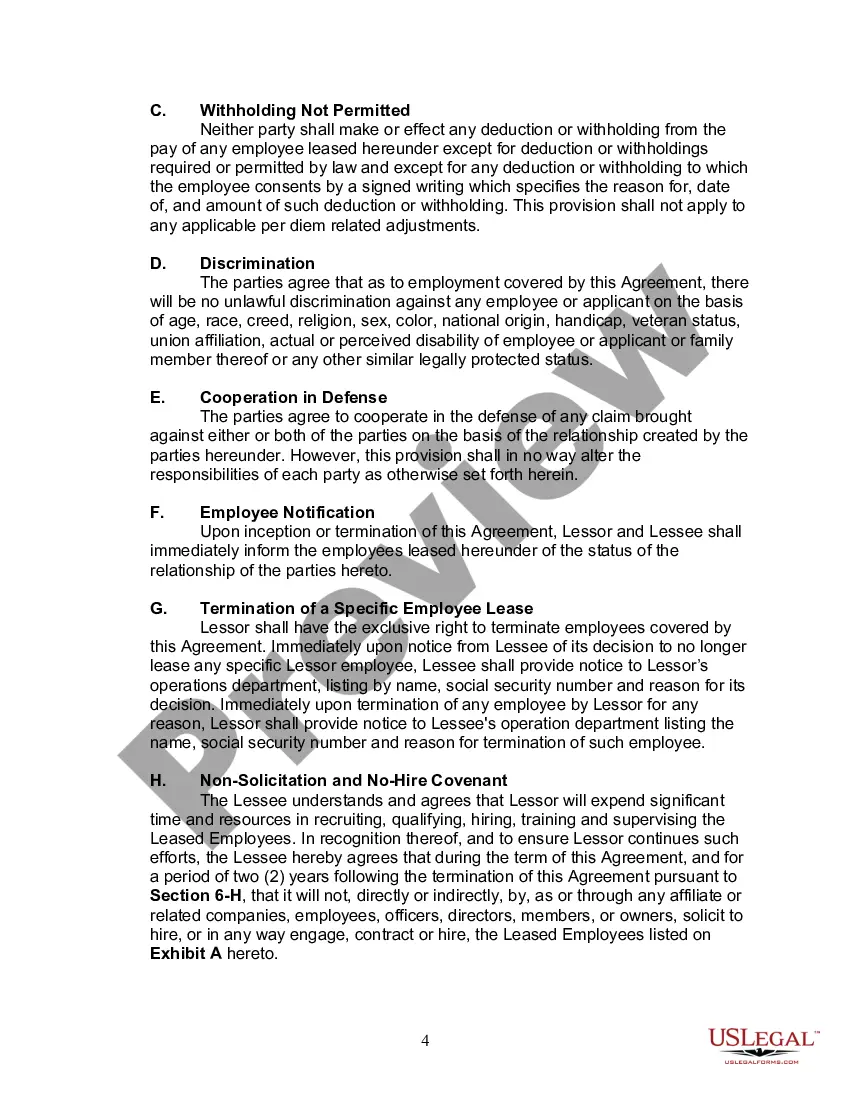
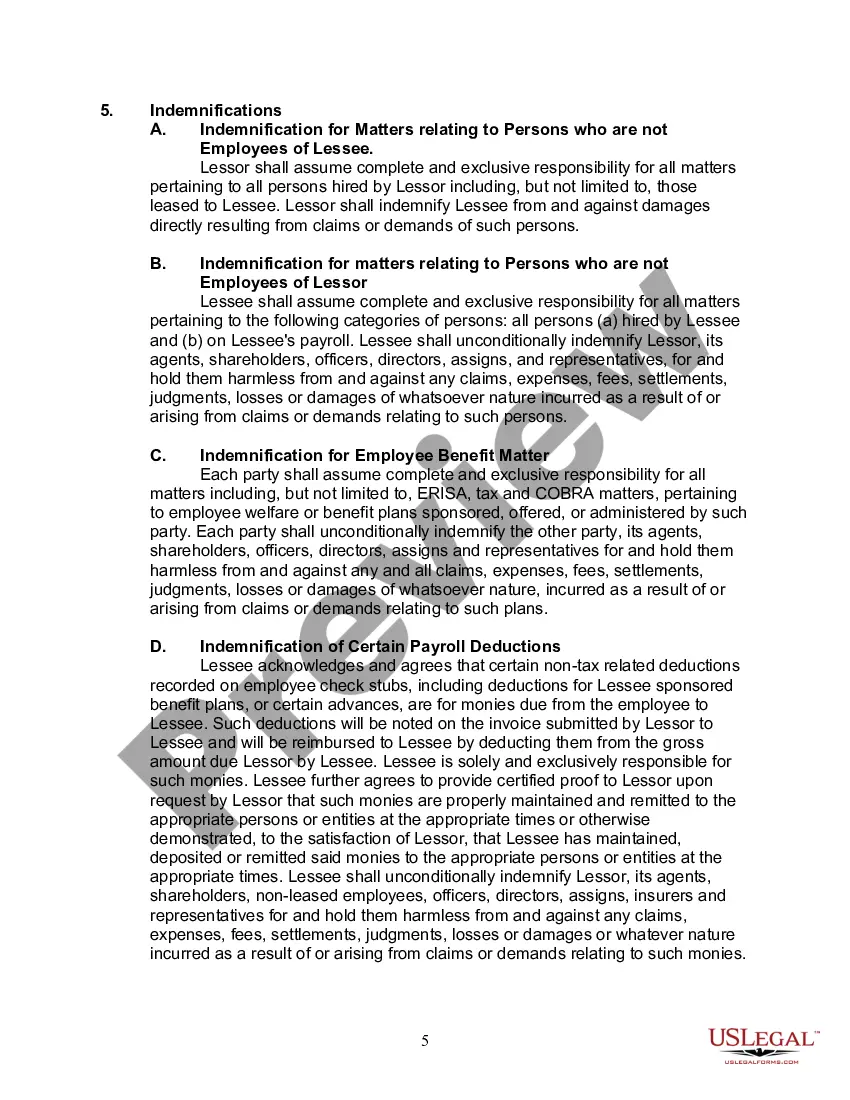
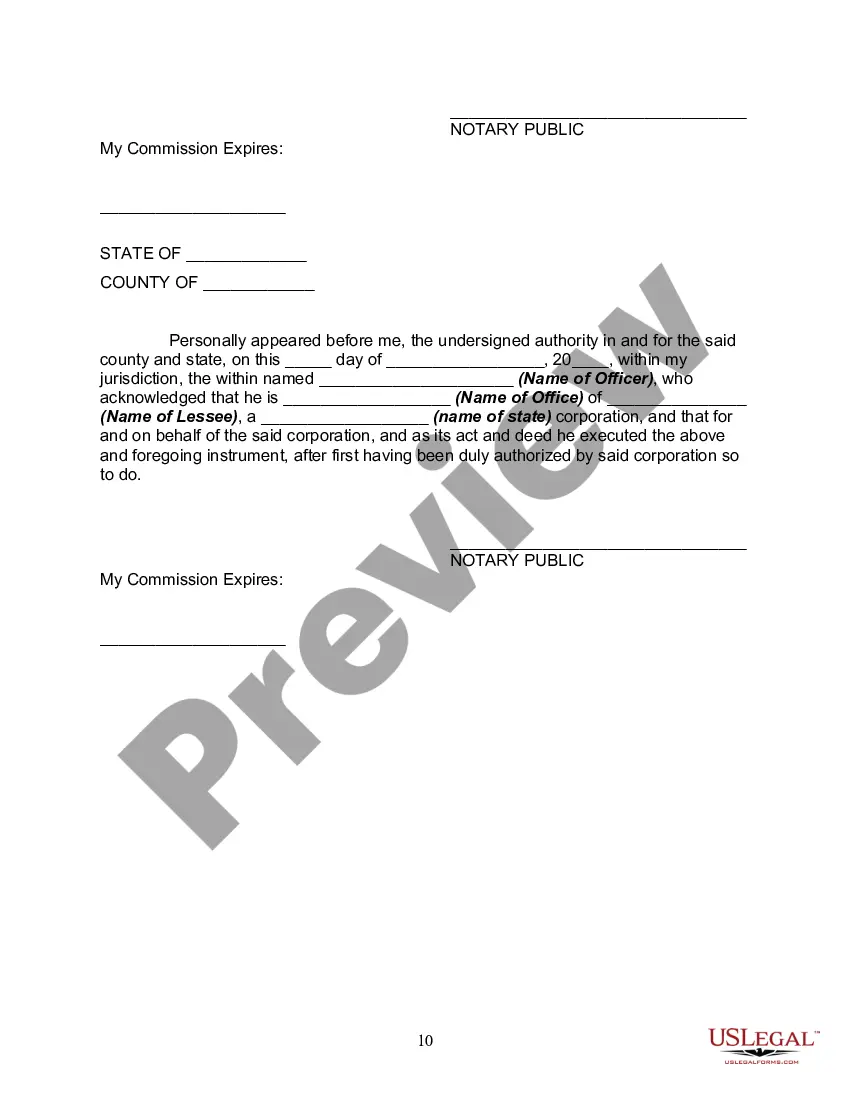
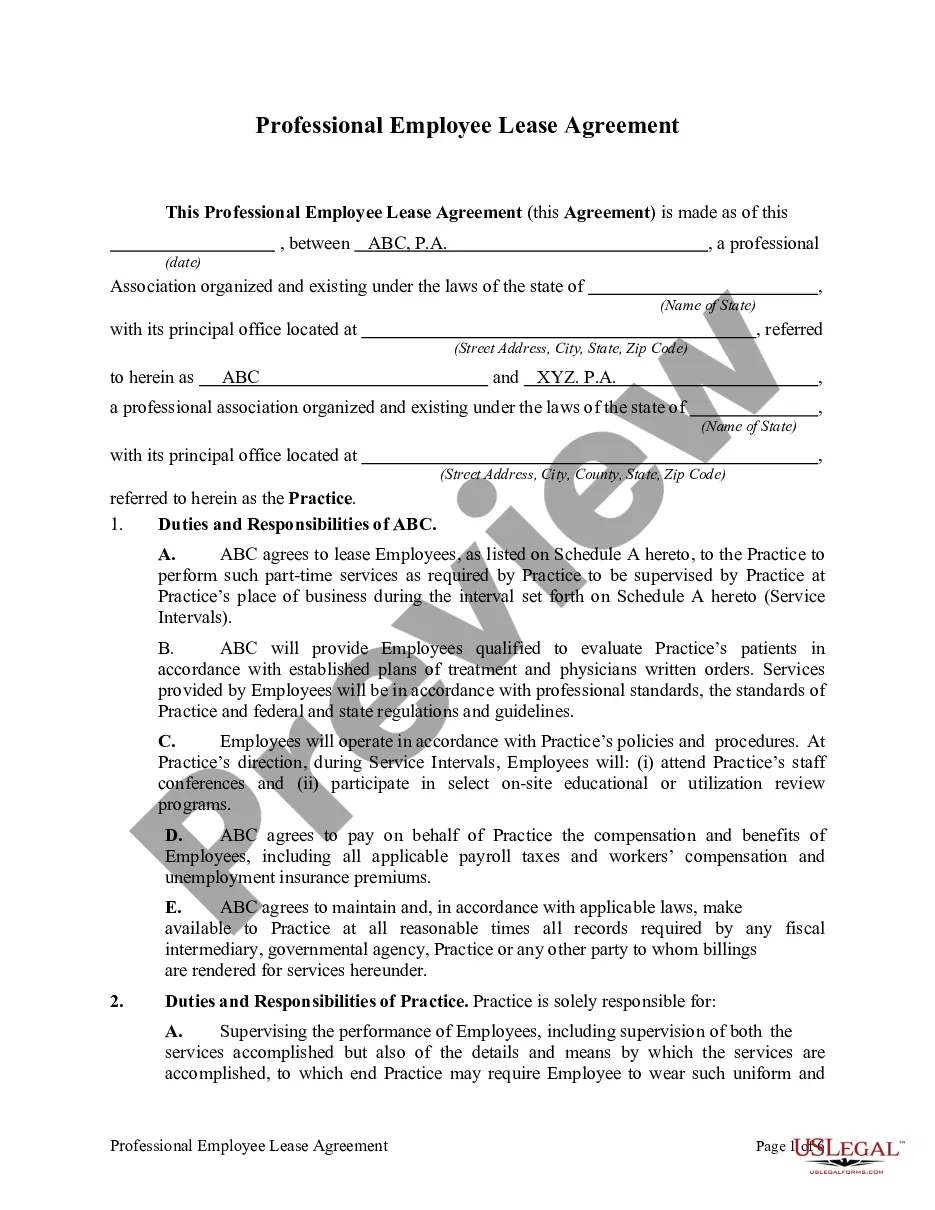
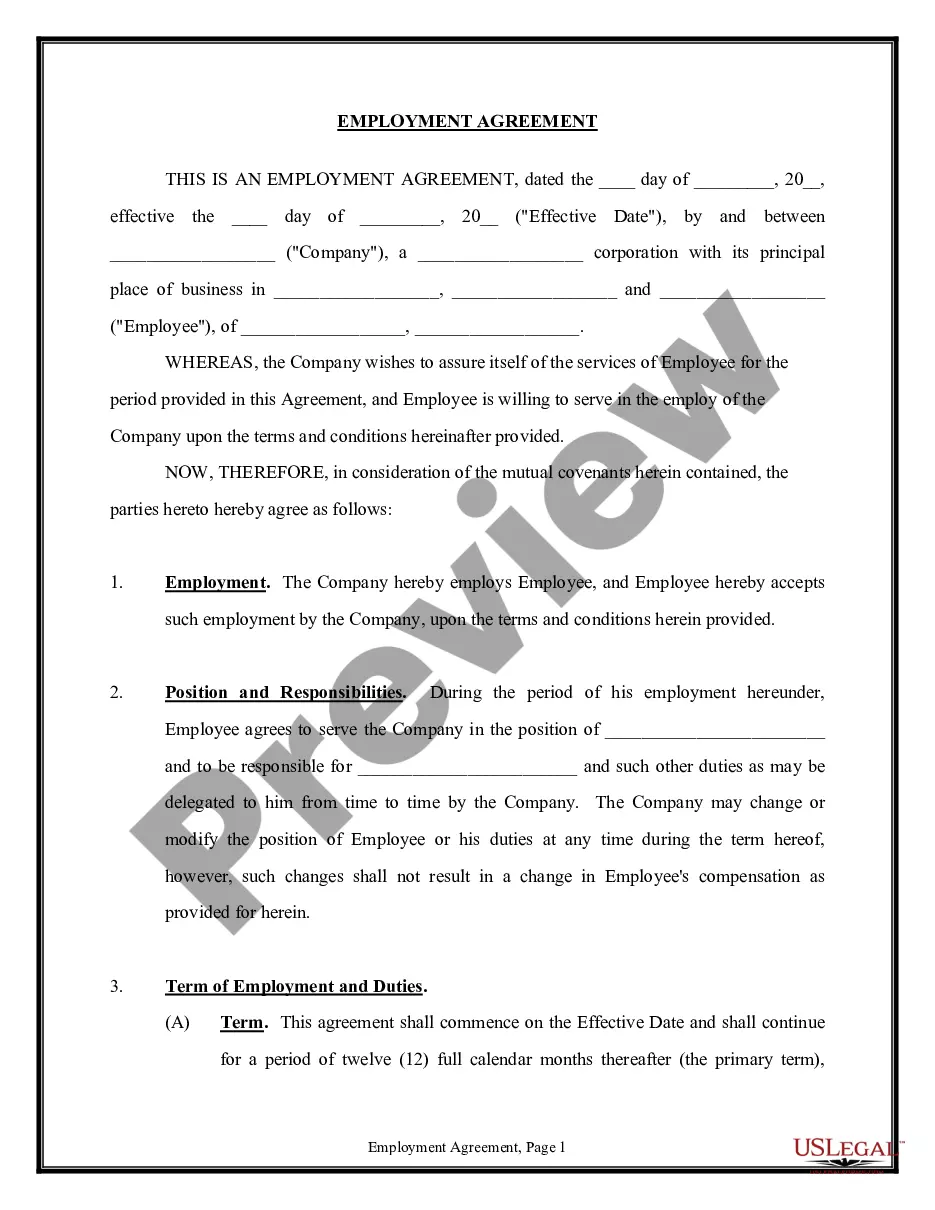
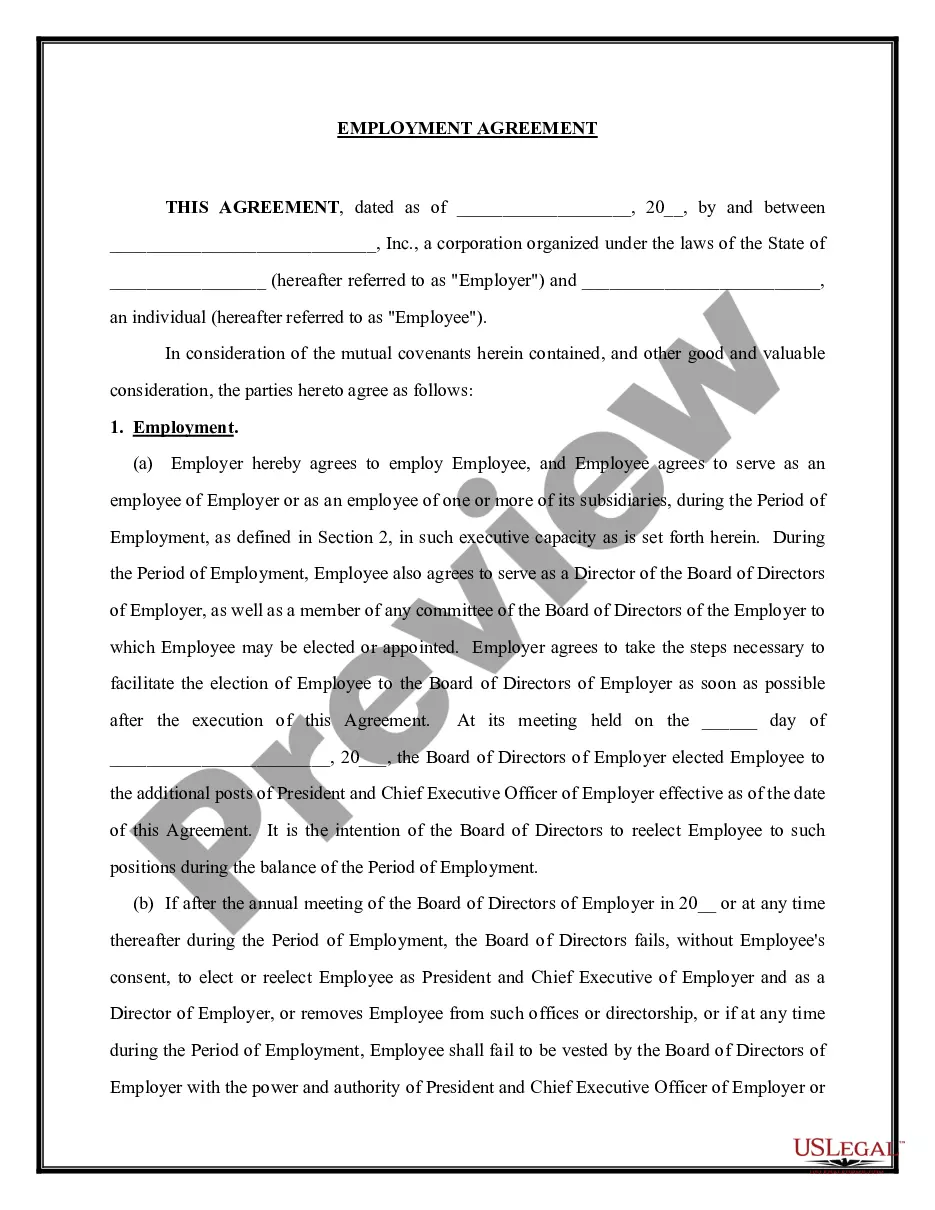
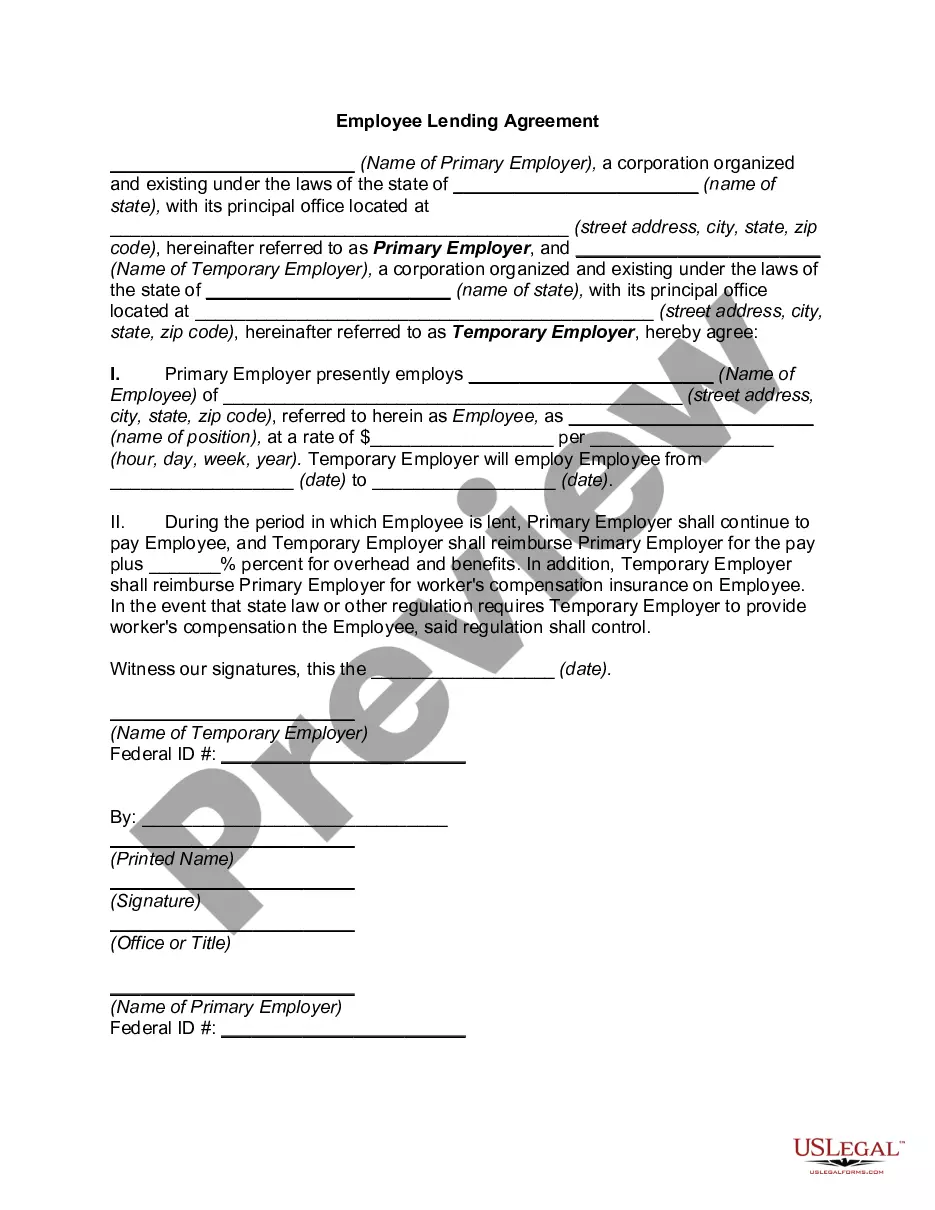
Get your form ready online
Our built-in tools help you complete, sign, share, and store your documents in one place.
Make edits, fill in missing information, and update formatting in US Legal Forms—just like you would in MS Word.
Download a copy, print it, send it by email, or mail it via USPS—whatever works best for your next step.
Sign and collect signatures with our SignNow integration. Send to multiple recipients, set reminders, and more. Go Premium to unlock E-Sign.
If this form requires notarization, complete it online through a secure video call—no need to meet a notary in person or wait for an appointment.
We protect your documents and personal data by following strict security and privacy standards.

Make edits, fill in missing information, and update formatting in US Legal Forms—just like you would in MS Word.

Download a copy, print it, send it by email, or mail it via USPS—whatever works best for your next step.

Sign and collect signatures with our SignNow integration. Send to multiple recipients, set reminders, and more. Go Premium to unlock E-Sign.

If this form requires notarization, complete it online through a secure video call—no need to meet a notary in person or wait for an appointment.

We protect your documents and personal data by following strict security and privacy standards.
Looking for another form?






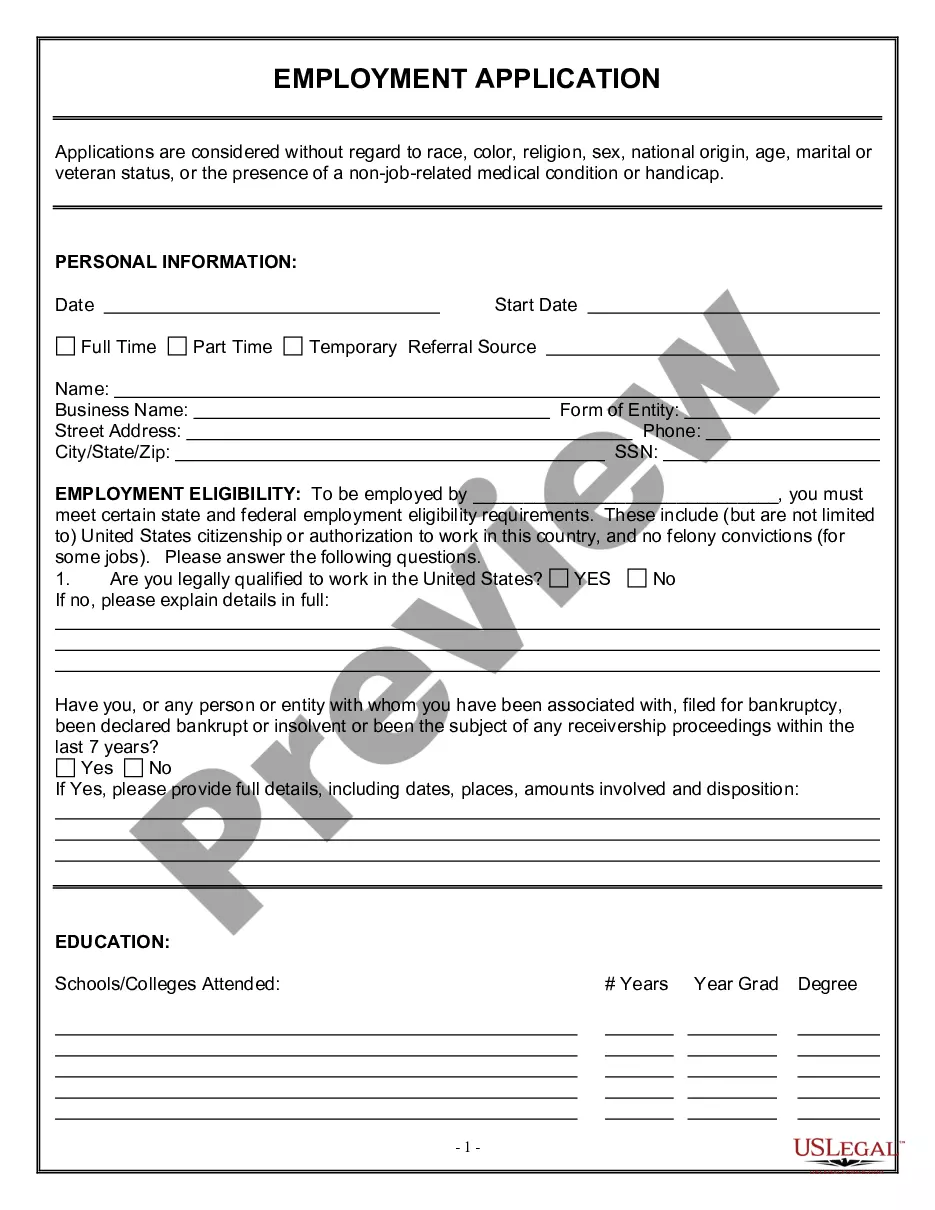



Form popularity
FAQ
No, signing a contract in front of a notary is not required. A notary's involvement does not make a contract somehow more binding or more enforceable than it otherwise would be. (To learn what makes a contract legally valid, see the "What makes a contract legally enforceable?" section in Understanding Contracts.)
Go To Your Landlord or Management Company This is the obvious answer. Not only is the person or company you signed the lease with the most likely to have a copy for themselves, many states legally require landlords to provide tenants a copy of the lease.
Do Lease Agreements Need to Be Notarized in Texas? No, Texas Lease Agreements do not need to be notarized. They just need to be signed by the Tenant and Landlord.
A lease agreement longer than one year must be in writing. A lease is a contract between a landlord and a tenant. As with any contract, both parties have the right to negotiate the terms before entering into it.
While notarization can enhance a lease's security by adding authenticity and preventing fraud, many states do not mandate it for standard residential leases. For example, California does not require lease notarization, while other states like Ohio may have different requirements.
State-Specific Regulations. States dictate whether lease agreements need notarization. In some areas, like Ohio and Georgia, certain long-term leases require notarization to be enforceable. Texas and California, in contrast, typically don't require notarization for standard residential leases.
An experienced attorney who has a detailed understanding of real estate law will help to ensure that the landlord's assets are protected to the full extent of the law and ensure that they have full recourse if the tenant is found to renege on their side of the contract by not paying rent on time or conducting illegal ...
Landlord's Right to Sue for Eviction or Damages ing to the Texas Property Code, landlords can pursue claims for eviction and damage to the premises, even without a written lease. Example: Sarah, a property owner, discovers that her tenant, without a formal lease, has caused significant damage to the kitchen.
Here's a list of standard fields that you should include in your lease agreement: Tenant information. Include each tenant's full name and contact information. Rental property description. Security deposit. Monthly rent amount. Utilities. Lease term. Policies. Late fees.
