Alternative To Lease Agreement In San Antonio
Description

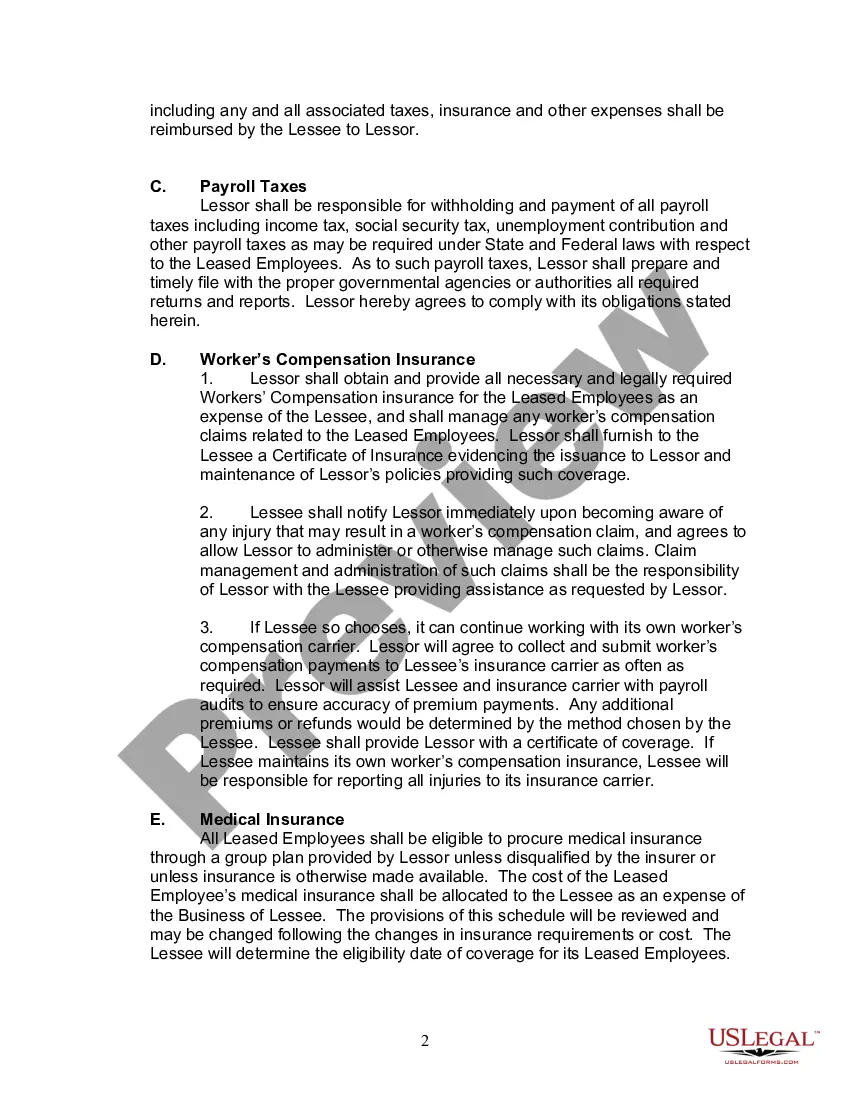
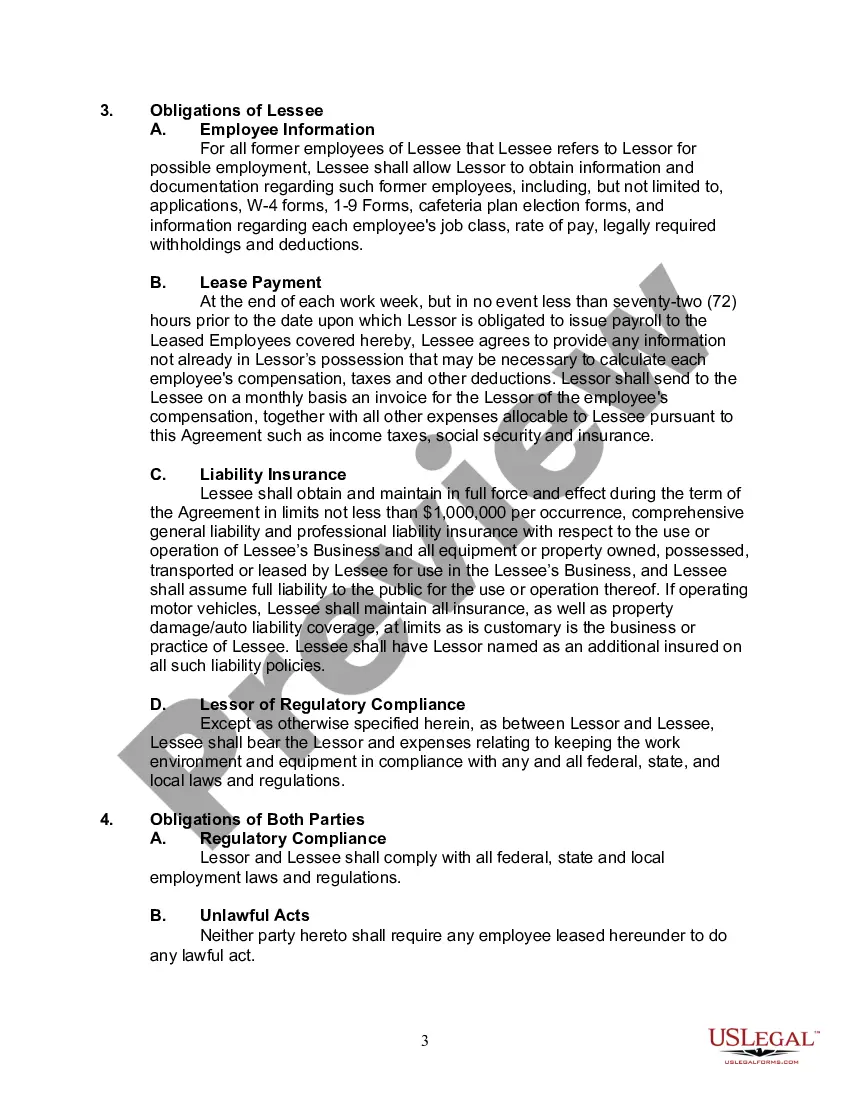
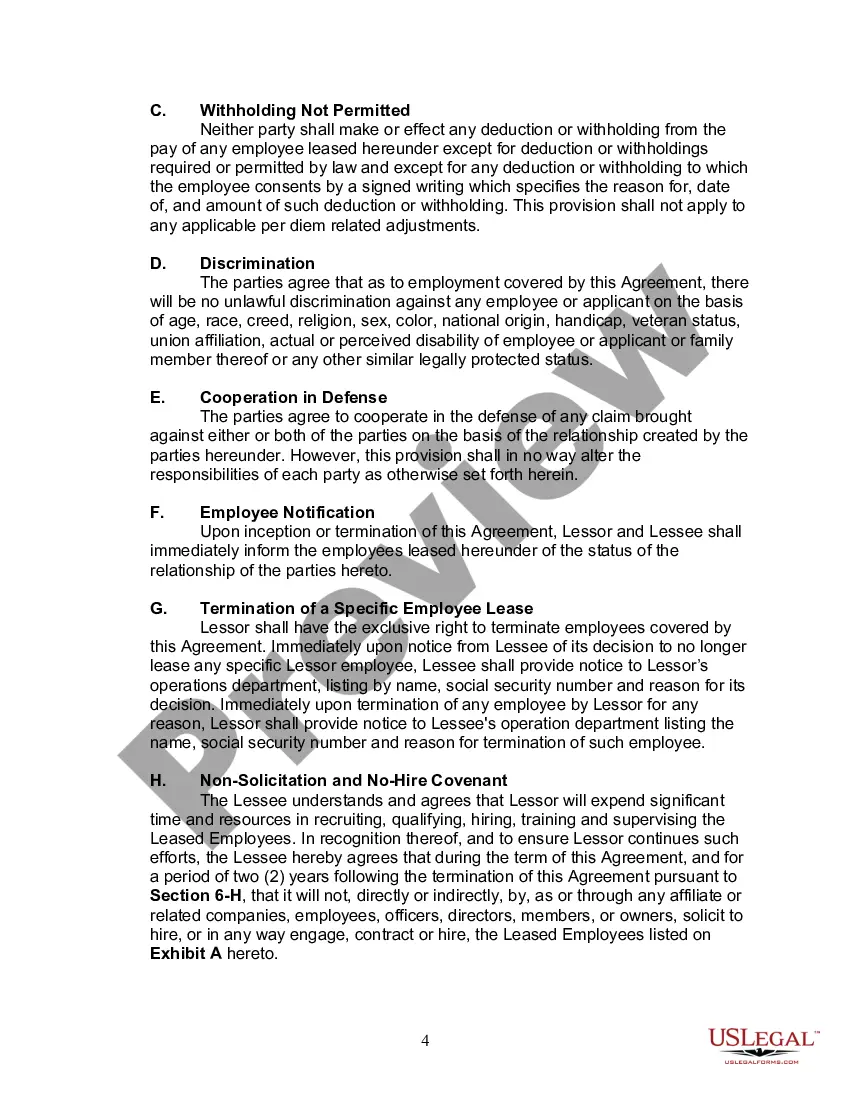
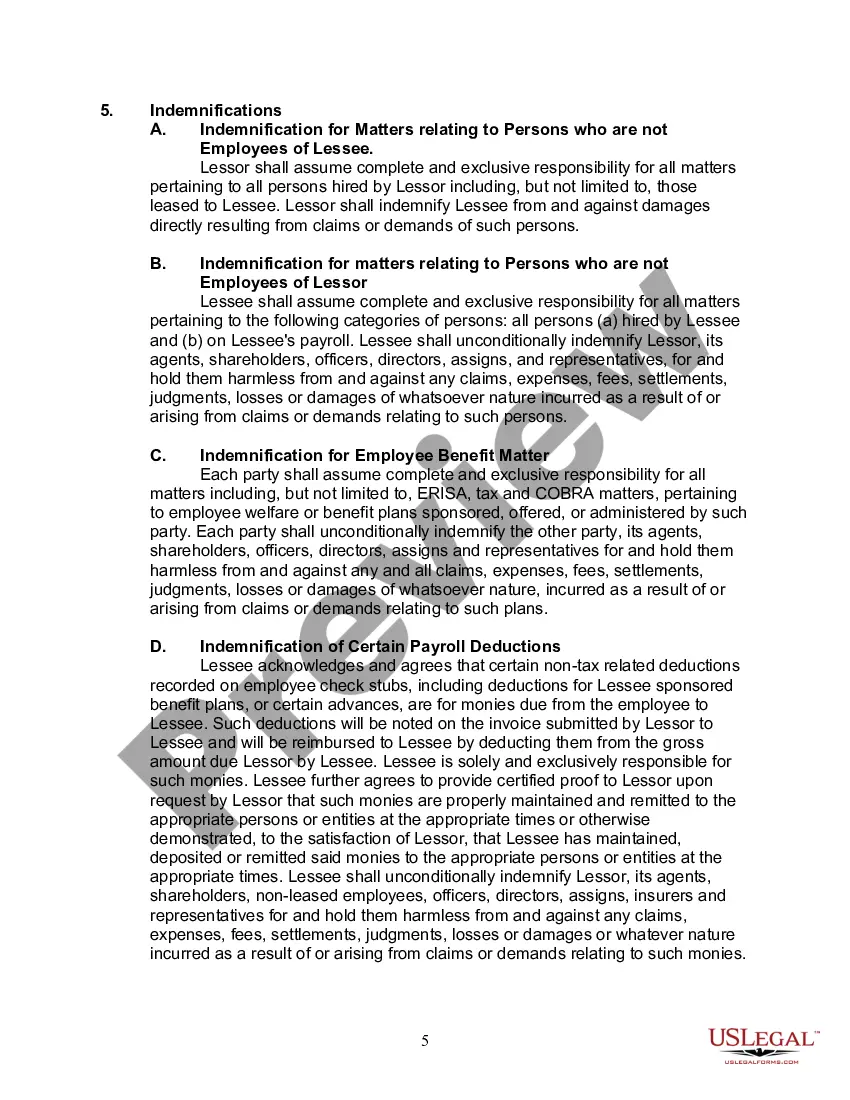
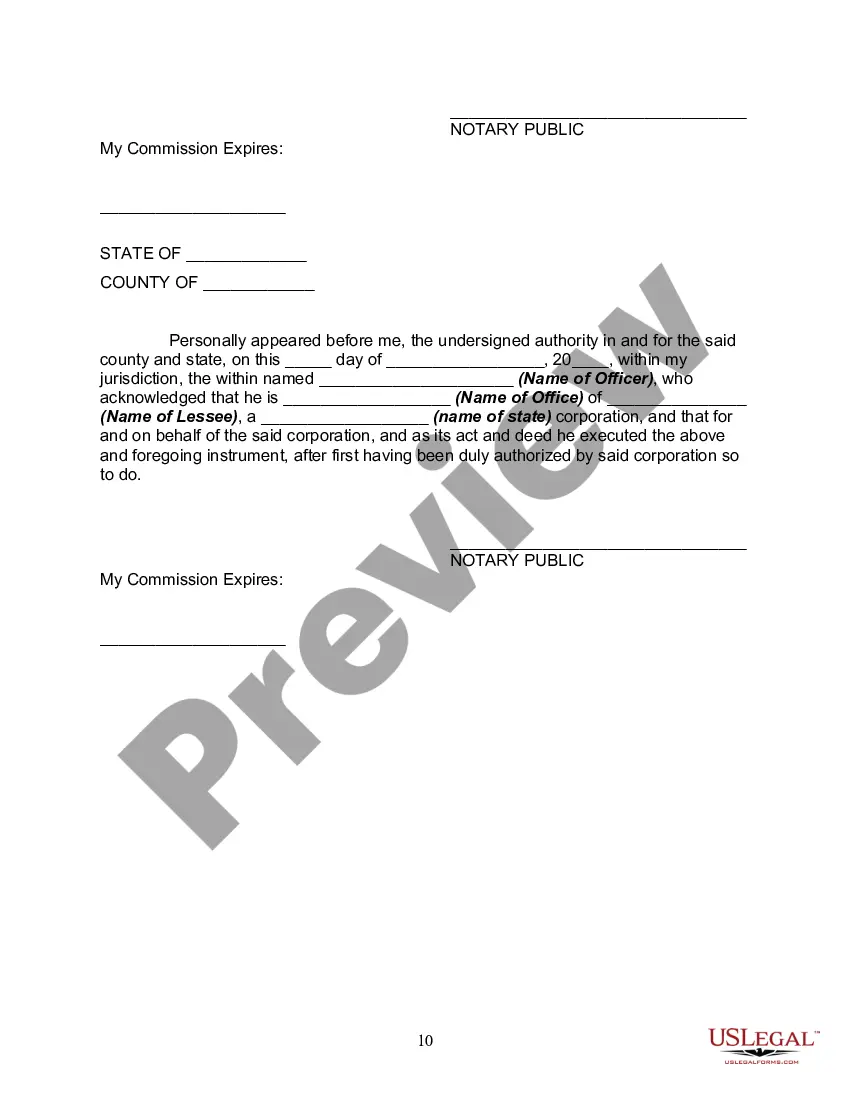
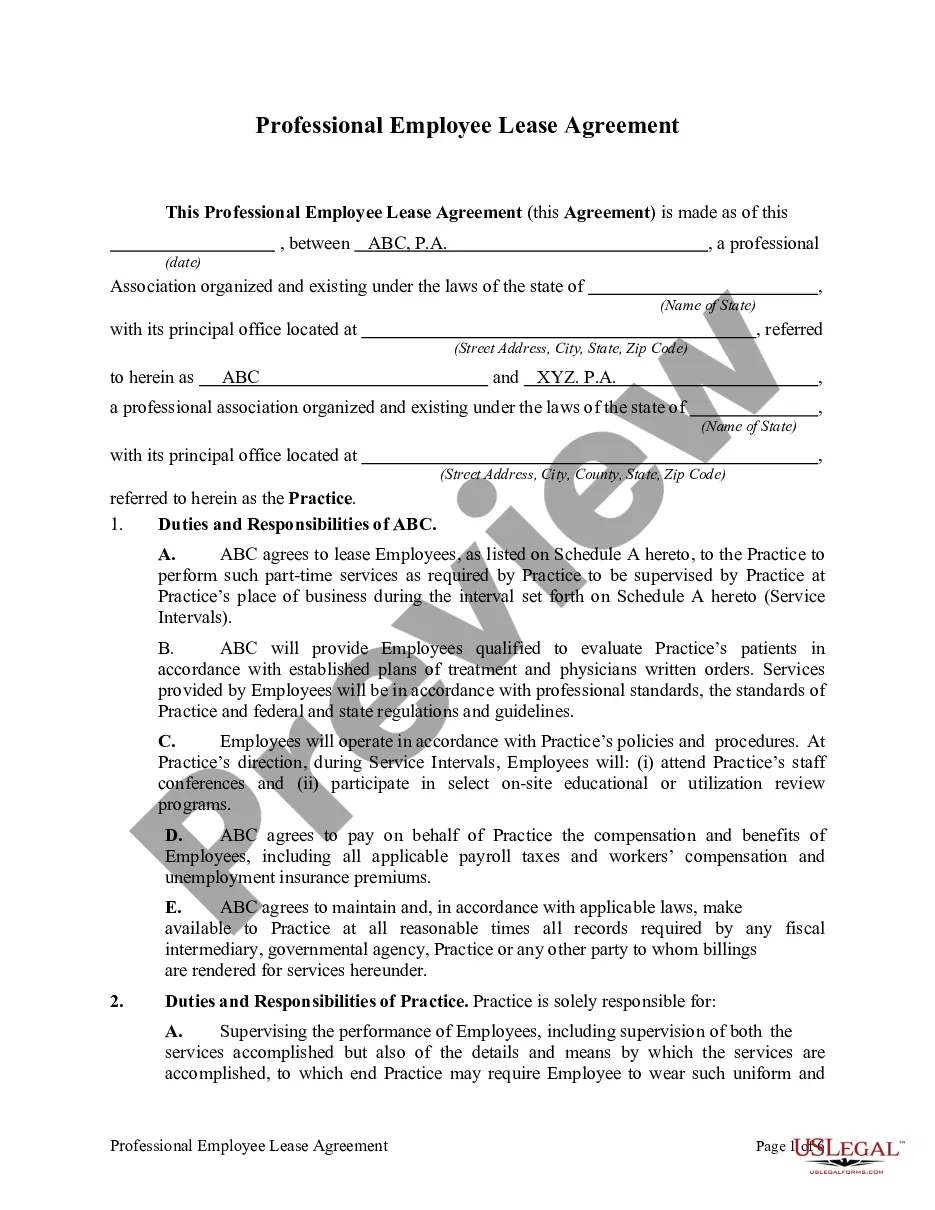
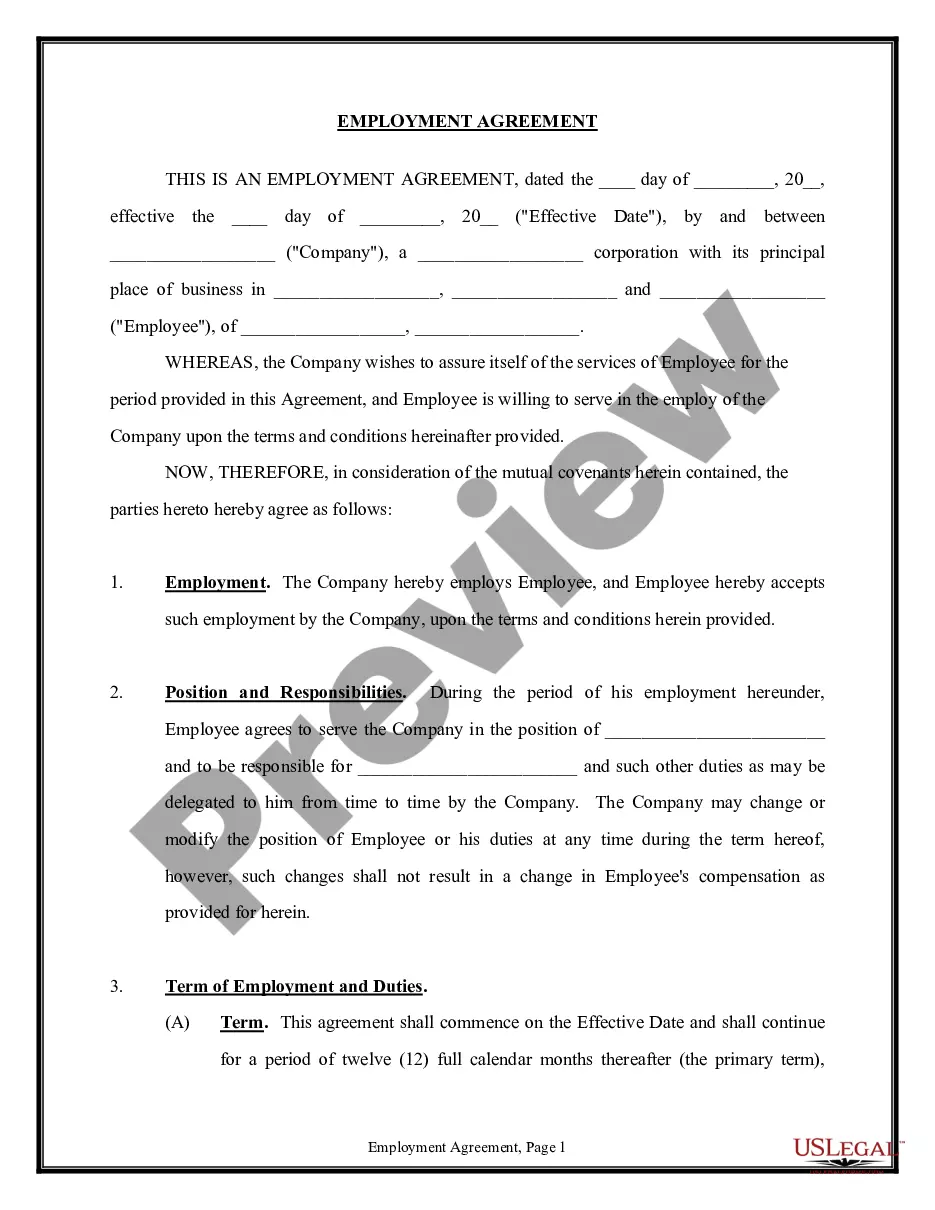
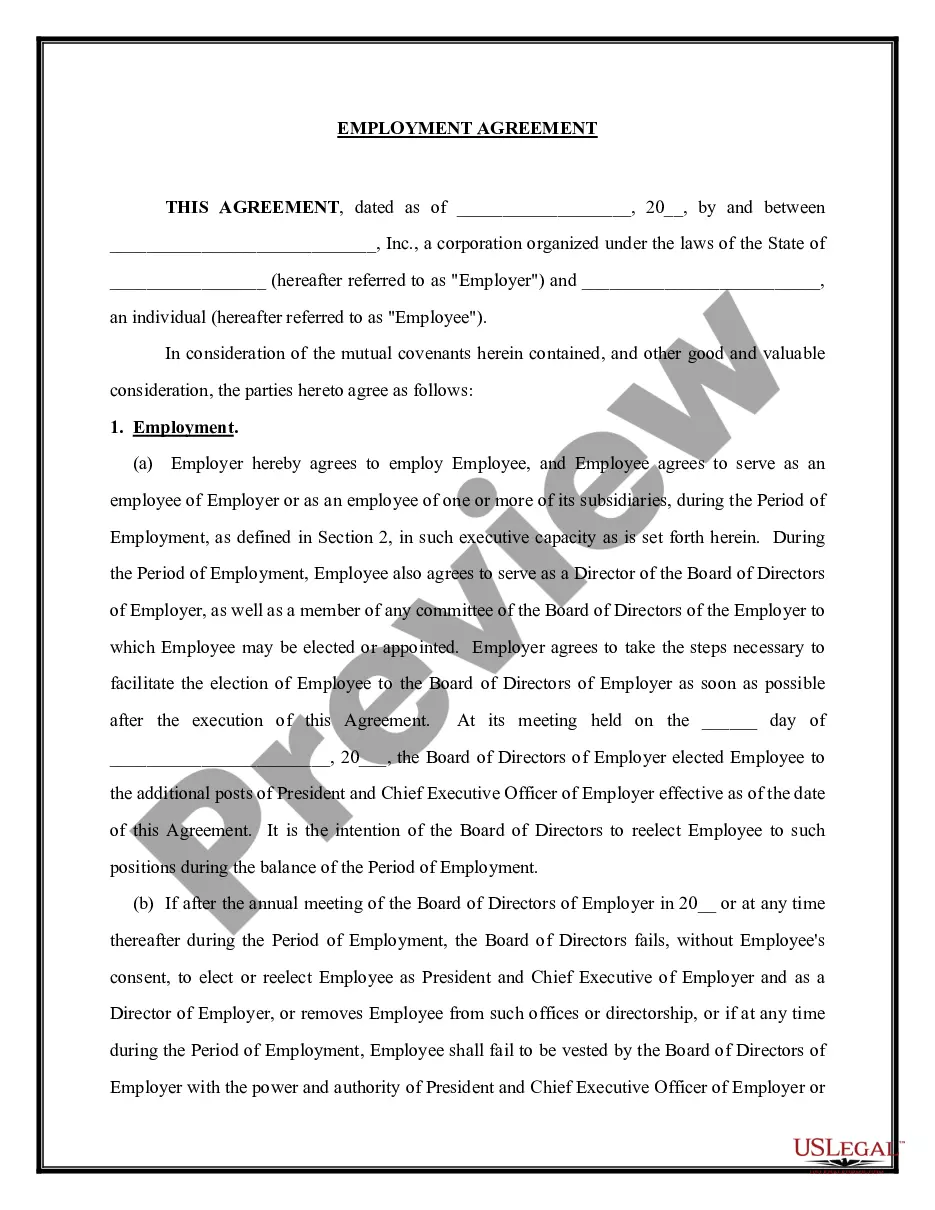
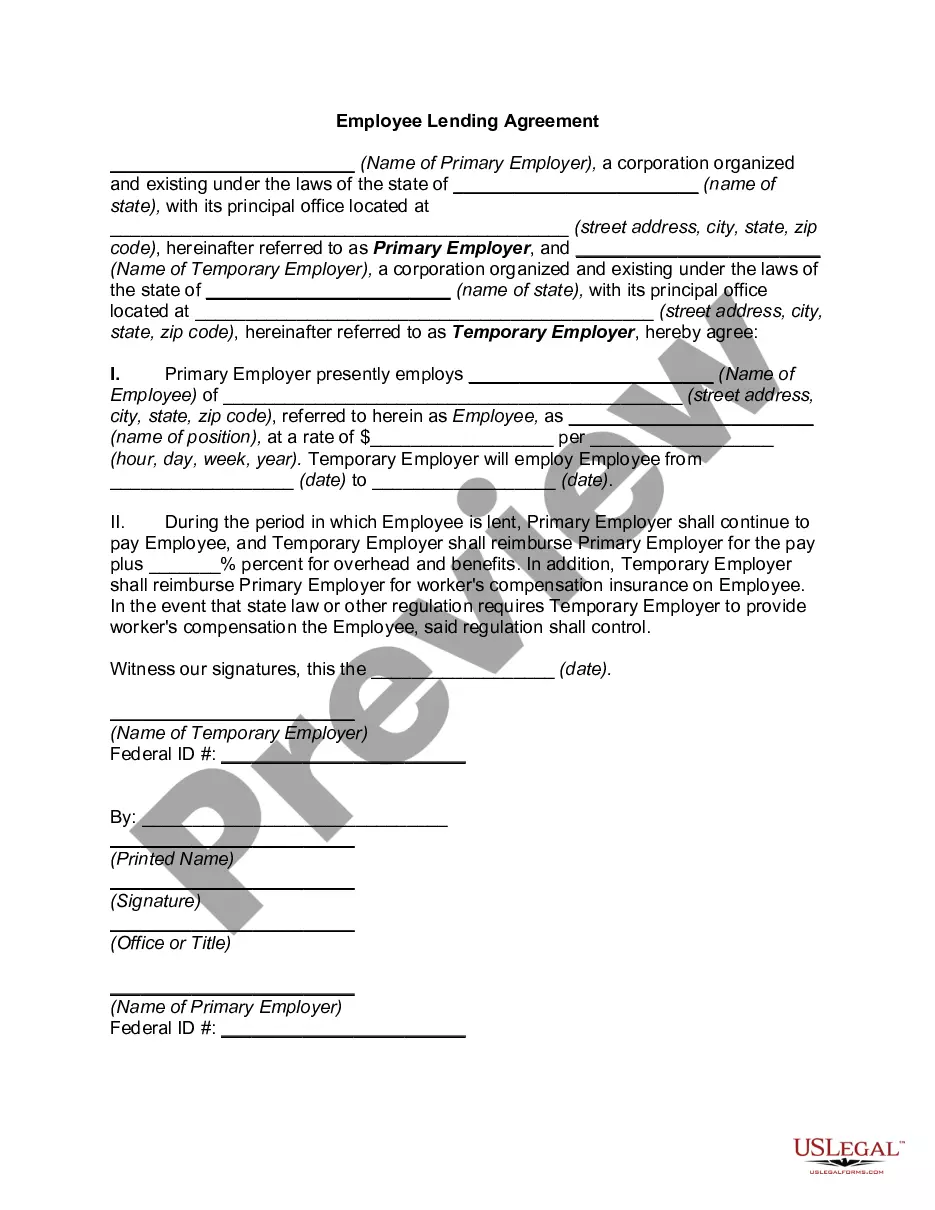
Get your form ready online
Our built-in tools help you complete, sign, share, and store your documents in one place.
Make edits, fill in missing information, and update formatting in US Legal Forms—just like you would in MS Word.
Download a copy, print it, send it by email, or mail it via USPS—whatever works best for your next step.
Sign and collect signatures with our SignNow integration. Send to multiple recipients, set reminders, and more. Go Premium to unlock E-Sign.
If this form requires notarization, complete it online through a secure video call—no need to meet a notary in person or wait for an appointment.
We protect your documents and personal data by following strict security and privacy standards.

Make edits, fill in missing information, and update formatting in US Legal Forms—just like you would in MS Word.

Download a copy, print it, send it by email, or mail it via USPS—whatever works best for your next step.

Sign and collect signatures with our SignNow integration. Send to multiple recipients, set reminders, and more. Go Premium to unlock E-Sign.

If this form requires notarization, complete it online through a secure video call—no need to meet a notary in person or wait for an appointment.

We protect your documents and personal data by following strict security and privacy standards.
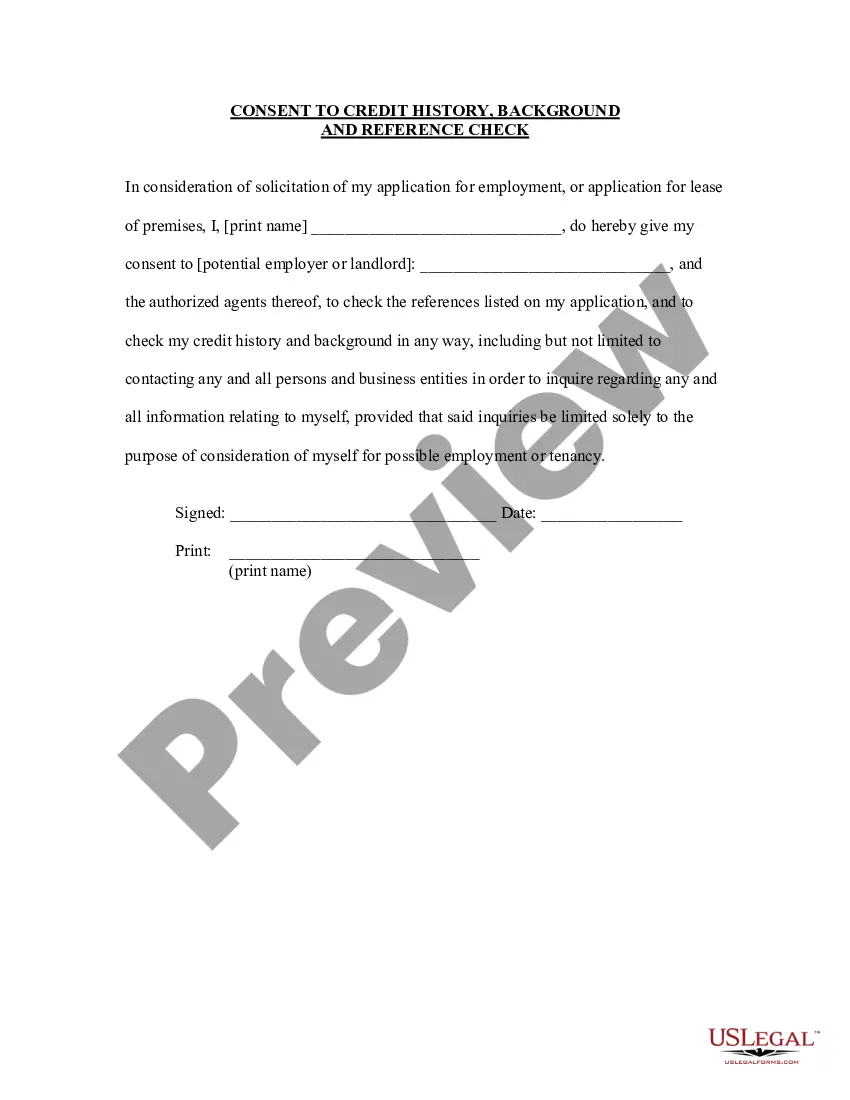
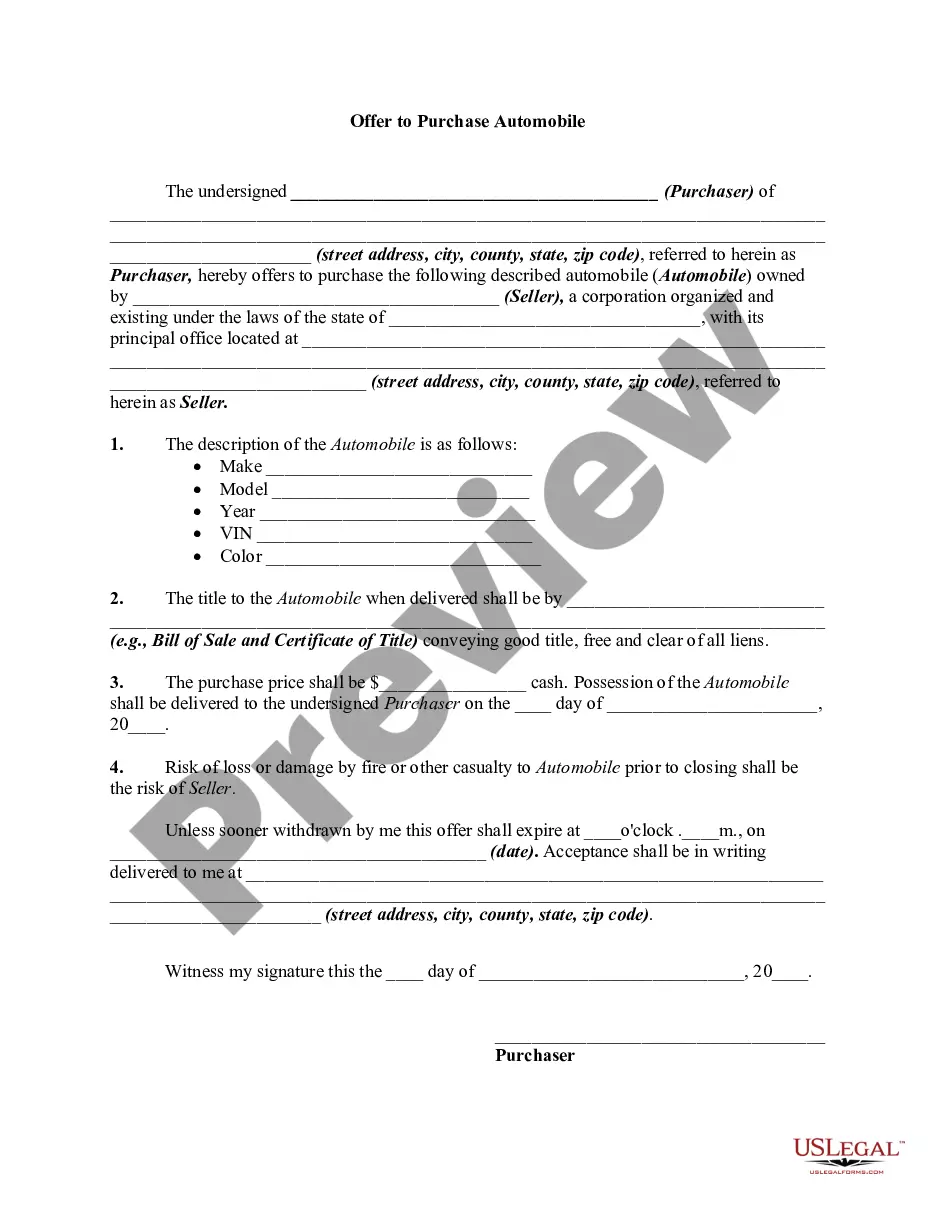
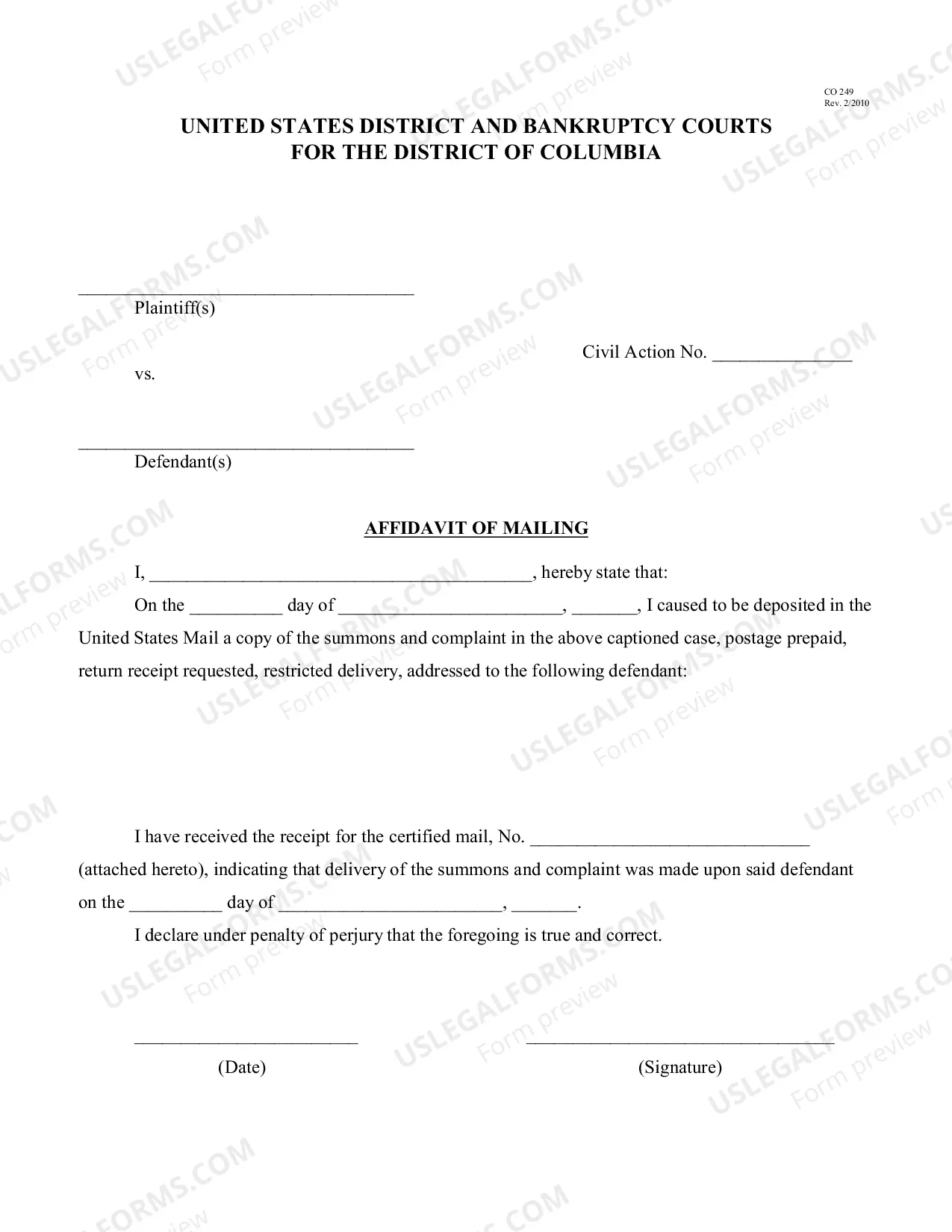
Looking for another form?






Form popularity
FAQ
Yes, someone can live in a house without being on the lease, but there are important considerations: Permission from the Leaseholder: The primary leaseholder (the person whose name is on the lease) must give permission for the person to live there. This is often referred to as a guest or unauthorized occupant.
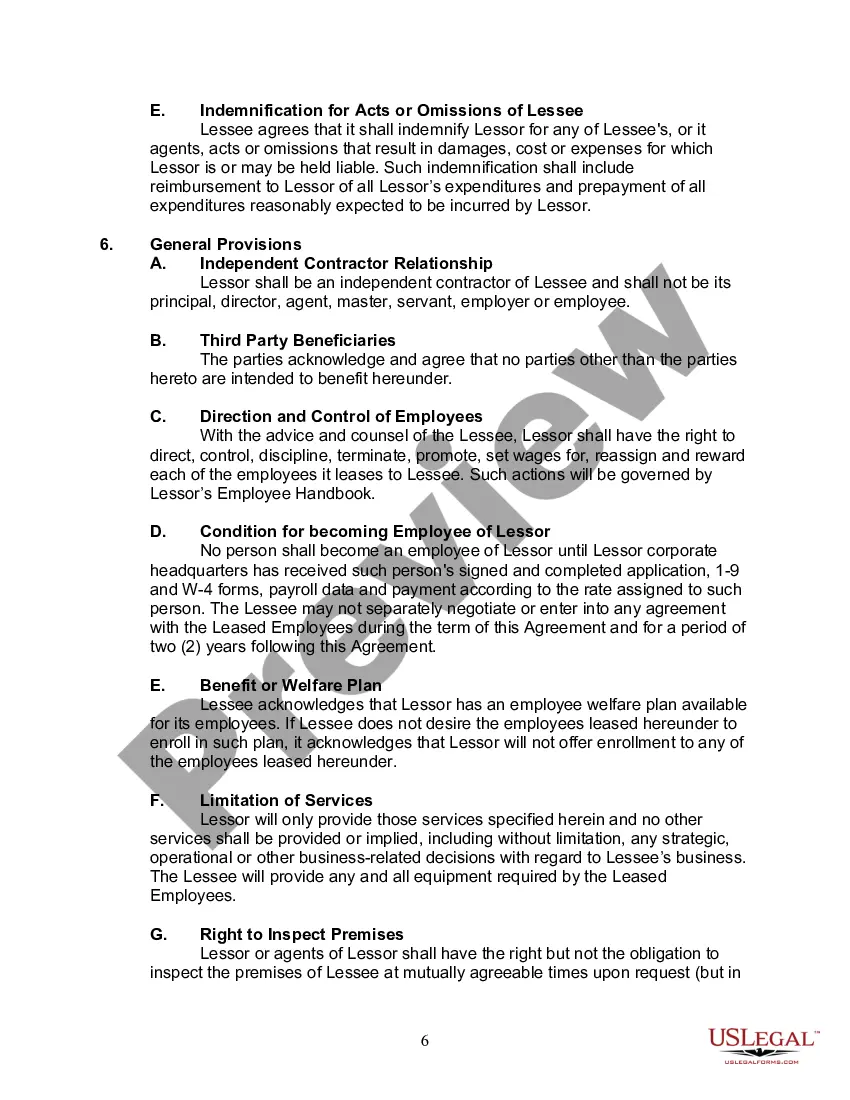
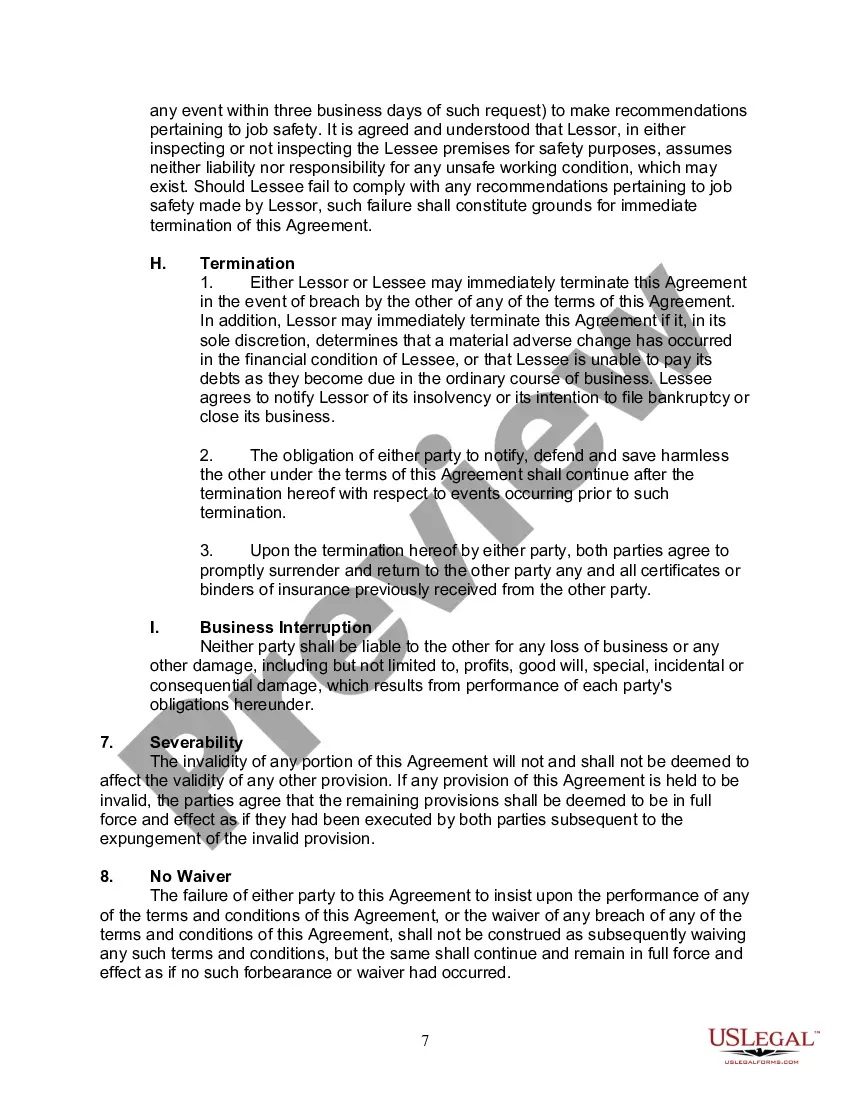
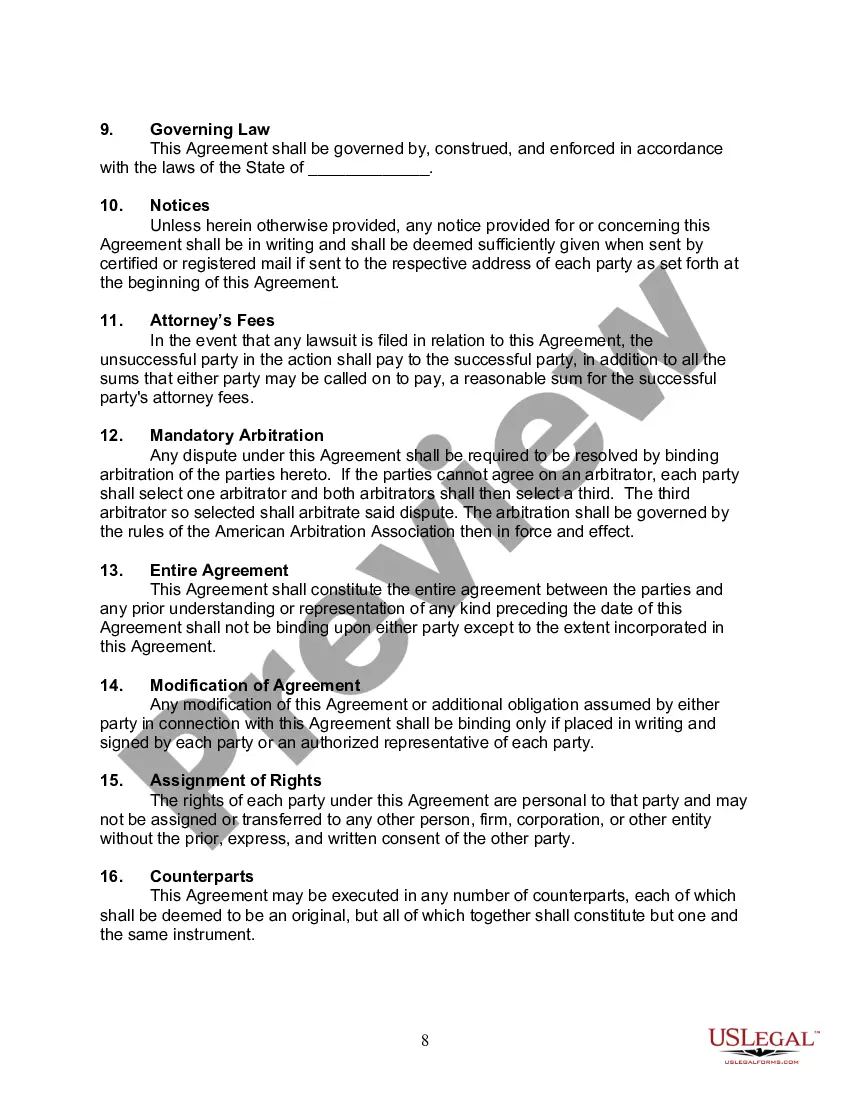
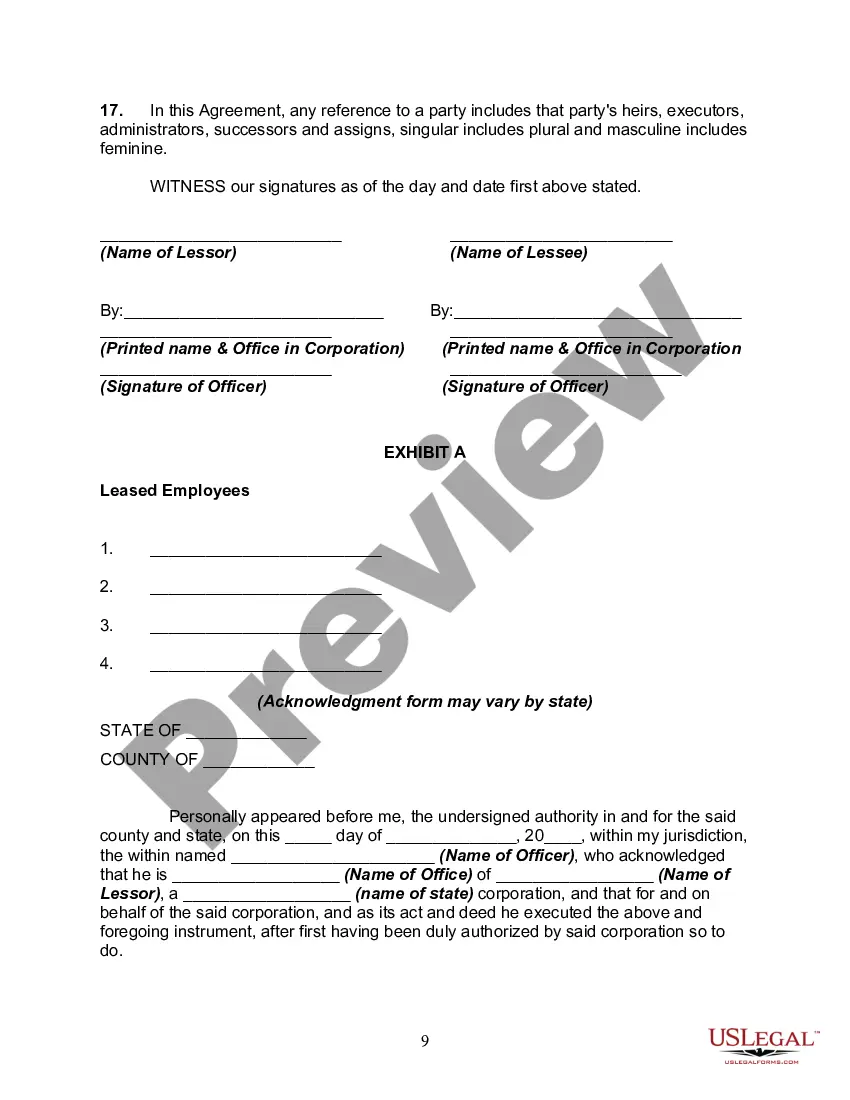
A tenancy without a lease agreement is sometimes referred to as a tenancy at will or a month-to-month tenancy. It's a rental arrangement where there is no formal, written lease binding the tenant and the landlord. If both parties verbally agreed to terms, the tenancy operates under those terms.
In most situations, a tenant without a signed Lease Agreement will be considered a month-to-month tenant. This means that either you or the tenant can end the tenancy in any given month as long as you give proper notice.
A tenant that has permission from a landlord to occupy a property without a formal lease is considered a “tenant-at-will.” Tenancy-at-will is governed by state law and may also be called a month-to-month lease.
Landlord's Right to Sue for Eviction or Damages ing to the Texas Property Code, landlords can pursue claims for eviction and damage to the premises, even without a written lease. Example: Sarah, a property owner, discovers that her tenant, without a formal lease, has caused significant damage to the kitchen.
Yes, someone can live in a house without being on the lease, but there are important considerations: Permission from the Leaseholder: The primary leaseholder (the person whose name is on the lease) must give permission for the person to live there. This is often referred to as a guest or unauthorized occupant.
California: Guests become tenants when they stay for over 14 days within six months, or seven nights in a row.
A. A tenant without a lease can still sue a landlord for violating their legal rights, such as failing to provide a habitable living space or illegally evicting them. However, without a written lease, it may be more difficult for the tenant to prove their case in court.
California: Guests become tenants when they stay for over 14 days within six months, or seven nights in a row. Colorado: Guests become tenants after staying for over 14 days within six months. Connecticut: Guests become tenants after staying for over 14 days within six months.
Lease agreements are a contract. But you don't necessarily need to hire a lawyer to write good lease agreements, you can do it yourself. But you're a first-time landlord or simply don't have the time to write a lease, you can hire a property management company to do it for you.
