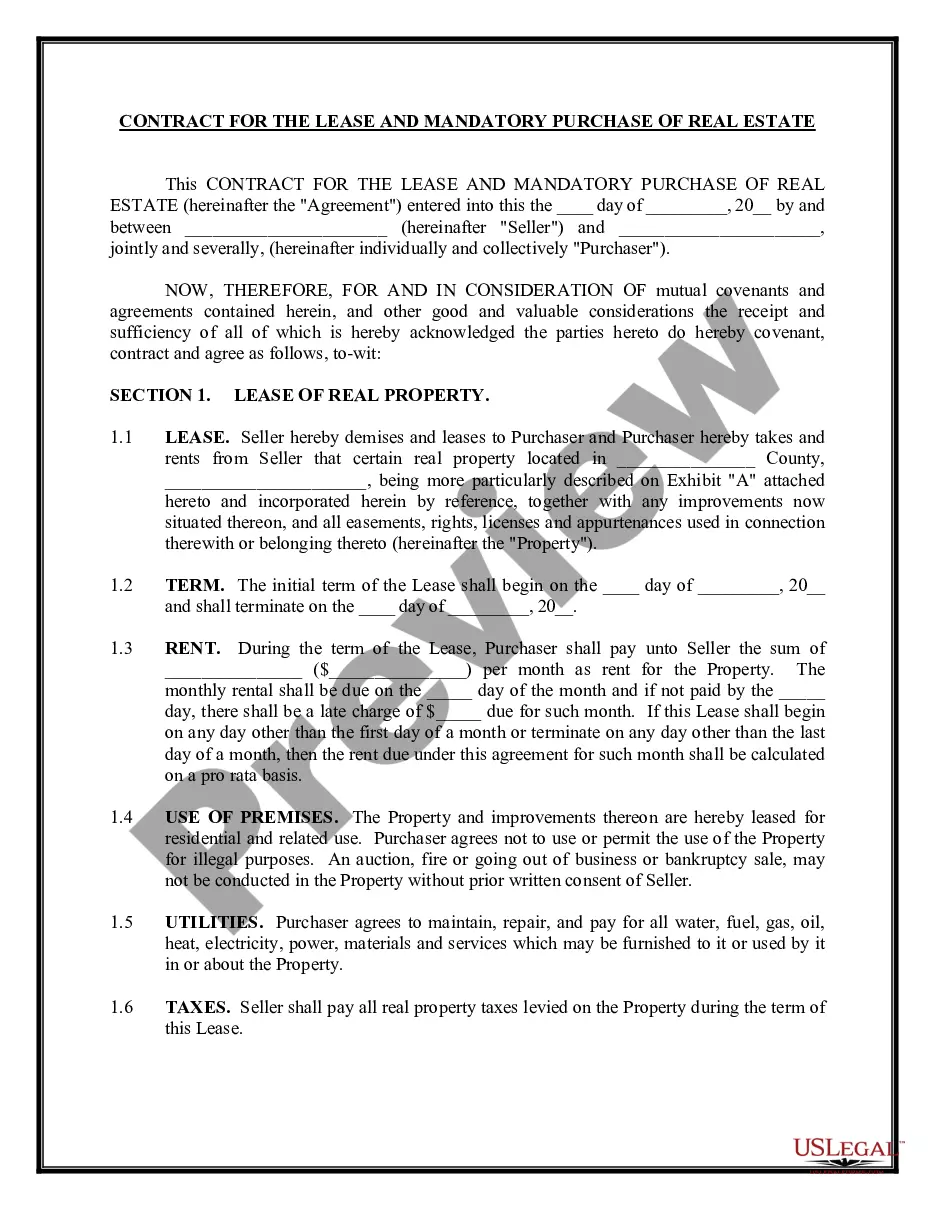
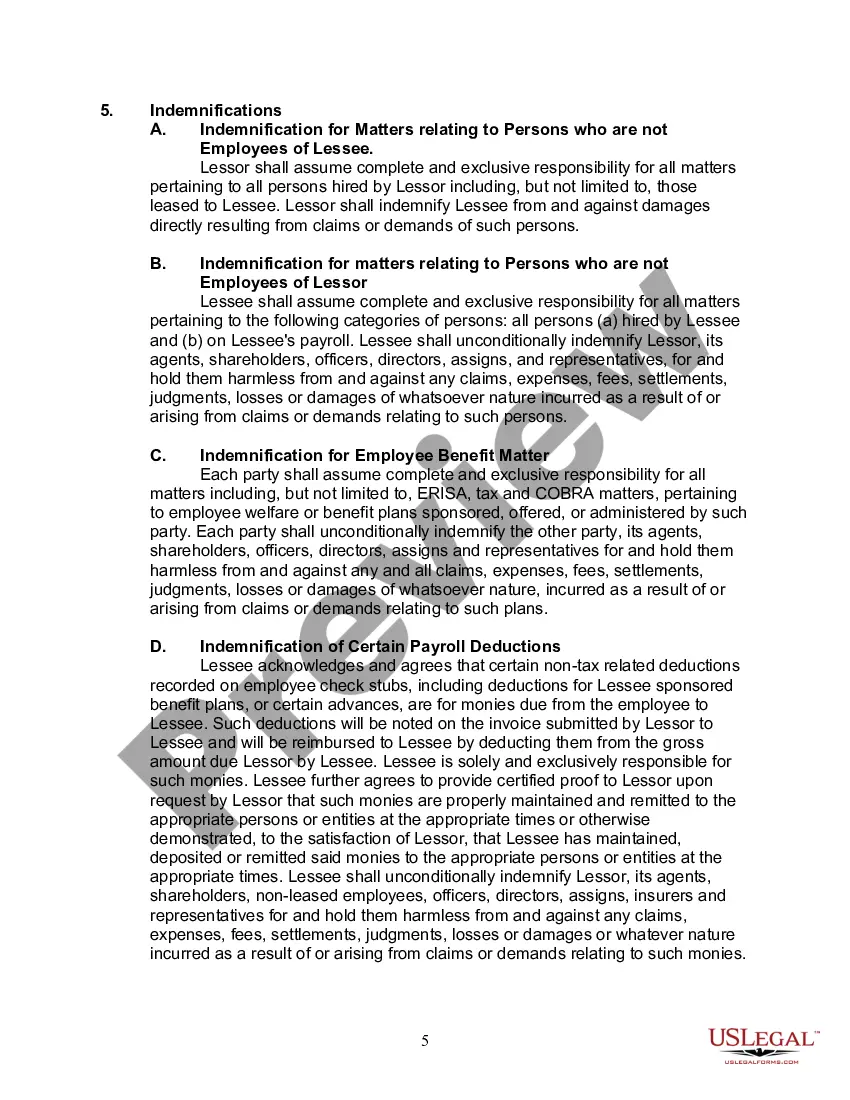
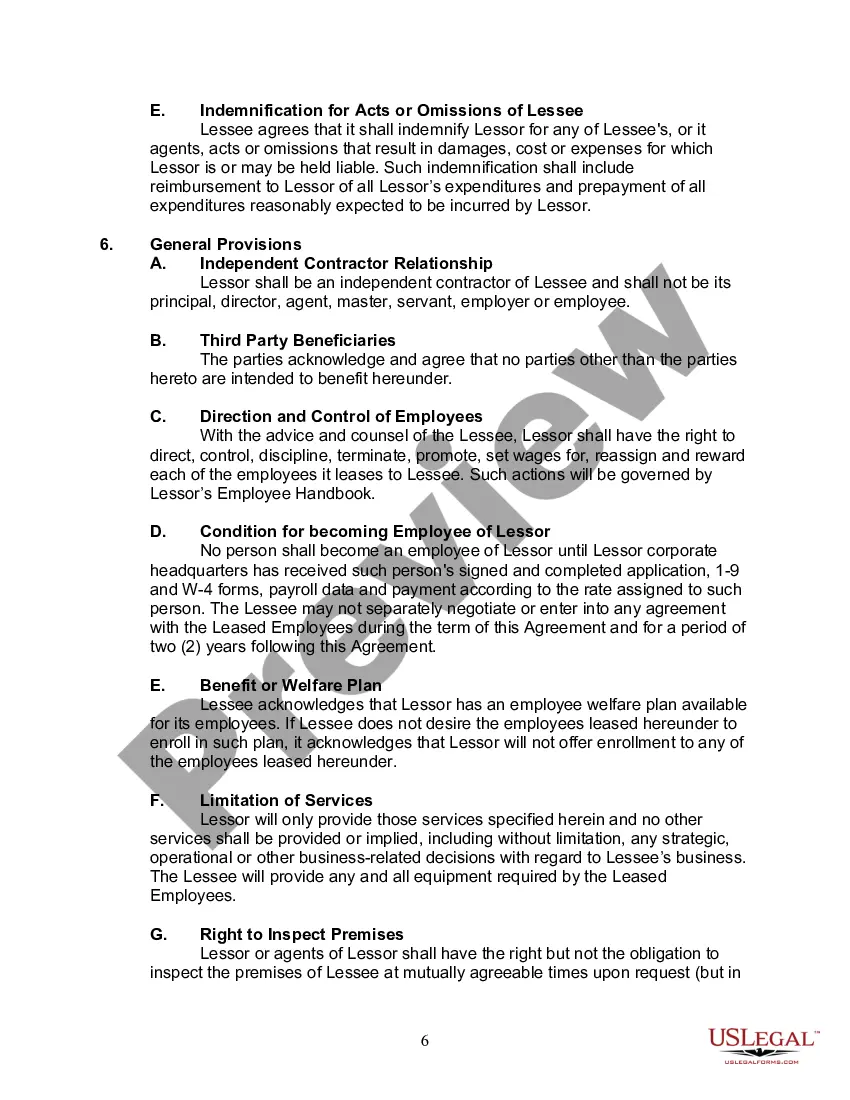
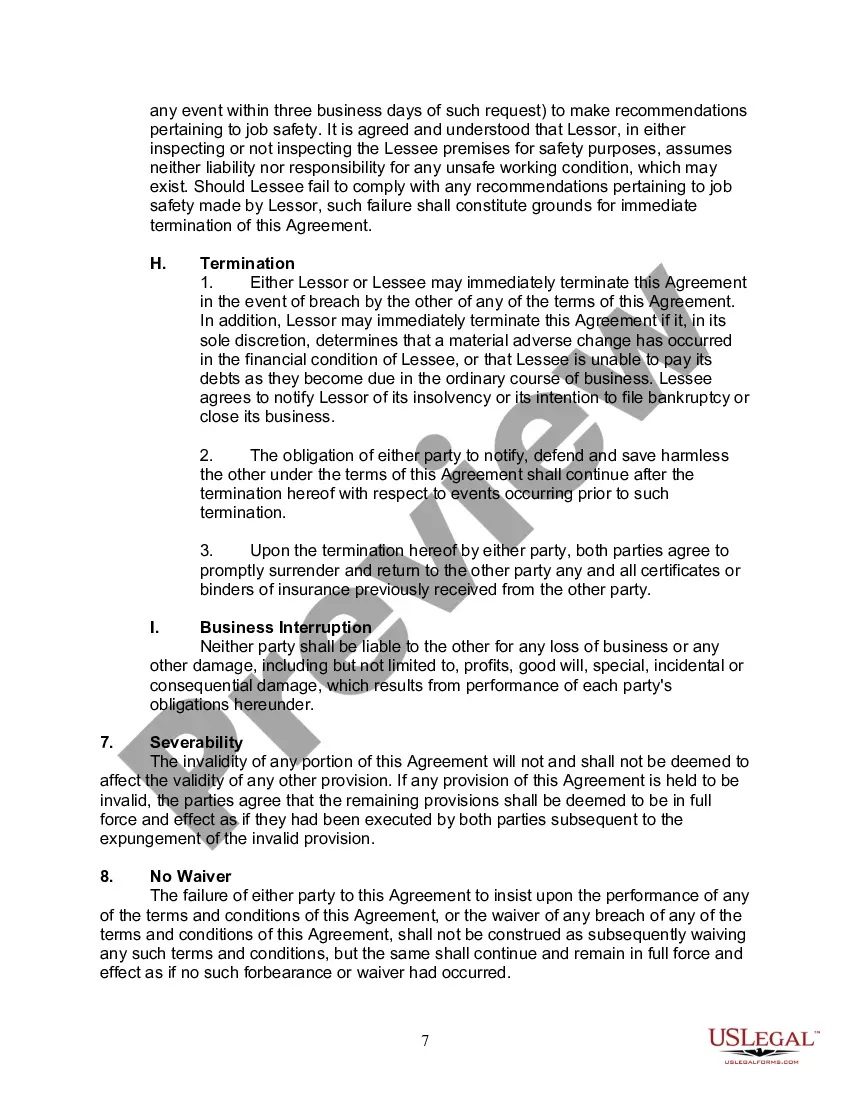
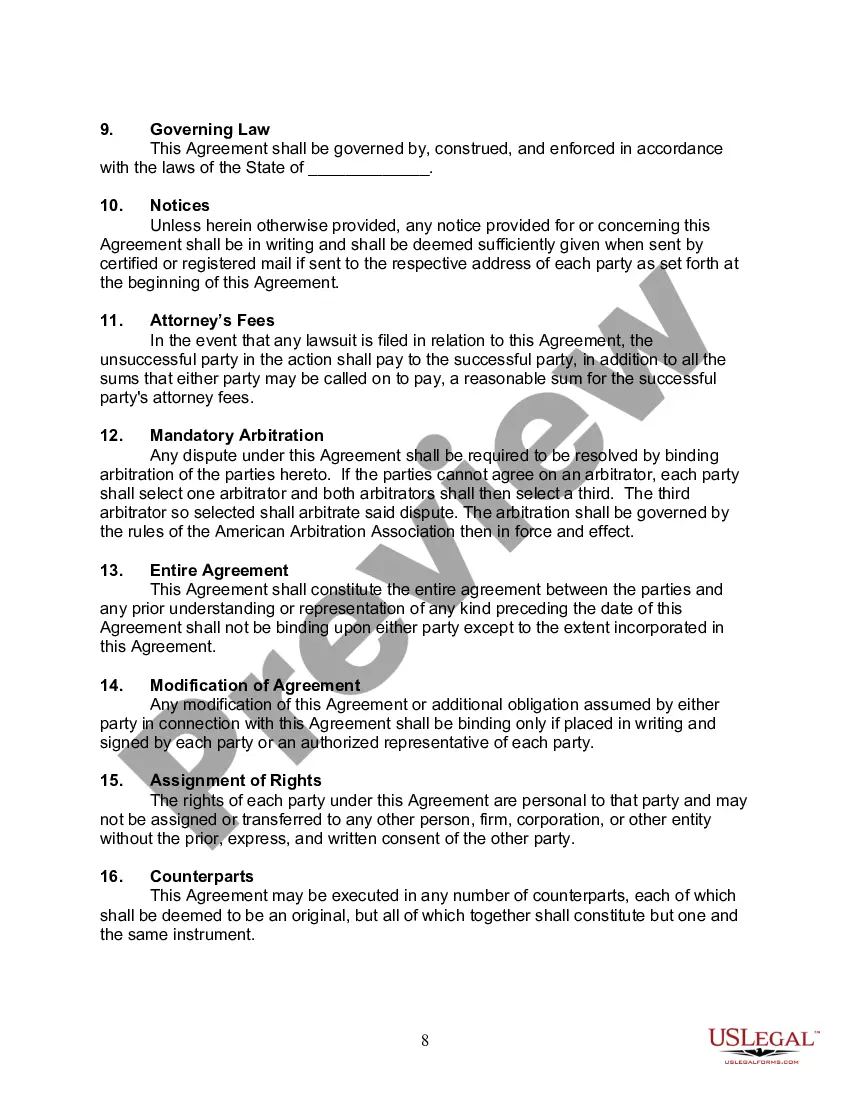
Employee Leasing Agreement Template For Company In Salt Lake
Description

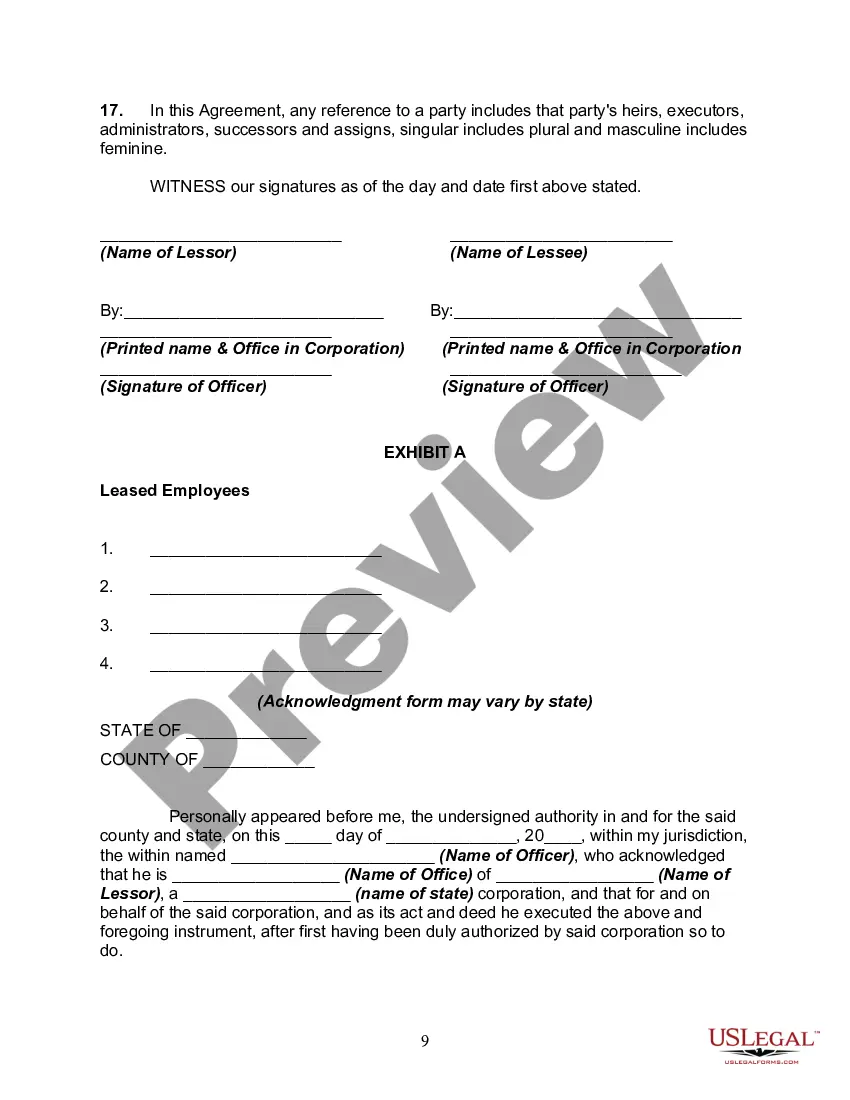
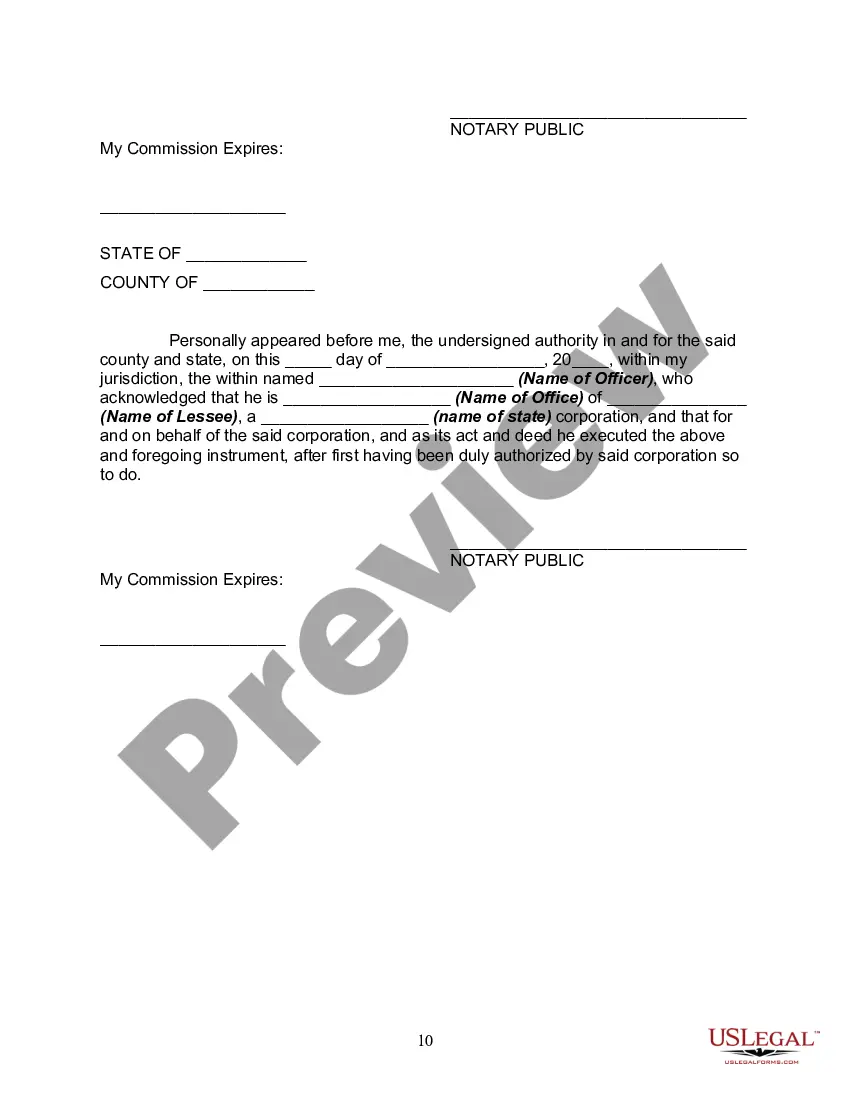
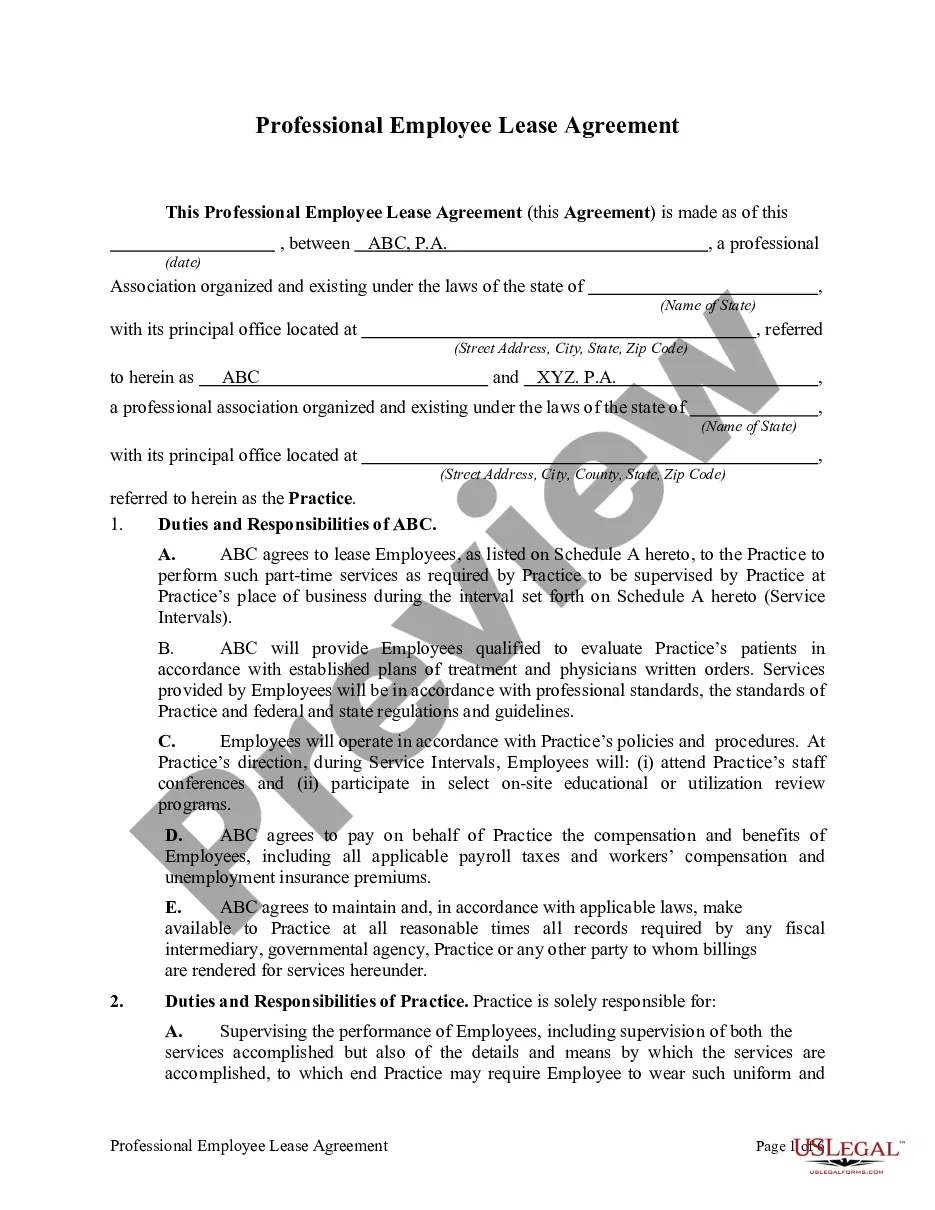
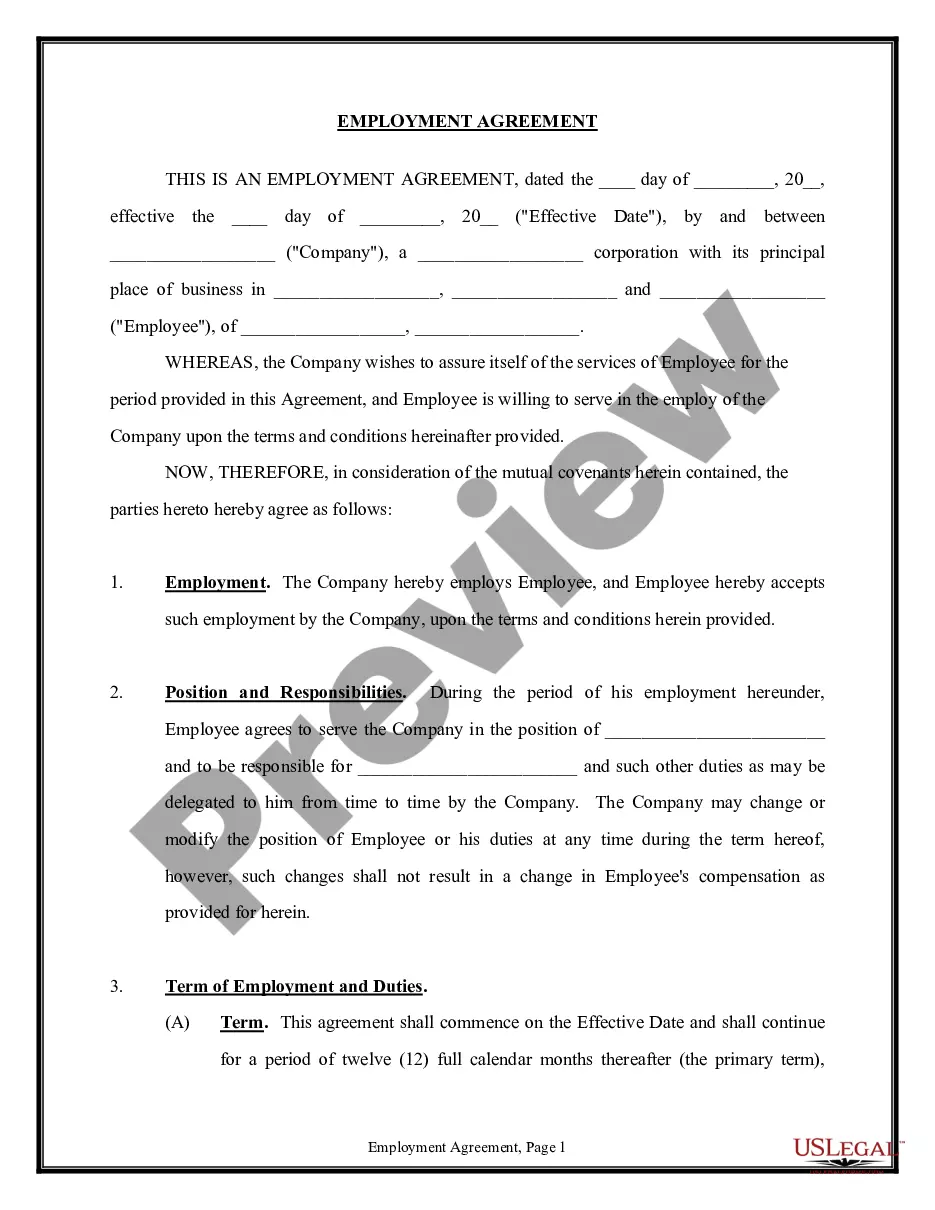
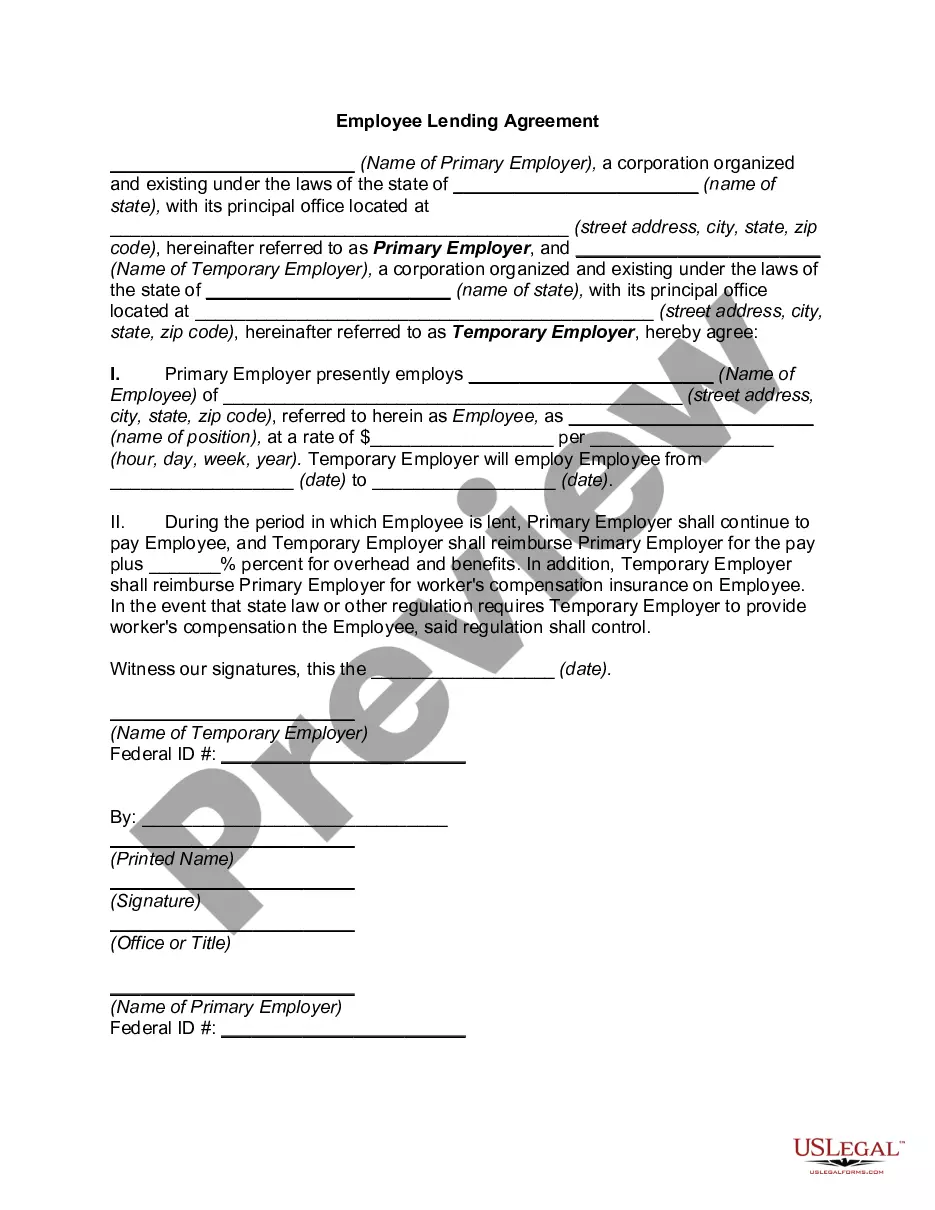
Get your form ready online
Our built-in tools help you complete, sign, share, and store your documents in one place.
Make edits, fill in missing information, and update formatting in US Legal Forms—just like you would in MS Word.
Download a copy, print it, send it by email, or mail it via USPS—whatever works best for your next step.
Sign and collect signatures with our SignNow integration. Send to multiple recipients, set reminders, and more. Go Premium to unlock E-Sign.
If this form requires notarization, complete it online through a secure video call—no need to meet a notary in person or wait for an appointment.
We protect your documents and personal data by following strict security and privacy standards.

Make edits, fill in missing information, and update formatting in US Legal Forms—just like you would in MS Word.

Download a copy, print it, send it by email, or mail it via USPS—whatever works best for your next step.

Sign and collect signatures with our SignNow integration. Send to multiple recipients, set reminders, and more. Go Premium to unlock E-Sign.

If this form requires notarization, complete it online through a secure video call—no need to meet a notary in person or wait for an appointment.

We protect your documents and personal data by following strict security and privacy standards.
Looking for another form?






Form popularity
FAQ
Lease agreements are a contract. But you don't necessarily need to hire a lawyer to write good lease agreements, you can do it yourself.
Go To Your Landlord or Management Company This is the obvious answer. Not only is the person or company you signed the lease with the most likely to have a copy for themselves, many states legally require landlords to provide tenants a copy of the lease.
In a residential lease, the landlord usually has a form they use with tenants. In a commercial lease, the parties generally use attorneys to negotiate and write the lease.
State laws on leases and rental agreements can vary, but a landlord or property management company should provide you with a copy of your signed lease upon request. You should make your request in writing, so you have proof if there is a dispute later.
Employee leasing is an arrangement between a business and a staffing firm, who supplies workers on a project-specific or temporary basis. These employees work for the client business, but the leasing agency pays their salaries and handles all of the HR administration associated with their employment.
While leased employees are legally employed by a PEO, they work under the day-to-day management and supervision of the leasing business — much like any other employee. This generally gives the leasing business control over how they spend their time, which tools they use to perform their work, their deadlines, and more.
The 3 approaches Approach #1: Sum the principal over the upcoming 12 months. Approach #2: Use the effective interest rate to separately calculate the present value of the lease liability. Approach #3: Sum the undiscounted payments due in the upcoming 12 months.
It is possible to draft your own lease agreement, but you are leaving yourself open to issues.
While leased employees are legally employed by a PEO, they work under the day-to-day management and supervision of the leasing business — much like any other employee. This generally gives the leasing business control over how they spend their time, which tools they use to perform their work, their deadlines, and more.
Here are some steps you may use to guide you when you write an employment contract: Title the employment contract. Identify the parties. List the term and conditions. Outline the job responsibilities. Include compensation details. Use specific contract terms. Consult with an employment lawyer.