Lease Employee Agreement For Land In Riverside
Description

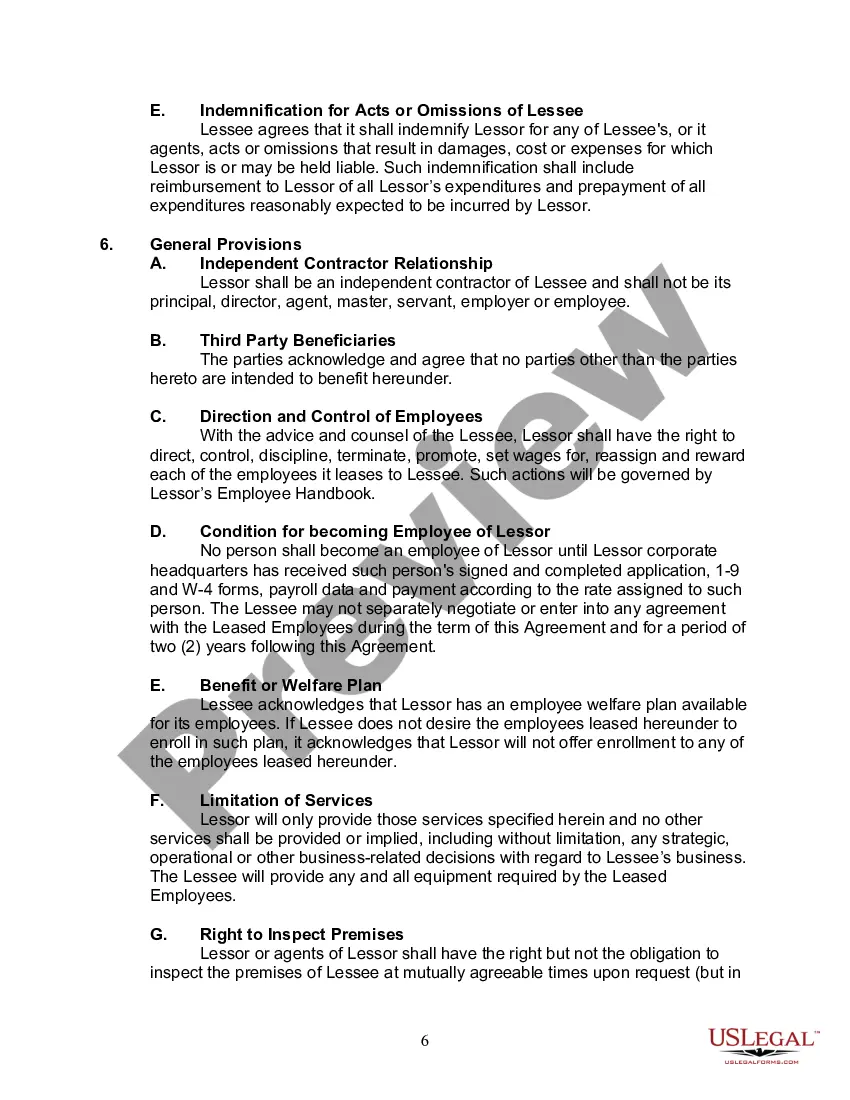
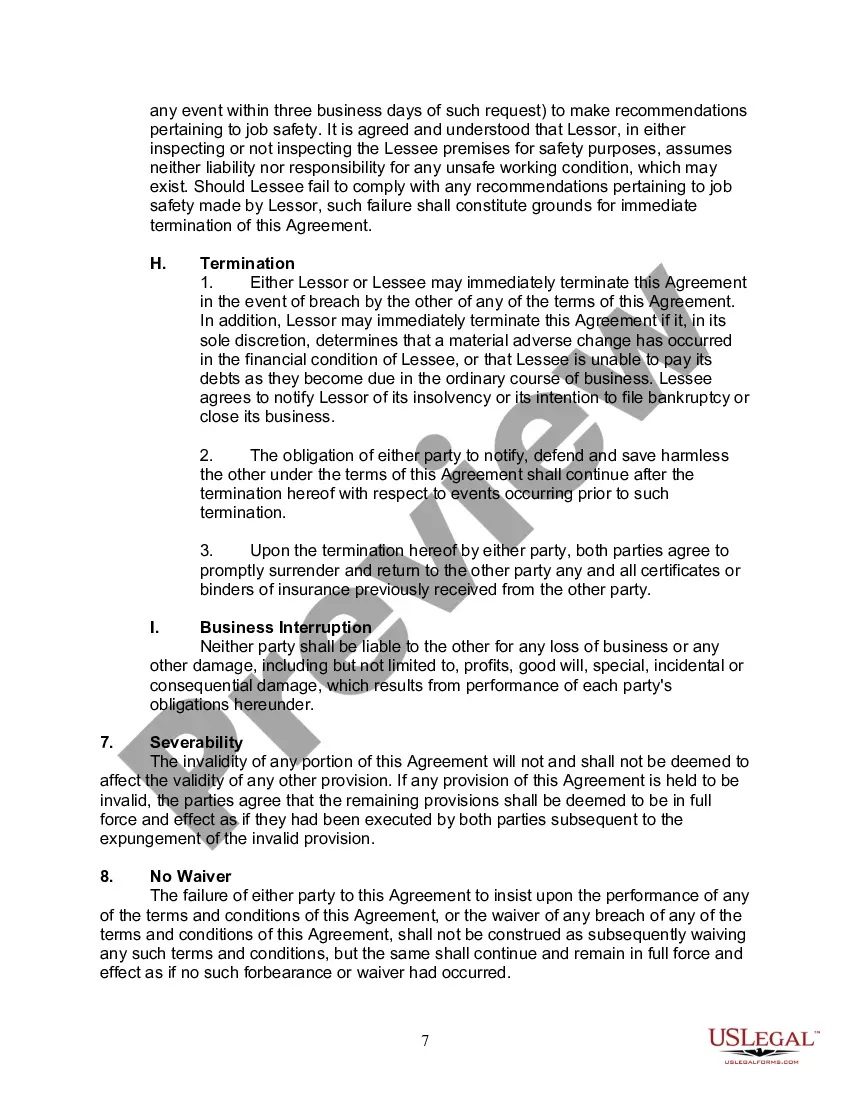
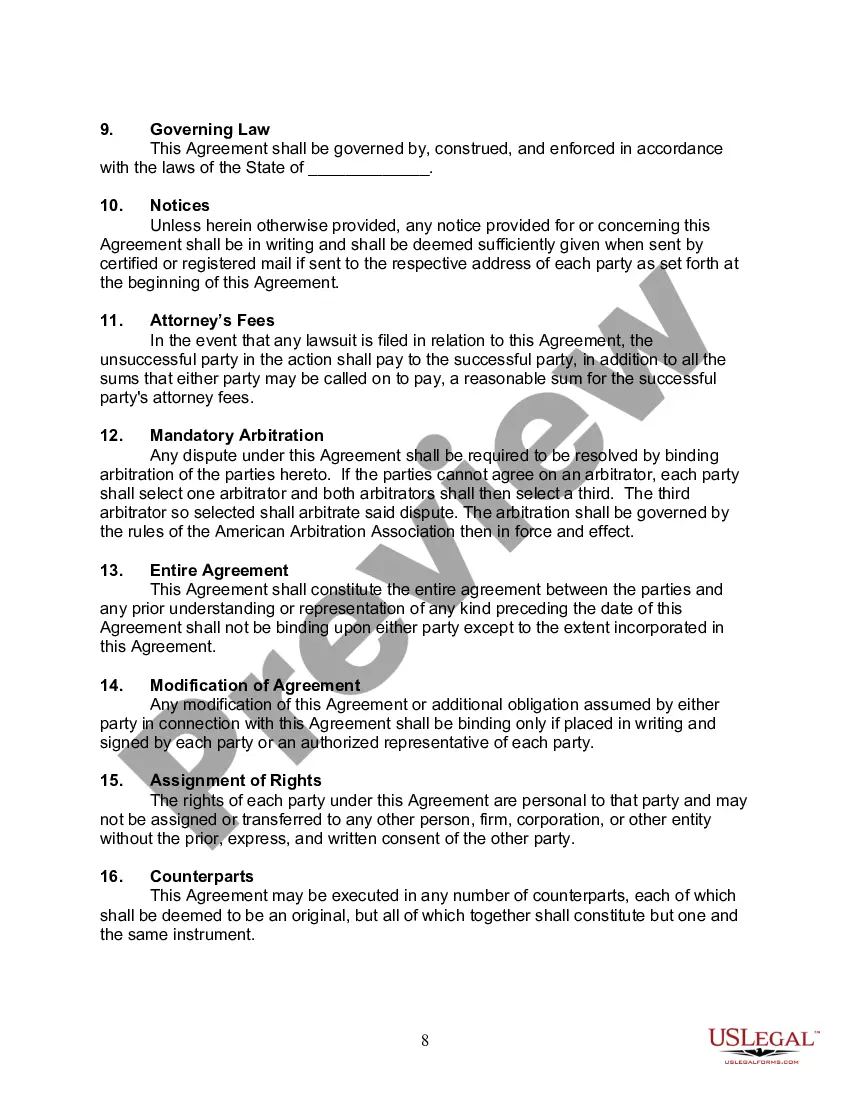
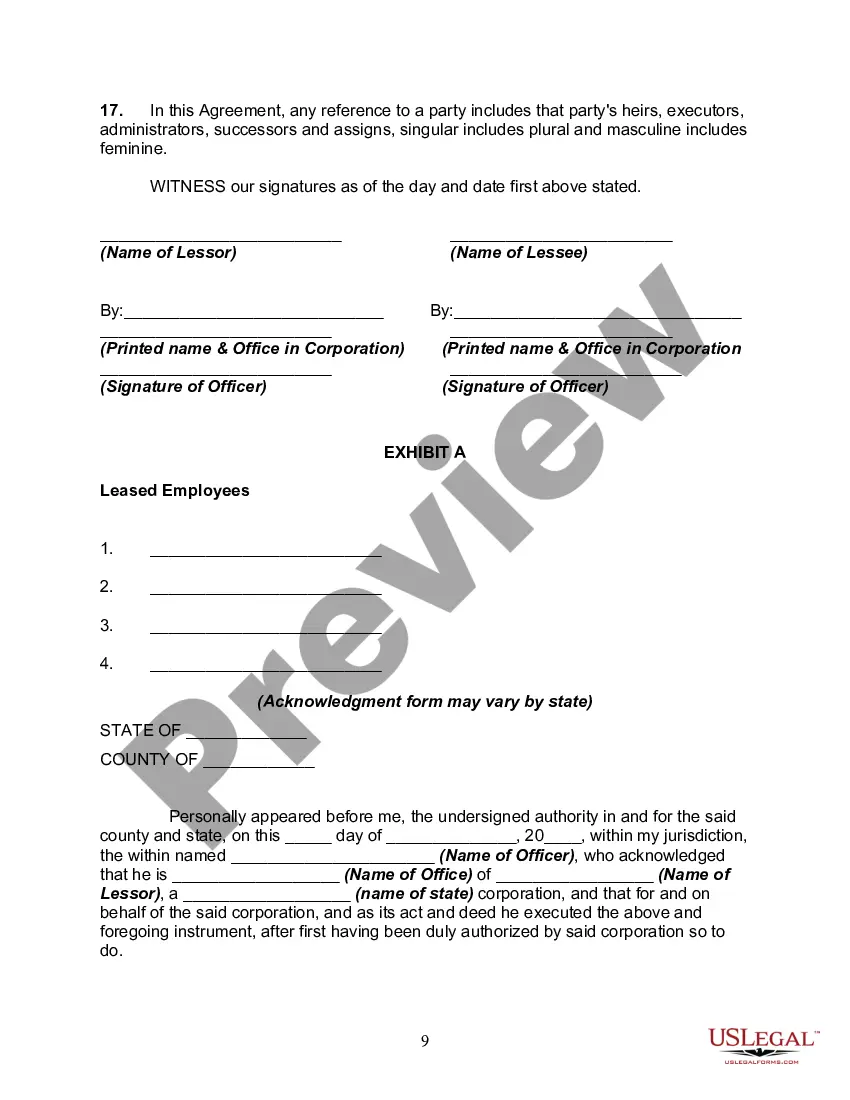
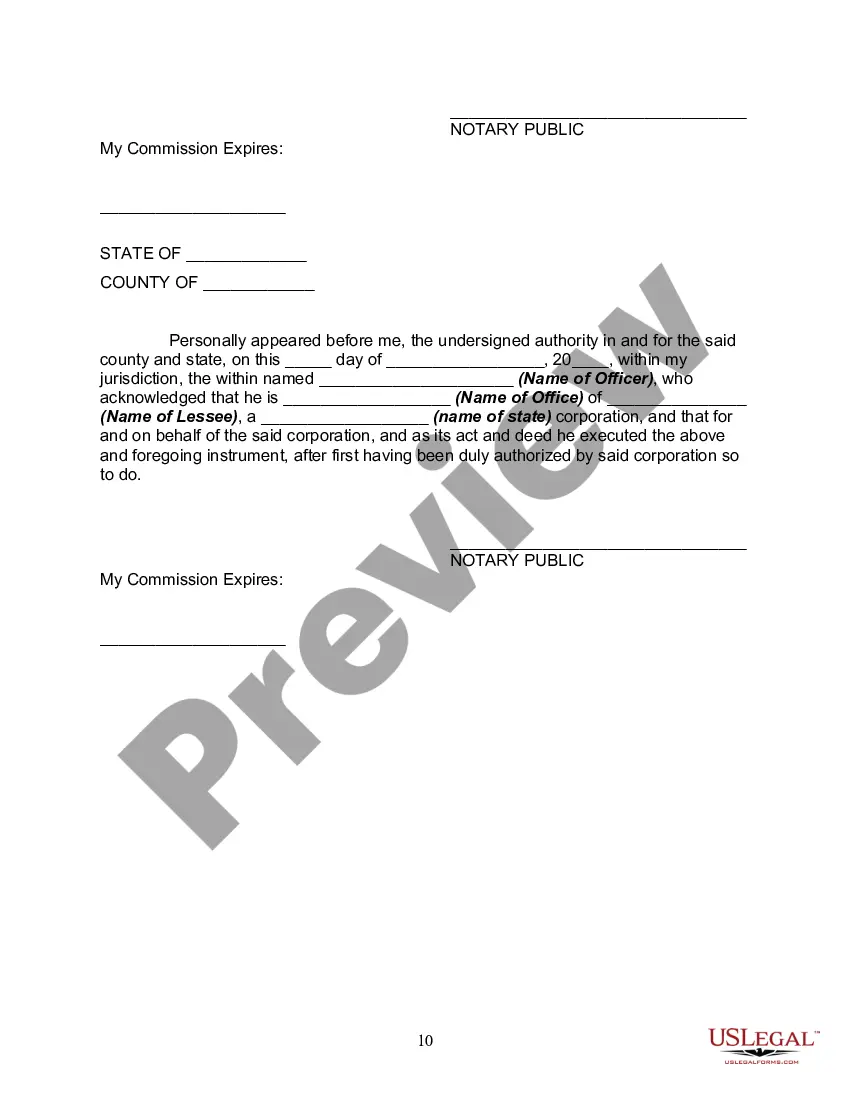
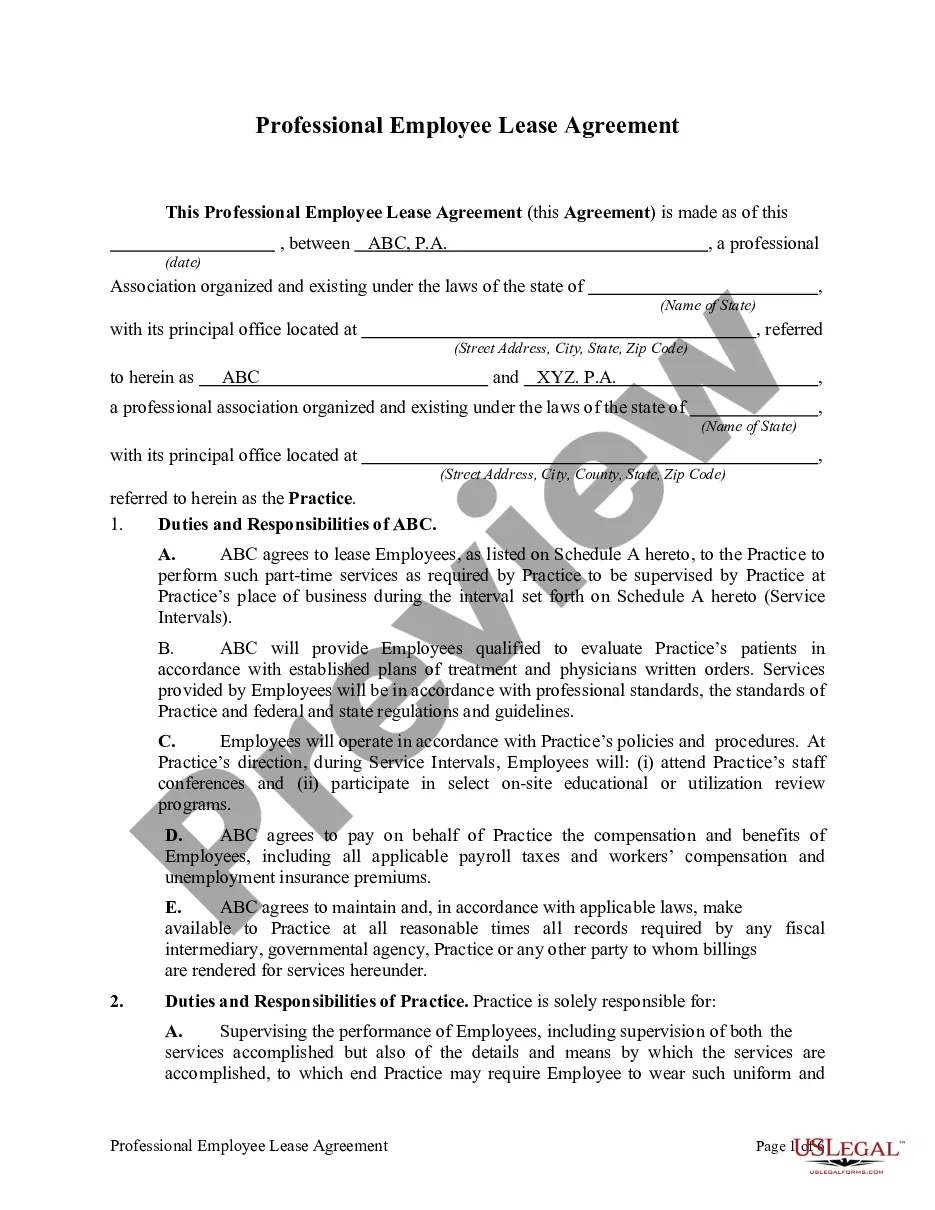
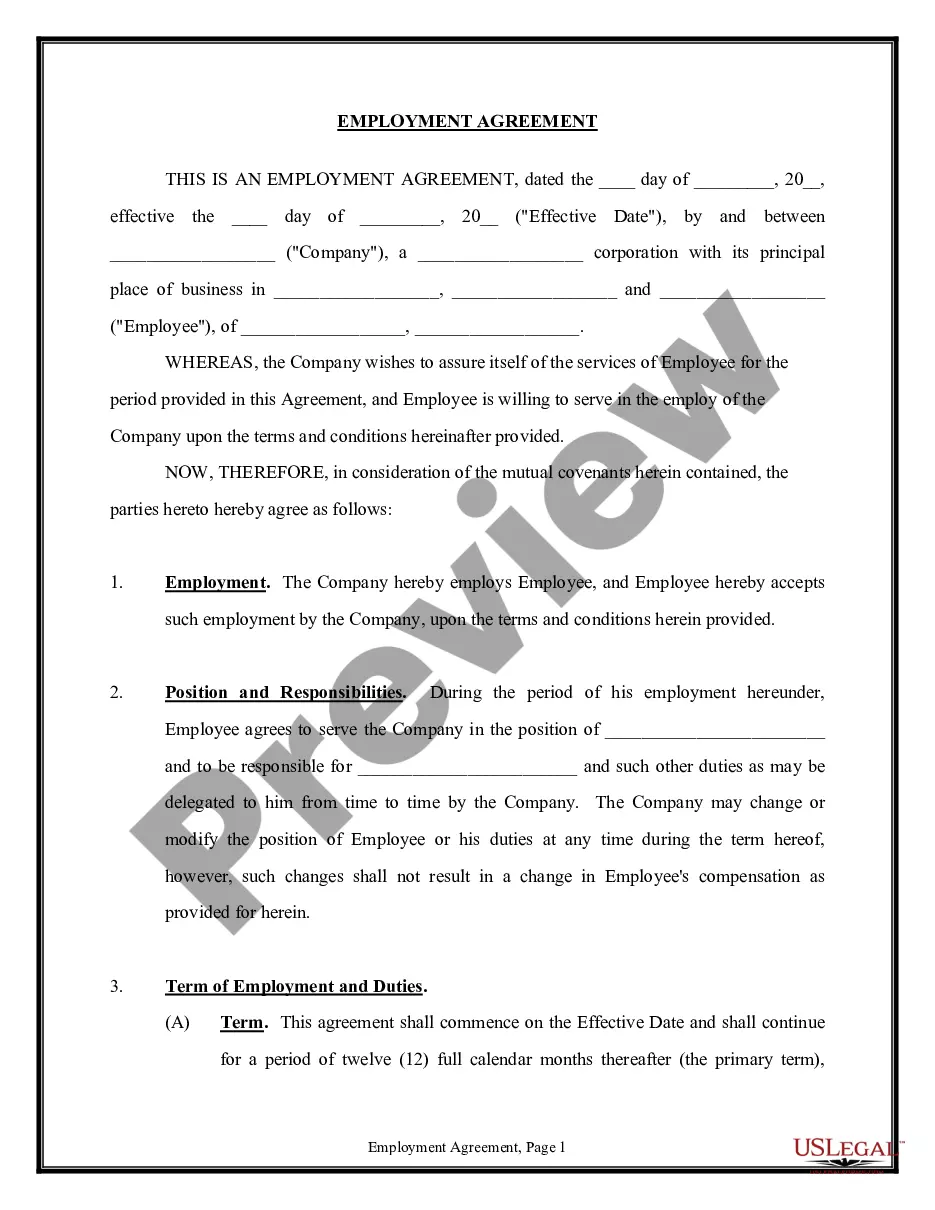
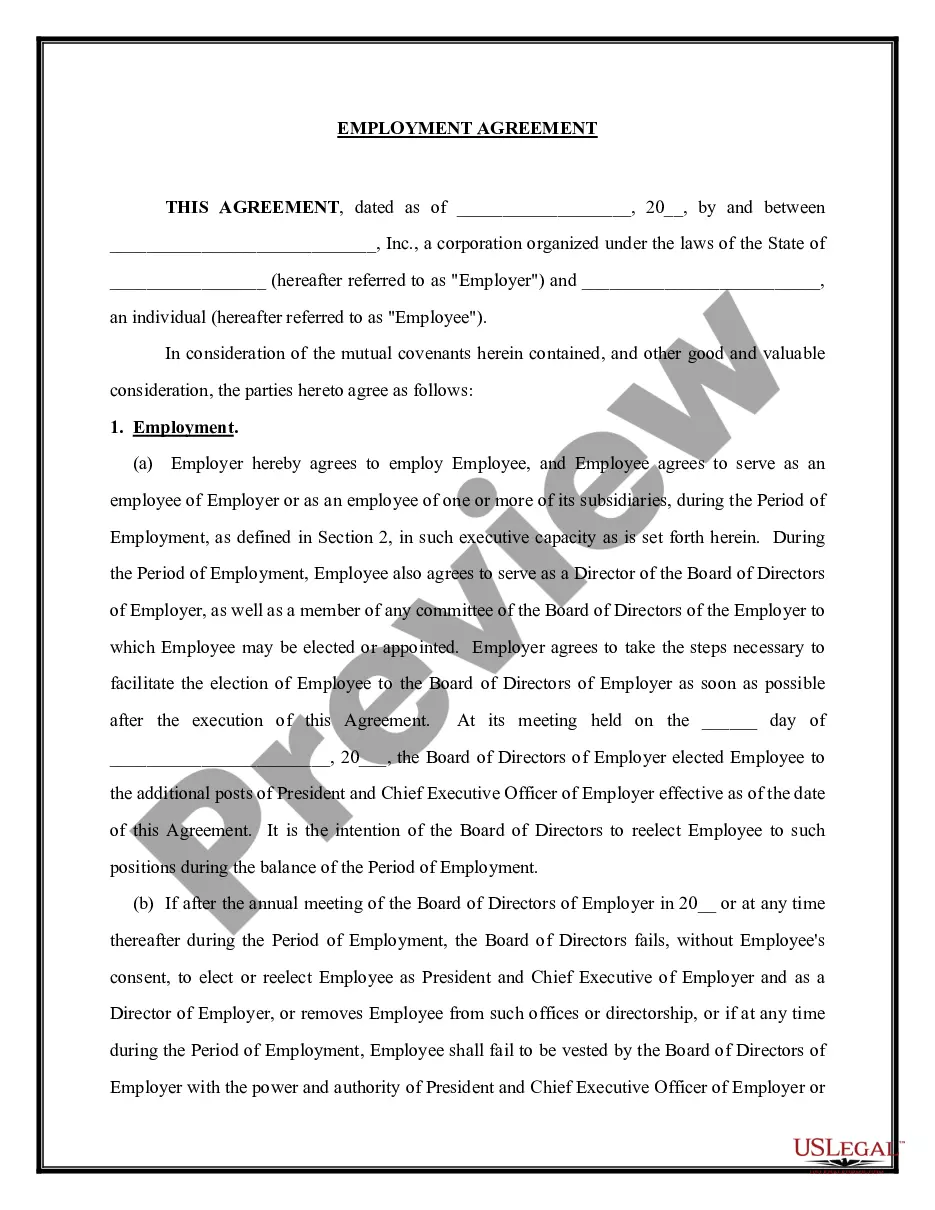
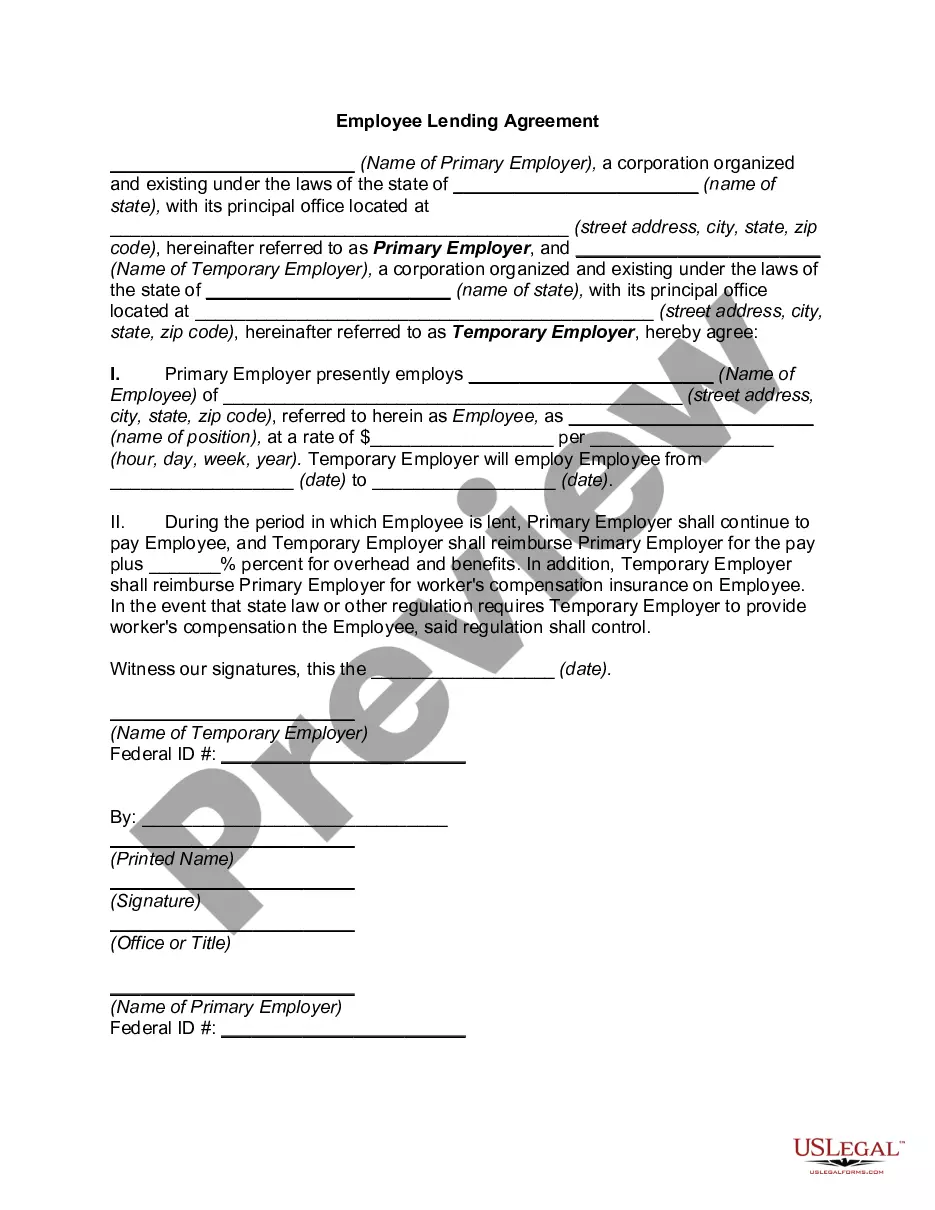
Get your form ready online
Our built-in tools help you complete, sign, share, and store your documents in one place.
Make edits, fill in missing information, and update formatting in US Legal Forms—just like you would in MS Word.
Download a copy, print it, send it by email, or mail it via USPS—whatever works best for your next step.
Sign and collect signatures with our SignNow integration. Send to multiple recipients, set reminders, and more. Go Premium to unlock E-Sign.
If this form requires notarization, complete it online through a secure video call—no need to meet a notary in person or wait for an appointment.
We protect your documents and personal data by following strict security and privacy standards.

Make edits, fill in missing information, and update formatting in US Legal Forms—just like you would in MS Word.

Download a copy, print it, send it by email, or mail it via USPS—whatever works best for your next step.

Sign and collect signatures with our SignNow integration. Send to multiple recipients, set reminders, and more. Go Premium to unlock E-Sign.

If this form requires notarization, complete it online through a secure video call—no need to meet a notary in person or wait for an appointment.

We protect your documents and personal data by following strict security and privacy standards.
Looking for another form?
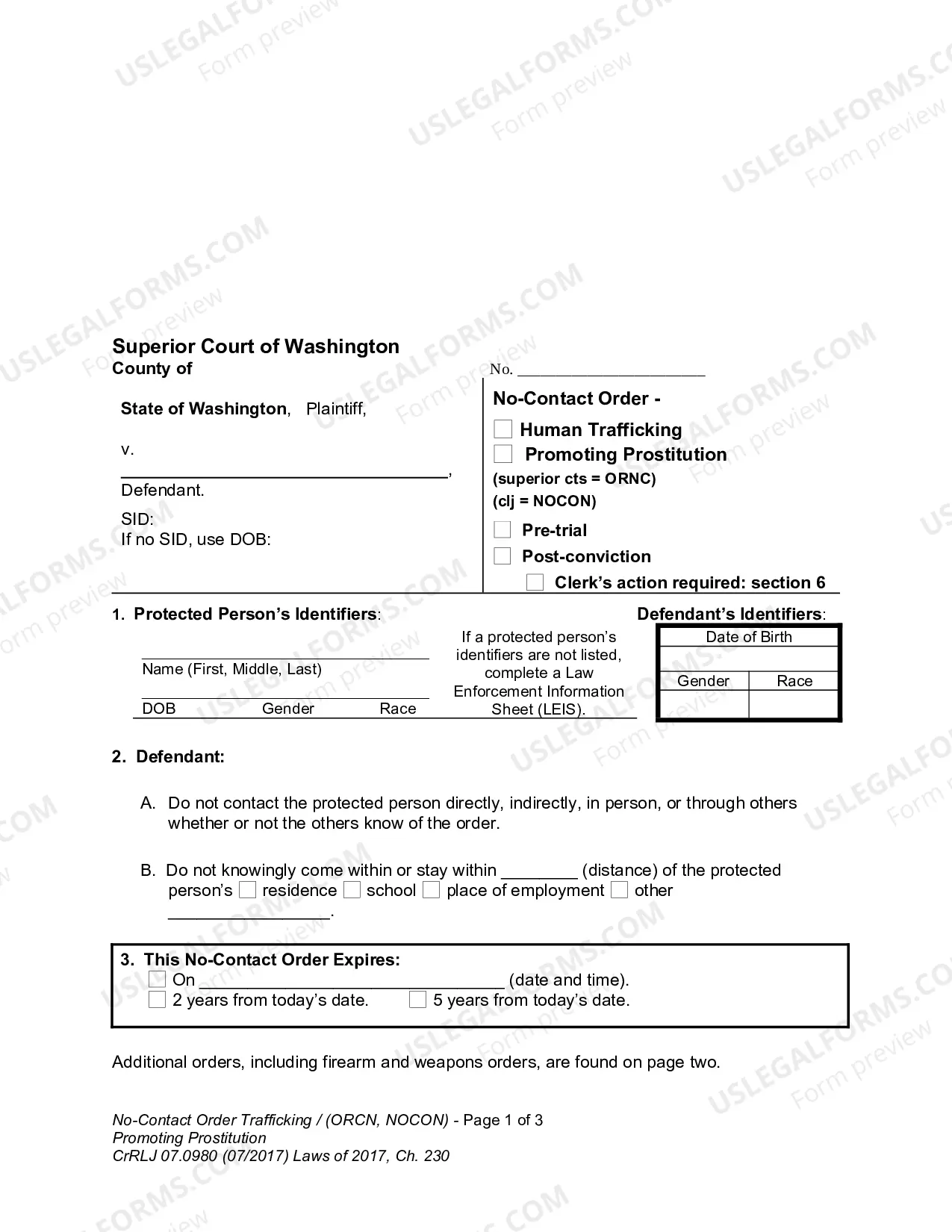
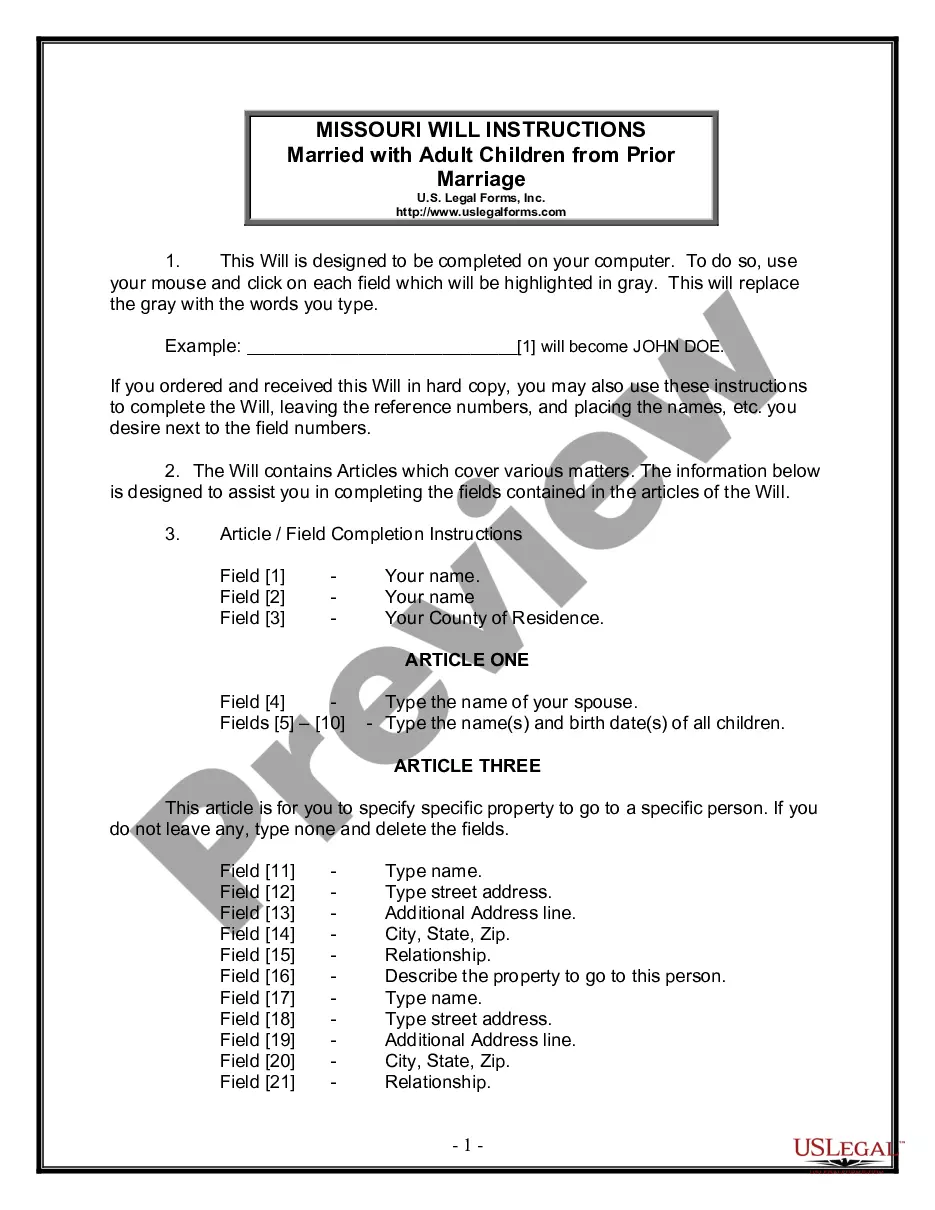
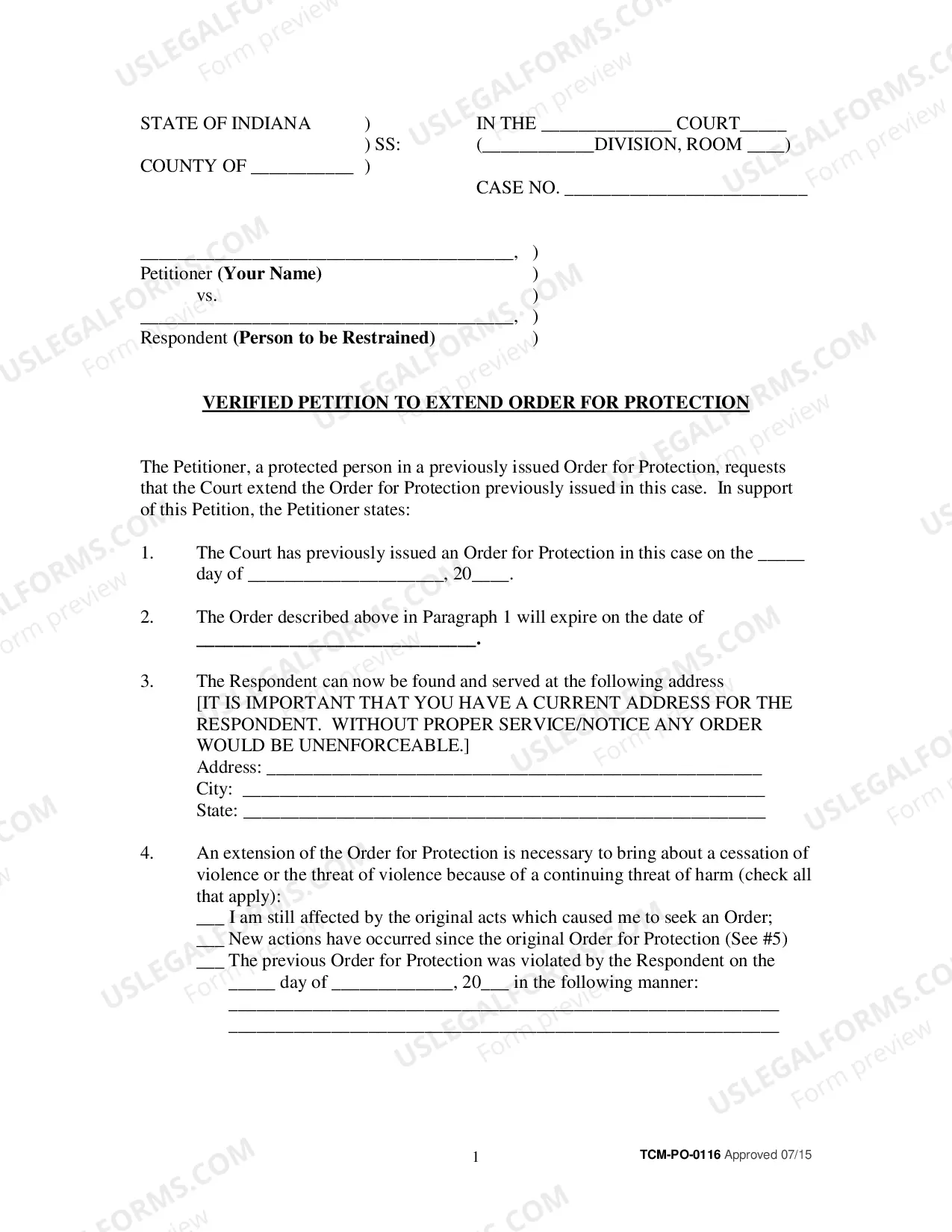
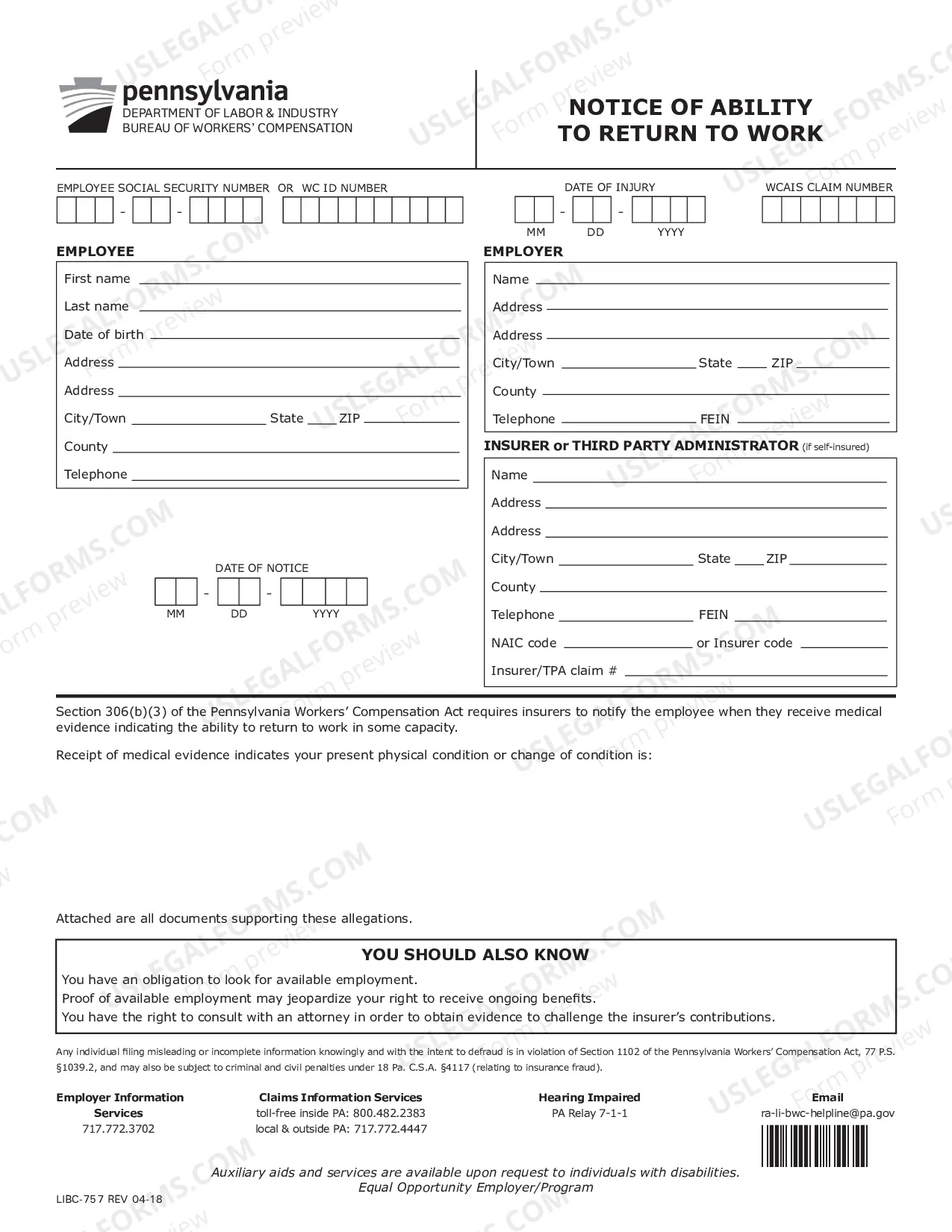
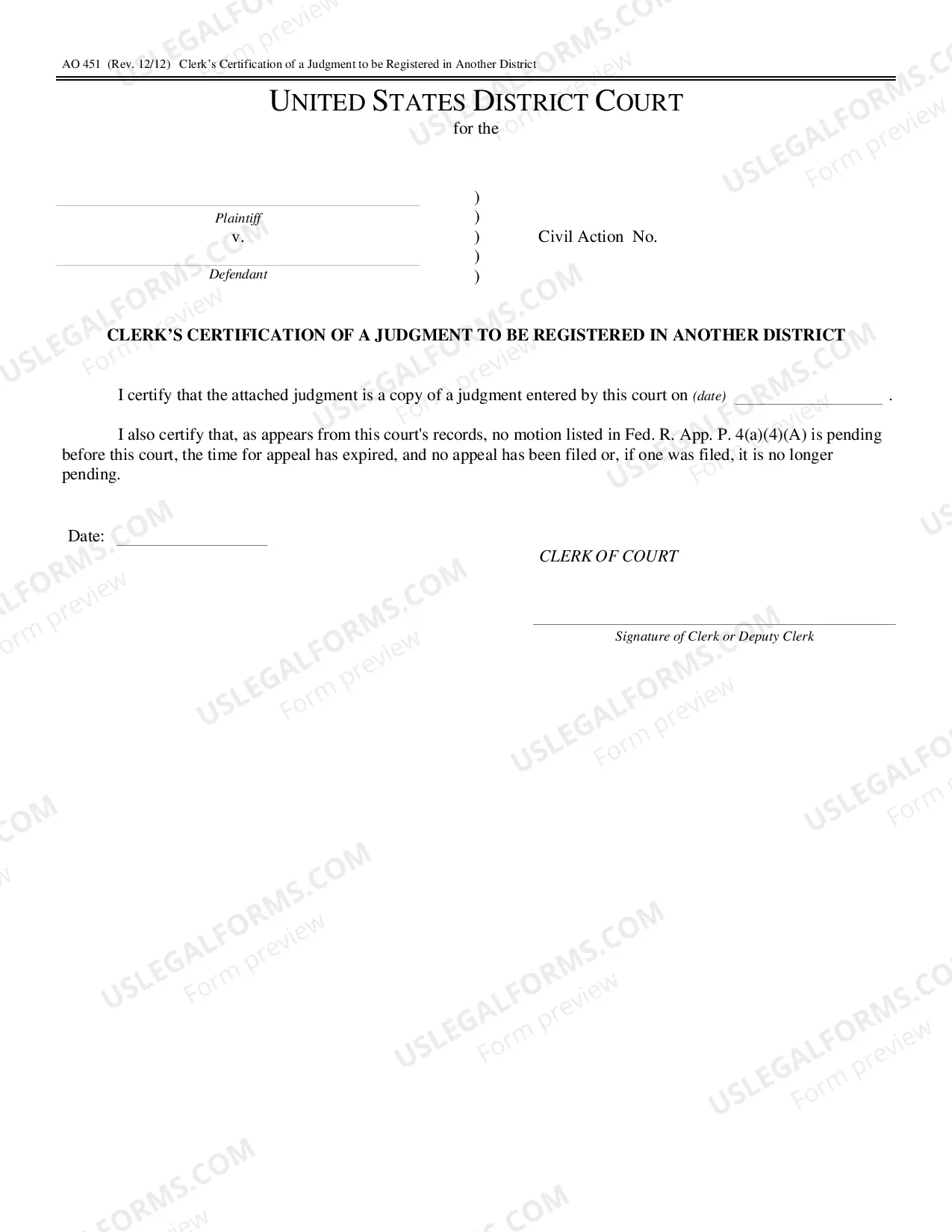
Form popularity
FAQ
State laws on leases and rental agreements can vary, but a landlord or property management company should provide you with a copy of your signed lease upon request. You should make your request in writing, so you have proof if there is a dispute later.
In a residential lease, the landlord usually has a form they use with tenants. In a commercial lease, the parties generally use attorneys to negotiate and write the lease.
The most significant difference between rent-to-own agreements and land contracts is that the seller maintains control and responsibility for the property in the former, and will be on the hook to maintain the property — including paying property taxes, insurance, and any repairs.
Go To Your Landlord or Management Company This is the obvious answer. Not only is the person or company you signed the lease with the most likely to have a copy for themselves, many states legally require landlords to provide tenants a copy of the lease.
The 3 approaches Approach #1: Sum the principal over the upcoming 12 months. Approach #2: Use the effective interest rate to separately calculate the present value of the lease liability. Approach #3: Sum the undiscounted payments due in the upcoming 12 months.
Steps to leasing land Determine your goals. If you're a landowner, think about your objectives for the land. Seek professional advice. Negotiate the terms. Sign the lease agreement.
A land lease, or ground lease, is a agreement in which a lessee owns entities or improvements in a designated area, but doesn't own the actual land.
Here's a list of standard fields that you should include in your lease agreement: Tenant information. Include each tenant's full name and contact information. Rental property description. Security deposit. Monthly rent amount. Utilities. Lease term. Policies. Late fees.
With a leased-land property, you risk losing all of your equity at lease expiration, depending on the terms of the surrender clause. The resale of the home is likely to be more difficult than the resale of a traditional home, especially because with each passing year, the remaining term on the lease shortens.
Lease agreements are a contract. But you don't necessarily need to hire a lawyer to write good lease agreements, you can do it yourself. But you're a first-time landlord or simply don't have the time to write a lease, you can hire a property management company to do it for you.
