Employee Form Fillable For Pf Withdrawal In Orange
Description

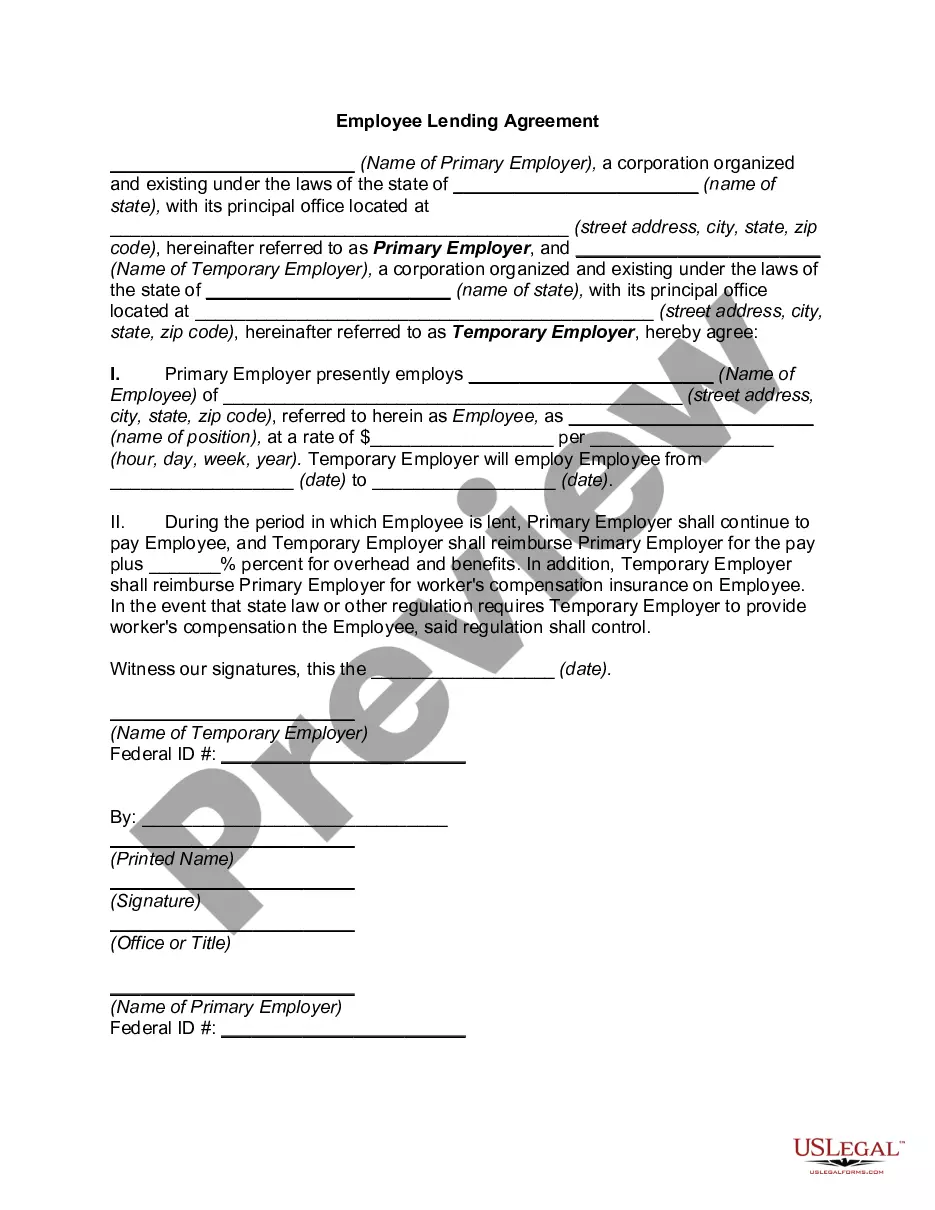
Get your form ready online
Our built-in tools help you complete, sign, share, and store your documents in one place.
Make edits, fill in missing information, and update formatting in US Legal Forms—just like you would in MS Word.
Download a copy, print it, send it by email, or mail it via USPS—whatever works best for your next step.
Sign and collect signatures with our SignNow integration. Send to multiple recipients, set reminders, and more. Go Premium to unlock E-Sign.
If this form requires notarization, complete it online through a secure video call—no need to meet a notary in person or wait for an appointment.
We protect your documents and personal data by following strict security and privacy standards.

Make edits, fill in missing information, and update formatting in US Legal Forms—just like you would in MS Word.

Download a copy, print it, send it by email, or mail it via USPS—whatever works best for your next step.

Sign and collect signatures with our SignNow integration. Send to multiple recipients, set reminders, and more. Go Premium to unlock E-Sign.

If this form requires notarization, complete it online through a secure video call—no need to meet a notary in person or wait for an appointment.

We protect your documents and personal data by following strict security and privacy standards.
Looking for another form?
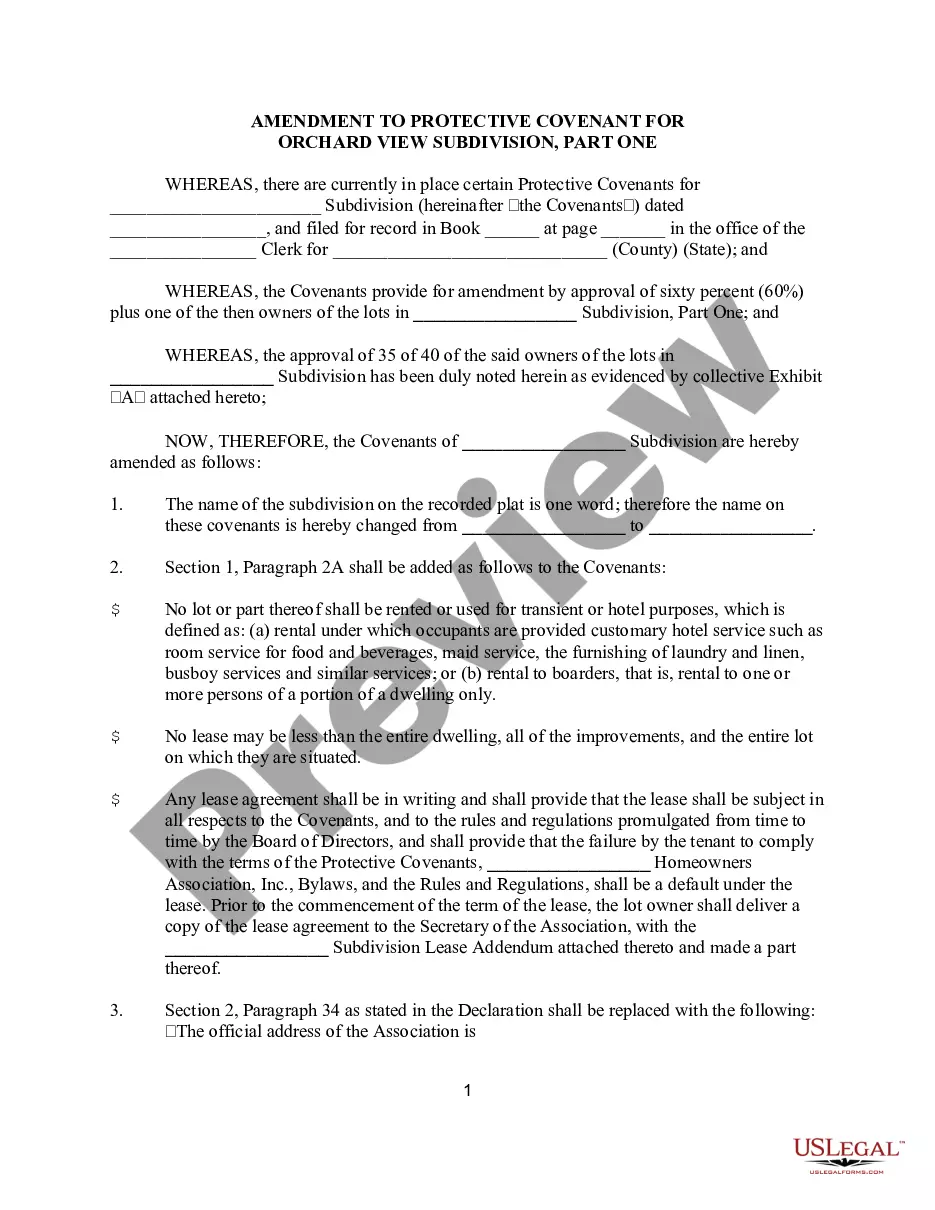

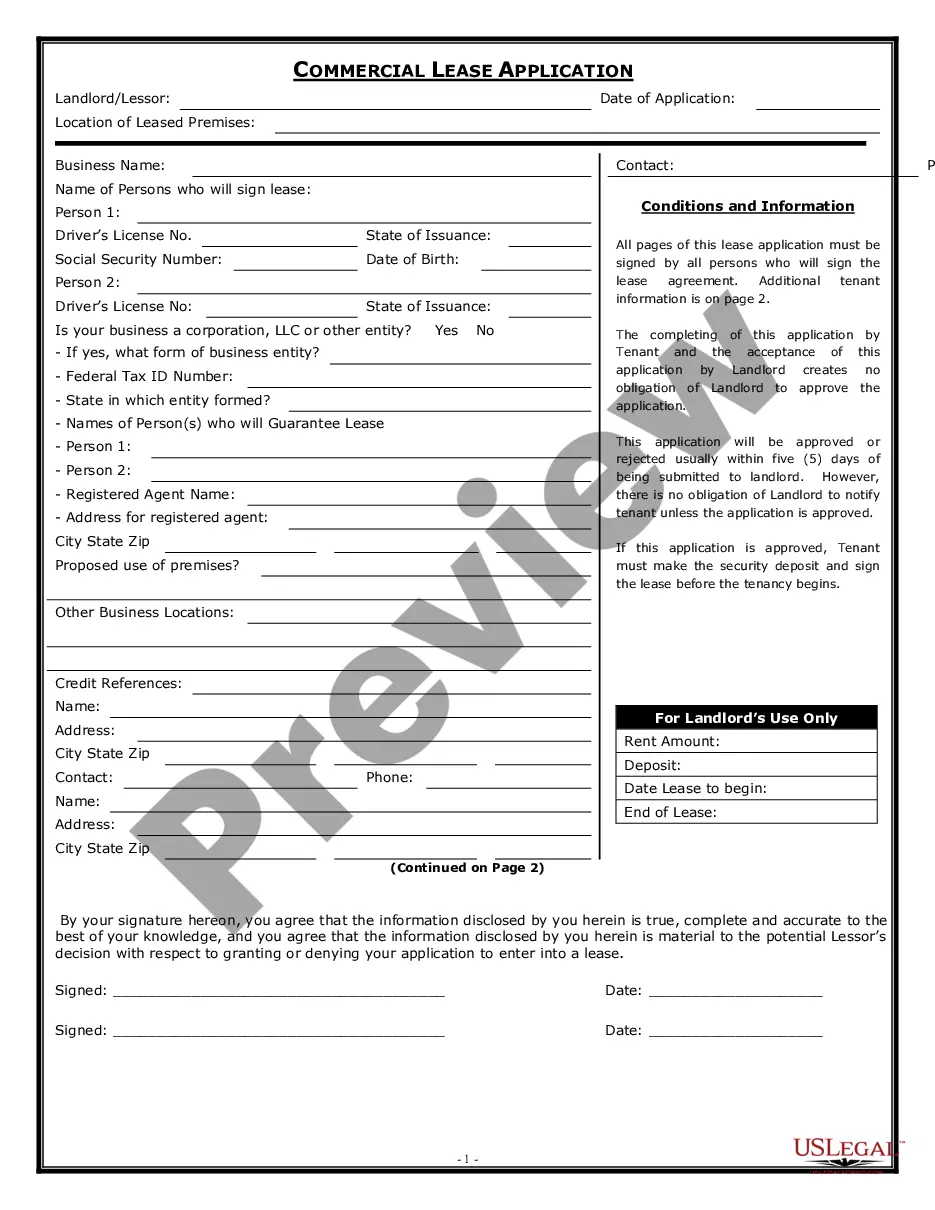




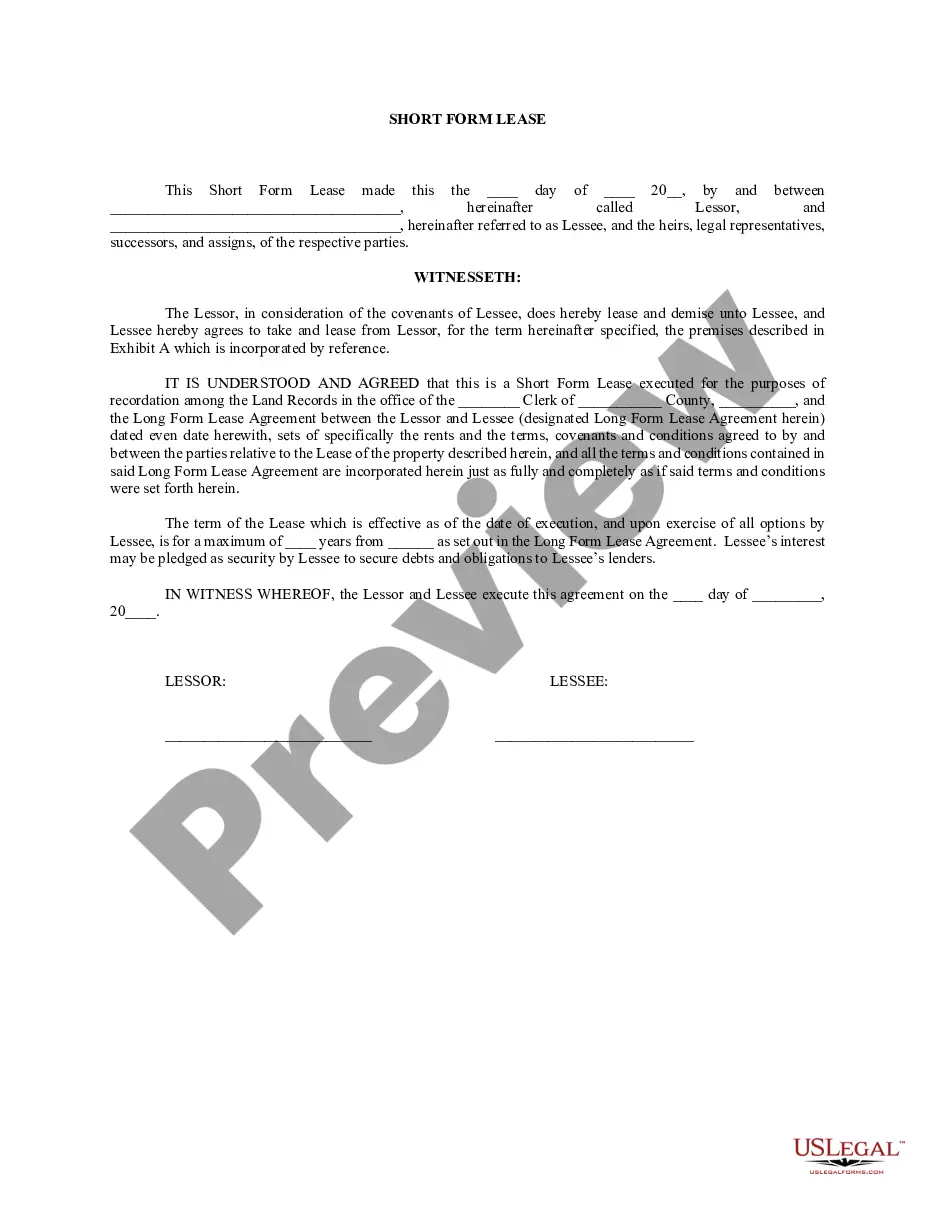


Form popularity
FAQ
Here are the steps you need to follow: Log in to the portal. Visit the EPFO e-SEWA portal, log in using your UAN and password, and enter the captcha code. Visit the online claims section. Enter bank account details. Confirm terms & conditions. Select reason for withdrawal. Enter details and upload documents. Get Aadhaar OTP.
Here's how to complete the form: Step 1: Provide Your Personal Information. Step 2: Specify Multiple Jobs or a Working Spouse. Multiple Jobs Worksheet. Step 3: Claim Dependents. Step 4: Make Additional Adjustments. Step 5: Sign and Date Your W-4.
Generally, you want about 90% of your estimated income taxes withheld and sent to the government.12 This ensures that you never fall behind on income taxes (something that can result in heavy penalties) and that you are not overtaxed throughout the year.
Box a—Employer's name, address, and ZIP code. Box b—Employer identification number (EIN). Box c—Tax year/Form corrected. Box d—Employee's correct SSN. Box e—Corrected SSN and/or name. Box f—Employee's previously reported SSN. Box g—Employee's previously reported name.
How to fill out a W-4 Step 1: Enter your personal information. Fill in your name, address, Social Security number and tax filing status. Step 2: Account for multiple jobs. Step 3: Claim dependents, including children. Step 4: Refine your withholdings. Step 5: Sign and date your W-4.
Steps to fill Form 19 for PF withdrawal Step 1: Sign to the EPF member portal. Step 2: Go to the 'Online Service' section and select 'Claim Form- 31, 19, 10C & 10D. Step 3: Now fill all the required details. Step 4: Verify your bank account details and type the last four digits of your bank account number.
The EPF Form 10C typically includes the following fields: Claimant's name. Date of birth. Father's name. Husband's name (in case of married women) Address and the company's name where the member worked before retirement. Region code, establishment code of last company, and individual PF account number.
How to fill Form 15G? Name of Assesse (Declarant) – Enter your name as per income tax records & PAN number as per your PAN card, Status – Input whether you are an individual or HUF. Previous Year –Input the current financial year for which you are filing up the form.
Lack of document linking: Lack of linking between your UAN, Aadhaar and bank account can prevent claim processing. Form 10C rejection: Form 10C is the form submitted to EPFO for withdrawal of your pension. It can be rejected if filled incorrectly or if the required service period is not met.
EPF Form 10C contains following sections that a member has to fill at the time of applying for pension withdrawal : Claimant's Name. Date of Birth. Father's Name or Husband's Name (in case of married women) Name and Address of the Establishment, in which, the member was last employed.
