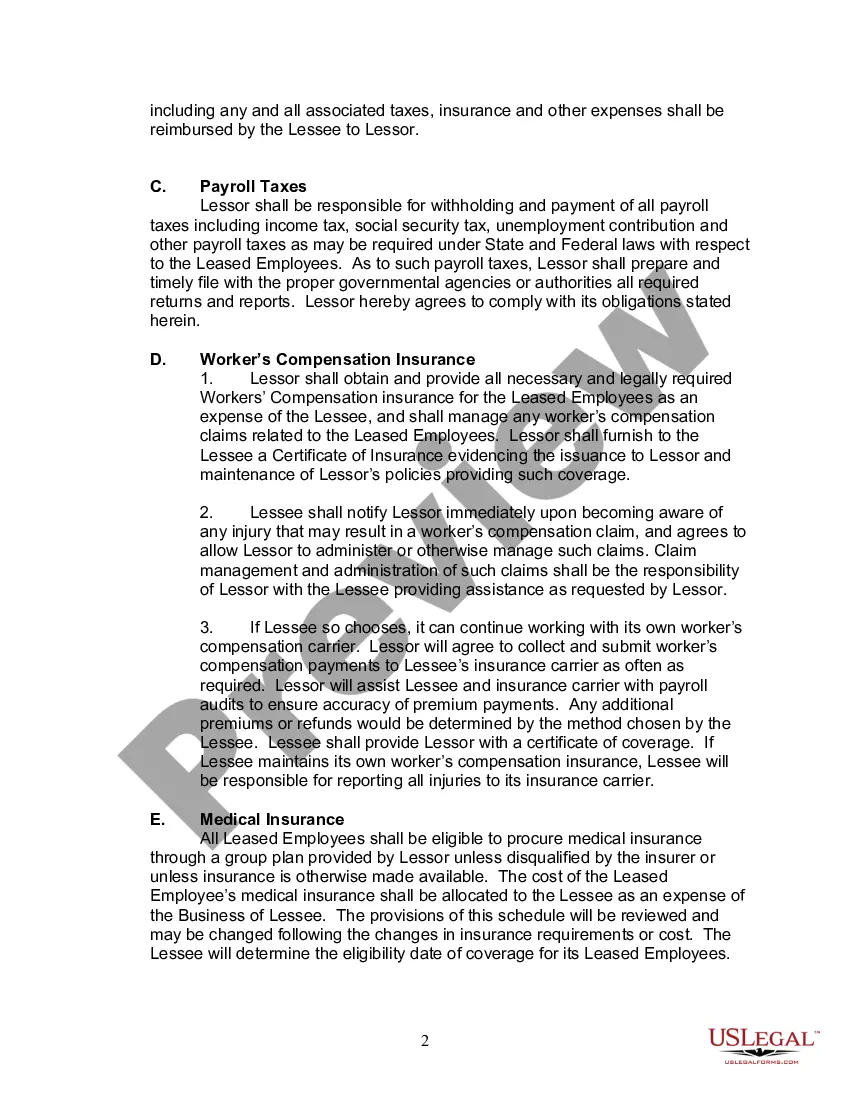
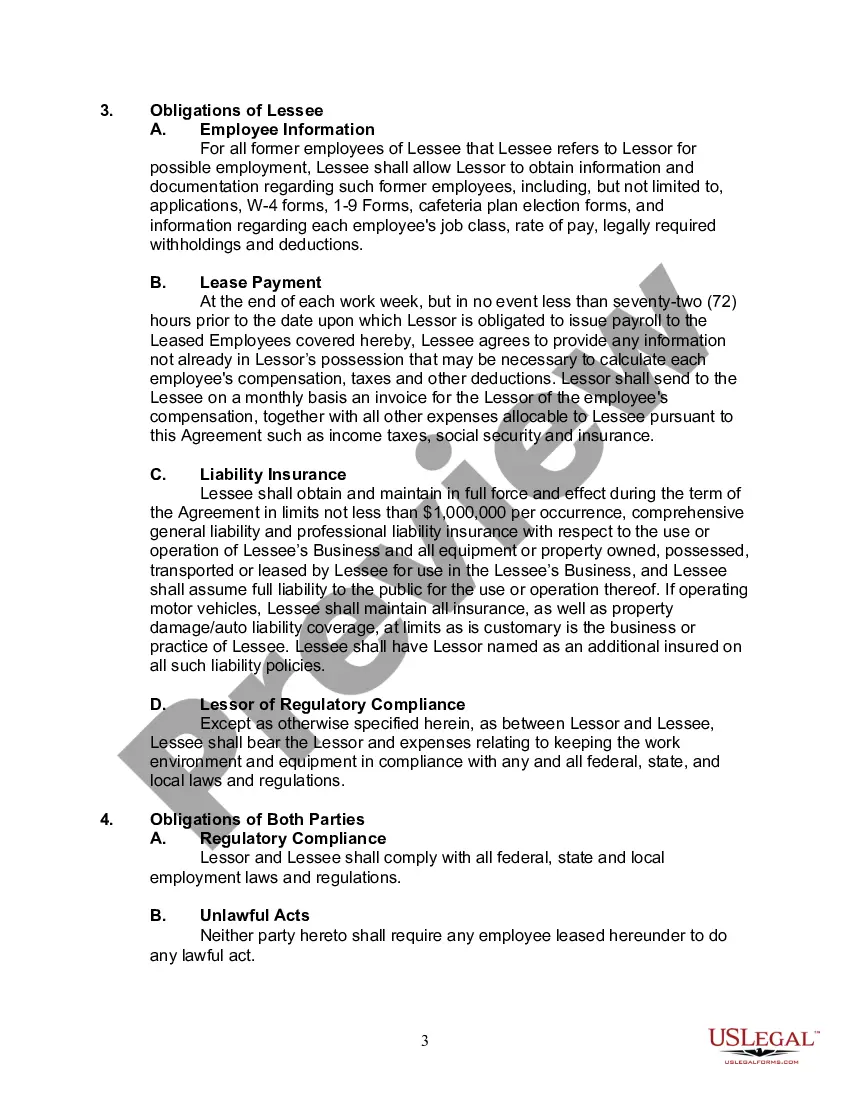
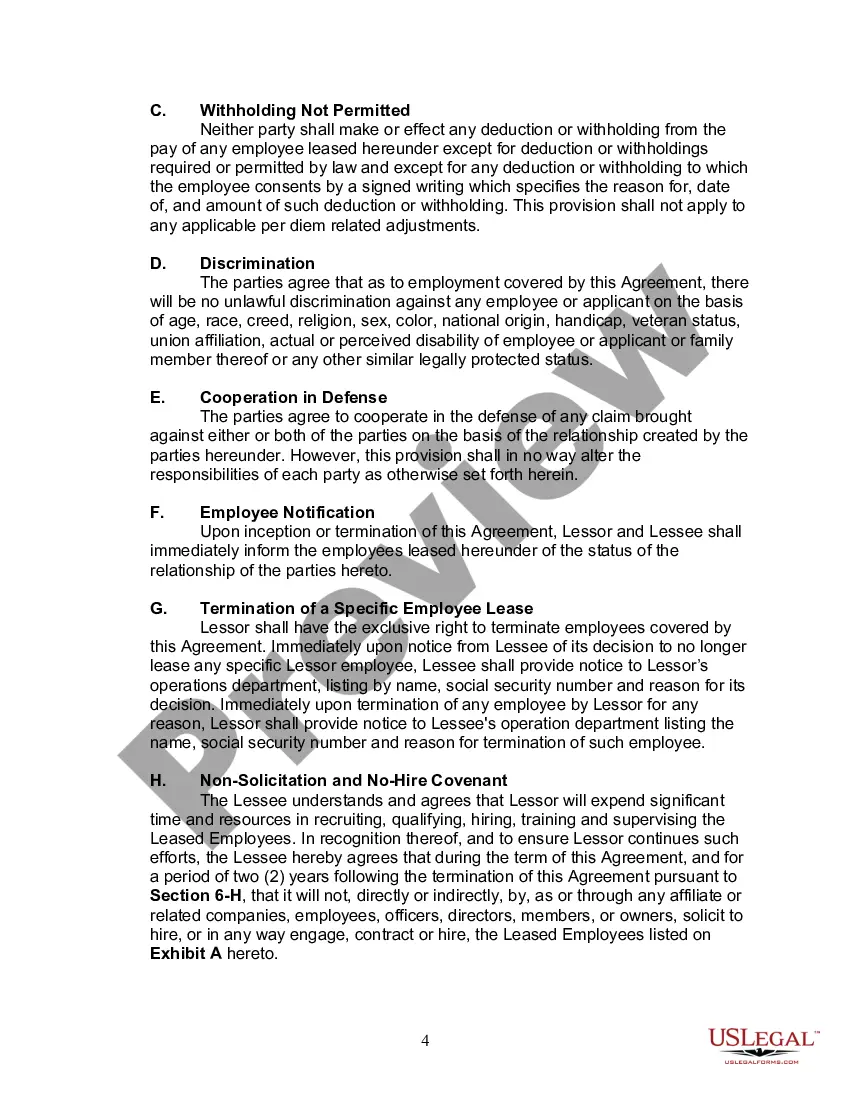
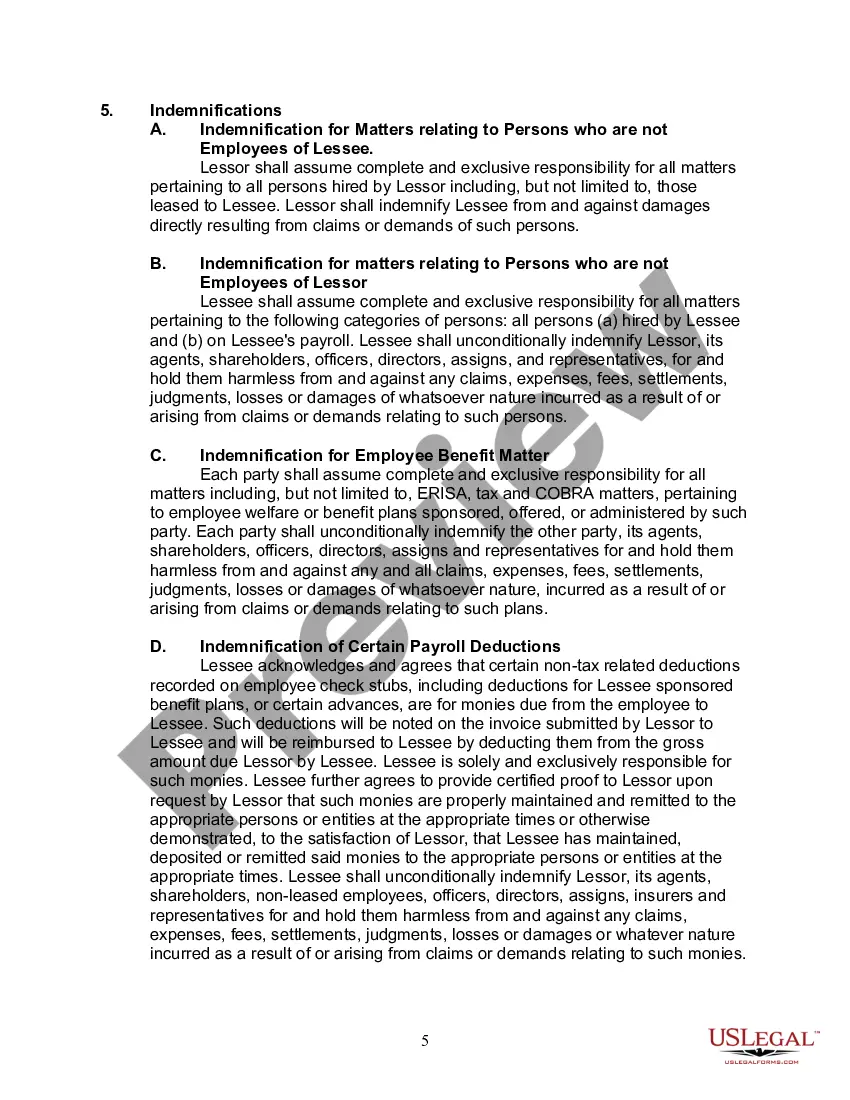
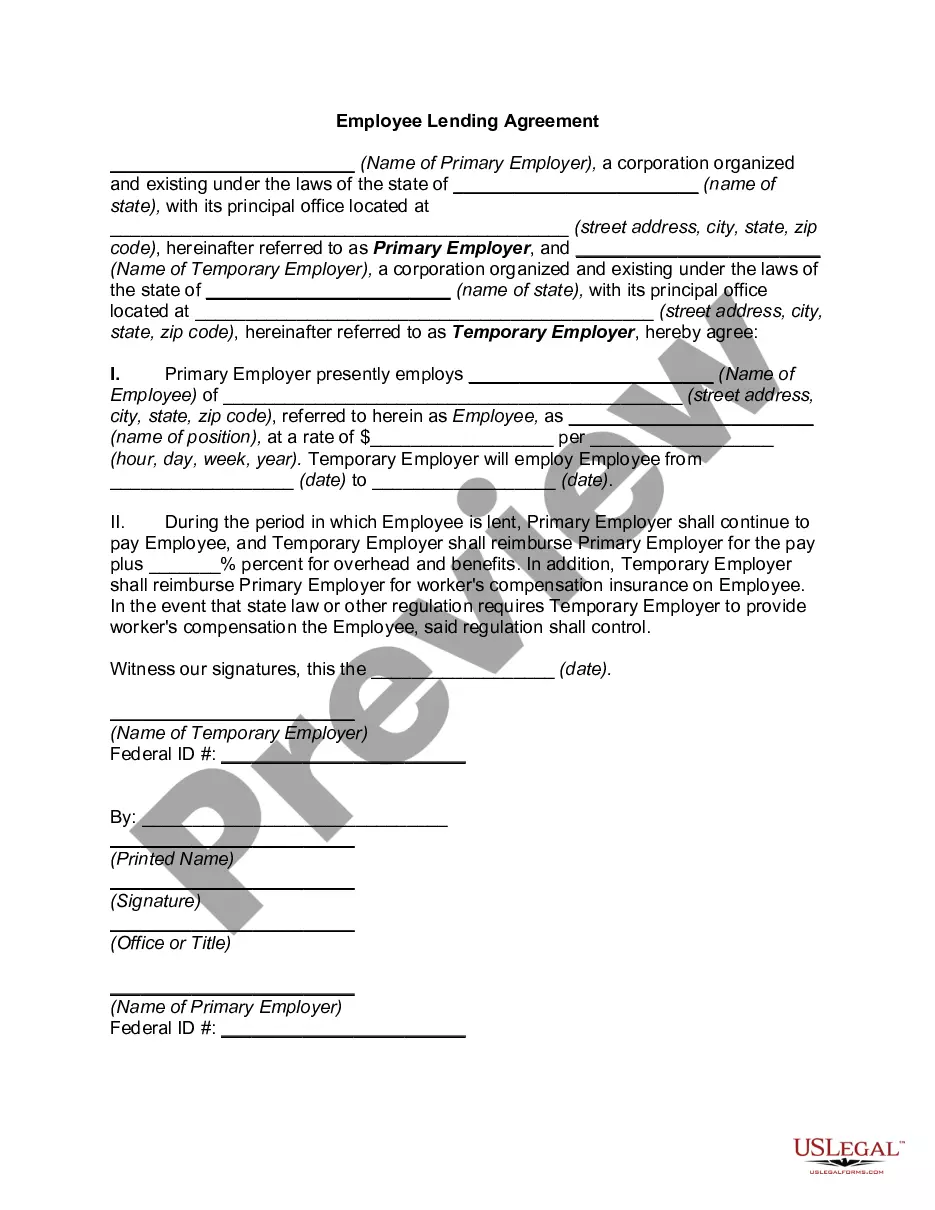
Lease Employee Agreement With Trust In Ohio
Description

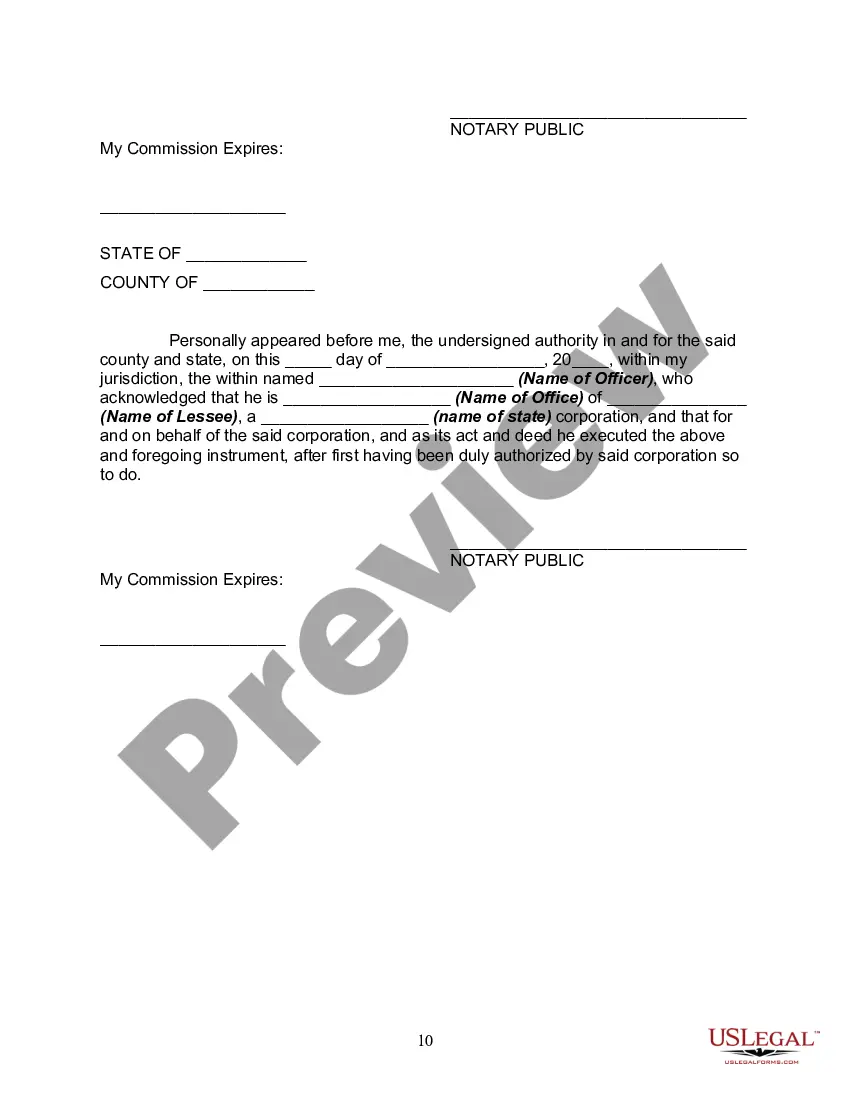
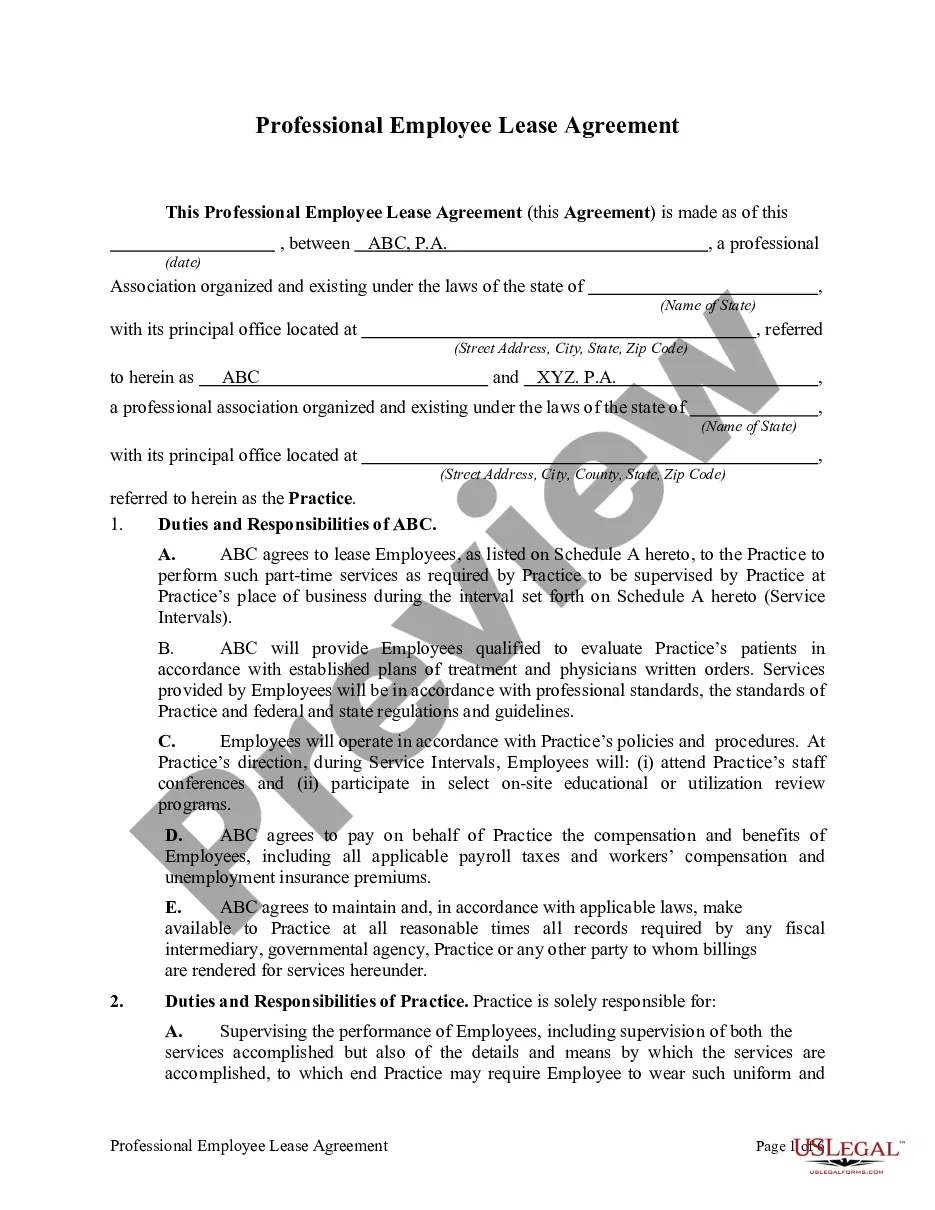
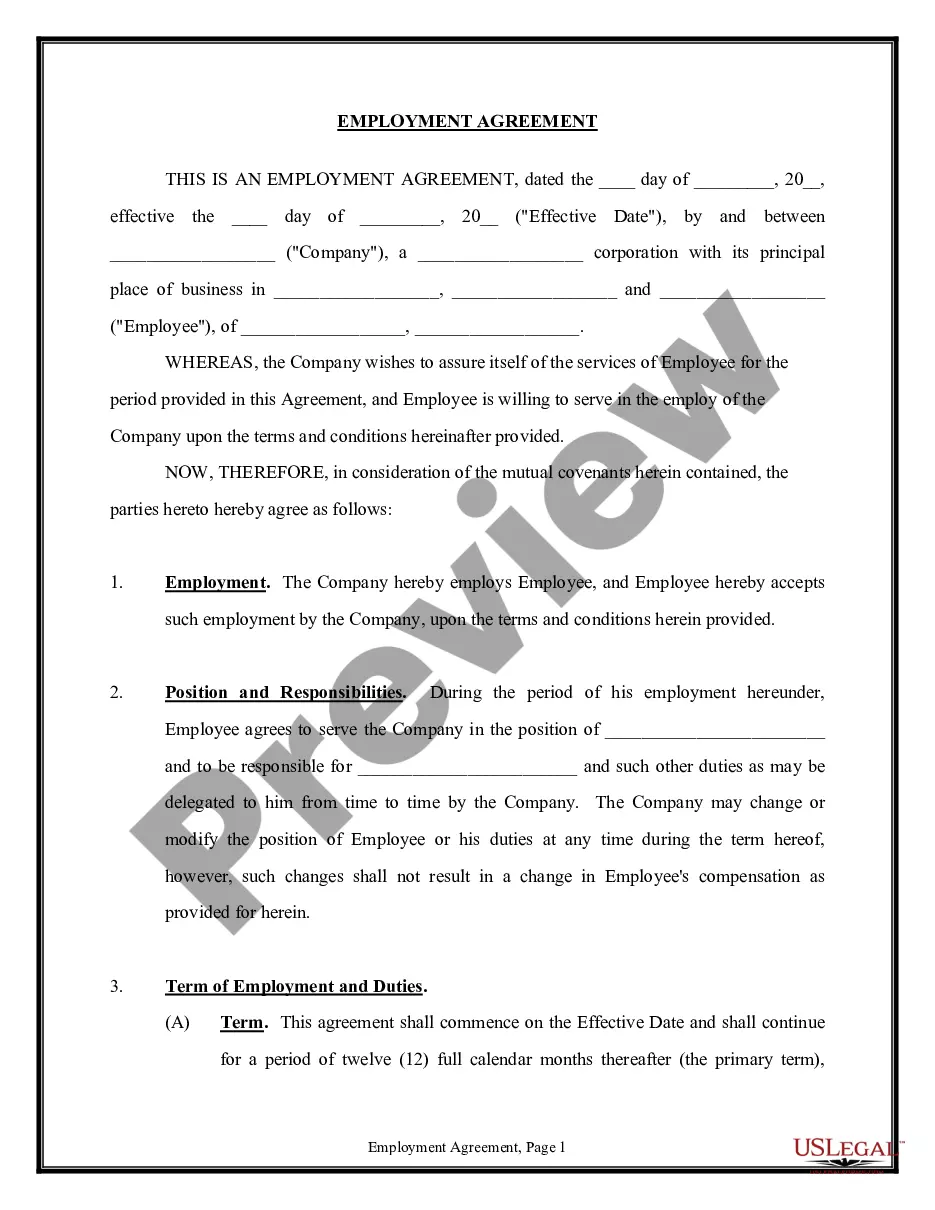
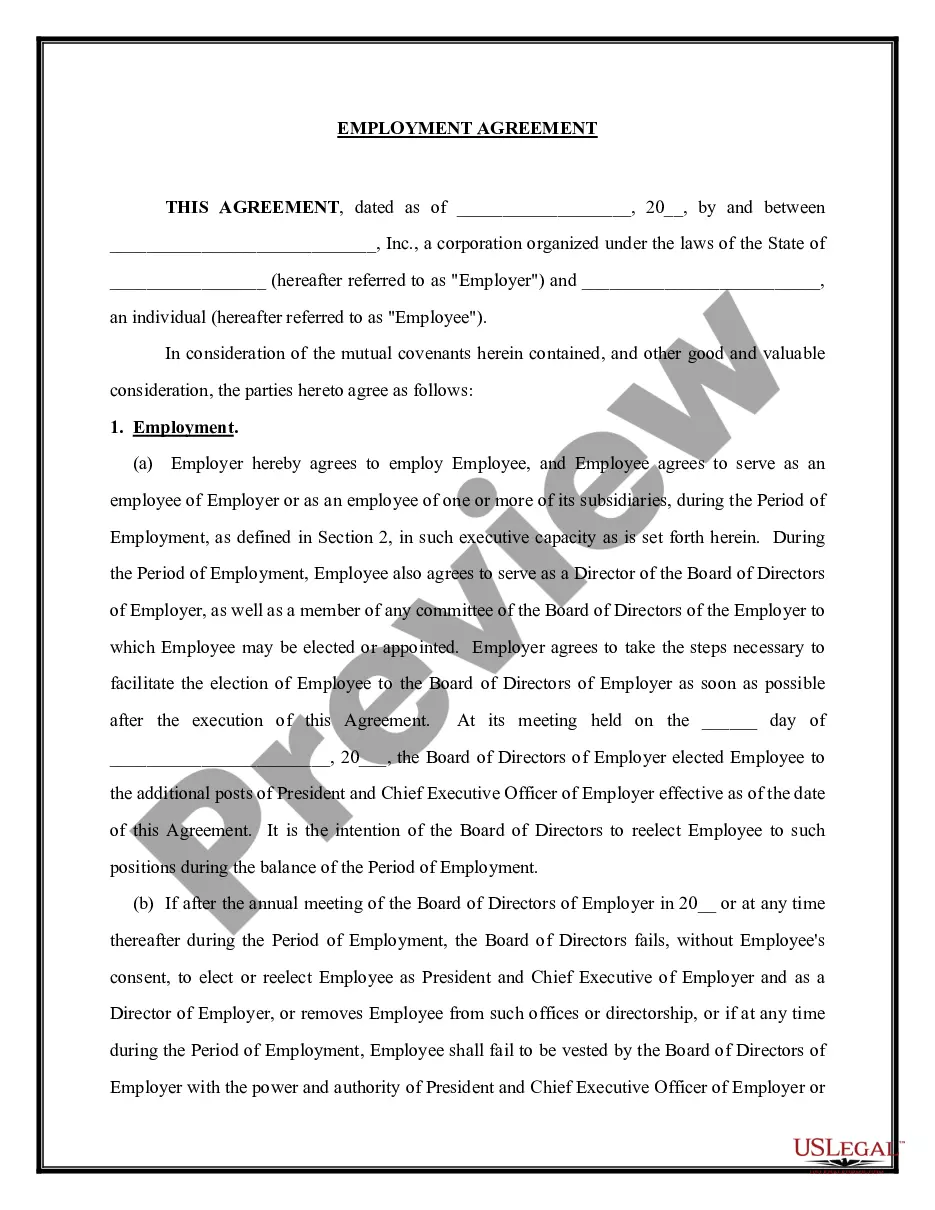
Get your form ready online
Our built-in tools help you complete, sign, share, and store your documents in one place.
Make edits, fill in missing information, and update formatting in US Legal Forms—just like you would in MS Word.
Download a copy, print it, send it by email, or mail it via USPS—whatever works best for your next step.
Sign and collect signatures with our SignNow integration. Send to multiple recipients, set reminders, and more. Go Premium to unlock E-Sign.
If this form requires notarization, complete it online through a secure video call—no need to meet a notary in person or wait for an appointment.
We protect your documents and personal data by following strict security and privacy standards.

Make edits, fill in missing information, and update formatting in US Legal Forms—just like you would in MS Word.

Download a copy, print it, send it by email, or mail it via USPS—whatever works best for your next step.

Sign and collect signatures with our SignNow integration. Send to multiple recipients, set reminders, and more. Go Premium to unlock E-Sign.

If this form requires notarization, complete it online through a secure video call—no need to meet a notary in person or wait for an appointment.

We protect your documents and personal data by following strict security and privacy standards.
Looking for another form?





Form popularity
FAQ
While a trust does not need to be notarized in California to be valid, there are a few reasons why you may want to consider having it notarized. What is notarization? Notarization is a legal process in which a notary public verifies the identity of the person signing a document and witnesses their signature.
A trust is invalid in any of the following circumstances: The document creating the trust doesn't meet the legal requirements; The trust was created or modified by fraud; The creator of the trust lacked the capacity to create the trust; or.
Only the trustees of the trust can hold title. As such, the landlord under a lease or other rental agreement needs to be the trustee(s) of the trust, not the trust itself.
Given that the sections of the statute dealing with the execution of wills explicitly state that witnesses are required but no such provision exists in the trust execution sections, it appears that no such witness attestation or notary requirement exists for the valid execution of a trust in Ohio.
(B) A trustee shall do all of the following: (1) Upon the request of a beneficiary, promptly furnish to the beneficiary a copy of the trust instrument.
A lease agreement is a legally binding contract outlining the terms under which one party agrees to rent property, whether real or personal, from another party. This agreement includes important details such as the rent amount, duration, responsibilities of both parties, and conditions for terminating the agreement.
California law requires the following three elements to be present to create a valid trust: The Settlor must properly manifest an intention to create a trust. There is trust property. There is a beneficiary (unless it is a charitable trust).
A trust is a legal mechanism that allows assets such as a property to be managed and looked after by people known as Trustees for the benefit of people known as beneficiaries. The answer to this question is yes, you can put a rental property in a trust, and it does not matter how long you have owned the property.
Trust documents generally are not a part of the public record because only the trustee and the trust document are needed to launch trust administration.
