Employee Form Document For Work In Oakland
Description

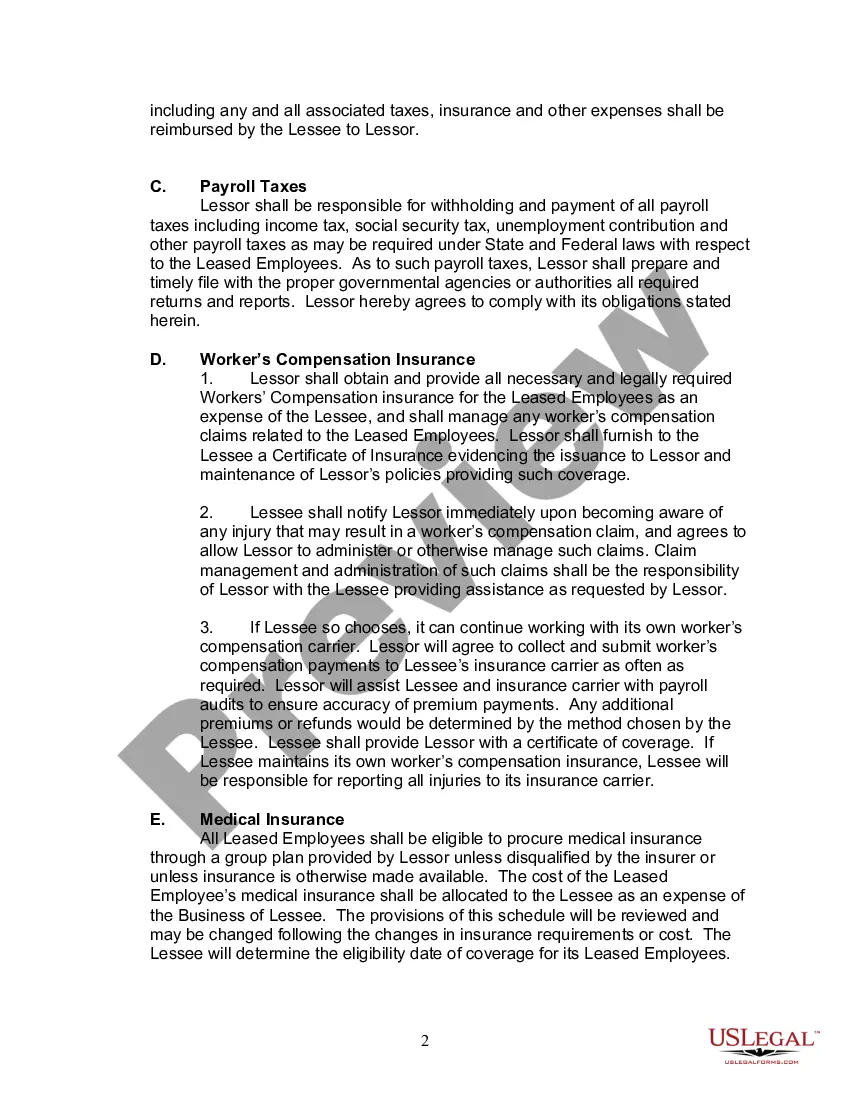
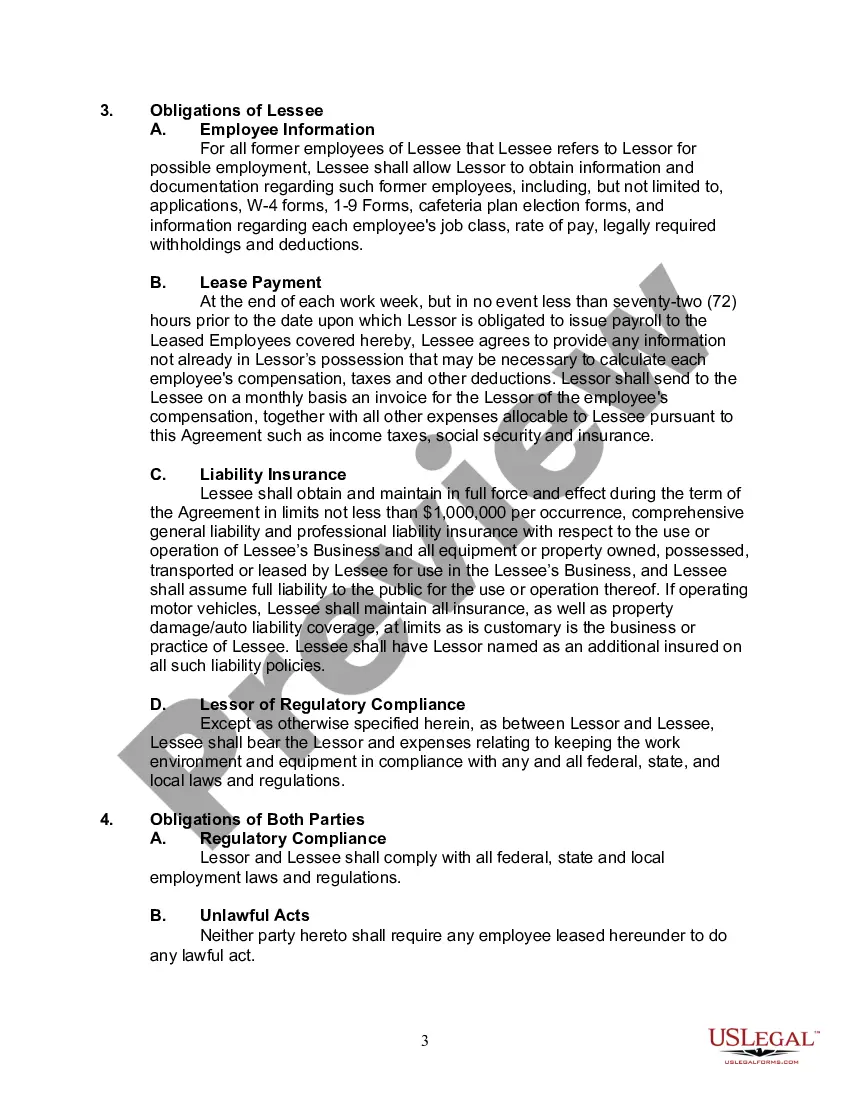
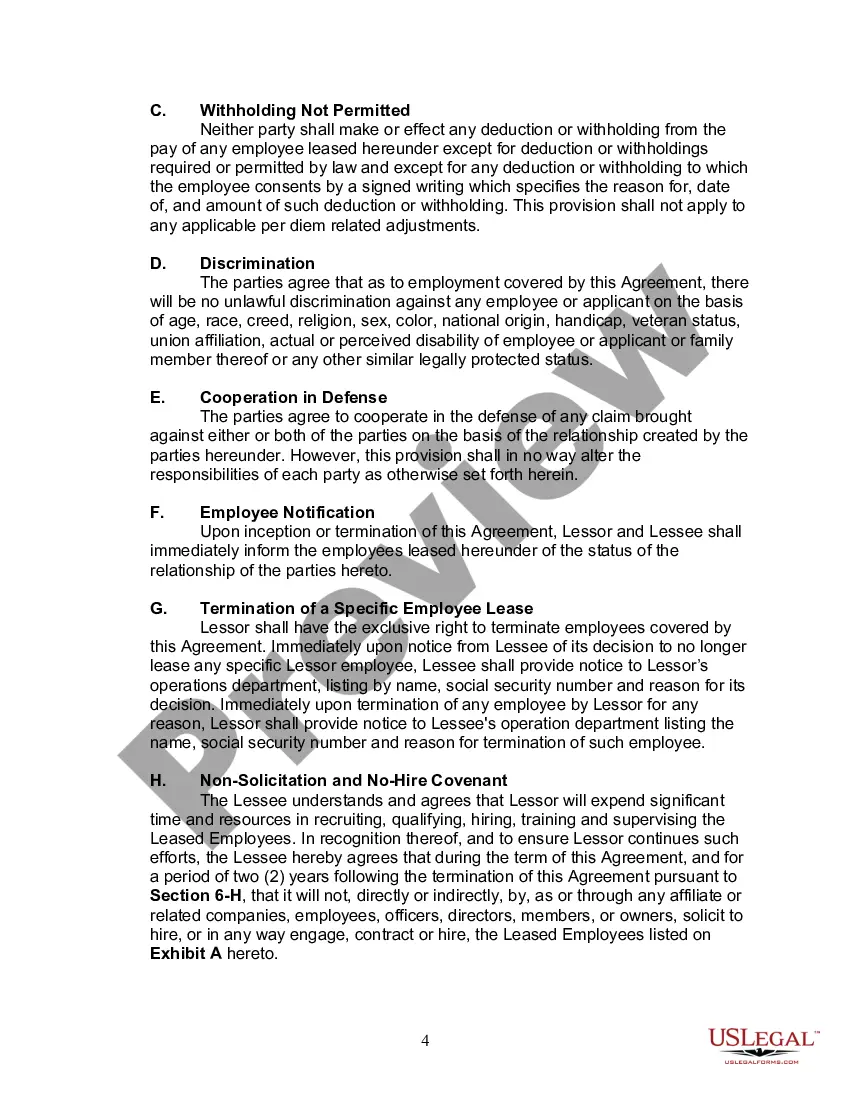
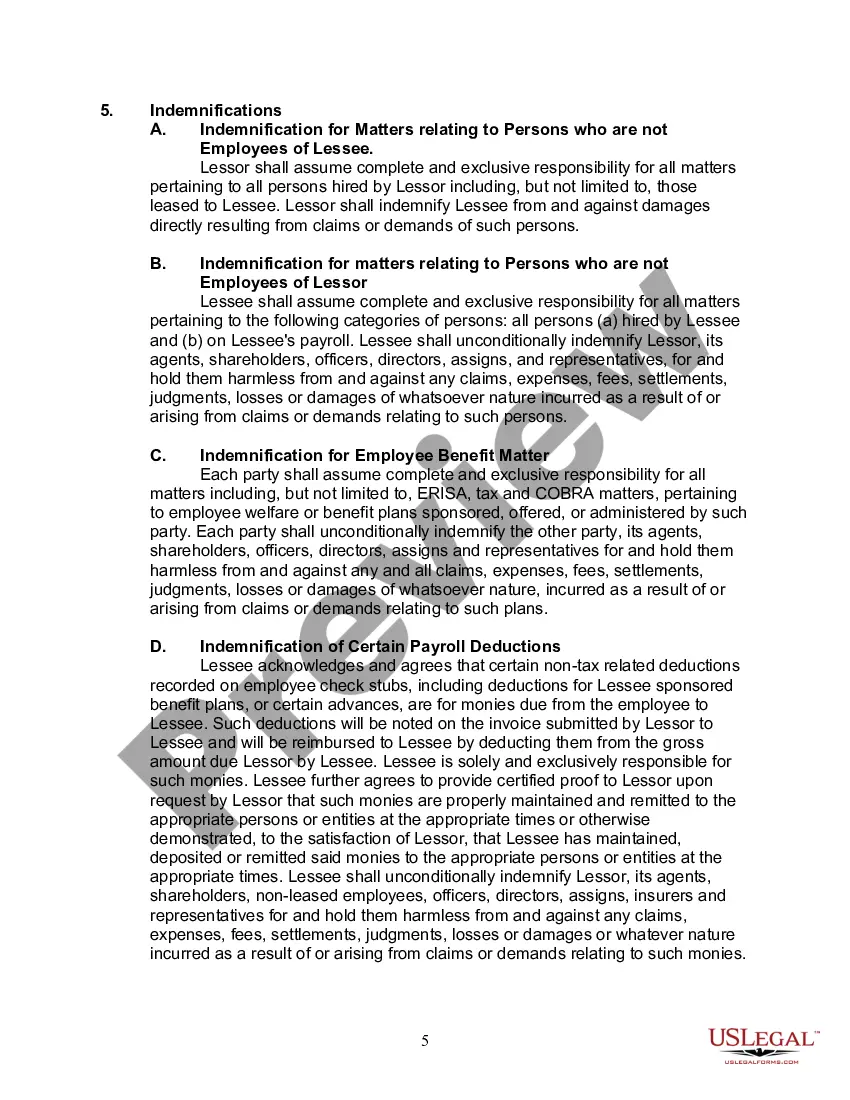
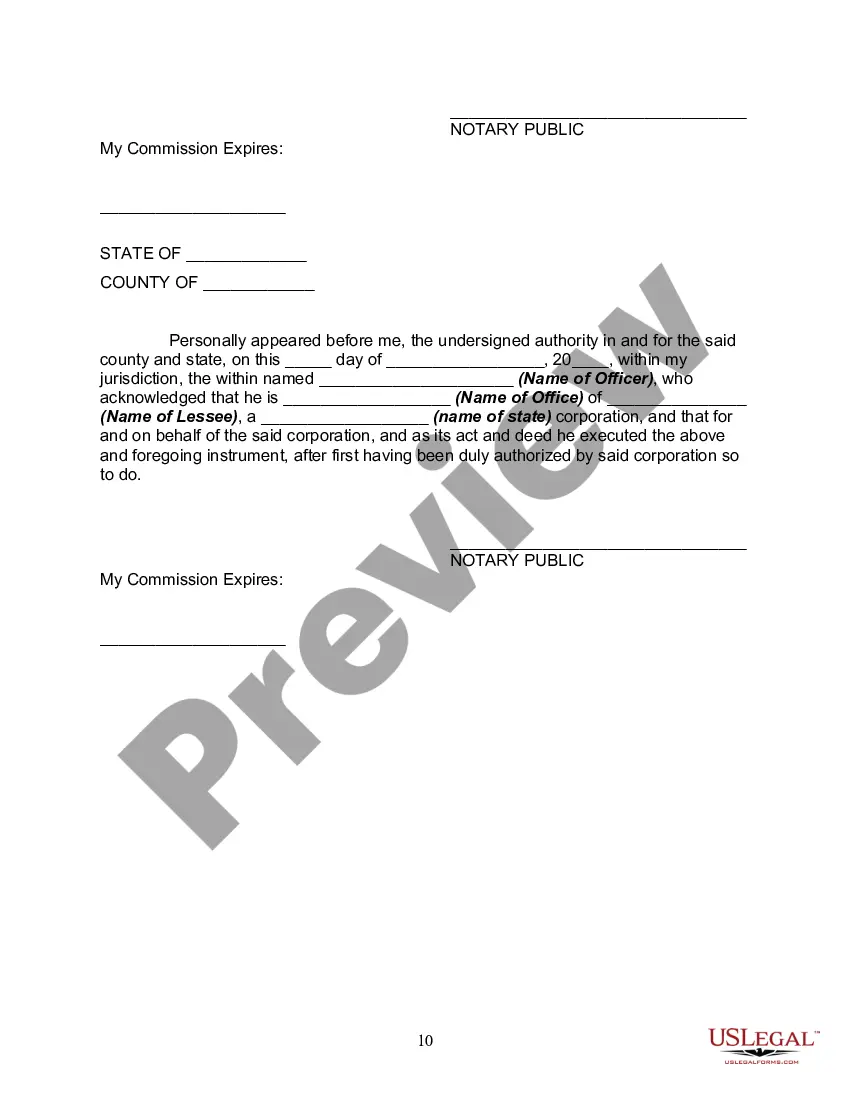
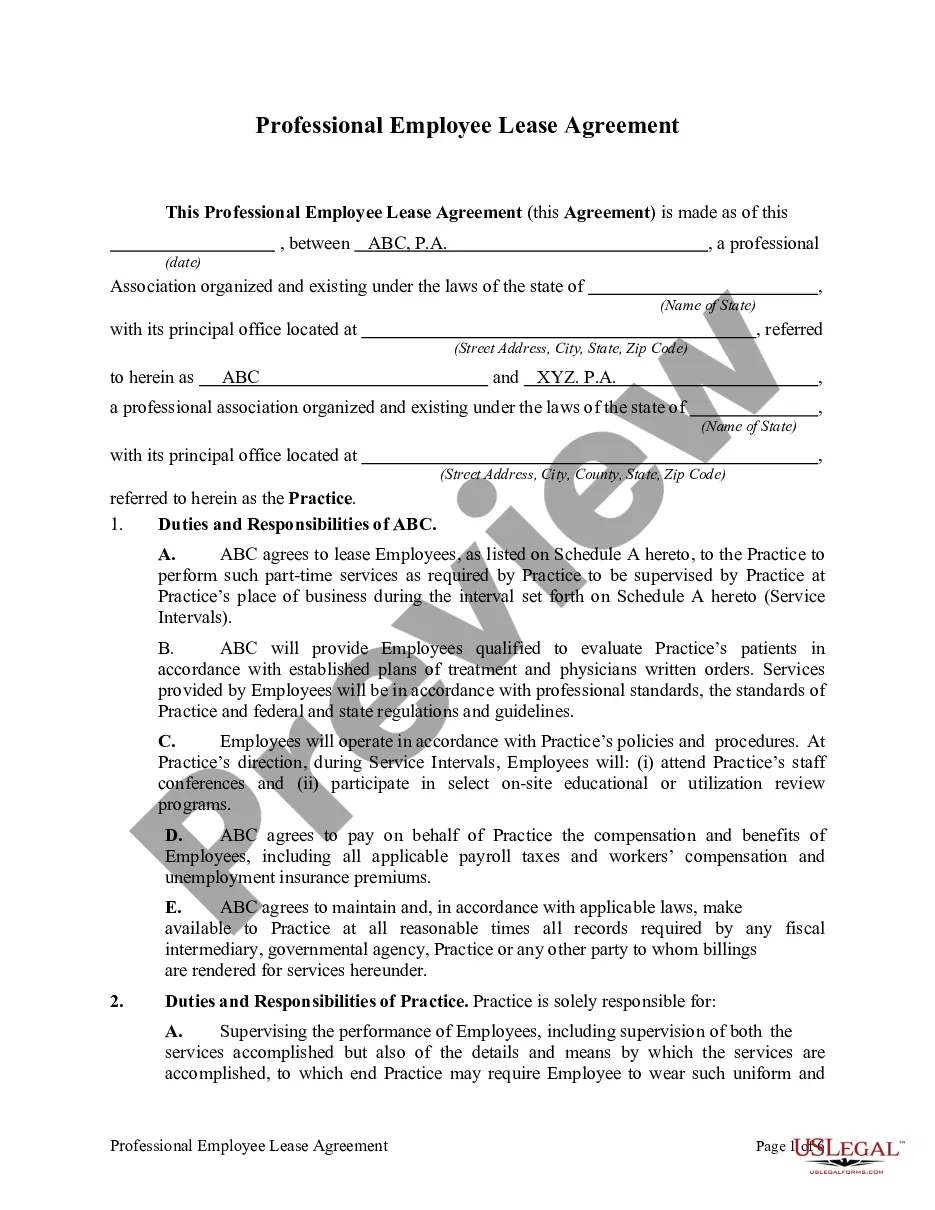
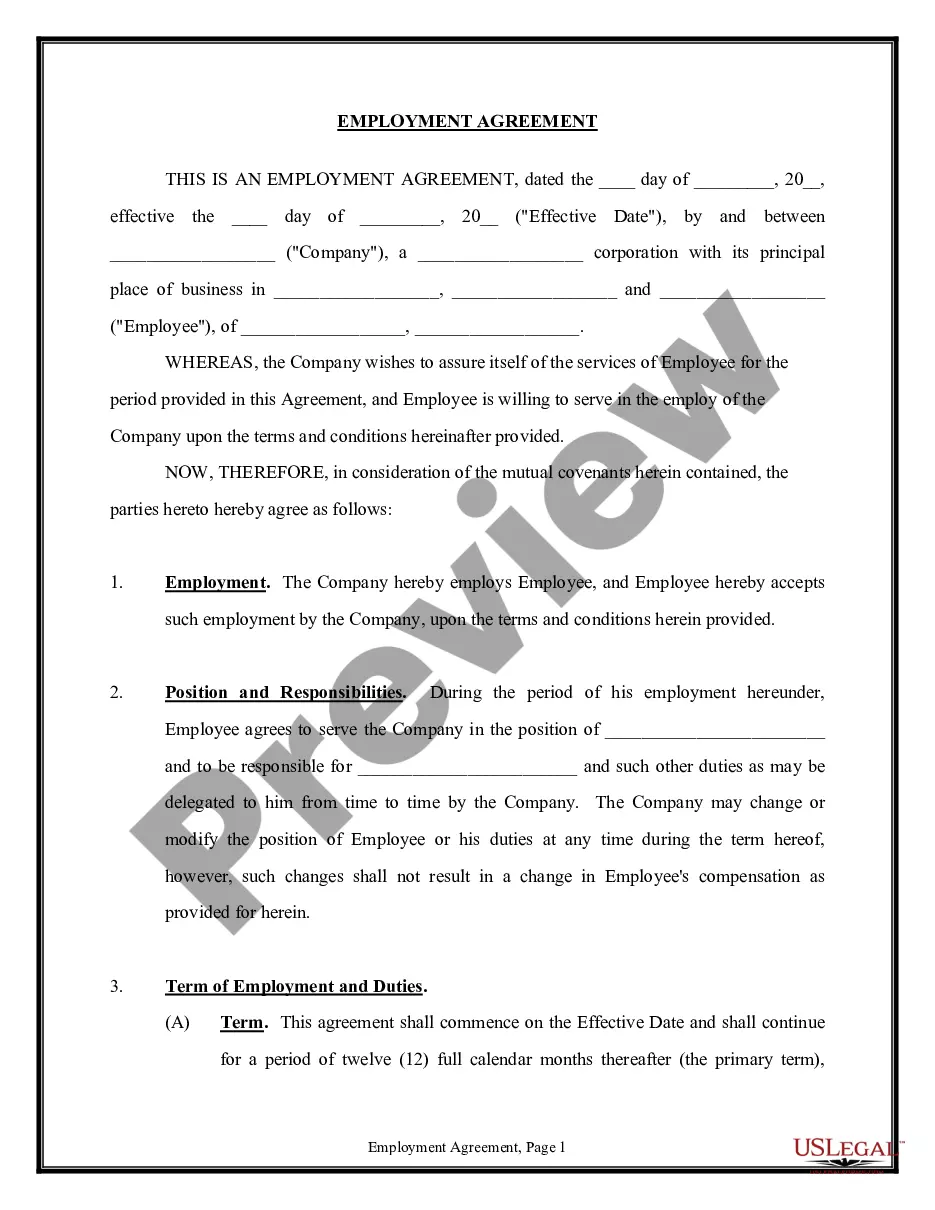
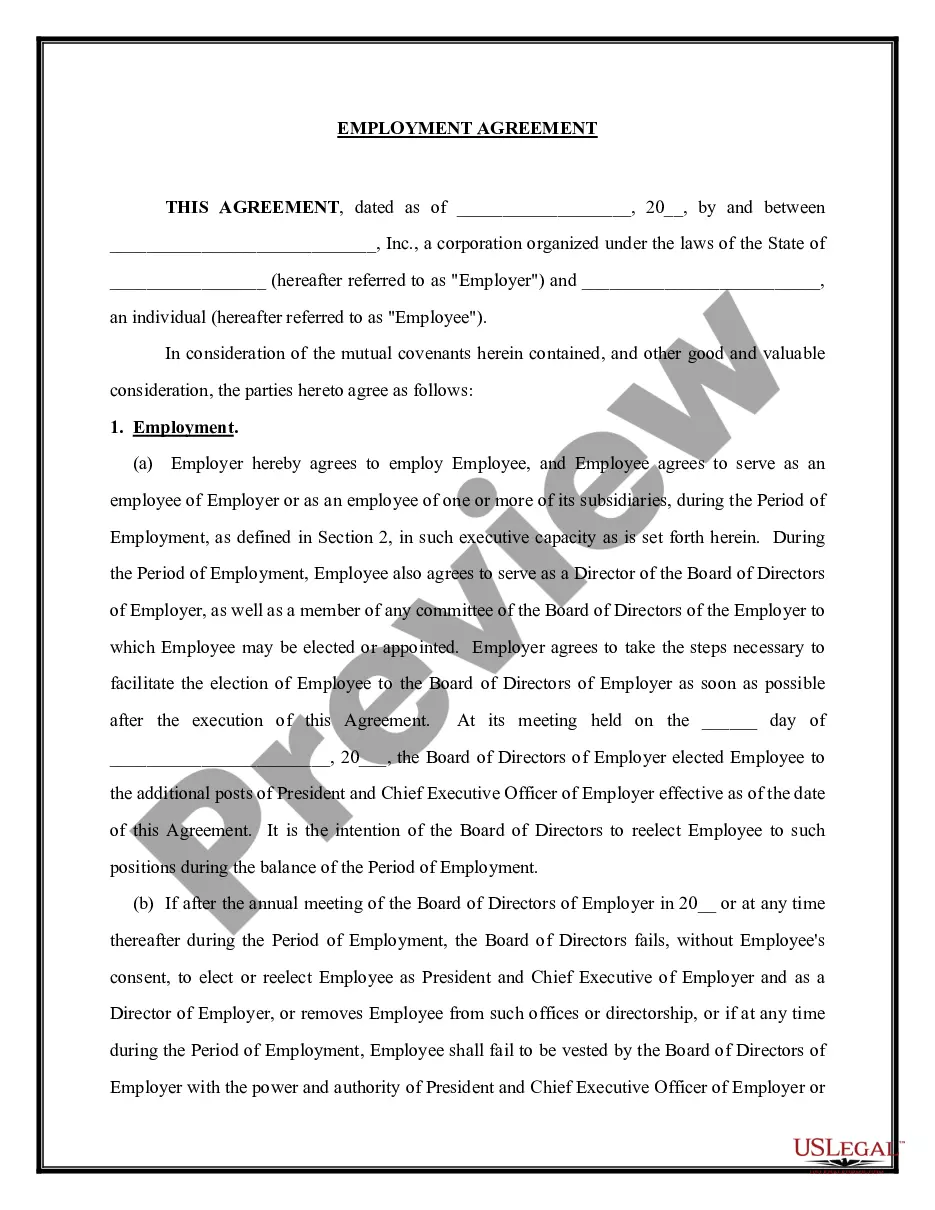
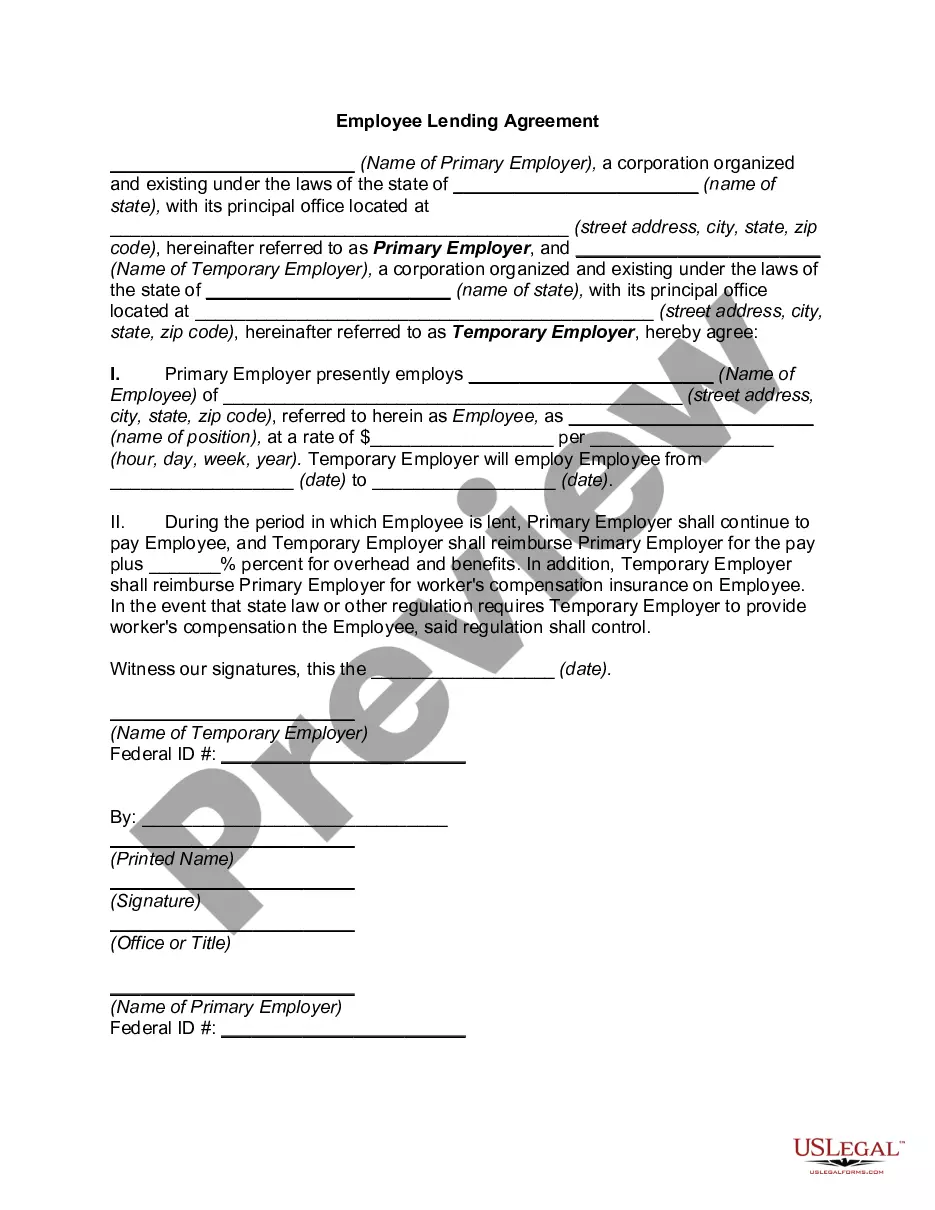
Get your form ready online
Our built-in tools help you complete, sign, share, and store your documents in one place.
Make edits, fill in missing information, and update formatting in US Legal Forms—just like you would in MS Word.
Download a copy, print it, send it by email, or mail it via USPS—whatever works best for your next step.
Sign and collect signatures with our SignNow integration. Send to multiple recipients, set reminders, and more. Go Premium to unlock E-Sign.
If this form requires notarization, complete it online through a secure video call—no need to meet a notary in person or wait for an appointment.
We protect your documents and personal data by following strict security and privacy standards.

Make edits, fill in missing information, and update formatting in US Legal Forms—just like you would in MS Word.

Download a copy, print it, send it by email, or mail it via USPS—whatever works best for your next step.

Sign and collect signatures with our SignNow integration. Send to multiple recipients, set reminders, and more. Go Premium to unlock E-Sign.

If this form requires notarization, complete it online through a secure video call—no need to meet a notary in person or wait for an appointment.

We protect your documents and personal data by following strict security and privacy standards.
Looking for another form?
Form popularity
FAQ
Other records that are generally kept in personnel files are those used to determine an employee's qualifications for promotion, additional compensation, or disciplinary action. This could include the following: Notices of commendation, warning, or discipline. Notices of layoff, leave of absence, and vacation.
Employers should keep all job-related documentation such as hiring records, performance reviews, disciplinary actions and job descriptions in an employee's general personnel file.
How to fill out an I-9 form in 6 steps Designate your authorized representative. Have the new hire complete Section 1: Employee Information and Attestation. Inspect the new hire's I-9 identification documents. Complete Section 2: Employer Review and Verification. Complete I-9 supplements, if applicable.
Methods of Employment Verification Dates of employment, Title (job classification), Employment history (all position, dates and salary since date of hire), Gross salary for the past two years, Year to date salary, and. Annual salary.
Research your salary. Read the application before filling it out. Before you start to fill out a job application, read through it first. Take your time. Answer completely and truthfully. Include your resume. Fill out job information chronologically. Put in the extra effort. Research your salary. Proofread your application.
Verification of employment letter sample. Dear Requesters Name/To Whom It May Concern, This letter is to confirm the employment of Employee's Full Name, who has been employed at Company Name since Start Date and currently holds the position of Job Title.
Stick to the basics like dates of employment and the position your former employee held. Beyond that, remember that the best way to protect your company from related litigation is to make sure the only information you share is truthful and supported by records in the employee's file.
While most HR professionals and employment lawyers would unequivocally answer "YES," there are employers and industries that do not require applicants to fill out an employment application during the interview or new hire process.
What should be included in employment verification letters? Employer address. Name and address of the company requesting verification. Employee name. Employment dates. Employee job title. Employee job description. Employee current salary. Reason for termination (If applicable)
It should include: Personal Information: Full name, address, contact details, marital status, and spouse's details. Job Information: Title, department, supervisor, work location, start date, and salary. Emergency Contact Information: Name, address, and contact details of the emergency contact.
