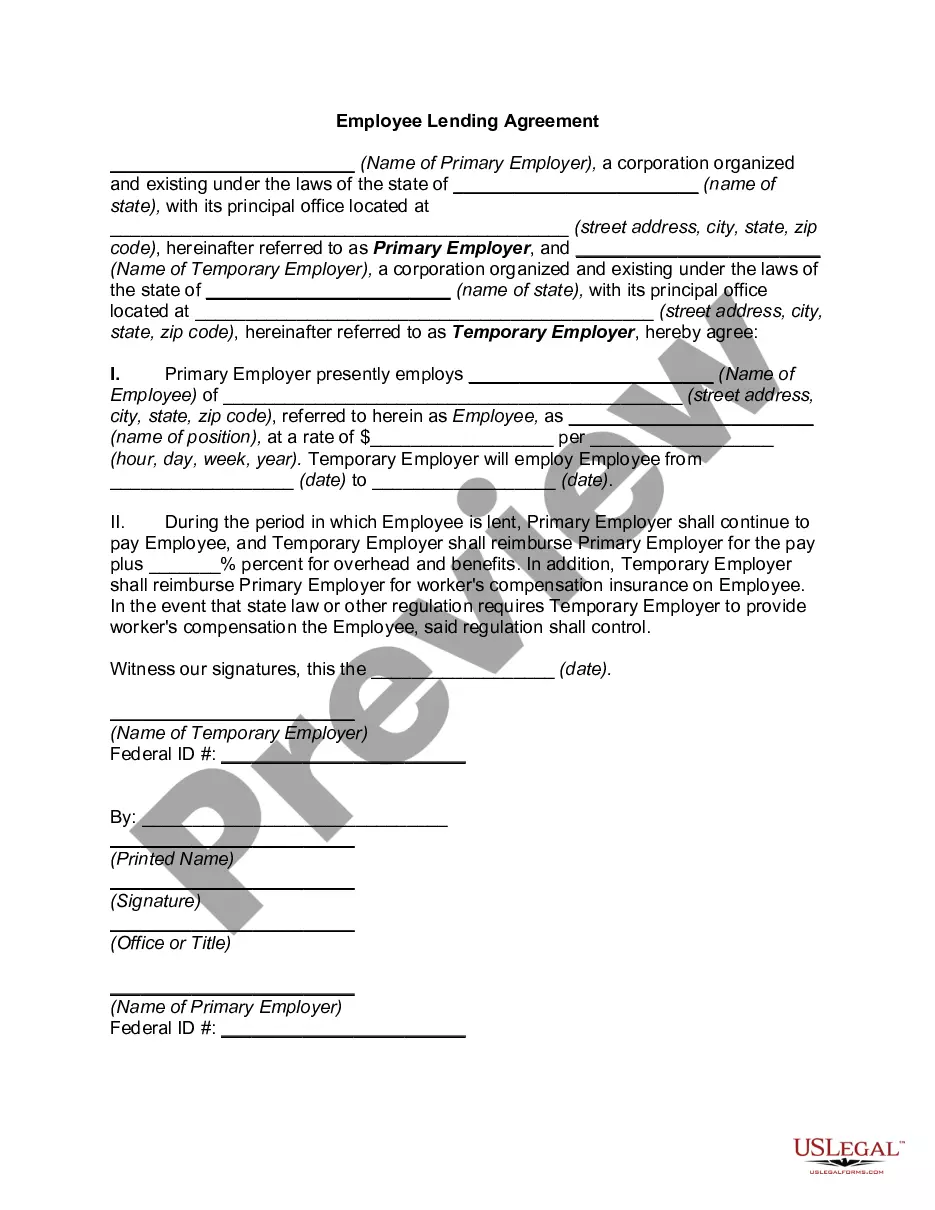
Lease Employee Agreement Without Rent In Nevada
Description

Get your form ready online
Our built-in tools help you complete, sign, share, and store your documents in one place.
Make edits, fill in missing information, and update formatting in US Legal Forms—just like you would in MS Word.
Download a copy, print it, send it by email, or mail it via USPS—whatever works best for your next step.
Sign and collect signatures with our SignNow integration. Send to multiple recipients, set reminders, and more. Go Premium to unlock E-Sign.
If this form requires notarization, complete it online through a secure video call—no need to meet a notary in person or wait for an appointment.
We protect your documents and personal data by following strict security and privacy standards.

Make edits, fill in missing information, and update formatting in US Legal Forms—just like you would in MS Word.

Download a copy, print it, send it by email, or mail it via USPS—whatever works best for your next step.

Sign and collect signatures with our SignNow integration. Send to multiple recipients, set reminders, and more. Go Premium to unlock E-Sign.

If this form requires notarization, complete it online through a secure video call—no need to meet a notary in person or wait for an appointment.

We protect your documents and personal data by following strict security and privacy standards.
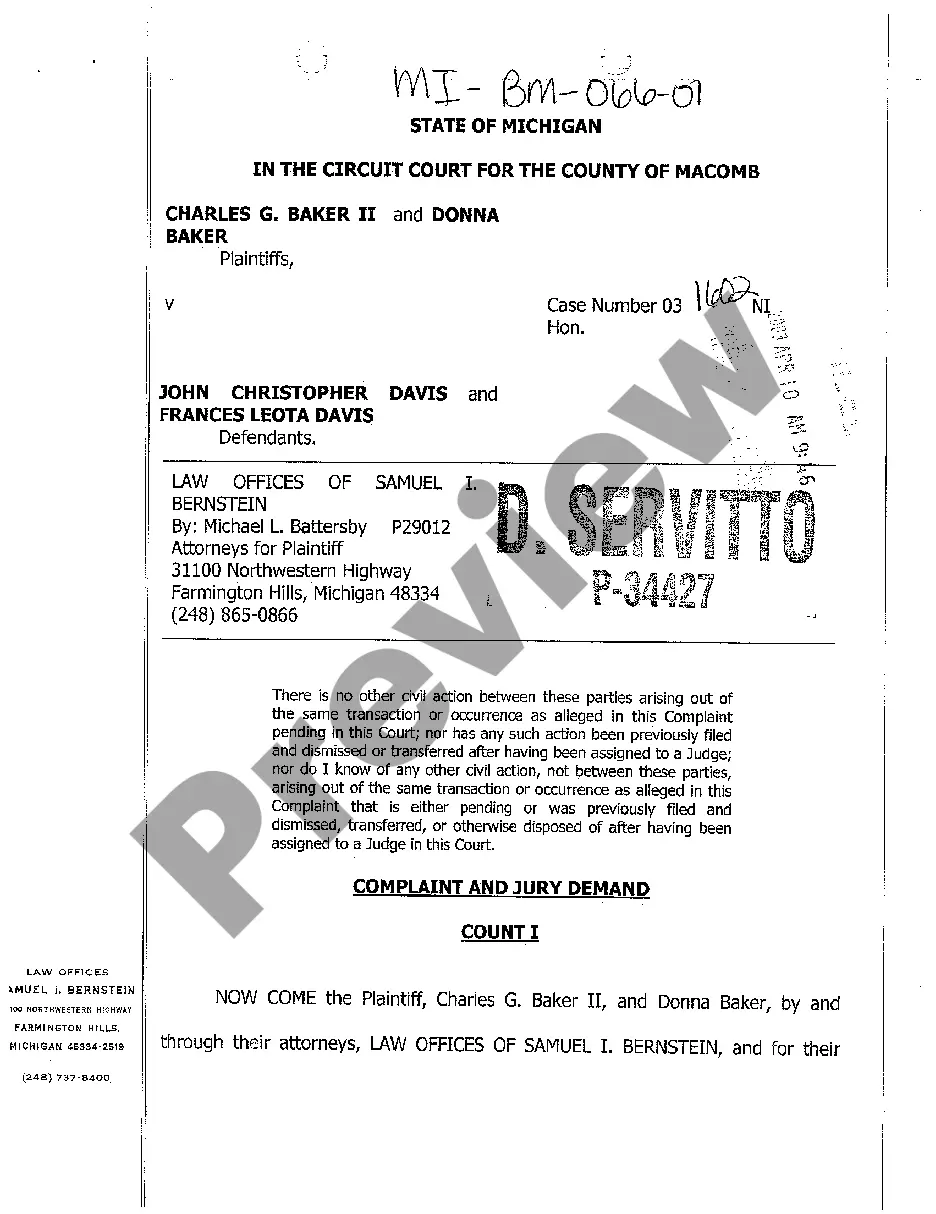
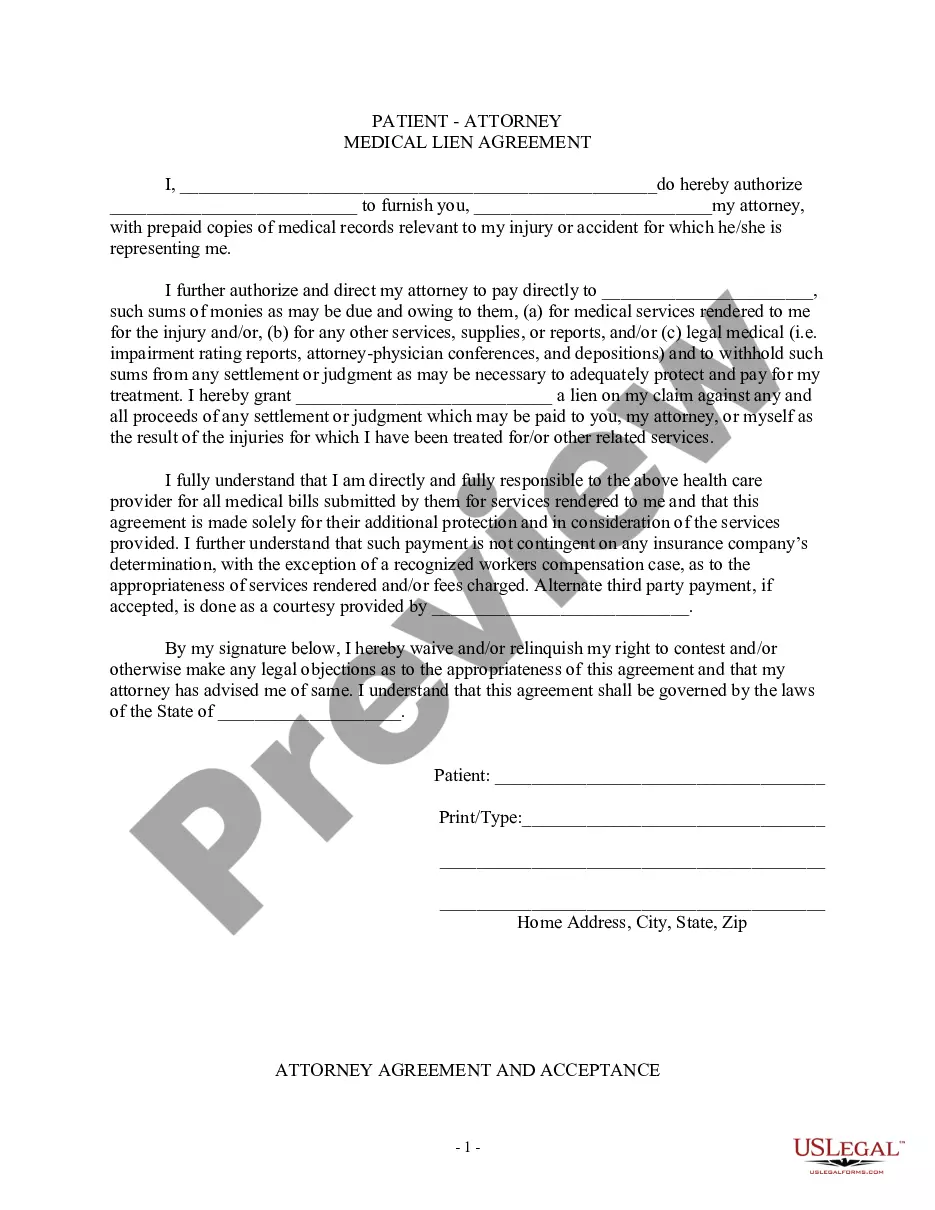
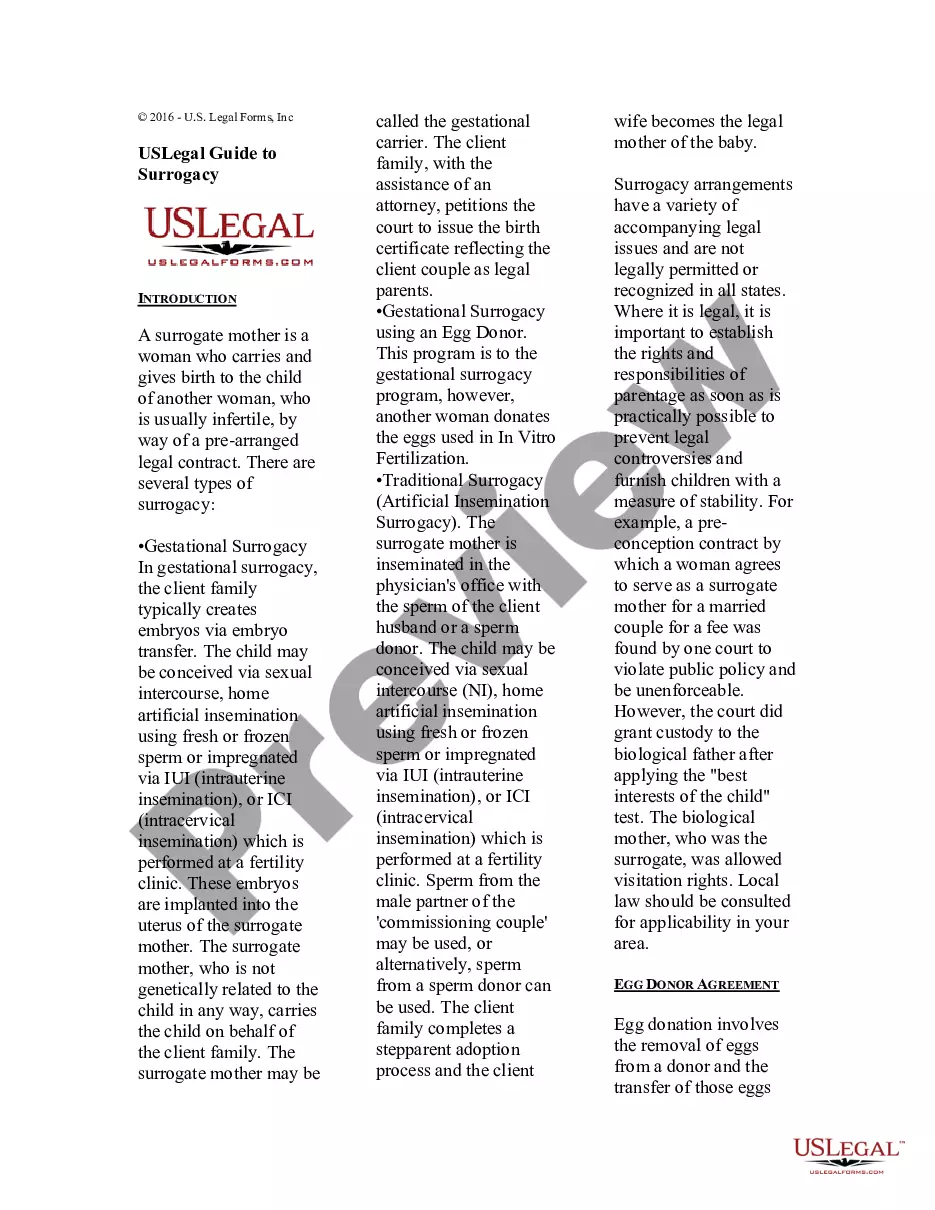
Looking for another form?

Form popularity
FAQ
Your landlord must give you 60 days written notice before increasing rent on month-to-month tenancies. Late fees can't be more than 5% of your periodic rent. Your security deposit can't be more than three times your rent.
A resident may not share a bedroom with more than two other residents.
Occupancy is a concept in property law defined as the state of possessing or residing on a piece of property . Both owners and tenants can be in occupancy of a property. Actual occupancy of a piece of property is a necessary condition in many states for a successful adverse possession claim .
Nevada law requires a thirty-day notice to the tenant (or a seven-day notice if the tenant pays rent weekly), followed by a second five-day Notice to Quit for Unlawful Detainer (after the first notice period has elapsed) instructing the tenant to leave because tenant's presence is now unlawful.
A dwelling is not habitable if it violates provisions of housing or health codes concerning health, safety, sanitation, or fitness for habitation or if it substantially lacks (NRS 118A. 290): (a) Effective waterproofing and weather protection of the roof and exterior walls, including windows and doors.
A person who takes up residence in an uninhabited or vacant dwelling and knows or has reason to believe that such residency is without permission of the owner of the dwelling or an authorized representative of the owner is guilty of unlawful occupancy.
Nevada tenants have the right to live in a unit that complies with local housing and safety requirements. If there are any existing damages to the unit, the tenant can request the landlord to fix the issue within 14 days of notice. In cases of emergency, the fix may be done within 24 hours' notice.
Does a Lease need to be notarized in Nevada? Sometimes Lease Agreements do not need to be notarized if they're being signed by both the Landlord, or lessor, and Tenant, or lessee. Once the Lease is signed by both parties, it's considered legally binding and fully enforceable.
Legal Reasons for Breaking a Lease in Nevada Landlord violates lease agreement. Landlord fails to maintain safe and habitable living conditions. Intentional lockouts or essential service disruptions. Mental or physical disabilities. Domestic violence, harassment, sexual assault or stalking. Servicemembers Civil Relief Act.
Your landlord must give you 60 days written notice before increasing rent on month-to-month tenancies. Late fees can't be more than 5% of your periodic rent. Your security deposit can't be more than three times your rent.
