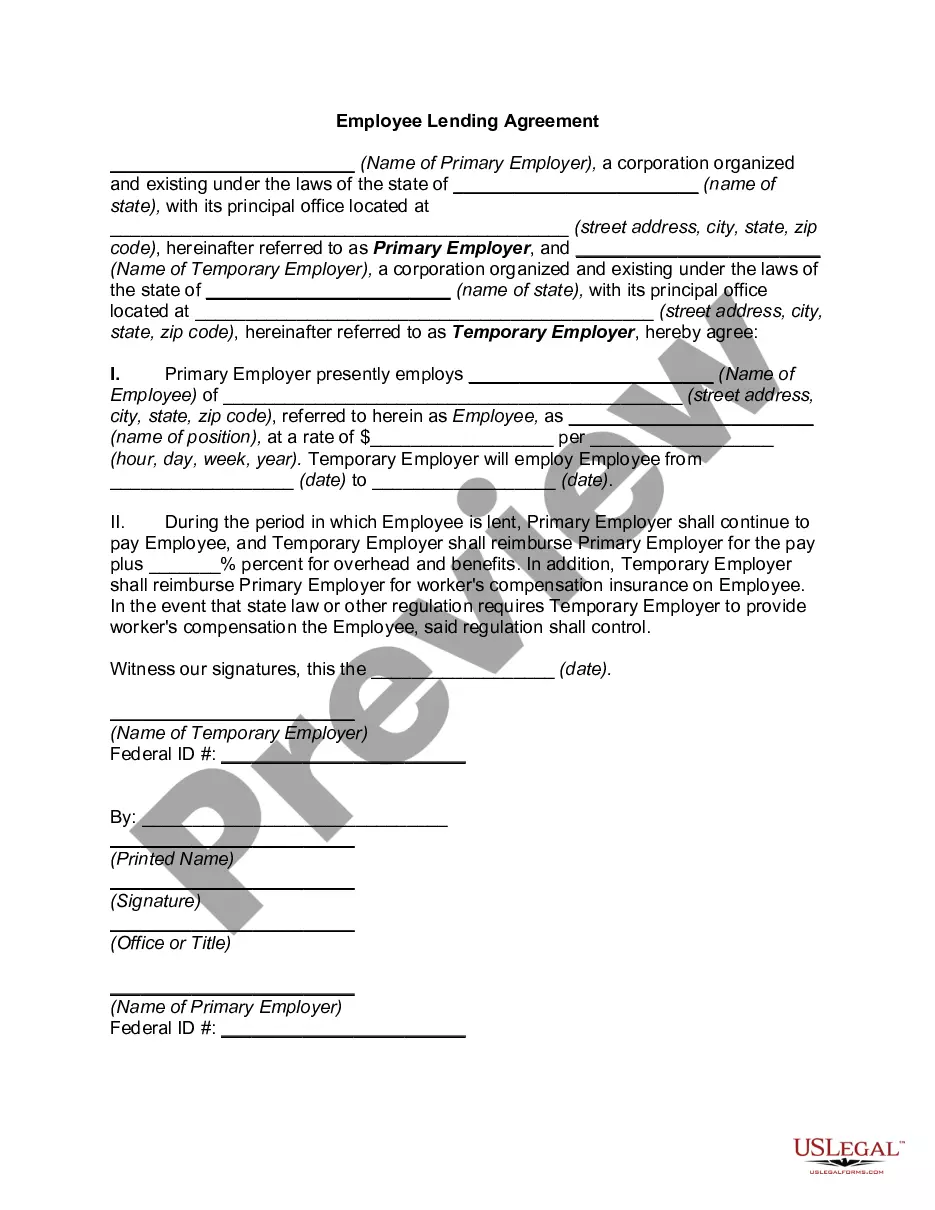
Lease Employee Agreement With Canada In Nevada
Description

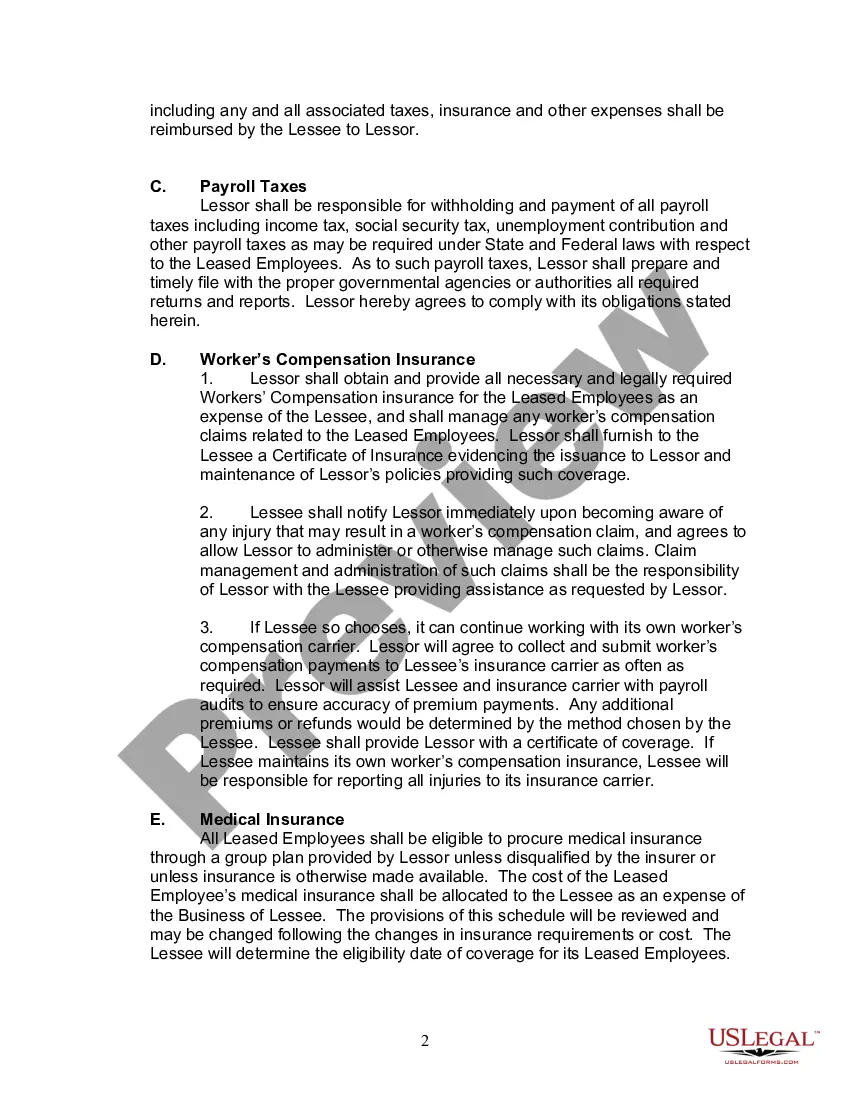
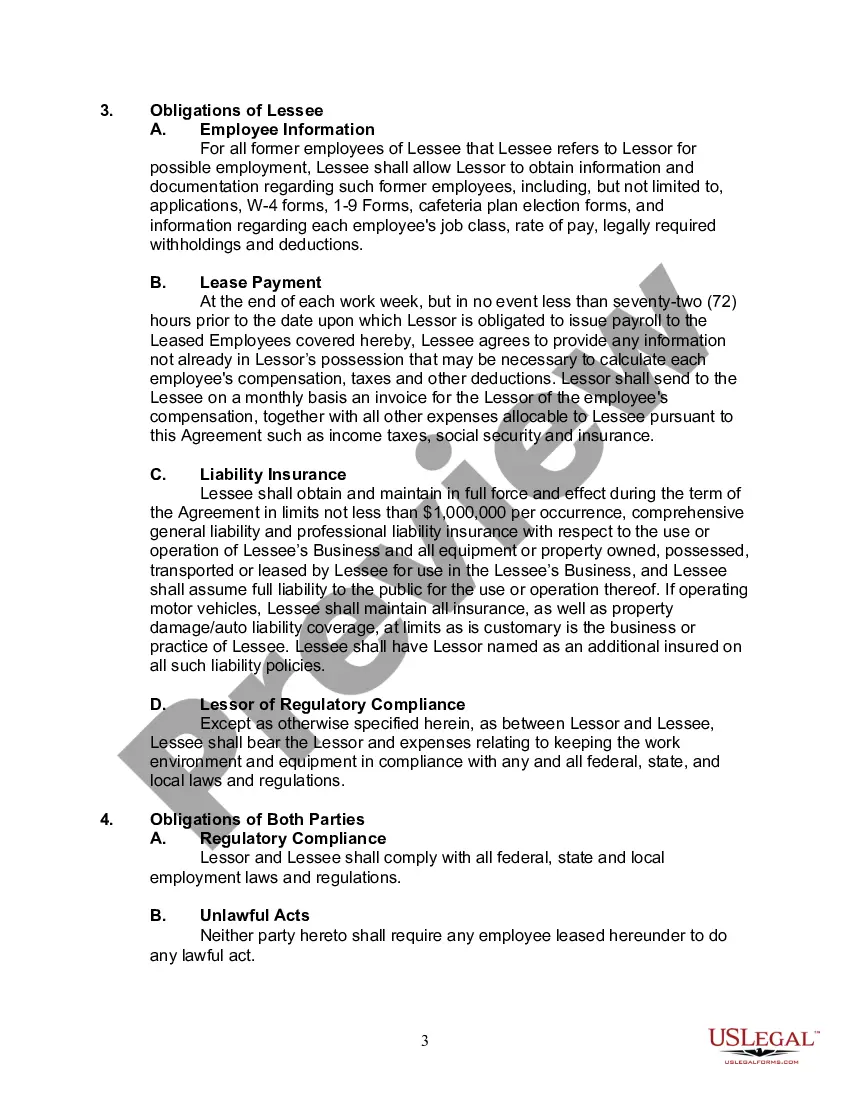
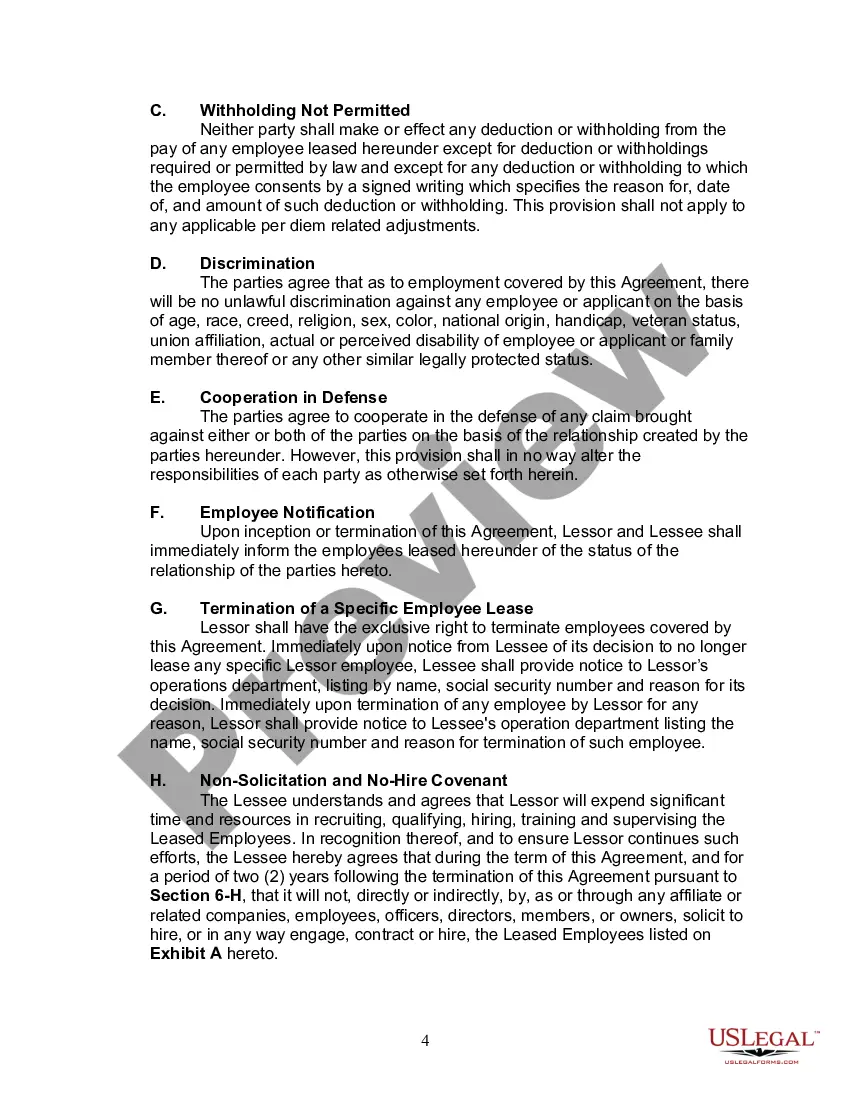
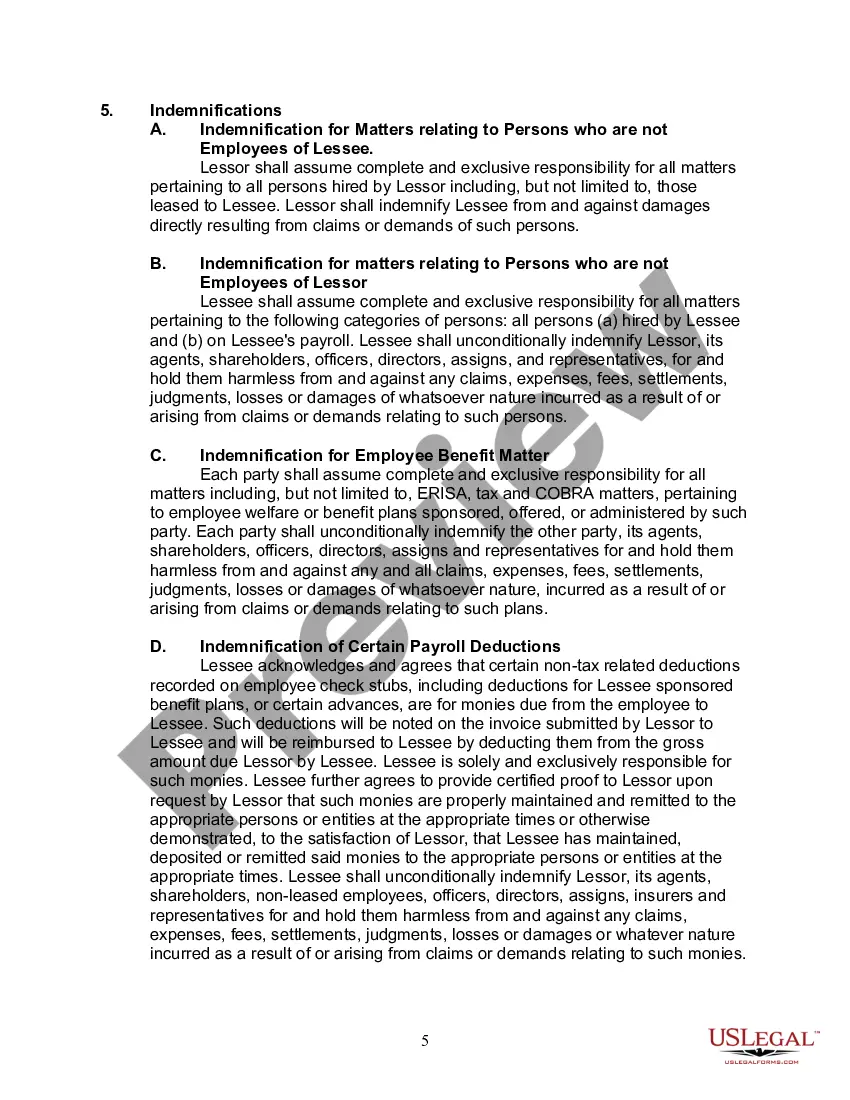
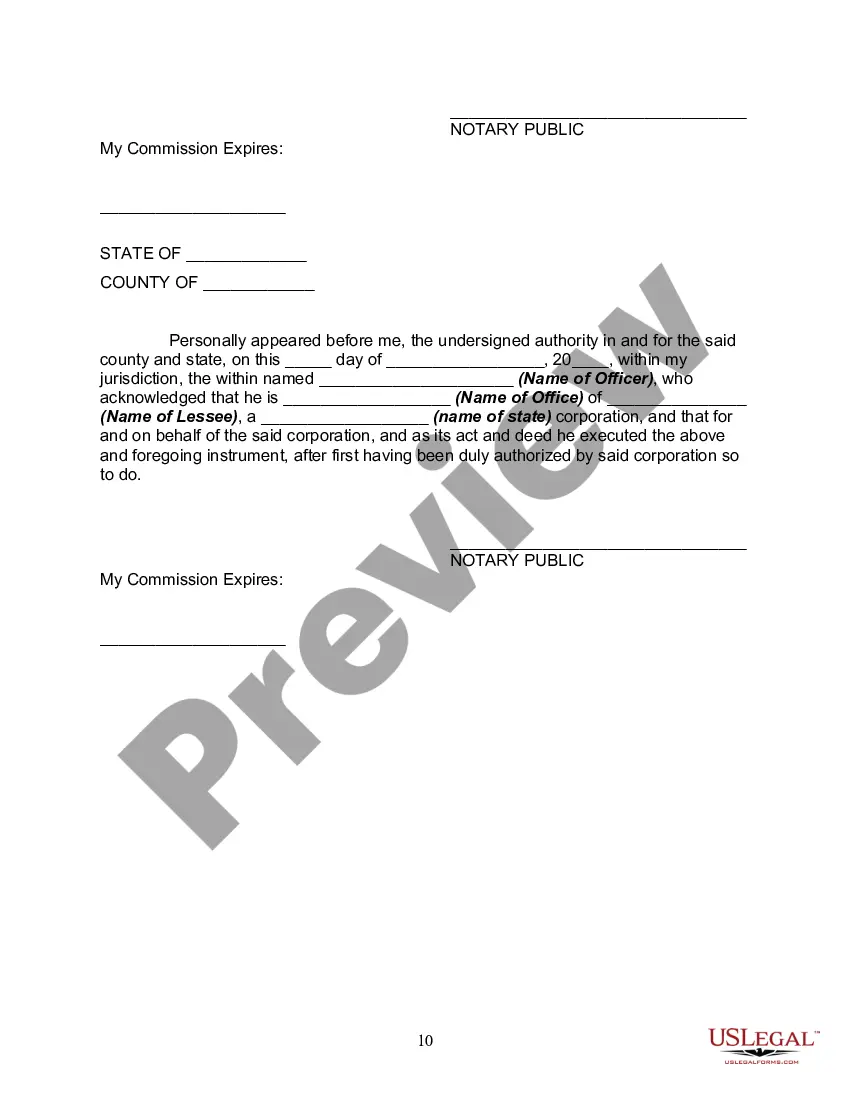
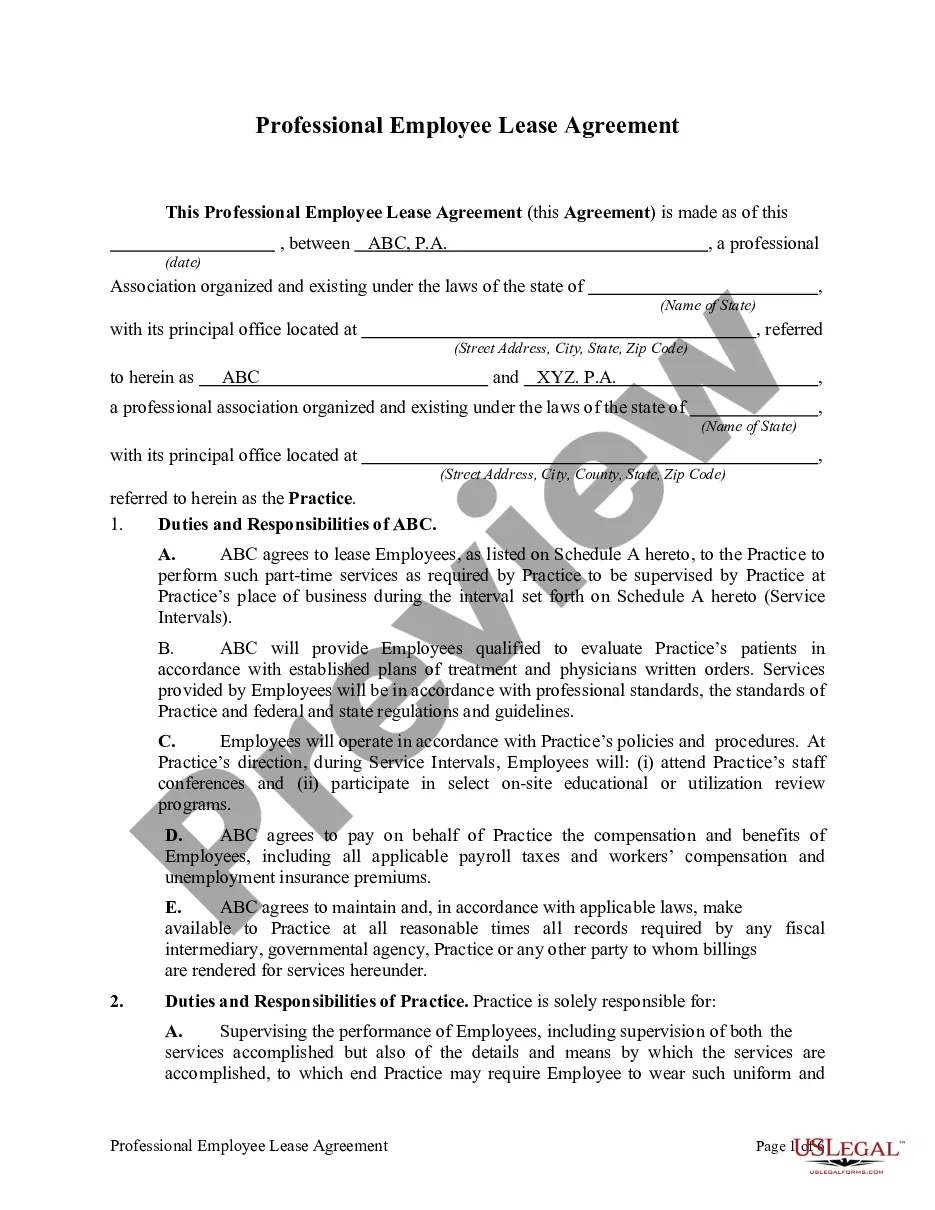
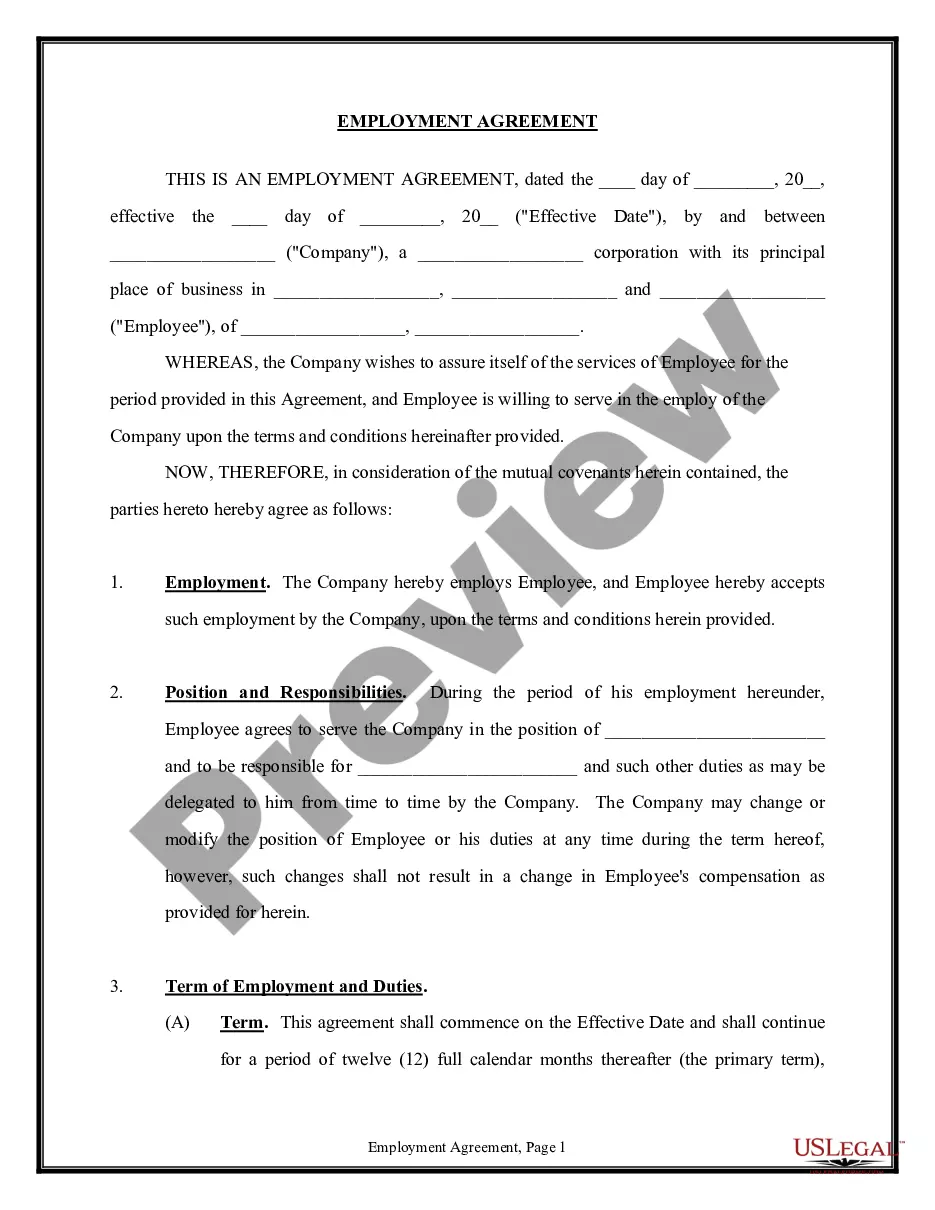
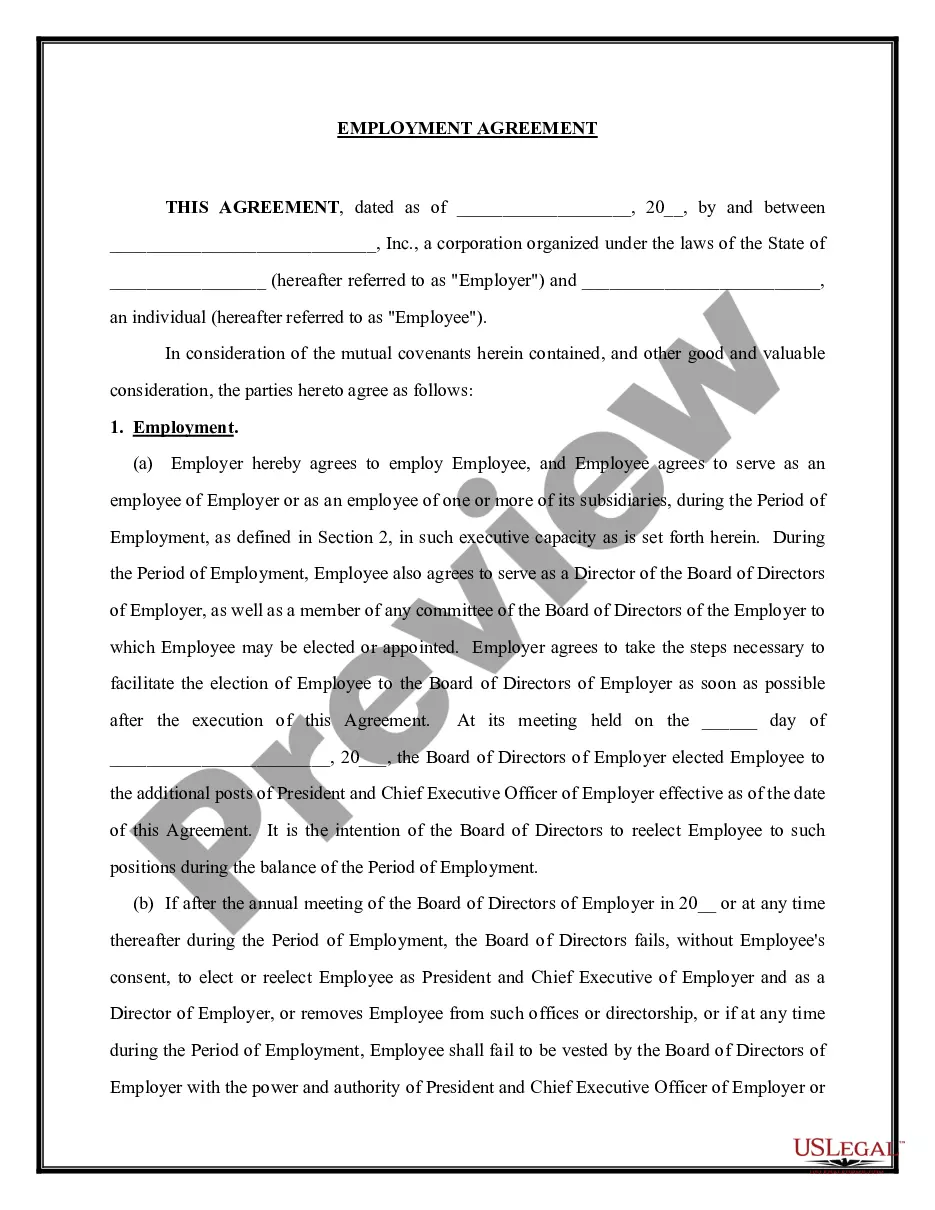
Get your form ready online
Our built-in tools help you complete, sign, share, and store your documents in one place.
Make edits, fill in missing information, and update formatting in US Legal Forms—just like you would in MS Word.
Download a copy, print it, send it by email, or mail it via USPS—whatever works best for your next step.
Sign and collect signatures with our SignNow integration. Send to multiple recipients, set reminders, and more. Go Premium to unlock E-Sign.
If this form requires notarization, complete it online through a secure video call—no need to meet a notary in person or wait for an appointment.
We protect your documents and personal data by following strict security and privacy standards.

Make edits, fill in missing information, and update formatting in US Legal Forms—just like you would in MS Word.

Download a copy, print it, send it by email, or mail it via USPS—whatever works best for your next step.

Sign and collect signatures with our SignNow integration. Send to multiple recipients, set reminders, and more. Go Premium to unlock E-Sign.

If this form requires notarization, complete it online through a secure video call—no need to meet a notary in person or wait for an appointment.

We protect your documents and personal data by following strict security and privacy standards.
Looking for another form?




Form popularity
FAQ
What are the different types of employment contracts? There are three main types of employment contracts in Canada: Indefinite-term contracts. Fixed-term contracts.
No Requirement in Canada to use Written Employment Contracts Still, it's generally advisable to have a written employment contract in place to clarify terms and conditions of employment to protect your business from unneeded liability.
A contract is a legally binding agreement between two or more persons for a particular purpose. It is an instrument for the economic exchange of goods and services. In Canada, contract law is administered both in common law and, in Quebec, civil law.
Employee leasing is an arrangement between a business and a staffing firm, who supplies workers on a project-specific or temporary basis. These employees work for the client business, but the leasing agency pays their salaries and handles all of the HR administration associated with their employment.
In Canada, the standard hours of work for employees (and student interns) are eight hours daily (over a 24-hour period) and 40 hours per week (from midnight Saturday to midnight on the following Saturday). A full day off must be given each week, usually Sunday. Breaks and rest periods also apply.
Generally, a contract is binding when the following is true: the parties intend to make a contract. there is an offer and an acceptance. the parties receive something in return for their promises.
If you're thinking “I signed an employment contract but changed my mind”, you need to read through the entire contract with care. Look for any stipulations about rescinding your acceptance or giving a specified amount of notice should you change your mind.
Employment or employee contracts are typically formal, legally binding written documents that specify the terms and conditions of an employment relationship. They often include clauses regarding confidentiality, non-compete and non-solicitation agreements, and termination clauses.
Employee leasing is an arrangement between a business and a staffing firm, who supplies workers on a project-specific or temporary basis. These employees work for the client business, but the leasing agency pays their salaries and handles all of the HR administration associated with their employment.
Because an employment contract is legally binding for both parties, problems can arise when changes need to be made regarding the employment relationship. Legally binding. There is exposure to risk if any parts of the agreement are broken.
