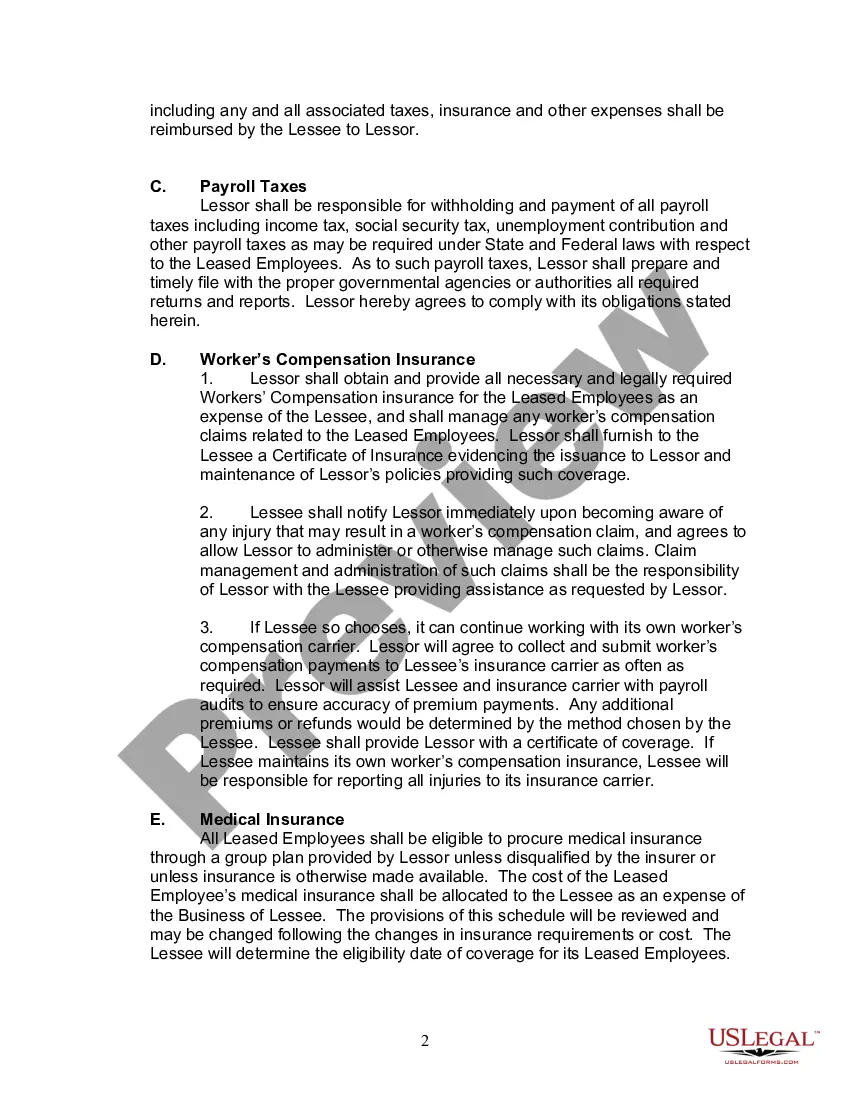
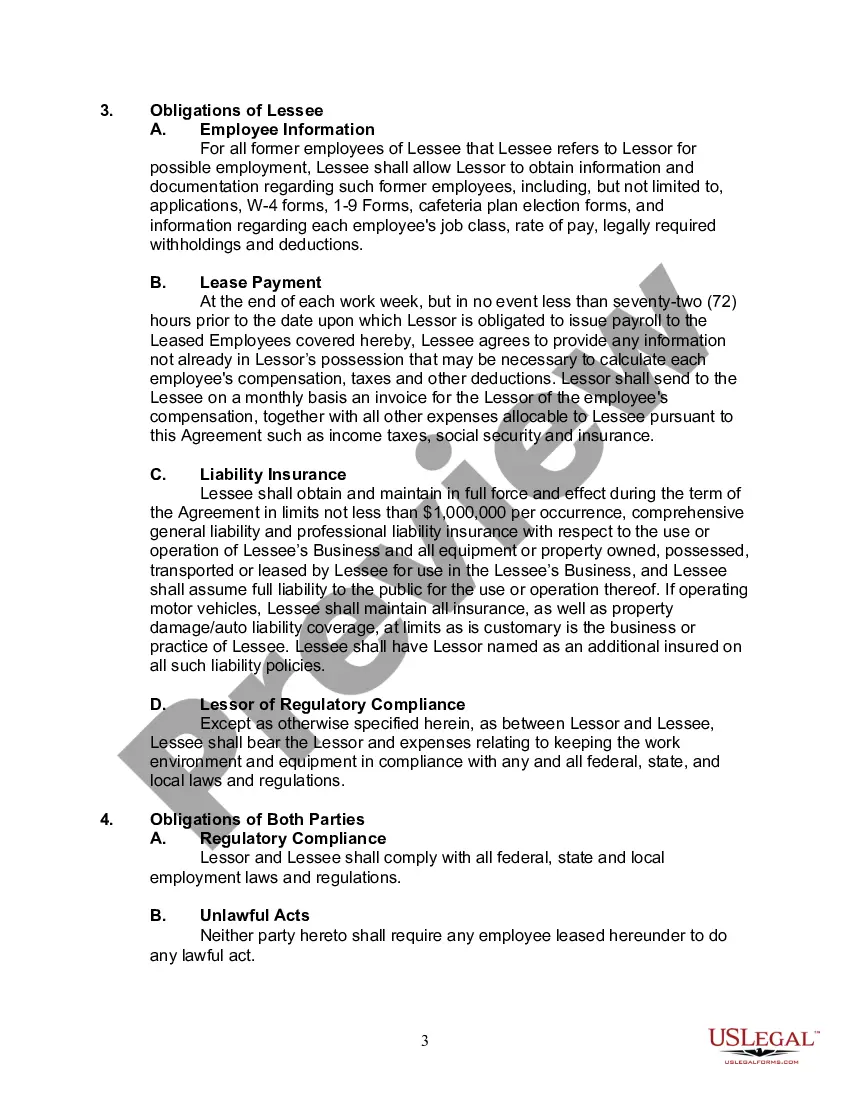
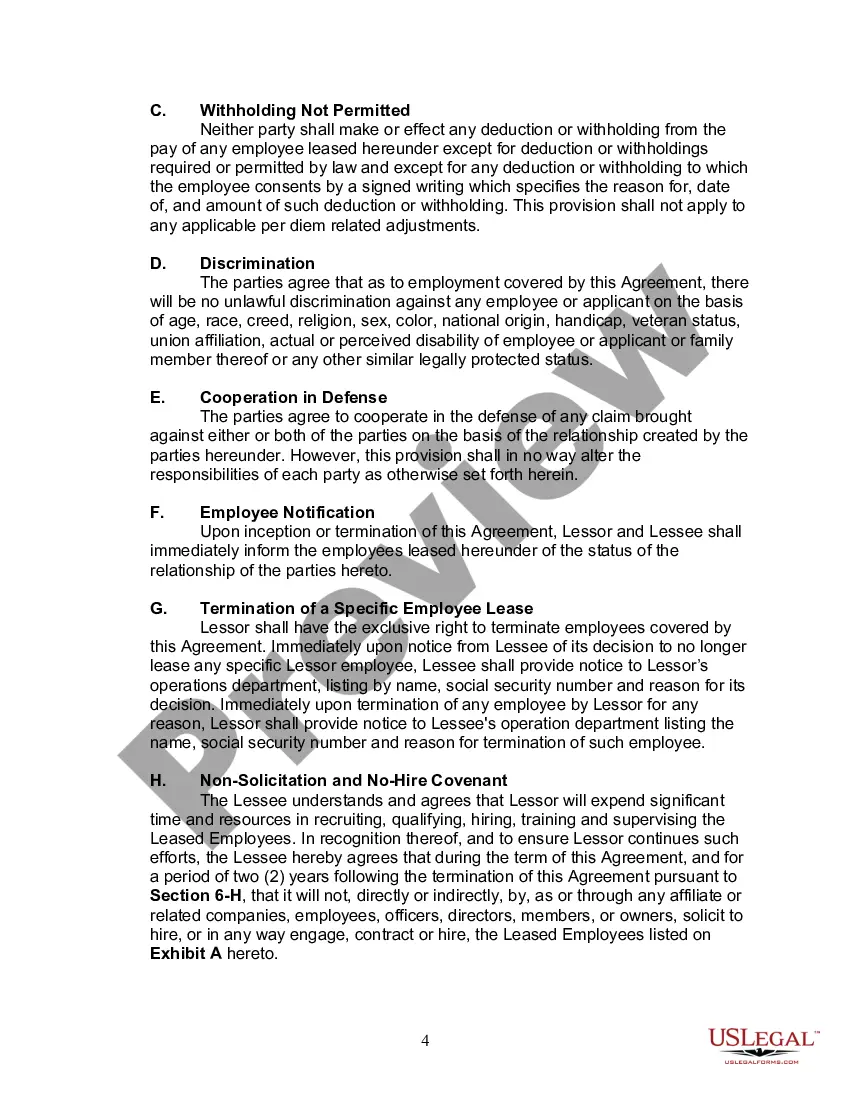
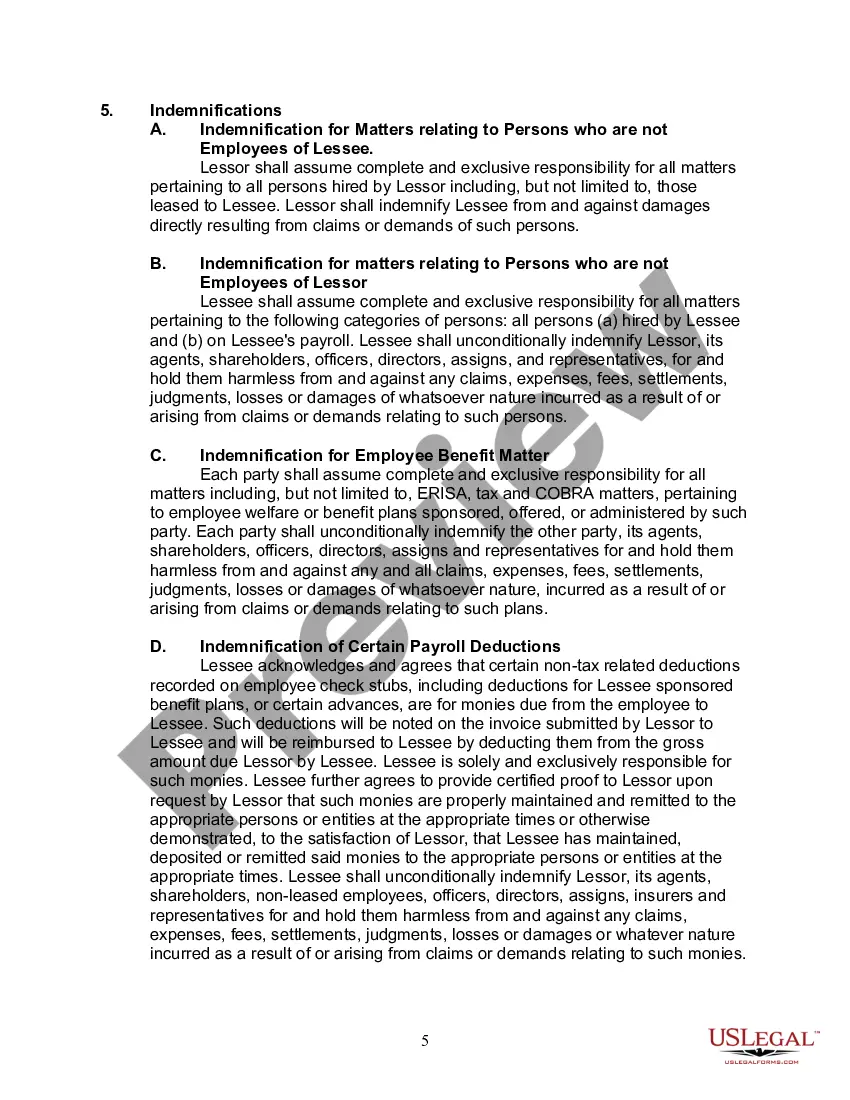
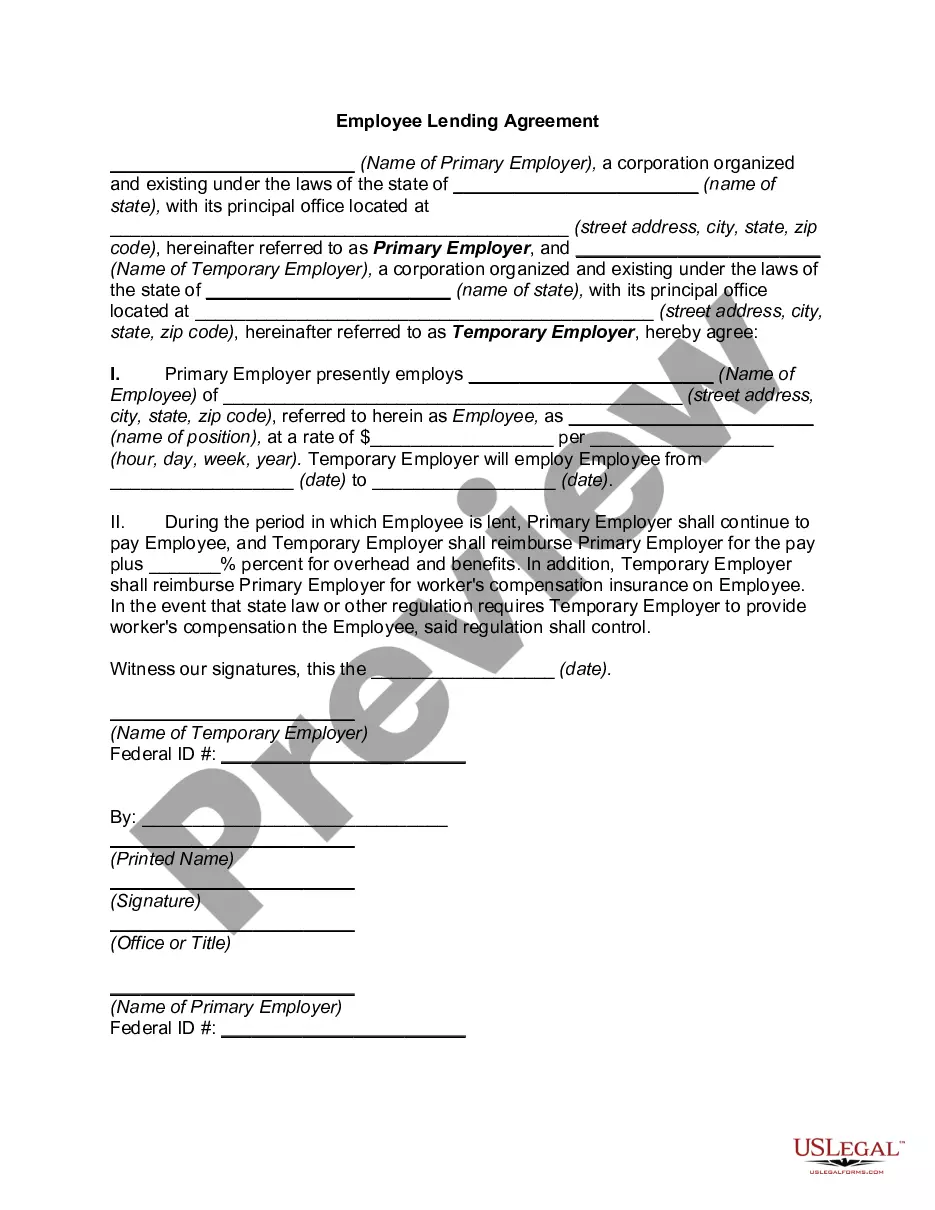
Lease Employee Agreement Without Rent In Michigan
Description

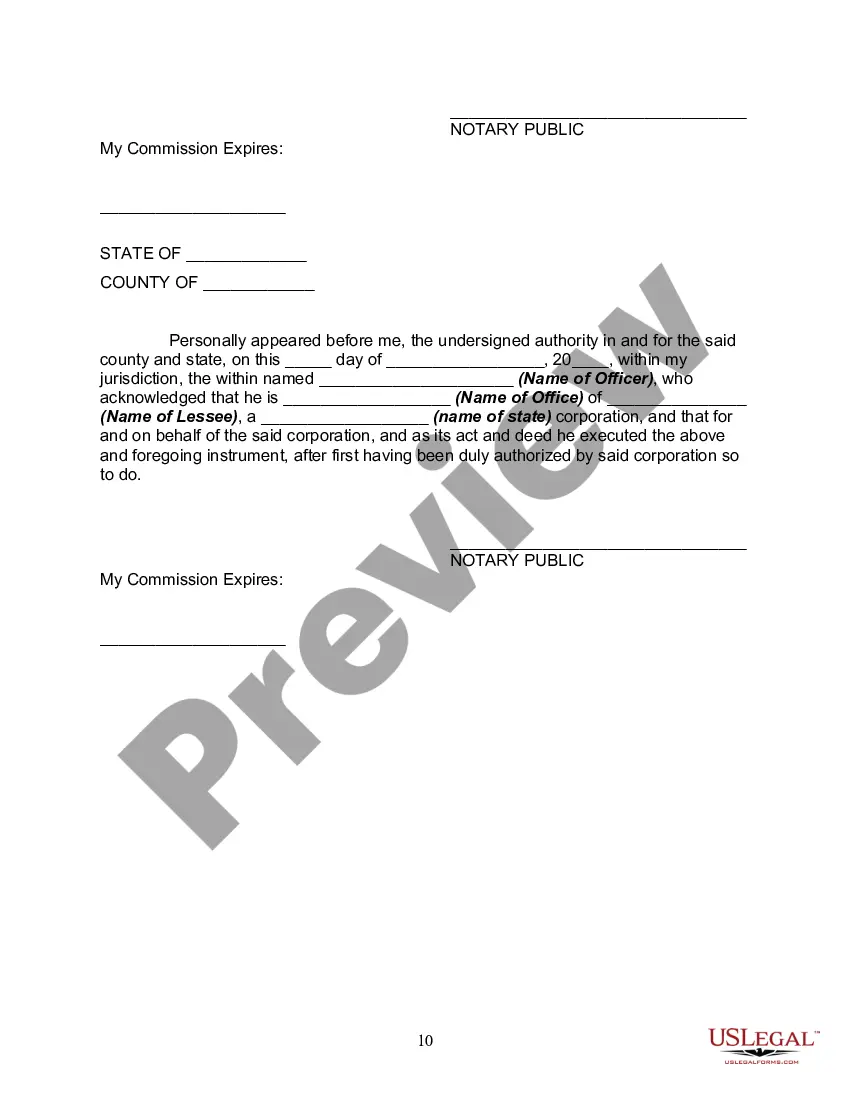
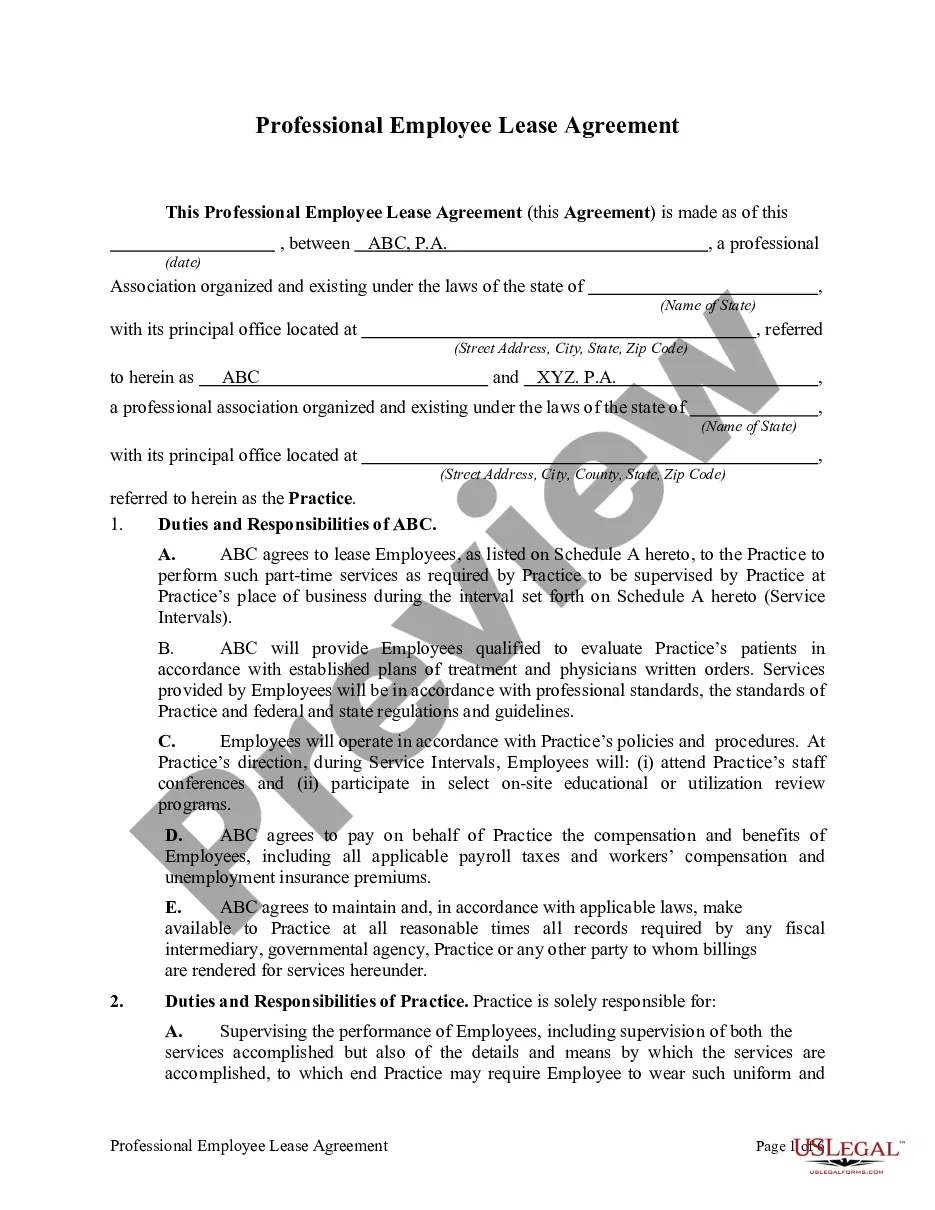
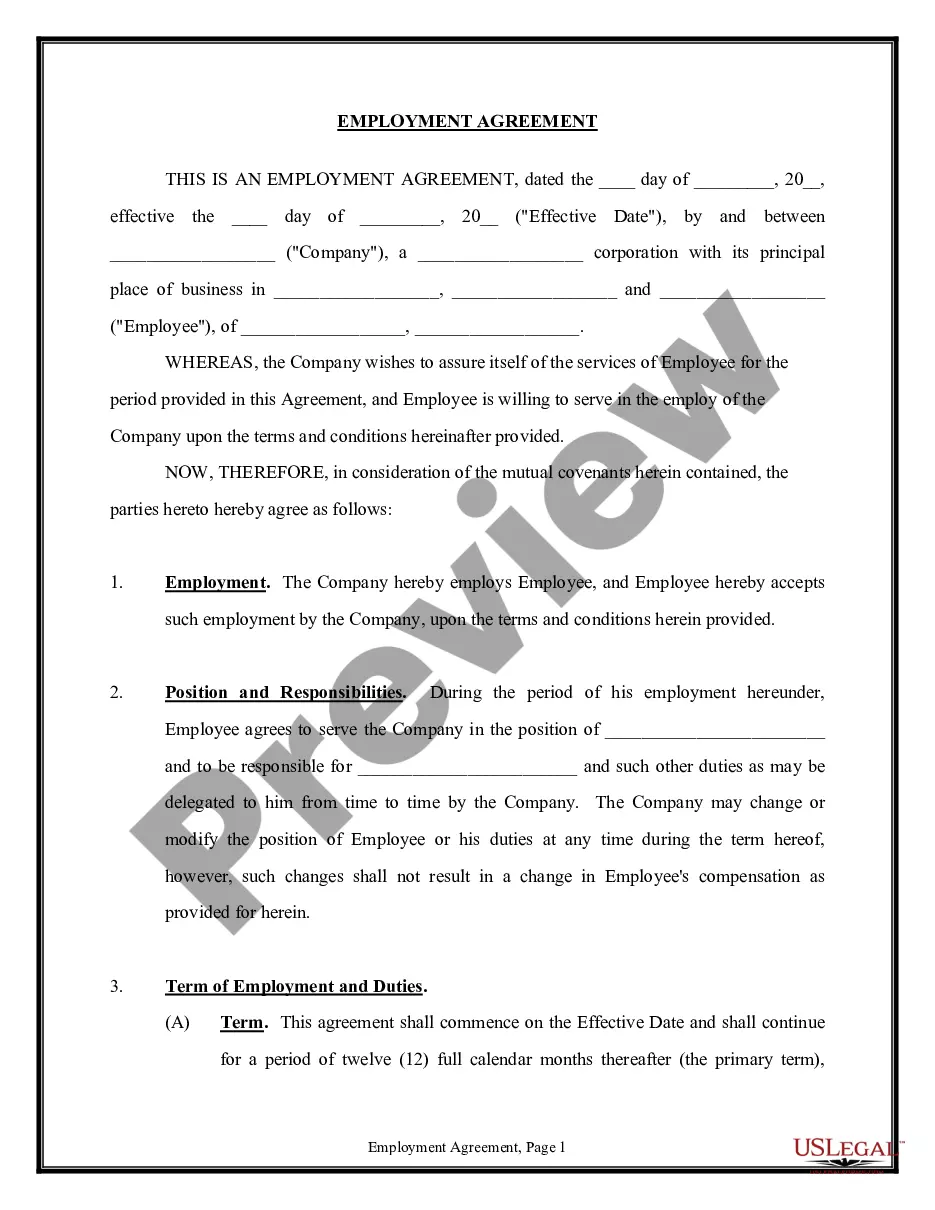
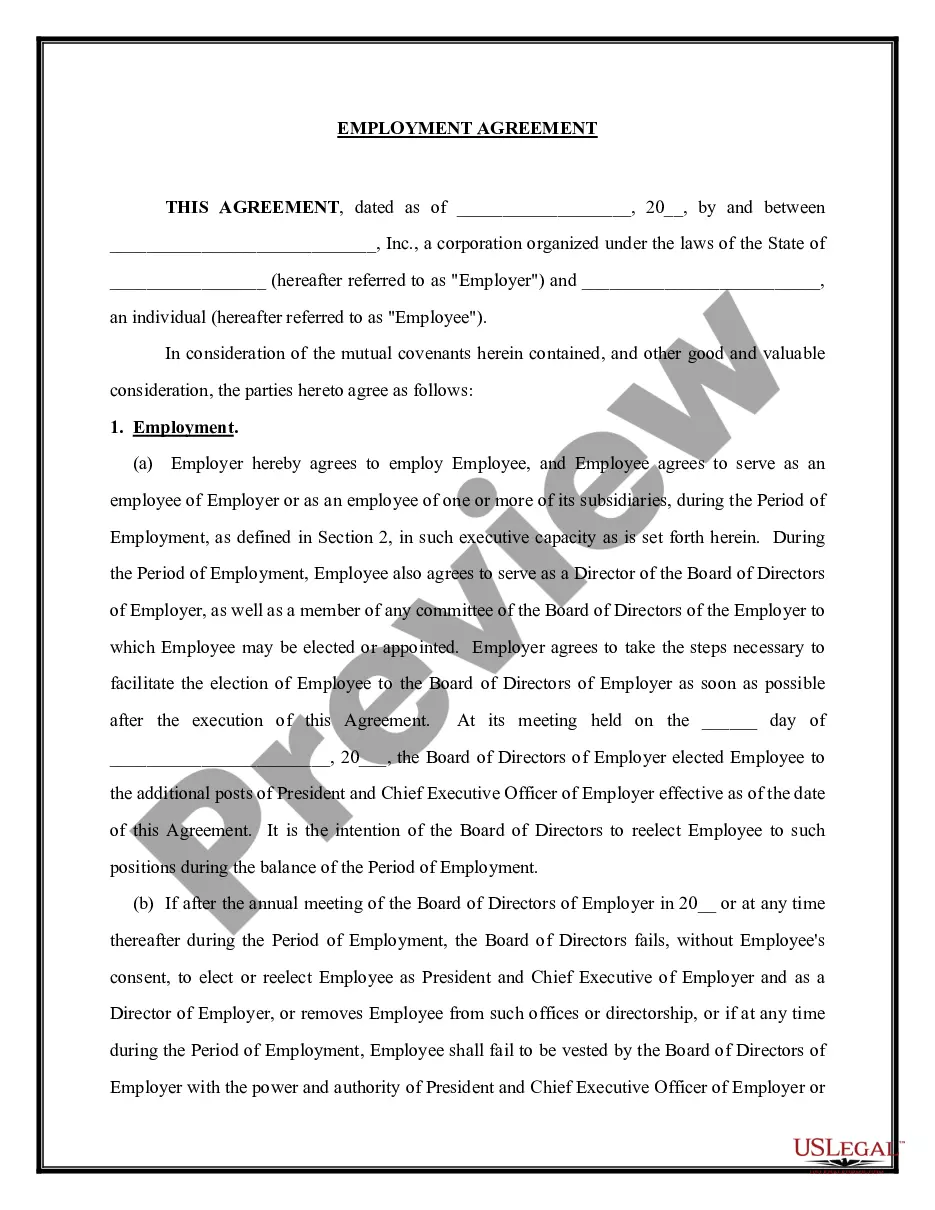
Get your form ready online
Our built-in tools help you complete, sign, share, and store your documents in one place.
Make edits, fill in missing information, and update formatting in US Legal Forms—just like you would in MS Word.
Download a copy, print it, send it by email, or mail it via USPS—whatever works best for your next step.
Sign and collect signatures with our SignNow integration. Send to multiple recipients, set reminders, and more. Go Premium to unlock E-Sign.
If this form requires notarization, complete it online through a secure video call—no need to meet a notary in person or wait for an appointment.
We protect your documents and personal data by following strict security and privacy standards.

Make edits, fill in missing information, and update formatting in US Legal Forms—just like you would in MS Word.

Download a copy, print it, send it by email, or mail it via USPS—whatever works best for your next step.

Sign and collect signatures with our SignNow integration. Send to multiple recipients, set reminders, and more. Go Premium to unlock E-Sign.

If this form requires notarization, complete it online through a secure video call—no need to meet a notary in person or wait for an appointment.

We protect your documents and personal data by following strict security and privacy standards.
Looking for another form?
Form popularity
FAQ
If you cannot locate your original tenancy lease, simply ask your landlord or rental management agency to send you a copy for your records. Once each calendar year, at your request, your landlord or rental agency must provide you with a copy of your lease within 15 days of the request under California Civil Code 1962.
Both the landlord and the tenant should retain original, signed copies. If there's ever a dispute you need to be able to erase any doubt about whether the lease is valid. Normally photocopies should be sufficient but originals are best. You should always specify the location you are asking about.
Once each calendar year, at your request, your landlord or rental agency must provide you with a copy of your lease within 15 days of the request under California Civil Code 1962. Your first step would be to make a demand on the landlord for the lease. You should send it in a letter by certified mail.
Chances are good that many of your master lease agreements and schedules are housed in your contract management system. The contract management system should also contain information about any amendments or modifications that have been made to the lease over time.
The California Civil Code states that a lease is void if it is "contrary to the policy of the law." However, it is not clear whether a lease with contradictory provisions is contrary to the policy of the law.
Leases don't have to be in writing. But if a lease is written, it must include the name and address where the landlord will notify the tenant of changes to the lease. The lease must tell tenants they must give the landlord a forwarding address in writing where they can be reached within four days after moving out.
For example, California does not require lease notarization, while other states like Ohio may have different requirements. It's essential to review state-specific regulations to determine if notarization is necessary in your particular case.
Final answer: A valid lease must contain a property description, does not require an option, multiple signatures or a clean-up deposit. The lease is legally binding when signed by the owner and the tenant outlining the rights, responsibilities, and terms of termination.
Tenants in Michigan should provide their landlords with written notice if they want to break a lease for any reason. Here's an overview of the applicable lease terms: Weekly Lease - Seven days of notice. Monthly Lease - 30 days of notice.
It is possible to draft your own lease agreement, but you are leaving yourself open to issues.
