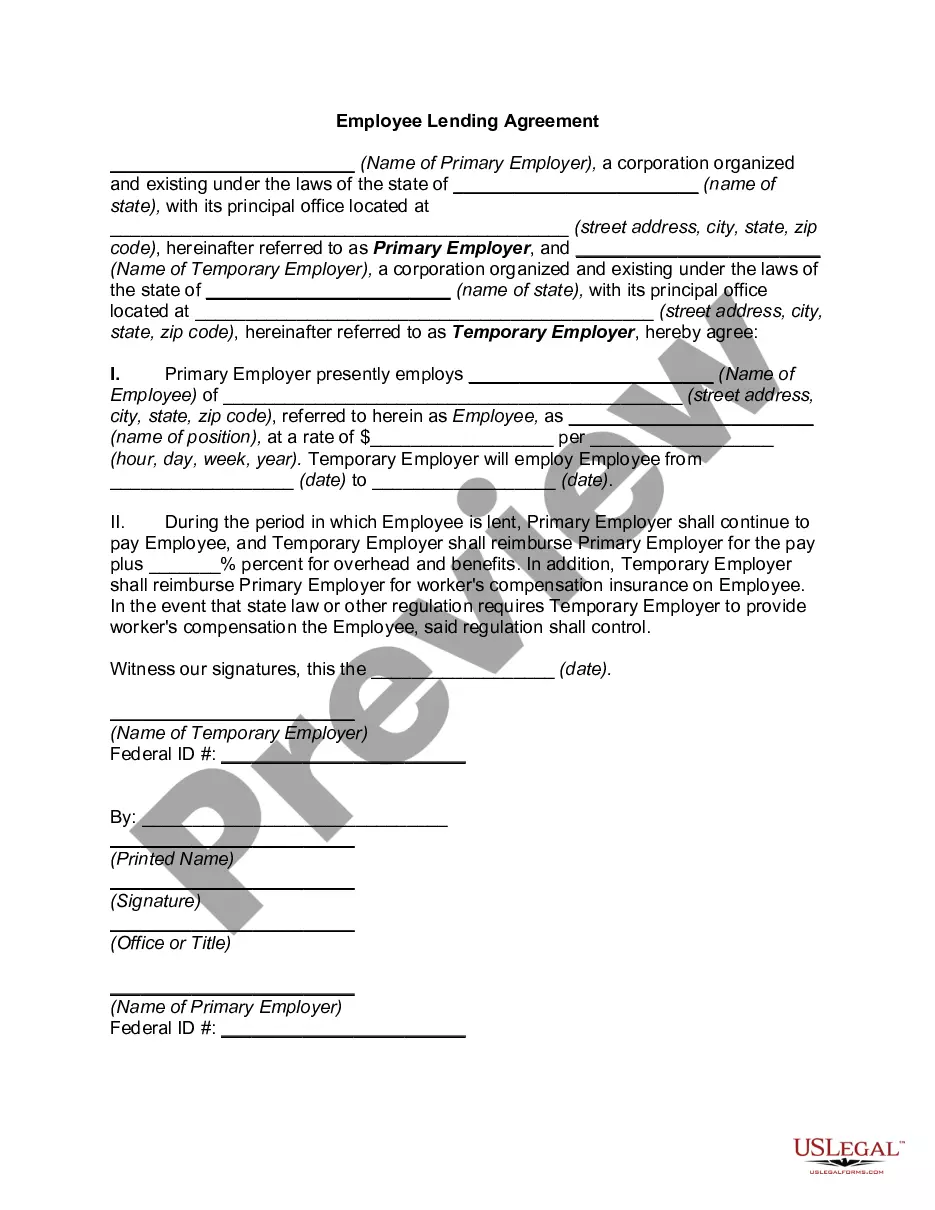
Employee Leasing Agreements In Miami-Dade
Description

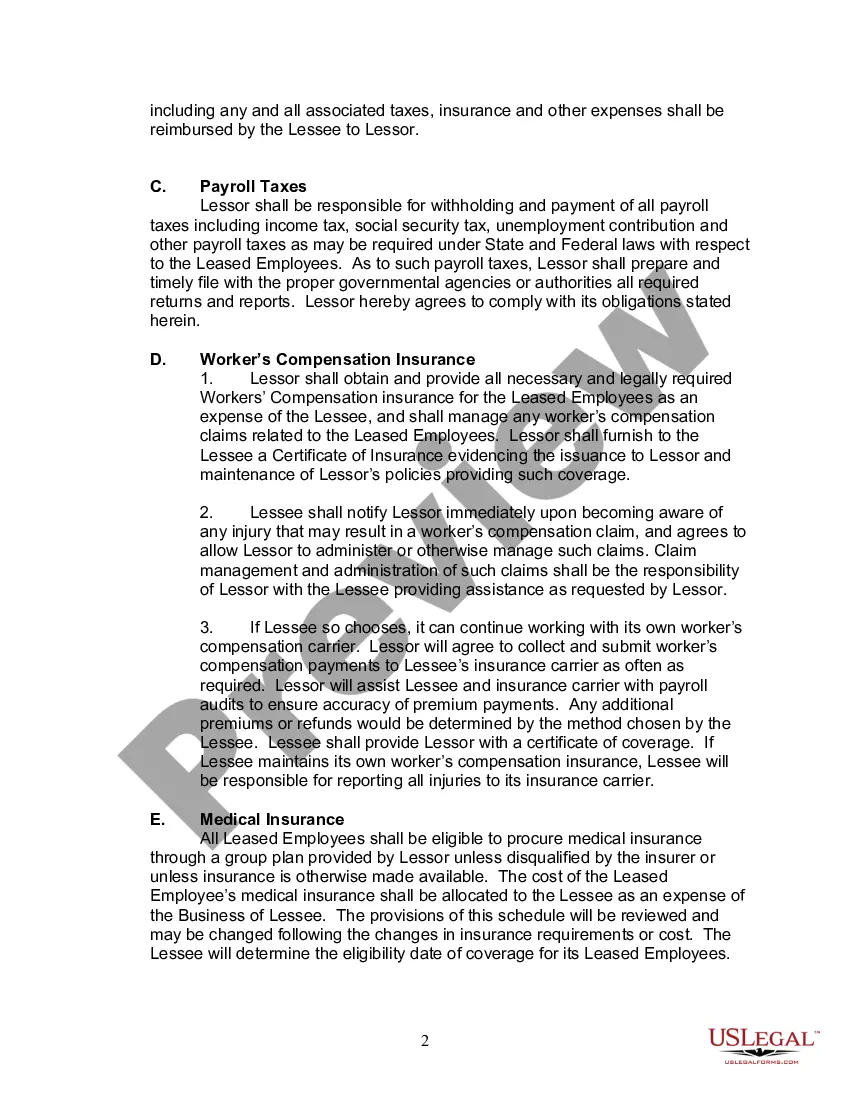
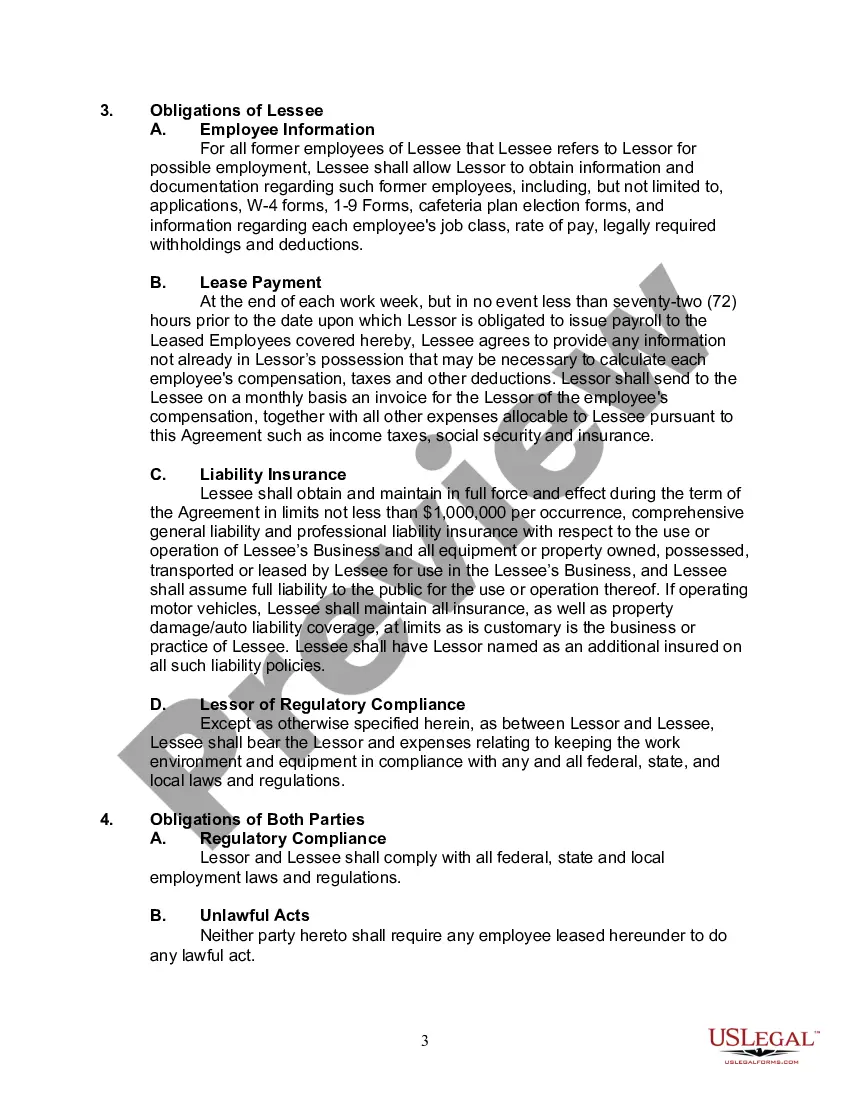
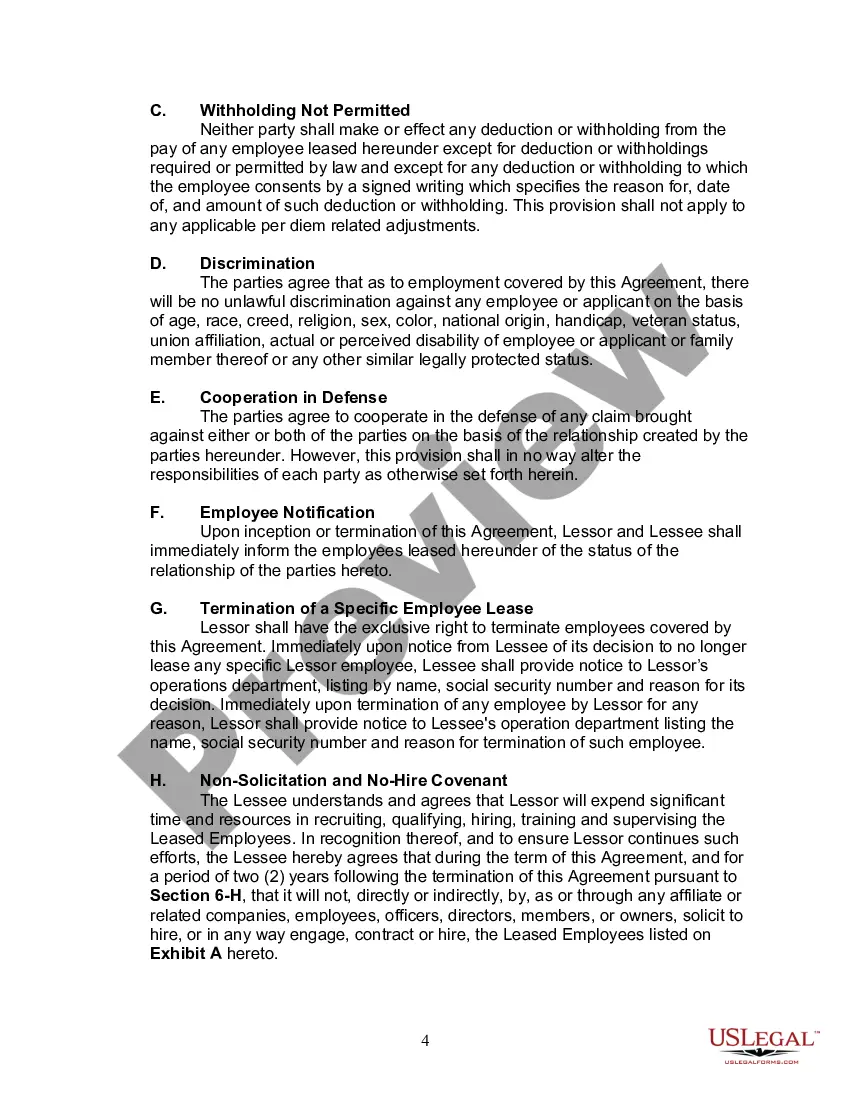
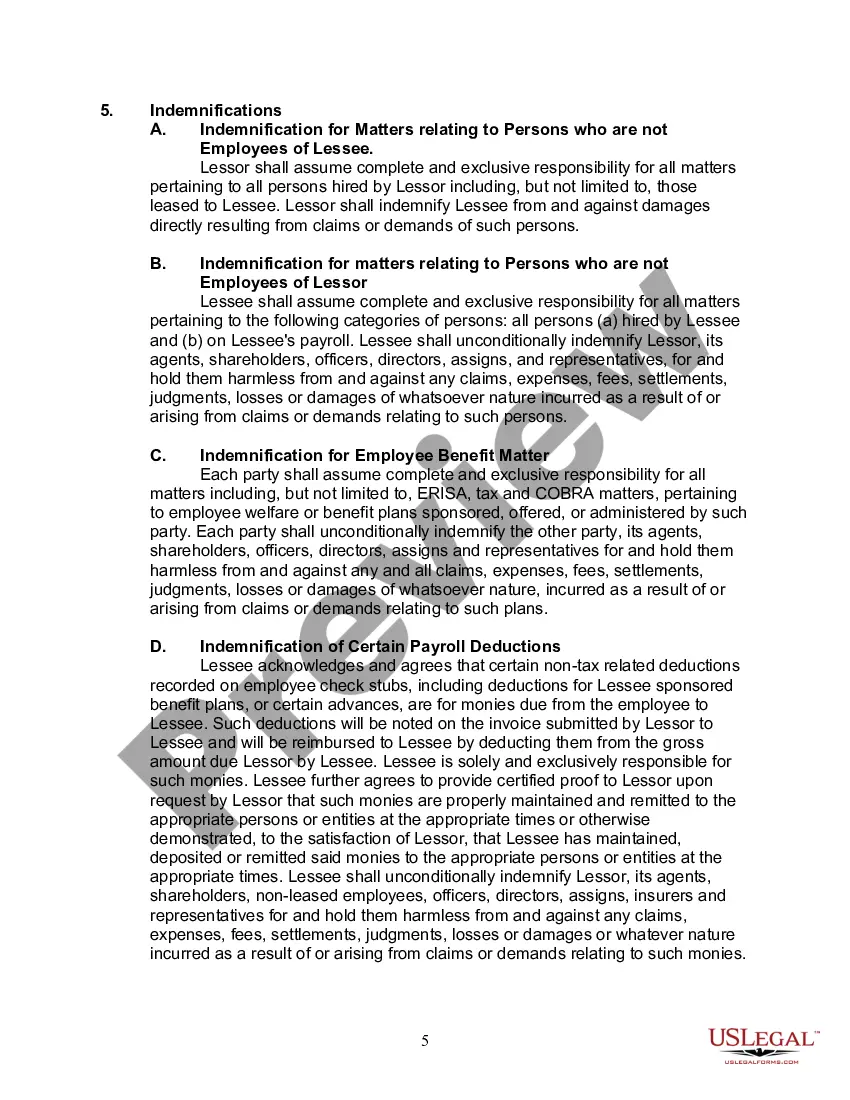
Get your form ready online
Our built-in tools help you complete, sign, share, and store your documents in one place.
Make edits, fill in missing information, and update formatting in US Legal Forms—just like you would in MS Word.
Download a copy, print it, send it by email, or mail it via USPS—whatever works best for your next step.
Sign and collect signatures with our SignNow integration. Send to multiple recipients, set reminders, and more. Go Premium to unlock E-Sign.
If this form requires notarization, complete it online through a secure video call—no need to meet a notary in person or wait for an appointment.
We protect your documents and personal data by following strict security and privacy standards.

Make edits, fill in missing information, and update formatting in US Legal Forms—just like you would in MS Word.

Download a copy, print it, send it by email, or mail it via USPS—whatever works best for your next step.

Sign and collect signatures with our SignNow integration. Send to multiple recipients, set reminders, and more. Go Premium to unlock E-Sign.

If this form requires notarization, complete it online through a secure video call—no need to meet a notary in person or wait for an appointment.

We protect your documents and personal data by following strict security and privacy standards.
Looking for another form?



Form popularity
FAQ
Starting July 1, 2023, landlords in Florida can offer monthly fees to renters instead of security deposits, as outlined in HB 133. It's important to note that landlords are not obligated to provide this alternative, and renters can choose between paying the monthly fees or opting for a traditional deposit.
Given the stakes, it's common for property owners to consider whether they can draft this document themselves. While it is legally possible to write your own commercial lease agreement in Florida, doing so involves careful consideration of legal, business, and practical factors.
Several elements must be present for a lease to be valid in Florida. These include: Offer and acceptance: The landlord and the tenant must voluntarily agree to the lease terms. Legal capacity: Both parties must have the legal capacity to enter into a contract, meaning they must be of legal age and mentally competent.
Here are 16 steps on how to make a lease agreement: Include the contact information of both parties. Include property details. Outline property utilities and services. Define the lease term. Disclose the monthly rent amount and due date. Detail the penalties and late fees. Describe any additional or services fees.
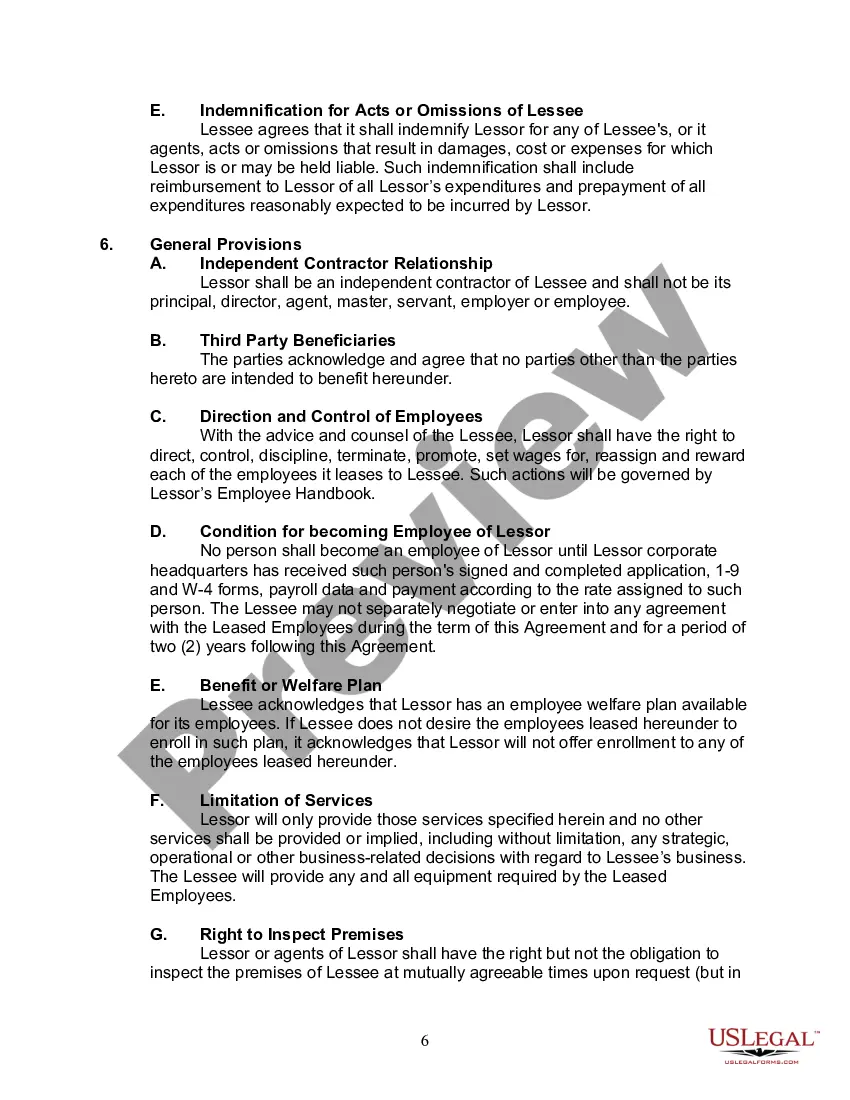
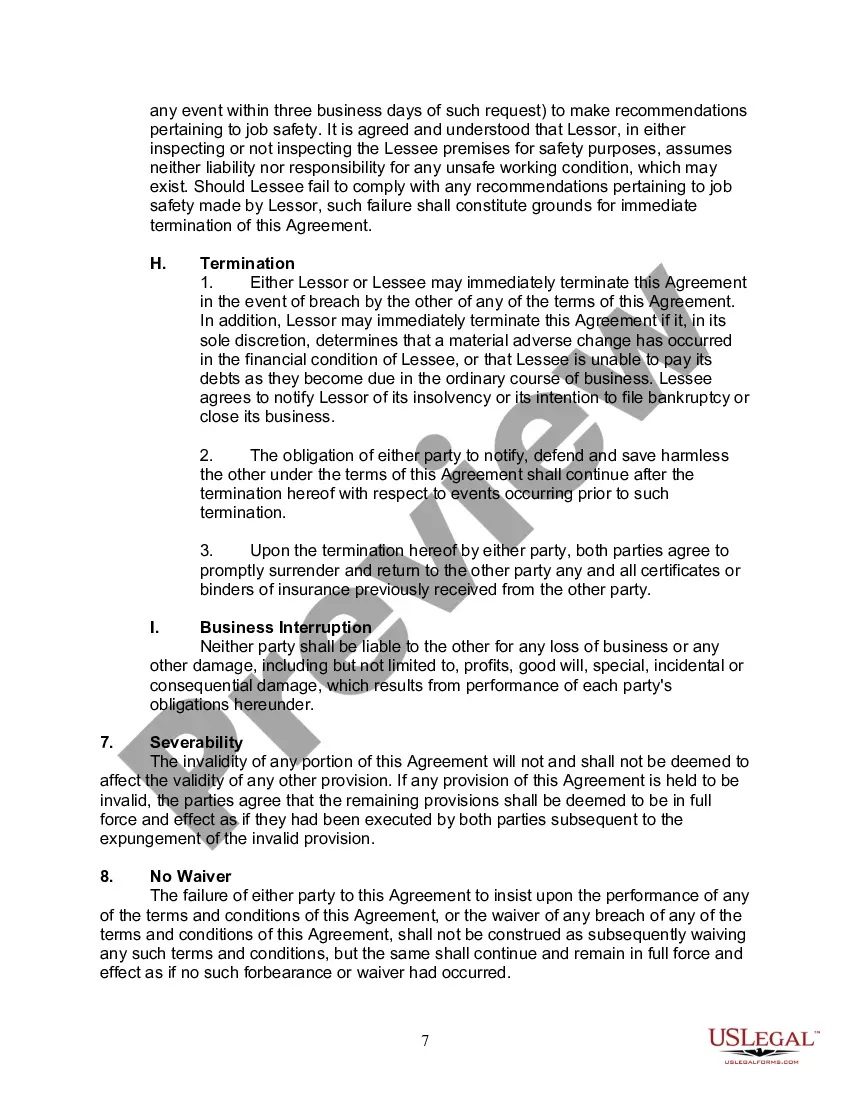
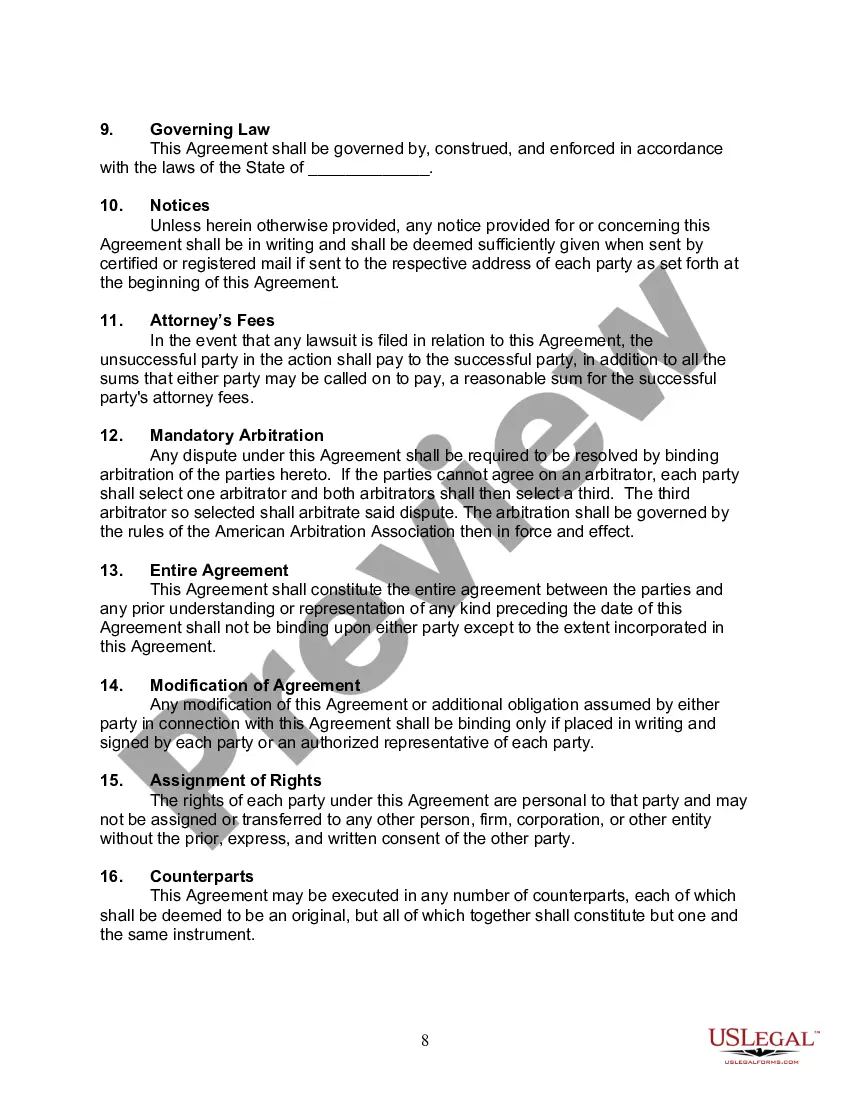
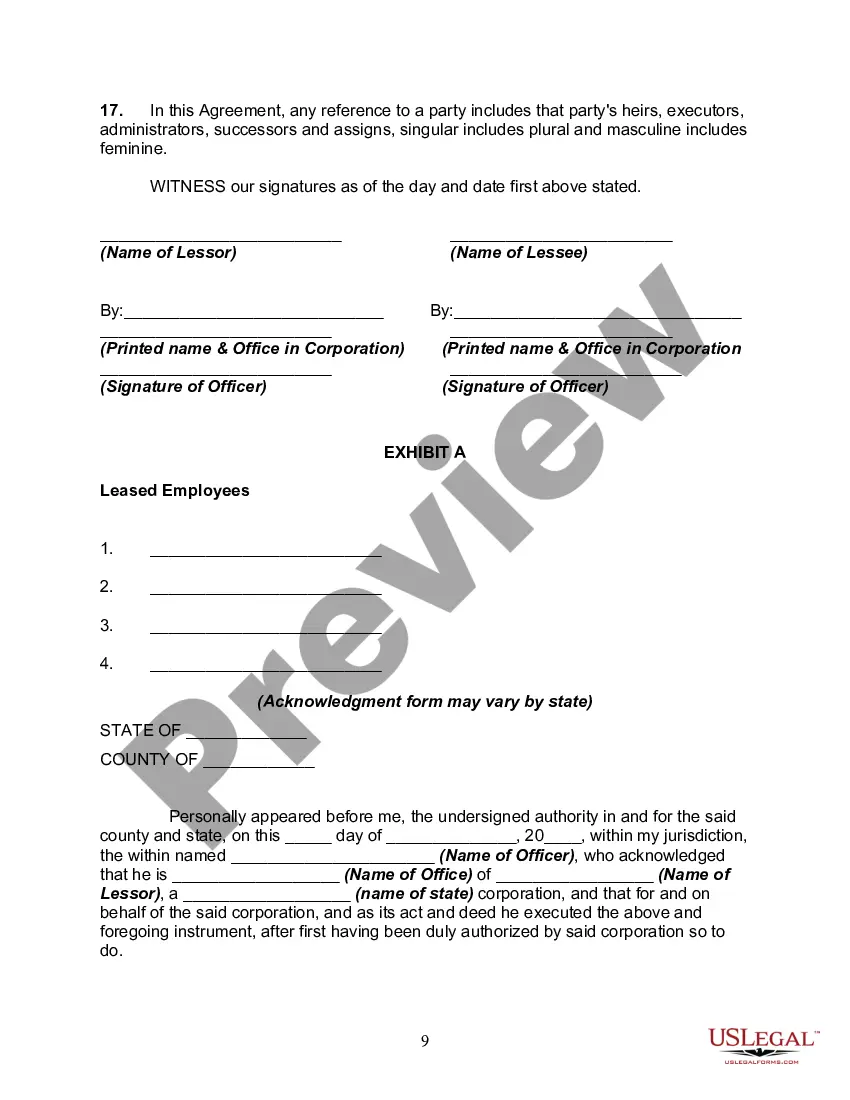
While leased employees are legally employed by a PEO, they work under the day-to-day management and supervision of the leasing business — much like any other employee.
In Florida's vibrant real estate market, lease agreements play a pivotal role in shaping landlord-tenant relationships. These legally binding documents are more than mere formalities; they are the bedrock of successful property rentals, offering clarity and protection to all parties involved.
Drawbacks of employee leasing Less control: One of the greatest risks of employee leasing is that you're delegating an important part of your business to an outside company that doesn't know your business as well as you do. You lose control of your processes, systems and benefits.
While leased employees are legally employed by a PEO, they work under the day-to-day management and supervision of the leasing business — much like any other employee. This generally gives the leasing business control over how they spend their time, which tools they use to perform their work, their deadlines, and more.
An employee leasing agency will provide you with temporary workers, but a PEO doesn't. In a co-employment arrangement, you supply and manage your own workforce, while the PEO helps you handle HR administration.
California law has stipulated the requirements for classifying an employee as a temporary agency employee. These requirements include the right of the agency to assign and reassign a worker, but the workers have the right to refuse an assignment and remain on the agency's hiring list.
