Employee Lease Agreement With Utilities Included In Miami-Dade
Description

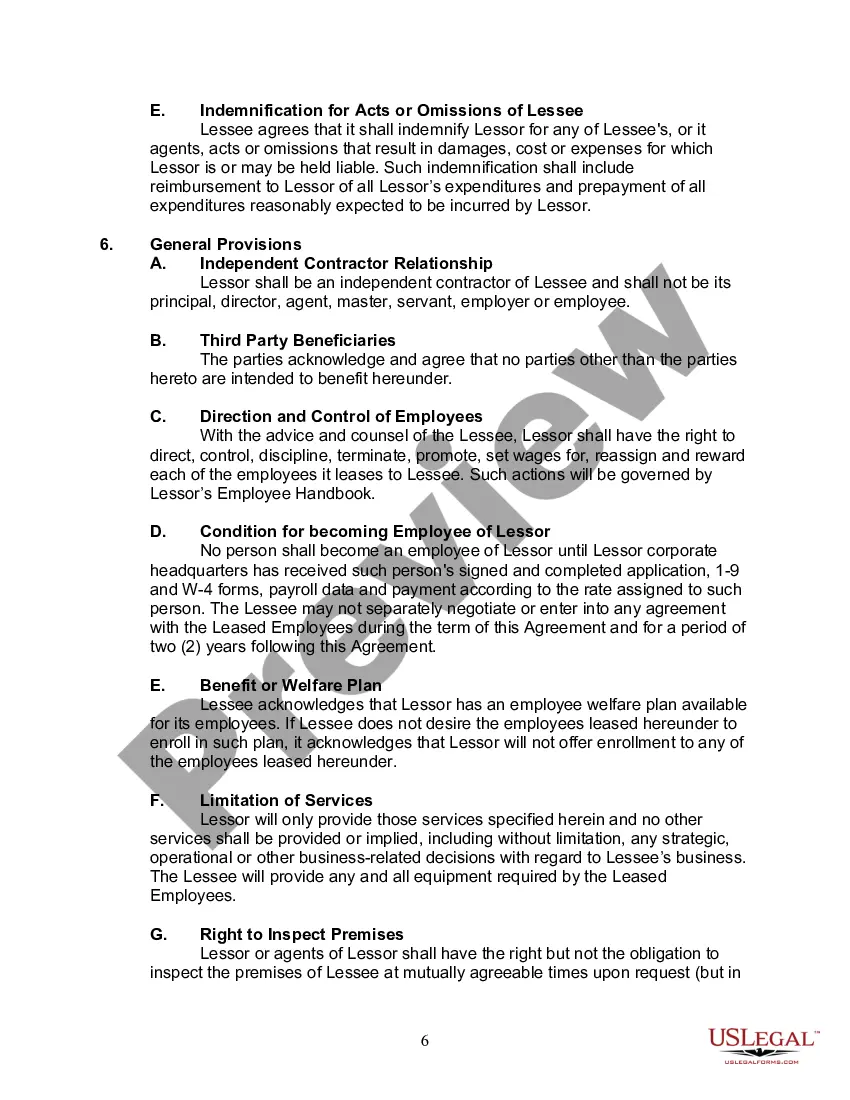
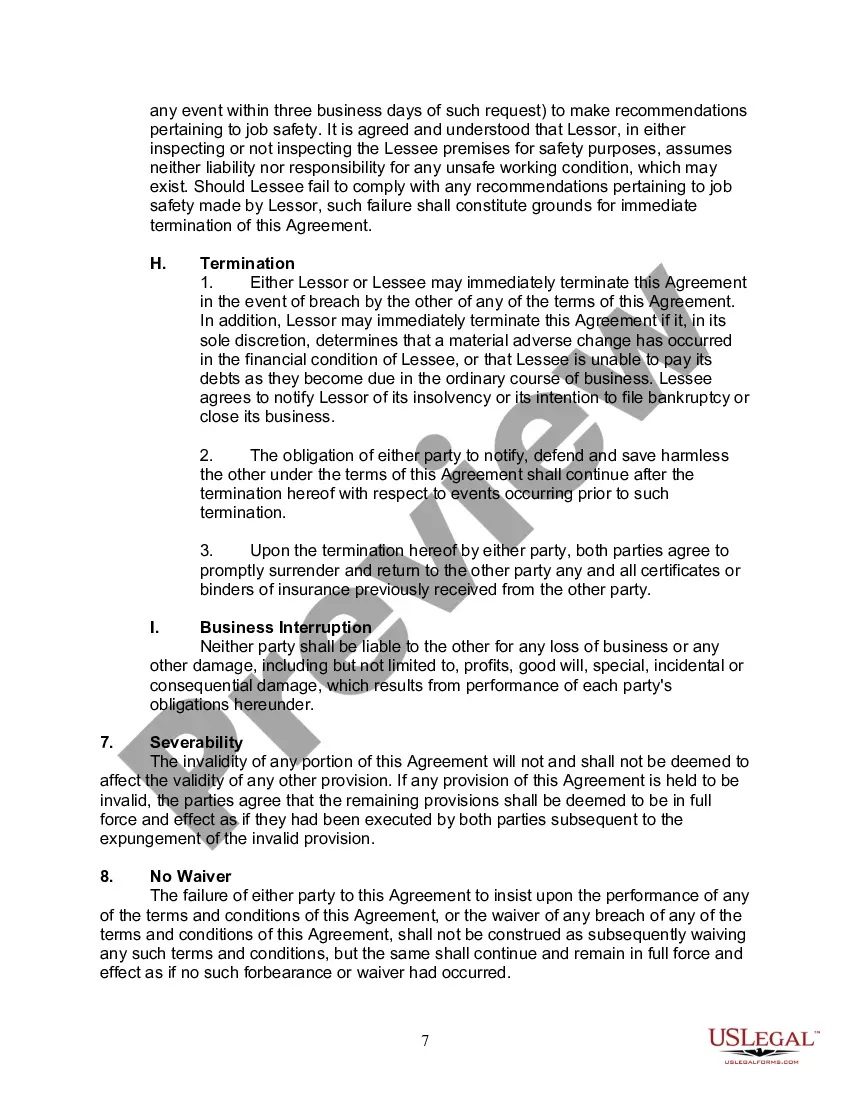
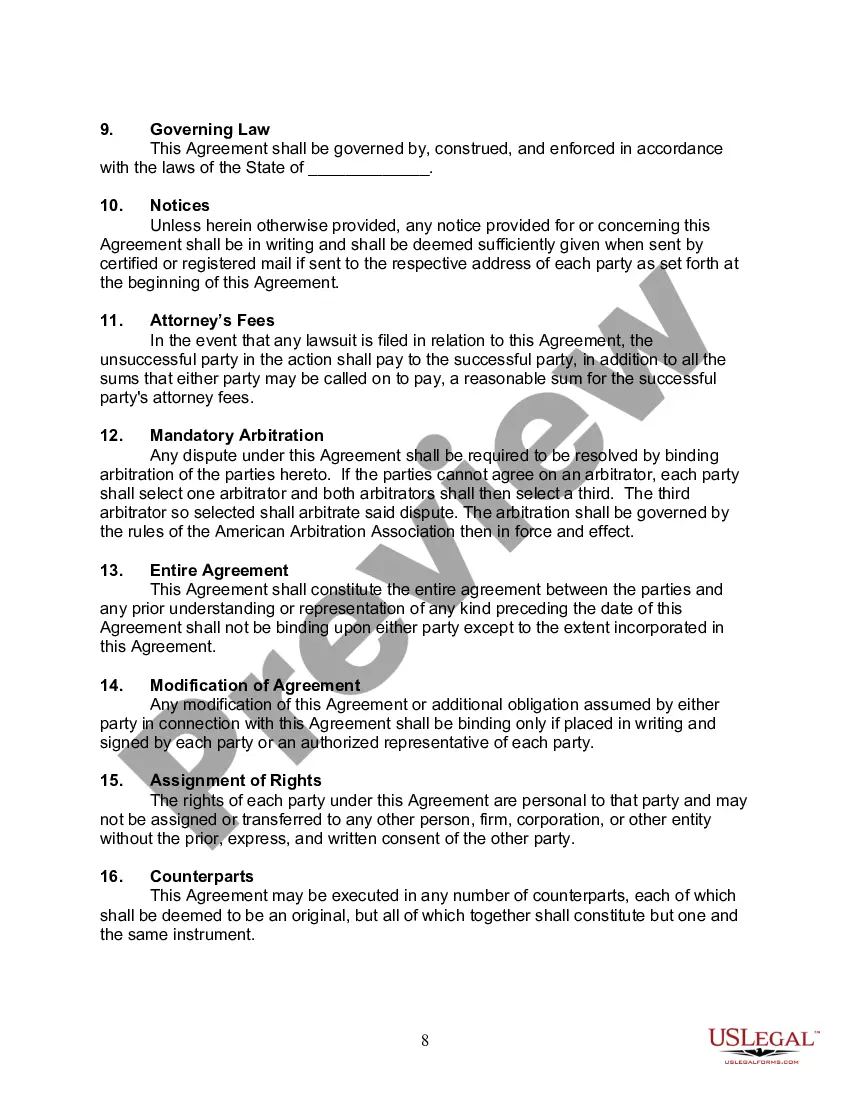
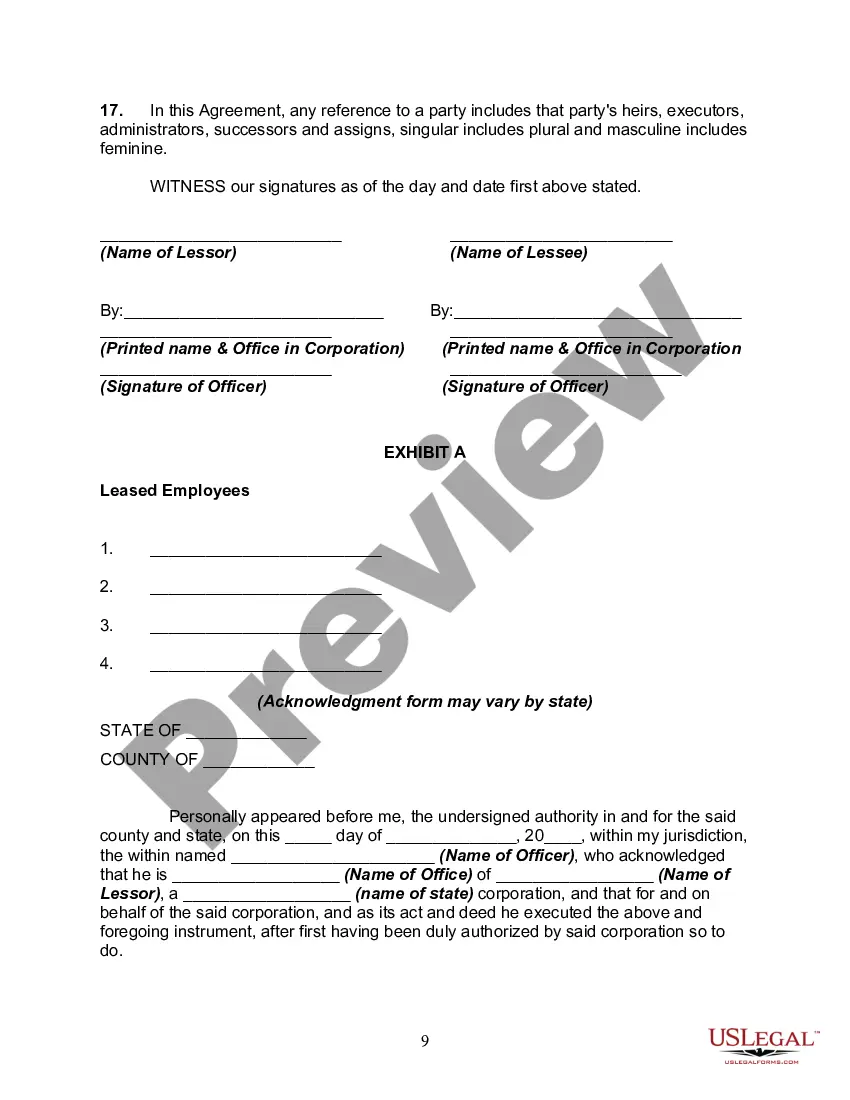
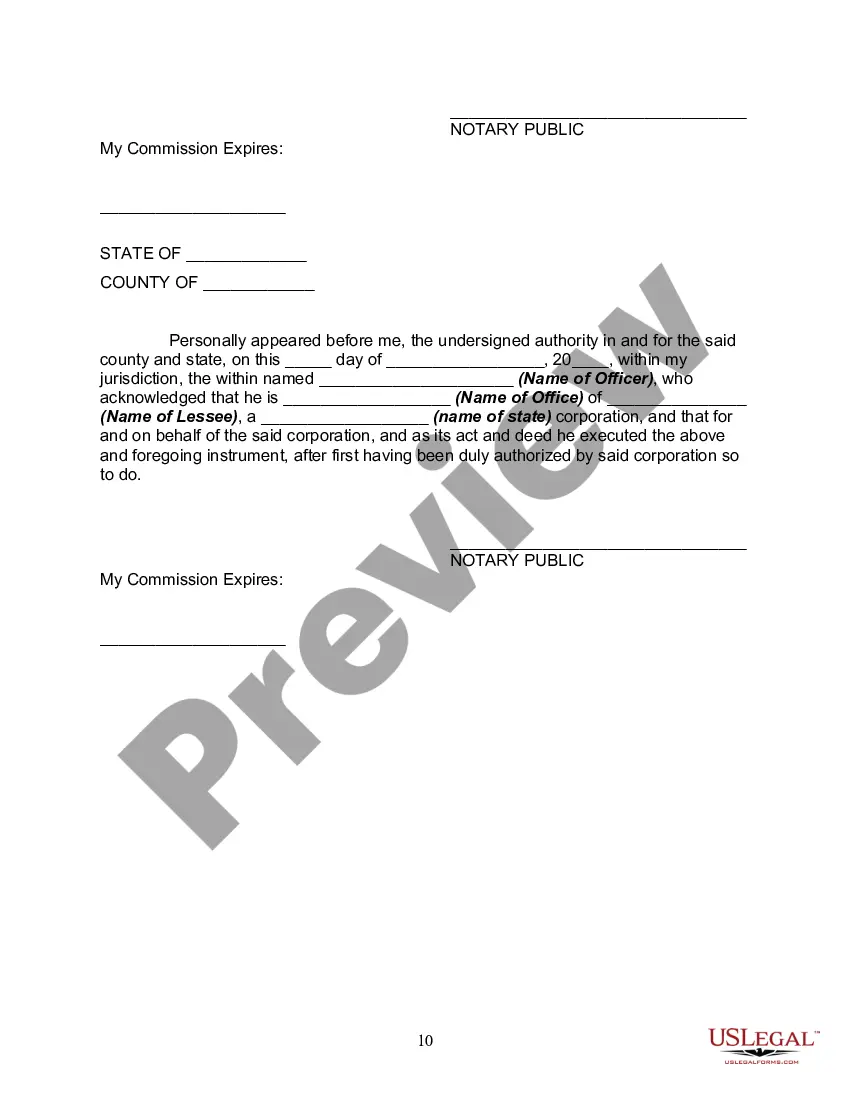
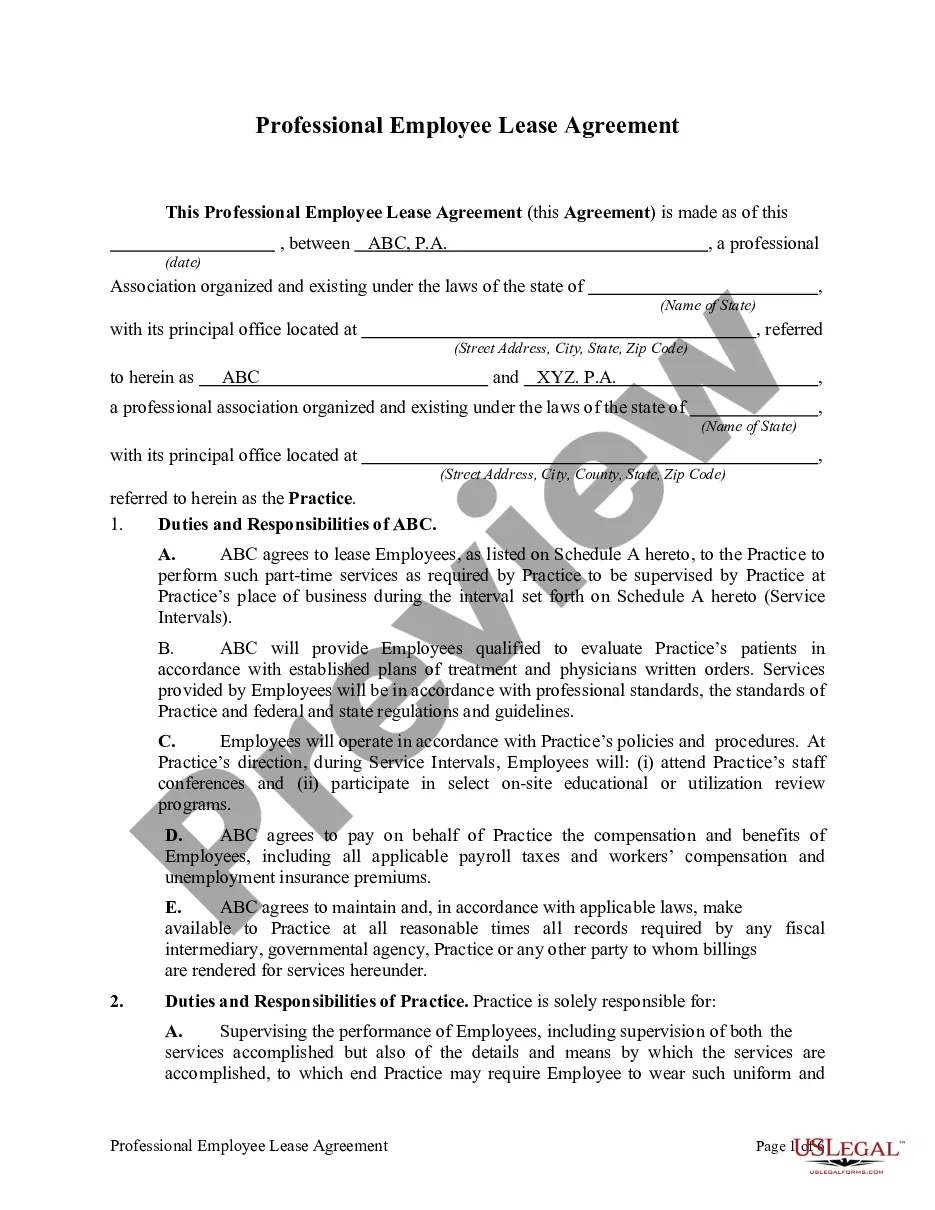
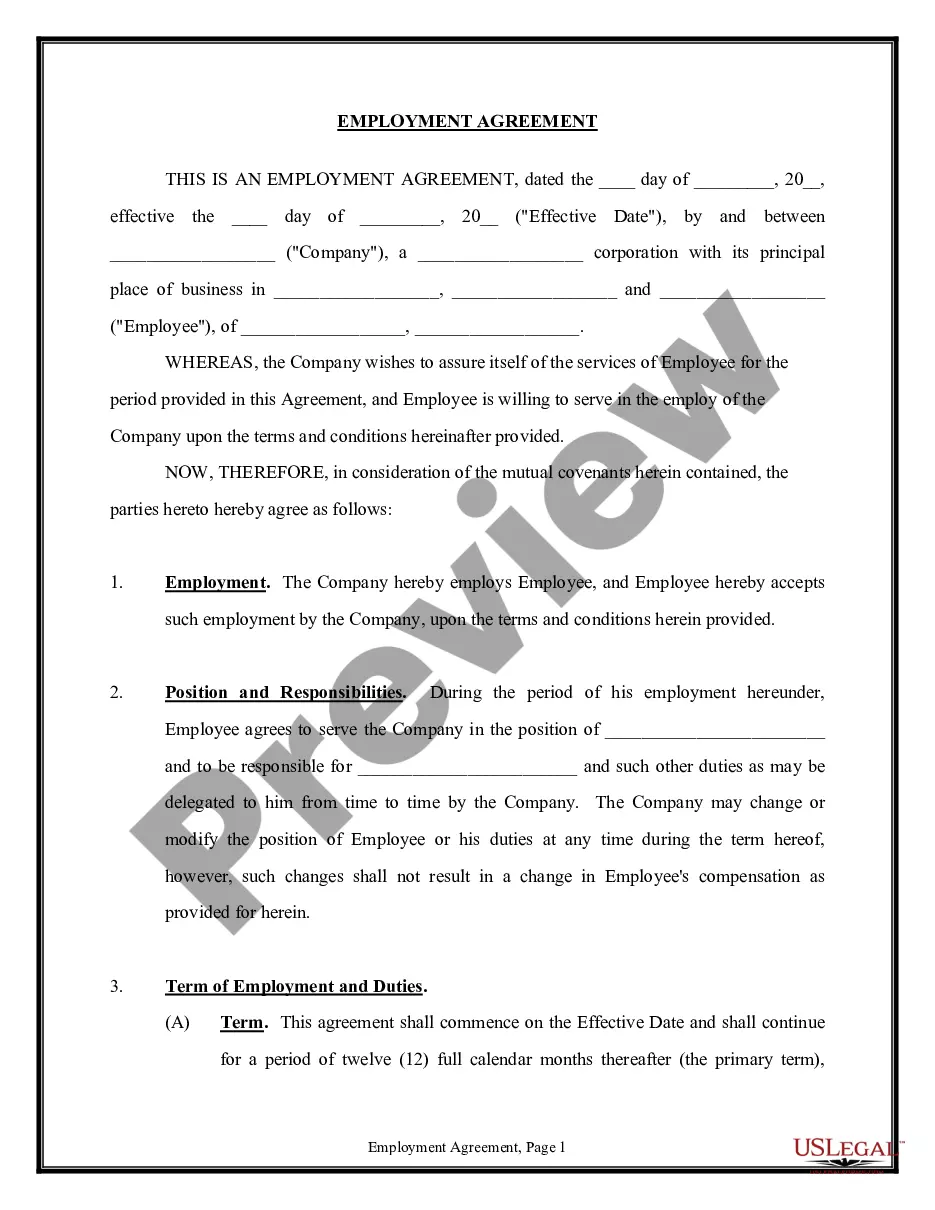
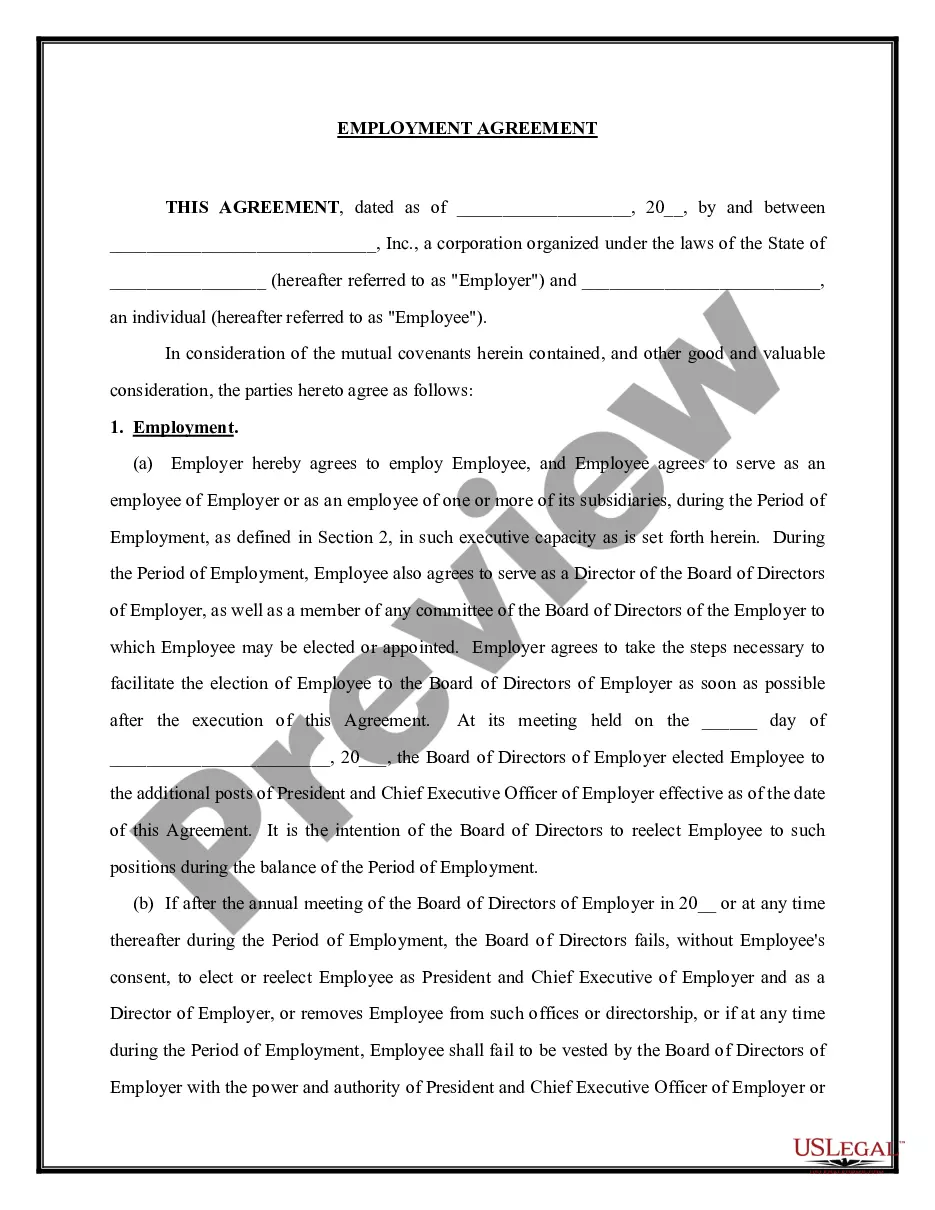
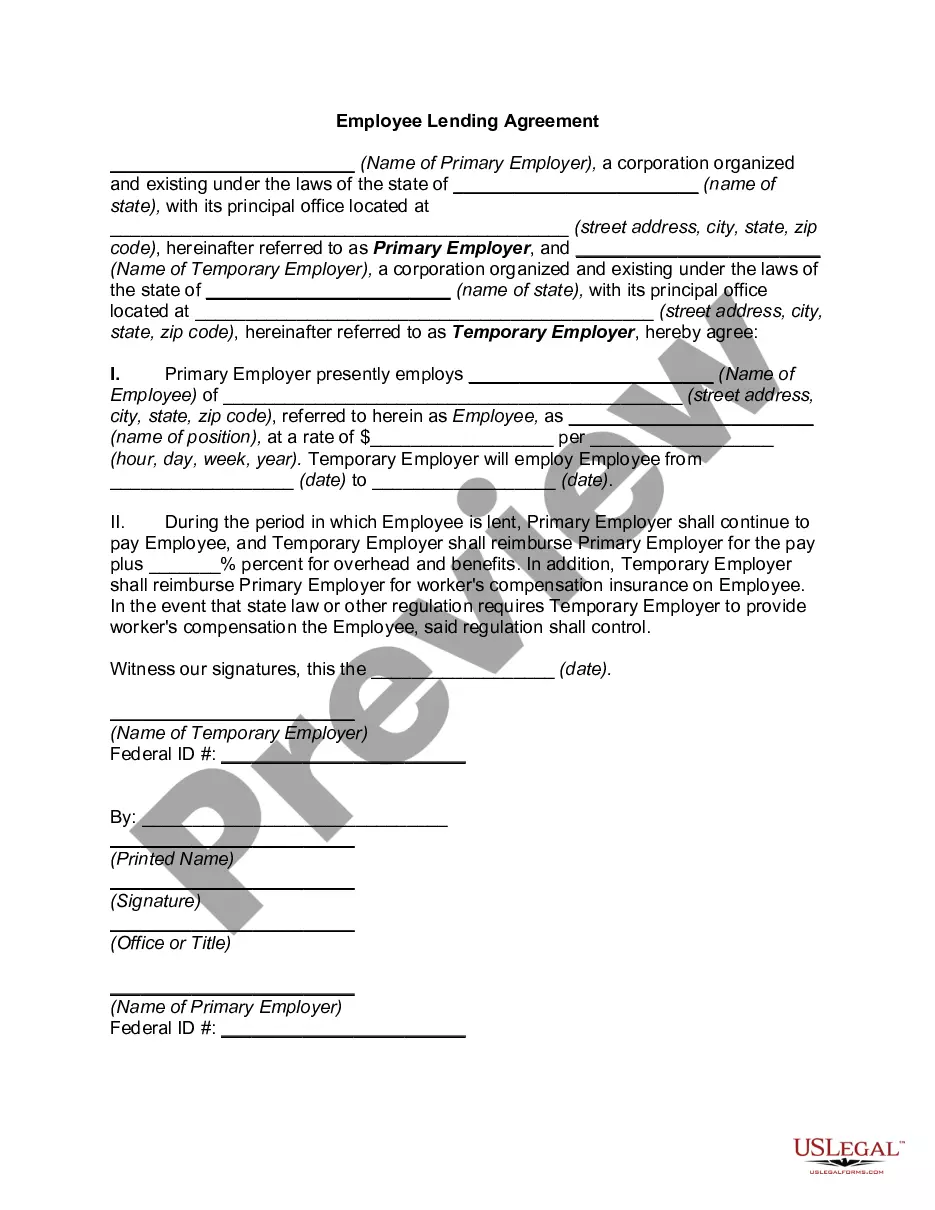
Get your form ready online
Our built-in tools help you complete, sign, share, and store your documents in one place.
Make edits, fill in missing information, and update formatting in US Legal Forms—just like you would in MS Word.
Download a copy, print it, send it by email, or mail it via USPS—whatever works best for your next step.
Sign and collect signatures with our SignNow integration. Send to multiple recipients, set reminders, and more. Go Premium to unlock E-Sign.
If this form requires notarization, complete it online through a secure video call—no need to meet a notary in person or wait for an appointment.
We protect your documents and personal data by following strict security and privacy standards.

Make edits, fill in missing information, and update formatting in US Legal Forms—just like you would in MS Word.

Download a copy, print it, send it by email, or mail it via USPS—whatever works best for your next step.

Sign and collect signatures with our SignNow integration. Send to multiple recipients, set reminders, and more. Go Premium to unlock E-Sign.

If this form requires notarization, complete it online through a secure video call—no need to meet a notary in person or wait for an appointment.

We protect your documents and personal data by following strict security and privacy standards.
Looking for another form?
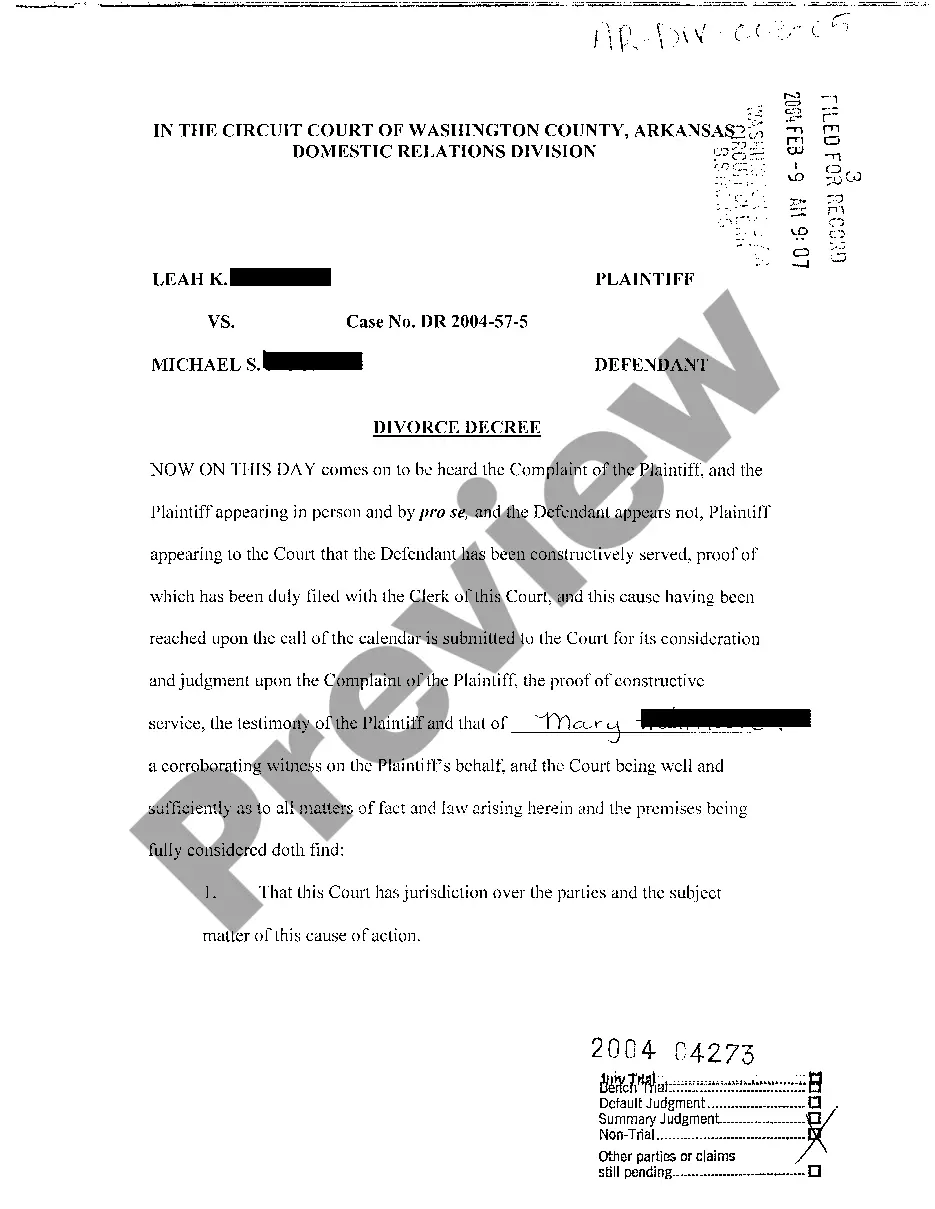



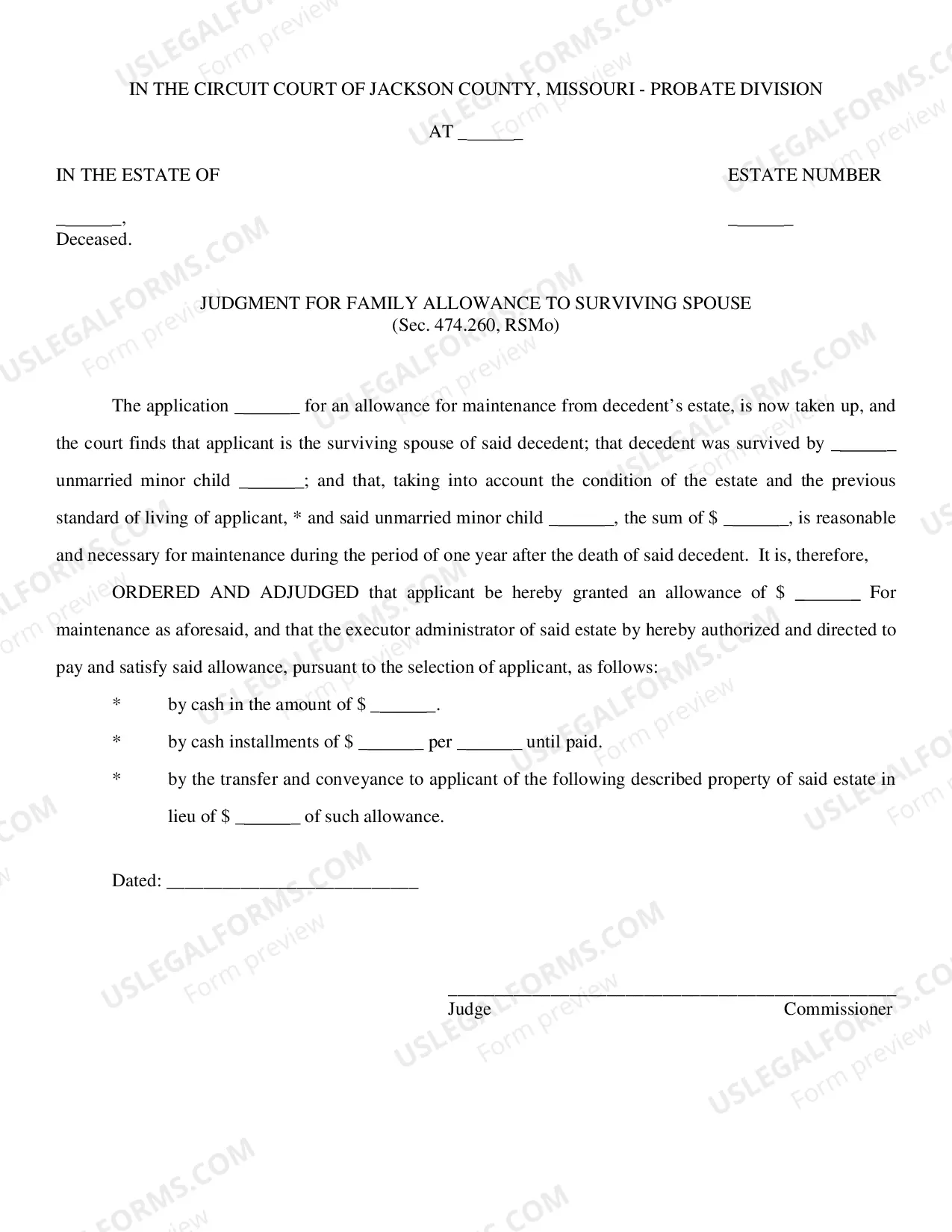
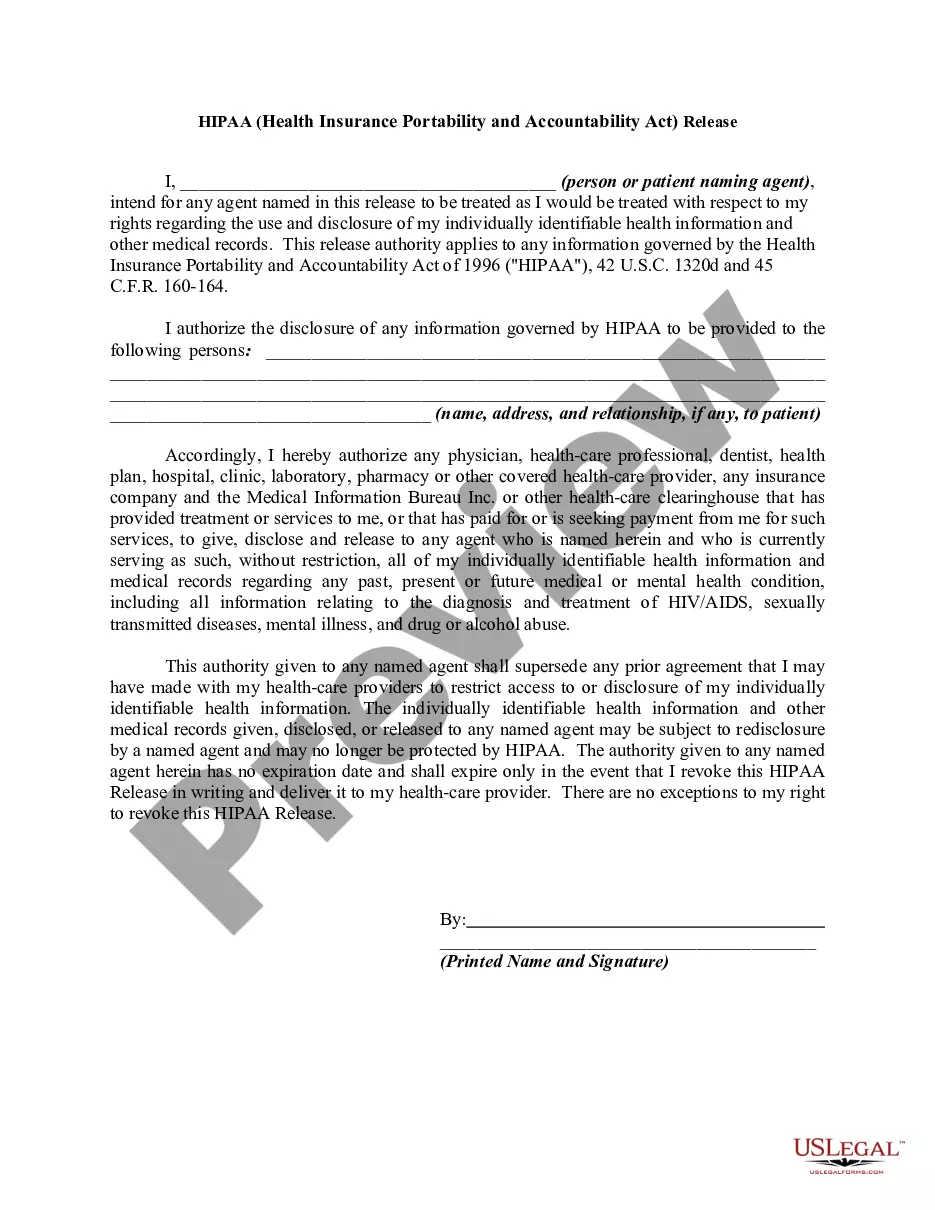

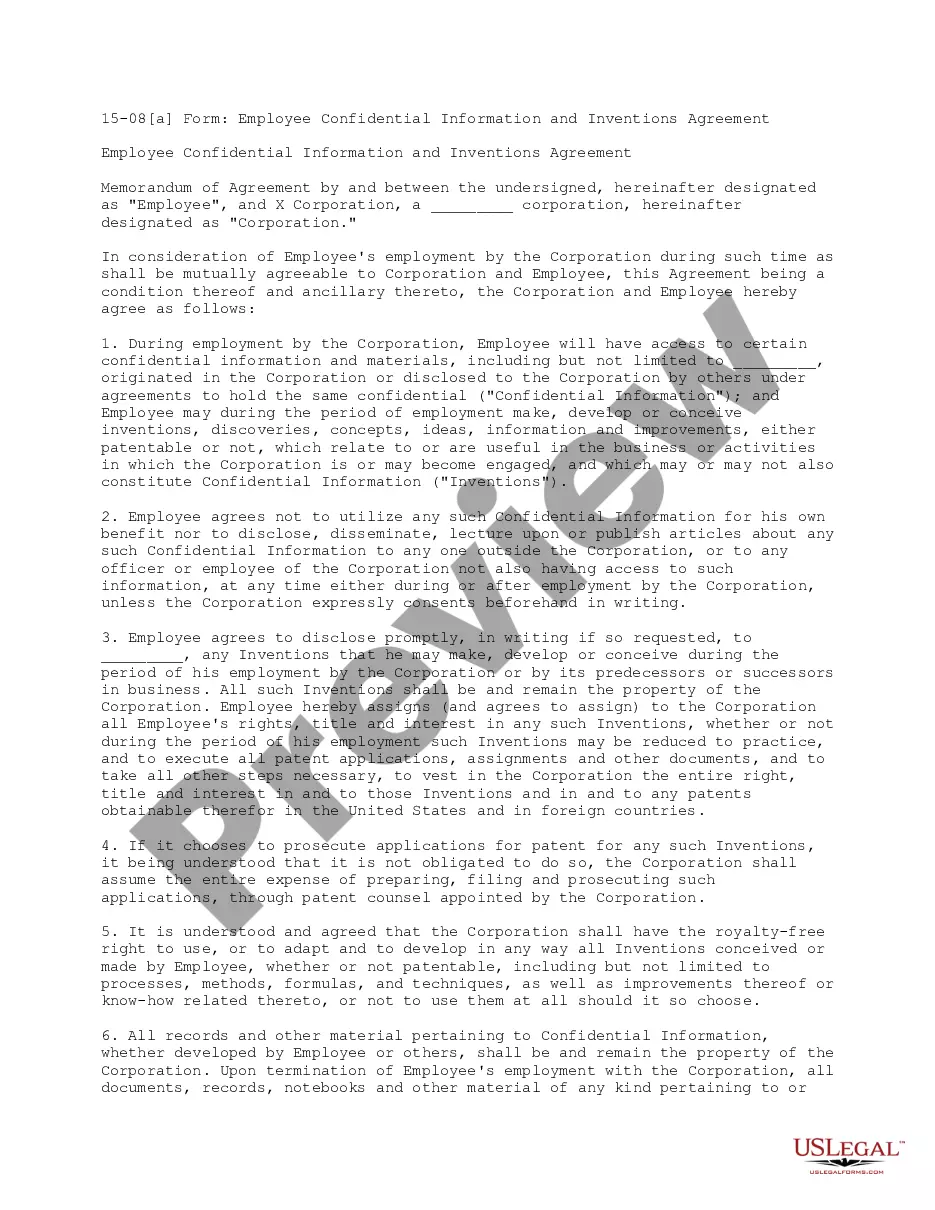
Form popularity
FAQ
It is possible to draft your own lease agreement, but you are leaving yourself open to issues.
Yes, someone can live in a house without being on the lease, but there are important considerations: Permission from the Leaseholder: The primary leaseholder (the person whose name is on the lease) must give permission for the person to live there. This is often referred to as a guest or unauthorized occupant.
Generally, courts consider an occupancy policy of one tenant per bedroom restrictive. Landlords may set reasonable occupancy limits that do not discriminate against families or children. Therefore, restrictive housing policies are unlawful.
That is entirely up to the landlord whether they want all adults listed on the lease, or whether they allow someone to simply be an occupant.
Full Service leases, most common in Class A office projects, will typically include taxes, insurance, CAMS, management, utilities and janitorial all in one base rental rate.
That is entirely up to the landlord whether they want all adults listed on the lease, or whether they allow someone to simply be an occupant.
Given the stakes, it's common for property owners to consider whether they can draft this document themselves. While it is legally possible to write your own commercial lease agreement in Florida, doing so involves careful consideration of legal, business, and practical factors.
Month-to-month lease terms may be ideal if you're looking for more flexibility on who you rent to throughout the year or planning on renting the property out for a short period. This can also be a great option if an active fixed-term lease ends, but the tenants need more time to find their next home.
What are the most important steps for drafting a commercial lease agreement? Identify the parties and the property. Determine the rent and the term. Negotiate the improvements and the maintenance. Allocate the taxes and the insurance. Include the clauses and the contingencies. Review and sign the agreement.
