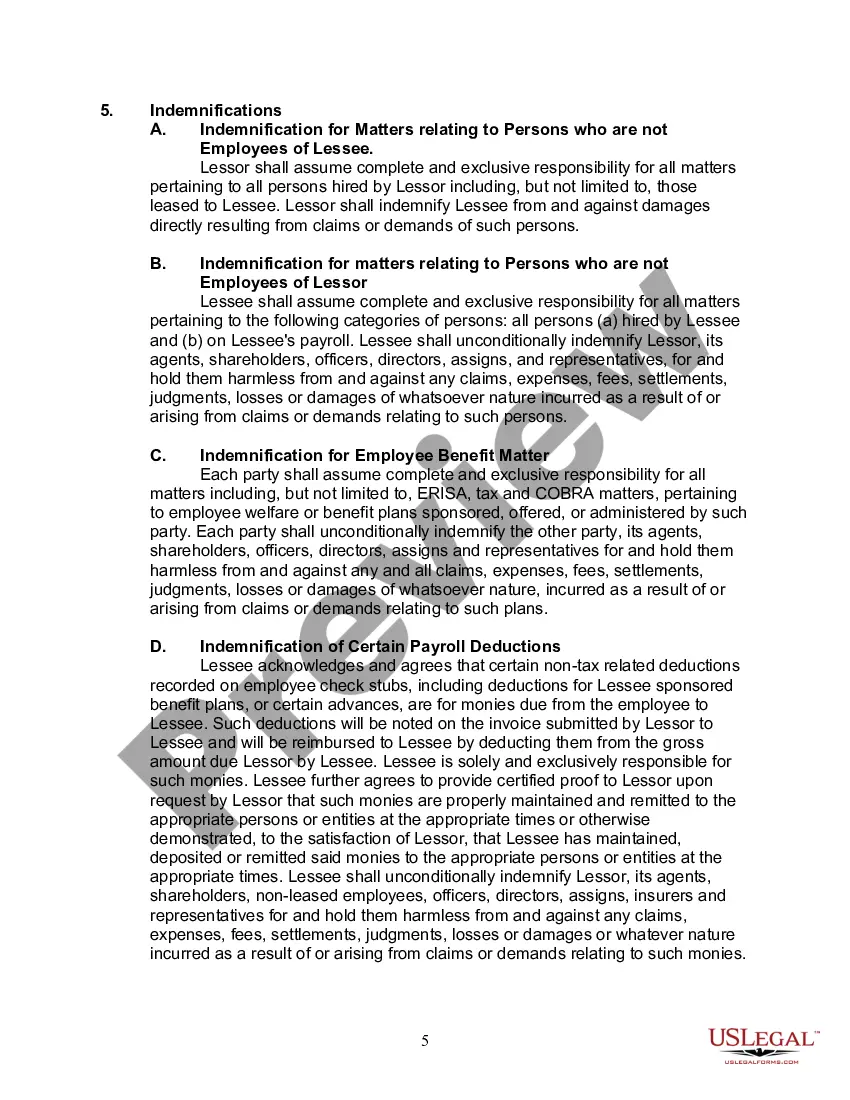
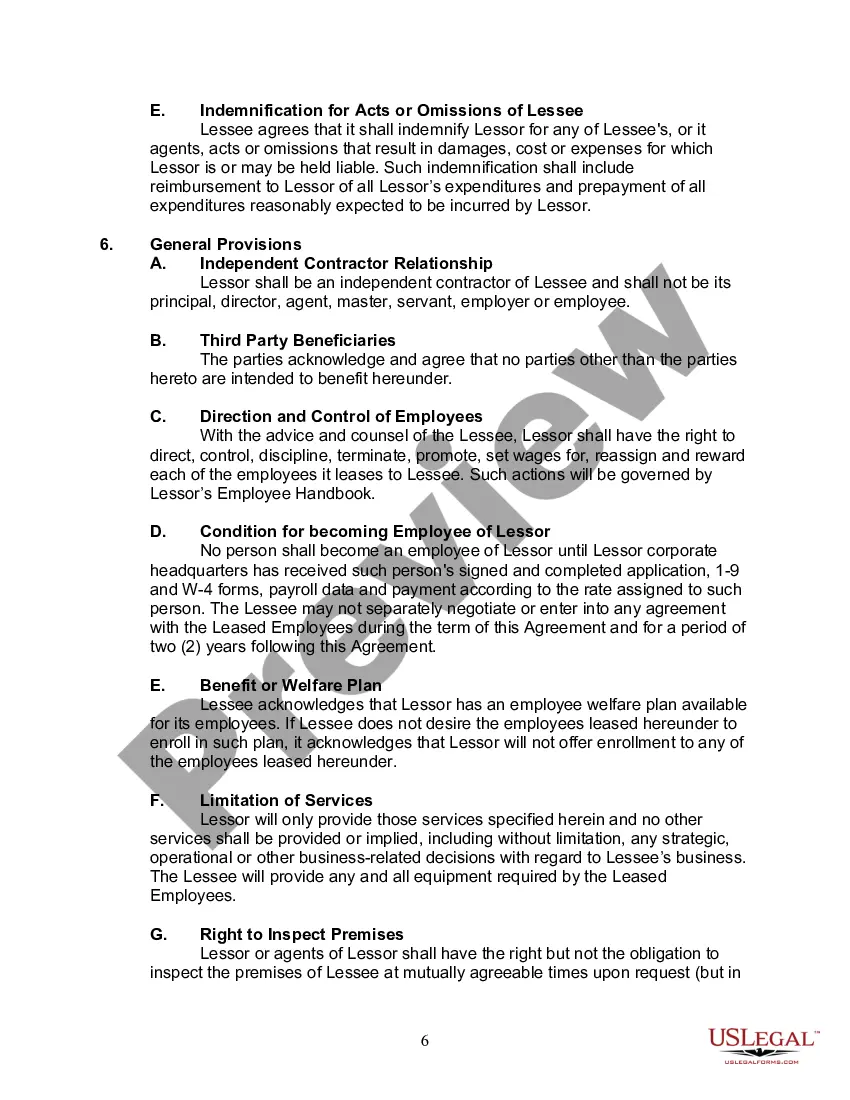
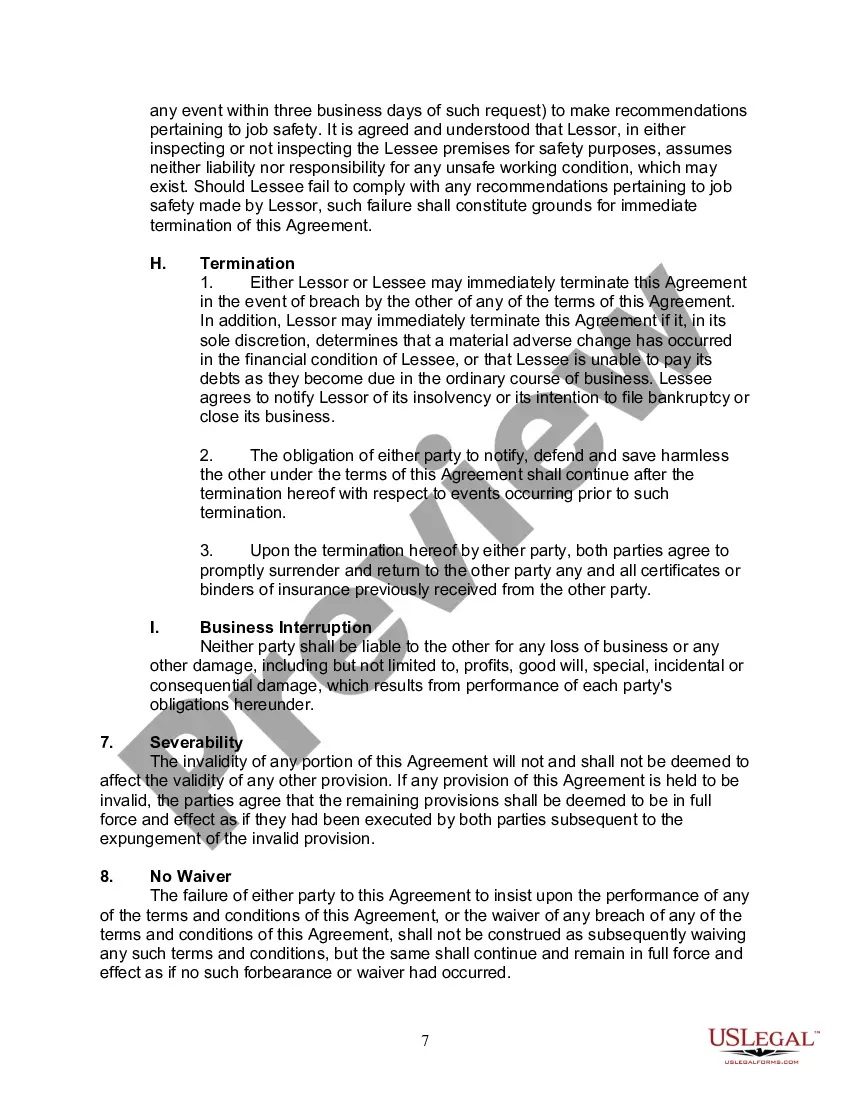
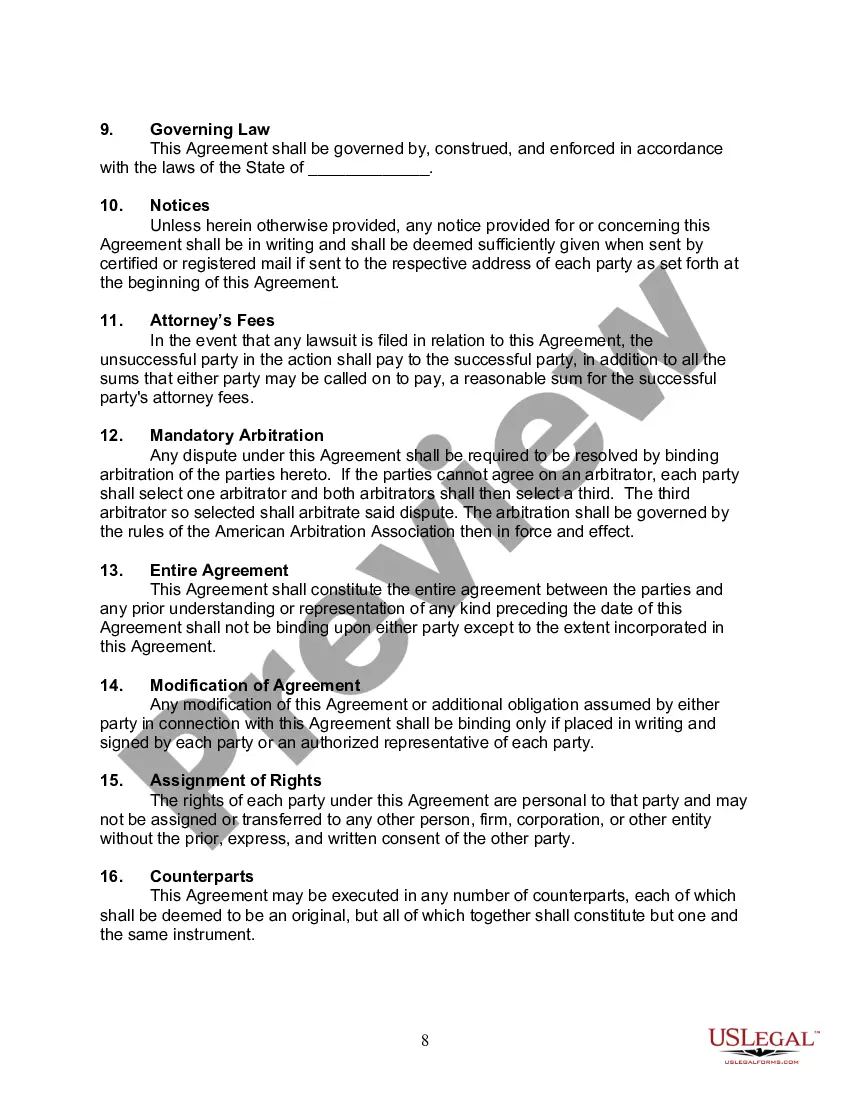
Lease Employee Agreement With Trust In Maryland
Description
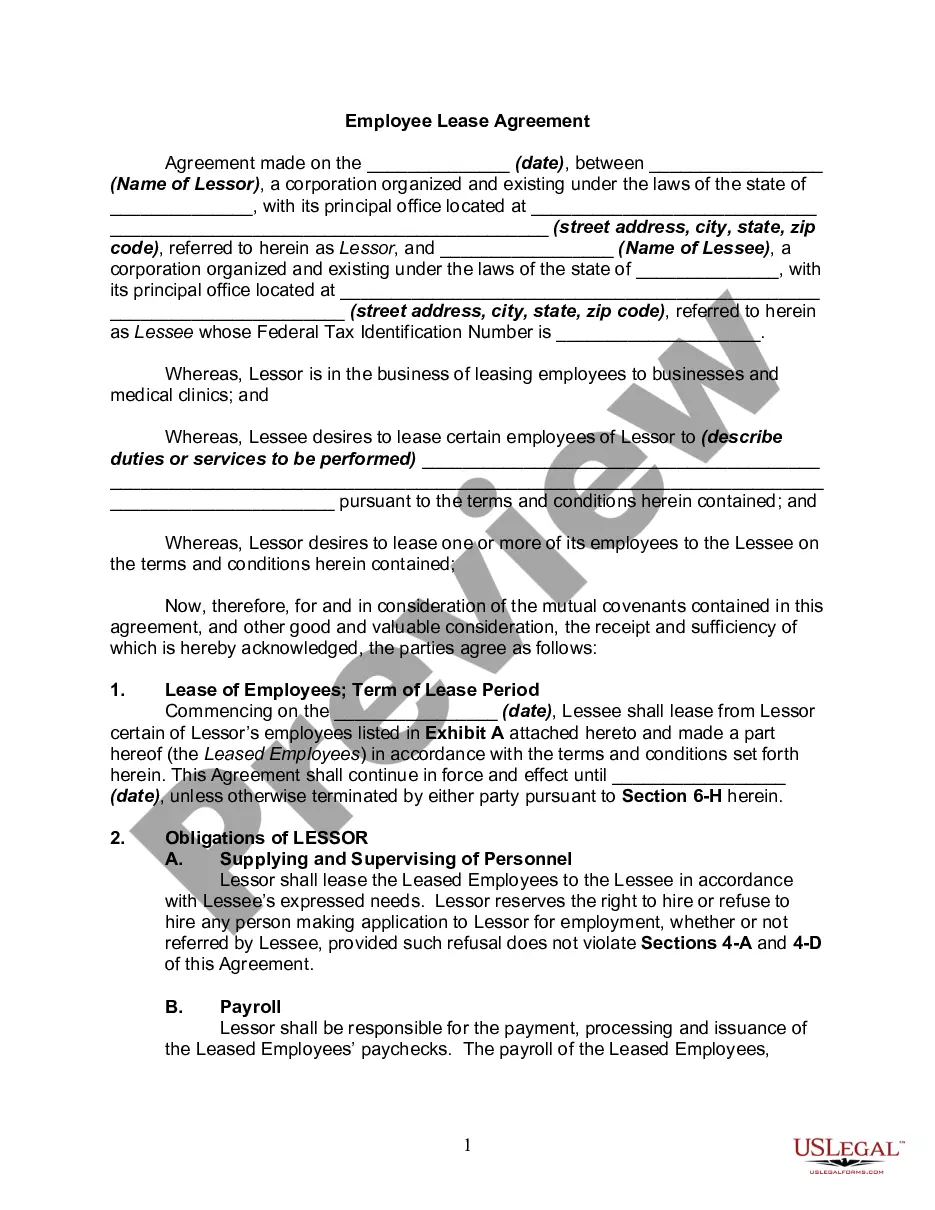
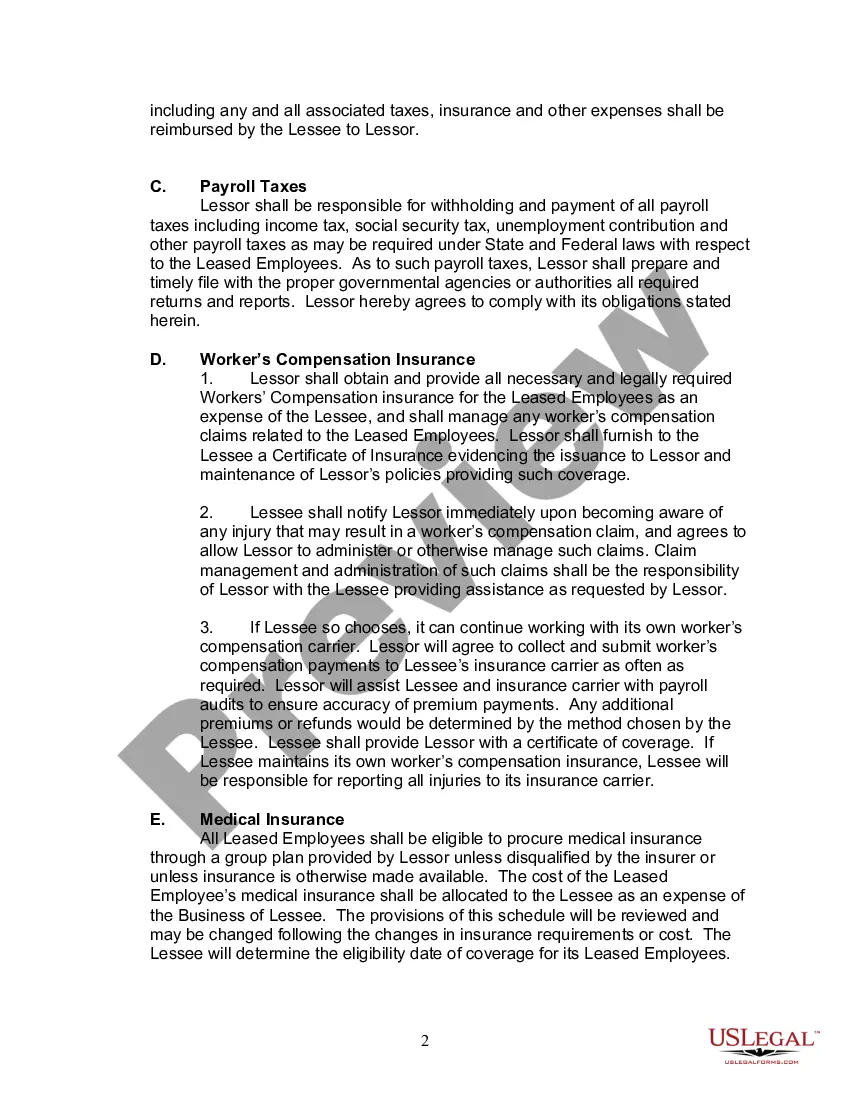
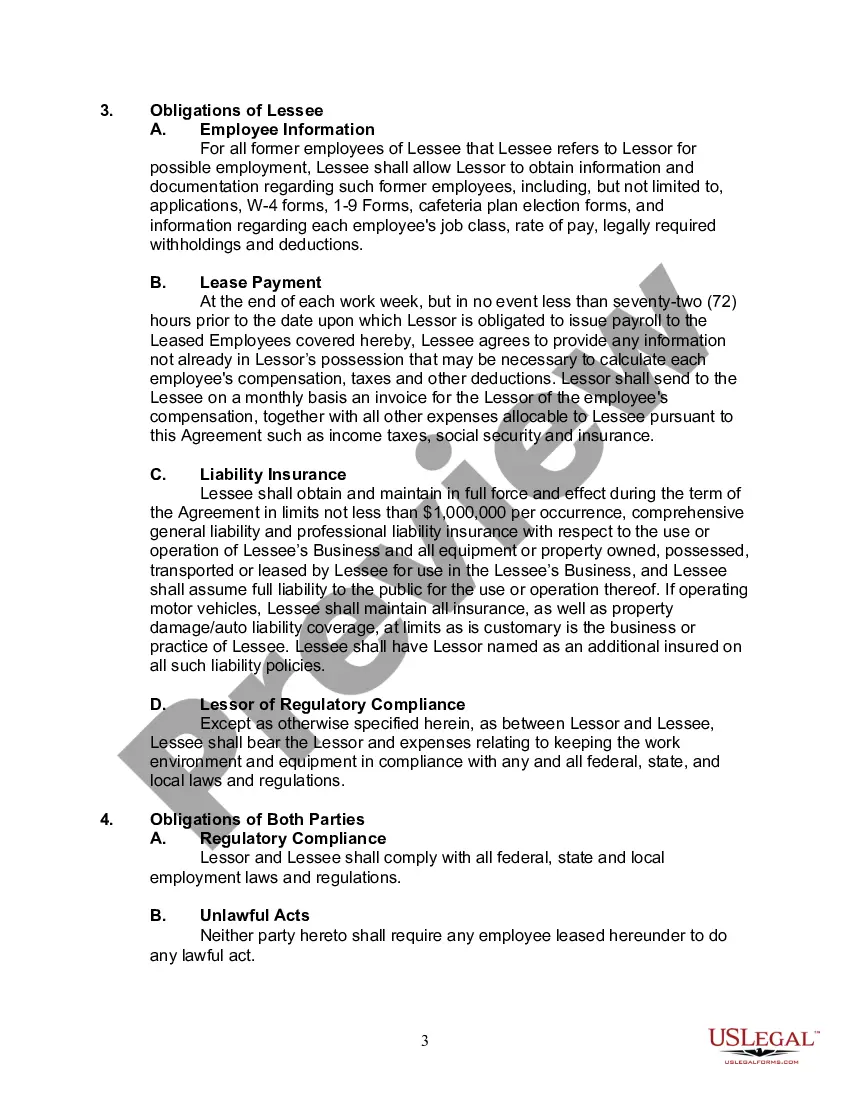
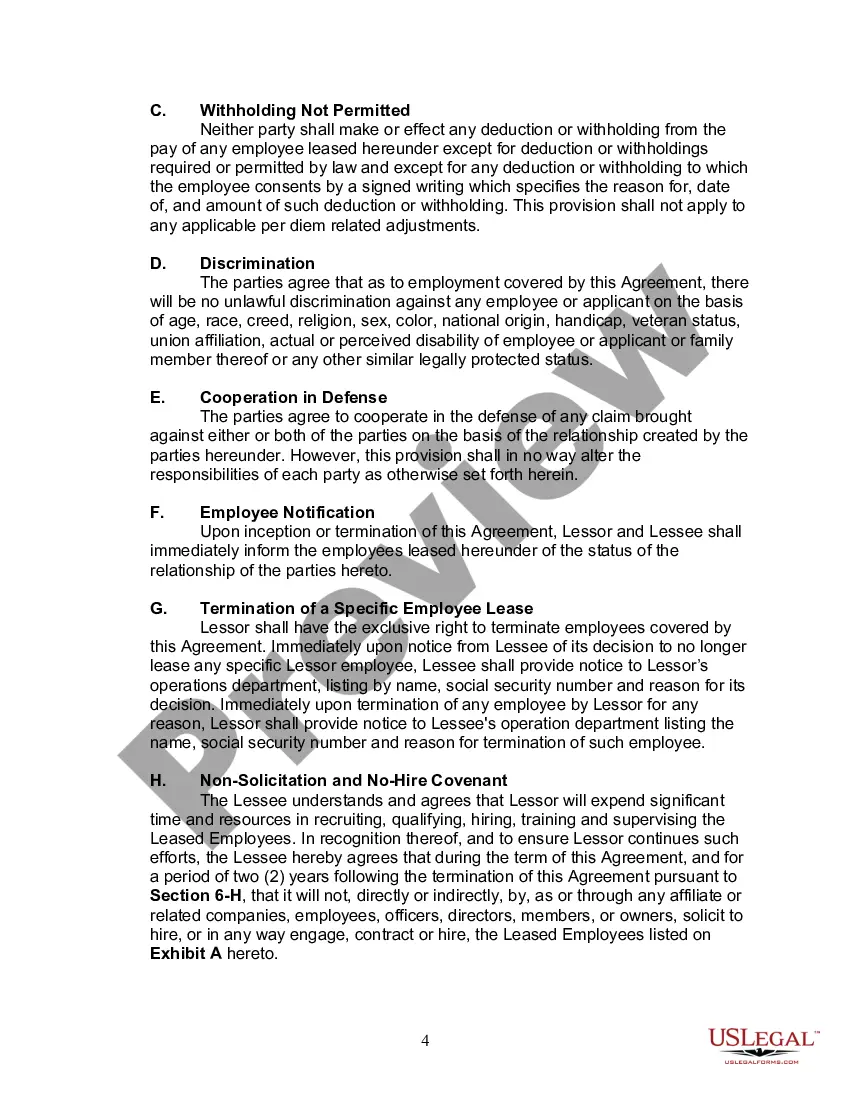
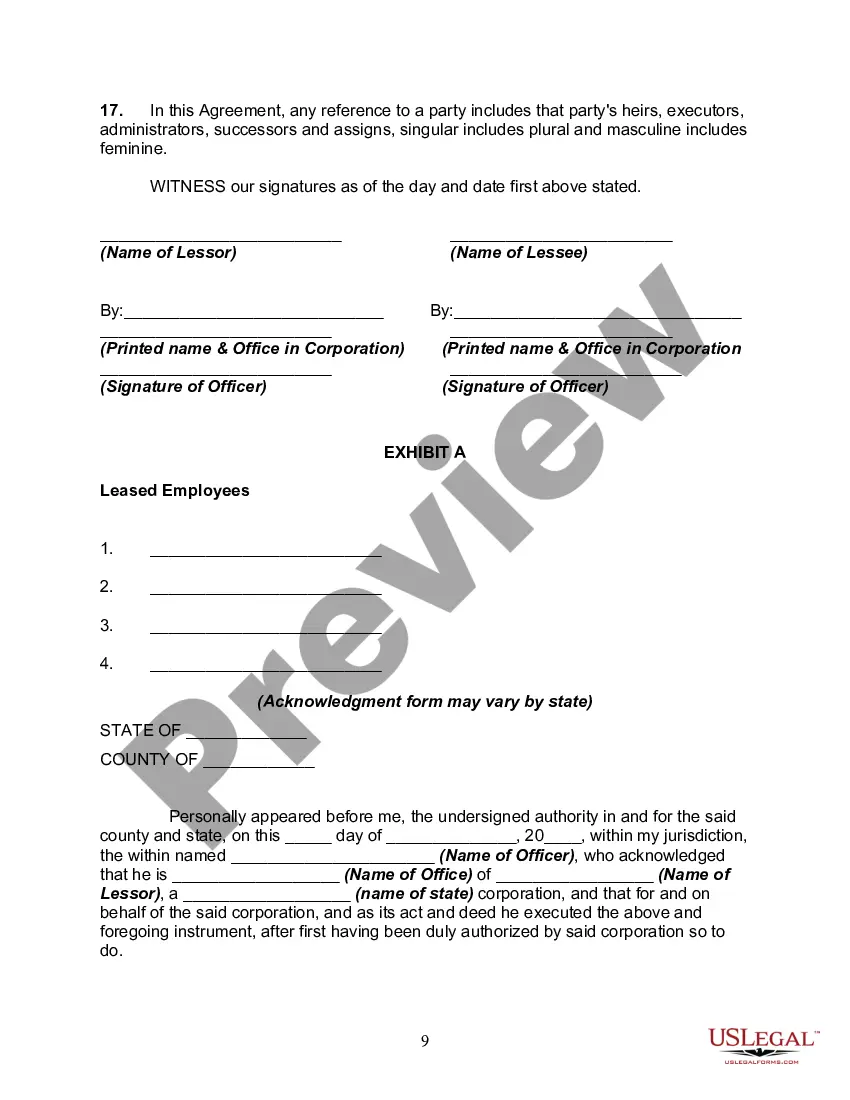
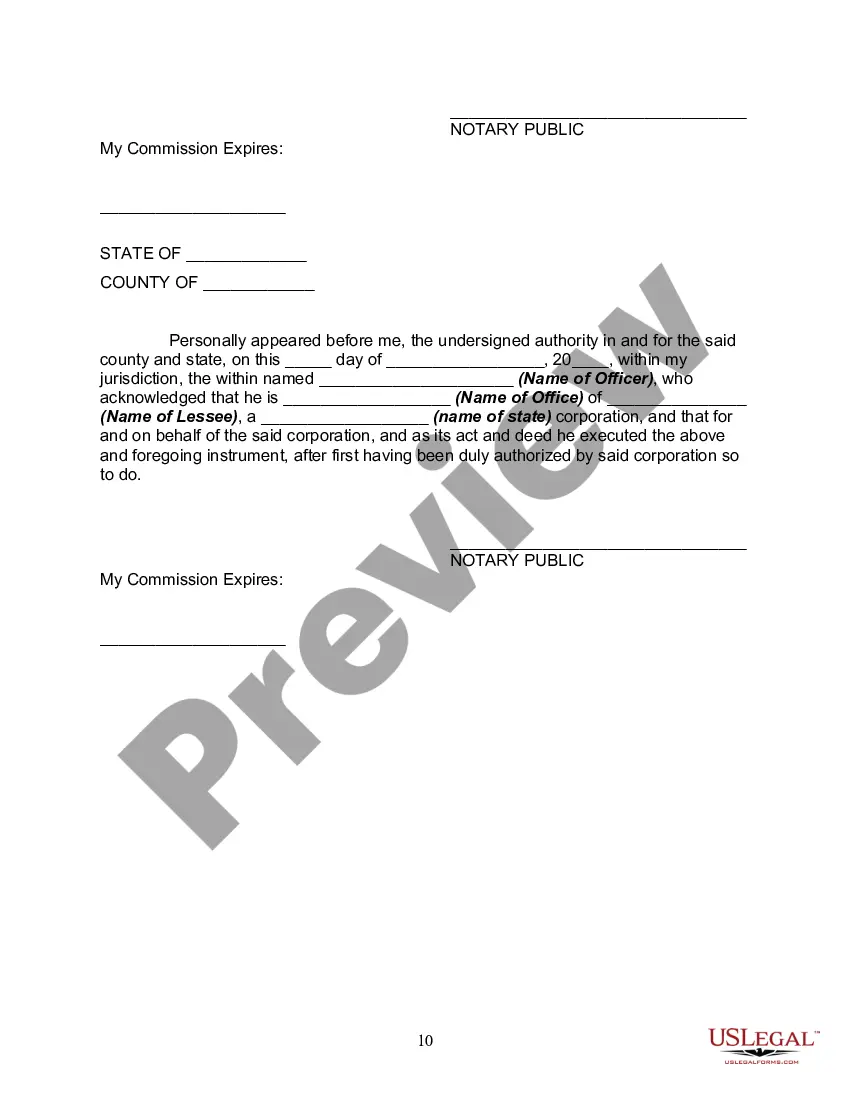
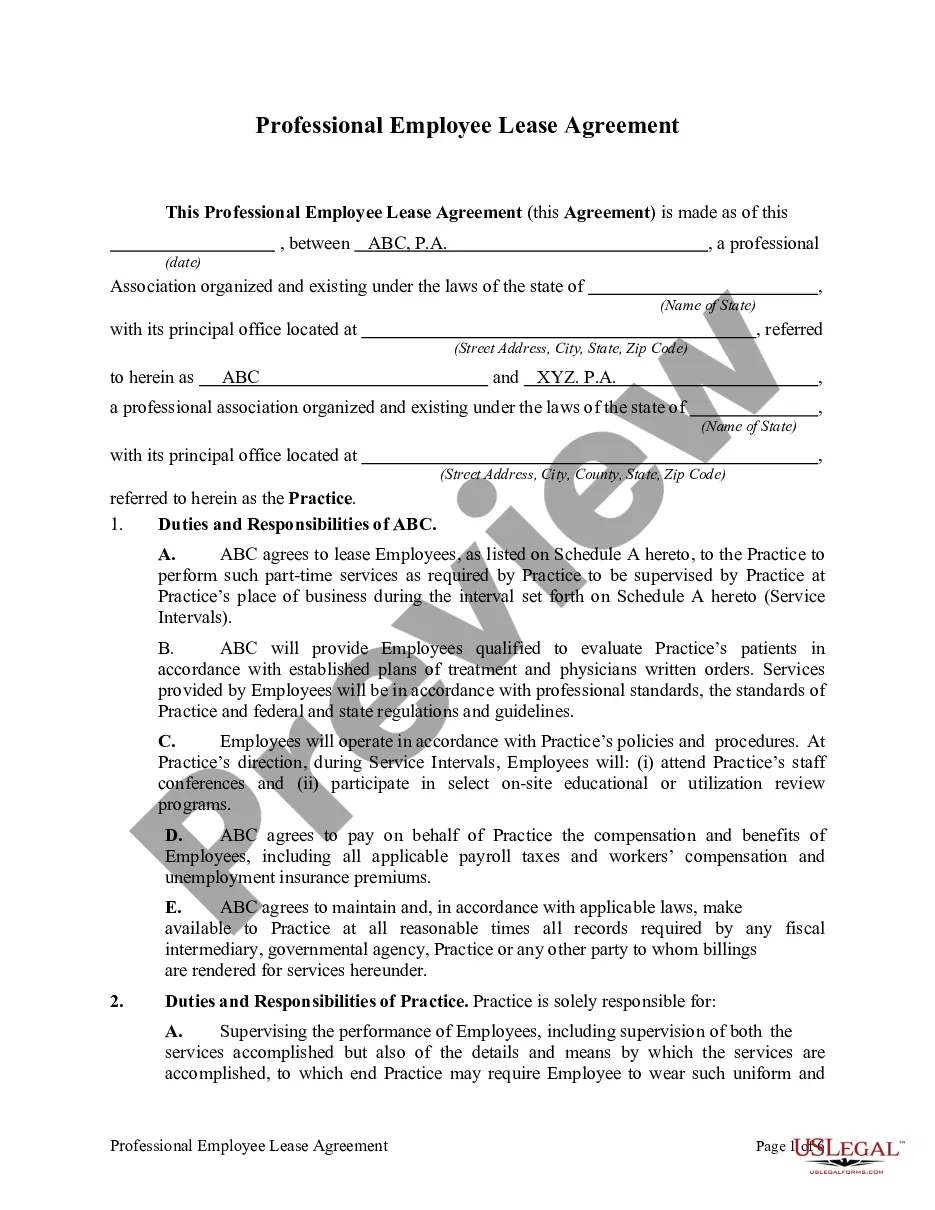
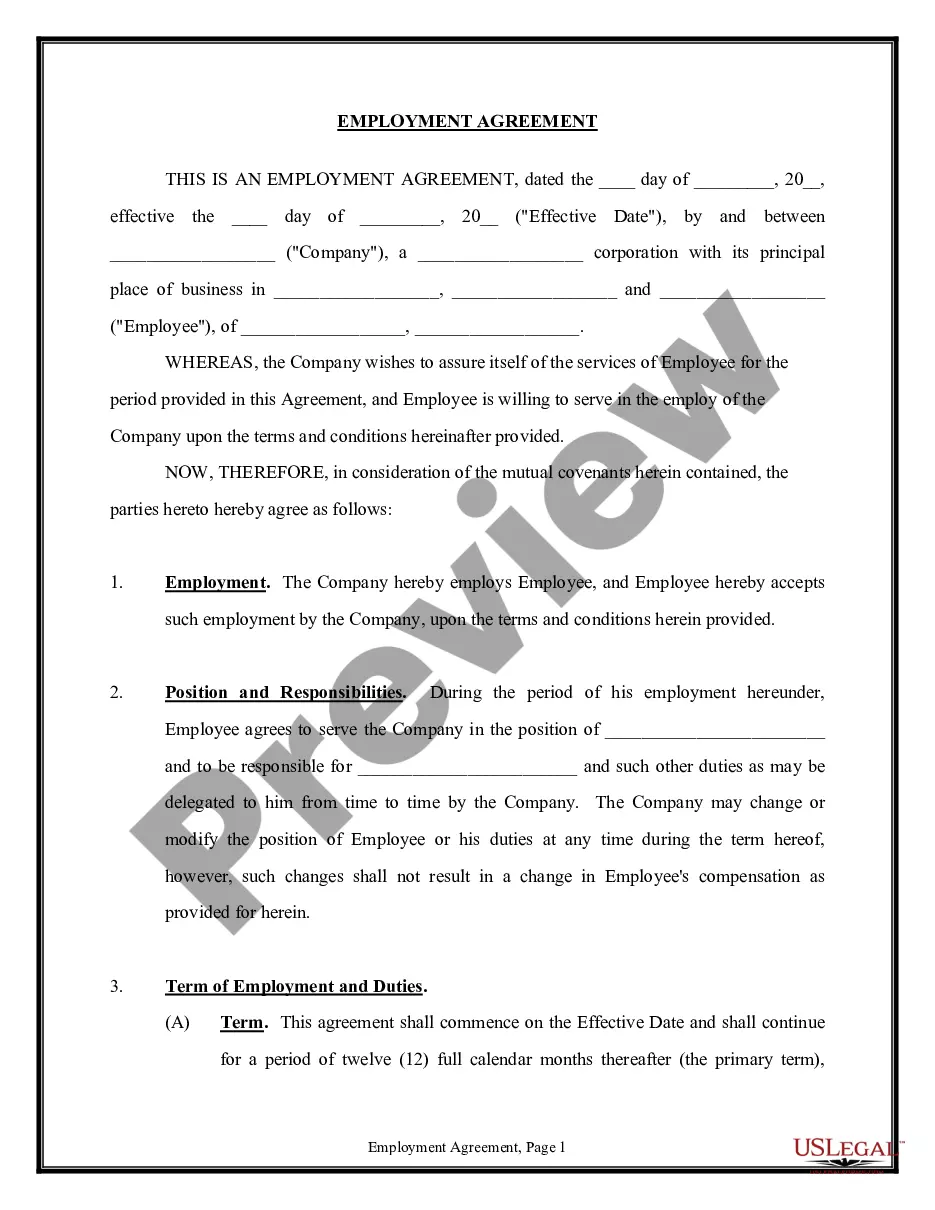
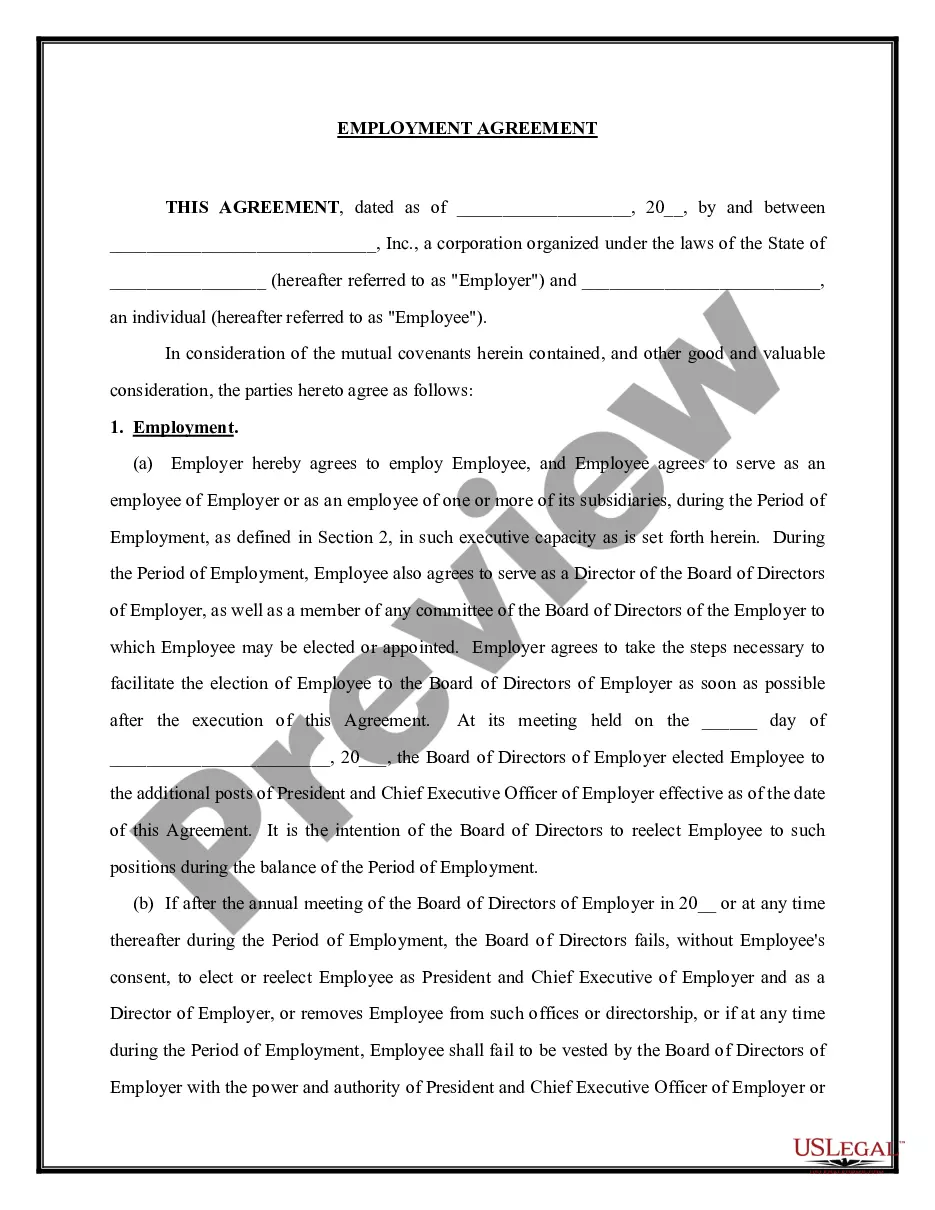
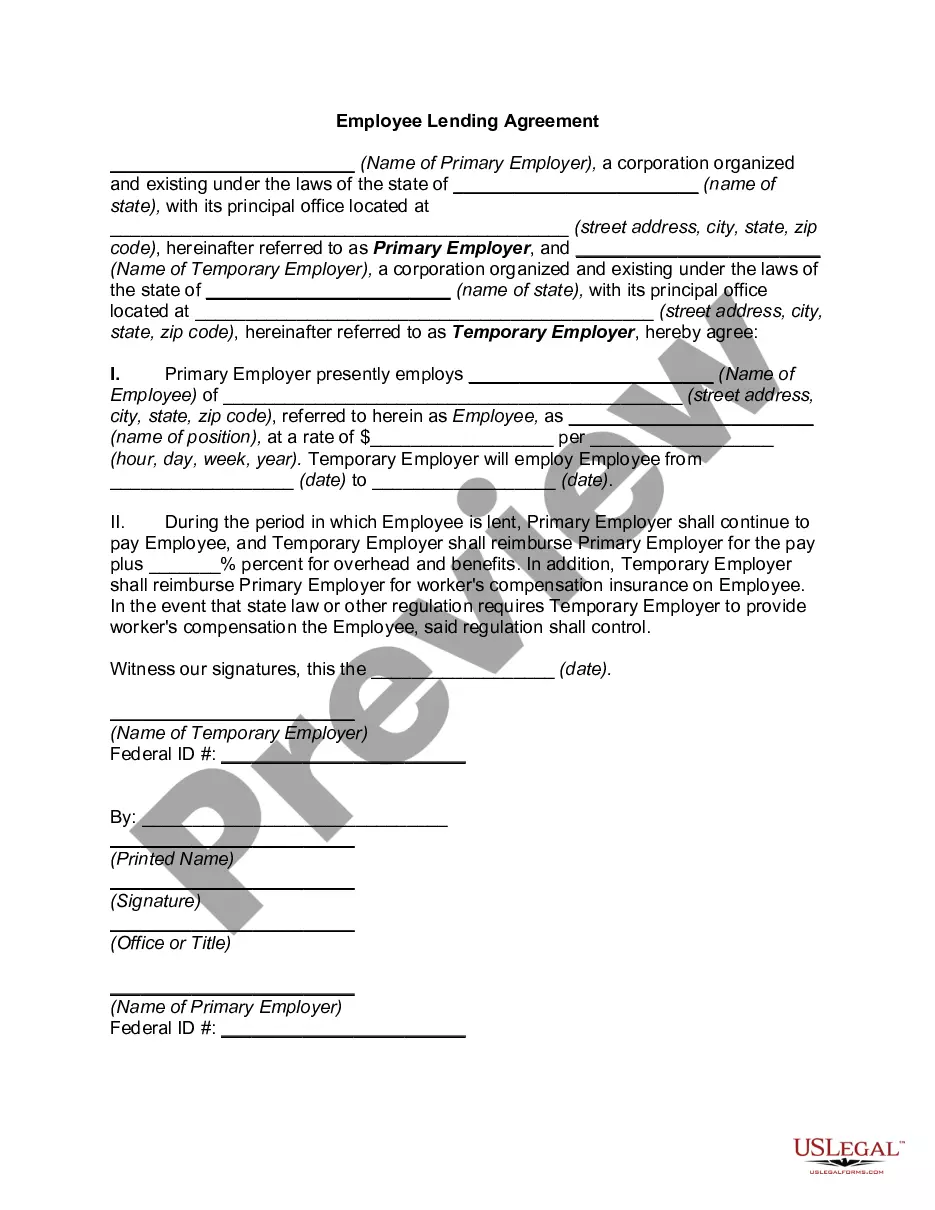
Get your form ready online
Our built-in tools help you complete, sign, share, and store your documents in one place.
Make edits, fill in missing information, and update formatting in US Legal Forms—just like you would in MS Word.
Download a copy, print it, send it by email, or mail it via USPS—whatever works best for your next step.
Sign and collect signatures with our SignNow integration. Send to multiple recipients, set reminders, and more. Go Premium to unlock E-Sign.
If this form requires notarization, complete it online through a secure video call—no need to meet a notary in person or wait for an appointment.
We protect your documents and personal data by following strict security and privacy standards.

Make edits, fill in missing information, and update formatting in US Legal Forms—just like you would in MS Word.

Download a copy, print it, send it by email, or mail it via USPS—whatever works best for your next step.

Sign and collect signatures with our SignNow integration. Send to multiple recipients, set reminders, and more. Go Premium to unlock E-Sign.

If this form requires notarization, complete it online through a secure video call—no need to meet a notary in person or wait for an appointment.

We protect your documents and personal data by following strict security and privacy standards.
Looking for another form?

Form popularity
FAQ
Only the trustees of the trust can hold title. As such, the landlord under a lease or other rental agreement needs to be the trustee(s) of the trust, not the trust itself.
Maryland law does not require revocable trusts to be notarized. However, it is general practice that such instruments are notarized to permit recordation among state land records if real estate is concerned.
Technically, trusts do not need to be in writing, but execution of a trust is almost impossible unless it is in writing. In the declaration, the grantor transfers legal ownership of the property to be placed in trust to the trustee and names the beneficiary. The grantor must be legally competent to make the trust.
While a trust does not need to be notarized in California to be valid, there are a few reasons why you may want to consider having it notarized. What is notarization? Notarization is a legal process in which a notary public verifies the identity of the person signing a document and witnesses their signature.
Choosing your situs of trust doesn't have to be in your state of residence. States with favorable trust situs laws include Nevada, South Dakota and Delaware. Your legal, tax and financial advisors can evaluate various trust situs options and help you choose one that is appropriate for your circumstances.
Most of the law regulating the creation and administration of trusts in the United States is now statutory at the state level.
Only three states "require" trust registration, but even in those states, there are no legal consequences or penalties if you don't.
A: Trusts must file a Form 1041, U.S. Income Tax Return for Estates and Trusts, for each taxable year where the trust has $600 in income or the trust has a non-resident alien as a beneficiary.
Registering a Trust is typically as simple as filing a statement with the appropriate court. Note that a few other states, namely Florida, Maine, Nebraska, and Colorado, also have laws concerning the registration of Trusts. However, in these states there is not a mandatory registration process.