Employee Rental Agreement With Multiple Tenants India In Illinois
Description


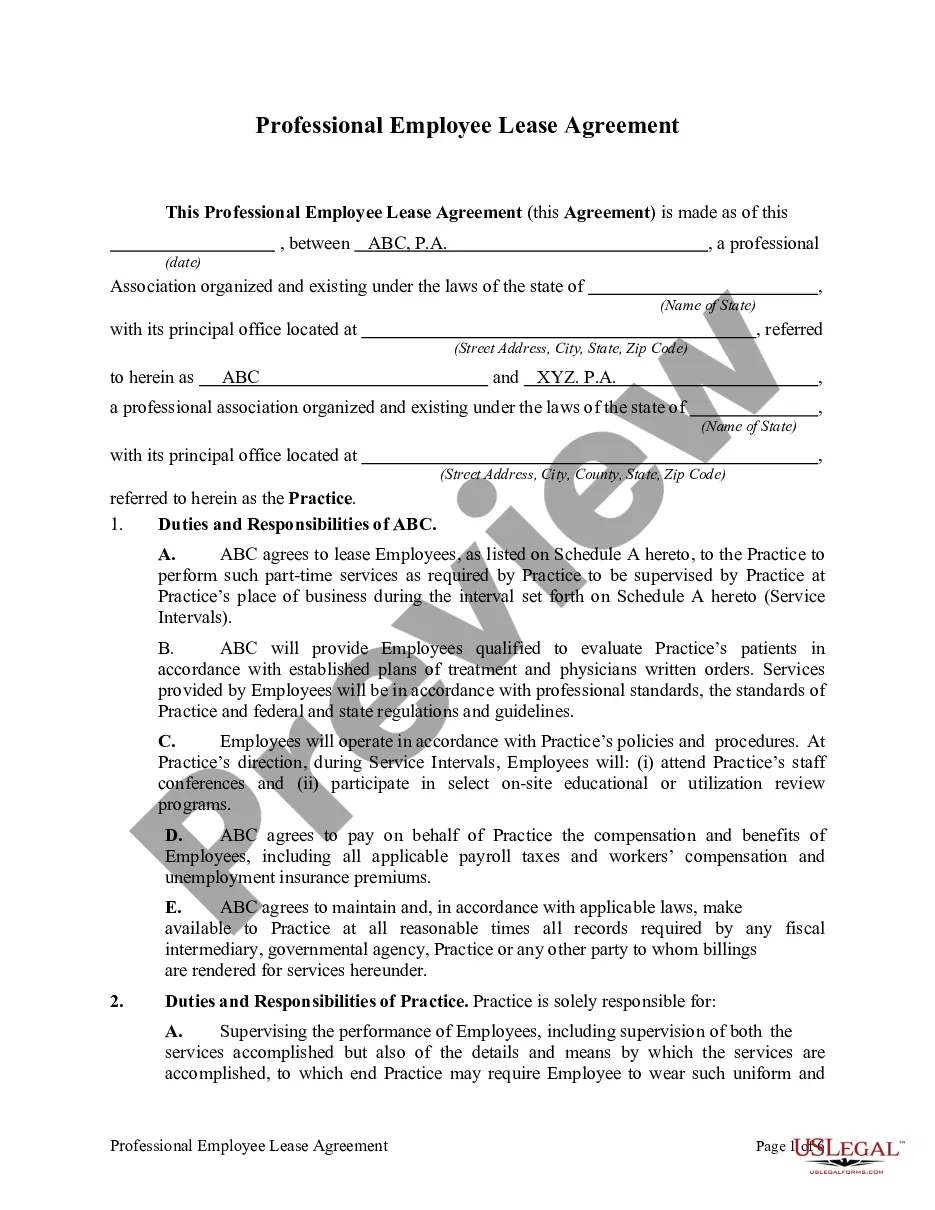
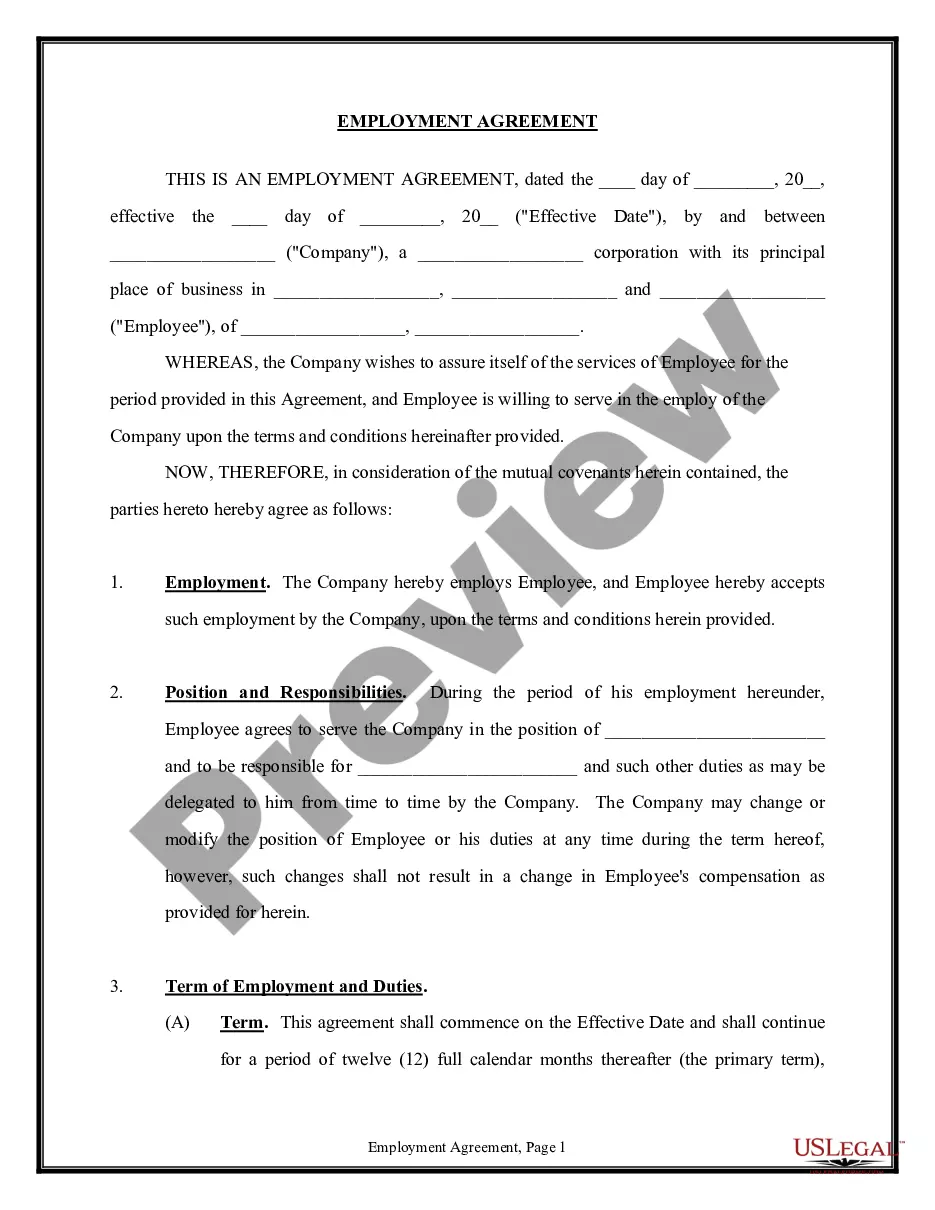
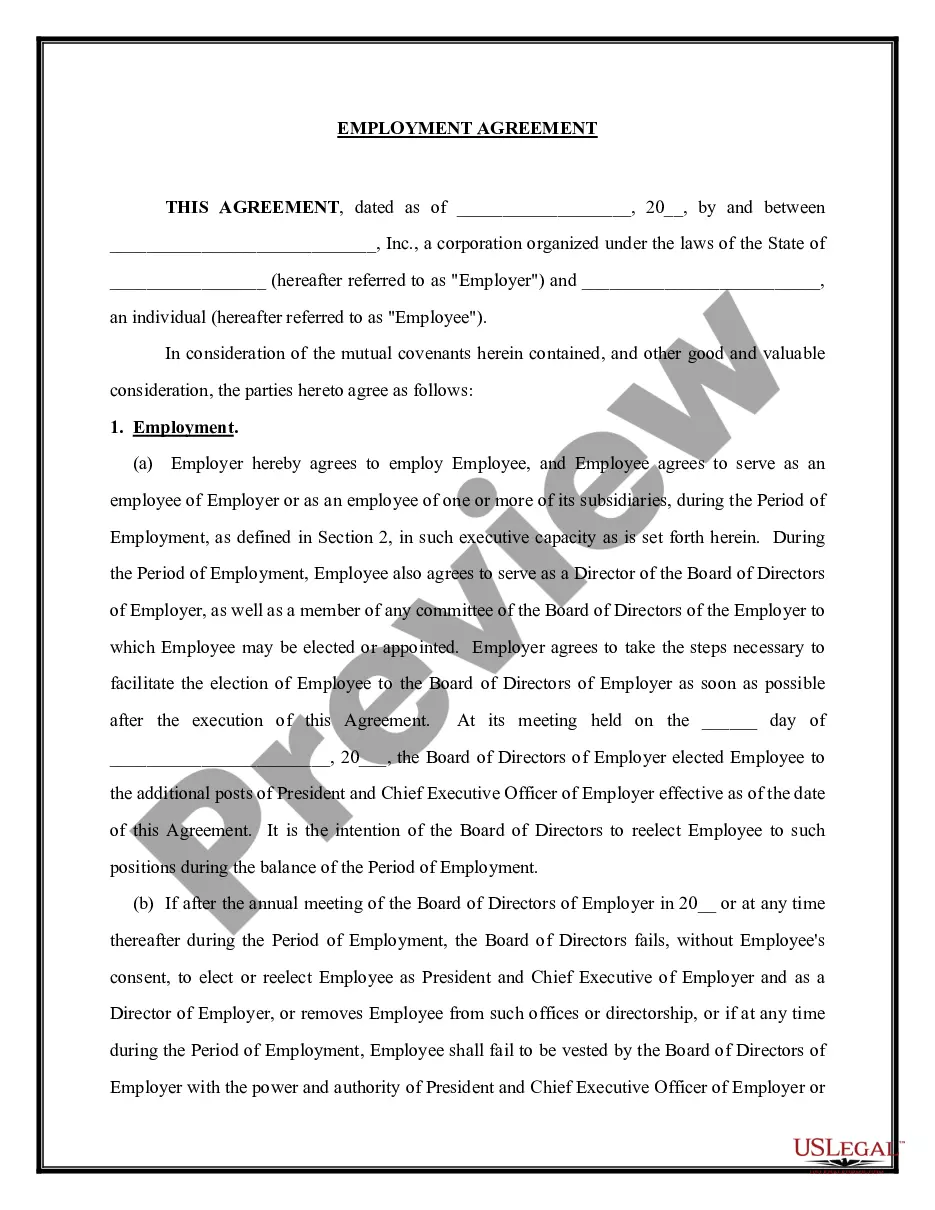
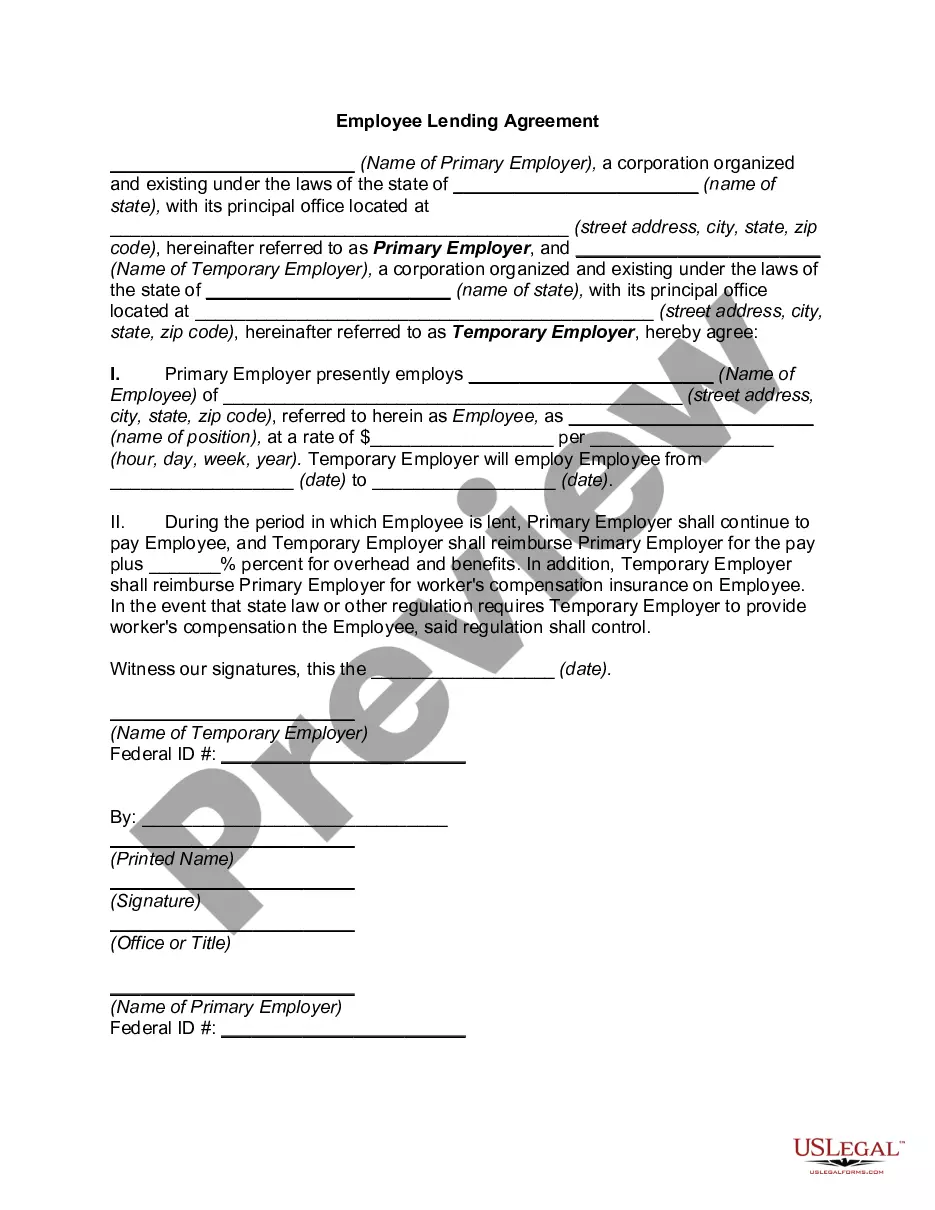
Get your form ready online
Our built-in tools help you complete, sign, share, and store your documents in one place.
Make edits, fill in missing information, and update formatting in US Legal Forms—just like you would in MS Word.
Download a copy, print it, send it by email, or mail it via USPS—whatever works best for your next step.
Sign and collect signatures with our SignNow integration. Send to multiple recipients, set reminders, and more. Go Premium to unlock E-Sign.
If this form requires notarization, complete it online through a secure video call—no need to meet a notary in person or wait for an appointment.
We protect your documents and personal data by following strict security and privacy standards.

Make edits, fill in missing information, and update formatting in US Legal Forms—just like you would in MS Word.

Download a copy, print it, send it by email, or mail it via USPS—whatever works best for your next step.

Sign and collect signatures with our SignNow integration. Send to multiple recipients, set reminders, and more. Go Premium to unlock E-Sign.

If this form requires notarization, complete it online through a secure video call—no need to meet a notary in person or wait for an appointment.

We protect your documents and personal data by following strict security and privacy standards.
Looking for another form?








Form popularity
FAQ
A typical rent agreement in India includes essential terms and conditions such as the duration of the lease, monthly rental amount, security deposit details, maintenance responsibilities, and rules regarding subletting, pet ownership, and property alterations.
Here's a list of standard fields that you should include in your lease agreement: Tenant information. Include each tenant's full name and contact information. Rental property description. Security deposit. Monthly rent amount. Utilities. Lease term. Policies. Late fees.
The Model Act requires the landlord and tenant to sign a written agreement which specifies the rent, period of tenancy and other related terms. Security deposit is capped at two months' rent for residential premises, and six months' rent for non-residential premises.
Tenants' legal rights include the right to privacy. Landlords are only permitted to evict tenants under the Rent Control Act for certain reasons, such as deliberate nonpayment of rent, subletting without permission, creating a nuisance, or when the landlord needs the space for personal occupation.
Adverse Possession is a legal principle that states if a tenant has occupied the property for 12 years and the owner fails to take any action against that, the tenant is granted ownership rights towards the property.
In India, rent agreements are not legally required to be registered unless the term of the agreement is more than 12 months. Unregistered rent agreements are still popular but may not be admissible as evidence in court in case of disputes. It is advisable to register agreements for added legal validity.
In India, rent agreements for 11 months or less are typically not mandatory to register, allowing parties to opt for notarization as an alternative. This duration is chosen to avoid the requirements of rent control laws in many states, which apply to longer leases.
List them all on the lease and use the term “jointly and severally” (such as “Tenant: John Smith, John Doe, and Jane Doe, jointly and severally”). This makes them all fully liable for all rent, damages, etc. Also, any children should be listed by name as occupants.
Unless a contract specifically requires that the signature of a party to the contract be notarized, it is not a requirement and is seldom, if ever, done. Your signature is sufficient to bind you.
Do Indian wills need to be registered and notarised for them to be valid? ing to sections 17 and 18(e) of the Registration Act 1908, a will is not a compulsorily registrable document. It is the choice of the testator to register it or not. Therefore, a will does not need to be registered or notarised to be valid.
