Employee Lease Addendum For Rent Increase In Harris
Description

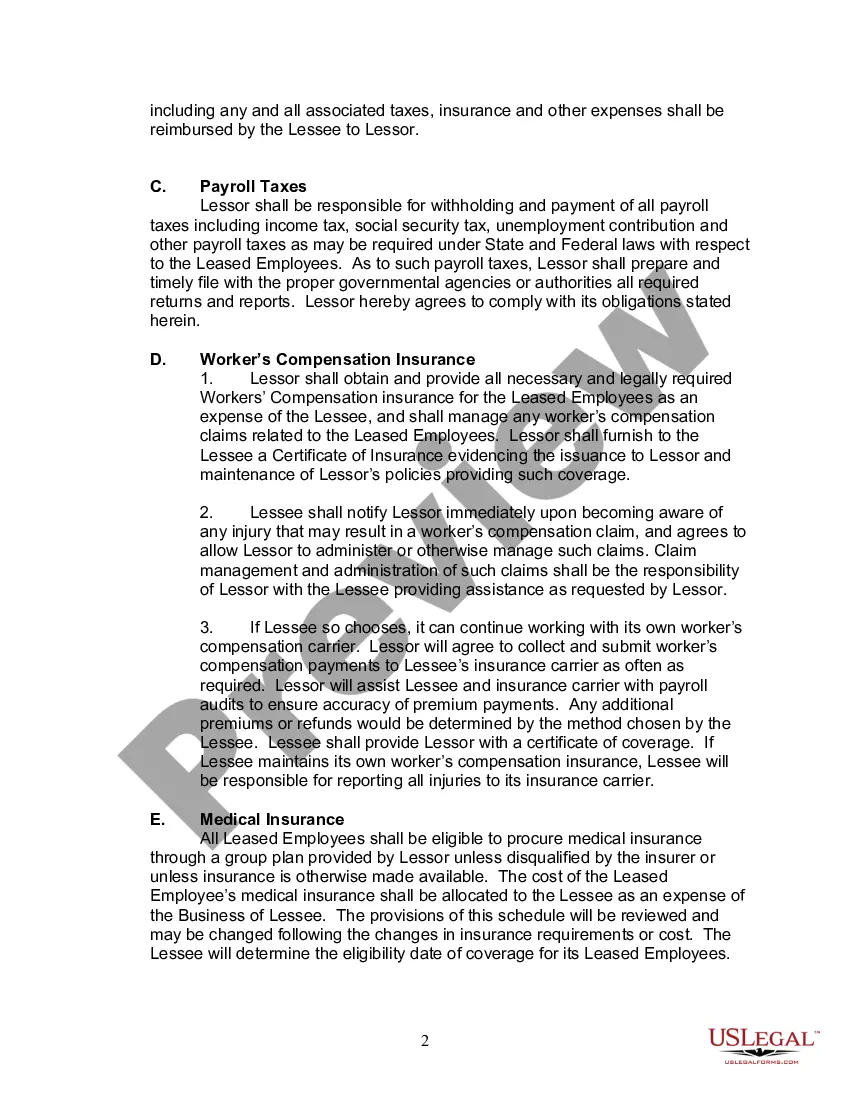
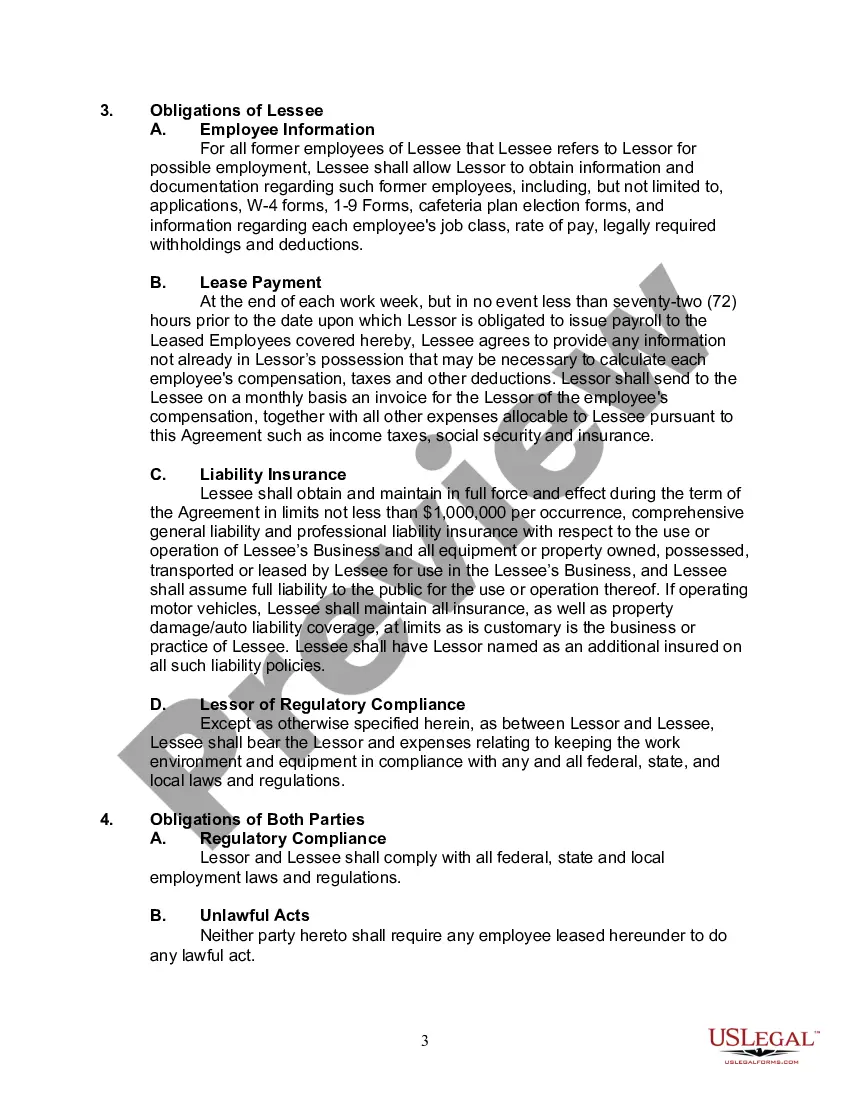
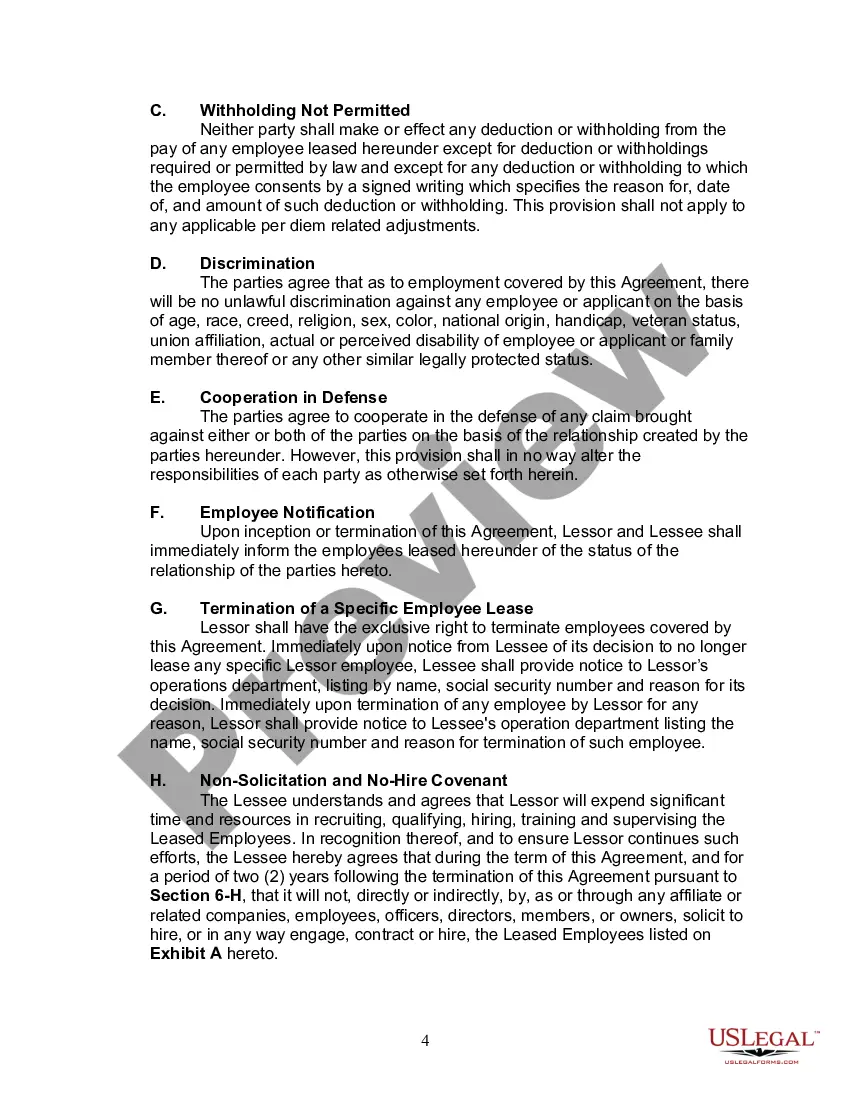
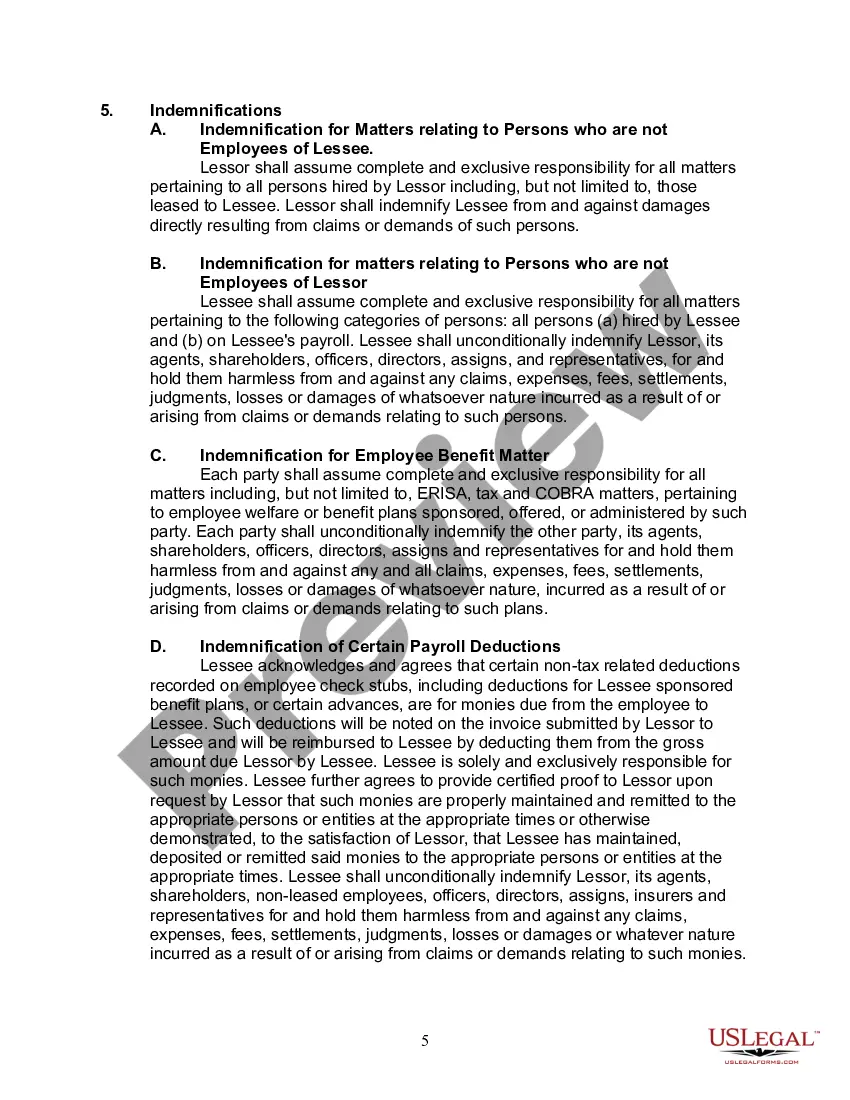
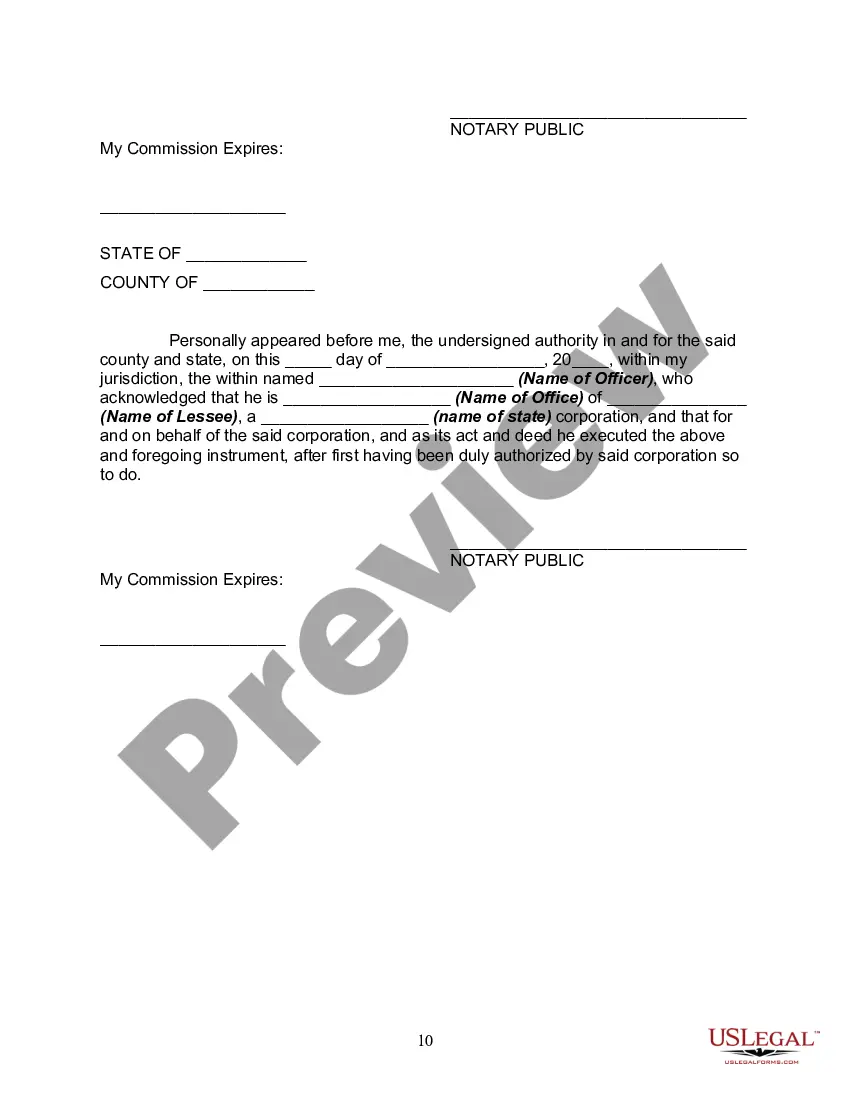
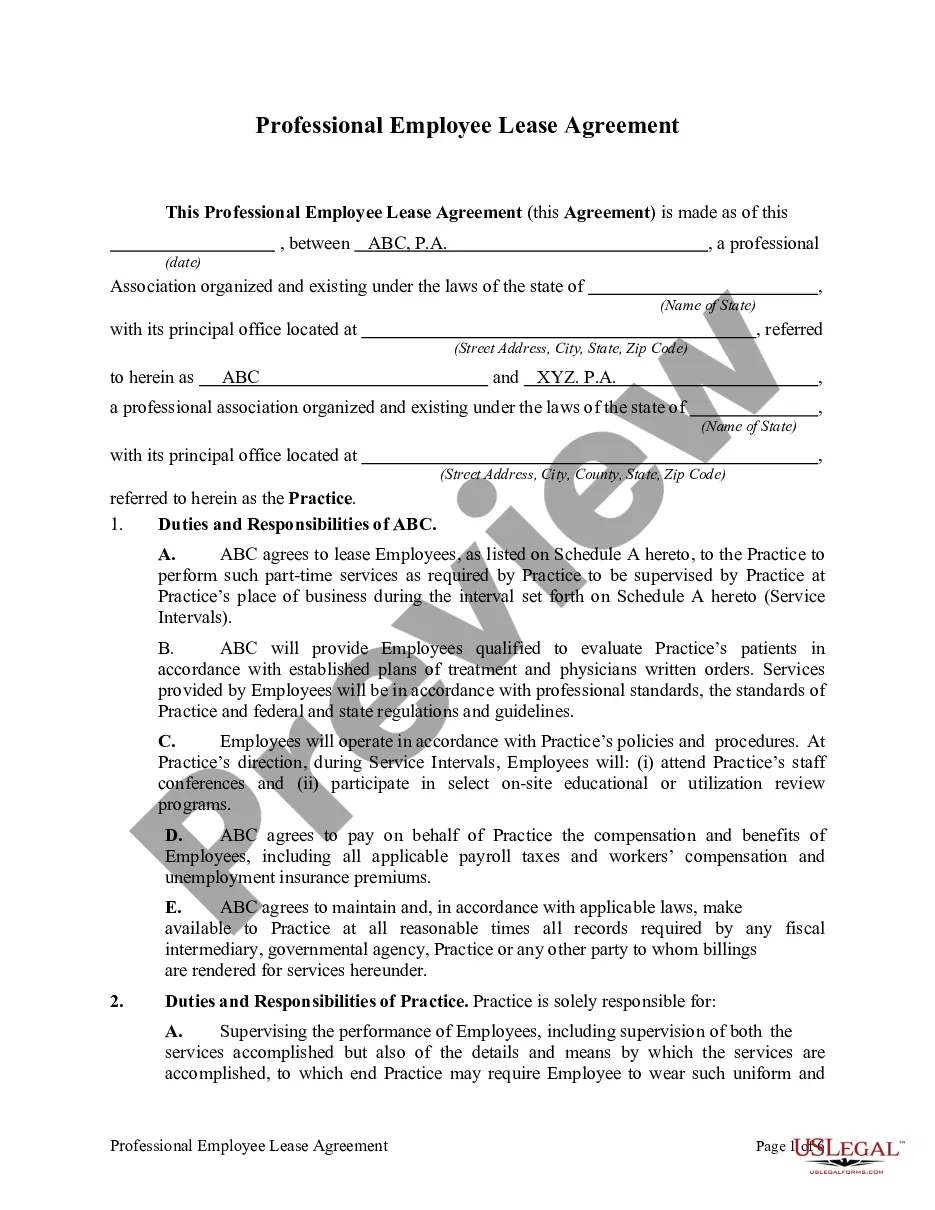
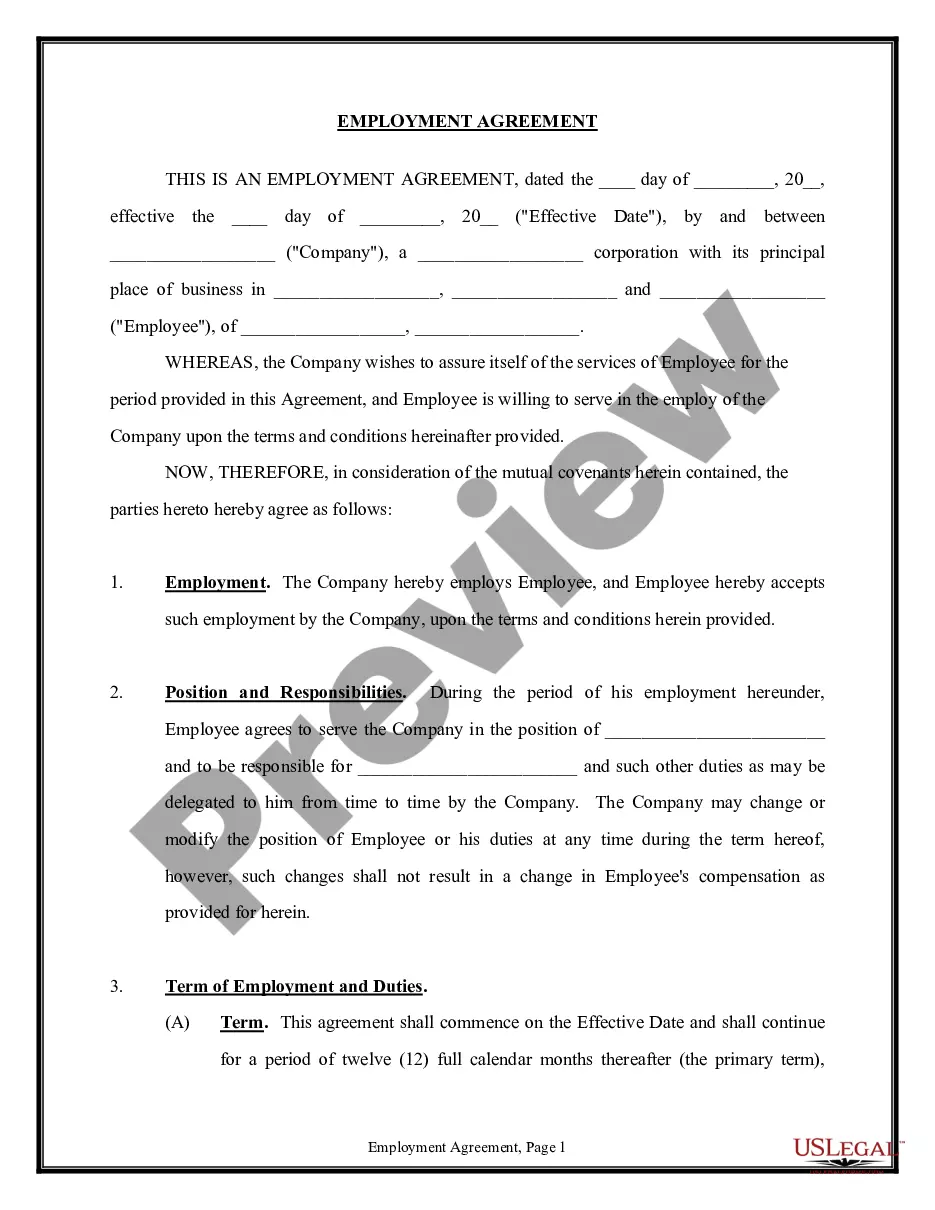
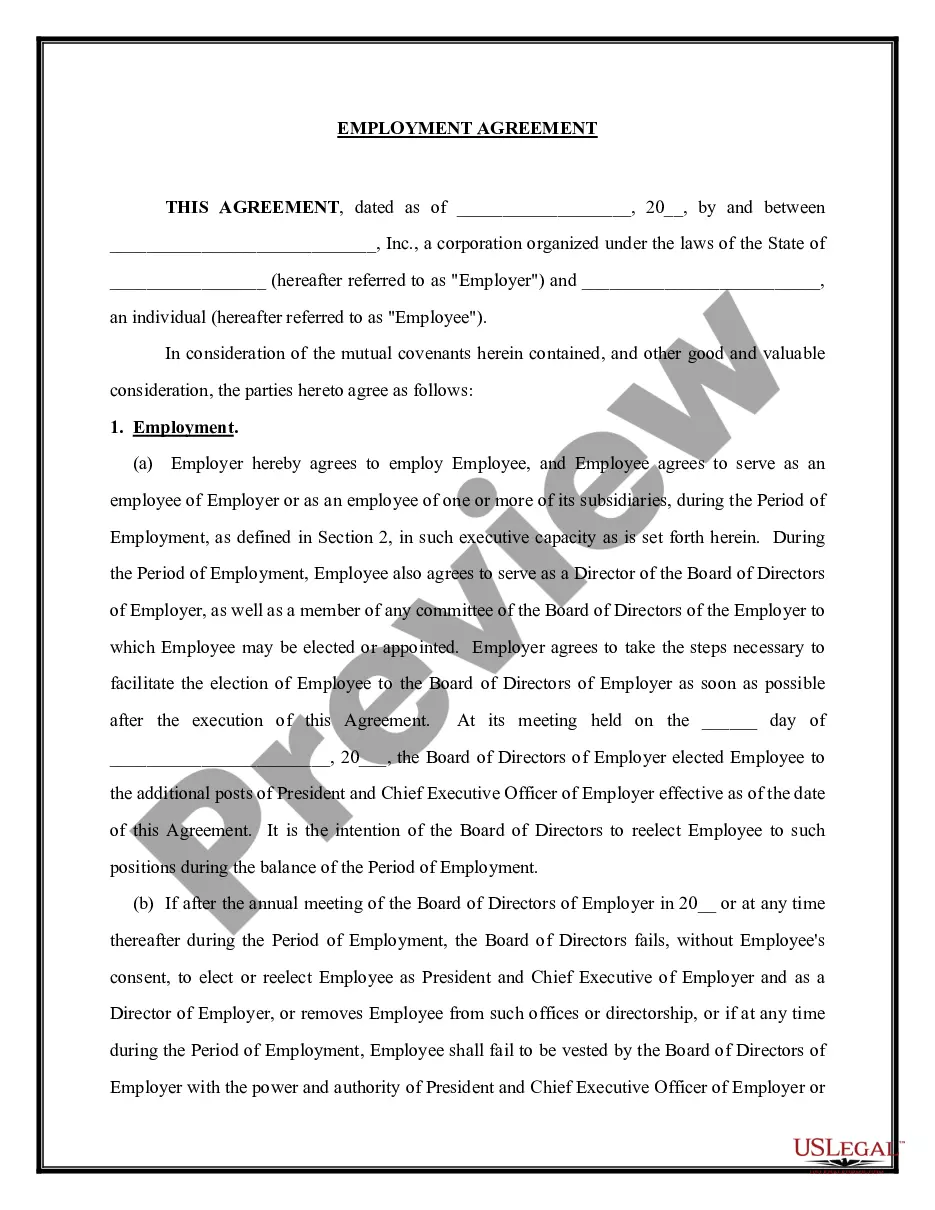
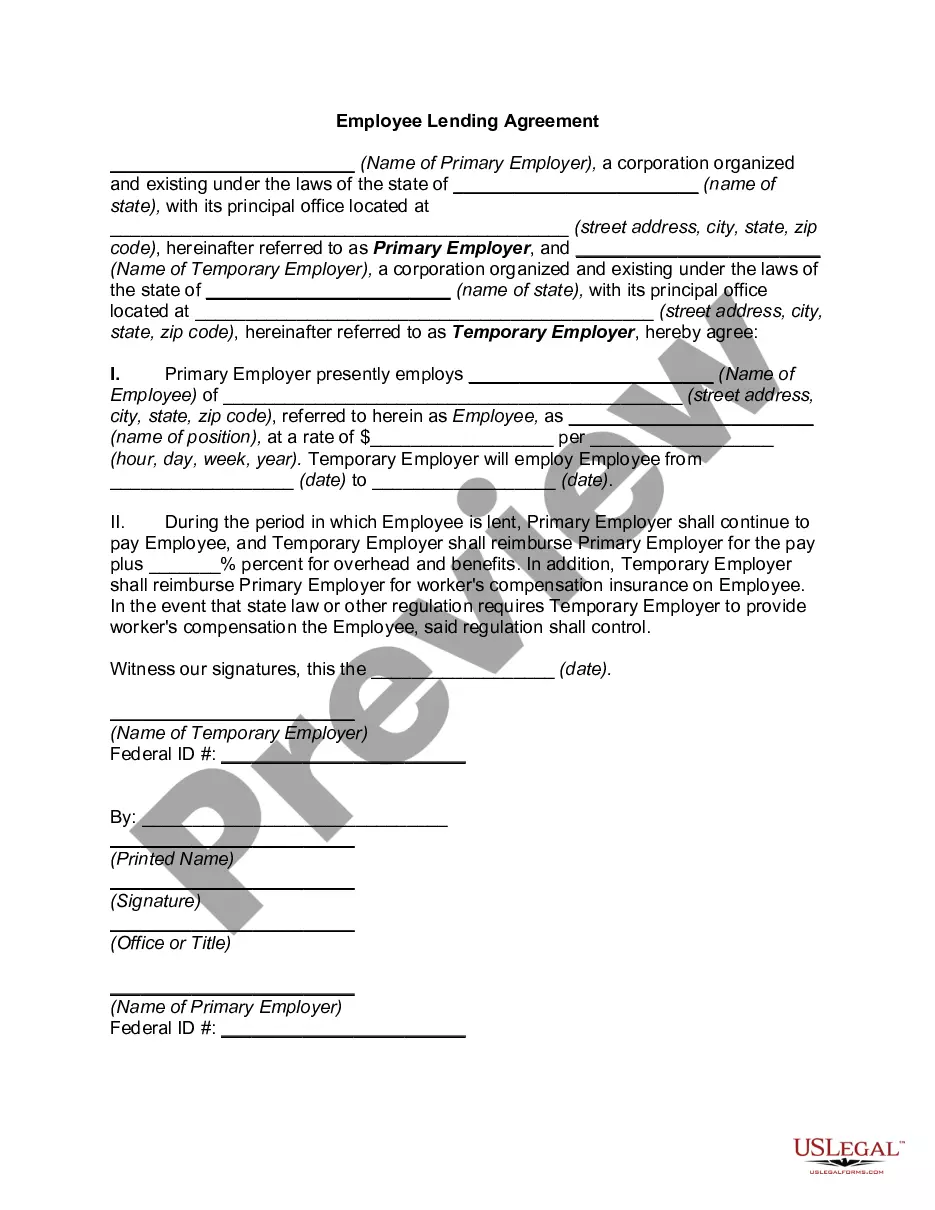
Get your form ready online
Our built-in tools help you complete, sign, share, and store your documents in one place.
Make edits, fill in missing information, and update formatting in US Legal Forms—just like you would in MS Word.
Download a copy, print it, send it by email, or mail it via USPS—whatever works best for your next step.
Sign and collect signatures with our SignNow integration. Send to multiple recipients, set reminders, and more. Go Premium to unlock E-Sign.
If this form requires notarization, complete it online through a secure video call—no need to meet a notary in person or wait for an appointment.
We protect your documents and personal data by following strict security and privacy standards.

Make edits, fill in missing information, and update formatting in US Legal Forms—just like you would in MS Word.

Download a copy, print it, send it by email, or mail it via USPS—whatever works best for your next step.

Sign and collect signatures with our SignNow integration. Send to multiple recipients, set reminders, and more. Go Premium to unlock E-Sign.

If this form requires notarization, complete it online through a secure video call—no need to meet a notary in person or wait for an appointment.

We protect your documents and personal data by following strict security and privacy standards.
Looking for another form?



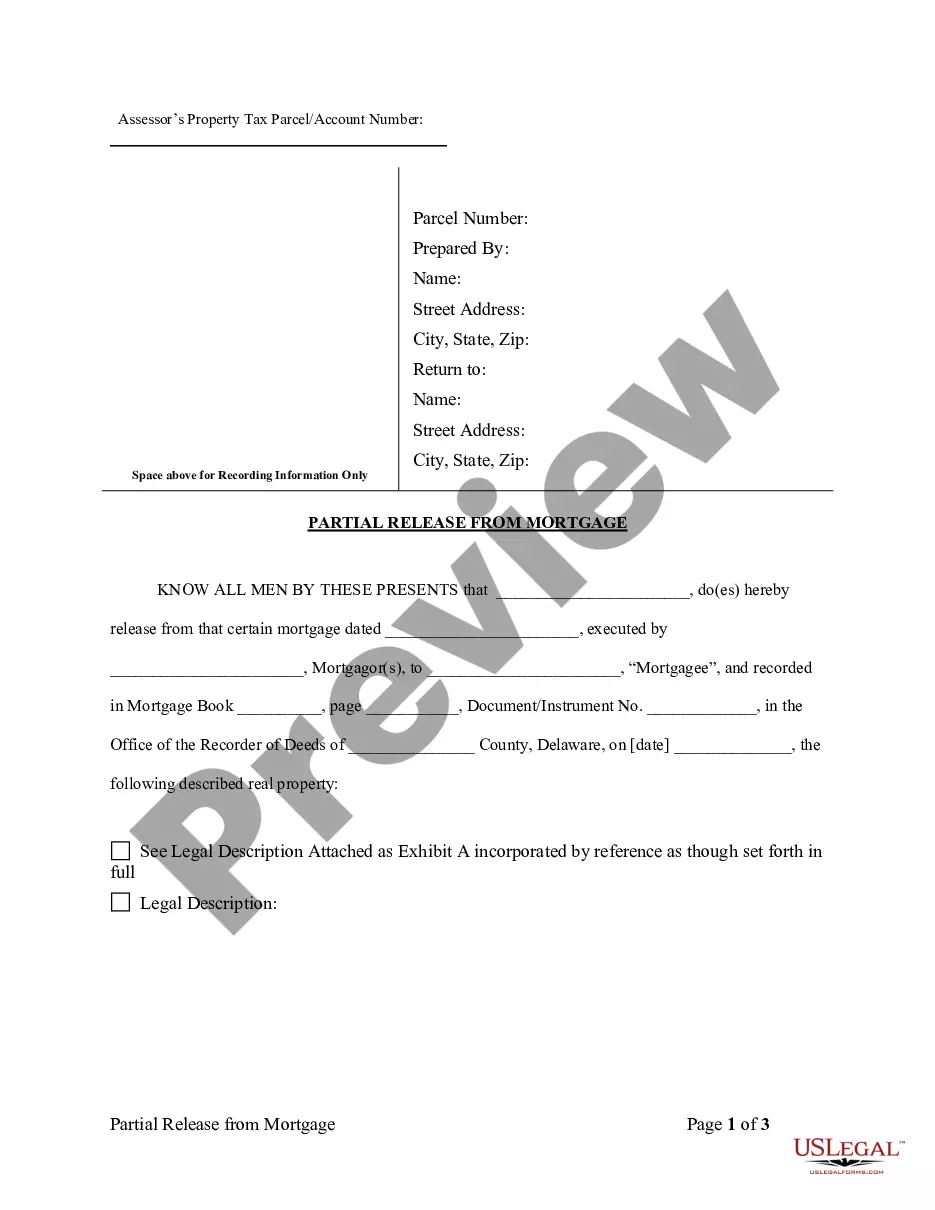






Form popularity
FAQ
If the landlord agrees to add someone's name to a lease, it can be considered a “vacancy lease” even though no one is moving in or out and could result in a possible risk of losing any “preferential rent” agreement with the landlord. Tenants may wish to consult an experienced tenant lawyer before signing a new lease.
Texas Laws Regarding Rent Increase, Notices, and Fees Texas is unique in that landlords do not need to provide notice before raising the rent. However, it is typical in the state to give at least 30 days before increasing the rental rate on month-to-month or yearly leases.
To increase the rent, all you would need to do is provide your renter 30 days' notice in writing.
What a rent increase notice should include The date of the notice. Name and address of the property manager or landlord. Name and address of the tenant. Last day of the current lease. Amount of the increase. Date the increase goes into effect. Timeframe for tenant to accept increase or reject lease renewal.
In general, things to include in a lease addendum might be: Your name. The rental property address. The tenant's name. Relevant policy/information (that complies with your state/municipal's rental laws) Consequences for breaking any contract agreements. Space to sign & date for landlord. Space to sign & date for tenant.
Texas is unique in that landlords do not need to provide notice before raising the rent. However, it is typical in the state to give at least 30 days before increasing the rental rate on month-to-month or yearly leases.
What to include in a rent increase letter Date of the rent increase letter. Name and information of the tenant and landlord. Property address and unit number (if applicable). Reference to the expiration date of the existing lease. Current rent amount. Amount of rent increase. Date the rent increase will go into effect.
Rent Increases There is not a statewide law that places limits on how much a landlord can increase the rent when a lease is renewed. In fact, Texas law only allows cities to establish local rent control ordinances in certain cases.
Draft the amendment: The landlord should draft and review the lease amendment agreement. Verify that the changes comply with state and local laws. Also, check that there are no conflicts with the original lease agreement. Sign the amendment: Both the landlord and tenant should sign the new lease amendment.