Alternative To Lease Agreement In Florida
Description

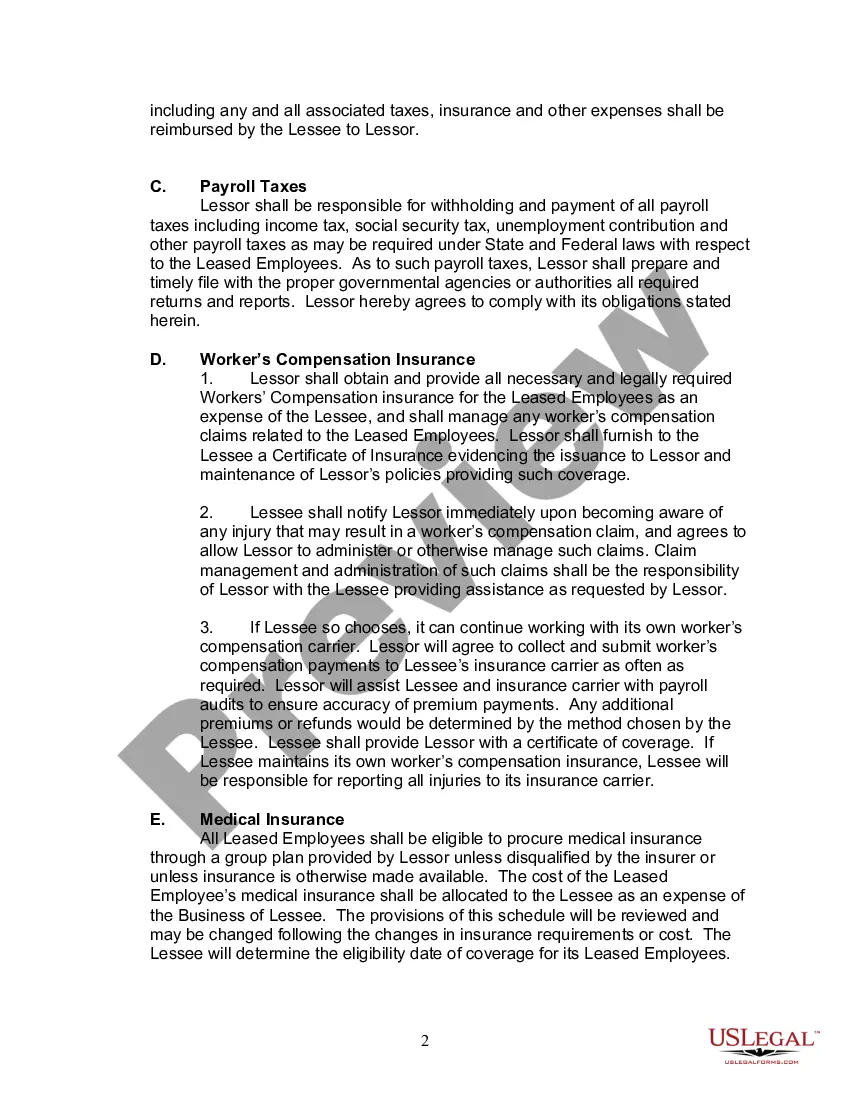
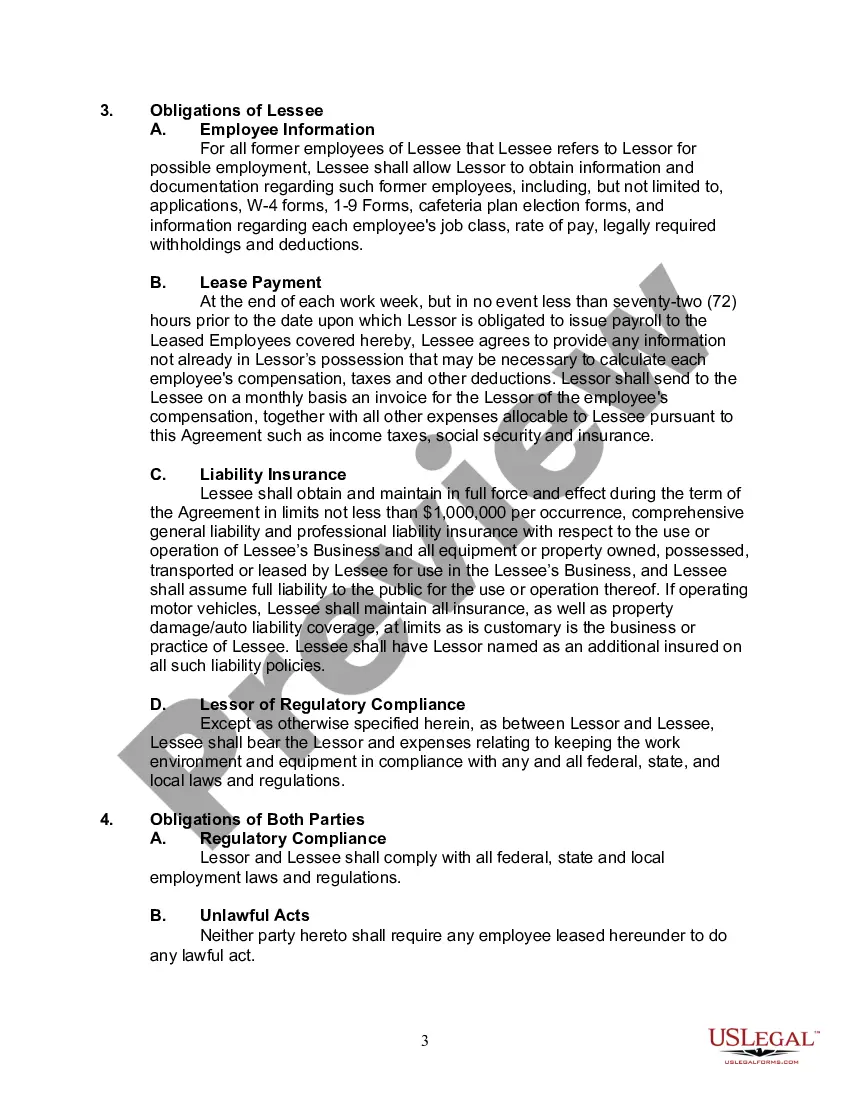
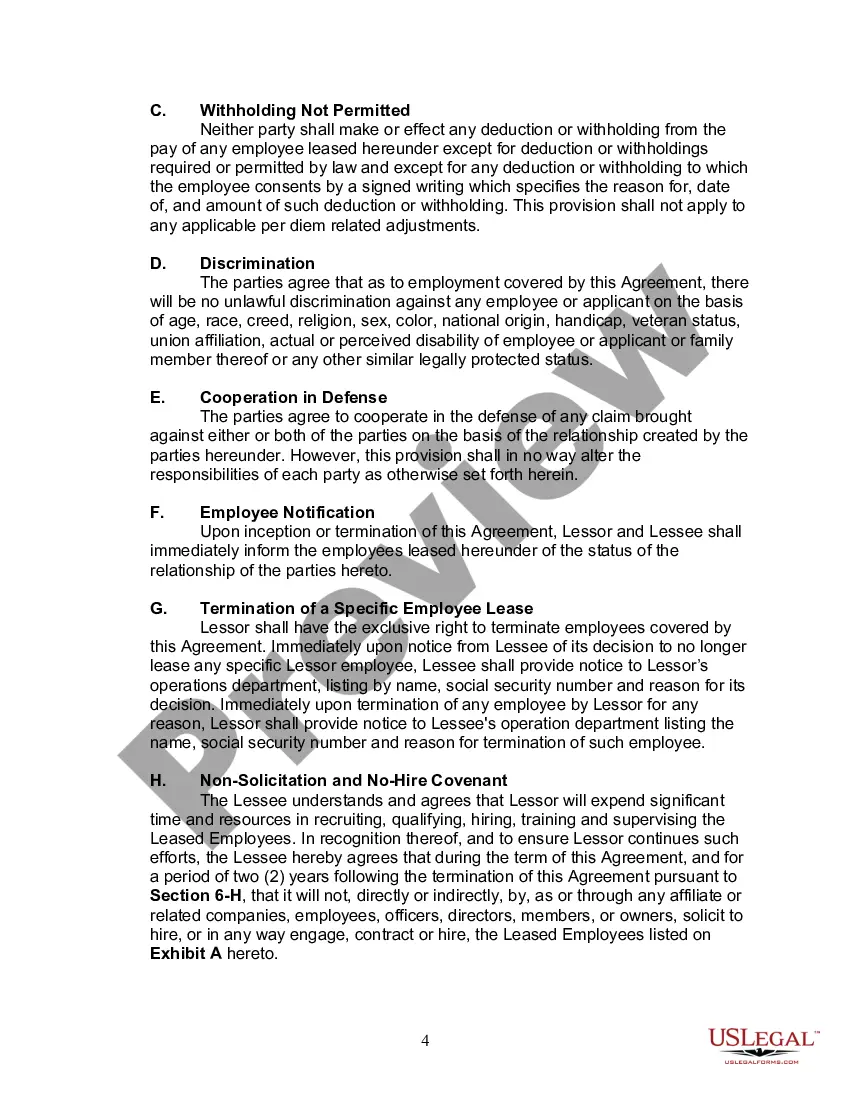
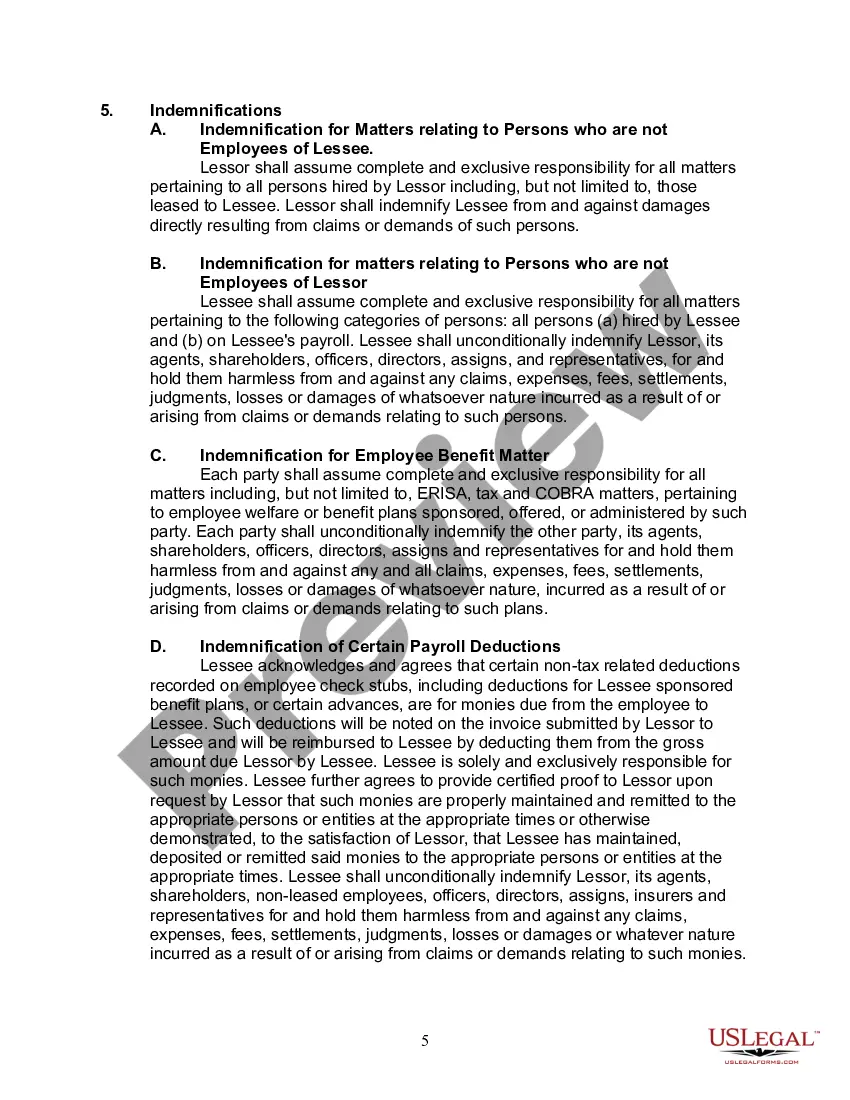
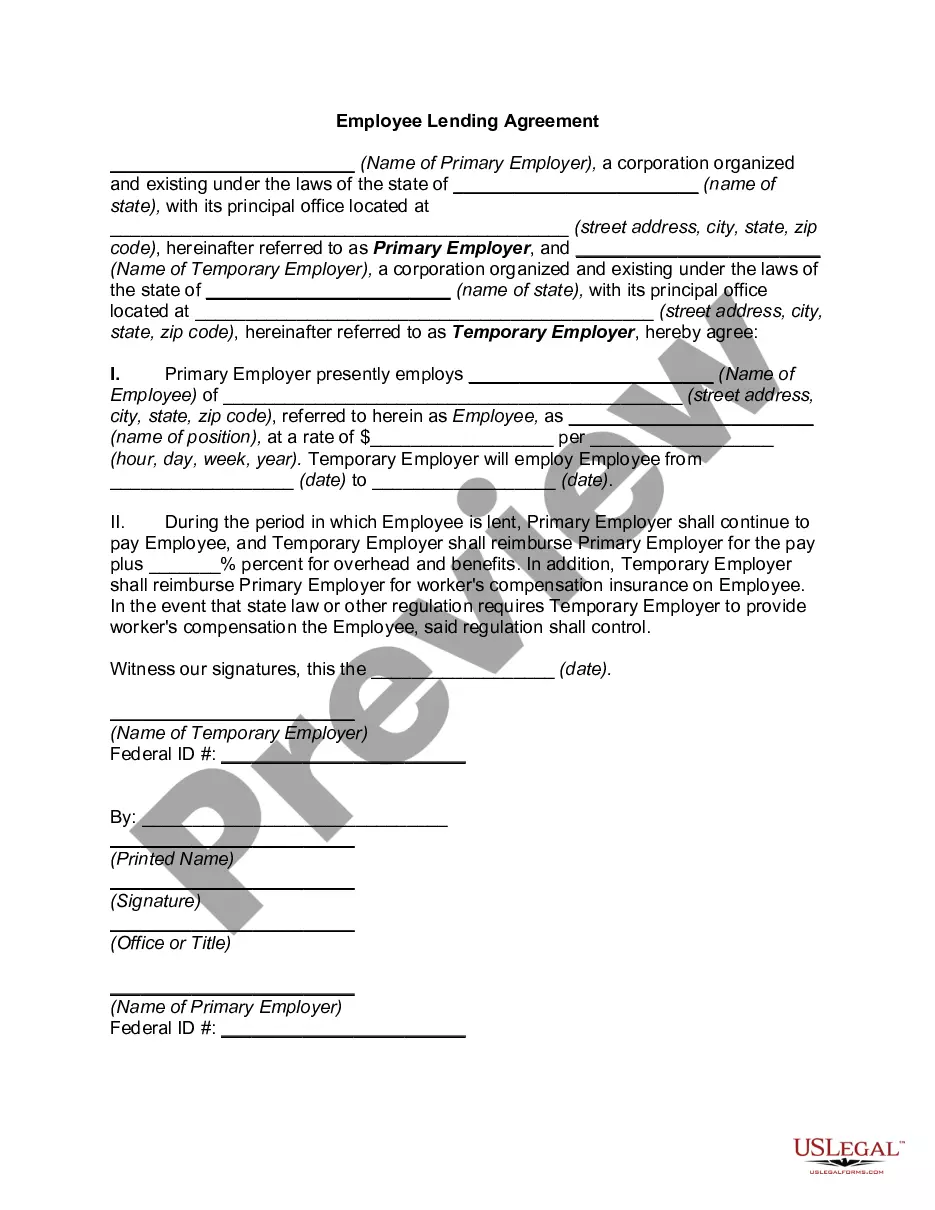
Get your form ready online
Our built-in tools help you complete, sign, share, and store your documents in one place.
Make edits, fill in missing information, and update formatting in US Legal Forms—just like you would in MS Word.
Download a copy, print it, send it by email, or mail it via USPS—whatever works best for your next step.
Sign and collect signatures with our SignNow integration. Send to multiple recipients, set reminders, and more. Go Premium to unlock E-Sign.
If this form requires notarization, complete it online through a secure video call—no need to meet a notary in person or wait for an appointment.
We protect your documents and personal data by following strict security and privacy standards.

Make edits, fill in missing information, and update formatting in US Legal Forms—just like you would in MS Word.

Download a copy, print it, send it by email, or mail it via USPS—whatever works best for your next step.

Sign and collect signatures with our SignNow integration. Send to multiple recipients, set reminders, and more. Go Premium to unlock E-Sign.

If this form requires notarization, complete it online through a secure video call—no need to meet a notary in person or wait for an appointment.

We protect your documents and personal data by following strict security and privacy standards.
Looking for another form?
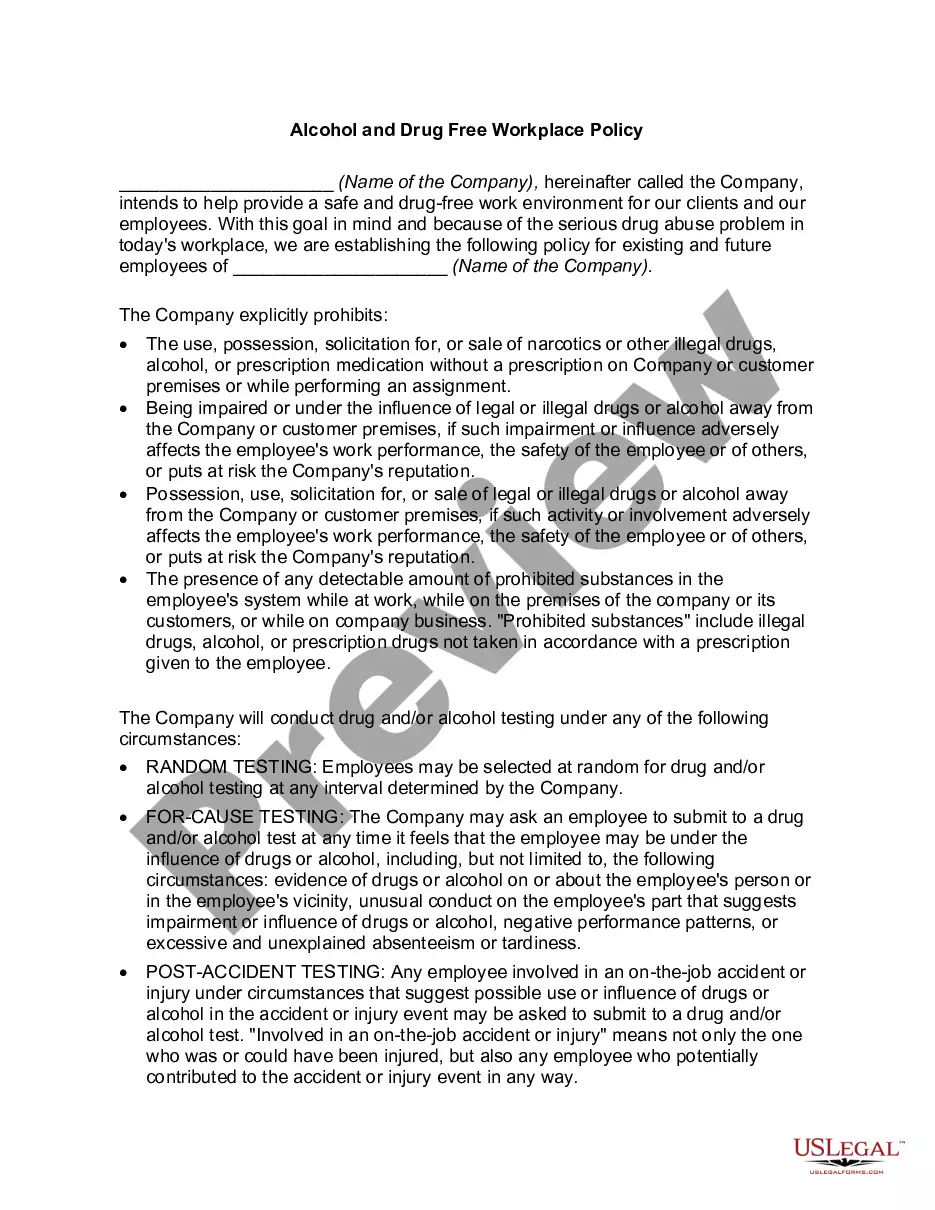
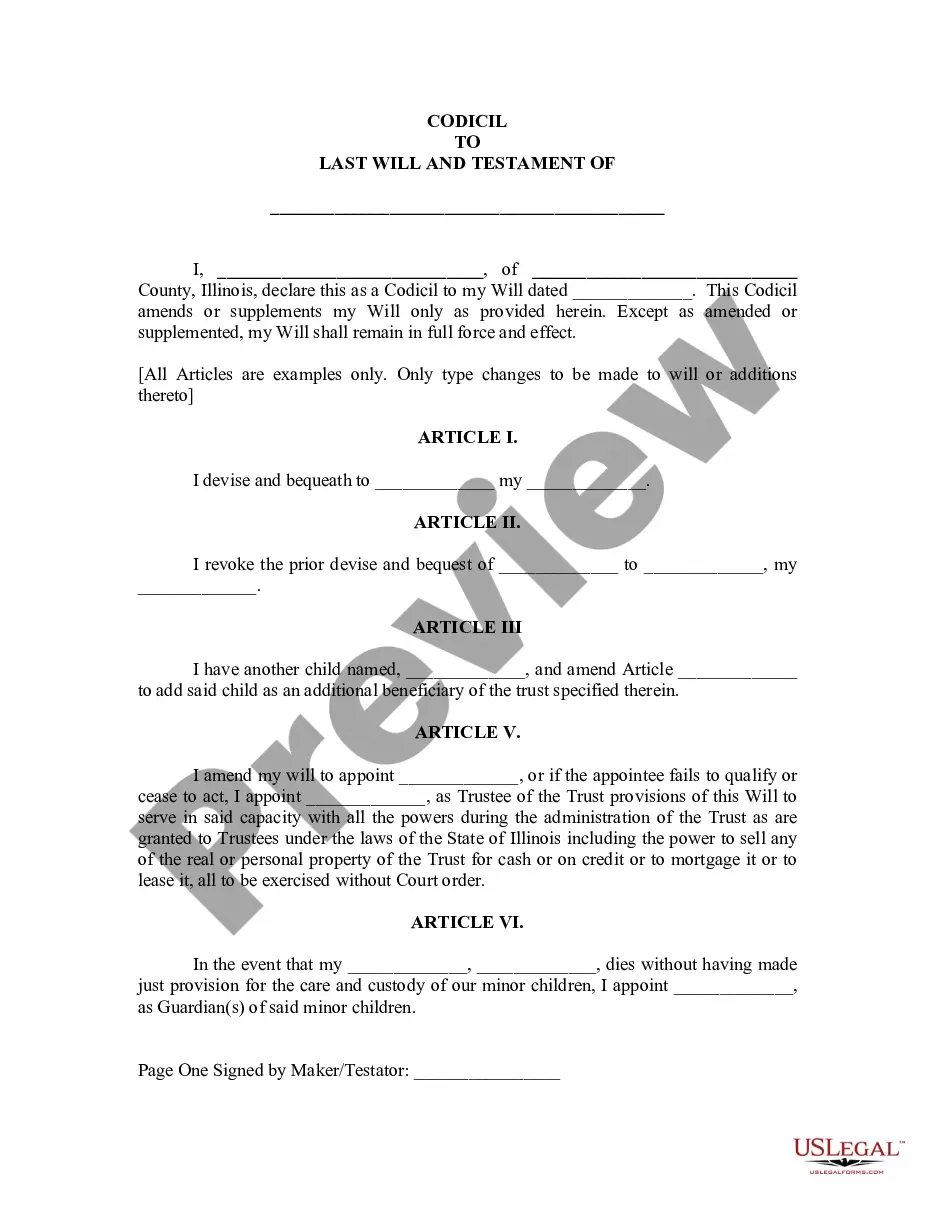
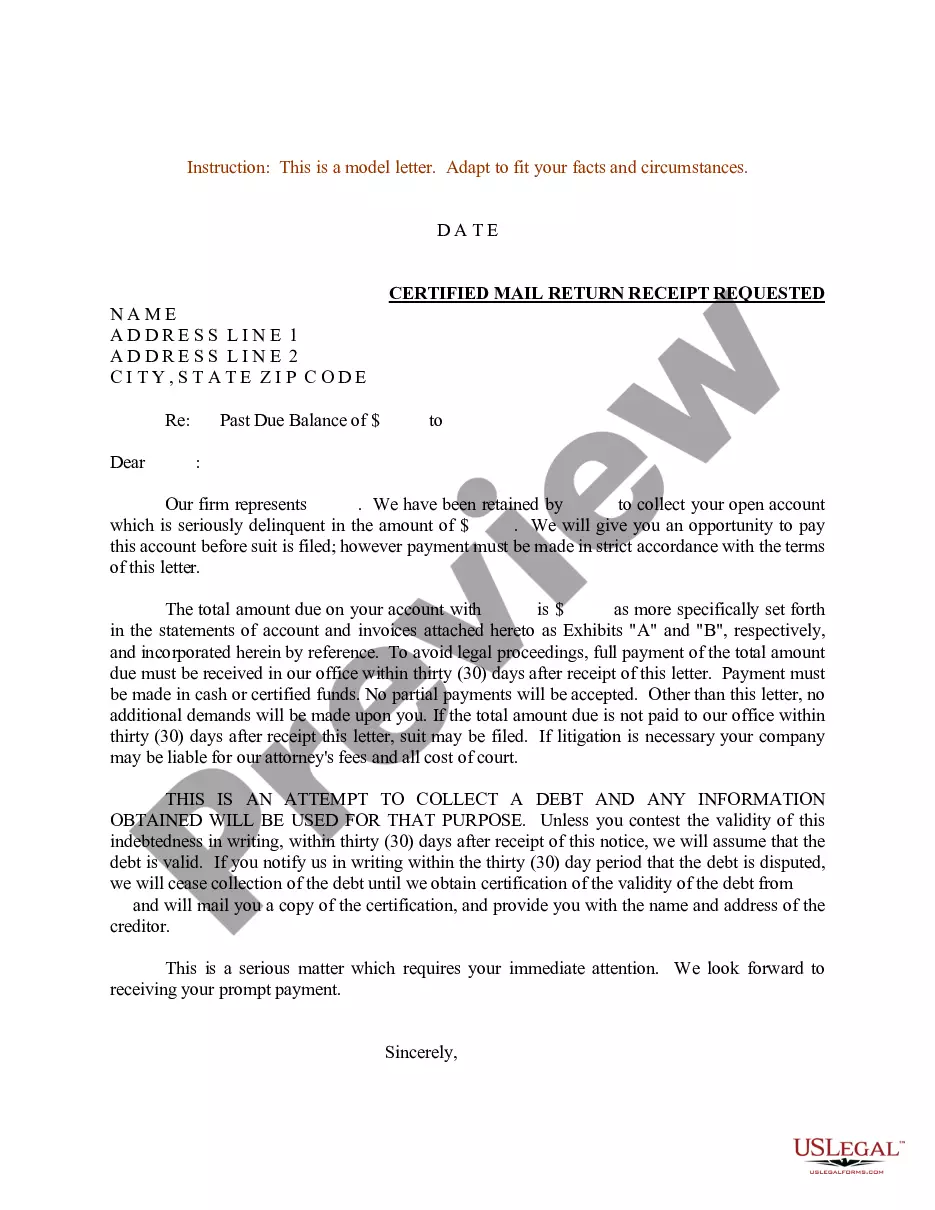


Form popularity
FAQ
Can Someone Live With You Without Being On The Lease? Not everyone living in an apartment must be on the lease. Legal tenants, typically those over 18, must sign. Minors are listed as occupants and do not sign.
In Florida's vibrant real estate market, lease agreements play a pivotal role in shaping landlord-tenant relationships. These legally binding documents are more than mere formalities; they are the bedrock of successful property rentals, offering clarity and protection to all parties involved.
Florida: Guests become tenants when they stay for over 14 days within six months, or seven nights in a row.
A tenant that has permission from a landlord to occupy a property without a formal lease is considered a “tenant-at-will.” Tenancy-at-will is governed by state law and may also be called a month-to-month lease.
Starting July 1, 2023, landlords in Florida can offer monthly fees to renters instead of security deposits, as outlined in HB 133. It's important to note that landlords are not obligated to provide this alternative, and renters can choose between paying the monthly fees or opting for a traditional deposit.
Given the stakes, it's common for property owners to consider whether they can draft this document themselves. While it is legally possible to write your own commercial lease agreement in Florida, doing so involves careful consideration of legal, business, and practical factors.
California: Guests become tenants when they stay for over 14 days within six months, or seven nights in a row. Colorado: Guests become tenants after staying for over 14 days within six months. Connecticut: Guests become tenants after staying for over 14 days within six months.
Starting July 1, 2023, landlords in Florida can offer monthly fees to renters instead of security deposits, as outlined in HB 133. It's important to note that landlords are not obligated to provide this alternative, and renters can choose between paying the monthly fees or opting for a traditional deposit.
Notarization: Unlike some legal documents, residential leases in Florida do not typically need to be notarized. The critical aspect is that both parties have agreed to the terms and have demonstrated this agreement by signing the lease.
It is possible to draft your own lease agreement, but you are leaving yourself open to issues.
