Alternative To Lease Agreement In Cuyahoga
Description

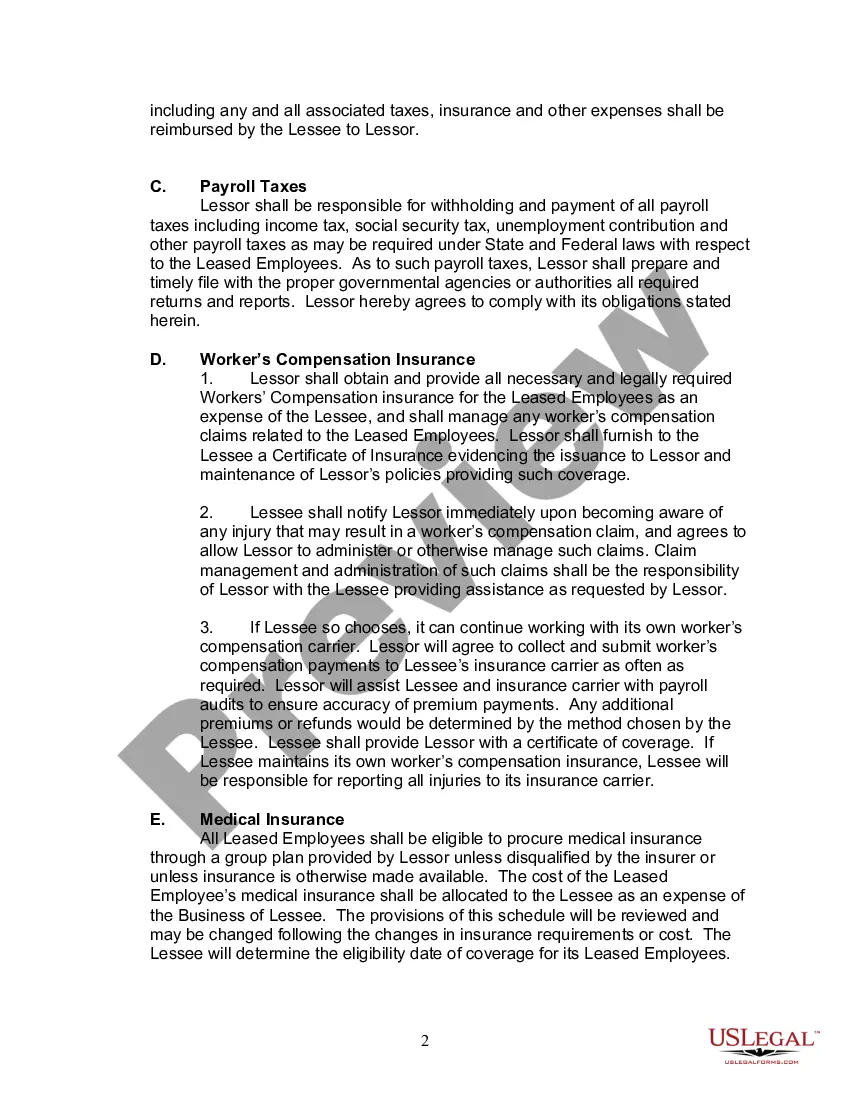
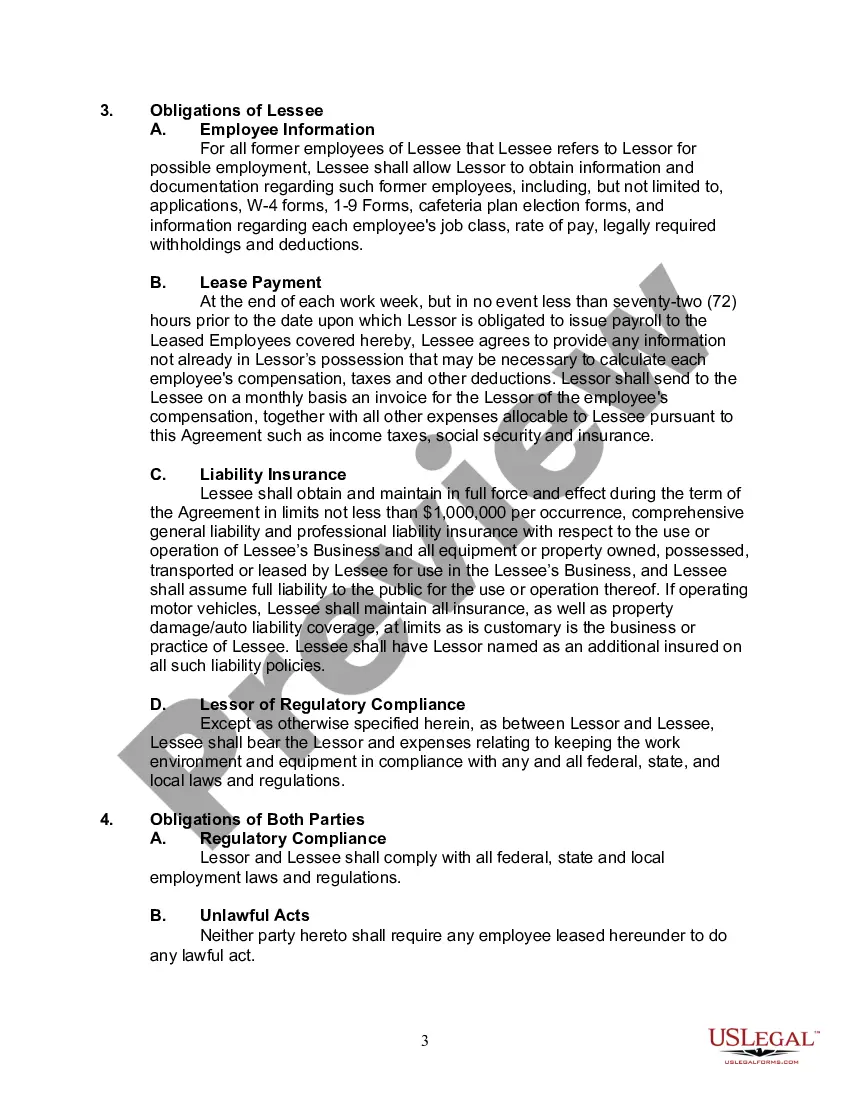
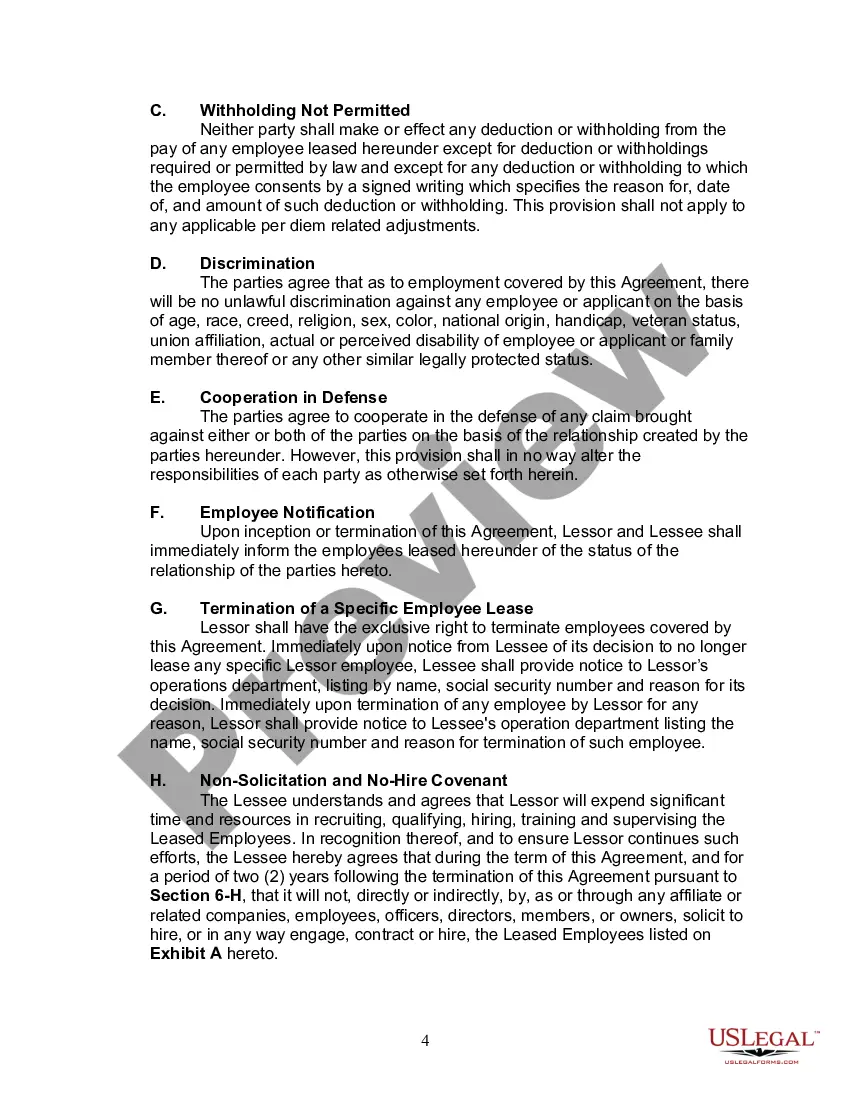
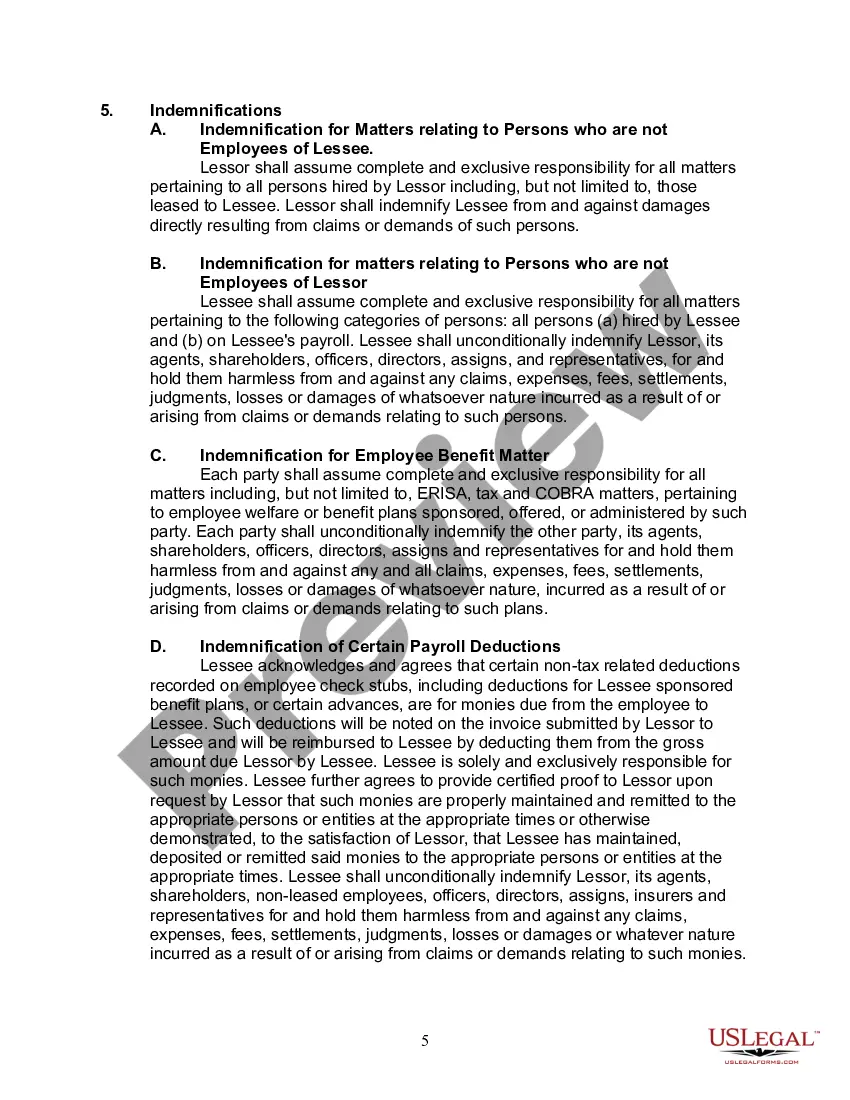
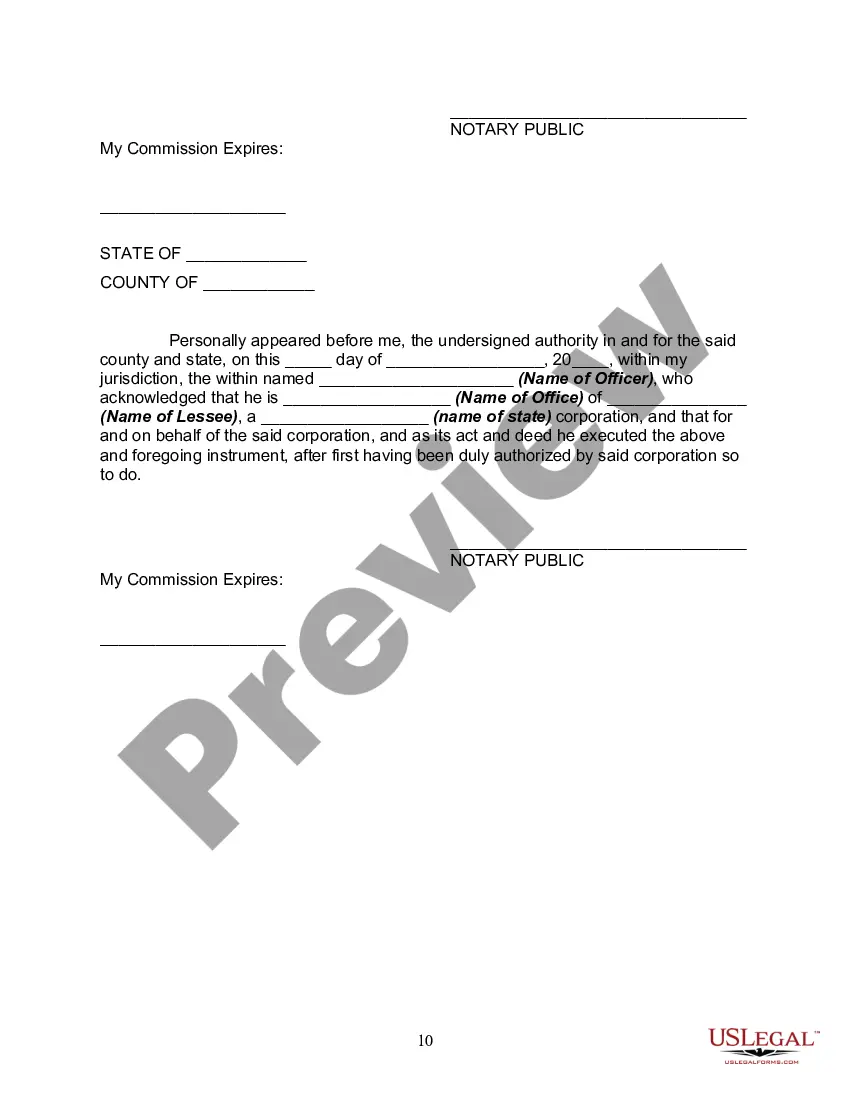
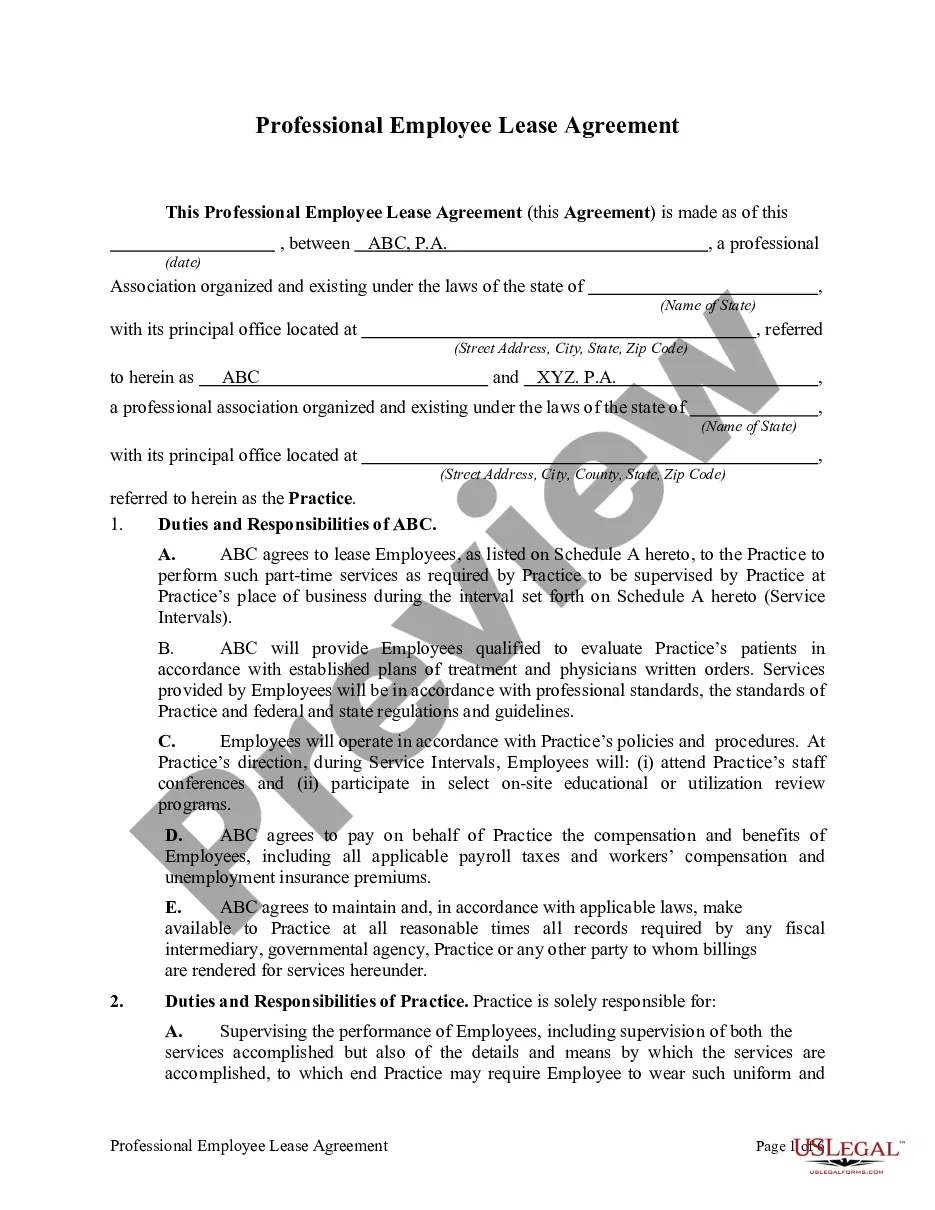
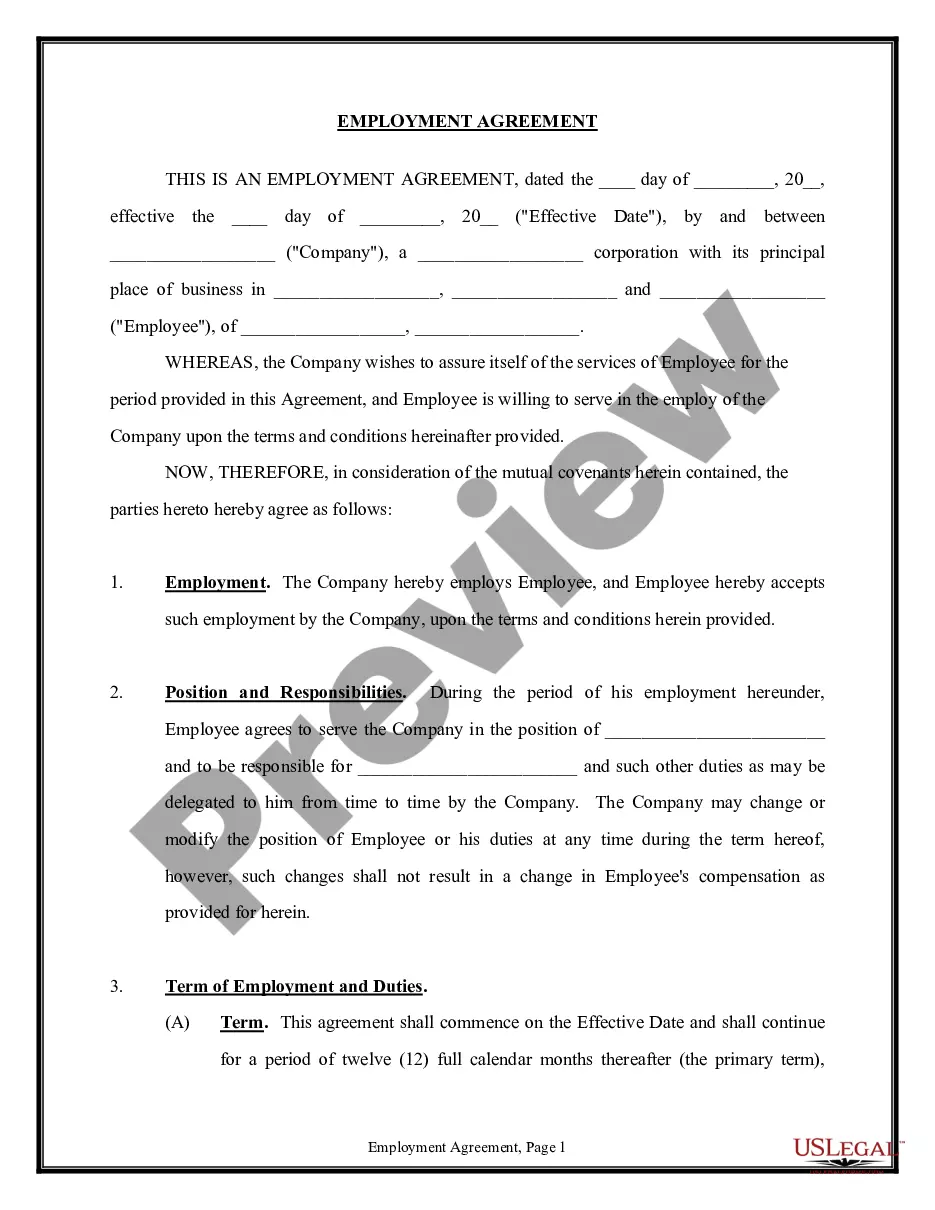
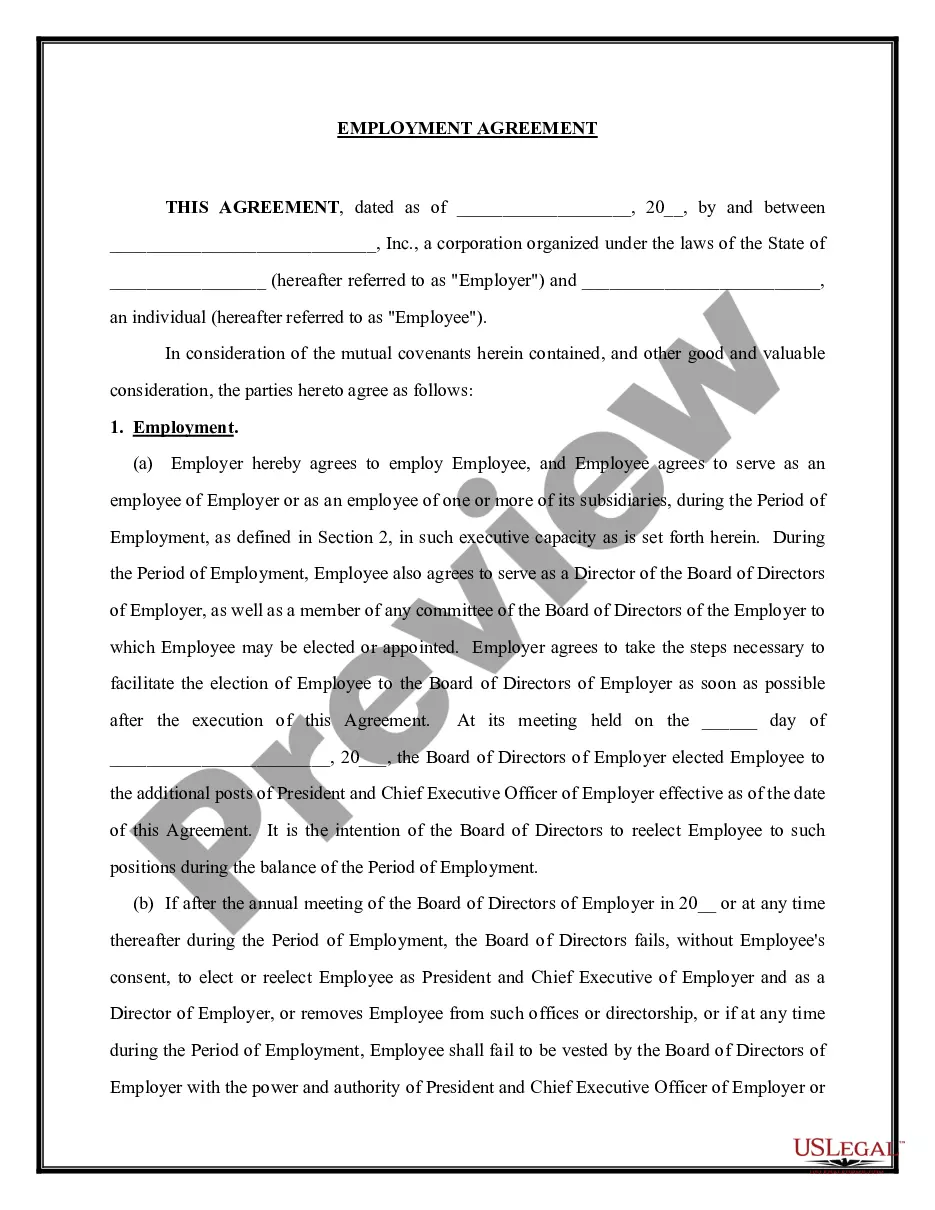
Get your form ready online
Our built-in tools help you complete, sign, share, and store your documents in one place.
Make edits, fill in missing information, and update formatting in US Legal Forms—just like you would in MS Word.
Download a copy, print it, send it by email, or mail it via USPS—whatever works best for your next step.
Sign and collect signatures with our SignNow integration. Send to multiple recipients, set reminders, and more. Go Premium to unlock E-Sign.
If this form requires notarization, complete it online through a secure video call—no need to meet a notary in person or wait for an appointment.
We protect your documents and personal data by following strict security and privacy standards.

Make edits, fill in missing information, and update formatting in US Legal Forms—just like you would in MS Word.

Download a copy, print it, send it by email, or mail it via USPS—whatever works best for your next step.

Sign and collect signatures with our SignNow integration. Send to multiple recipients, set reminders, and more. Go Premium to unlock E-Sign.

If this form requires notarization, complete it online through a secure video call—no need to meet a notary in person or wait for an appointment.

We protect your documents and personal data by following strict security and privacy standards.
Looking for another form?




Form popularity
FAQ
Are tenants in Ohio still protected if they don't have a lease? Yes, tenants without a lease still have rights under Ohio law, including the right to proper notice and due process during eviction. Landlords must follow legal eviction procedures to avoid violating these tenant protections.
Yes, you can create your own lease agreement without the assistance of a lawyer or other professional.
California: Guests become tenants when they stay for over 14 days within six months, or seven nights in a row. Colorado: Guests become tenants after staying for over 14 days within six months. Connecticut: Guests become tenants after staying for over 14 days within six months.
Yes, if they have no authority to lease the premises to you then you can sue for breach of contract.
While you can sue a tenant without a lease, there are a few things to consider before you proceed. First, tenants that do not have a written lease may still have significant protection under the law. Second, it can be more difficult to argue and win your case without a written lease to refer to.
I would recommend contacting a local attorney, a firm like mine that can deal with contracts and landlords, explain your situation. They should be able to get a copy of the lease, read the provisions of the lease, and then advise you or your landlord of your rights under the agreement. I hope that helps.
What are the Different Types of Lease Agreements? Fixed-term lease. A fixed-term lease may be the most familiar type of rental agreement. Month-to-month lease. Sublease agreement. Rent-to-own agreement. Contact Henry & Beaver, LLP for experienced real estate lawyers.
