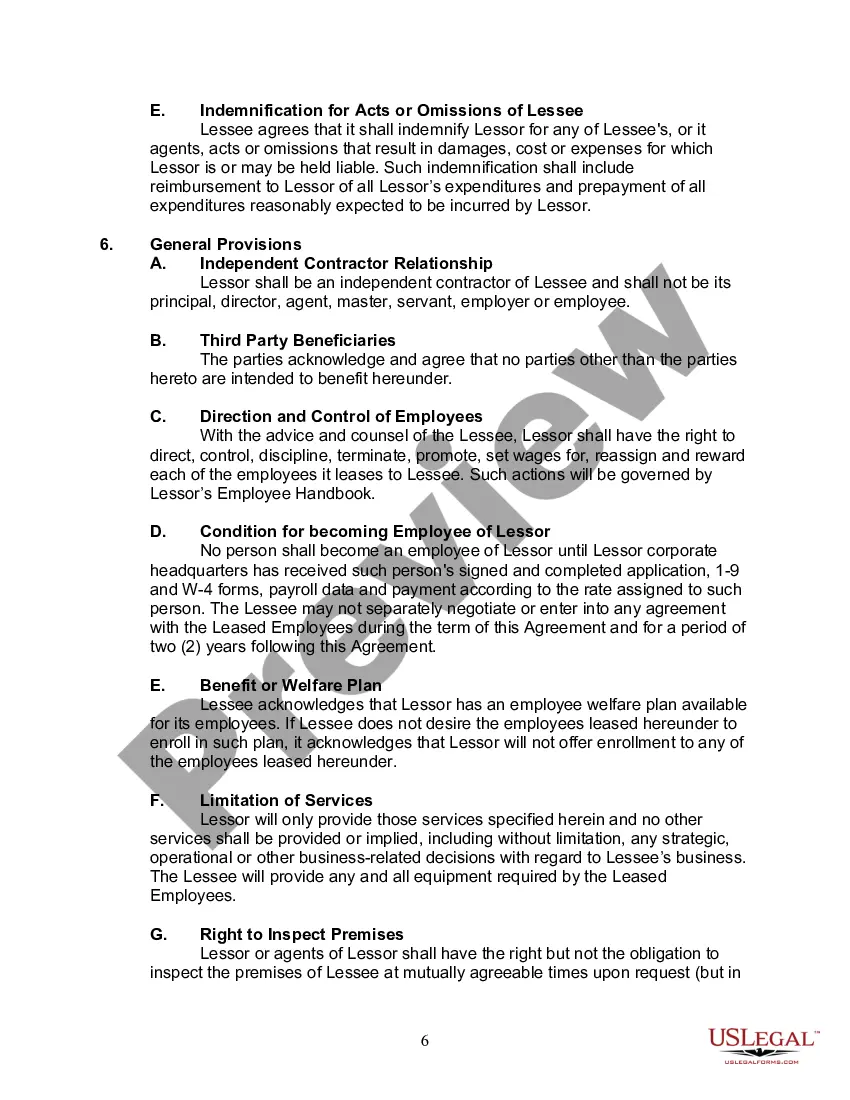
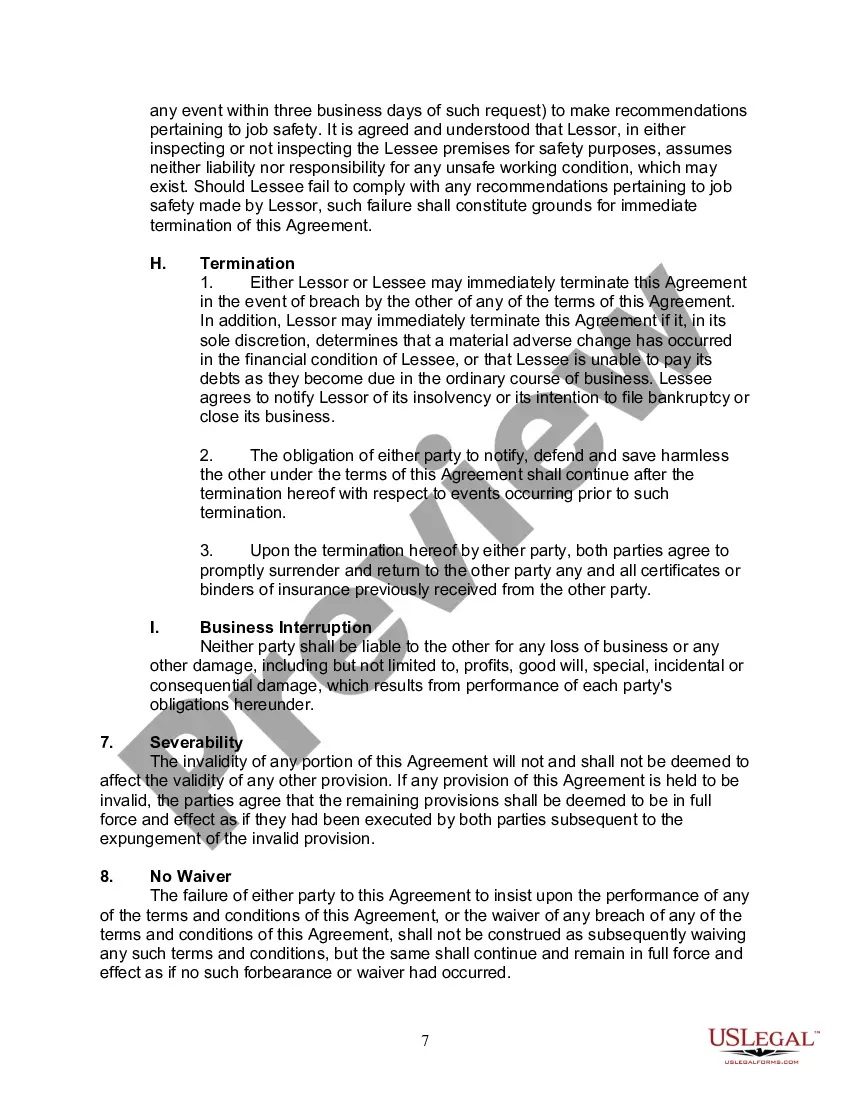
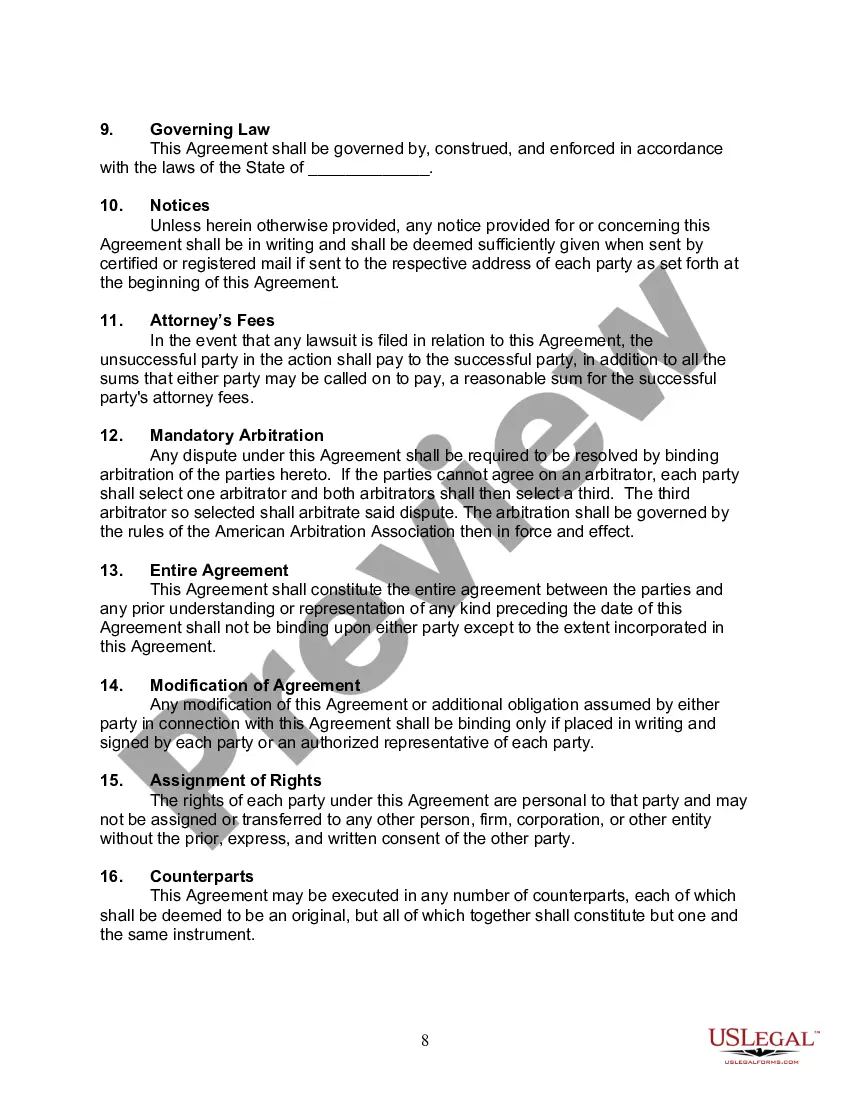
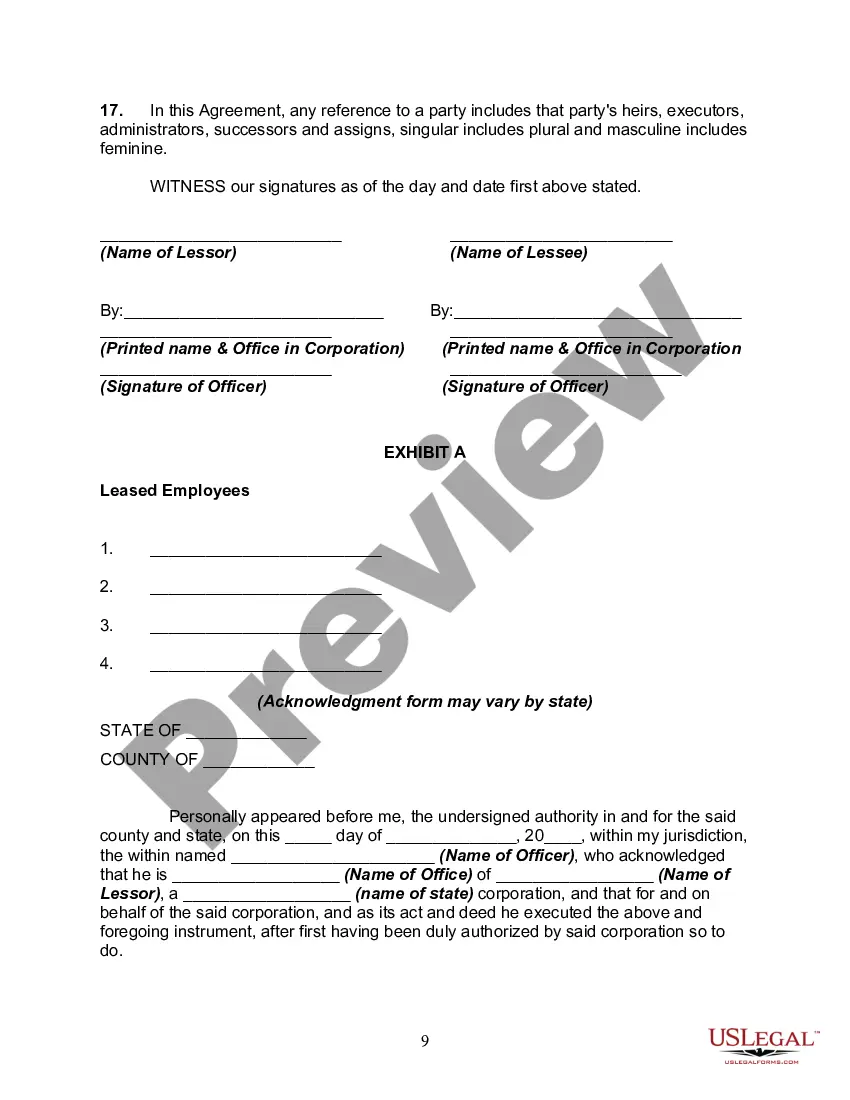
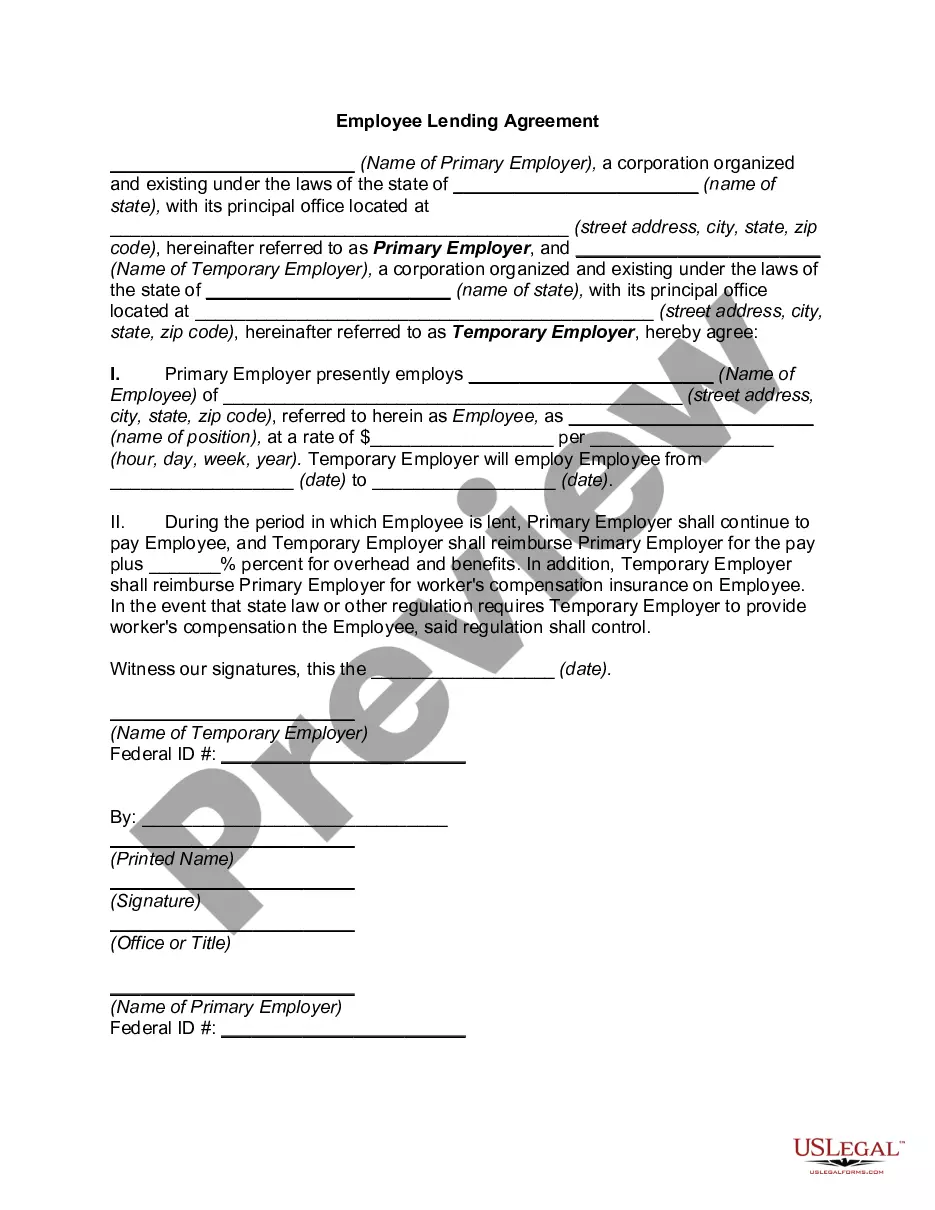
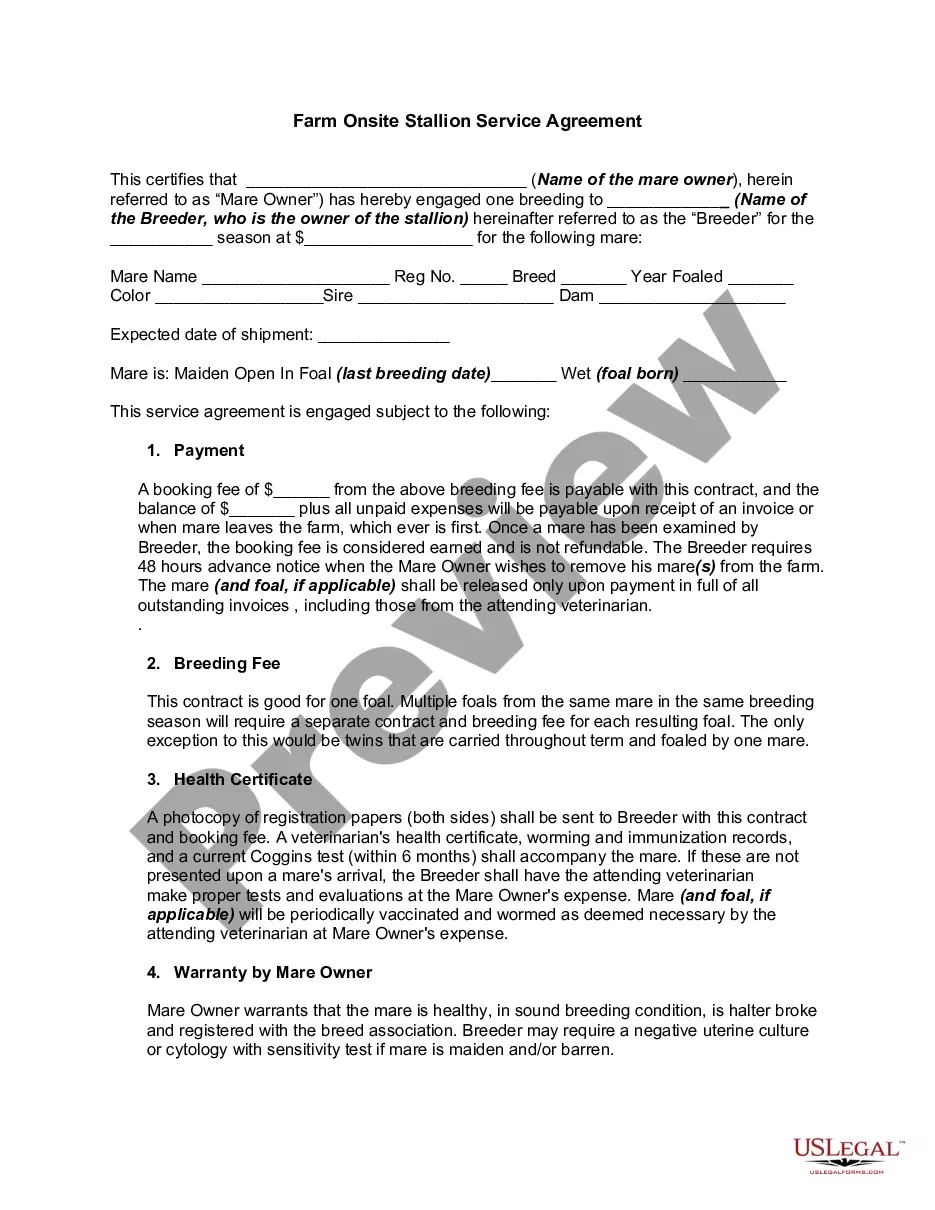
Employee Rental Agreement With Multiple Tenants India In Cook
Description

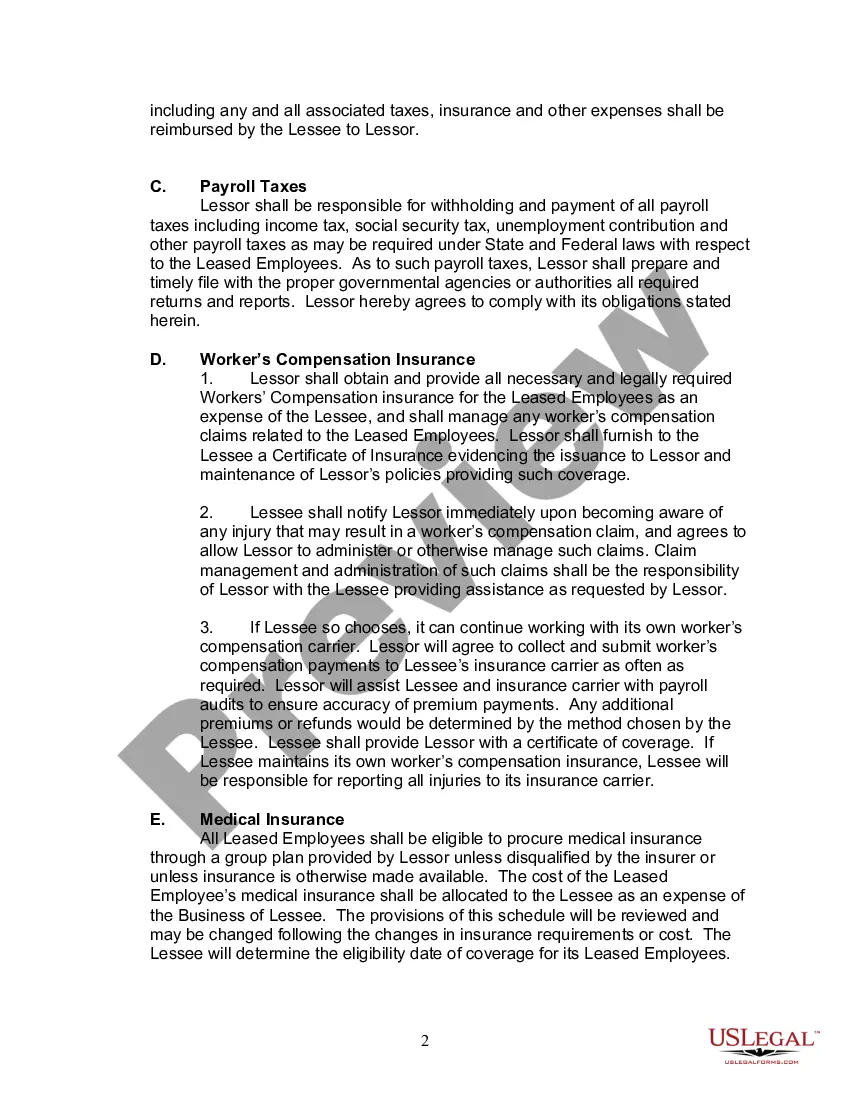
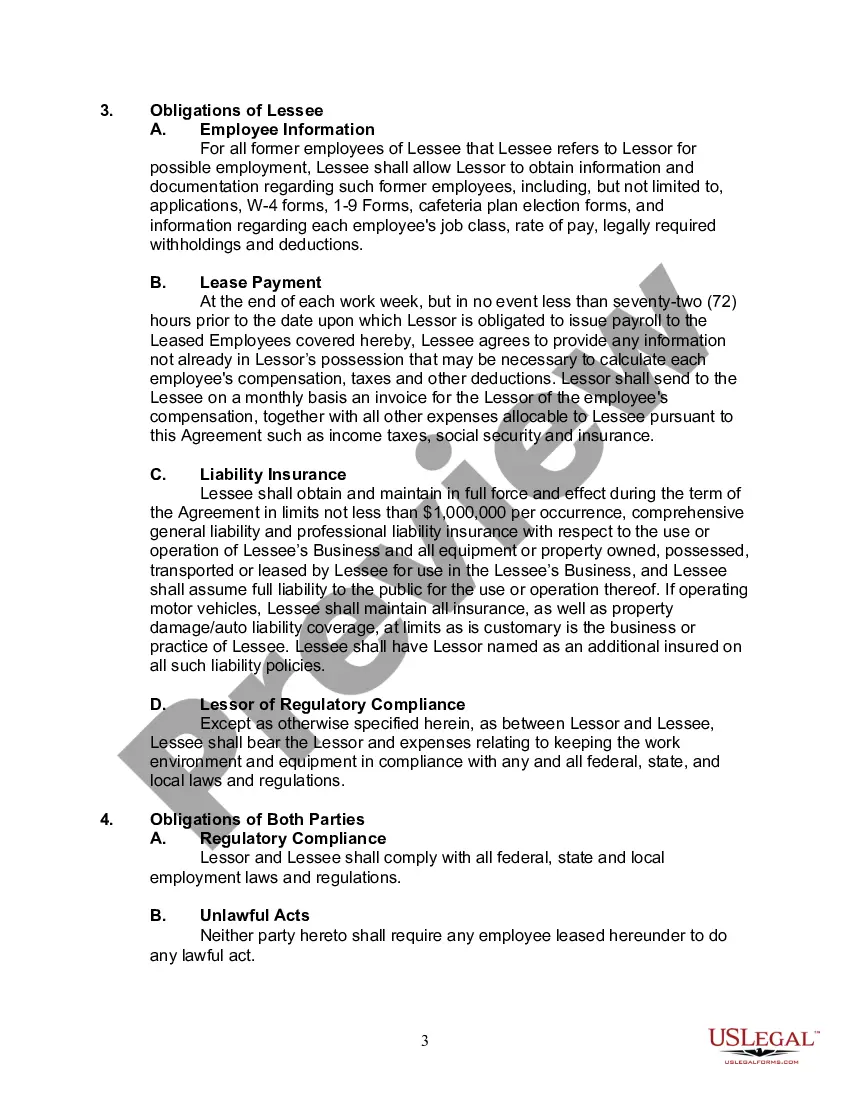
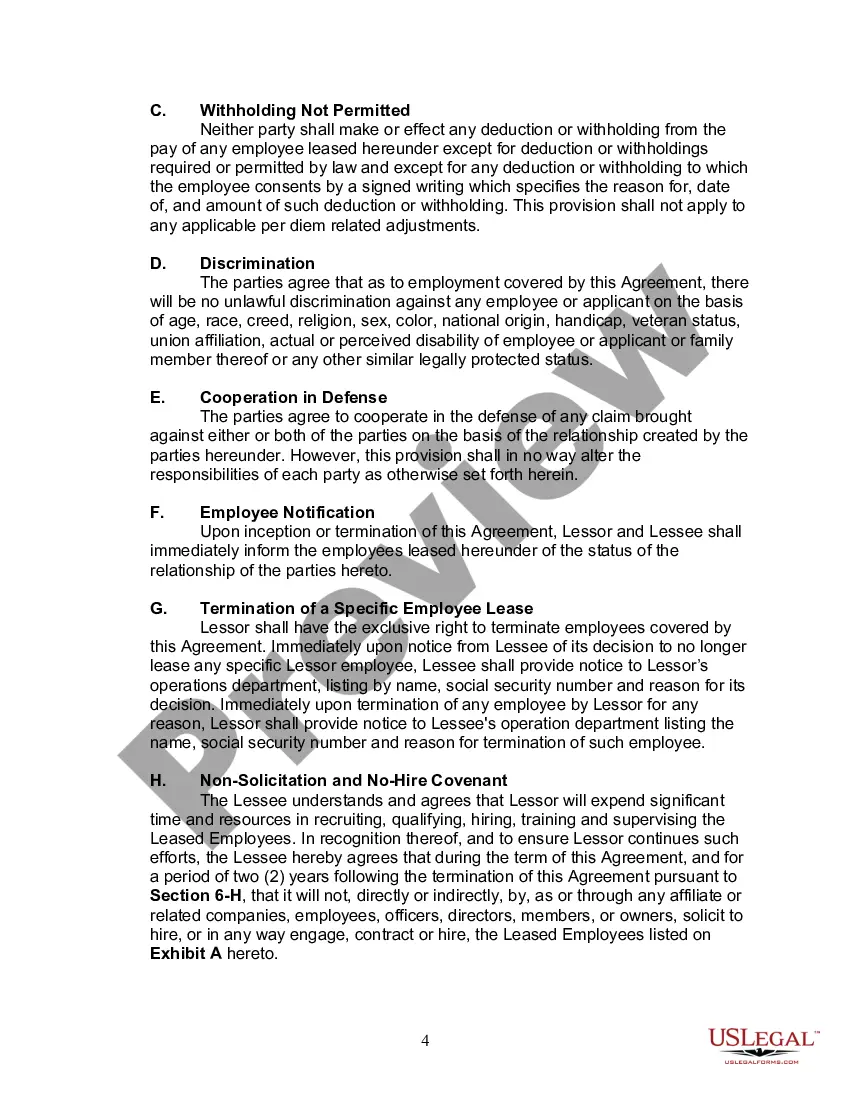
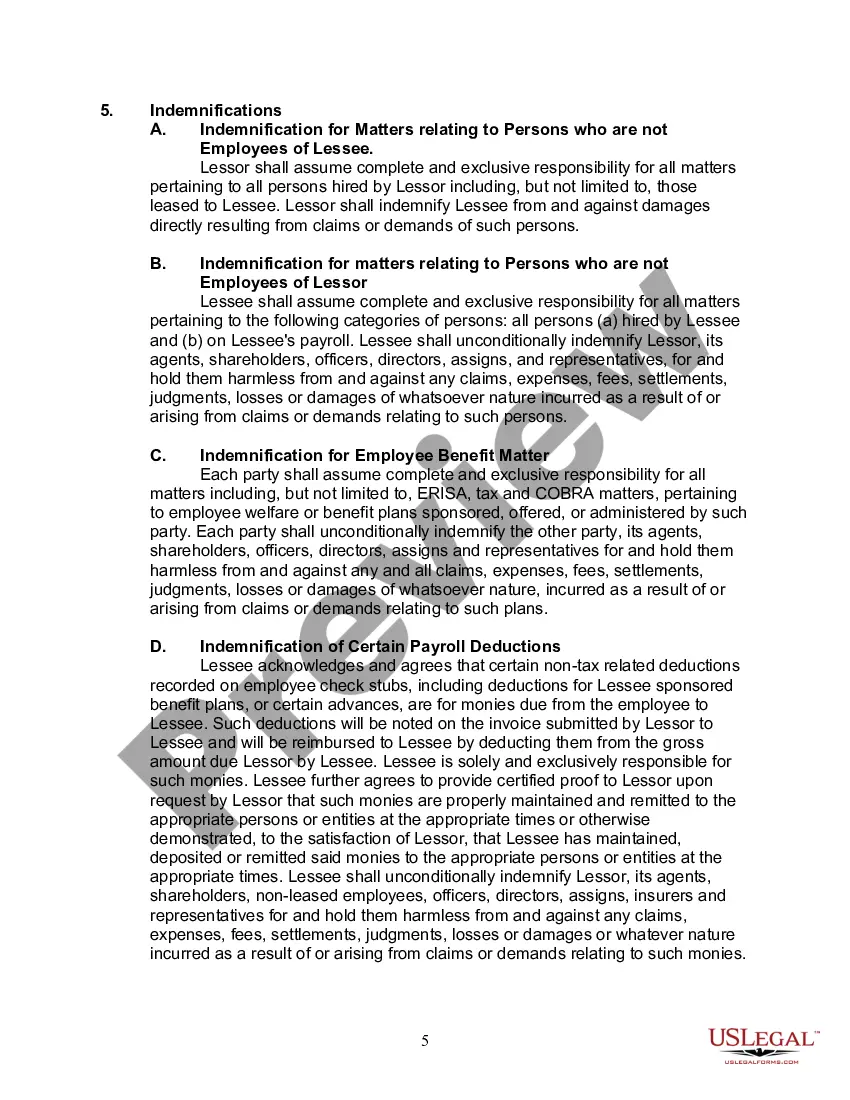
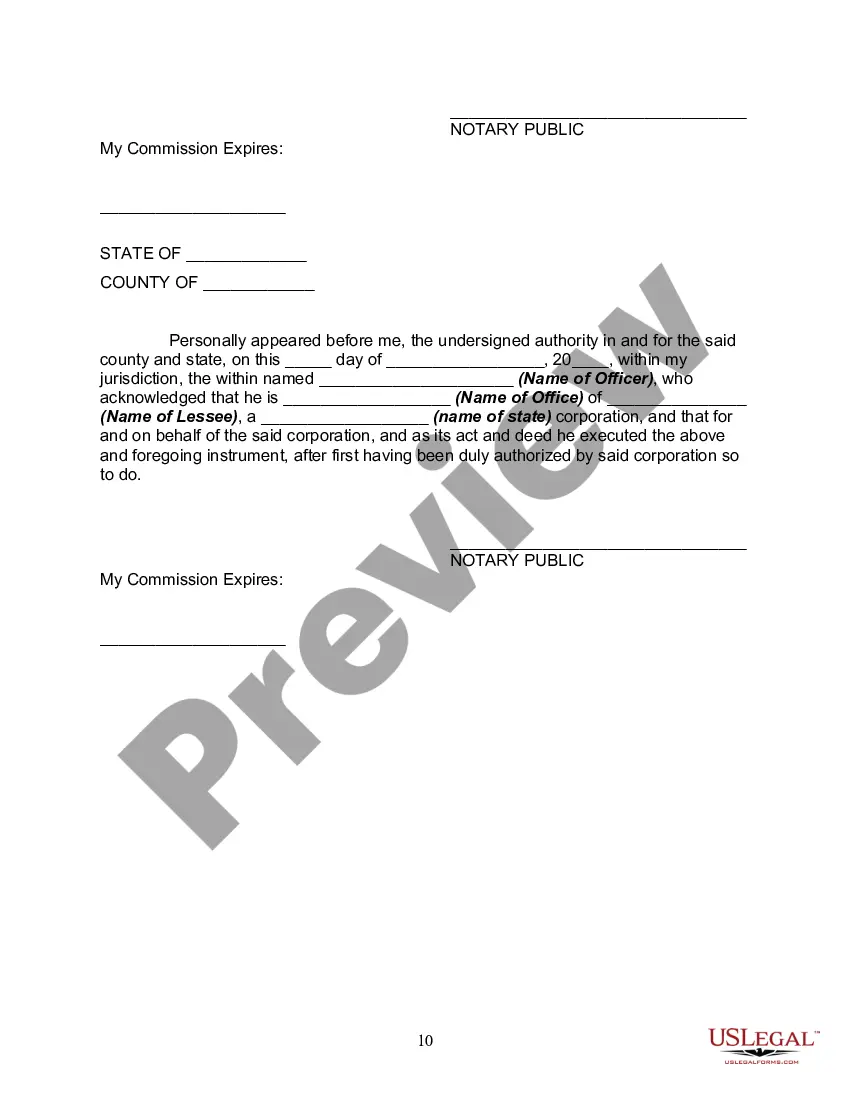
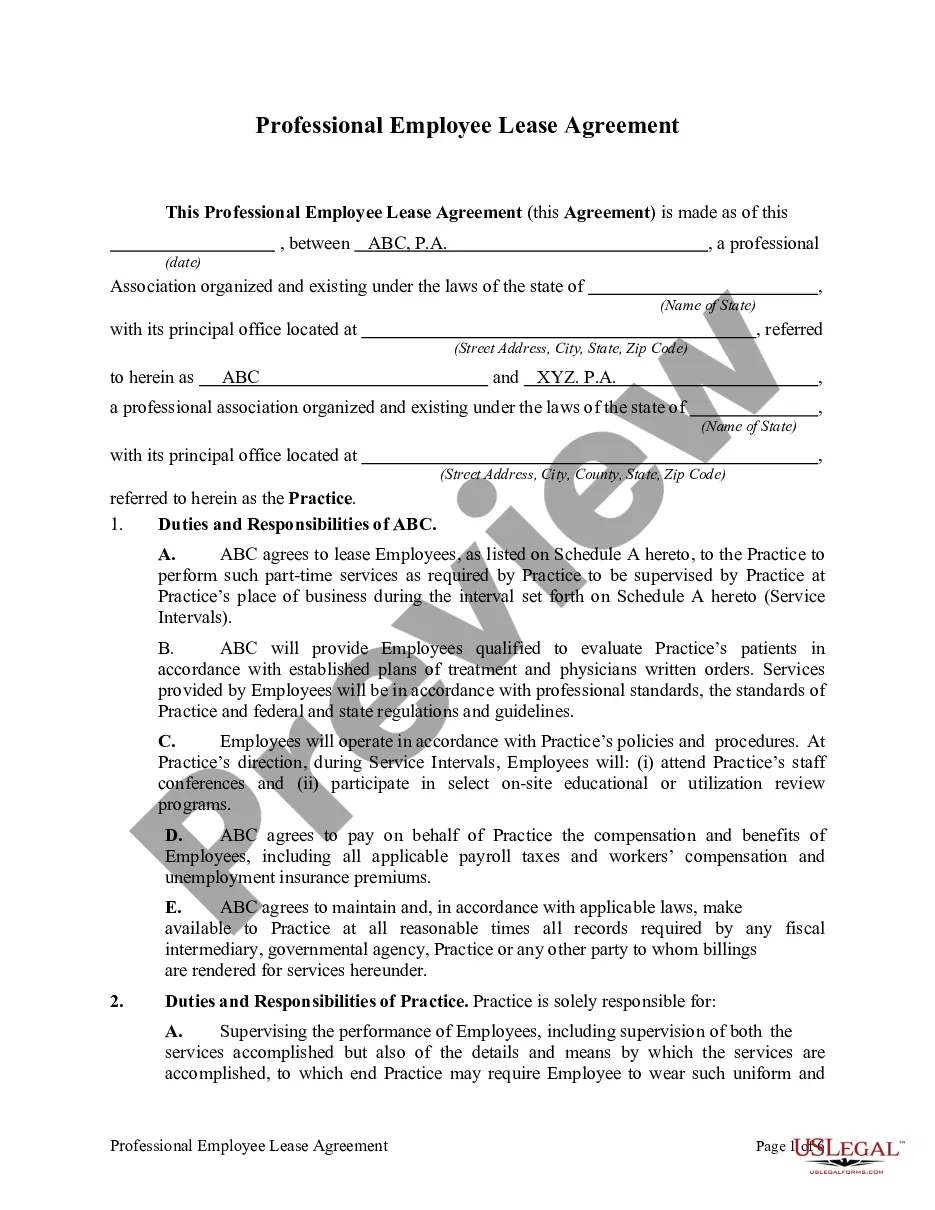
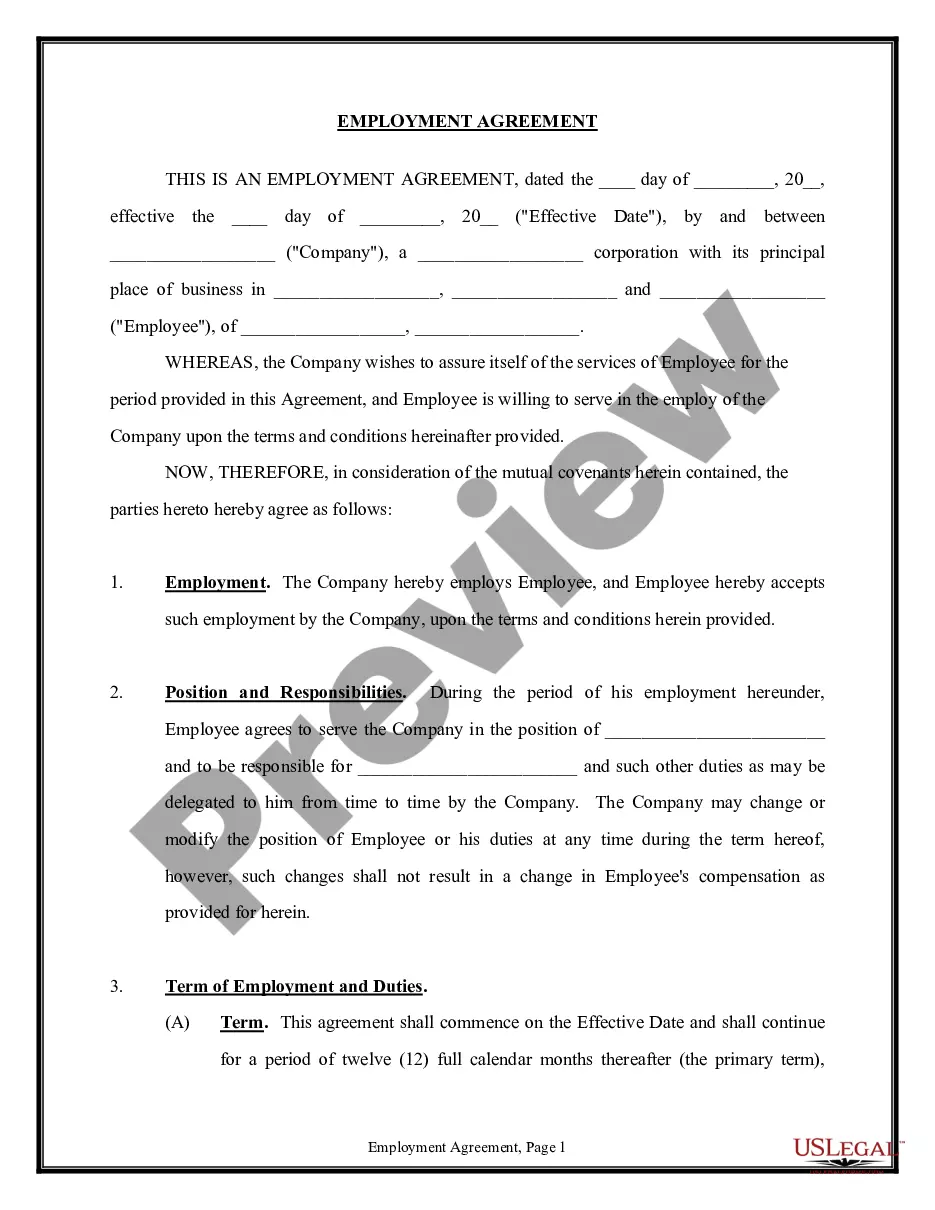
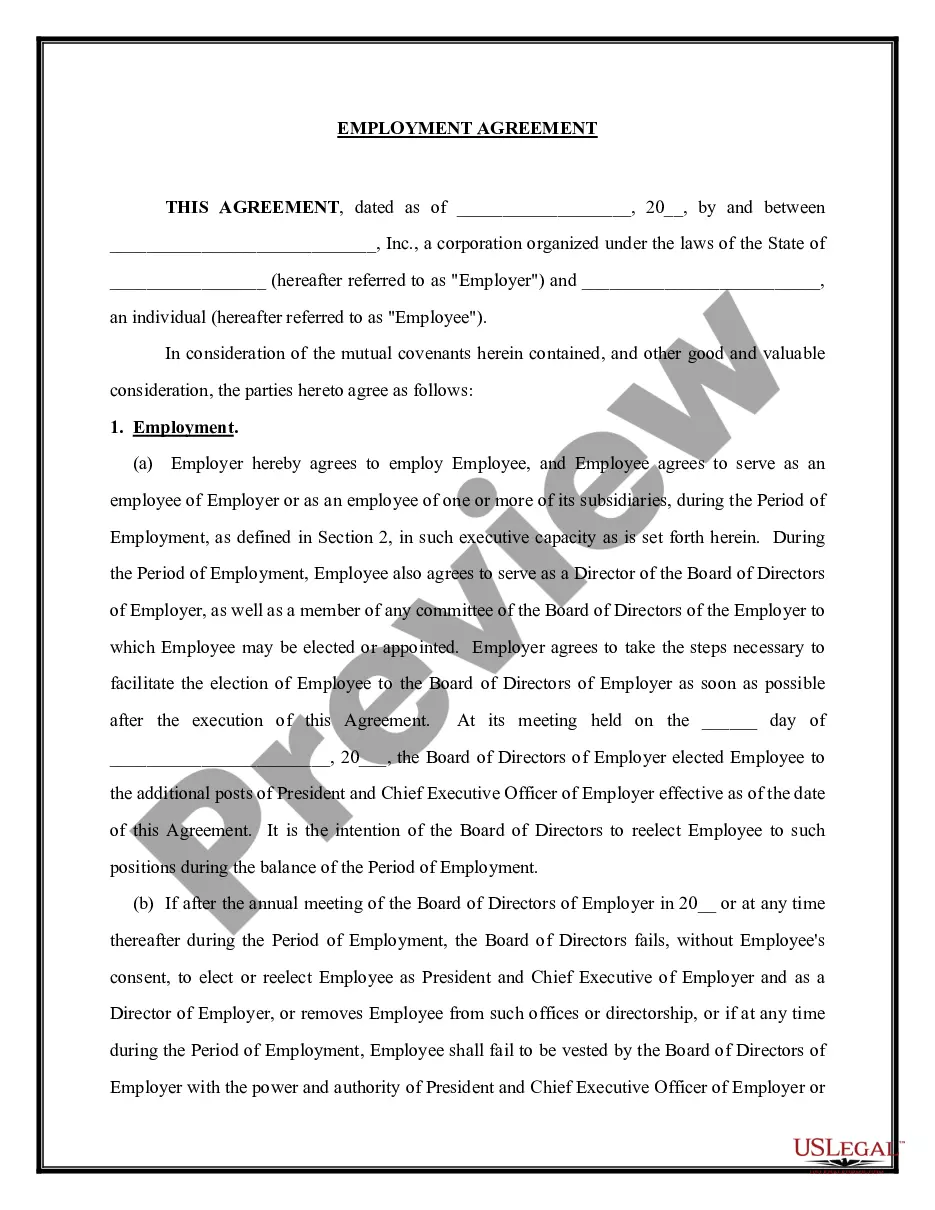
Get your form ready online
Our built-in tools help you complete, sign, share, and store your documents in one place.
Make edits, fill in missing information, and update formatting in US Legal Forms—just like you would in MS Word.
Download a copy, print it, send it by email, or mail it via USPS—whatever works best for your next step.
Sign and collect signatures with our SignNow integration. Send to multiple recipients, set reminders, and more. Go Premium to unlock E-Sign.
If this form requires notarization, complete it online through a secure video call—no need to meet a notary in person or wait for an appointment.
We protect your documents and personal data by following strict security and privacy standards.

Make edits, fill in missing information, and update formatting in US Legal Forms—just like you would in MS Word.

Download a copy, print it, send it by email, or mail it via USPS—whatever works best for your next step.

Sign and collect signatures with our SignNow integration. Send to multiple recipients, set reminders, and more. Go Premium to unlock E-Sign.

If this form requires notarization, complete it online through a secure video call—no need to meet a notary in person or wait for an appointment.

We protect your documents and personal data by following strict security and privacy standards.
Looking for another form?









Form popularity
FAQ
There are 3 types of rental agreements in India: Rent Agreement. Tenancy or rent agreement is a basic contract between landlord and tenant for temporary possession of a property. Lease Agreement. Lease agreement is a more formal contract for longer occupancy (usually over 12 months). Leave and License Agreement.
How much is a rent increase legal in India? As per the laws, landlords can increase their property rents up to 10% in three years period. However, it can be more if they make repairs or alterations to the property. As per the laws, landlords can increase their property rents up to 10% in three years period.
Private Rented Sector Database - all landlords of assured and regulated tenancies will be required to register themselves and their properties, along with certain required information, on a new Private Rented Sector Database.
The Model Tenancy Act, 2021. The Model Act requires the landlord and tenant to sign a written agreement which specifies the rent, period of tenancy and other related terms. Security deposit is capped at two months' rent for residential premises, and six months' rent for non-residential premises.
The Model Act requires the landlord and tenant to sign a written agreement which specifies the rent, period of tenancy and other related terms. Security deposit is capped at two months' rent for residential premises, and six months' rent for non-residential premises.
In India, rent agreements are not legally required to be registered unless the term of the agreement is more than 12 months. Unregistered rent agreements are still popular but may not be admissible as evidence in court in case of disputes. It is advisable to register agreements for added legal validity.
Yes. There can be more than one tenant on a lease agreement.
Steps to Add a Tenant to an Existing Lease Acquire a Written Request to Add a Tenant. Check the Unit's Occupancy Limit. Require a Completed Rental Application. Screen and Approve/Deny the New Tenant. Review the Details With Each Tenant.
In this case, you will need each resident to sign a co-tenancy agreement that includes additional guidelines around their individual financial obligations. It's also helpful to ensure that the lease agreement contains guidelines for pets and visitors.
You should understand your rights and obligations in each of the situations that may arise. When two or more tenants sign a lease or rental agreement, each of them is a co-tenant with identical rights and obligations. All of the tenants do not need to sign the lease at the same time.
