Leased Employee Agreement With Japan In Chicago
Description





Form popularity
FAQ
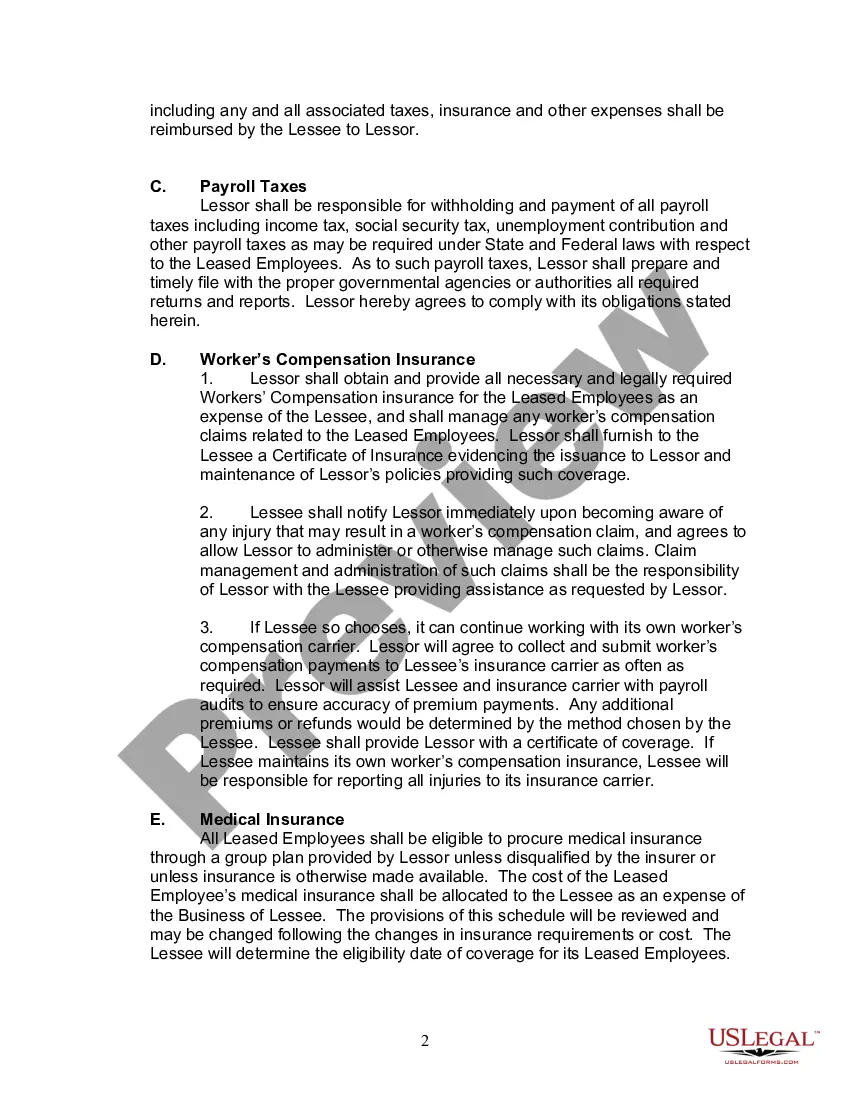
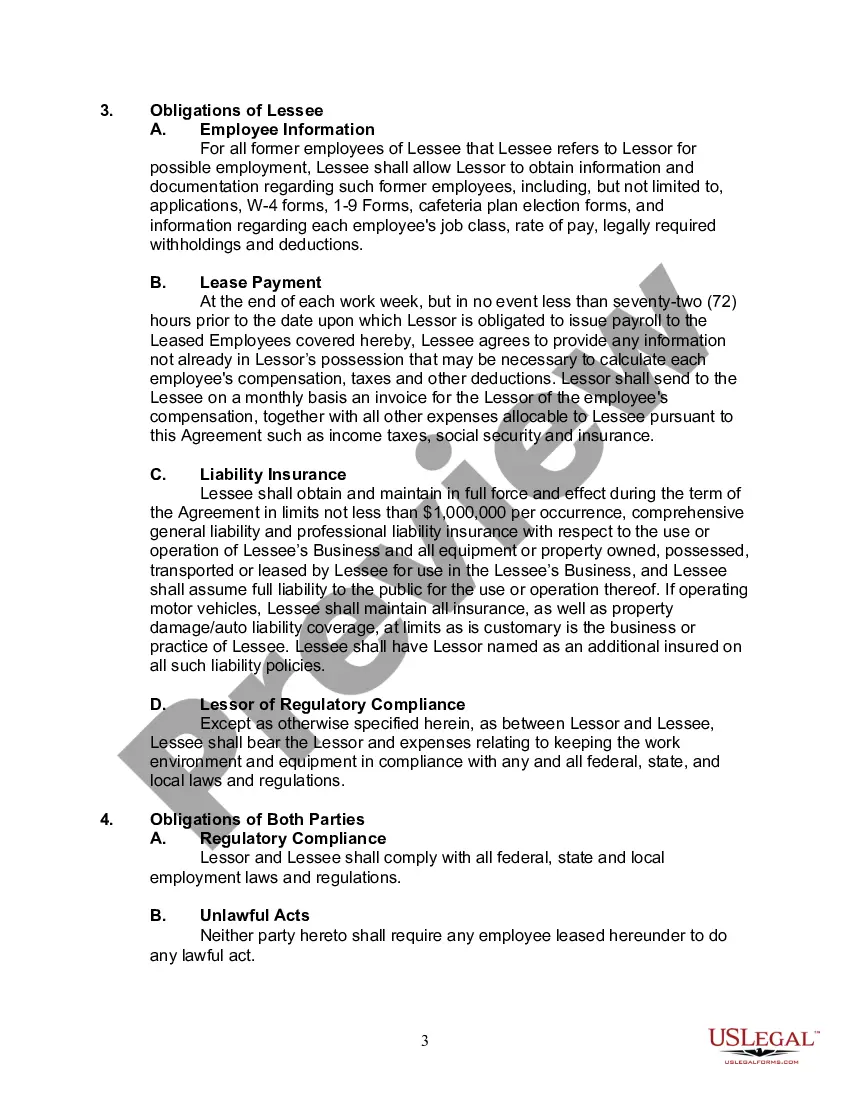
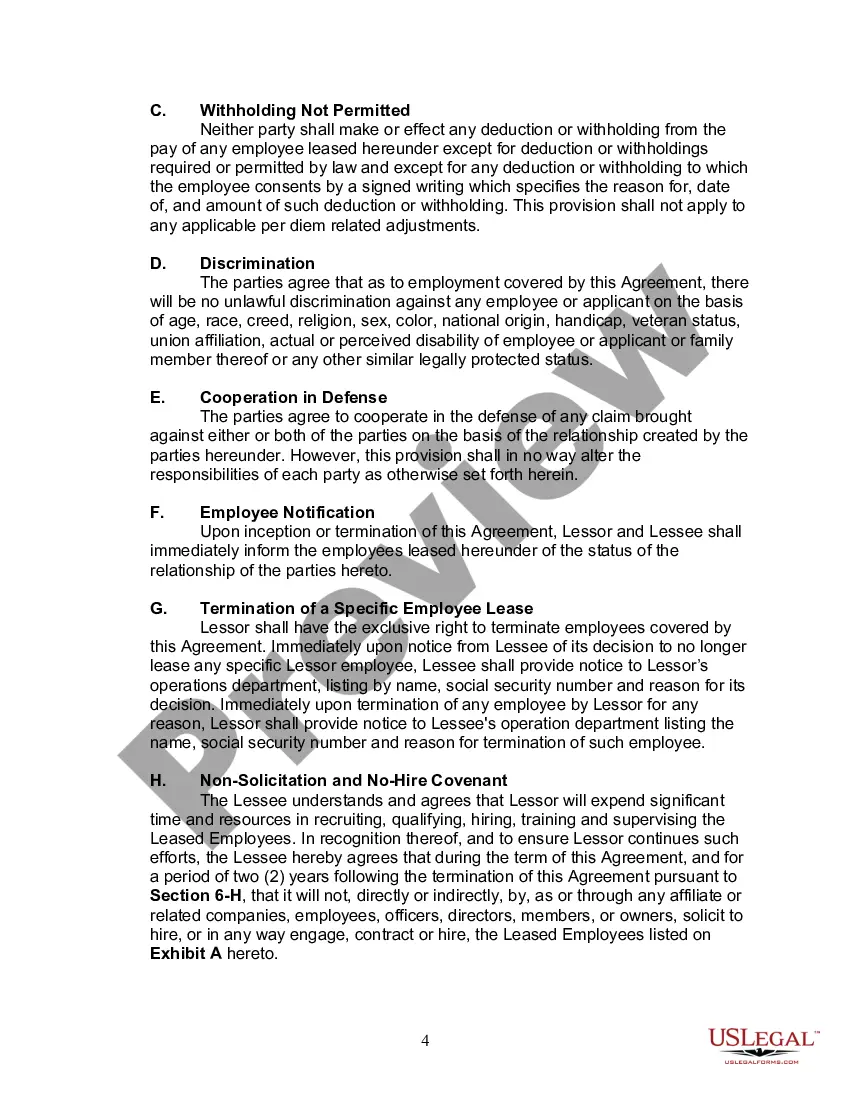
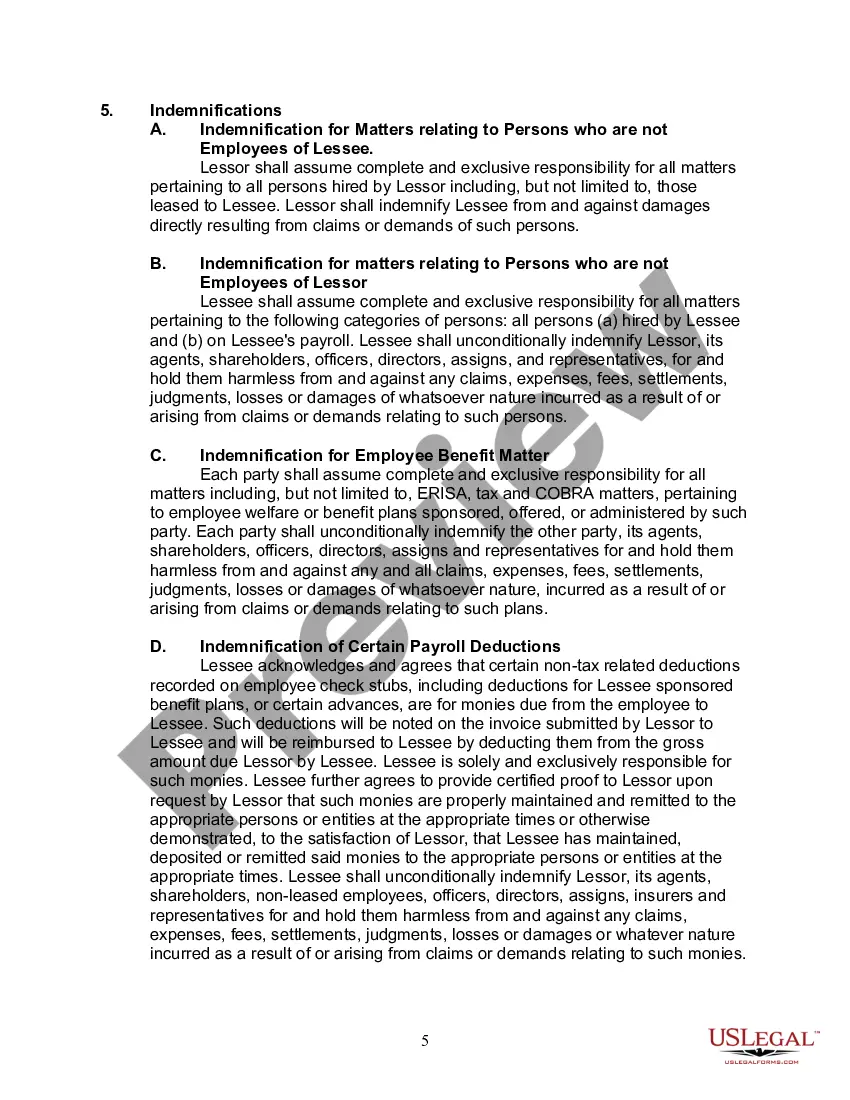
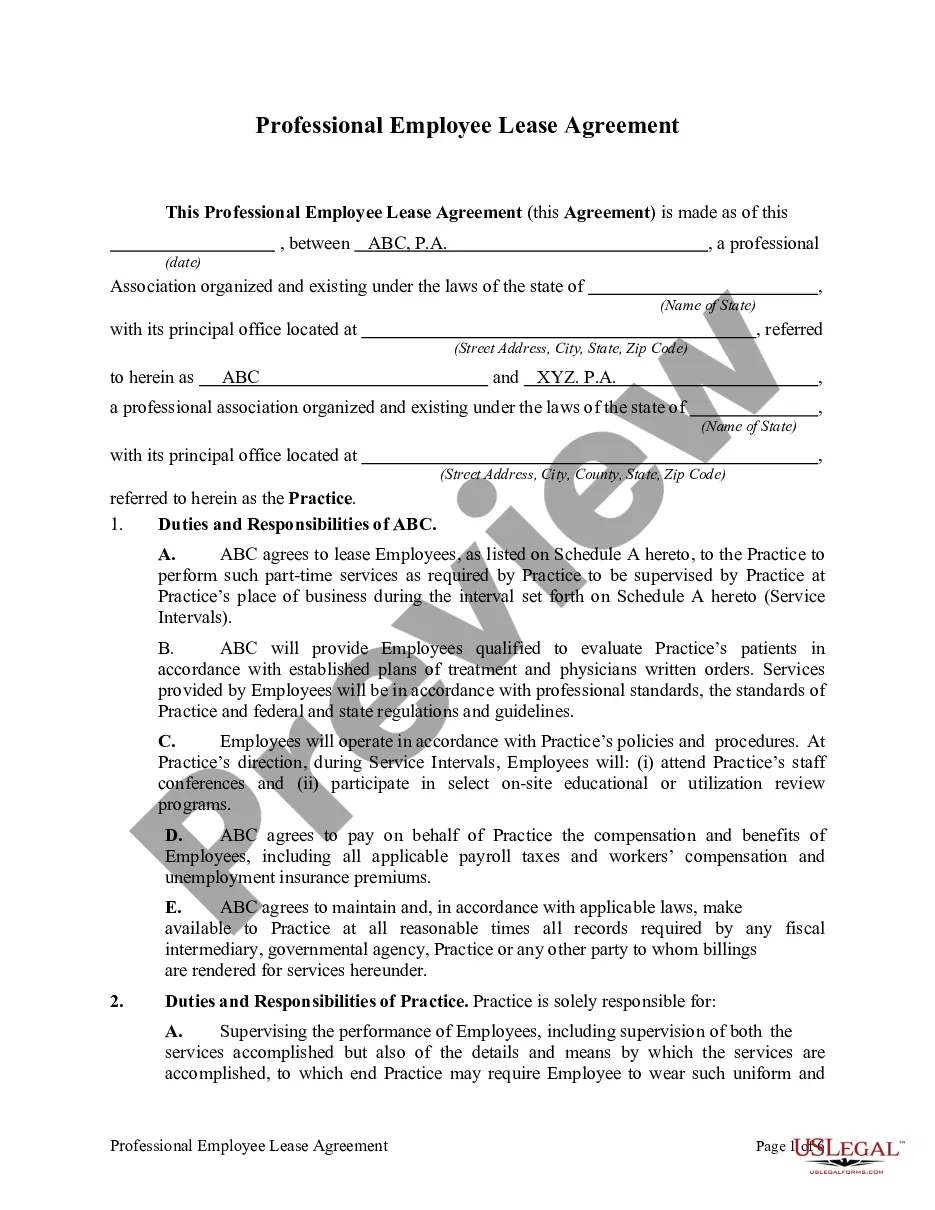
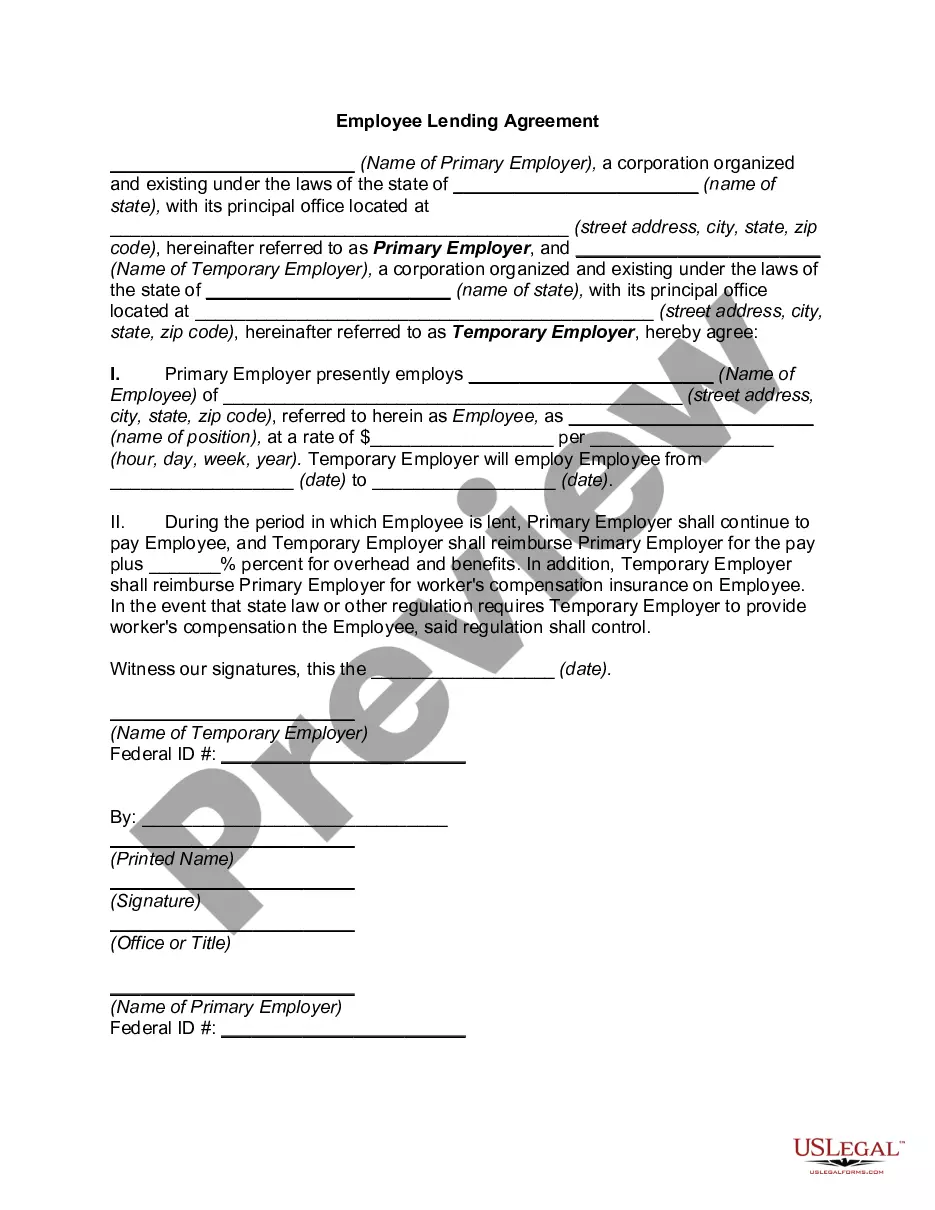
Employee leasing is an arrangement between a business and a staffing firm, who supplies workers on a project-specific or temporary basis. These employees work for the client business, but the leasing agency pays their salaries and handles all of the HR administration associated with their employment.
Here are 16 steps on how to make a lease agreement: Include the contact information of both parties. Include property details. Outline property utilities and services. Define the lease term. Disclose the monthly rent amount and due date. Detail the penalties and late fees. Describe any additional or services fees.
Fixed-term contracts in Japan Fixed-term employment contracts have a set duration, usually lasting up to three years. However, an employee can extend their contract for up to five years if they possess special skills or knowledge, or if they are 60 years of age or older.
Employee leasing, also known as staff leasing, is a business arrangement where a company hires employees from a third-party organization and then leases them back to the original company.
Subscribe now. Employee leasing is an arrangement between a business and a staffing firm, who supplies workers on a project-specific or temporary basis. These employees work for the client business, but the leasing agency pays their salaries and handles all of the HR administration associated with their employment.
Leased employee vs. For example, leased employees are official employees for the PEO that manages them, while independent contractors operate independently of any employer, and they typically provide a service to a client who pays them directly for those services.
Drawbacks of employee leasing Less control: One of the greatest risks of employee leasing is that you're delegating an important part of your business to an outside company that doesn't know your business as well as you do. You lose control of your processes, systems and benefits.
While leased employees are legally employed by a PEO, they work under the day-to-day management and supervision of the leasing business — much like any other employee.
Leased employees are considered to be employees of the recipient organization for purposes of the requirements set forth in section 414(n)(3)(A) and (B), even though they are common law employees of the leasing organization, unless (i) they are covered by a safe harbor plan of the leasing organization, and (ii) leased ...
