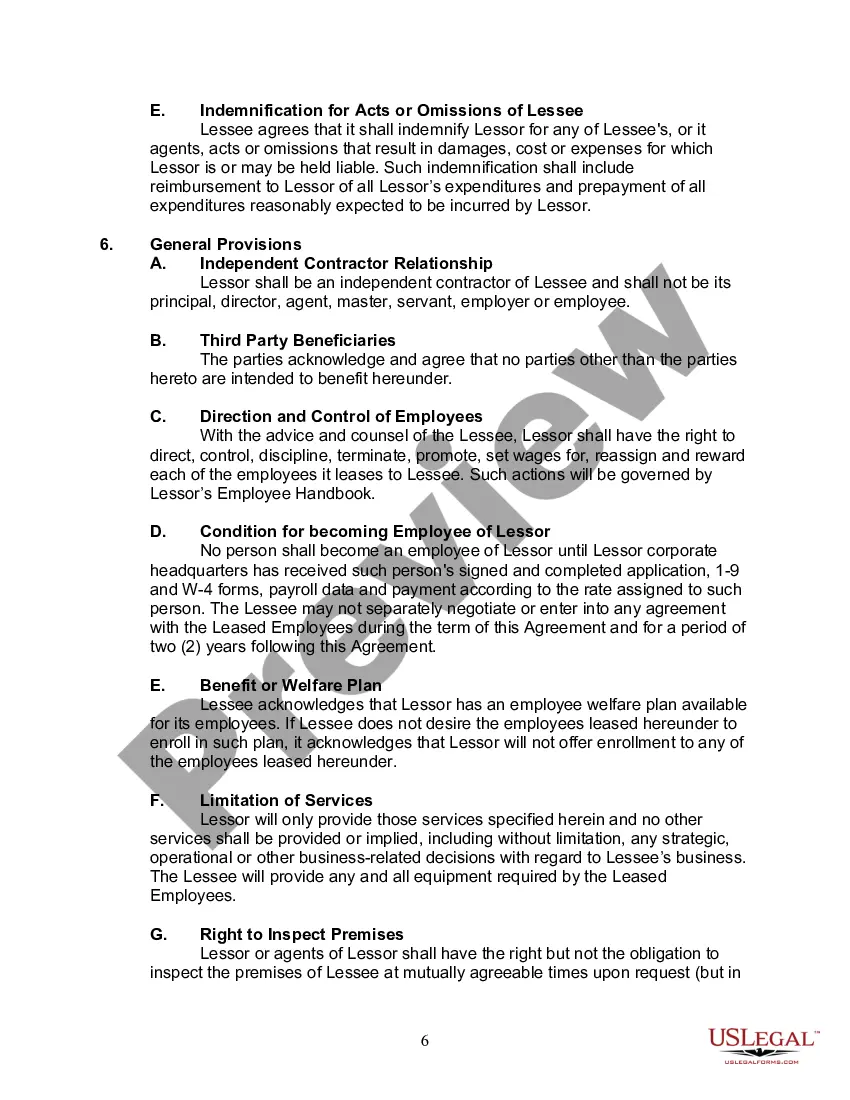
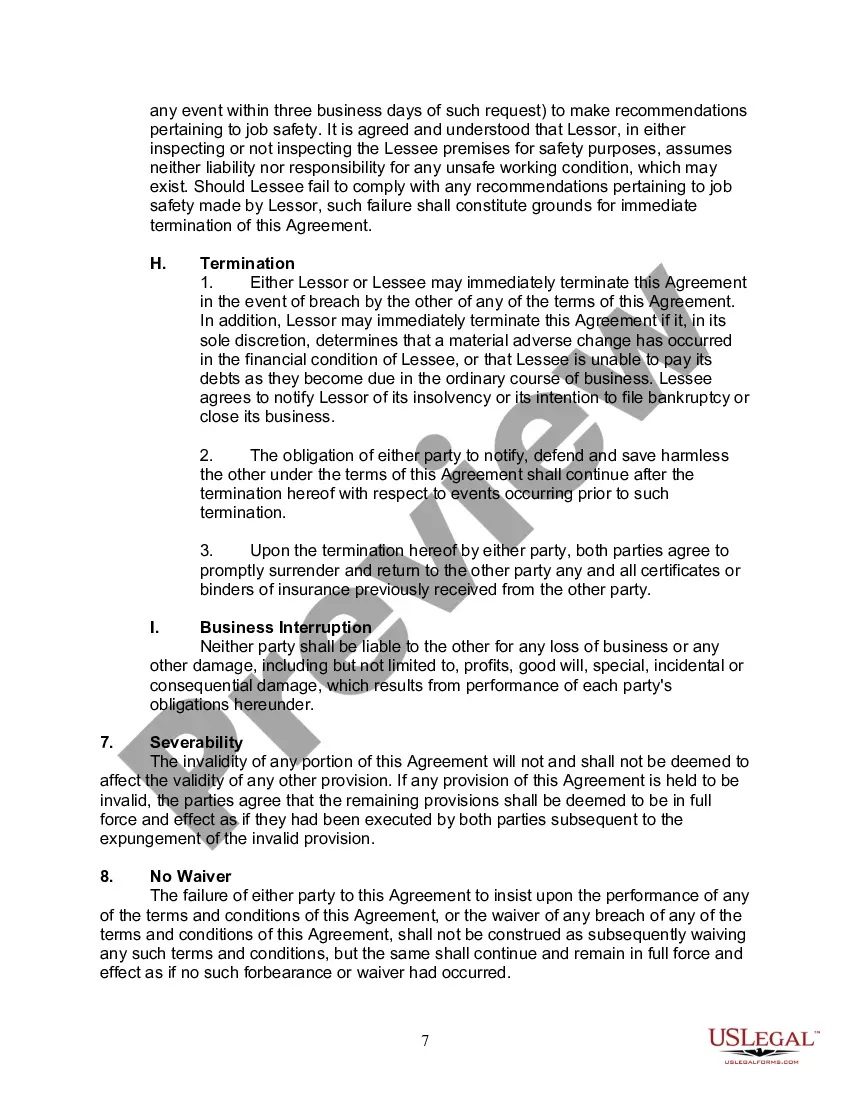
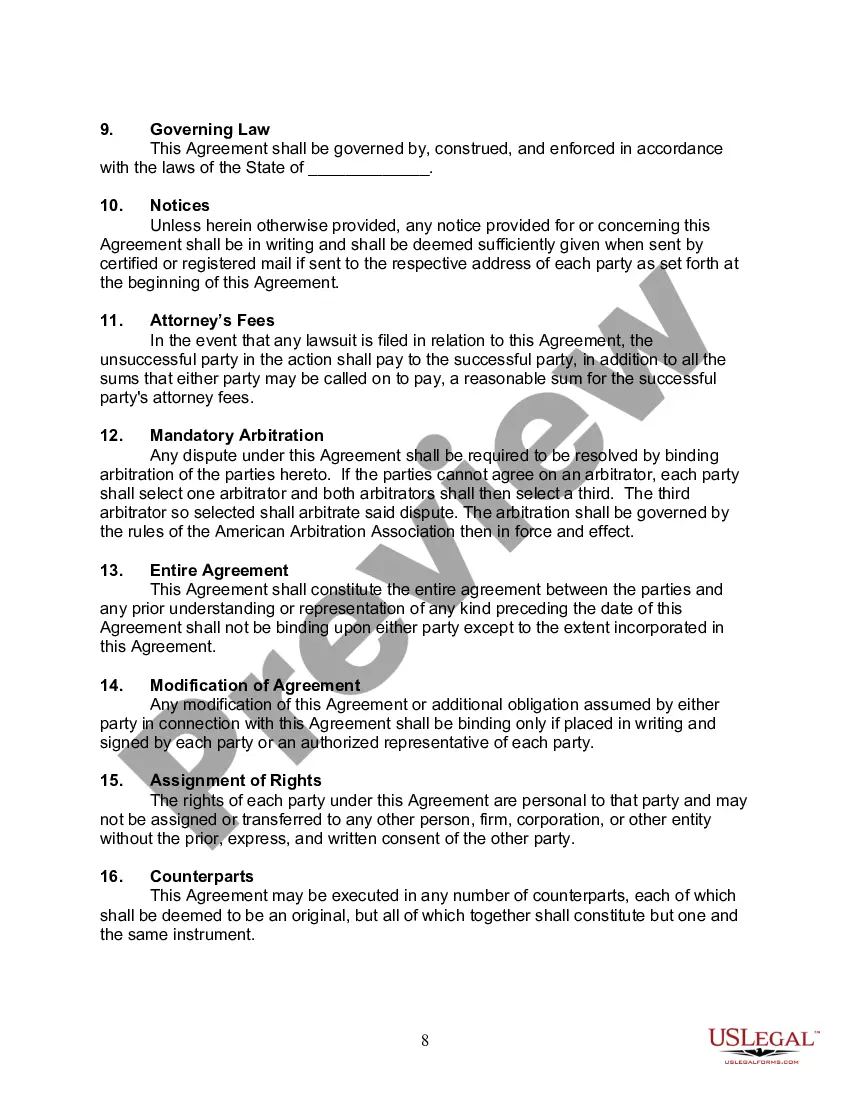
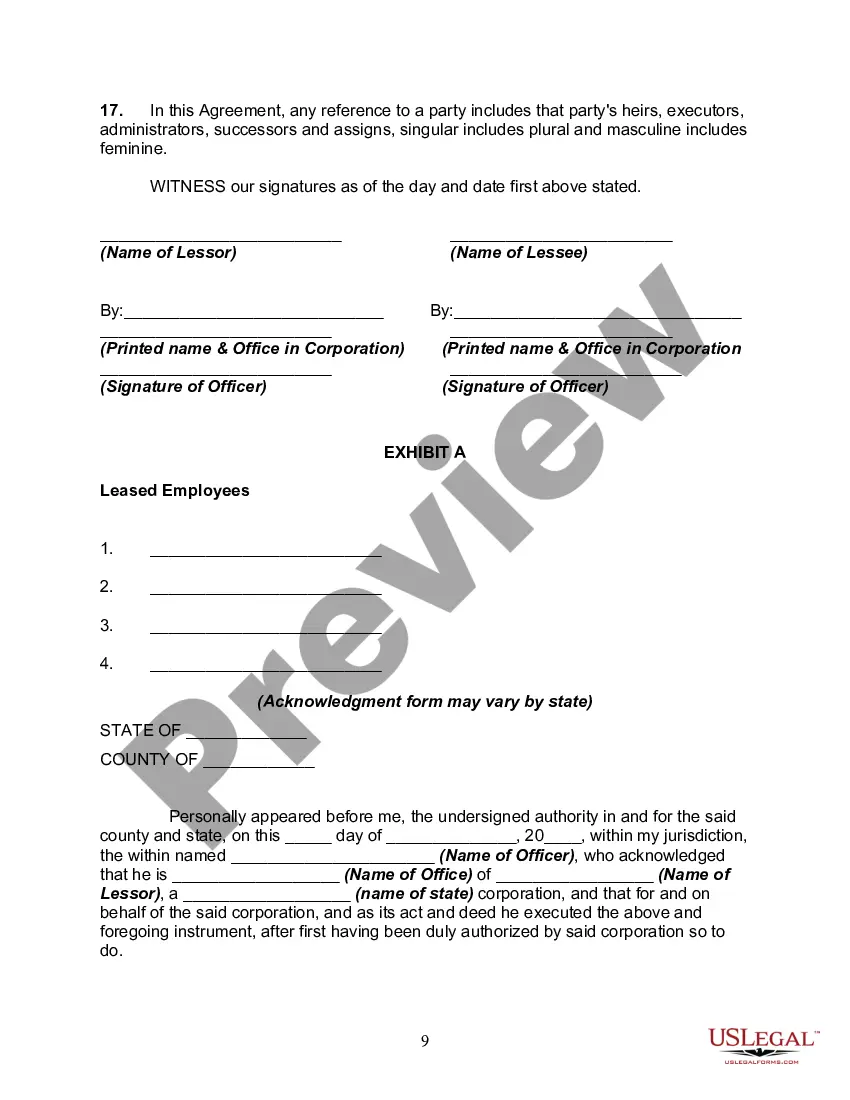
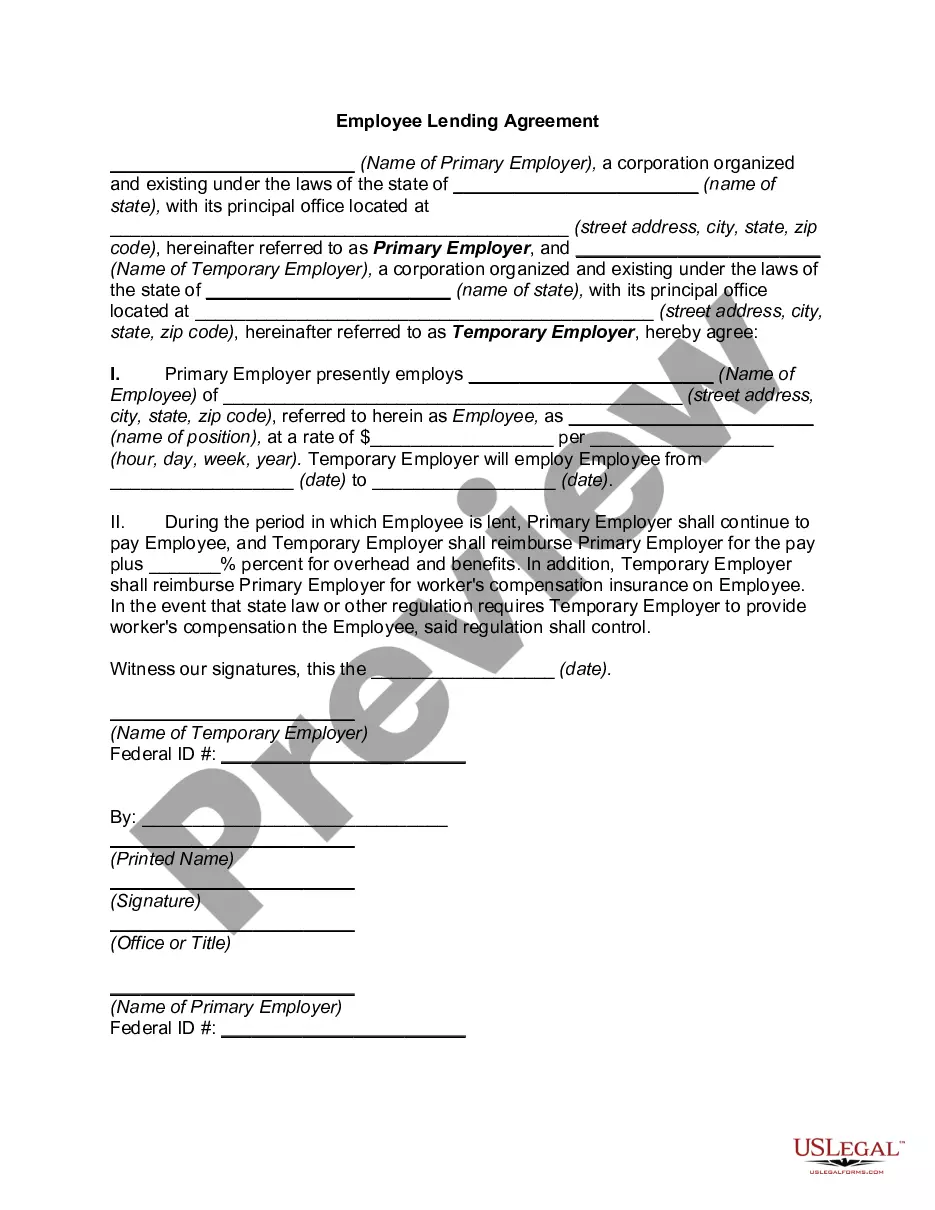
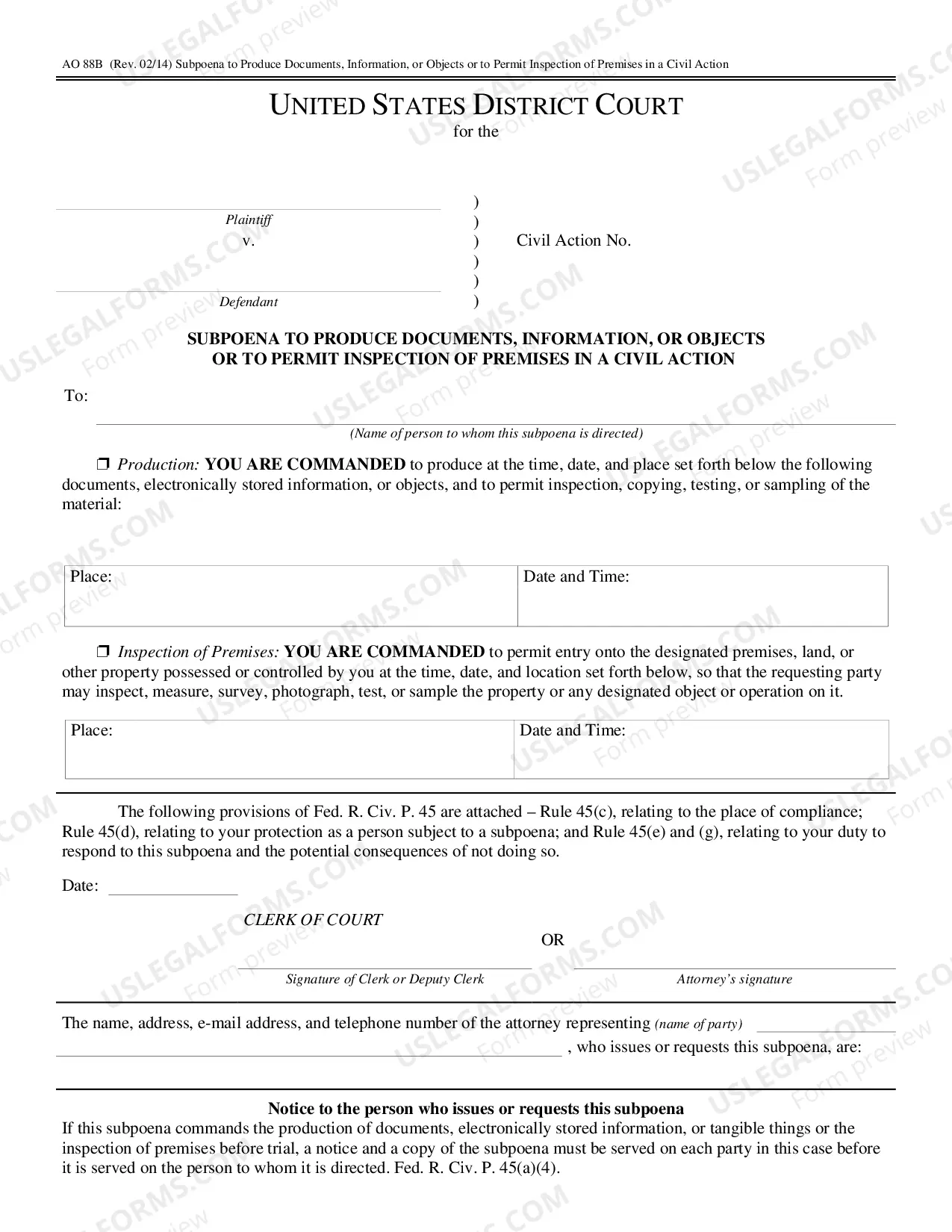
Employee Lease Agreement Template With Mileage In Arizona
Description

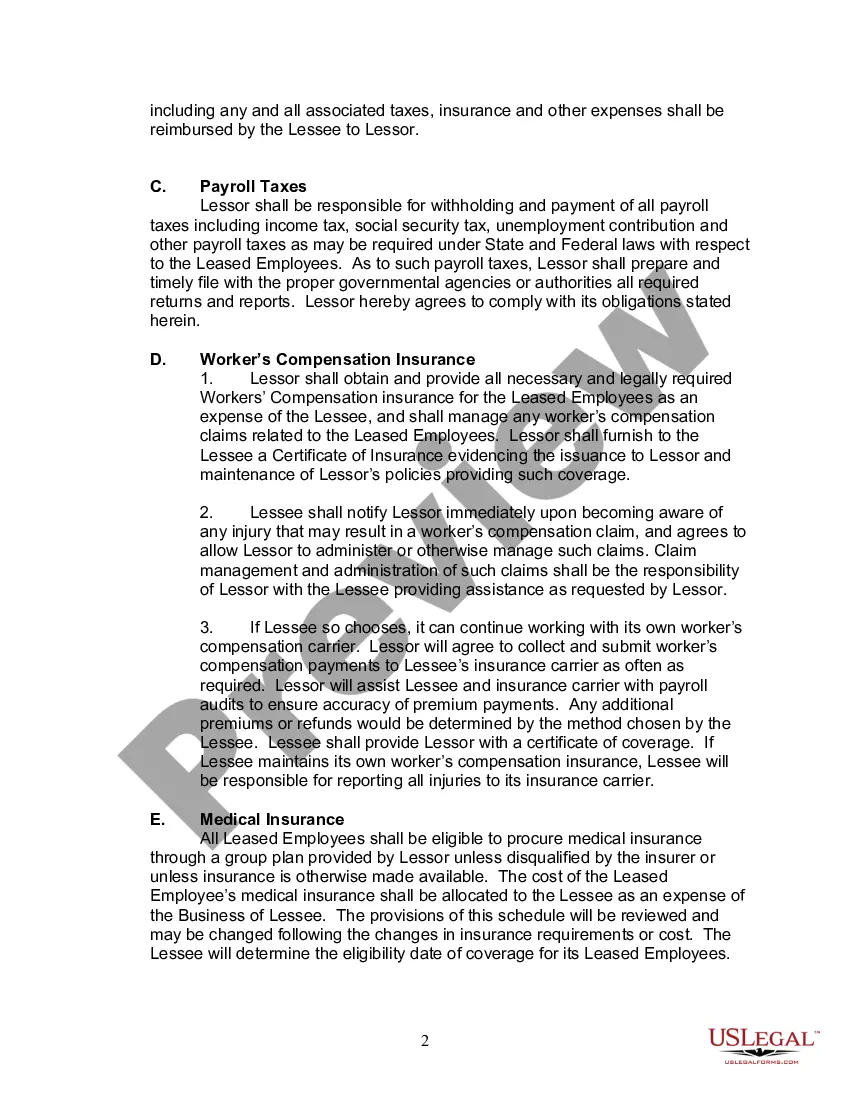
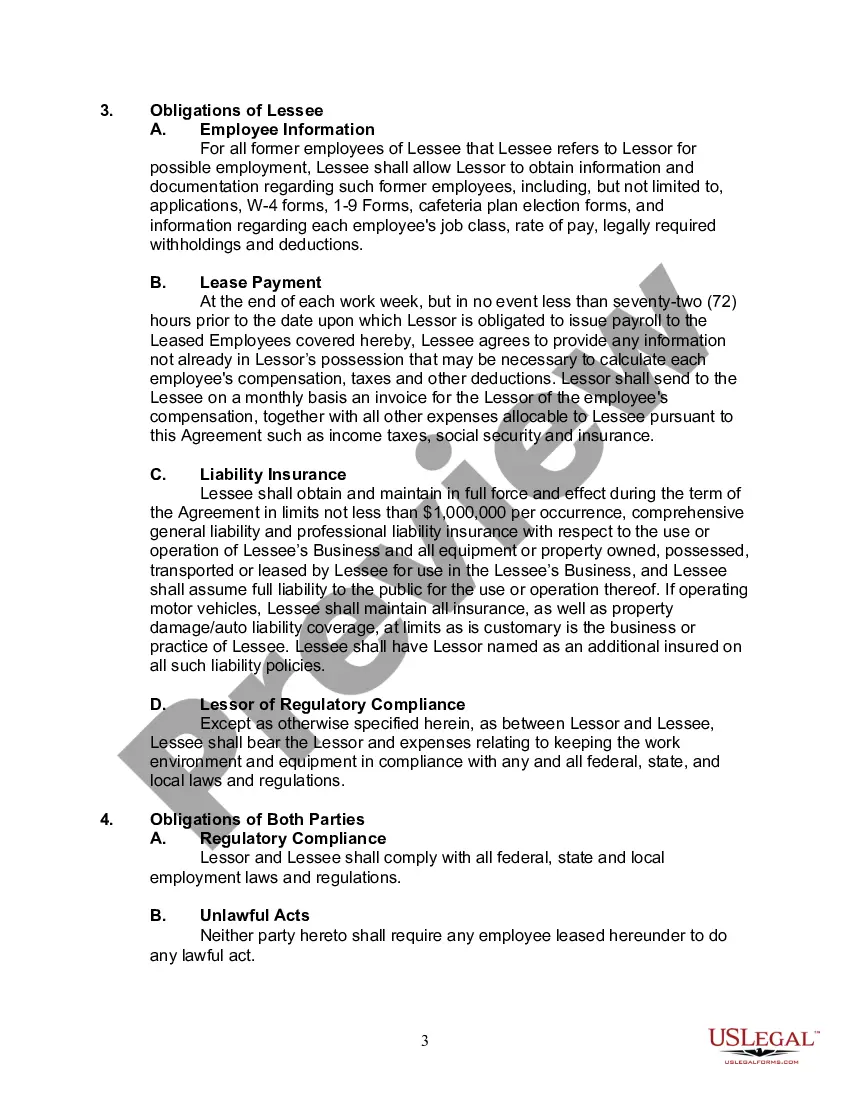
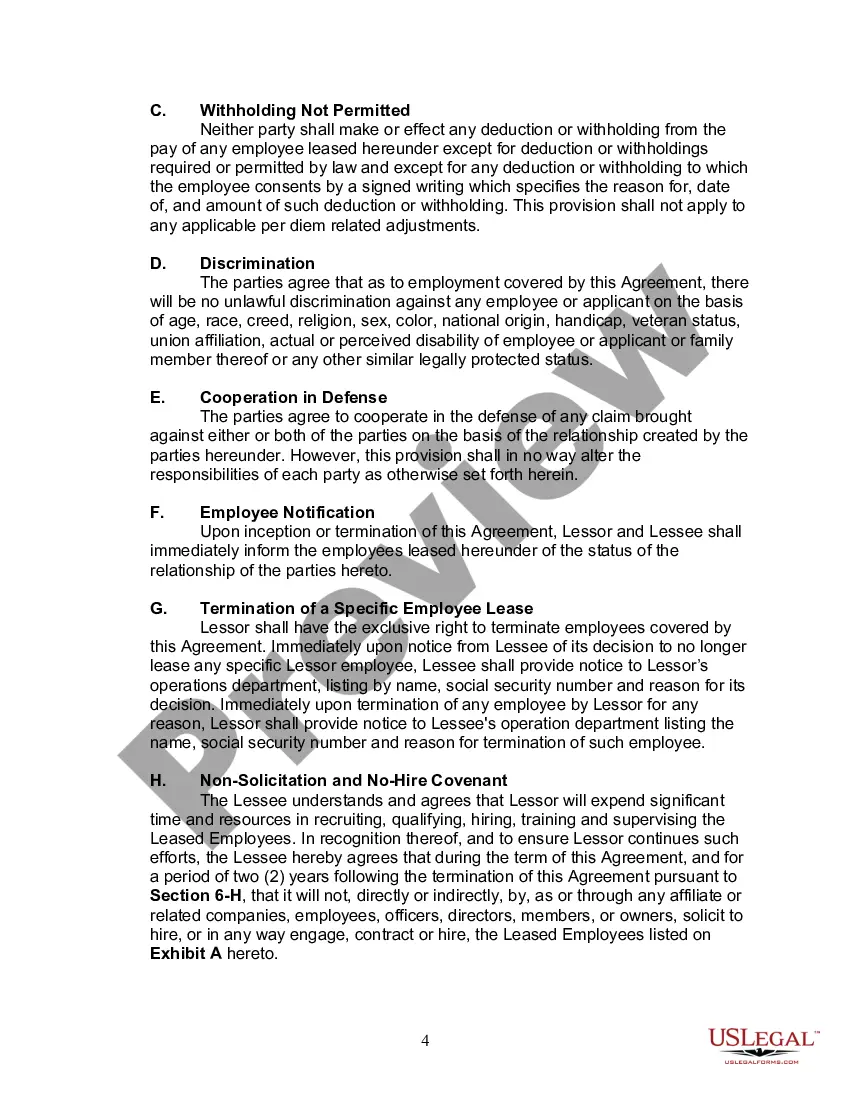
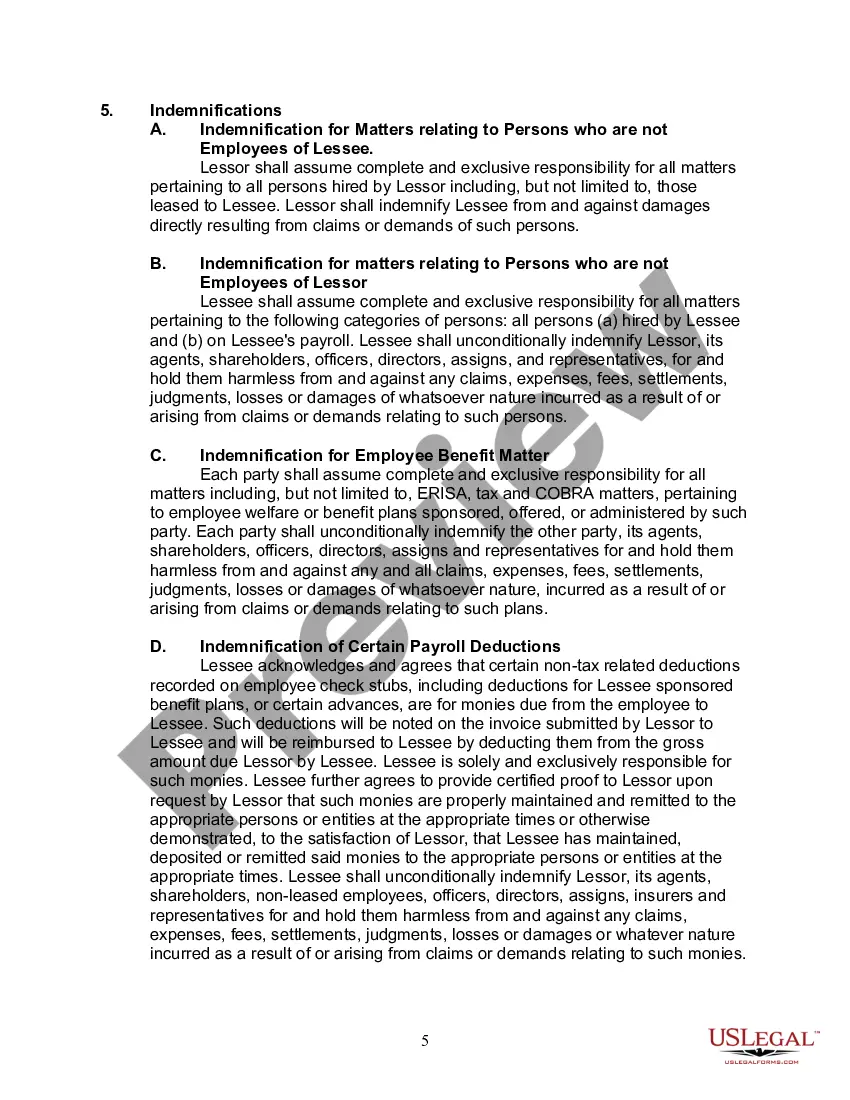
Get your form ready online
Our built-in tools help you complete, sign, share, and store your documents in one place.
Make edits, fill in missing information, and update formatting in US Legal Forms—just like you would in MS Word.
Download a copy, print it, send it by email, or mail it via USPS—whatever works best for your next step.
Sign and collect signatures with our SignNow integration. Send to multiple recipients, set reminders, and more. Go Premium to unlock E-Sign.
If this form requires notarization, complete it online through a secure video call—no need to meet a notary in person or wait for an appointment.
We protect your documents and personal data by following strict security and privacy standards.

Make edits, fill in missing information, and update formatting in US Legal Forms—just like you would in MS Word.

Download a copy, print it, send it by email, or mail it via USPS—whatever works best for your next step.

Sign and collect signatures with our SignNow integration. Send to multiple recipients, set reminders, and more. Go Premium to unlock E-Sign.

If this form requires notarization, complete it online through a secure video call—no need to meet a notary in person or wait for an appointment.

We protect your documents and personal data by following strict security and privacy standards.
Looking for another form?





Form popularity
FAQ
Arizona business mileage reimbursement rates For 2024, Arizona's mileage reimbursement rate is 65.5 cents per mile, as determined by the Arizona Department of Administration. This rate applies specifically to state employees. While not required for private employers, offering reimbursement shows you care.
67 cents per mile driven for business use, up 1.5 cents from 2023. 21 cents per mile driven for medical or moving purposes for qualified active-duty members of the Armed Forces, a decrease of 1 cent from 2023.
The simplest arrangement is to use a flat rate per business mile driven. The IRS rate covers both the costs of owning (fixed costs) and driving (variable costs) your vehicle for business purposes. Be aware that your employer can set any mileage rate they choose – the IRS cents per mile is only a guide.
There is no federal law that says employers have to offer mileage reimbursement. Many do because it's a smart way to attract and retain employees. Reimbursements made at the standard Internal Revenue Service (IRS) rate are not considered income, so they are not subject to tax.
$0.67 cents per mile driven for business use, up 1.5 cents from 2023. $0.21 cents per mile driven for medical or moving purposes for qualified active-duty members of the Armed Forces, a decrease of 1 cent from 2023.
IRS issues standard mileage rates for 2024; mileage rate increases to 67 cents a mile, up 1.5 cents from 2023. Internal Revenue Service.
How much is mileage reimbursement in California? The standard mileage rate set by the IRS, applicable in California, is 67 cents per business mile for 2024. The 2025 mileage rate is 70 cents per business mile. How to calculate mileage reimbursement California?
For employers Each month, employees submit mileage logs as proof of their business mileage, and for each mile, they are reimbursed 70 cents (this is the official rate for 2025). You should not include this reimbursement in employees' income, as it is not considered a benefit.
The first step to living in your own rental property is to draft a lease agreement for yourself. It might sound absurd, but you need to go through all of the formal steps that you would for a standard tenant.
A verbal agreement is also considered a valid contract and, while much harder to enforce, can constitute a lease agreement. If you're comfortable writing your own lease agreement, you can sit down at your computer and type out everything you want your tenant to agree to. You can even hand-write it if you want.
