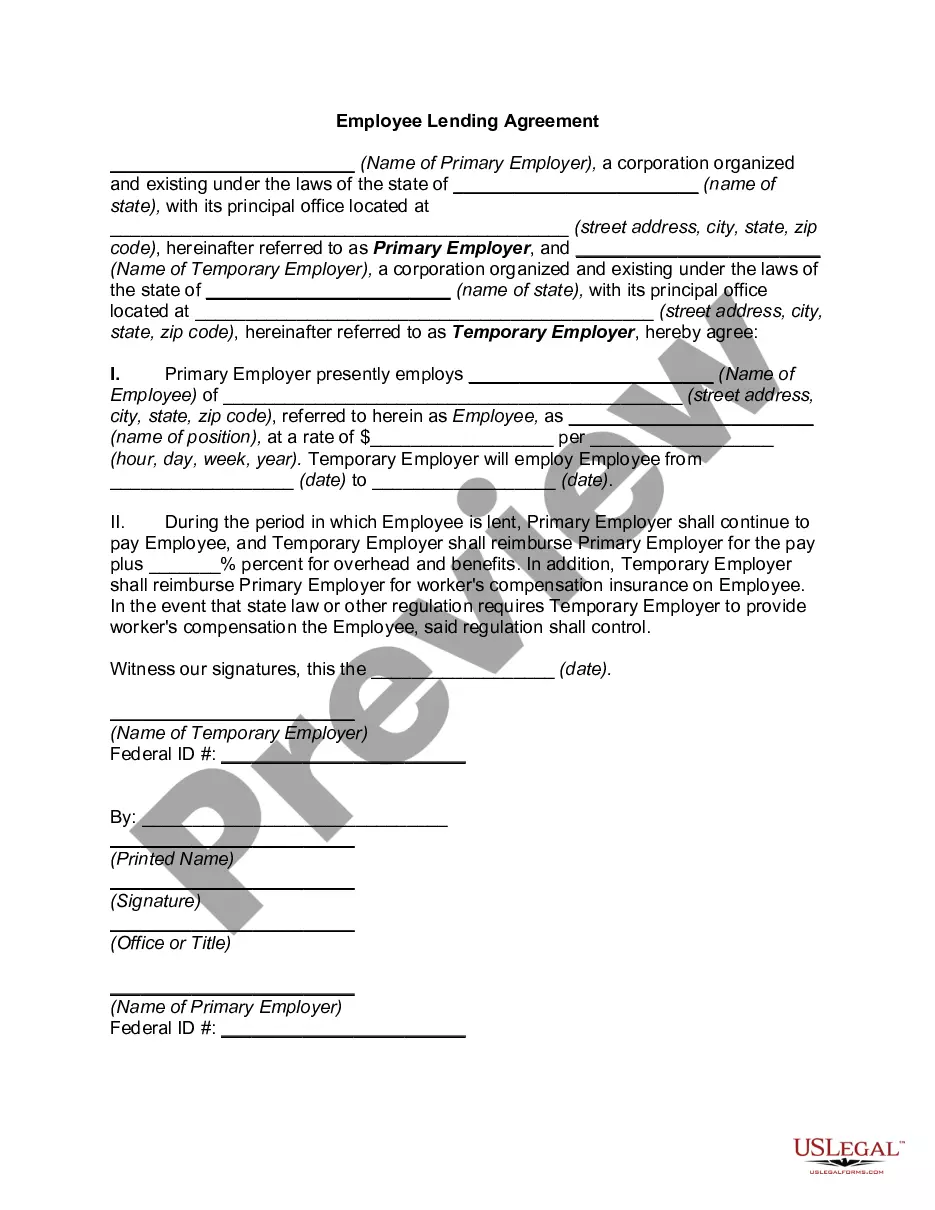
Employee Leasing Agreement Template Format In Allegheny
Description

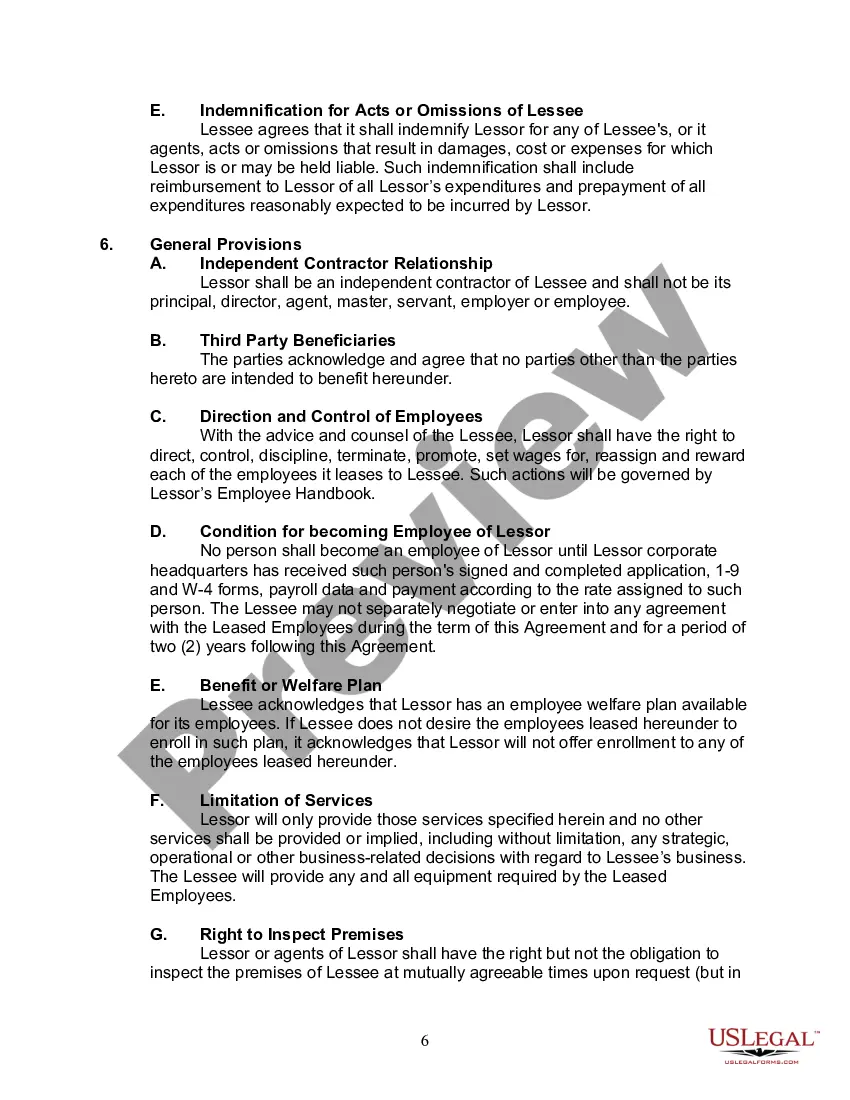
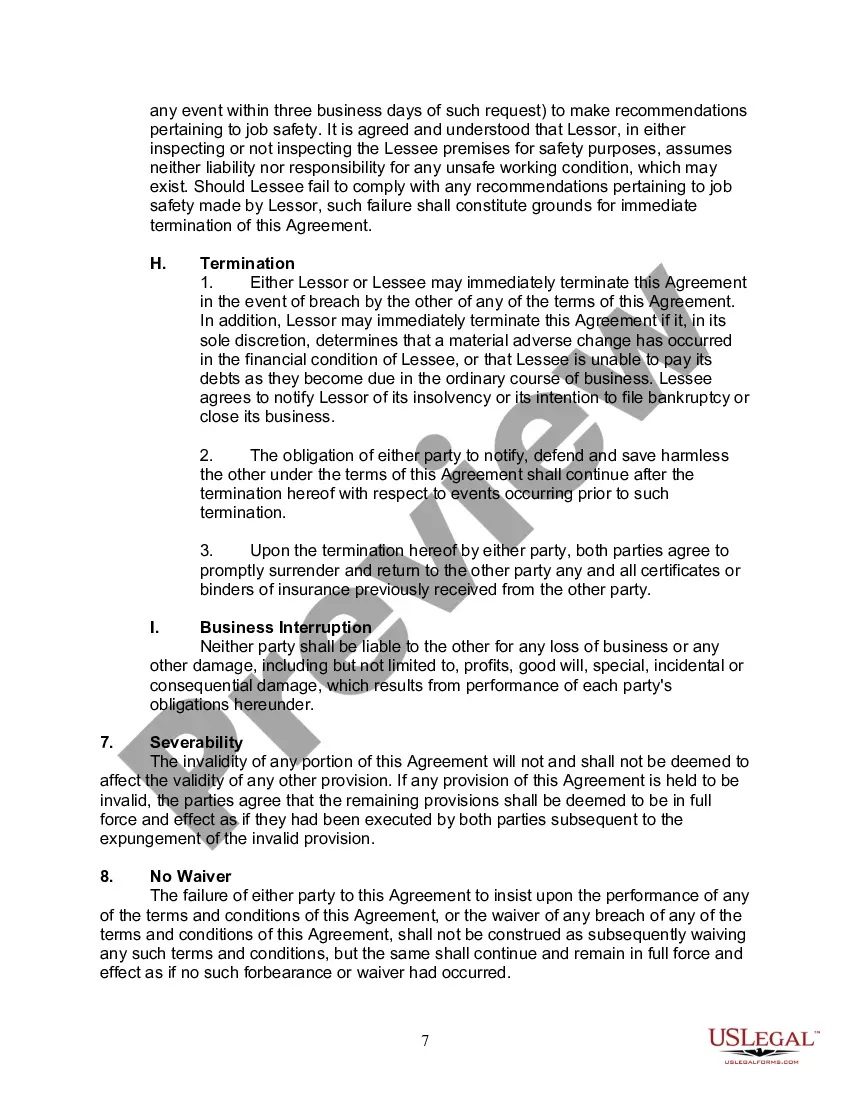
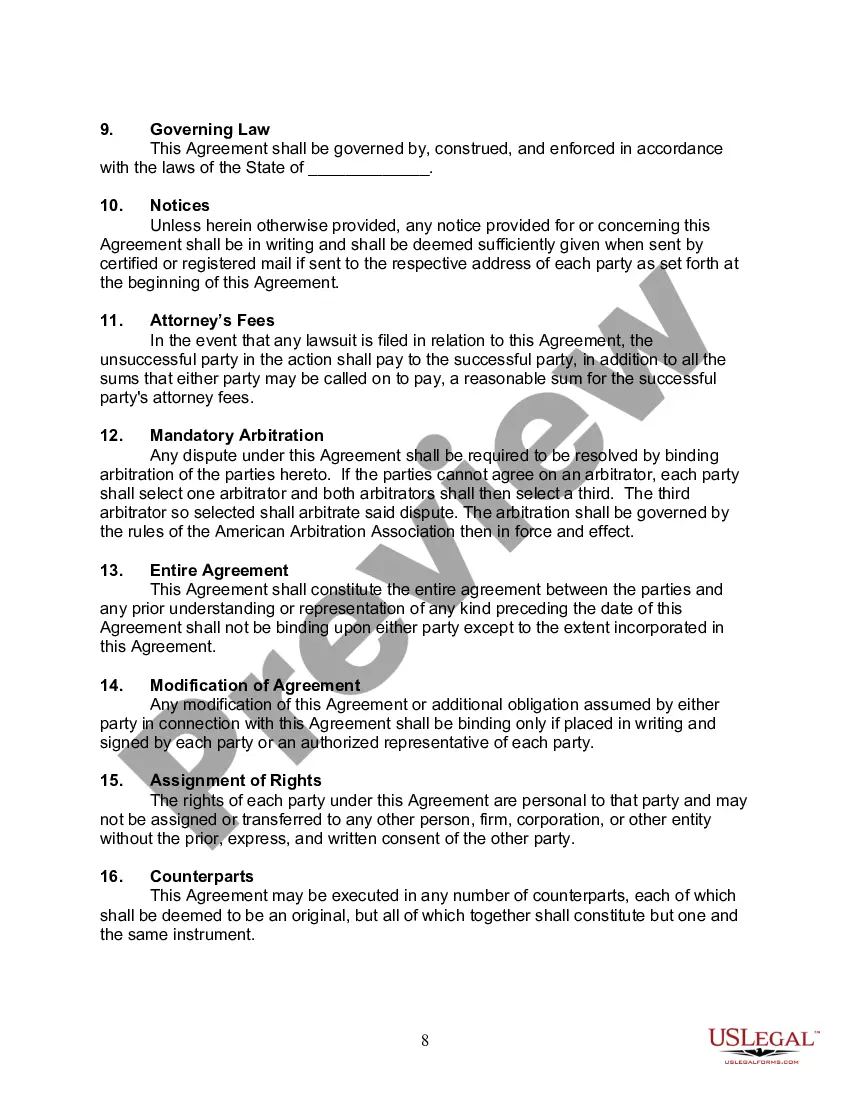
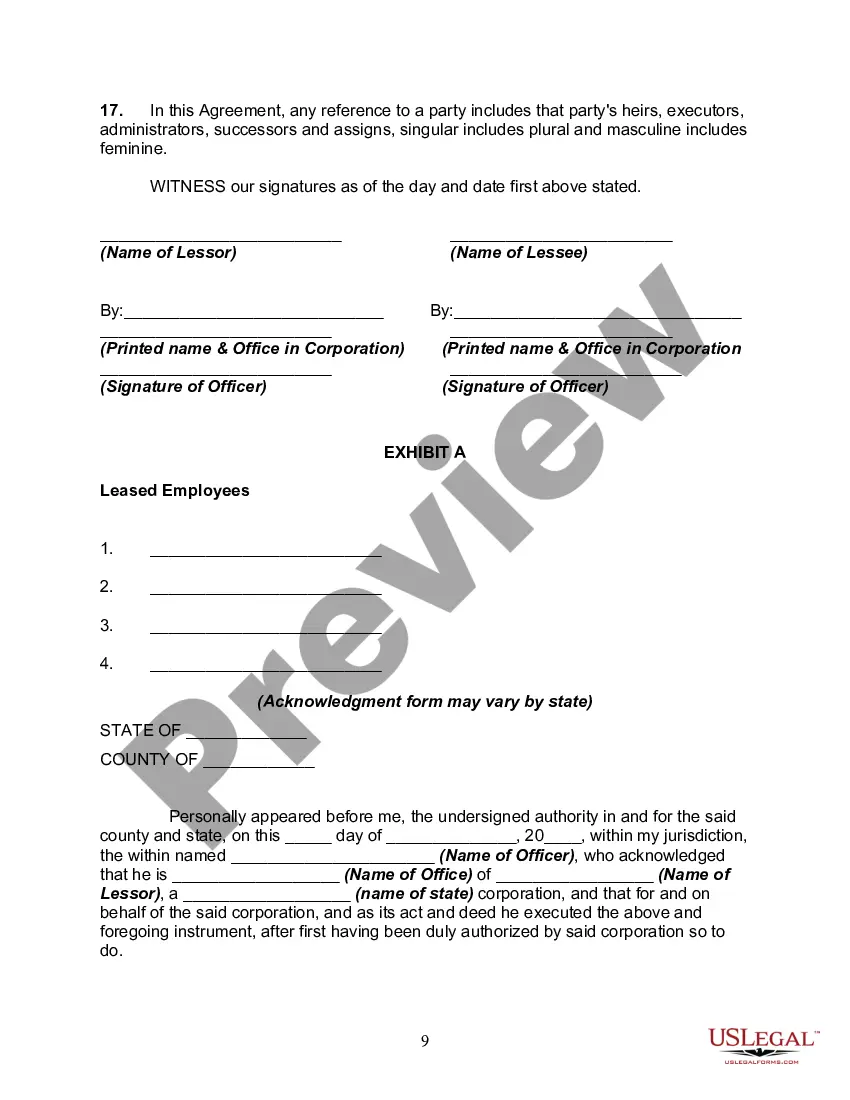
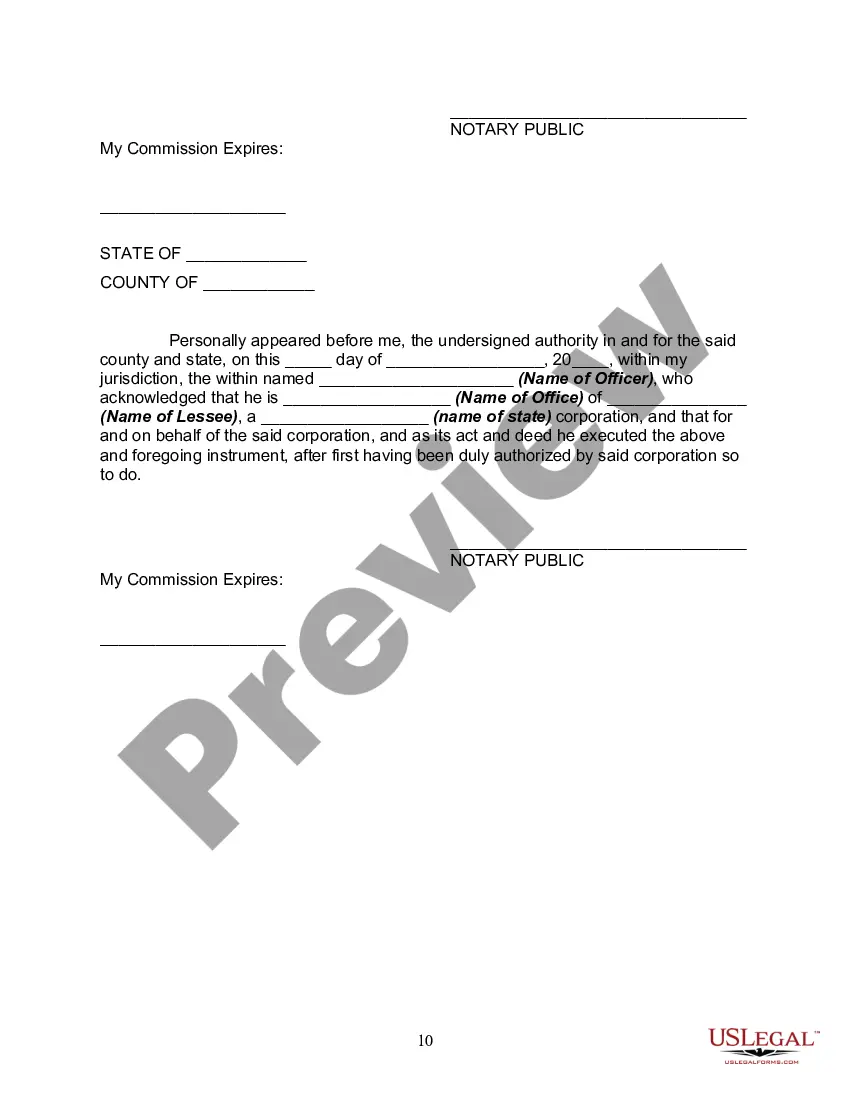
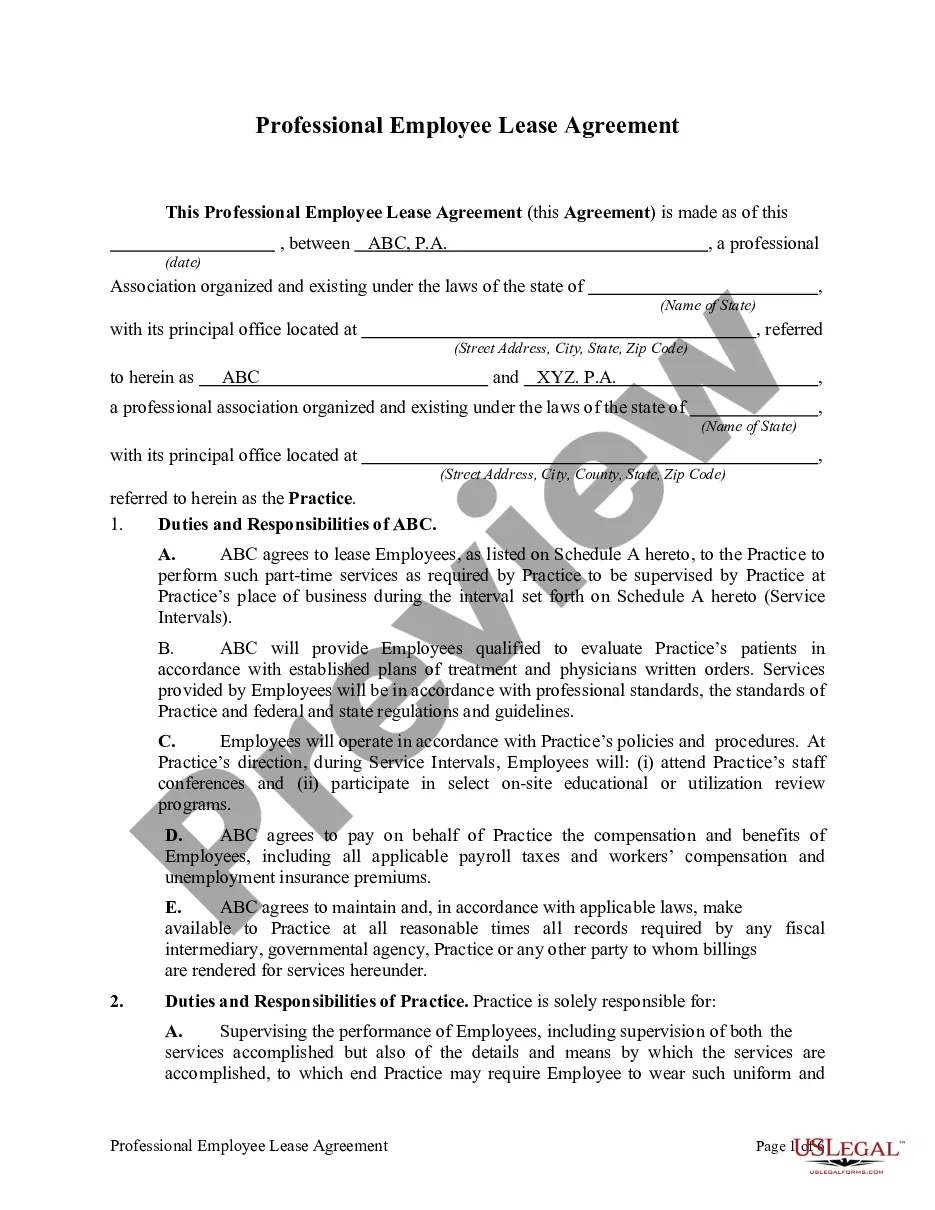
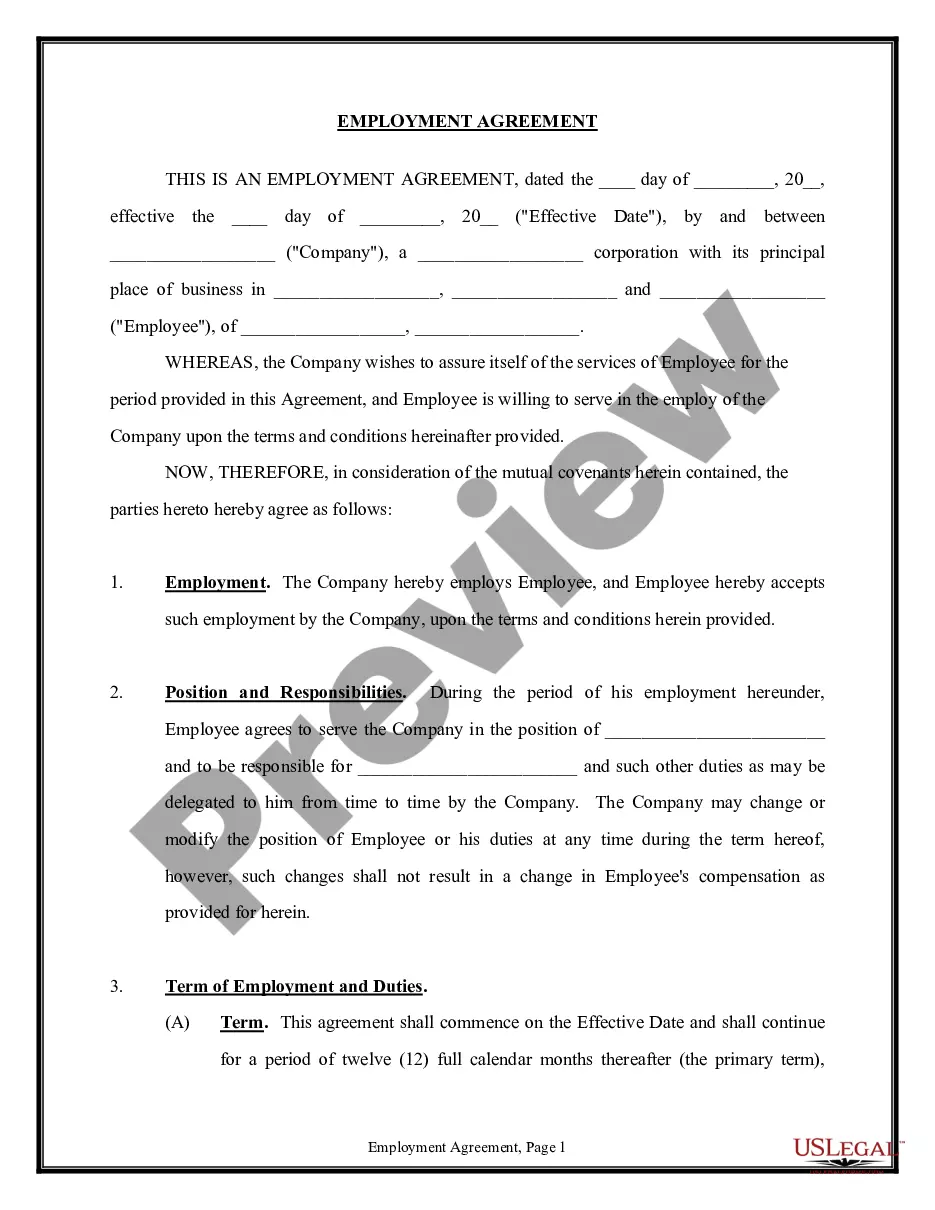
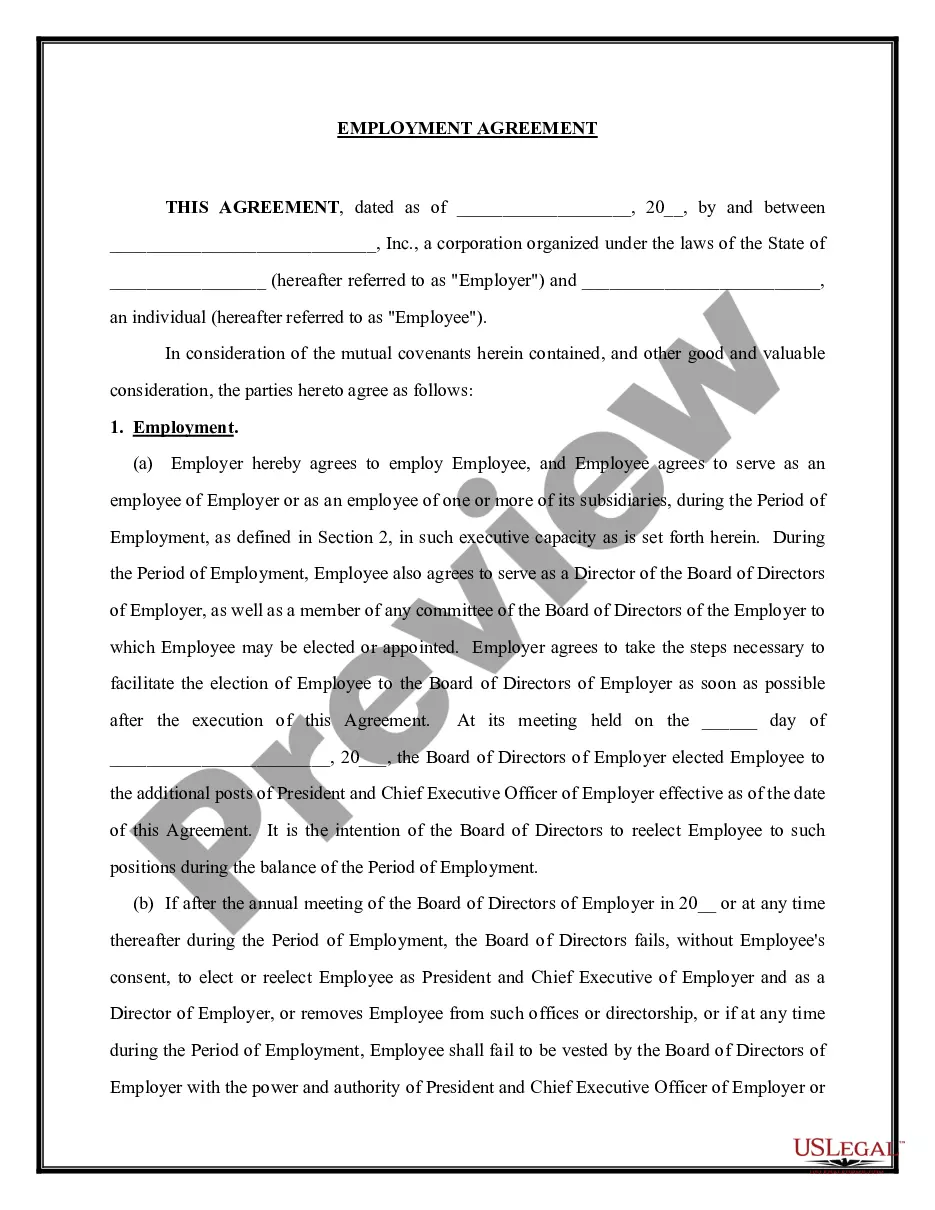
Get your form ready online
Our built-in tools help you complete, sign, share, and store your documents in one place.
Make edits, fill in missing information, and update formatting in US Legal Forms—just like you would in MS Word.
Download a copy, print it, send it by email, or mail it via USPS—whatever works best for your next step.
Sign and collect signatures with our SignNow integration. Send to multiple recipients, set reminders, and more. Go Premium to unlock E-Sign.
If this form requires notarization, complete it online through a secure video call—no need to meet a notary in person or wait for an appointment.
We protect your documents and personal data by following strict security and privacy standards.

Make edits, fill in missing information, and update formatting in US Legal Forms—just like you would in MS Word.

Download a copy, print it, send it by email, or mail it via USPS—whatever works best for your next step.

Sign and collect signatures with our SignNow integration. Send to multiple recipients, set reminders, and more. Go Premium to unlock E-Sign.

If this form requires notarization, complete it online through a secure video call—no need to meet a notary in person or wait for an appointment.

We protect your documents and personal data by following strict security and privacy standards.
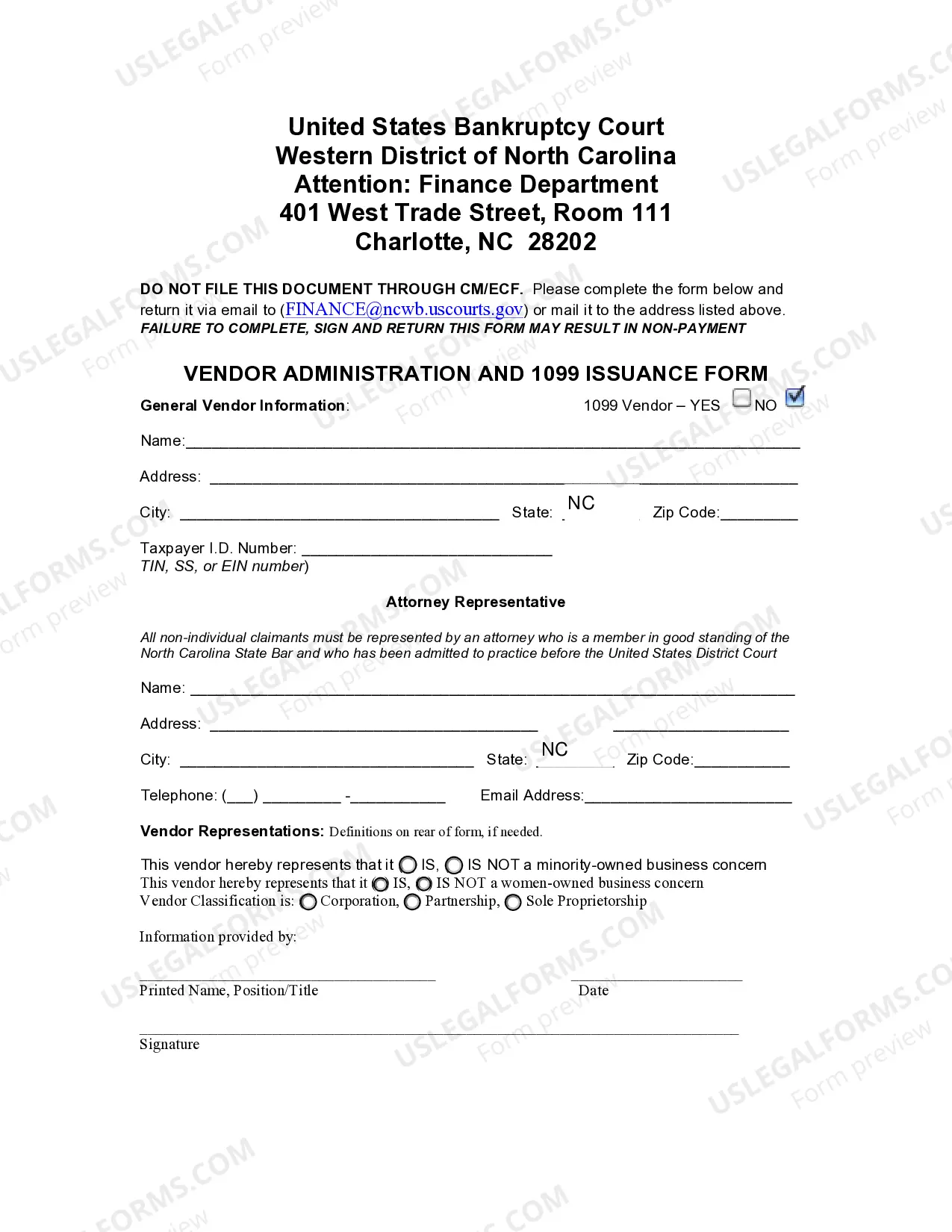
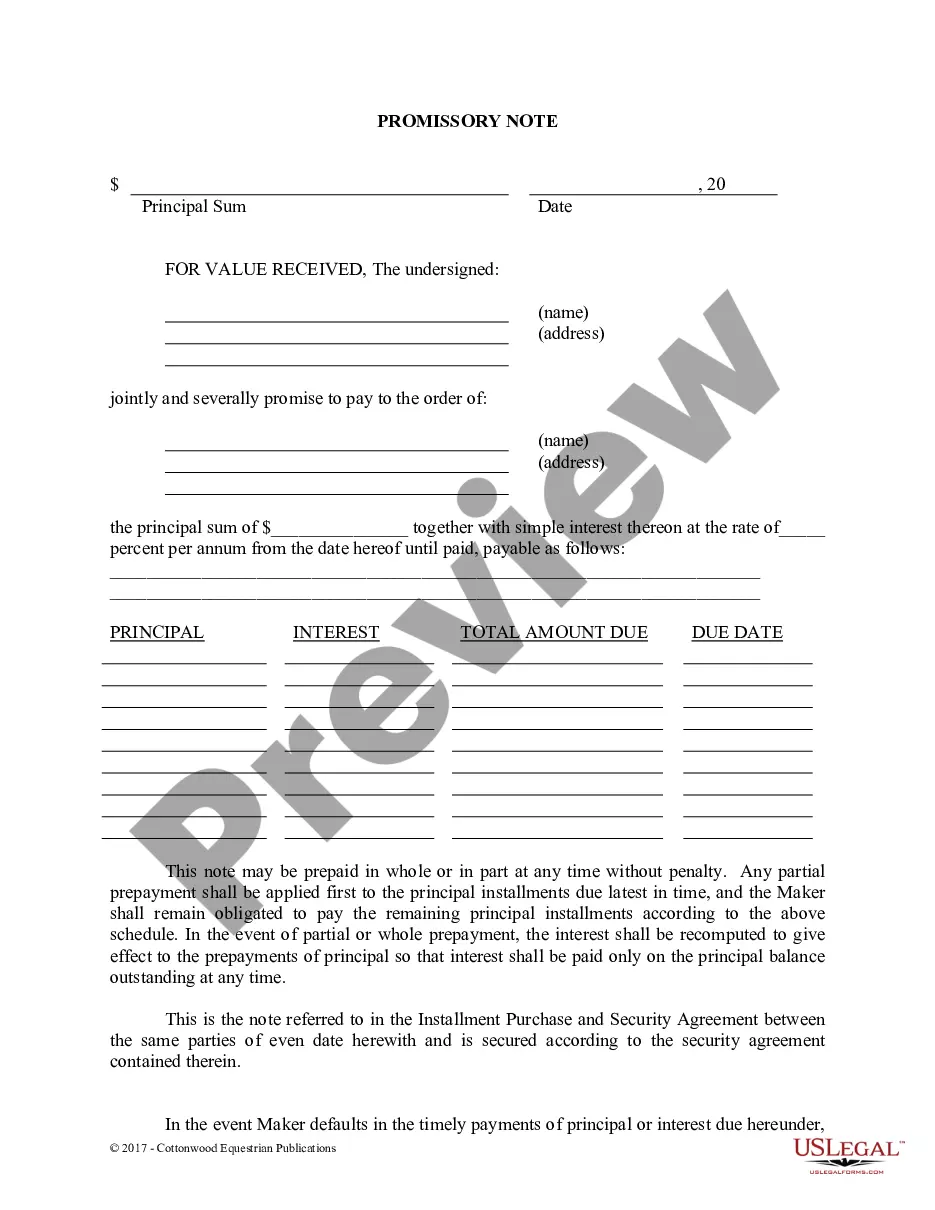
Looking for another form?






Form popularity
FAQ
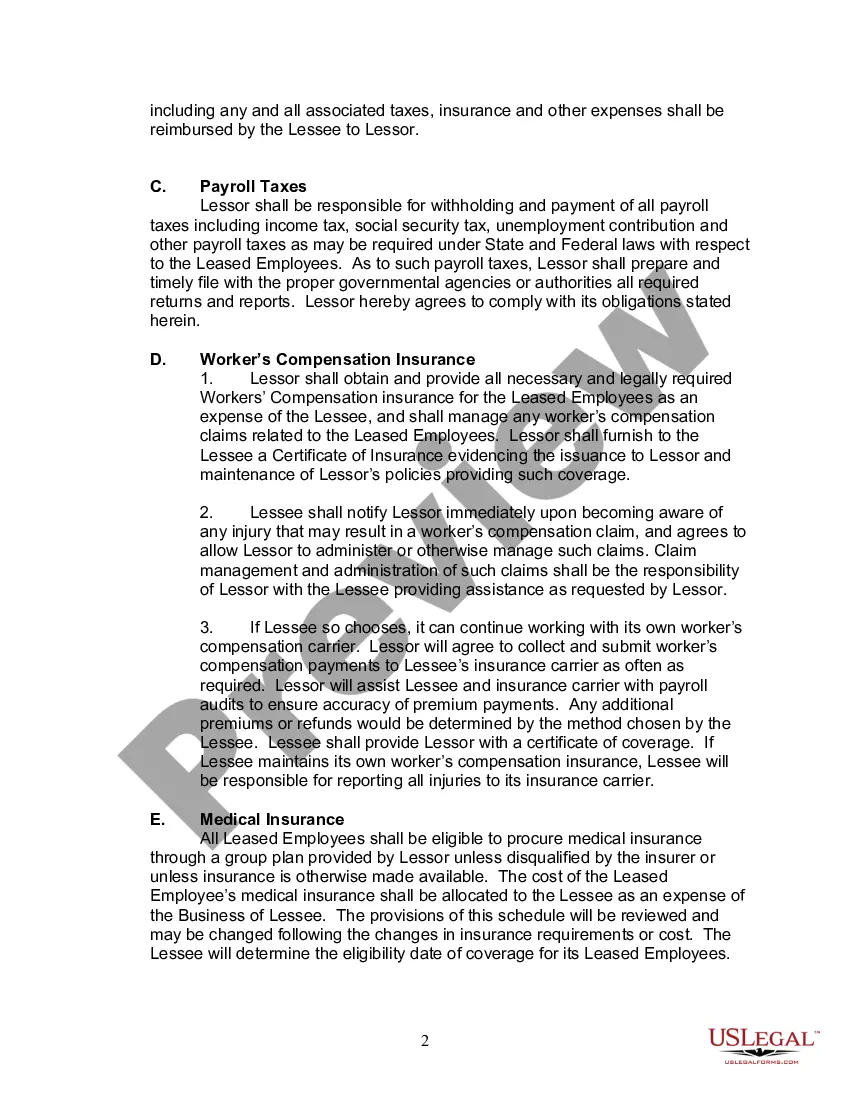
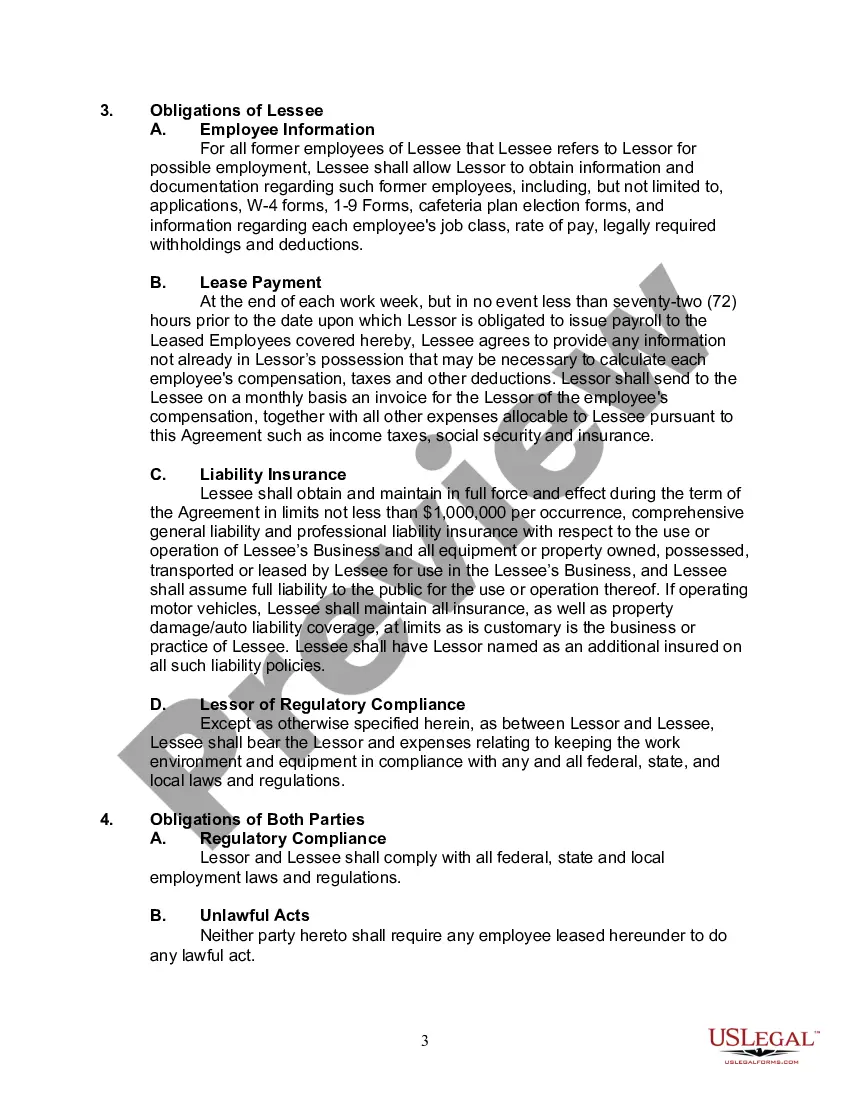
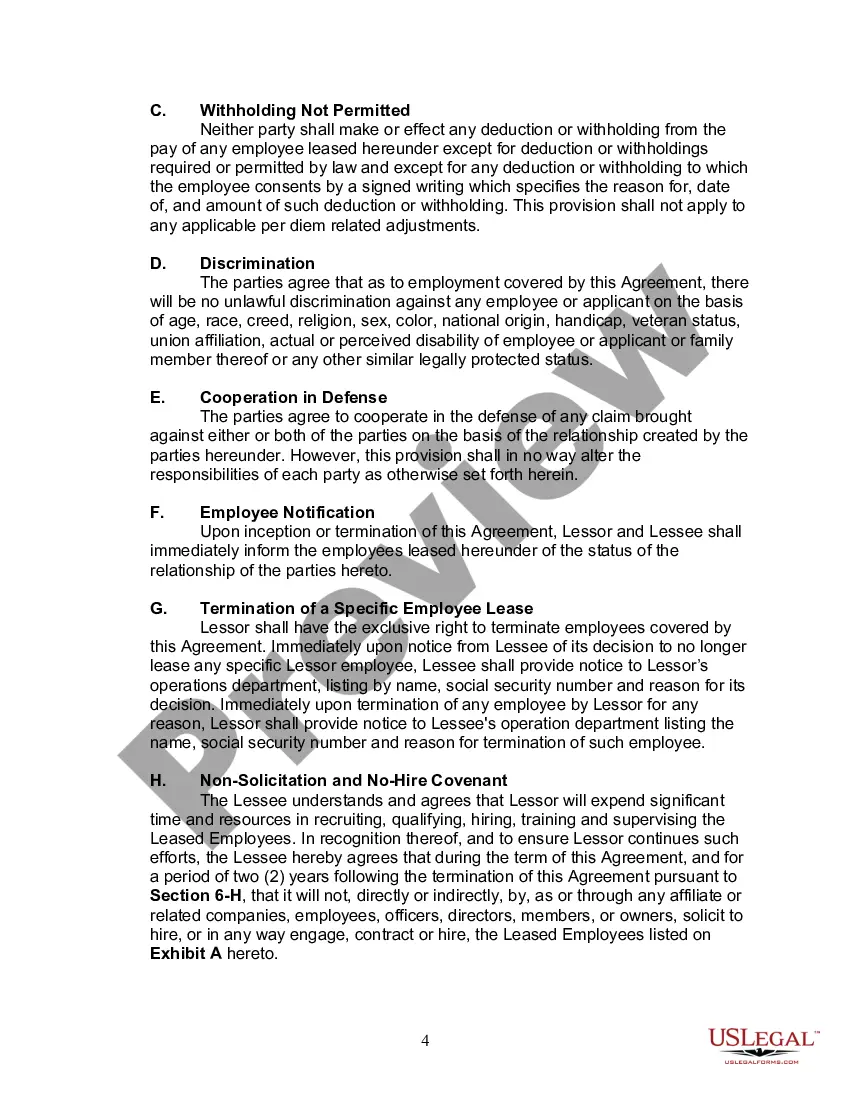
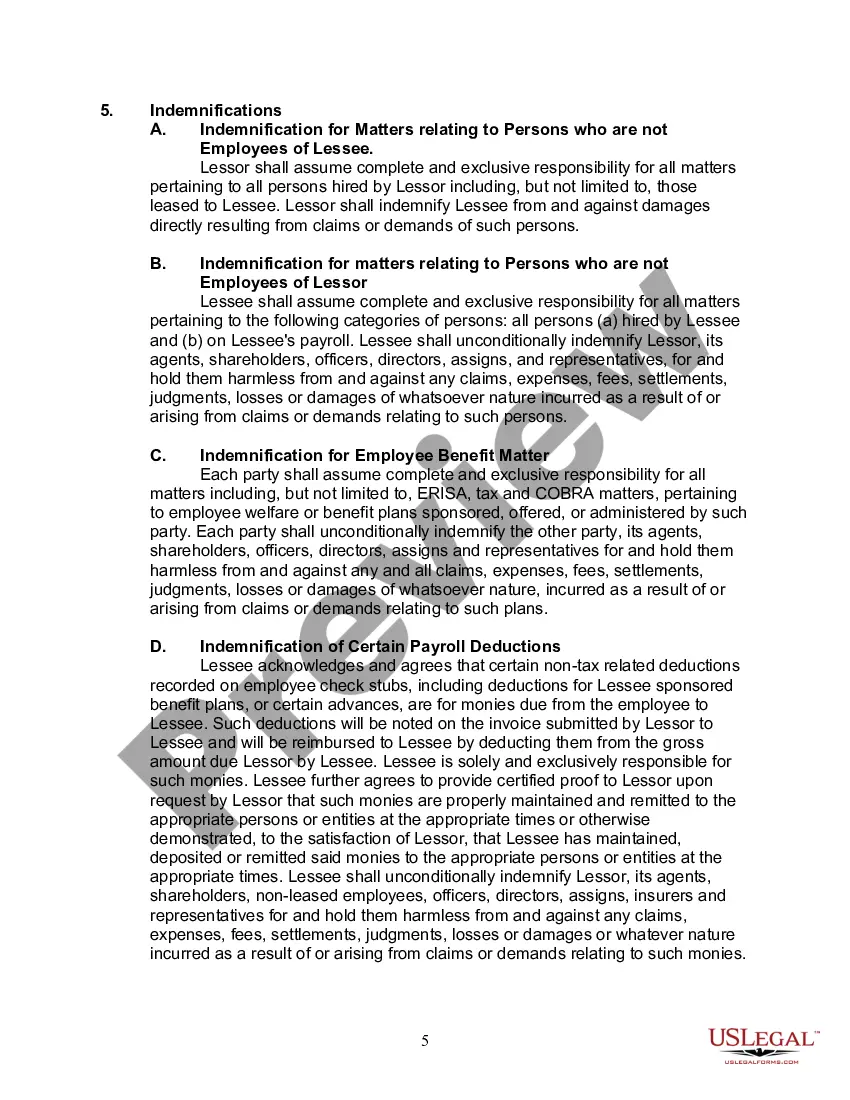
Employee leasing is an arrangement between a business and a staffing firm, who supplies workers on a project-specific or temporary basis. These employees work for the client business, but the leasing agency pays their salaries and handles all of the HR administration associated with their employment.
How to Write a Lease Agreement Include Parties' Info & Property Details. Specify the Lease Length. Include Rent Payment Terms & Late Fees. Outline Security Deposit Rules. Describe Maintenance Responsibilities. Explain Utility Provisions. Highlight Rules & Policies. Make Mandatory Disclosures.
When creating an Employment Contract, you can include the following terms: The type and rate of compensation. The frequency of payment. Vacation time. Specified work hours. Specified work location. Employee responsibilities. Length of a probationary period. Confidentiality, non-solicitation, or non-competition clauses.
Examples of work provided by Employee Leasing Companies are Payroll Services, Insurance, Tax Services, and various Personnel Services.
In an employee leasing arrangement, the leased employees work for you to get the job done, but they are not on payroll because they are not your employees. Legally, they are employed by the leasing agency and will return to their employer after completing the job you outsourced, or leased, them to do.
Employee leasing is an arrangement between a business and a staffing firm, who supplies workers on a project-specific or temporary basis. These employees work for the client business, but the leasing agency pays their salaries and handles all of the HR administration associated with their employment.
How to Write a Letter of Agreement Start with Basic Information. Define Employment Terms. Outline Compensation and Benefits. Include Non-Disclosure and Non-Compete Clauses. Address the Probationary Period (if applicable). Set the Code of Conduct and Policies. Explain Termination Conditions. Detail Severance Terms:
7 steps to a solid statement of work Write the introduction. List the key activities and requirements. Create your project timeline. List required resources. List project deliverables. Highlight dependencies. Define project tracking and communication:
