Agreement Form Assignment Contract With Broker Dealer In Utah
Description









Get your form ready online
Our built-in tools help you complete, sign, share, and store your documents in one place.
Make edits, fill in missing information, and update formatting in US Legal Forms—just like you would in MS Word.
Download a copy, print it, send it by email, or mail it via USPS—whatever works best for your next step.
Sign and collect signatures with our SignNow integration. Send to multiple recipients, set reminders, and more. Go Premium to unlock E-Sign.
If this form requires notarization, complete it online through a secure video call—no need to meet a notary in person or wait for an appointment.
We protect your documents and personal data by following strict security and privacy standards.

Make edits, fill in missing information, and update formatting in US Legal Forms—just like you would in MS Word.

Download a copy, print it, send it by email, or mail it via USPS—whatever works best for your next step.

Sign and collect signatures with our SignNow integration. Send to multiple recipients, set reminders, and more. Go Premium to unlock E-Sign.

If this form requires notarization, complete it online through a secure video call—no need to meet a notary in person or wait for an appointment.

We protect your documents and personal data by following strict security and privacy standards.
Looking for another form?

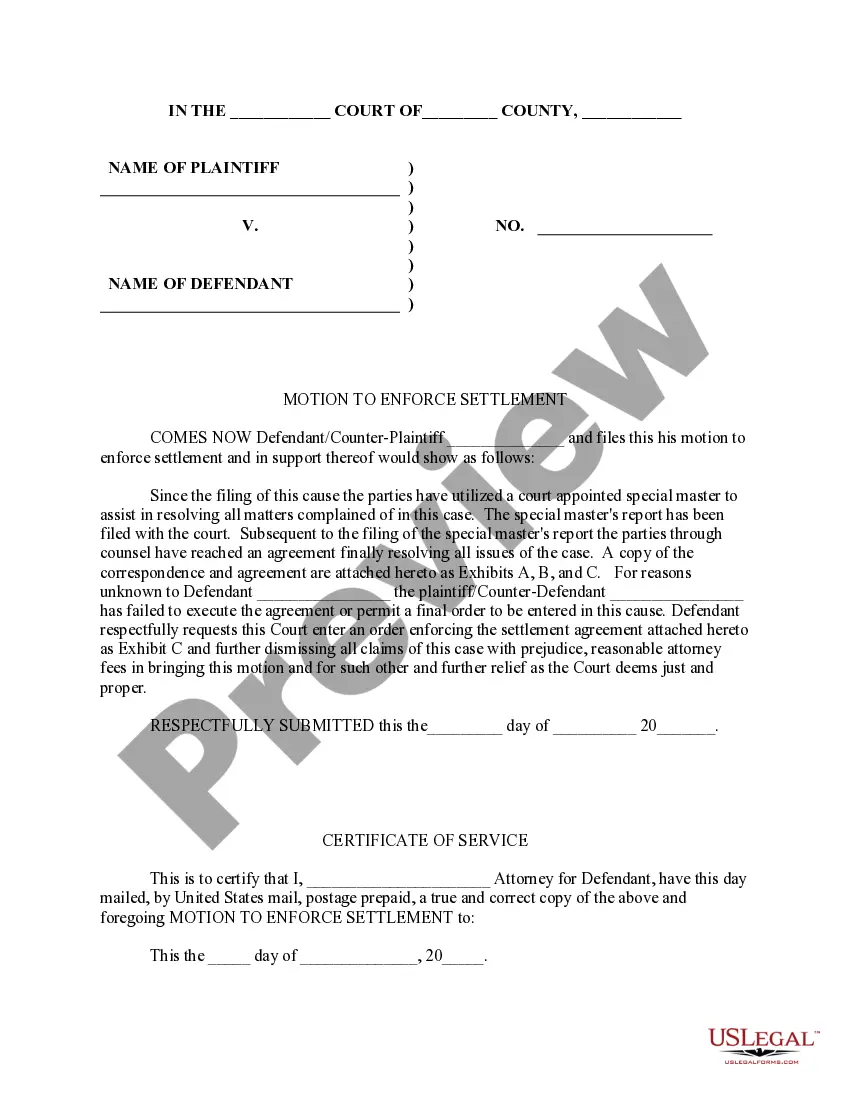


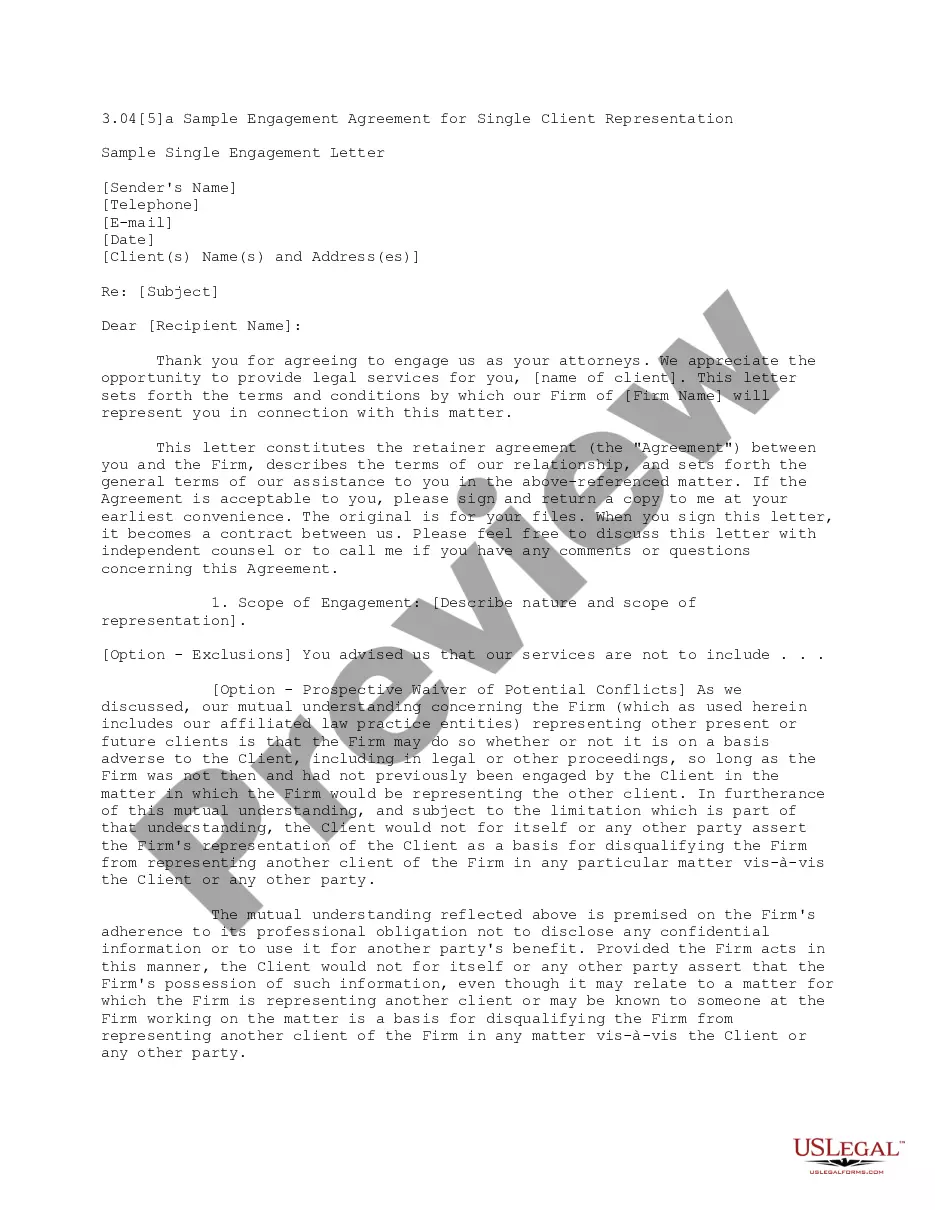



Form popularity
FAQ
For example, if A contracts with B to teach B guitar for $50, A can assign this contract to C. That is, this assignment is both: (1) an assignment of A's rights under the contract to the $50; and (2) a delegation of A's duty to teach guitar to C.
On a day when a half-time physical education teacher spends the morning at one building and the afternoon at another, said half-time physical education teacher shall be allowed seventy-five minutes including lunch for travel time.
How to write a letter of agreement Title the document. Add the title at the top of the document. List your personal information. Include the date. Add the recipient's personal information. Address the recipient. Write an introduction paragraph. Write your body. Conclude the letter.
How to Write an Assignment Agreement Step 1 – List the Assignor's and Assignee's Details. Step 2 – Provide Original Contract Information. Step 3 – State the Consideration. Step 4 – Provide Any Terms and Conditions. Step 5 – Obtain Signatures.
Types of Assignment – Legal (Statutory) Assignment vs. Equitable Assignment. Equitable Assignment: An equitable assignment may be enforced even if it does not fulfill the statutory requirements for a legal assignment.
An assignment must be clear and unequivocal; There must be clear evidence of the intent to transfer rights; An assignment must describe the subject matter of the assignment; Notice to the obligor.
The initial contract must provide for the possibility of assignment by one of the initial contracting parties. The assignor must agree to assign their rights and duties under the contract to the assignee. The assignee must agree to accept, or "assume," those contractual rights and duties.
The assignor must agree to assign their rights and duties under the contract to the assignee. The assignee must agree to accept, or "assume," those contractual rights and duties. The other party to the initial contract must consent to the transfer of rights and obligations to the assignee.
Consent is an essential prerequisite of a contract but whether someone has consented to a contract is often the subject of dispute. Contractual consent differs from consent in other contexts. For example, the consent required to enter into a contract is not the same as the consent required for a medical procedure.
Usually, contractual provisions that restrict assignment of the contract without the consent of the obligor are valid and enforceable, even when there is statutory authorization for the assignment. The restriction of the power to assign is often ineffective unless the restriction is expressly and precisely stated.
