Agreement Receivable Statement With Multiple Conditions In Salt Lake
Description

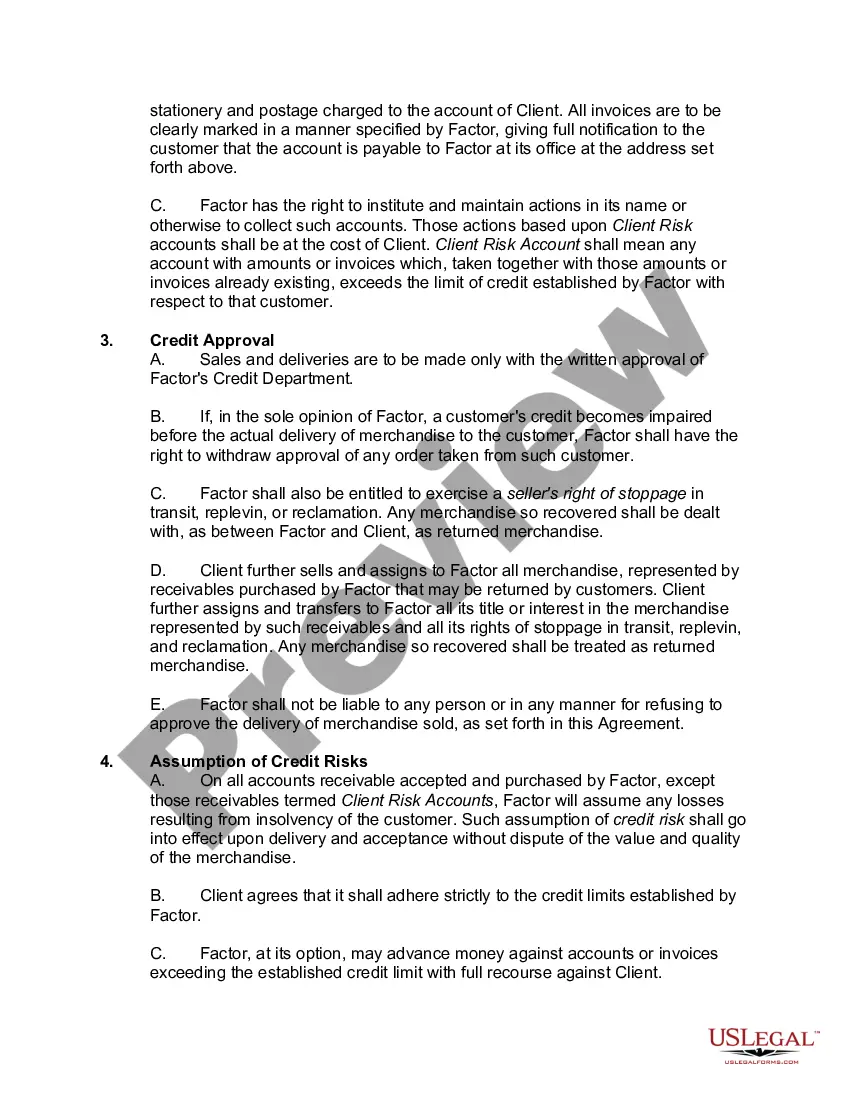
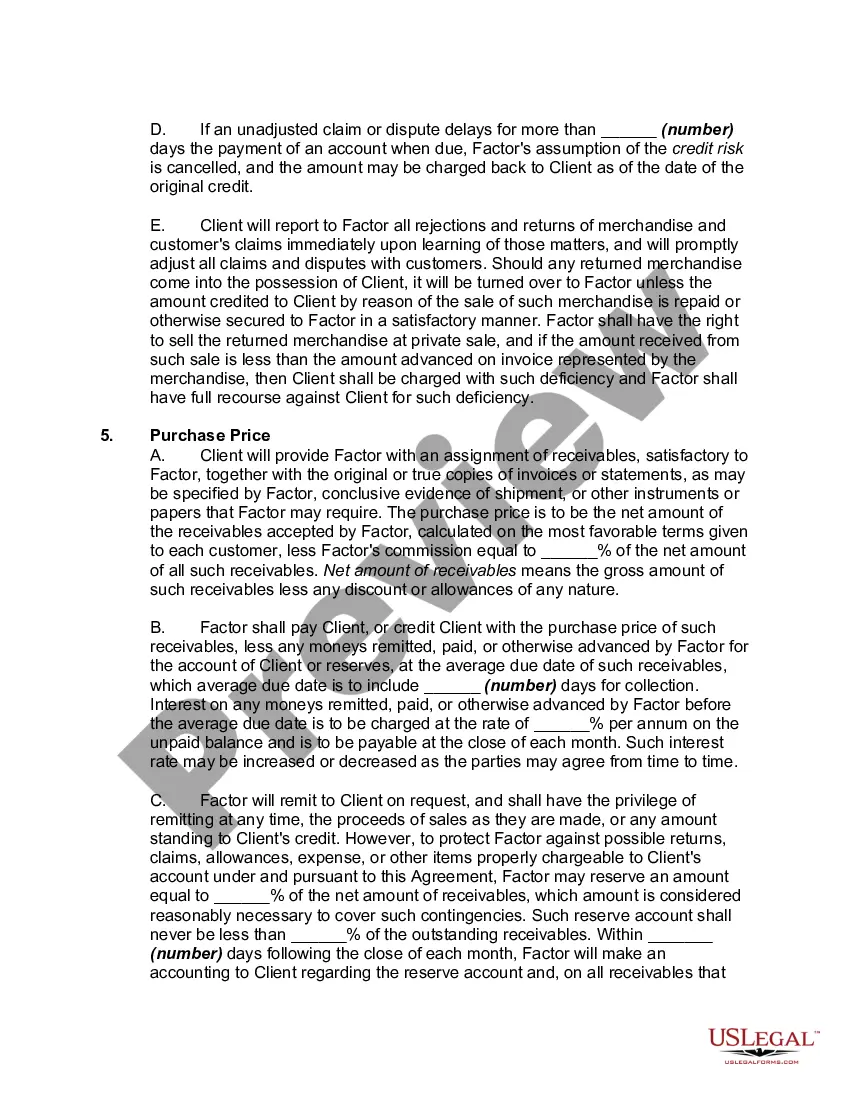
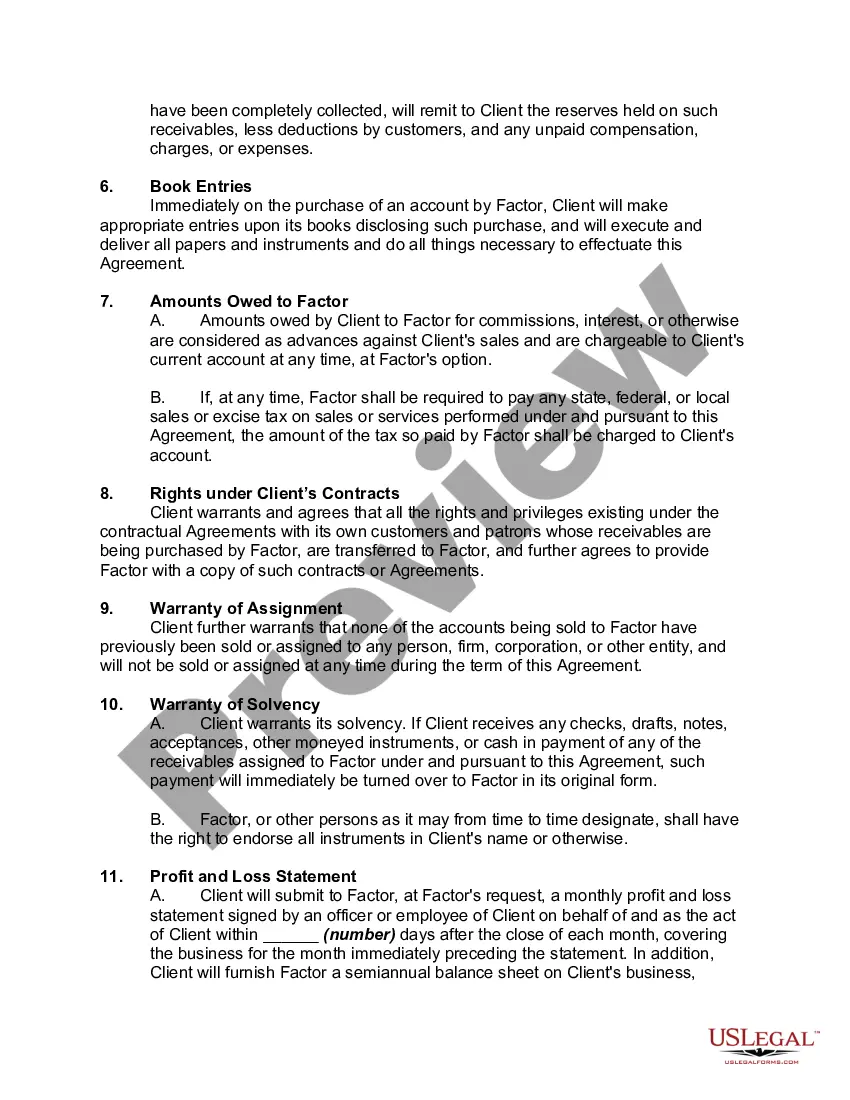
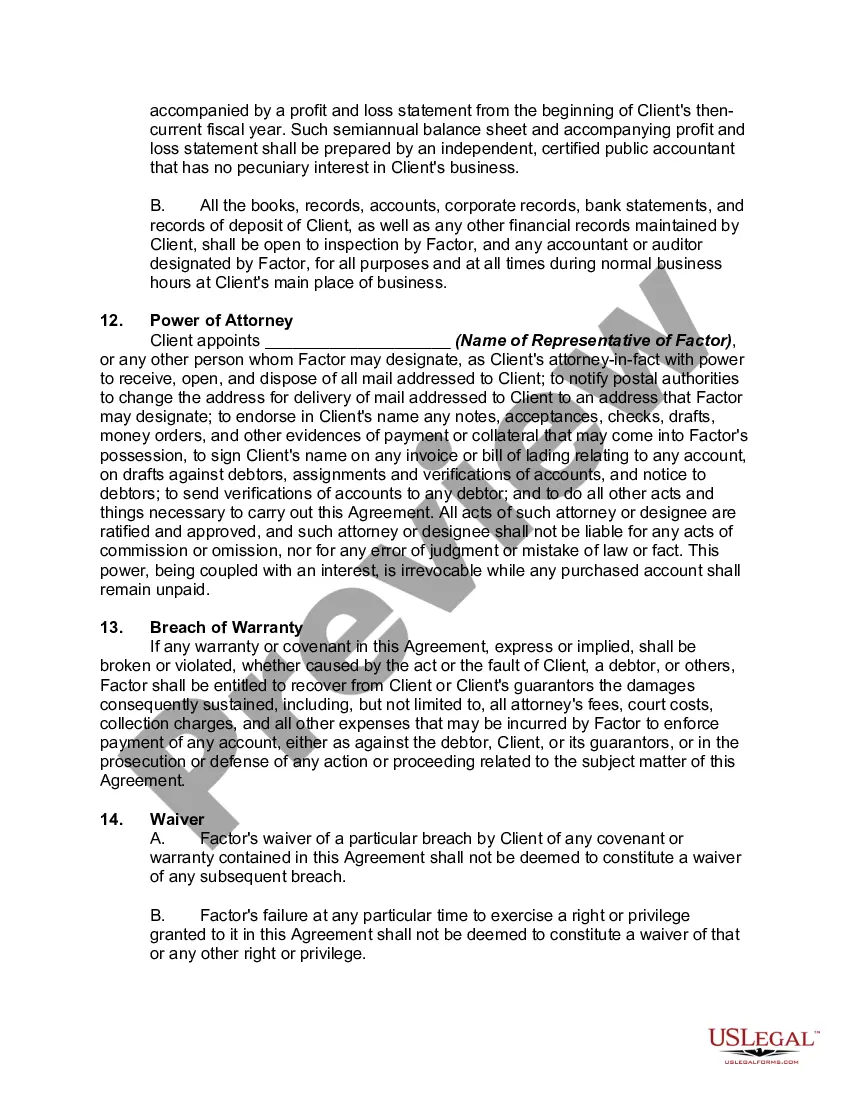


Get your form ready online
Our built-in tools help you complete, sign, share, and store your documents in one place.
Make edits, fill in missing information, and update formatting in US Legal Forms—just like you would in MS Word.
Download a copy, print it, send it by email, or mail it via USPS—whatever works best for your next step.
Sign and collect signatures with our SignNow integration. Send to multiple recipients, set reminders, and more. Go Premium to unlock E-Sign.
If this form requires notarization, complete it online through a secure video call—no need to meet a notary in person or wait for an appointment.
We protect your documents and personal data by following strict security and privacy standards.

Make edits, fill in missing information, and update formatting in US Legal Forms—just like you would in MS Word.

Download a copy, print it, send it by email, or mail it via USPS—whatever works best for your next step.

Sign and collect signatures with our SignNow integration. Send to multiple recipients, set reminders, and more. Go Premium to unlock E-Sign.

If this form requires notarization, complete it online through a secure video call—no need to meet a notary in person or wait for an appointment.

We protect your documents and personal data by following strict security and privacy standards.
Looking for another form?






Form popularity
FAQ
Assignment of accounts receivable is a method of debt financing whereby the lender takes over the borrowing company's receivables. This form of alternative financing is often seen as less desirable, as it can be quite costly to the borrower, with APRs as high as 100% annualized.
A receivables financing agreement, also known as a factoring arrangement, is a type of financial transaction in which a business sells its accounts receivable (invoices) to a third party (the factor).
Which of the following conditions must exist for a transfer of receivables to be treated as a sale? The transferor surrenders control of the asset.
The two conditions that must exist for a sale and the related receivable to be recognized are: 1) The company has provided goods or services to the customer. 2) Collection from the customer is probable.
This Statement specifies that a transferor ordinarily should report a sale of receivables with recourse transaction as a sale if (a) the transferor surrenders its control of the future economic benefits relating to the receivables, (b) the transferor can reasonably estimate its obligation under the recourse provisions, ...
Receivables can be classified into several types based on the nature of the transaction and the agreement between the business and the debtor. The primary accounts receivable classification includes trade receivables (accounts receivable), notes receivable, and other receivables.
The four types of accounts receivable are trade receivables, or accounts reflecting the sale of goods or services; non-trade receivables, or accounts not related to the sale of goods or services, like loans, insurance claims, and interest payments; secured receivables, which are backed by collateral and enshrined by a ...
