Form Assignment Account With Inventory In Ohio
Description

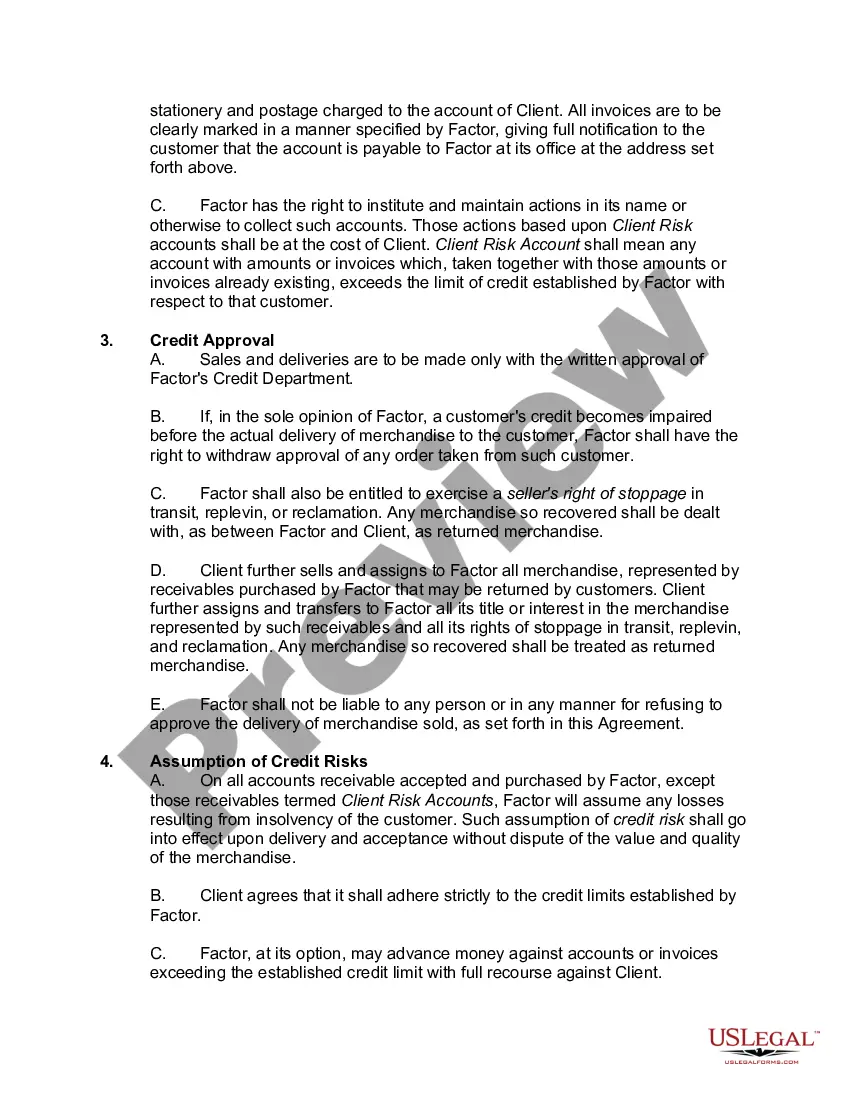
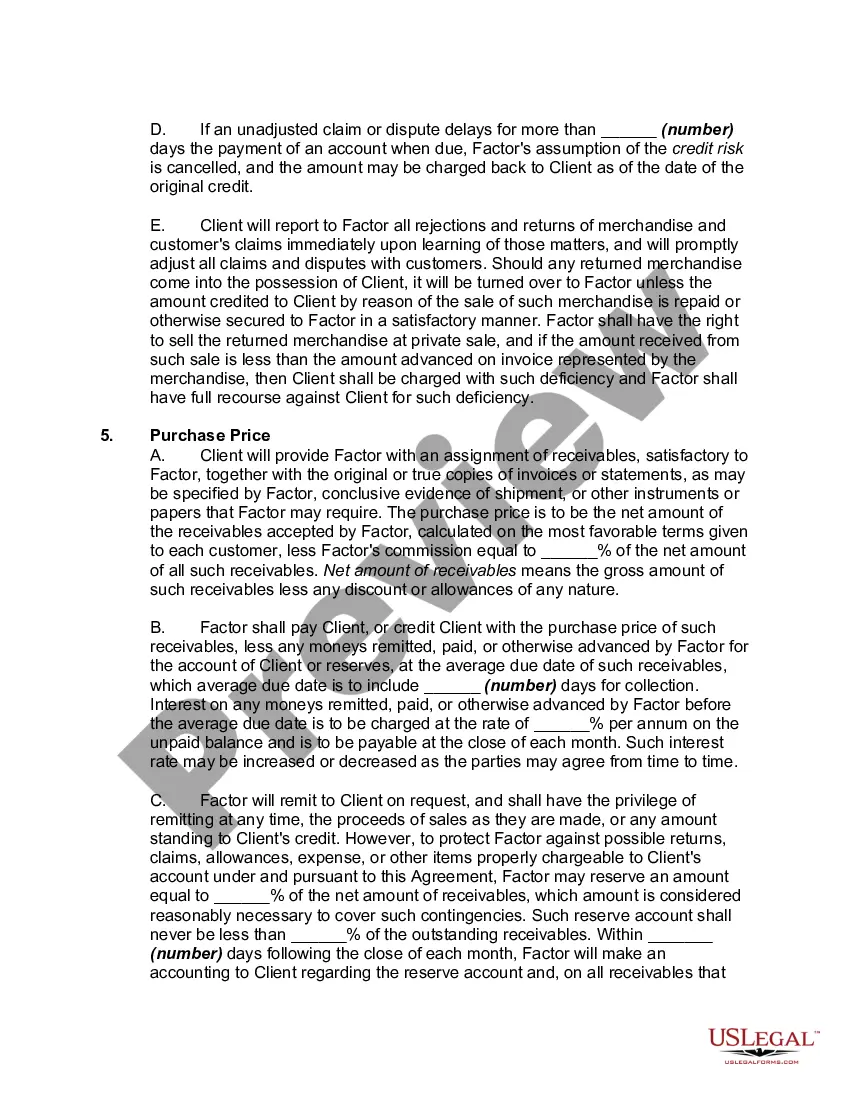
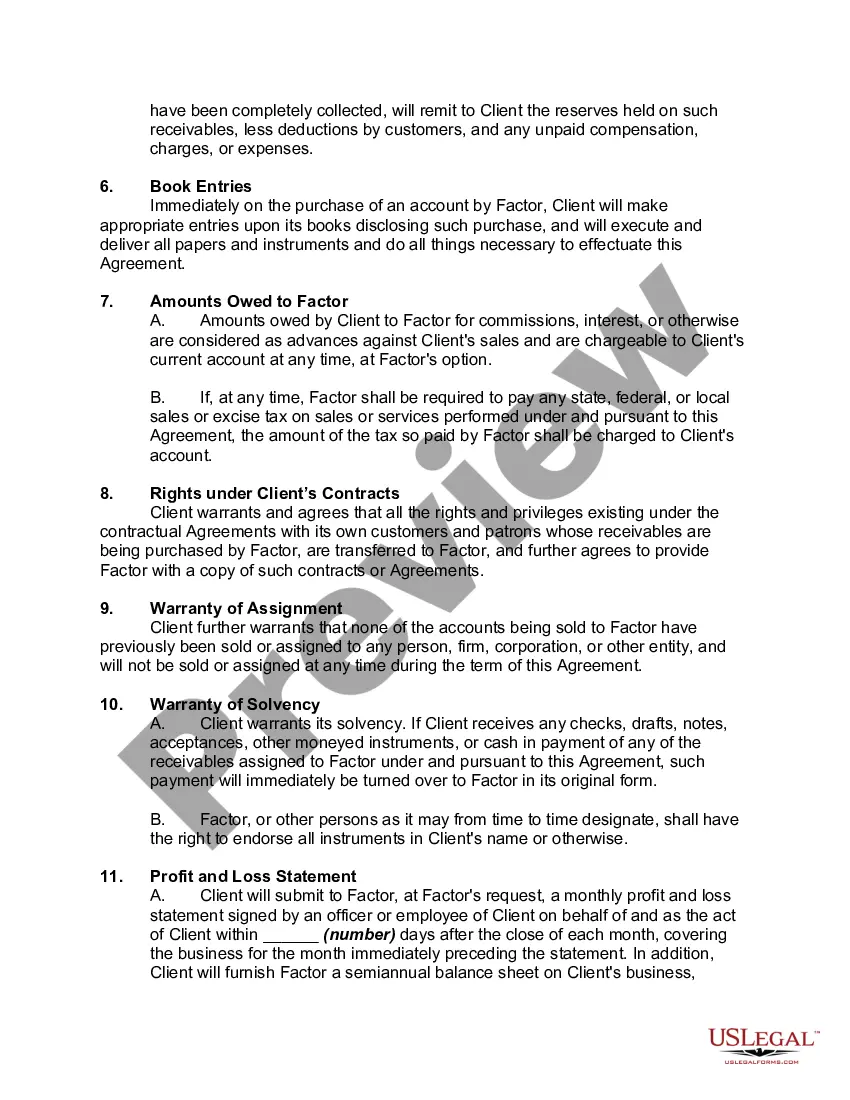
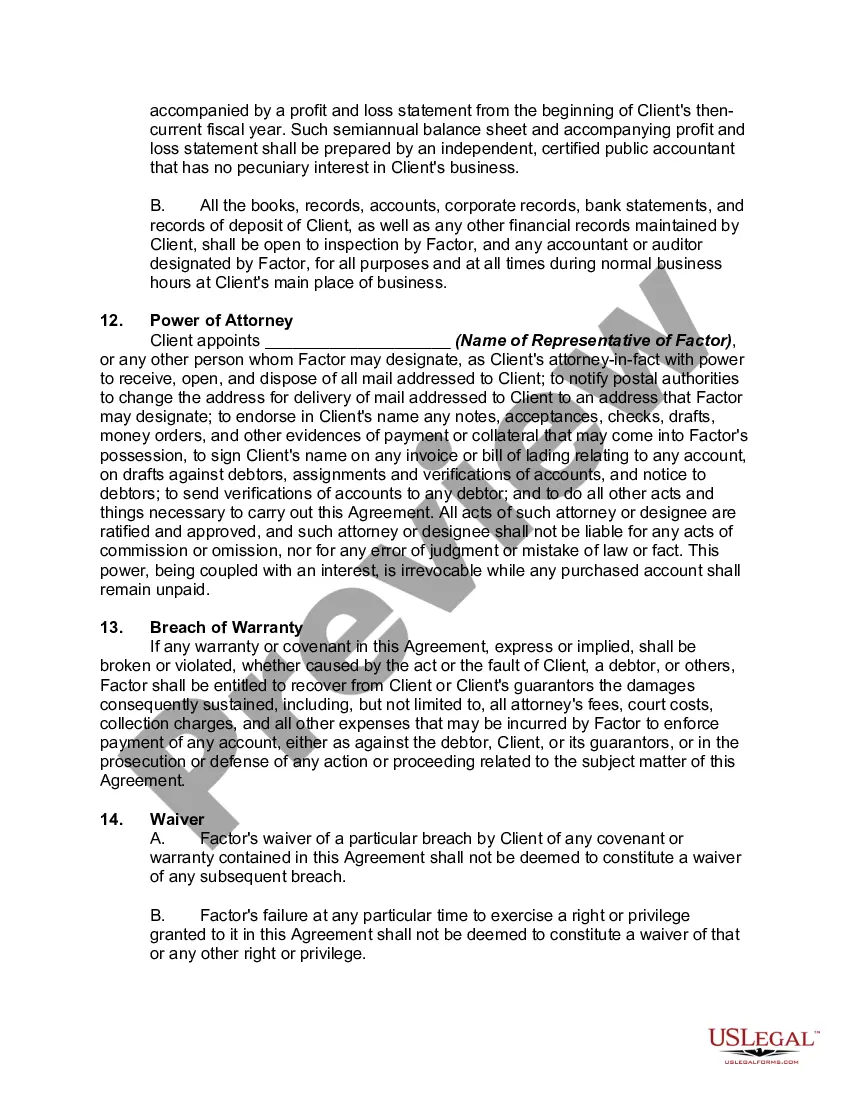
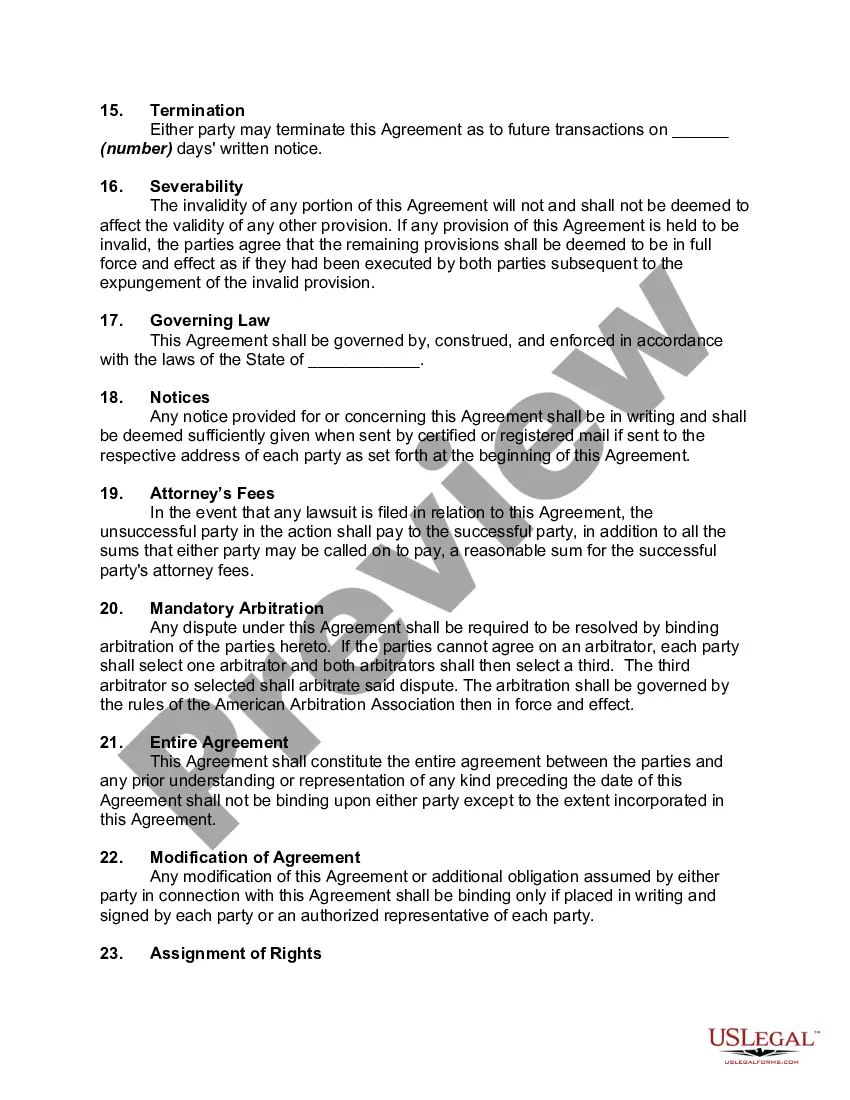


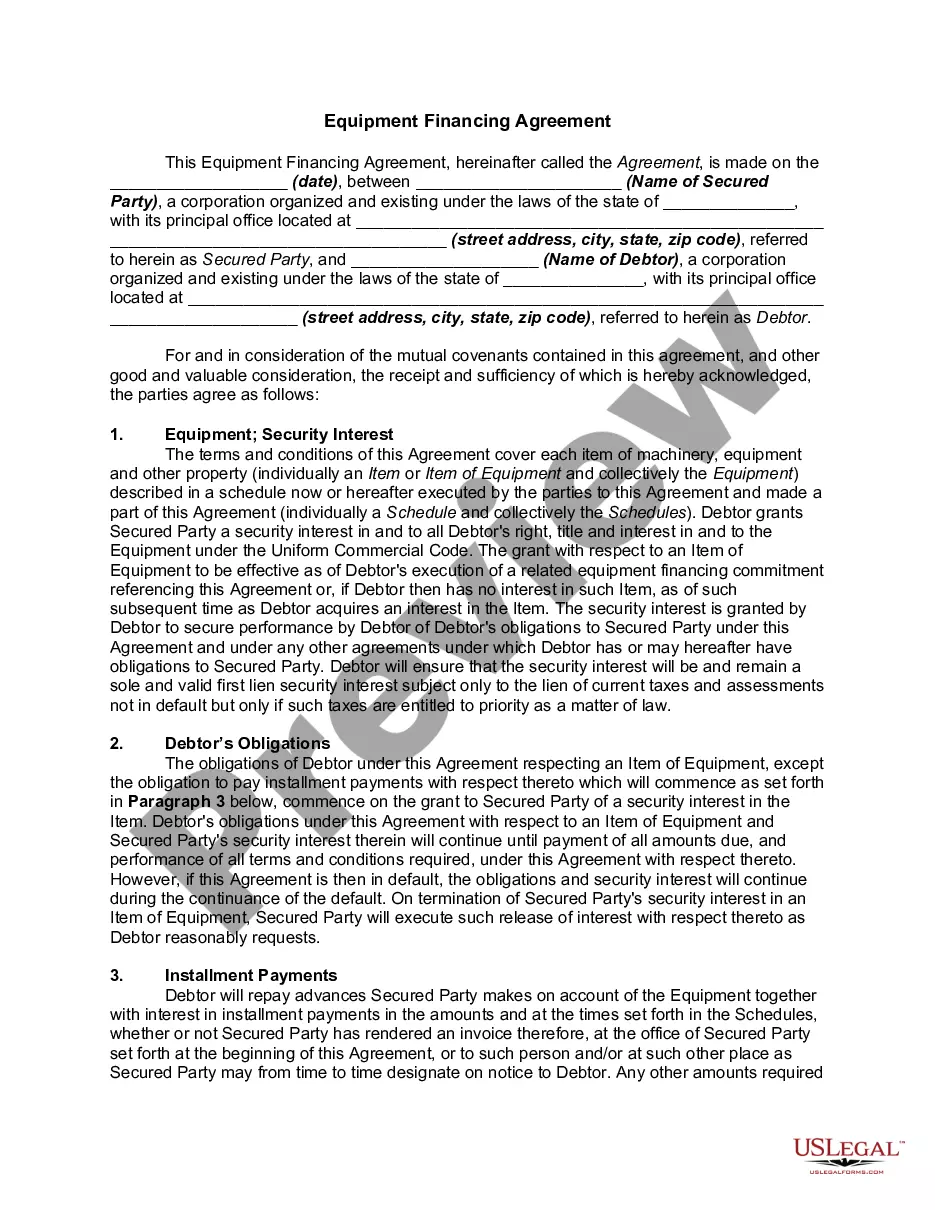
Get your form ready online
Our built-in tools help you complete, sign, share, and store your documents in one place.
Make edits, fill in missing information, and update formatting in US Legal Forms—just like you would in MS Word.
Download a copy, print it, send it by email, or mail it via USPS—whatever works best for your next step.
Sign and collect signatures with our SignNow integration. Send to multiple recipients, set reminders, and more. Go Premium to unlock E-Sign.
If this form requires notarization, complete it online through a secure video call—no need to meet a notary in person or wait for an appointment.
We protect your documents and personal data by following strict security and privacy standards.

Make edits, fill in missing information, and update formatting in US Legal Forms—just like you would in MS Word.

Download a copy, print it, send it by email, or mail it via USPS—whatever works best for your next step.

Sign and collect signatures with our SignNow integration. Send to multiple recipients, set reminders, and more. Go Premium to unlock E-Sign.

If this form requires notarization, complete it online through a secure video call—no need to meet a notary in person or wait for an appointment.

We protect your documents and personal data by following strict security and privacy standards.
Looking for another form?








Form popularity
FAQ
To obtain your Ohio Certificate of Authority, you will submit an Application for Certificate of Authority, along with required certificates or certified copies from your home state. You will need to appoint a registered agent in order for your filing to be approved.
What's Included in the Inventory? Real estate, including any homes, land, or commercial properties. Bank accounts, including checking, savings, and investment accounts. Vehicles, including cars, boats, and other recreational vehicles. Stocks, bonds, and other investment assets.
Ohio. Ohio imposes a six-month deadline from the date of death. Probate filings beyond this period may face hurdles, including court dismissal.
Upon court motion: Beneficiaries can petition the court for a formal accounting; if the court grants the petition, the executor must provide one.
The guardianship process for an Ohio resident is started by filing an application in the Probate Court of the county where the proposed ward resides. Unless certain conditions have been met, the proposed ward must have been a resident of Ohio for six months prior to the filing of the application.
Pretty much any asset owned by a person at the time of their death should be included in the estate inventory. Here are common types of items that are included in an estate inventory: Personal items: clothing, jewelry, antiques, collectibles, and other household items of sentimental or monetary value.
Titled assets owned solely by the deceased person will be part of the probate process. Personal property. Household items go through probate, along with clothing, jewelry, and collections. The inventory should include the decedent's personal belongings that remain after death.
Pretty much any asset owned by a person at the time of their death should be included in the estate inventory. Here are common types of items that are included in an estate inventory: Personal items: clothing, jewelry, antiques, collectibles, and other household items of sentimental or monetary value.
Probate is necessary when a person dies leaving property in his or her own name (such as a house titled only in the name of the decedent) or having rights to receive property.