Agreement General Form Contract With State In Miami-Dade
Description

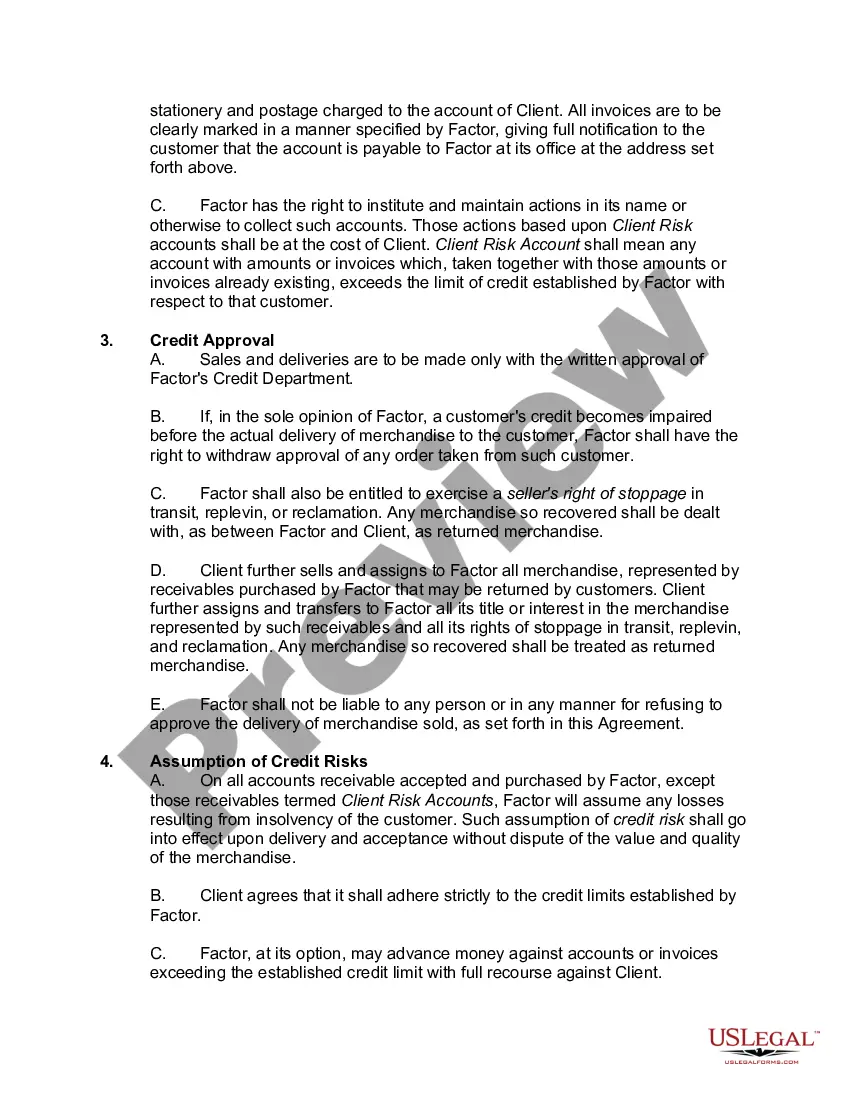
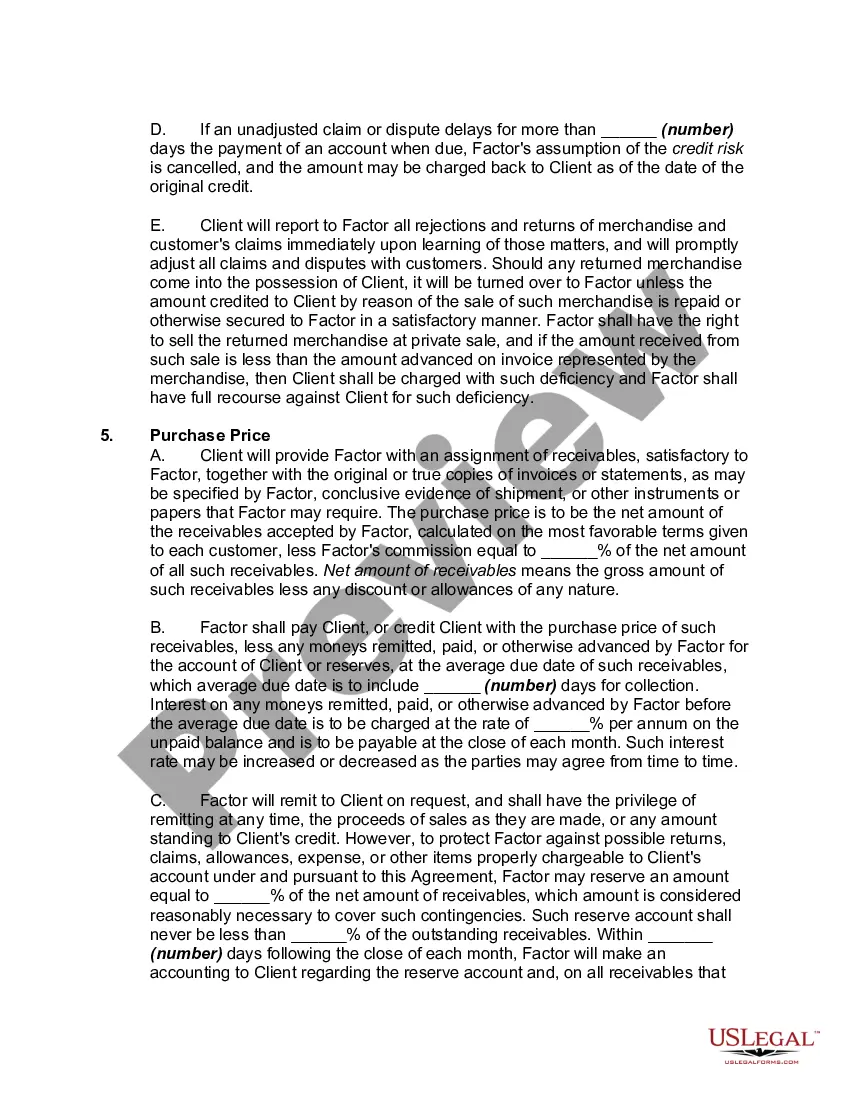
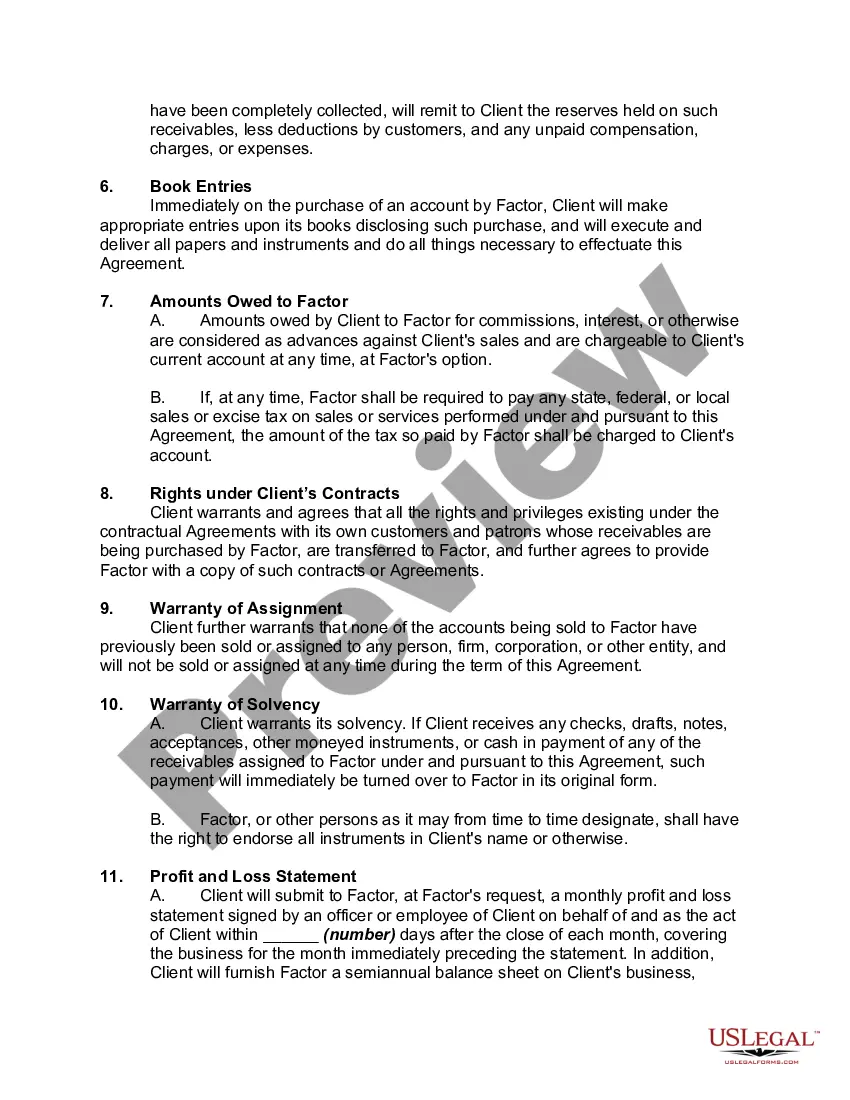
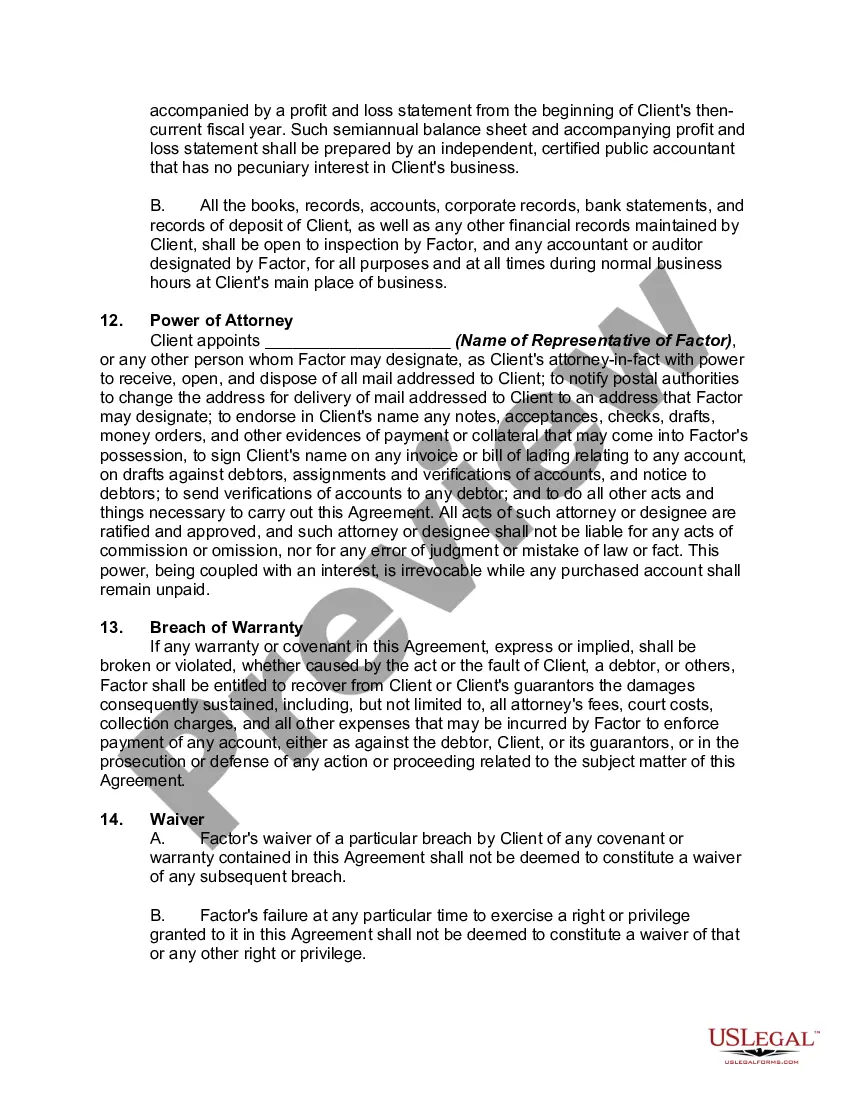


Get your form ready online
Our built-in tools help you complete, sign, share, and store your documents in one place.
Make edits, fill in missing information, and update formatting in US Legal Forms—just like you would in MS Word.
Download a copy, print it, send it by email, or mail it via USPS—whatever works best for your next step.
Sign and collect signatures with our SignNow integration. Send to multiple recipients, set reminders, and more. Go Premium to unlock E-Sign.
If this form requires notarization, complete it online through a secure video call—no need to meet a notary in person or wait for an appointment.
We protect your documents and personal data by following strict security and privacy standards.

Make edits, fill in missing information, and update formatting in US Legal Forms—just like you would in MS Word.

Download a copy, print it, send it by email, or mail it via USPS—whatever works best for your next step.

Sign and collect signatures with our SignNow integration. Send to multiple recipients, set reminders, and more. Go Premium to unlock E-Sign.

If this form requires notarization, complete it online through a secure video call—no need to meet a notary in person or wait for an appointment.

We protect your documents and personal data by following strict security and privacy standards.
Looking for another form?







Form popularity
FAQ
Real estate contracts commonly include the following information: Parties involved: The names and contact information of the buyer(s) and seller(s). Property description: A detailed description of the property, including its address, legal description, and any specific features.
Write the contract in six steps Start with a contract template. Open with the basic information. Describe in detail what you have agreed to. Include a description of how the contract will be ended. Write into the contract which laws apply and how disputes will be resolved. Include space for signatures.
How to draft a contract between two parties: A step-by-step checklist Know your parties. Agree on the terms. Set clear boundaries. Spell out the consequences. Specify how you will resolve disputes. Cover confidentiality. Check the legality of the contract. Open it up to negotiation.
Writing your own contracts is perfectly possible, and legal. But it's also an incredibly bad idea. There's two reasons for this: Property law is complicated. Because it's such a fundamental part of legislation, it's often lots and lots of different laws layered on top of each other.
For local and state contracts, register with Florida's Department of Management Services. For federal contracts, obtain a Unique Entity ID and register on the System for Award Management (SAM) website. Identify Suitable Opportunities: Stay updated on available opportunities through various platforms.
For local and state contracts, register with Florida's Department of Management Services. For federal contracts, obtain a Unique Entity ID and register on the System for Award Management (SAM) website. Identify Suitable Opportunities: Stay updated on available opportunities through various platforms.
Most frequently solicited contracts by industry: Construction. Information Technology /Telecommunications. Architectural/Engineering. Janitorial/Custodial. Security/Safety.
In short, for your small business to serve as a prime contractor or subcontractor, you'll need to legally qualify as a small business and register as a government contractor . Then you can start looking for both prime or subcontracting opportunities with the federal government.
If you're trying to break into federal contracting, or you're looking for an easy win, look into religious services contracts. The federal government purchases religious services regularly, and these contracts are easier to win than you think. There are tons of religious opportunities there.
How to draft a contract between two parties: A step-by-step checklist Know your parties. Agree on the terms. Set clear boundaries. Spell out the consequences. Specify how you will resolve disputes. Cover confidentiality. Check the legality of the contract. Open it up to negotiation.
