Form Assignment Accounts Receivable With Credit Card In Illinois
Description

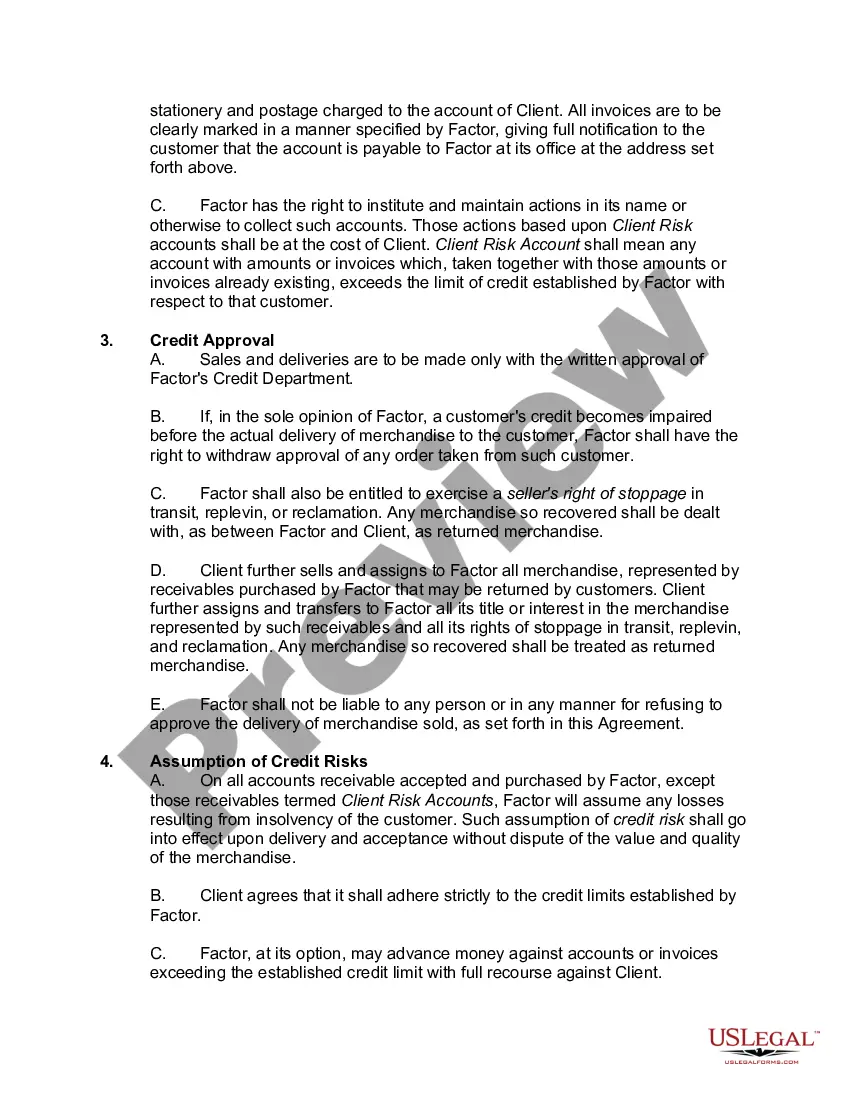
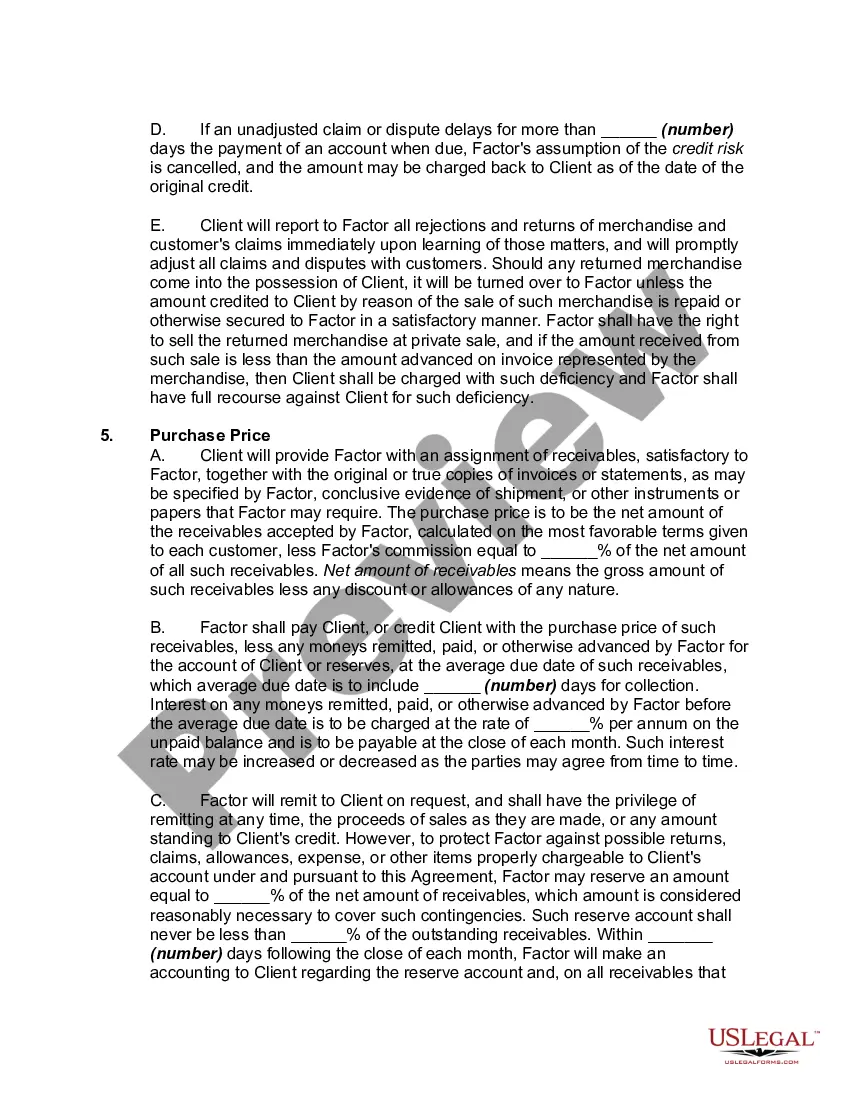
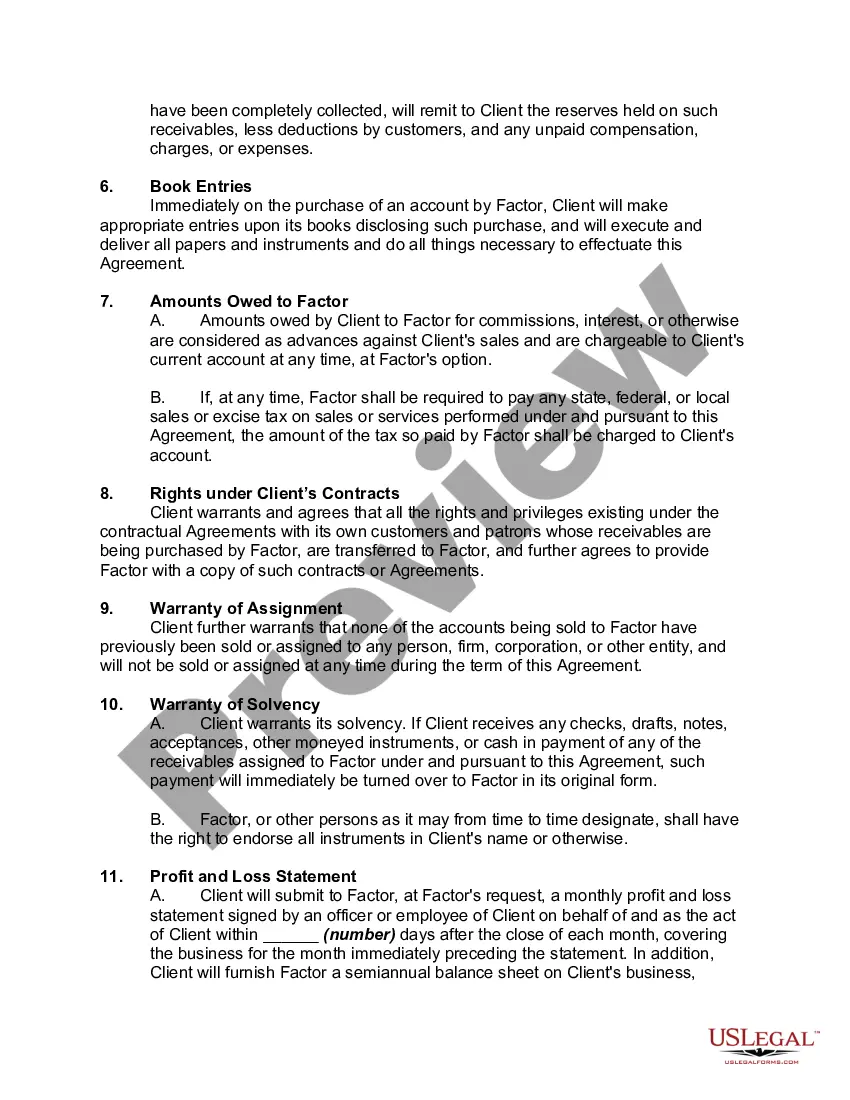
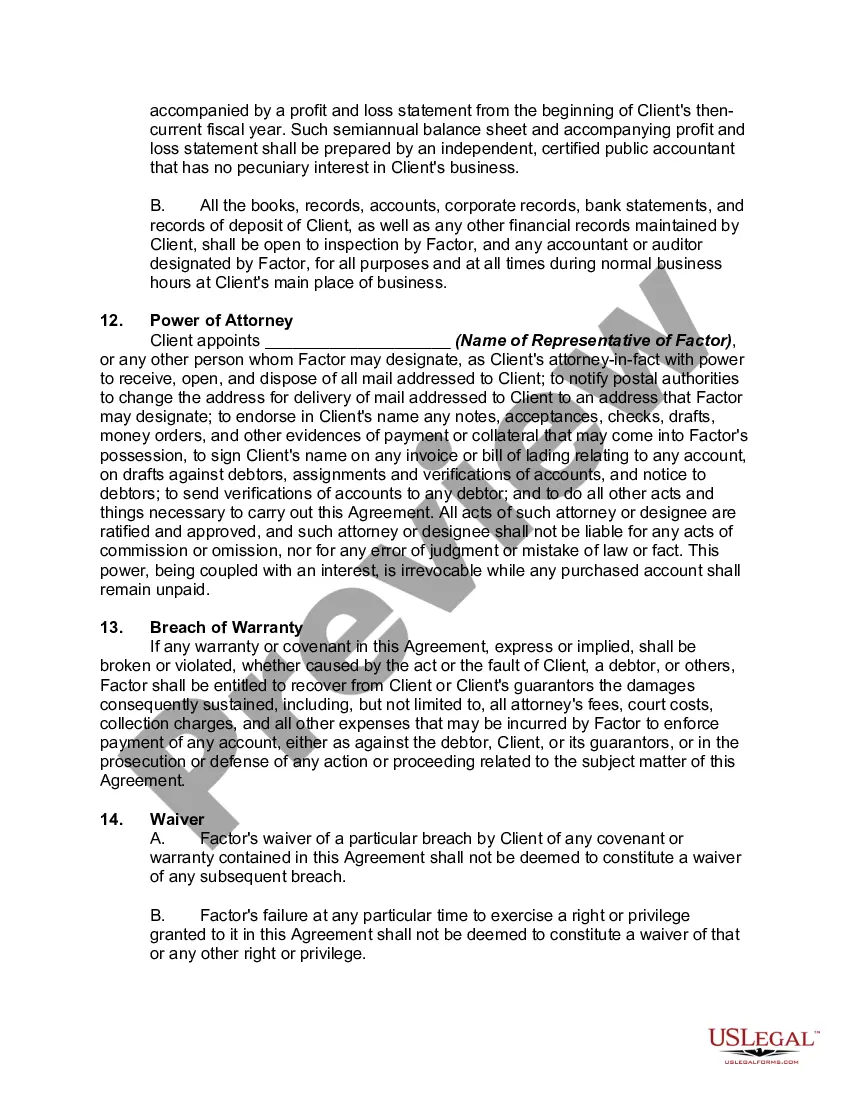

Get your form ready online
Our built-in tools help you complete, sign, share, and store your documents in one place.
Make edits, fill in missing information, and update formatting in US Legal Forms—just like you would in MS Word.
Download a copy, print it, send it by email, or mail it via USPS—whatever works best for your next step.
Sign and collect signatures with our SignNow integration. Send to multiple recipients, set reminders, and more. Go Premium to unlock E-Sign.
If this form requires notarization, complete it online through a secure video call—no need to meet a notary in person or wait for an appointment.
We protect your documents and personal data by following strict security and privacy standards.

Make edits, fill in missing information, and update formatting in US Legal Forms—just like you would in MS Word.

Download a copy, print it, send it by email, or mail it via USPS—whatever works best for your next step.

Sign and collect signatures with our SignNow integration. Send to multiple recipients, set reminders, and more. Go Premium to unlock E-Sign.

If this form requires notarization, complete it online through a secure video call—no need to meet a notary in person or wait for an appointment.

We protect your documents and personal data by following strict security and privacy standards.
Looking for another form?








Form popularity
FAQ
Assignment of receivables would mean sale of the lease rentals, not the asset. In that case, the leased asset still remains the property of the assignor – that is, the assignor has retained the residual interest in the asset. However, it would be different if the lessor sells the asset that has been leased out.
Merchant Card Receivables: Amounts owed by banking companies for sales of goods, services, and/or special functions from credit companies. This account will be used for all credit card sales regardless of the credit card company involved.
Average accounts receivable is calculated as the sum of starting and ending receivables over a set period of time (generally monthly, quarterly or annually), divided by two.
Credit Cards as Liabilities The balance owed on a credit card can be treated either as a negative asset, known as a “contra” asset, or as a liability. In this article we'll explore the optional method of using liability accounts, however, there are several advantages to using the Contra Asset Approach.
If the assignment of the contract is done with the consent of the counterparty, that amounts to a novation – that is, partial re-writing of the terms of the original contract. benefit under a contract, then such receivables/benefit are not assignable, or not assignable without the consent of the counterparty.
Assignment in the context of a receivable means the transfer of rights related to it to another person or entity. For this purpose, an appropriate contract is usually concluded (although this is not a necessary condition).
To report accounts receivable, gather information about outstanding amounts owed by customers, create an accounts receivable ledger, categorize the accounts by age, prepare a report that summarizes the outstanding amounts, analyze the report, and take action to collect payments and manage the balance.
Consent to Assignment is a clause used in contractual agreements that requires one party to obtain the permission of the other party before transferring their rights and obligations under the contract to a third party.
