Agreement General Form Contract For Smart In Harris
Description

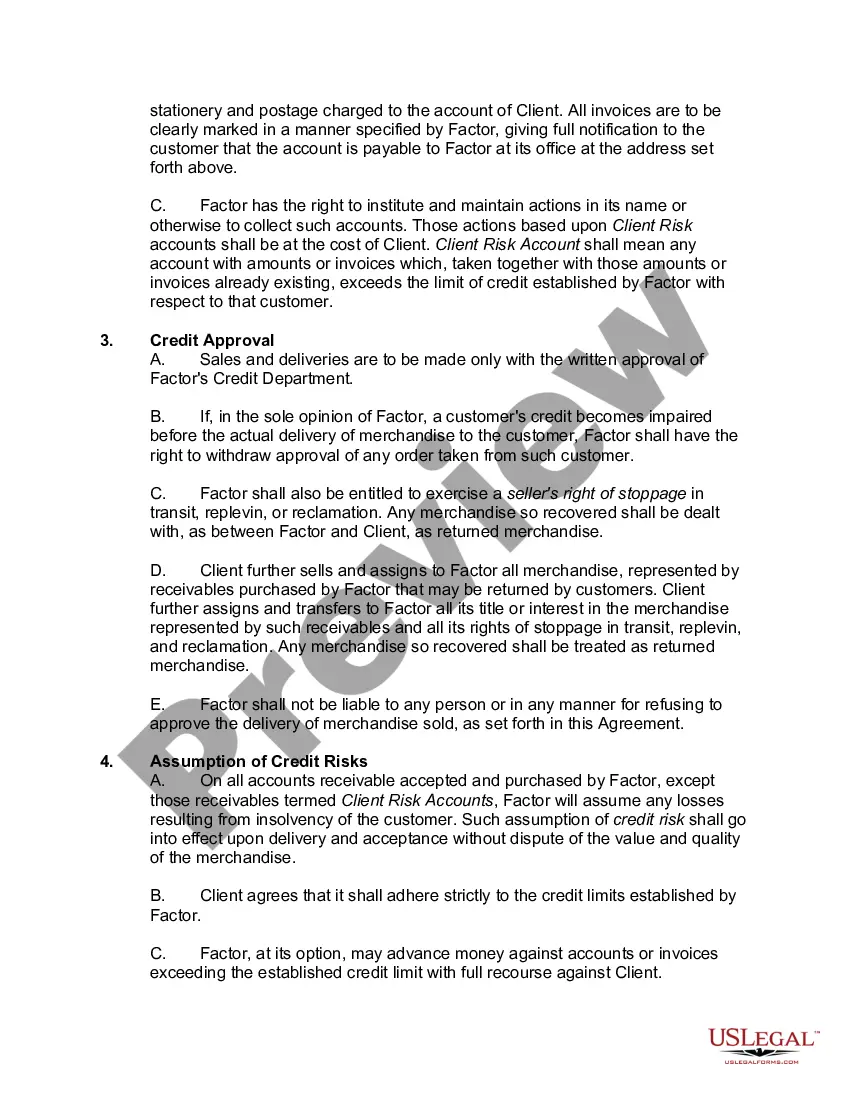
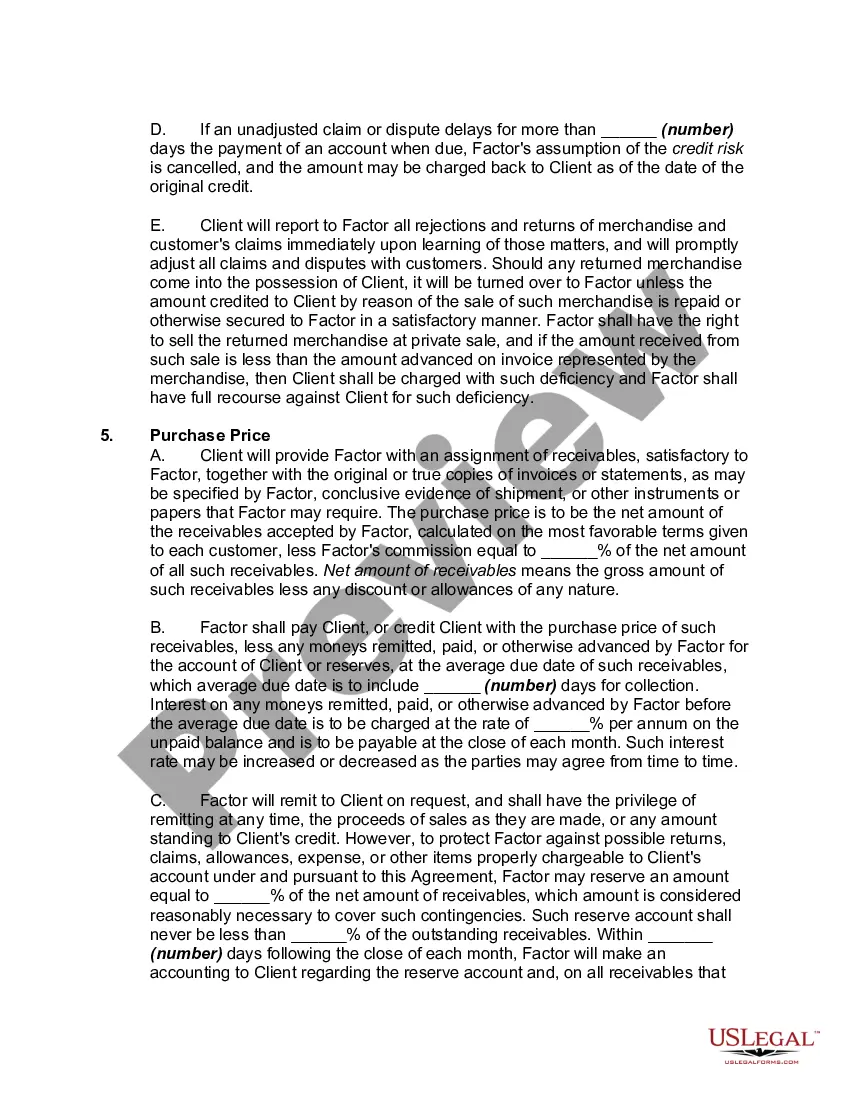
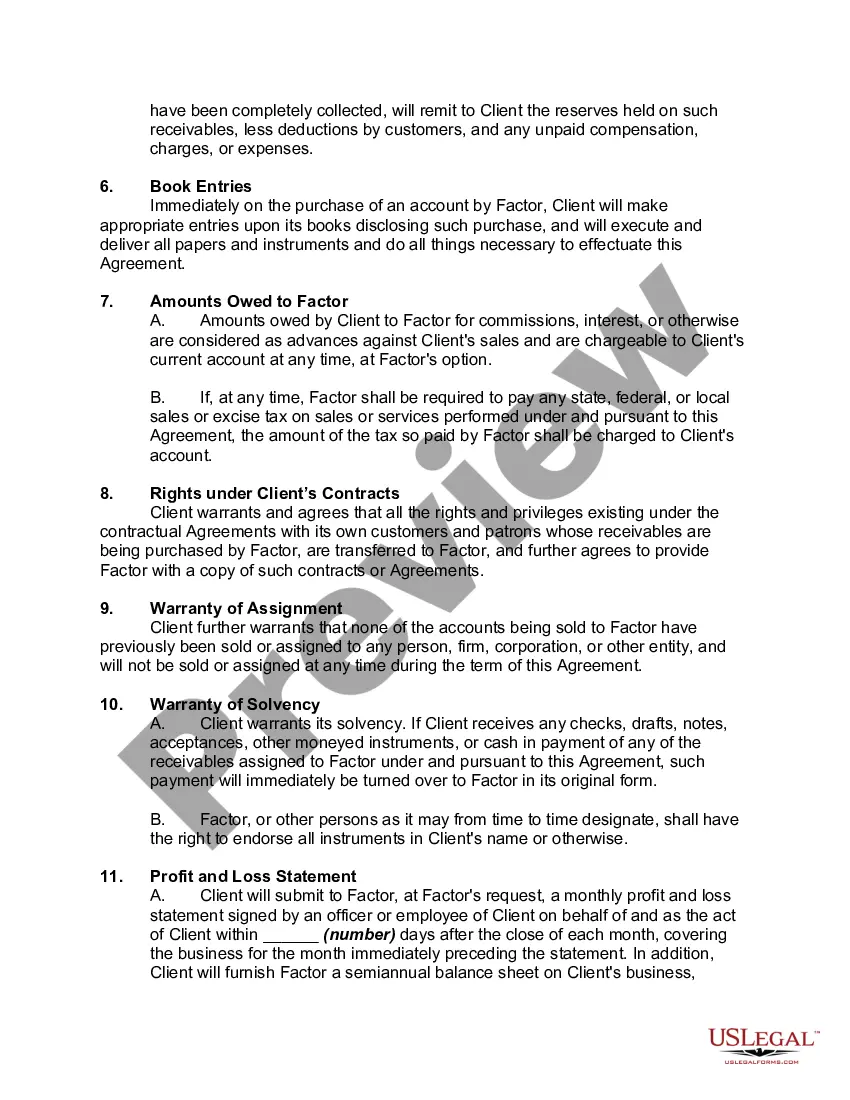
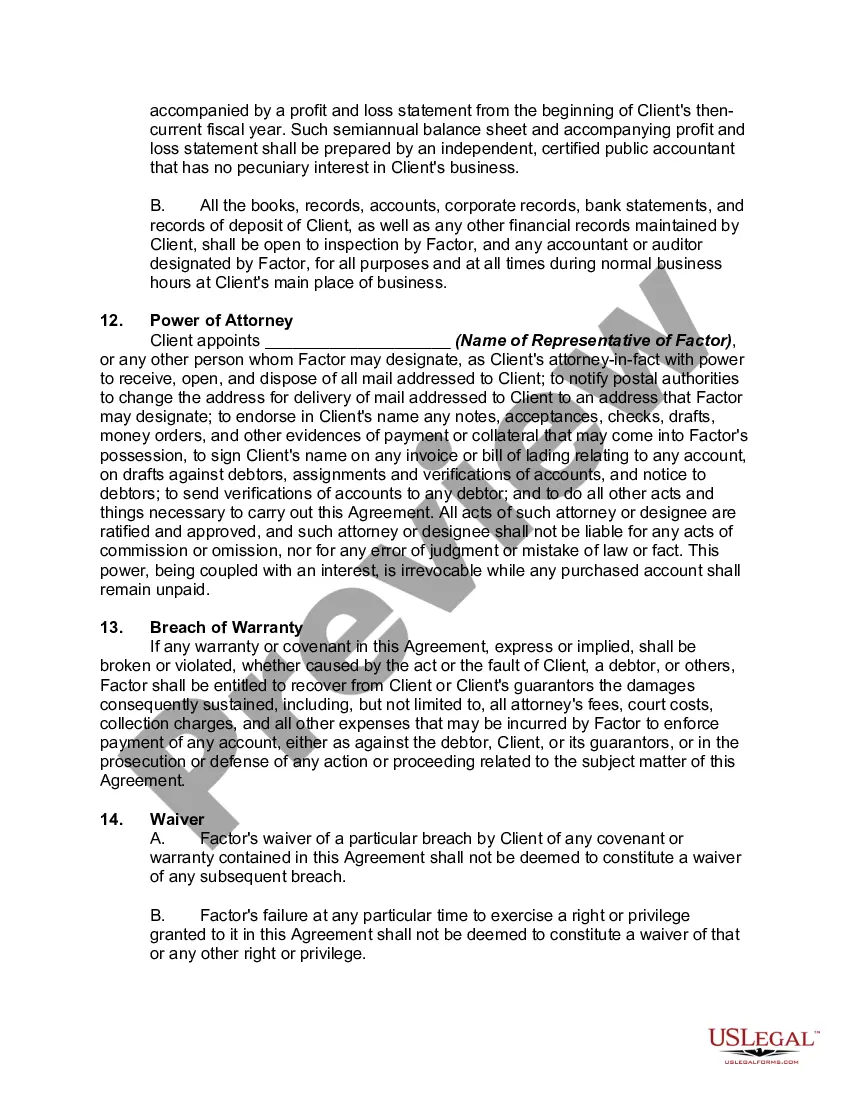

Get your form ready online
Our built-in tools help you complete, sign, share, and store your documents in one place.
Make edits, fill in missing information, and update formatting in US Legal Forms—just like you would in MS Word.
Download a copy, print it, send it by email, or mail it via USPS—whatever works best for your next step.
Sign and collect signatures with our SignNow integration. Send to multiple recipients, set reminders, and more. Go Premium to unlock E-Sign.
If this form requires notarization, complete it online through a secure video call—no need to meet a notary in person or wait for an appointment.
We protect your documents and personal data by following strict security and privacy standards.

Make edits, fill in missing information, and update formatting in US Legal Forms—just like you would in MS Word.

Download a copy, print it, send it by email, or mail it via USPS—whatever works best for your next step.

Sign and collect signatures with our SignNow integration. Send to multiple recipients, set reminders, and more. Go Premium to unlock E-Sign.

If this form requires notarization, complete it online through a secure video call—no need to meet a notary in person or wait for an appointment.

We protect your documents and personal data by following strict security and privacy standards.
Looking for another form?
Form popularity
FAQ
Write the contract in six steps Start with a contract template. Open with the basic information. Describe in detail what you have agreed to. Include a description of how the contract will be ended. Write into the contract which laws apply and how disputes will be resolved. Include space for signatures.
How to create a smart contract The concept. The first step is defining what you want your contract to do. The coding. Next is the process of actually coding your smart contract using a programming language. The testing. Compiling. Deploying. Follow through. Costs in dollars and cents.
"Smart contracts are a type of contract, and therefore they're enforced like all contracts in state and federal court systems," Marcushamer says. "However, with smart contracts, it's unlikely that enforcement will be needed because they automatically execute."
How to write a contract agreement in 7 steps. Determine the type of contract required. Confirm the necessary parties. Choose someone to draft the contract. Write the contract with the proper formatting. Review the written contract with a lawyer. Send the contract agreement for review or revisions.
How to create a smart contract The concept. The first step is defining what you want your contract to do. The coding. Next is the process of actually coding your smart contract using a programming language. The testing. Compiling. Deploying. Follow through. Costs in dollars and cents.
Over the years, new smart contract programming languages such as Solidity, Vyper and Yul emerged specifically for writing more sophisticated applications. In addition, developers have created frameworks for executing smart contract programs written in legacy programming languages such as Java, JavaScript and C++.
These usually include the legal names of both parties in the agreement, their legal addresses, and any other pertinent information such as tax identification numbers, if needed by the jurisdiction in which you're operating. It's also best to include relevant contact information for both parties.
But while a smart contract can be a legally binding agreement, it isn't necessarily always legally binding. A smart contract still has to meet all the legal requirements of a contract, such as intent to form a contract. And these legal requirements might also vary by jurisdiction.
But while a smart contract can be a legally binding agreement, it isn't necessarily always legally binding. A smart contract still has to meet all the legal requirements of a contract, such as intent to form a contract. And these legal requirements might also vary by jurisdiction.
Non-binding contracts are typically used when two parties want to put down preliminary discussions on paper to make sure they're on the same page, but don't want to explicitly agree to anything yet. A letter of intent is a good example of a non-binding contract.
