Agreement Accounts Receivable Forecast Template Excel In Cook
Description









Get your form ready online
Our built-in tools help you complete, sign, share, and store your documents in one place.
Make edits, fill in missing information, and update formatting in US Legal Forms—just like you would in MS Word.
Download a copy, print it, send it by email, or mail it via USPS—whatever works best for your next step.
Sign and collect signatures with our SignNow integration. Send to multiple recipients, set reminders, and more. Go Premium to unlock E-Sign.
If this form requires notarization, complete it online through a secure video call—no need to meet a notary in person or wait for an appointment.
We protect your documents and personal data by following strict security and privacy standards.

Make edits, fill in missing information, and update formatting in US Legal Forms—just like you would in MS Word.

Download a copy, print it, send it by email, or mail it via USPS—whatever works best for your next step.

Sign and collect signatures with our SignNow integration. Send to multiple recipients, set reminders, and more. Go Premium to unlock E-Sign.

If this form requires notarization, complete it online through a secure video call—no need to meet a notary in person or wait for an appointment.

We protect your documents and personal data by following strict security and privacy standards.
Looking for another form?

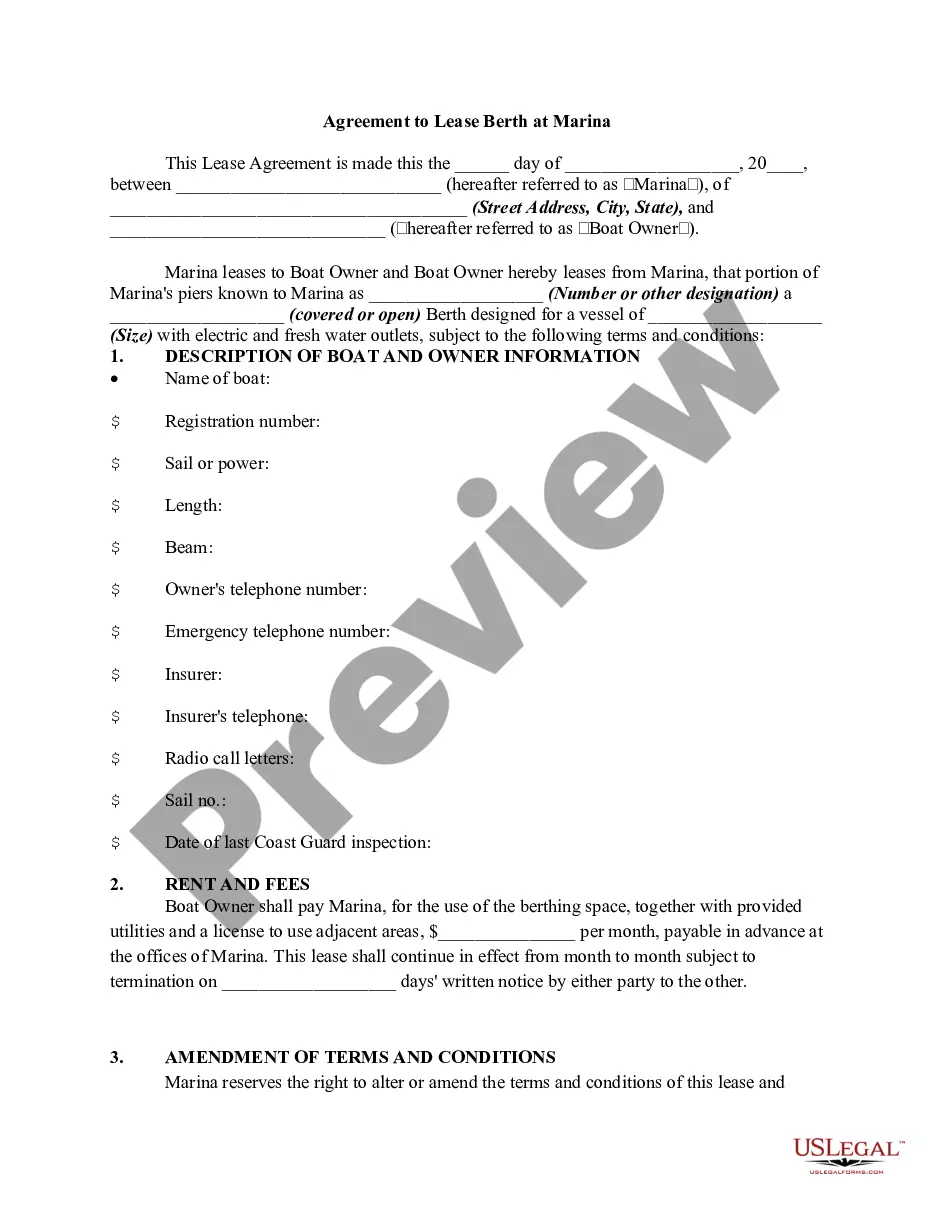



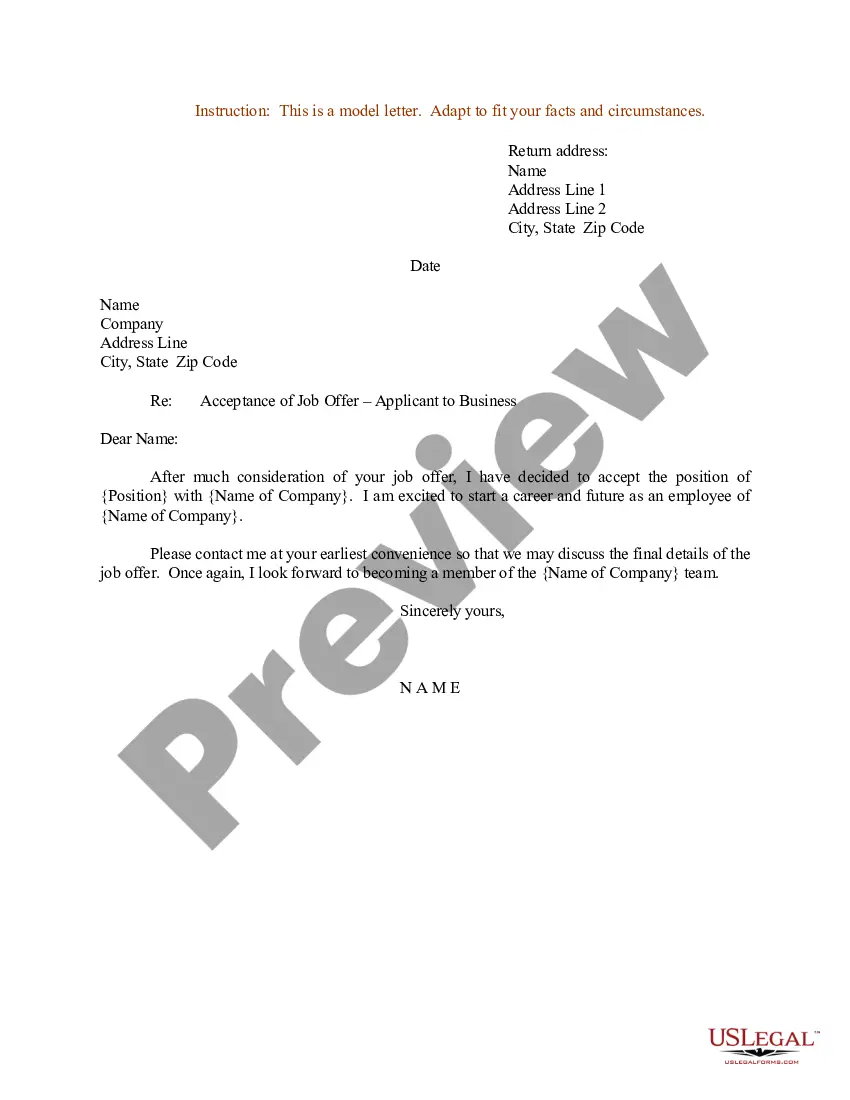



Form popularity
FAQ
The principal part of a note receivable is reported as a current asset if due within one year of the balance sheet date; otherwise, it's reported as a noncurrent asset under notes receivable. Interest is recorded as a current asset if it is due within one year of the balance sheet date.
How to do sales forecasting in Excel: Step-by-step Create a new Excel worksheet. Open a new Excel spreadsheet and enter your historical data (sales over time). Create your forecast. Go to the Data tab and find the Forecast Sheet option. Adjust your sales forecast. View your ready sales forecast.
Here's a common formula for forecasting sales: Sales Forecast = (Last Month Revenue + Expected Growth – Expected Churn) DSO = (Accounts Receivable / Total Credit Sales) x Number of Days in the Period. Accounts Receivable Forecast = Days Sales Outstanding (DSO) x (Sales Forecast / Time)
By dividing DSO by 365 (the total number of days per year), you get a daily rate of how long it typically takes to collect a receivable. Multiplying this rate by your sales forecast gives you an estimated accounts receivable amount you can expect for that period.
The value of the note when it is first issued is known as the principal value. The maturity value is the principal amount of the note plus interest. The formula for calculating interest on a note receivable is the principal amount of the note times interest rate times period of time.
In accounting , notes receivable are recorded as an asset on the balance sheet. To be precise, a payee records a note receivable as an asset, representing the principal owed by the customer. The related interest income from the note receivable is recorded in the income statement.
The pro forma accounts receivable (A/R) balance can be determined by rearranging the formula from earlier. The forecasted accounts receivable balance is equal to the days sales outstanding (DSO) assumption divided by 365 days, multiplied by 365 days.
For this process, you'll need to: Step 1: Create a sales forecast. Before making your A/R forecast, you must develop a sales forecast for the same targeted period. Step 2: Calculate days sales outstanding. With your sales forecast, you'll next want to calculate your DSO. Step 3: Forecast accounts receivable.
On the Data tab, in the Forecast group, select Forecast Sheet. In the Create Forecast Worksheet box, pick either a line chart or a column chart for the visual representation of the forecast.
