Agreement Form Assign Contract Without In Collin
Description

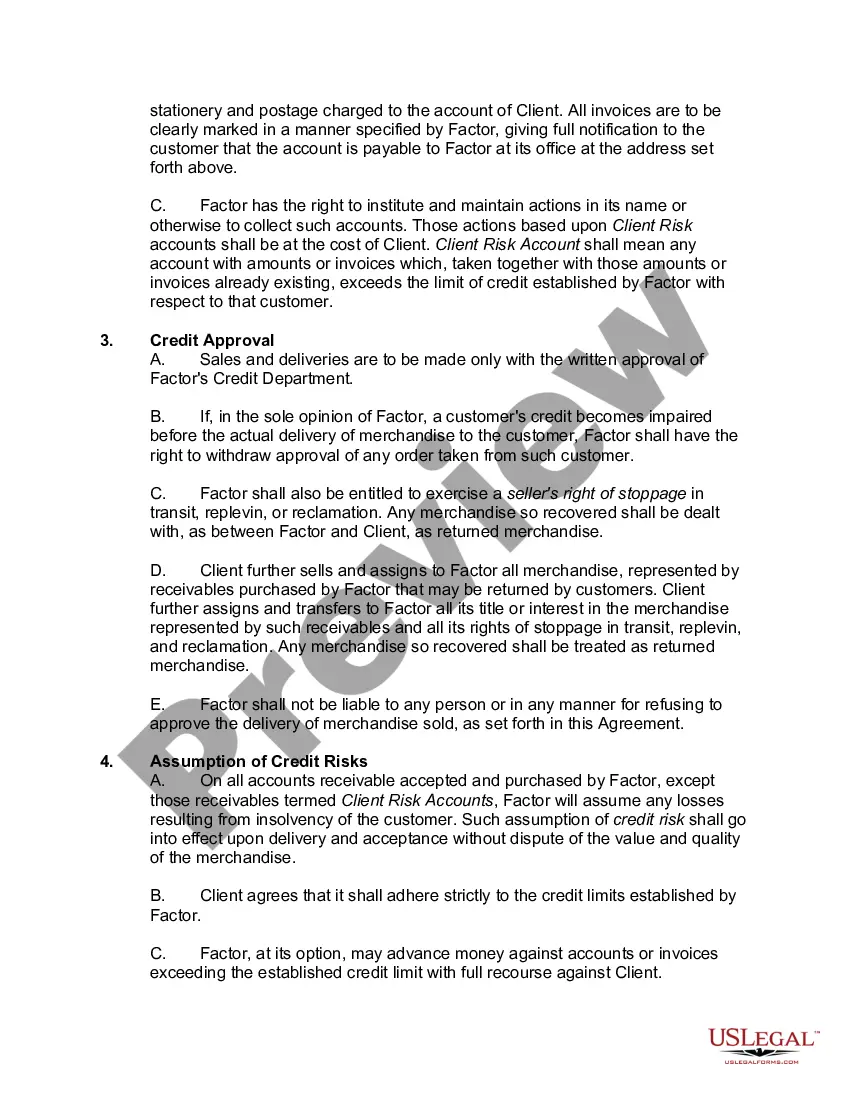
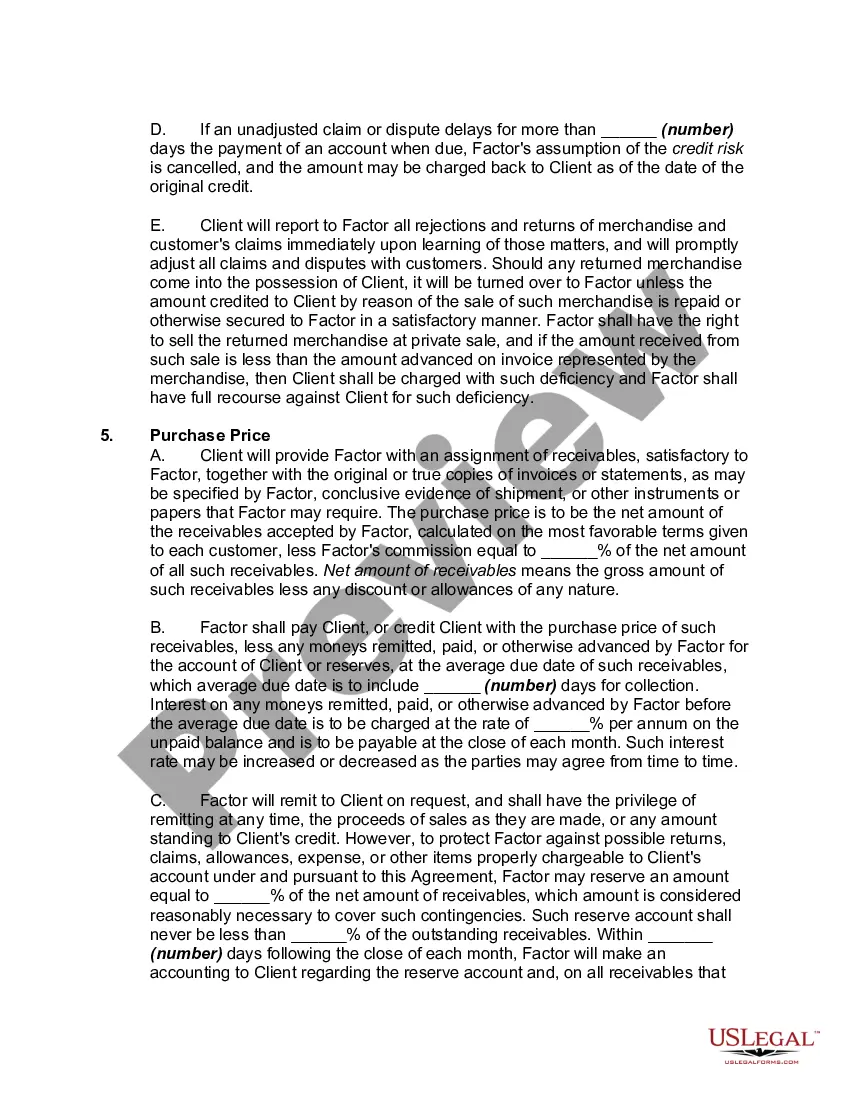
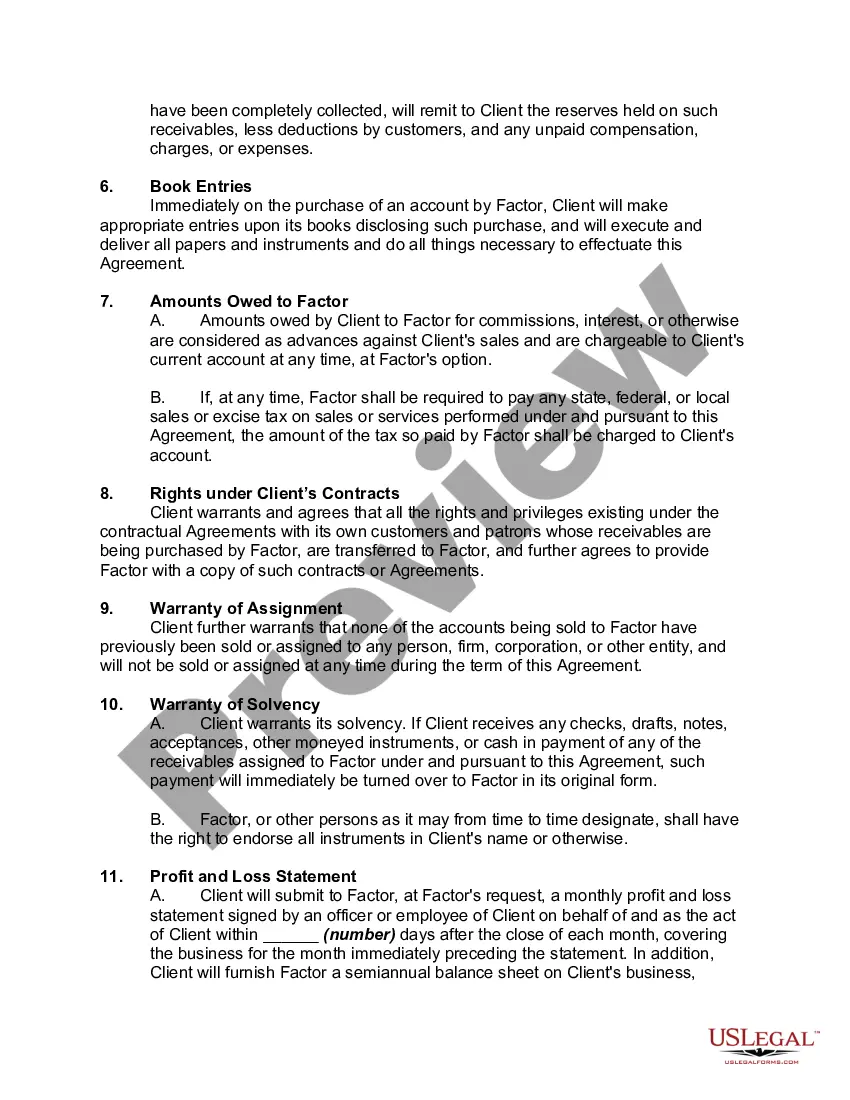
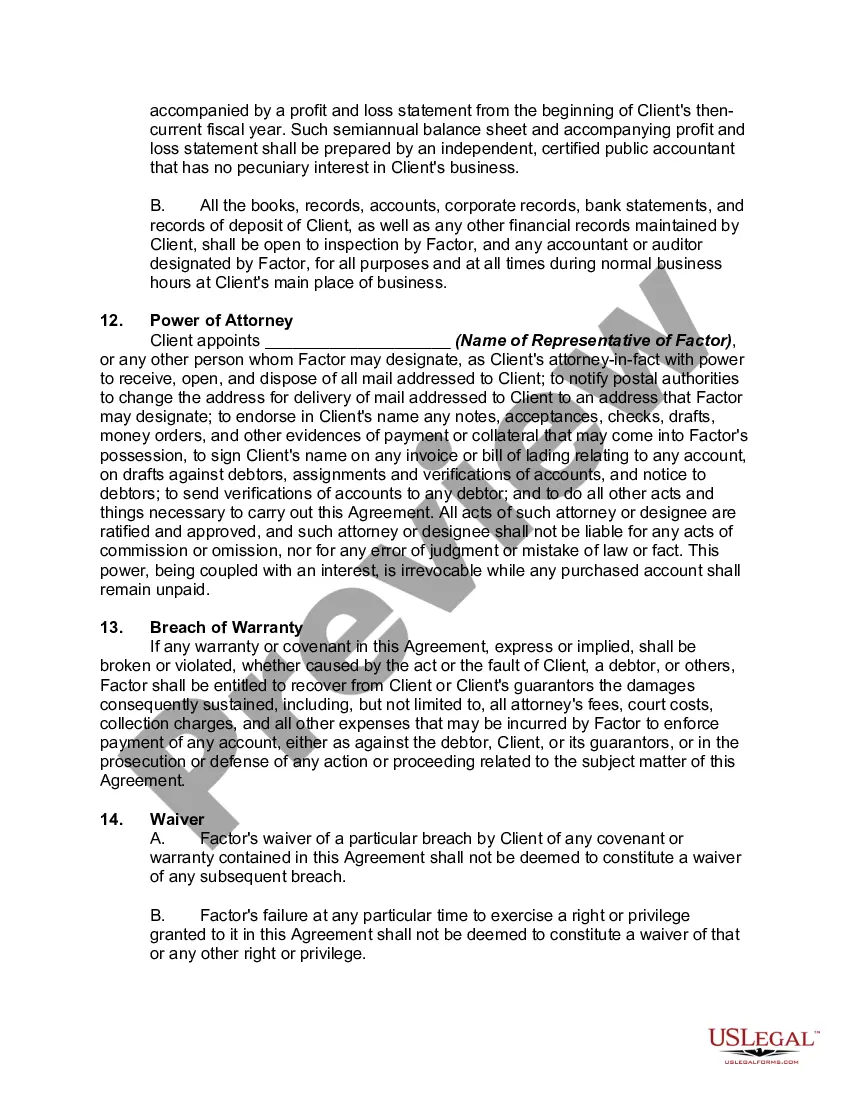

Get your form ready online
Our built-in tools help you complete, sign, share, and store your documents in one place.
Make edits, fill in missing information, and update formatting in US Legal Forms—just like you would in MS Word.
Download a copy, print it, send it by email, or mail it via USPS—whatever works best for your next step.
Sign and collect signatures with our SignNow integration. Send to multiple recipients, set reminders, and more. Go Premium to unlock E-Sign.
If this form requires notarization, complete it online through a secure video call—no need to meet a notary in person or wait for an appointment.
We protect your documents and personal data by following strict security and privacy standards.

Make edits, fill in missing information, and update formatting in US Legal Forms—just like you would in MS Word.

Download a copy, print it, send it by email, or mail it via USPS—whatever works best for your next step.

Sign and collect signatures with our SignNow integration. Send to multiple recipients, set reminders, and more. Go Premium to unlock E-Sign.

If this form requires notarization, complete it online through a secure video call—no need to meet a notary in person or wait for an appointment.

We protect your documents and personal data by following strict security and privacy standards.
Looking for another form?

Form popularity
FAQ
Consent is an essential prerequisite of a contract but whether someone has consented to a contract is often the subject of dispute. Contractual consent differs from consent in other contexts. For example, the consent required to enter into a contract is not the same as the consent required for a medical procedure.
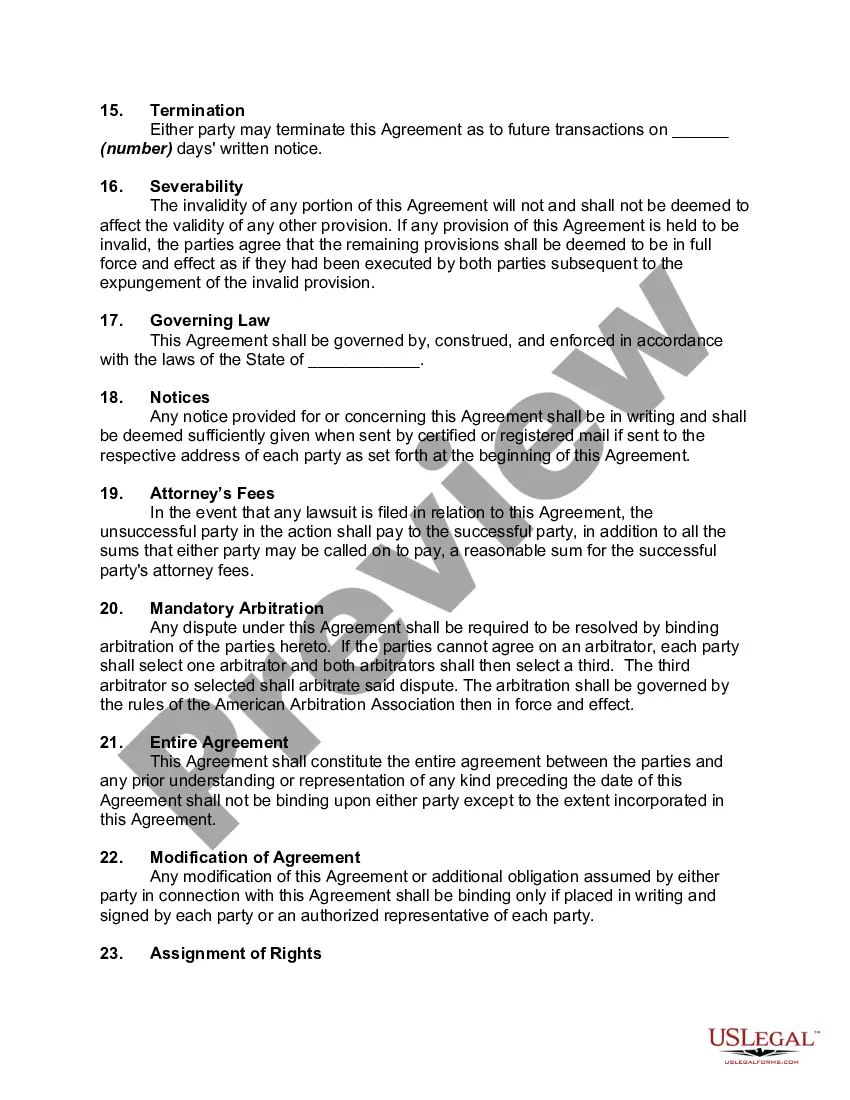
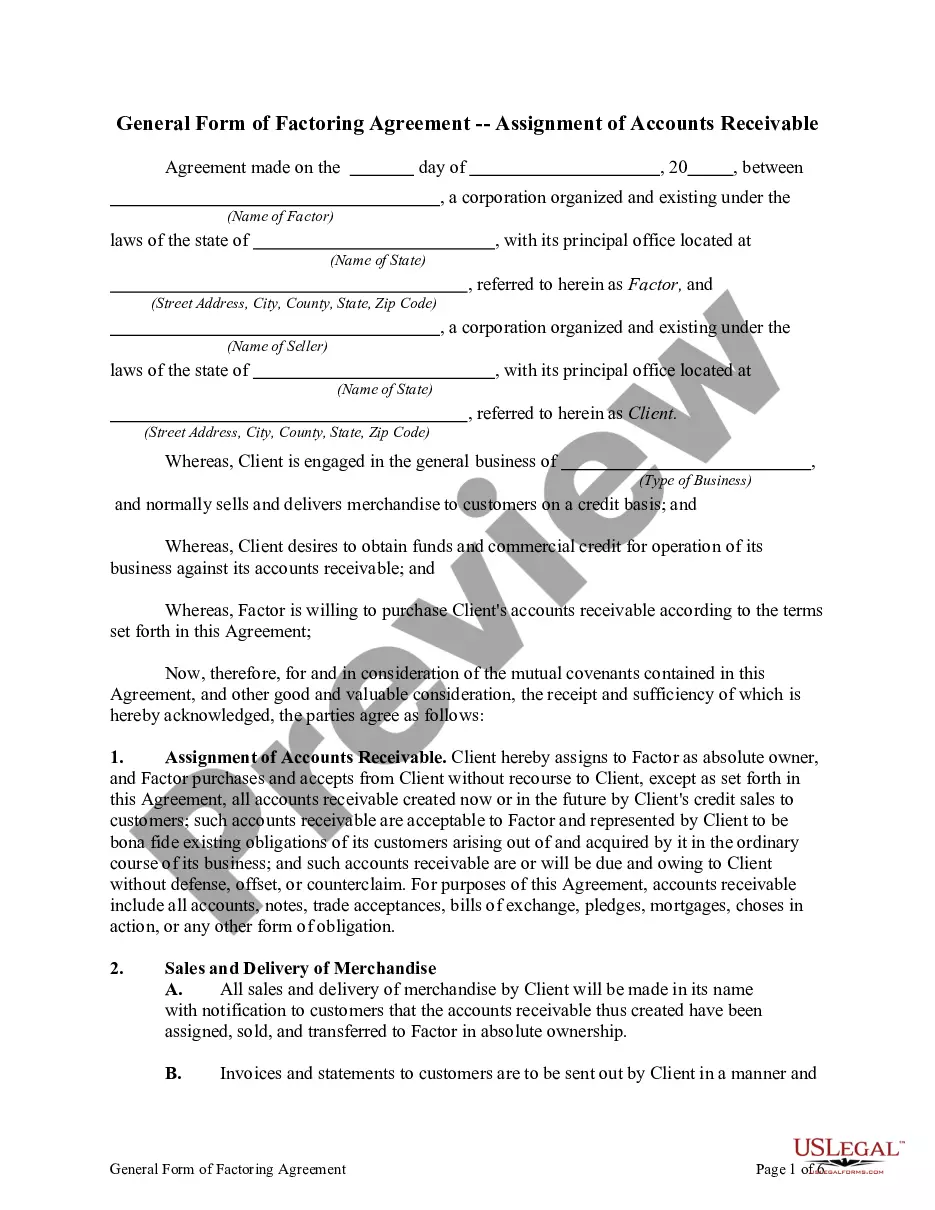
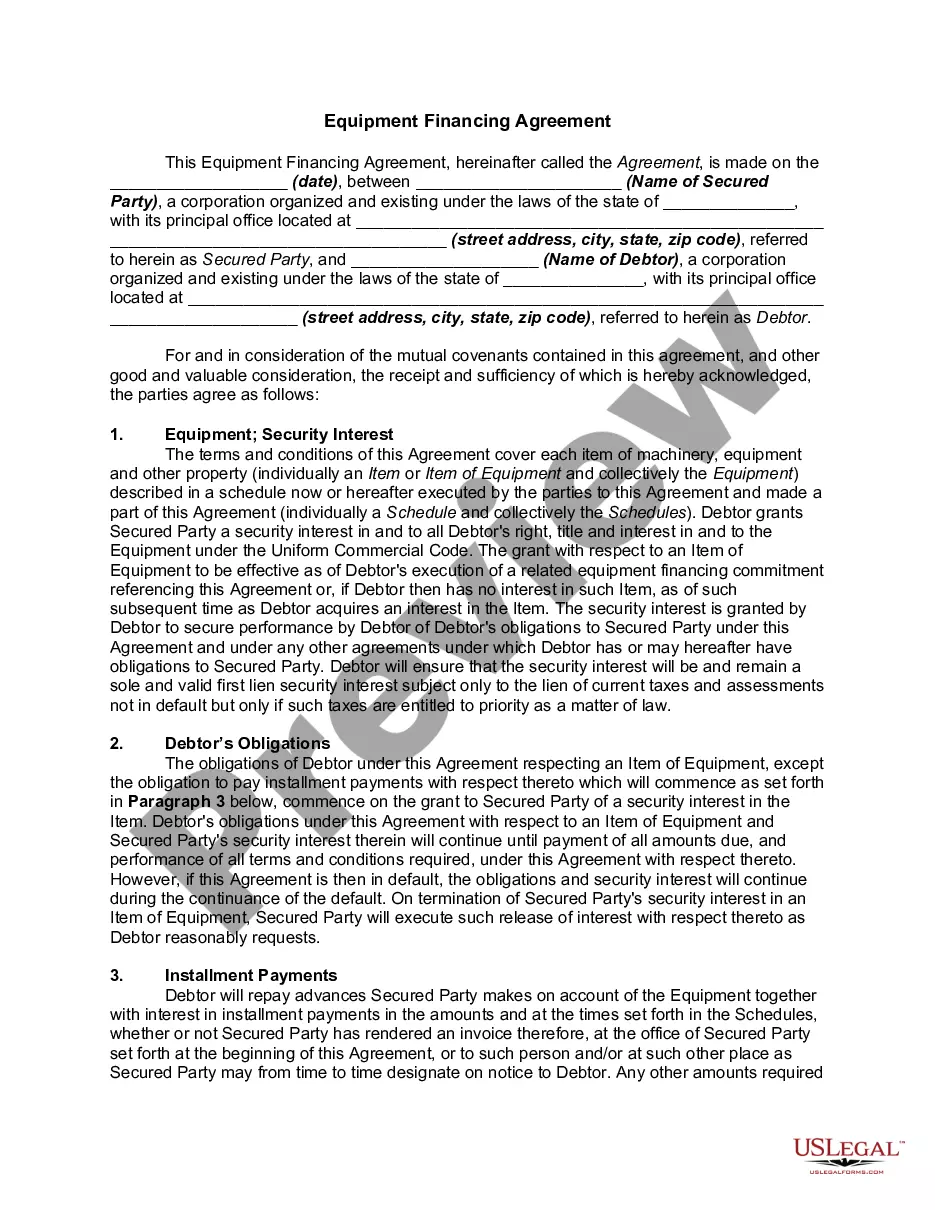
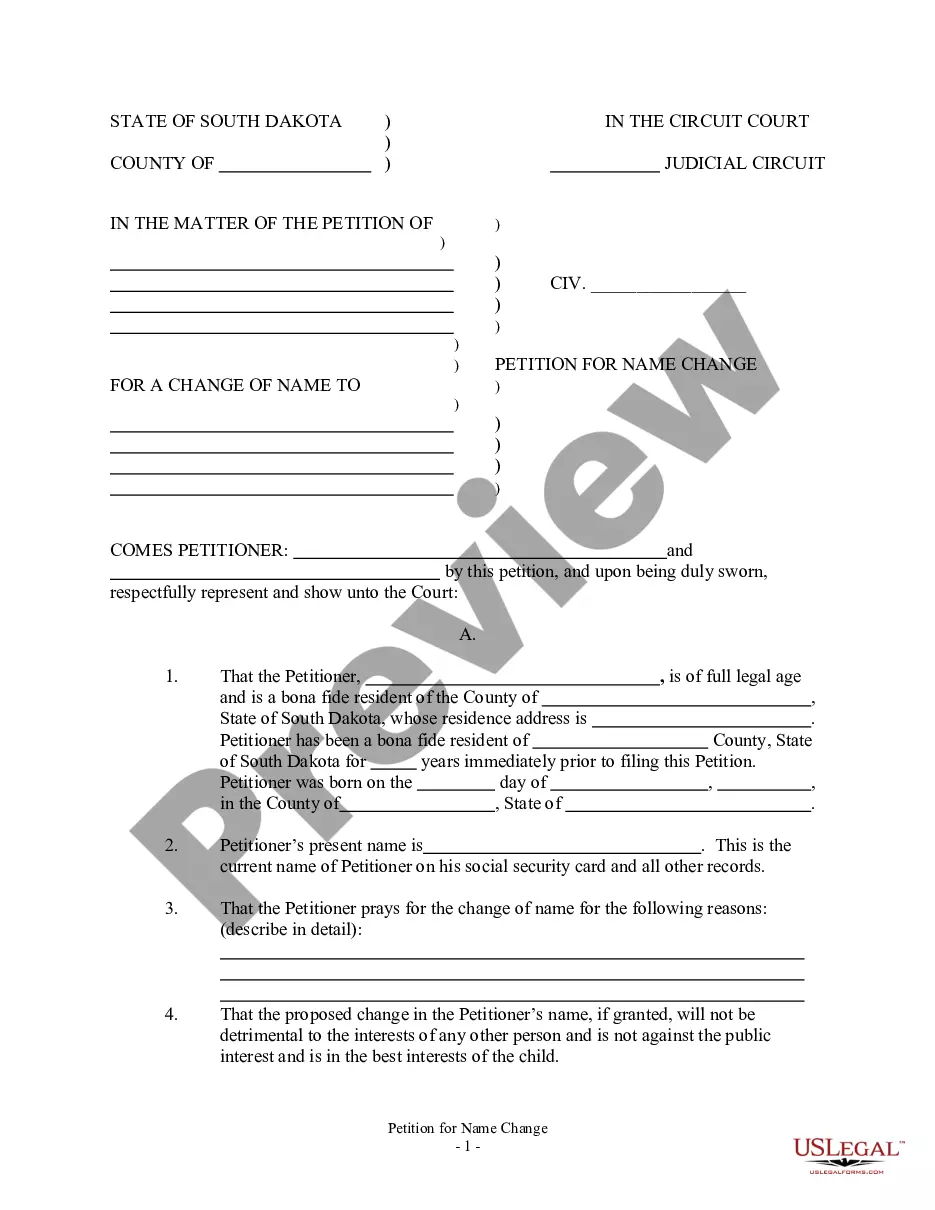
“No Assignment” clause specifies that the rights or obligations outlined in the contract cannot be transferred or assigned to another party without obtaining prior consent from the original contracting party.
How to draft a contract between two parties: A step-by-step checklist Know your parties. Agree on the terms. Set clear boundaries. Spell out the consequences. Specify how you will resolve disputes. Cover confidentiality. Check the legality of the contract. Open it up to negotiation.
Generally, the assignor may assign any right unless (1) doing so would materially change the obligation of the obligor, materially burden him, increase his risk, or otherwise diminish the value to him of the original contract; (2) statute or public policy forbids the assignment; or (3) the contract itself precludes ...
The transfer of a right from one party to another. For example, a party to a contract (the assignor) may, as a general rule and subject to the express terms of a contract, assign its rights under the contract to a third party (the assignee) without the consent of the party against whom those rights are held.
The assignor must agree to assign their rights and duties under the contract to the assignee. The assignee must agree to accept, or "assume," those contractual rights and duties. The other party to the initial contract must consent to the transfer of rights and obligations to the assignee.
This clause limits each party's ability to assign or transfer their rights and obligations under the contract to another party. It states that neither party can assign or transfer any part of the contract to someone else without first getting written consent from the other party.
This clause limits each party's ability to assign or transfer their rights and obligations under the contract to another party. It states that neither party can assign or transfer any part of the contract to someone else without first getting written consent from the other party.
How to draft a contract between two parties: A step-by-step checklist Know your parties. Agree on the terms. Set clear boundaries. Spell out the consequences. Specify how you will resolve disputes. Cover confidentiality. Check the legality of the contract. Open it up to negotiation.