Stock Forfeiture Agreement In Wayne
Description






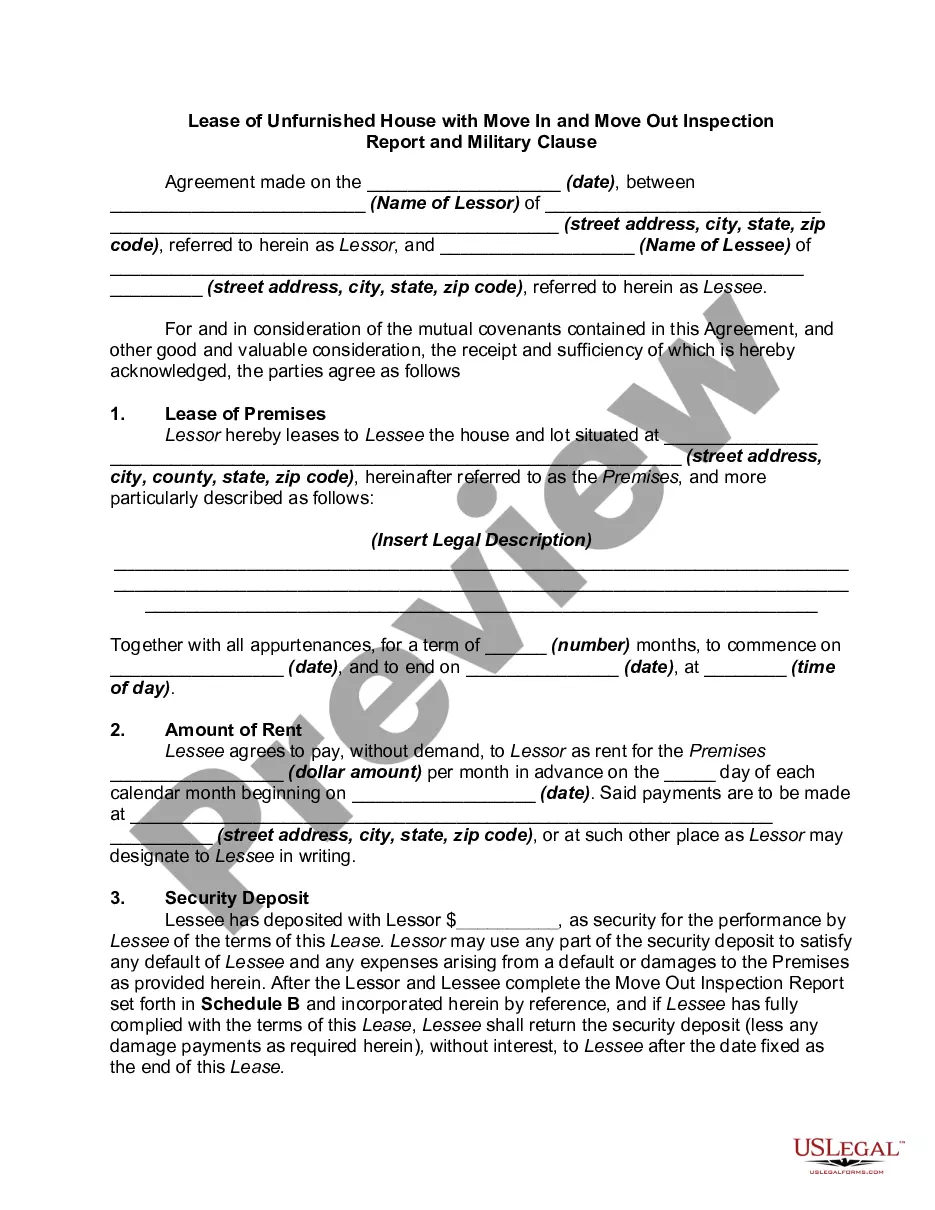
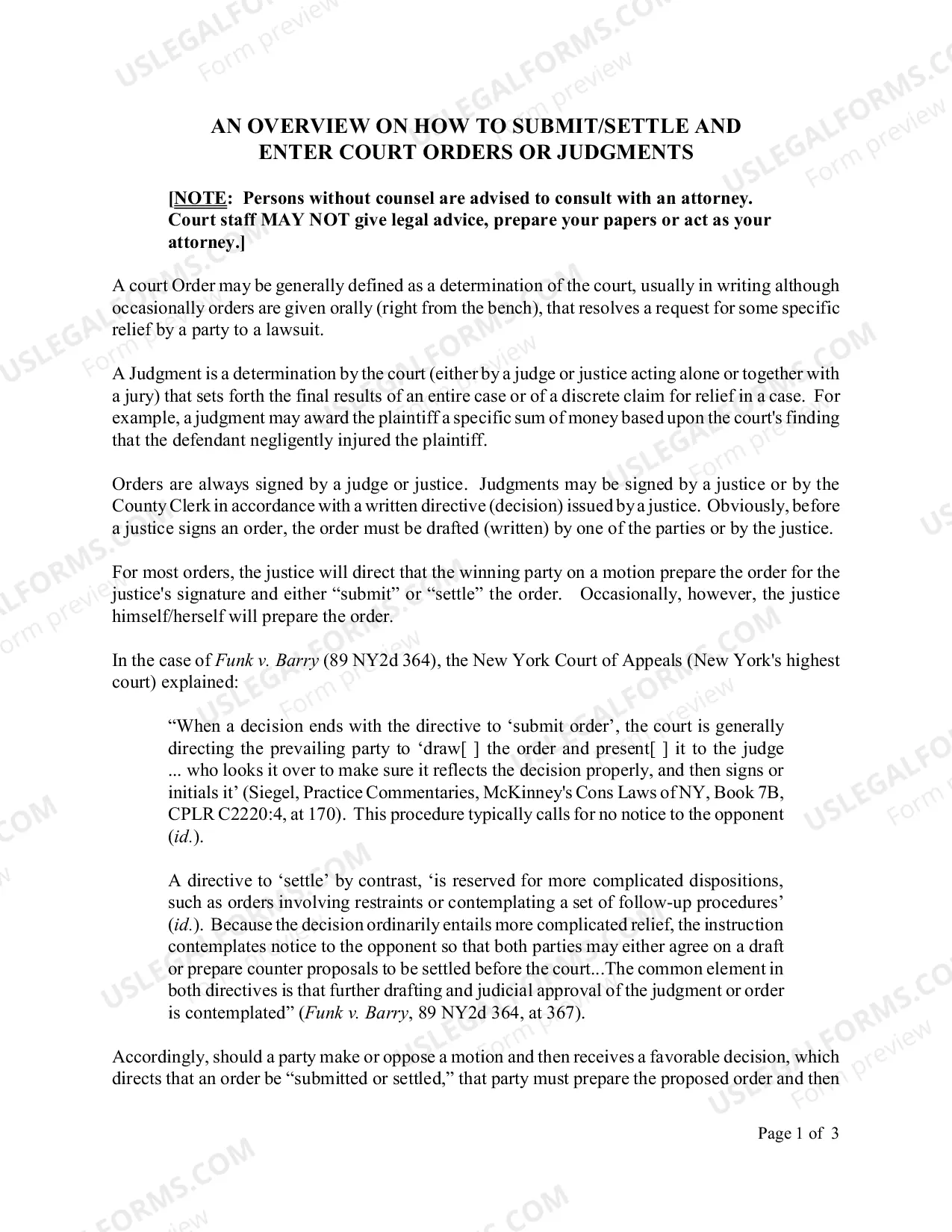
Get your form ready online
Our built-in tools help you complete, sign, share, and store your documents in one place.
Make edits, fill in missing information, and update formatting in US Legal Forms—just like you would in MS Word.
Download a copy, print it, send it by email, or mail it via USPS—whatever works best for your next step.
Sign and collect signatures with our SignNow integration. Send to multiple recipients, set reminders, and more. Go Premium to unlock E-Sign.
If this form requires notarization, complete it online through a secure video call—no need to meet a notary in person or wait for an appointment.
We protect your documents and personal data by following strict security and privacy standards.

Make edits, fill in missing information, and update formatting in US Legal Forms—just like you would in MS Word.

Download a copy, print it, send it by email, or mail it via USPS—whatever works best for your next step.

Sign and collect signatures with our SignNow integration. Send to multiple recipients, set reminders, and more. Go Premium to unlock E-Sign.

If this form requires notarization, complete it online through a secure video call—no need to meet a notary in person or wait for an appointment.

We protect your documents and personal data by following strict security and privacy standards.
Looking for another form?








Form popularity
FAQ
Effective August 7, 2019, Michigan law requires a criminal conviction before some property seized under the Public Health Code can be forfeited to law enforcement.
The forfeiture rule, that no one who unlawfully kills another can share in the victim's estate or receive any other financial gain from the death, appears appropriate and immutable.
There are three types of forfeiture under federal law: criminal forfeiture, civil judicial forfeiture, and administrative forfeiture.
The Michigan Omnibus Forfeiture Act is a legislative measure designed to address specific offenses, mandating a criminal conviction before asset forfeiture can occur. This requirement ensures that property seizure is directly tied to proven criminal activity.
TO CONTEST THE FORFEITURE OF THE PROPERTY IN UNITED STATES DISTRICT COURT YOU MUST FILE A CLAIM. Failure to file a claim may result in the seized property being forfeited to the United States. To file a claim: A claim must be filed with the agency that gave notice of the seizure and intent to forfeit.
Innocent Owner Defense This defense is potentially available in all types of asset forfeiture cases to innocent third party owners who can prove ownership of the seized property and show that they did not know about or did not consent to the illegal use of their property.
United States that a forfeiture could be considered an excessive fine in violation of the Eighth Amendment but declined to establish a multi-factor test to determine whether a forfeiture is constitutionally excessive. Otherwise, the ruling upheld civil forfeiture as a practice, within undefined limits.
TO CONTEST THE FORFEITURE OF THE PROPERTY IN UNITED STATES DISTRICT COURT YOU MUST FILE A CLAIM. Failure to file a claim may result in the seized property being forfeited to the United States. To file a claim: A claim must be filed with the agency that gave notice of the seizure and intent to forfeit.