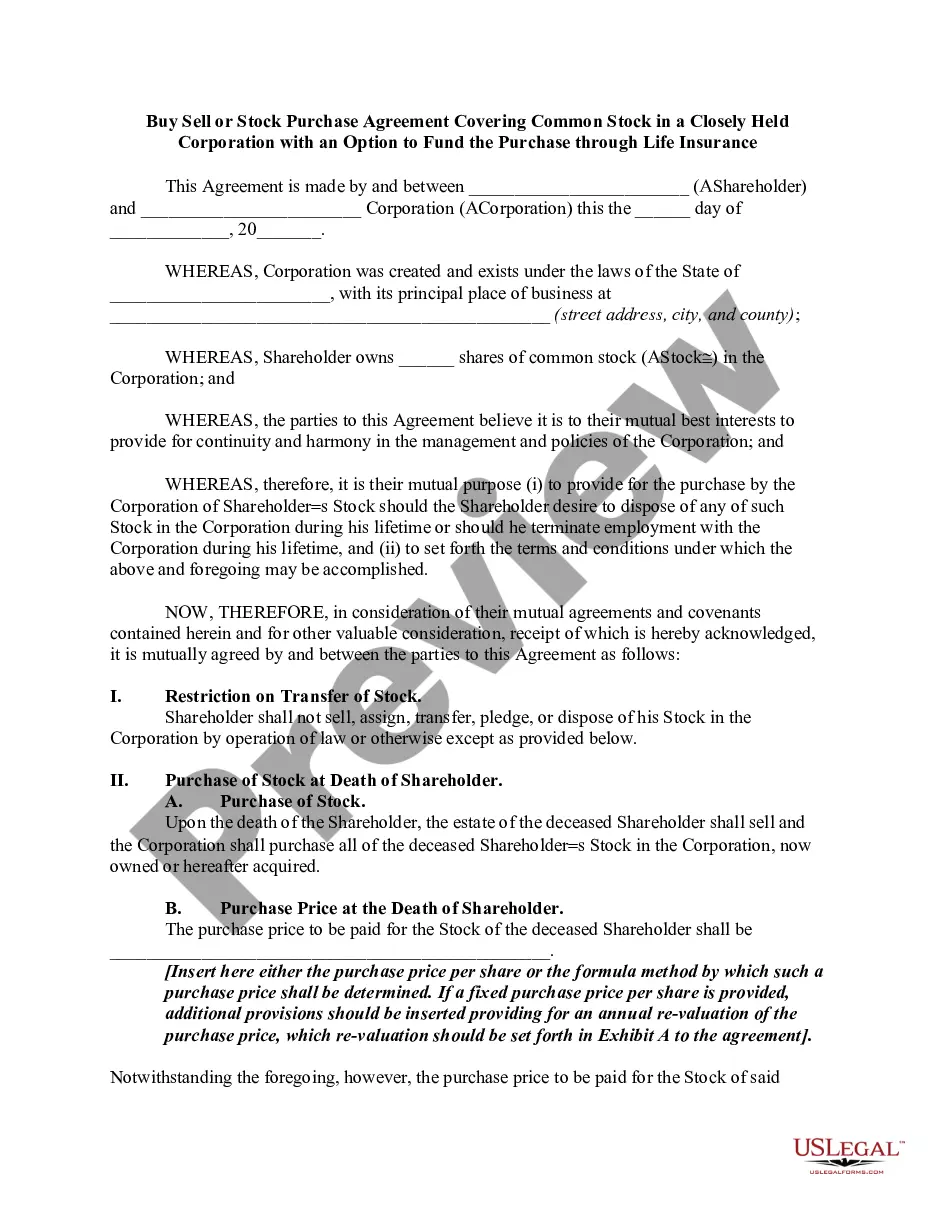
Equity Shares For Sale In Wake
Description






Get your form ready online
Our built-in tools help you complete, sign, share, and store your documents in one place.
Make edits, fill in missing information, and update formatting in US Legal Forms—just like you would in MS Word.
Download a copy, print it, send it by email, or mail it via USPS—whatever works best for your next step.
Sign and collect signatures with our SignNow integration. Send to multiple recipients, set reminders, and more. Go Premium to unlock E-Sign.
If this form requires notarization, complete it online through a secure video call—no need to meet a notary in person or wait for an appointment.
We protect your documents and personal data by following strict security and privacy standards.

Make edits, fill in missing information, and update formatting in US Legal Forms—just like you would in MS Word.

Download a copy, print it, send it by email, or mail it via USPS—whatever works best for your next step.

Sign and collect signatures with our SignNow integration. Send to multiple recipients, set reminders, and more. Go Premium to unlock E-Sign.

If this form requires notarization, complete it online through a secure video call—no need to meet a notary in person or wait for an appointment.

We protect your documents and personal data by following strict security and privacy standards.
Looking for another form?








Form popularity
FAQ
How to fill out the Share Application Form for Equity and Preference Shares? Fill in the personal details of all applicants in the specified sections. Indicate the type and number of shares you are applying for. Specify the amount payable per share as well as the total amount.
If you're an individual investor you cannot buy shares of private stock, but you can sell them. In most cases, the easiest option is to sell your shares of stock back to the company that issued them. Otherwise, you can find a broker who will help you find a buyer and conduct this transaction.
A provision in a stable value investment option that requires any transfer a participant makes from the stable value investment option to a competing option to first be directed to any other investment option not designated as a competing option for a period of time (usually 90 days).
Again, complexity of this depends upon many factors – significance of investor, other investors' demands etc. but heavily driven by market terms and now ILPA. Typically takes about 3-6 months.
If you're an individual investor you cannot buy shares of private stock, but you can sell them. In most cases, the easiest option is to sell your shares of stock back to the company that issued them. Otherwise, you can find a broker who will help you find a buyer and conduct this transaction.
You'll need to use some sort of brokerage service or share trading platform to carry out your sale. An exception would be if you owned private equity shares and sold them directly to another investor. With this, the private company often has to approve the sale.
Public company employees and investors can sell company shares through a broker. To sell private company stock—because it represents a stake in a company that is not listed on any exchange—the shareholder must find a willing buyer.
If you sold any of the following throughout the tax year through a broker or brokerage, you can expect a 1099-B in your inbox or in the mail: Stocks. Bonds and other debt instruments. Short sales.
How to report a wash sale on your return. If you need to report losses from wash sales, you can use IRS Form 8949 and Schedule D. Form 8949 will help you compare the amounts reported on Forms 1099B or 1099S, while Schedule D will show the overall gain or loss from the transactions reported on Form 8949.
In summary, 1% equity can be a good offer if the startup has strong potential, your role is significant, and the overall compensation package is competitive. However, it could also be seen as low depending on the context. It's essential to assess all these factors before making a decision.
