Equity Forward Agreement In Travis
Description






Get your form ready online
Our built-in tools help you complete, sign, share, and store your documents in one place.
Make edits, fill in missing information, and update formatting in US Legal Forms—just like you would in MS Word.
Download a copy, print it, send it by email, or mail it via USPS—whatever works best for your next step.
Sign and collect signatures with our SignNow integration. Send to multiple recipients, set reminders, and more. Go Premium to unlock E-Sign.
If this form requires notarization, complete it online through a secure video call—no need to meet a notary in person or wait for an appointment.
We protect your documents and personal data by following strict security and privacy standards.
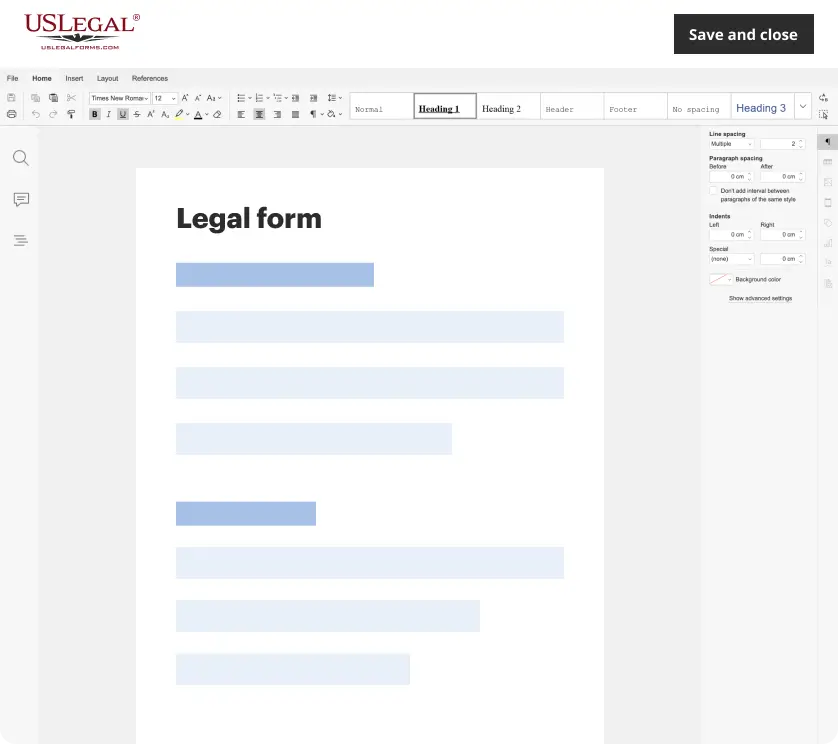
Make edits, fill in missing information, and update formatting in US Legal Forms—just like you would in MS Word.
Download a copy, print it, send it by email, or mail it via USPS—whatever works best for your next step.
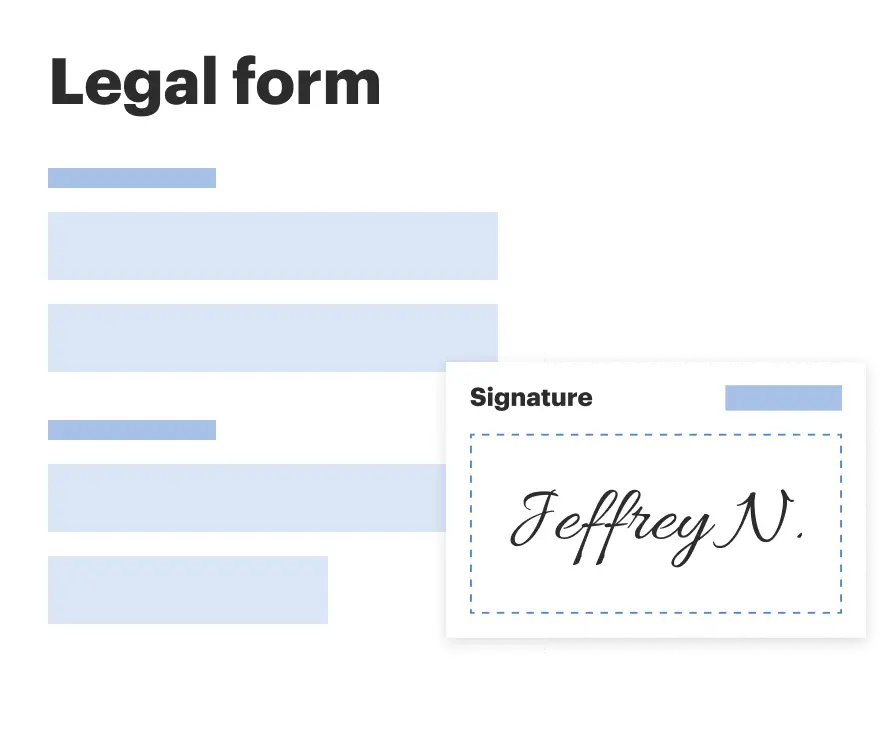
Sign and collect signatures with our SignNow integration. Send to multiple recipients, set reminders, and more. Go Premium to unlock E-Sign.
If this form requires notarization, complete it online through a secure video call—no need to meet a notary in person or wait for an appointment.
We protect your documents and personal data by following strict security and privacy standards.
Looking for another form?









Form popularity
FAQ
When you draft an employment contract that includes equity incentives, you need to ensure you do the following: Define the equity package. Outline the type of equity, and the number of the shares or options (if relevant). Set out the vesting conditions. Clarify rights, responsibilities, and buyout clauses.
Here are the types of futures contracts to know: Commodity Futures. You already know that a futures contract's value is based on an underlying asset. Currency Futures. Understanding what is currency futures can help unlock more investment opportunities. Stock Futures. Index Futures. Interest Rate Futures.
Equity Contract means any transaction or instrument that does not convey to Dealer rights, or the ability to assert claims, that are senior to the rights and claims of common stockholders in the event of Counterparty's bankruptcy.
Simple agreements for future equity, or SAFEs, are flexible agreements providing future equity rights without immediate valuation. SAFEs are commonly used for early-stage startup funding. Conversion terms are triggered by specific events like equity funding rounds or acquisitions.
The most common forms of equity include: Home Equity: The value of a homeowner's stake in their property, calculated by subtracting the mortgage owed from the home's market value. Shareholder Equity: The ownership interest in a company, representing the residual value after all liabilities are accounted for.
Suppose that a client has entered into an equity forward contract with a bank. The client (long side) agrees to buy 400 shares of a publicly listed company for US$ 100 per share from the bank (short side) on a specified expiration date one year in the future.