Joint Ownership Of Agreement In Texas
Description
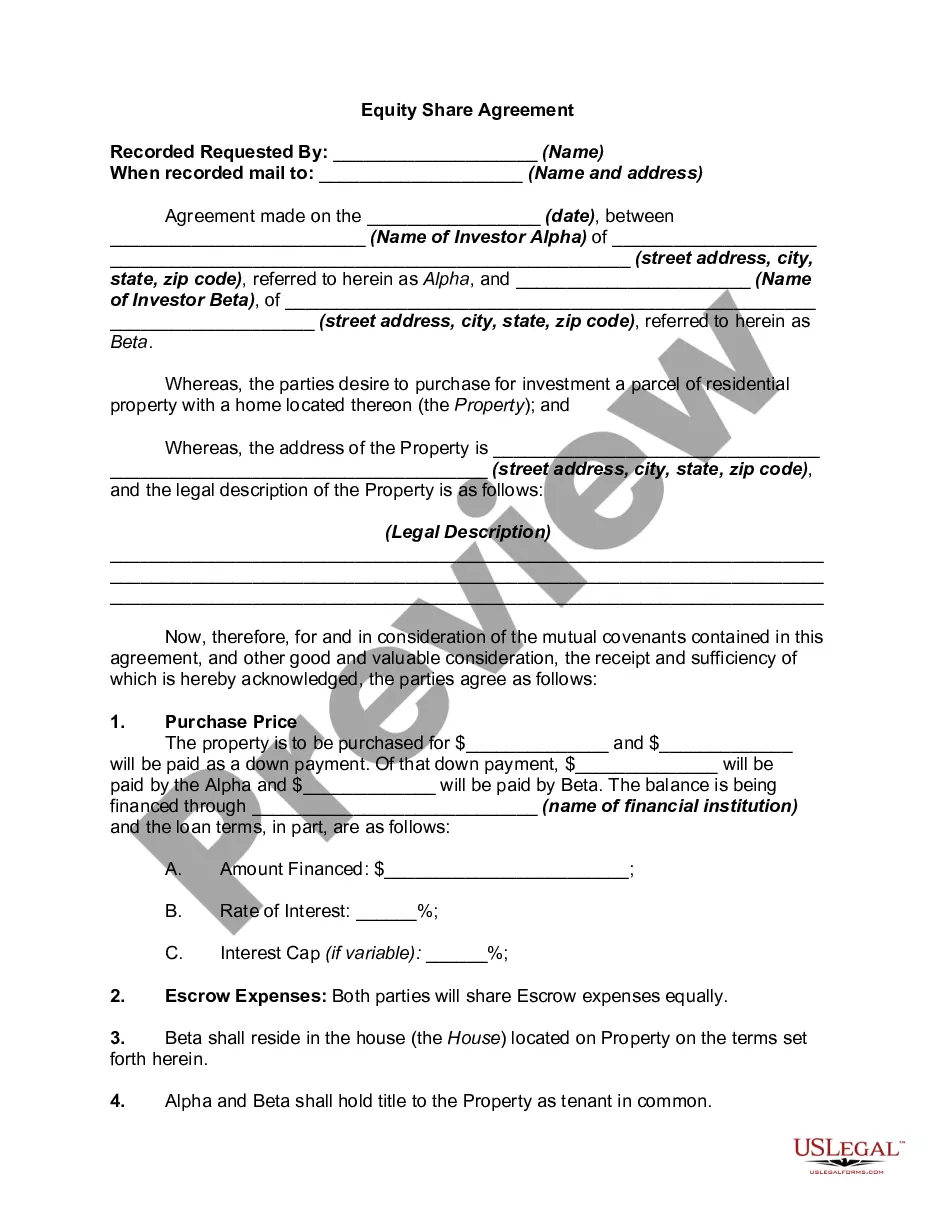
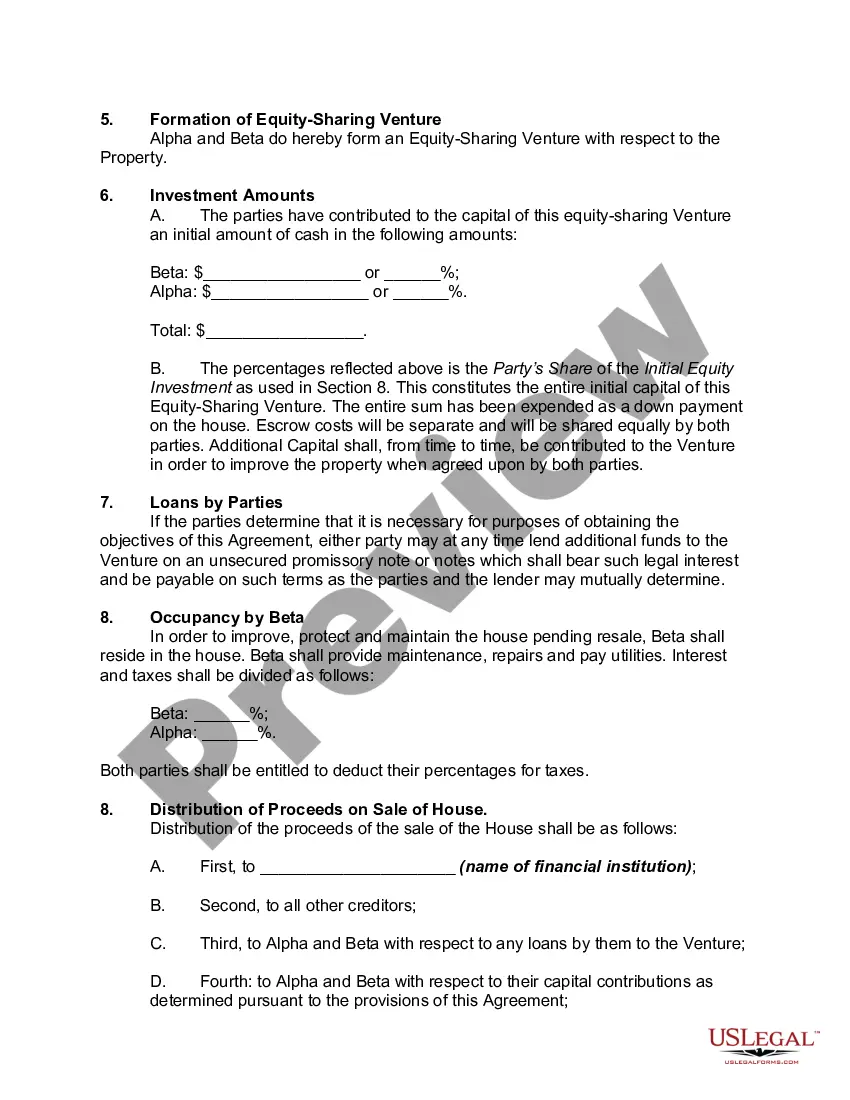
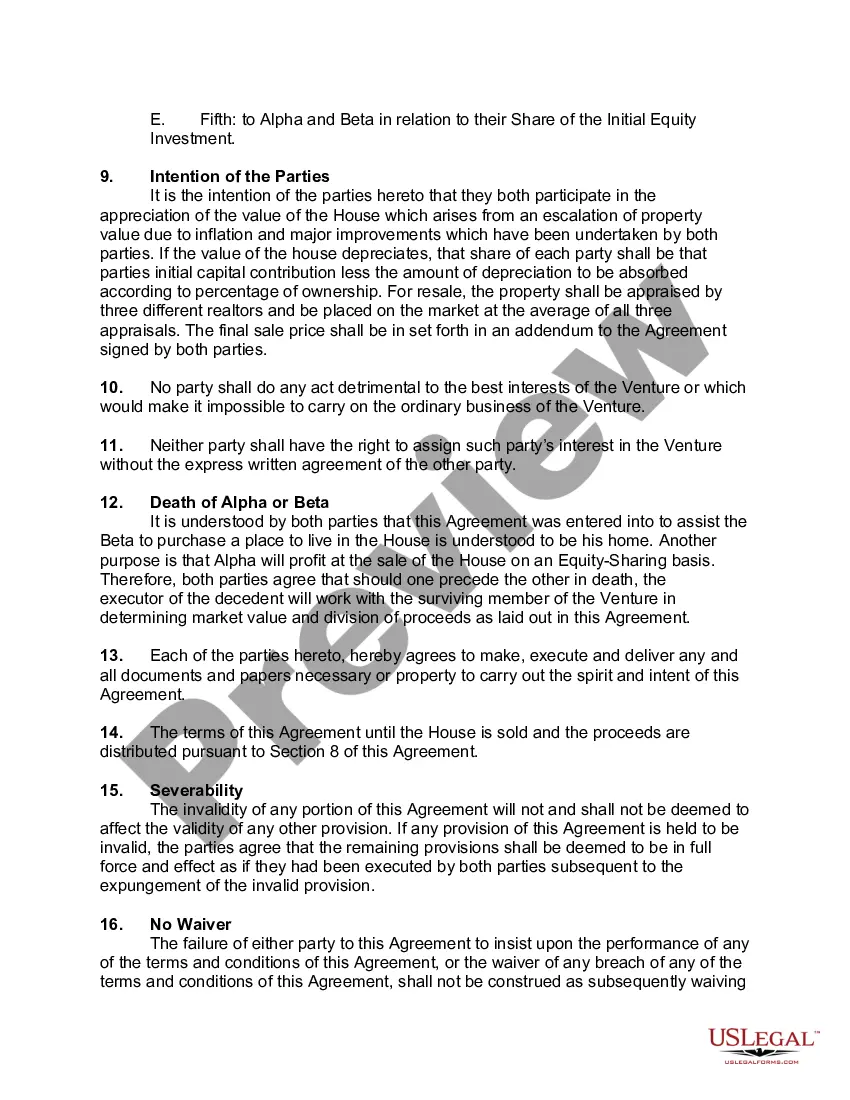
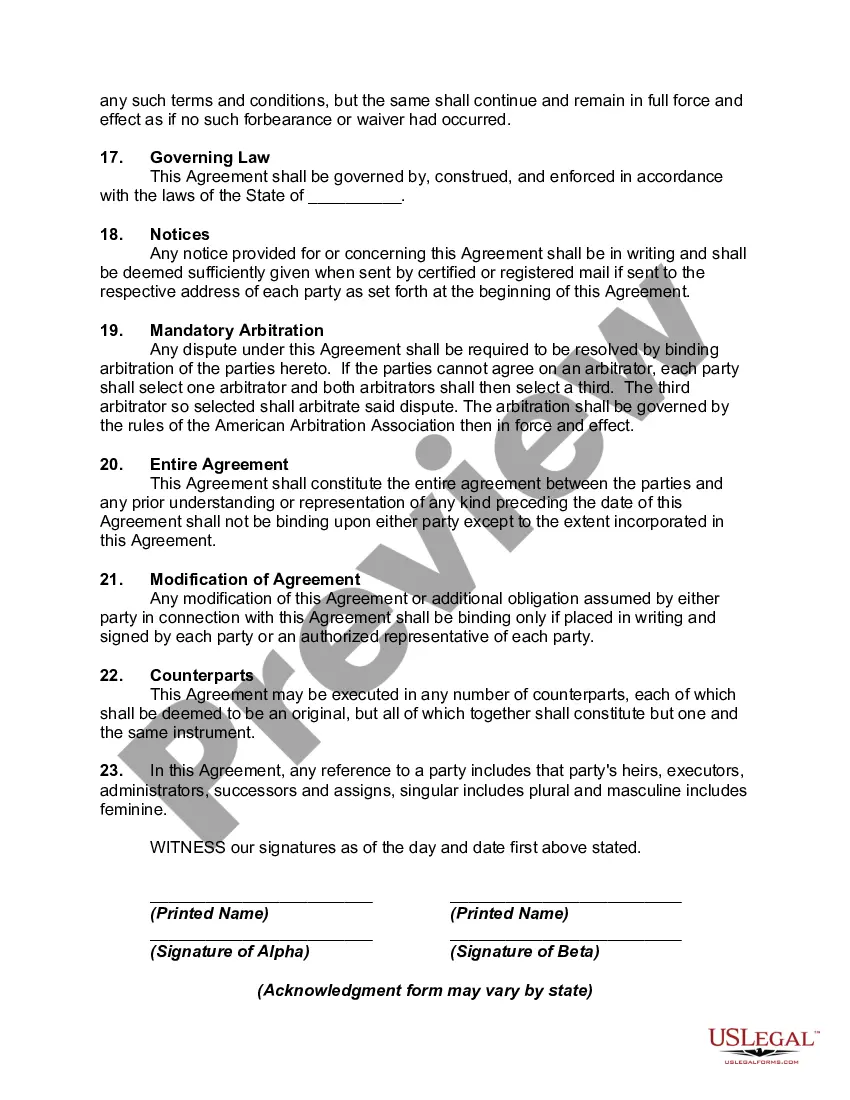
Get your form ready online
Our built-in tools help you complete, sign, share, and store your documents in one place.
Make edits, fill in missing information, and update formatting in US Legal Forms—just like you would in MS Word.
Download a copy, print it, send it by email, or mail it via USPS—whatever works best for your next step.
Sign and collect signatures with our SignNow integration. Send to multiple recipients, set reminders, and more. Go Premium to unlock E-Sign.
If this form requires notarization, complete it online through a secure video call—no need to meet a notary in person or wait for an appointment.
We protect your documents and personal data by following strict security and privacy standards.

Make edits, fill in missing information, and update formatting in US Legal Forms—just like you would in MS Word.

Download a copy, print it, send it by email, or mail it via USPS—whatever works best for your next step.

Sign and collect signatures with our SignNow integration. Send to multiple recipients, set reminders, and more. Go Premium to unlock E-Sign.

If this form requires notarization, complete it online through a secure video call—no need to meet a notary in person or wait for an appointment.

We protect your documents and personal data by following strict security and privacy standards.
Looking for another form?

Form popularity
FAQ
Survivorship Agreements Texas law does not include a presumption of survivorship. In order for survivorship rights to apply to jointly-owned property, the owners must execute a written agreement covering survivorship rights. This must be filed with the county.
The law is that all co-owners have a right to occupy the property, which means they have the right to allow any person to move into the jointly owned home without the permission of the co-owners unless a partition action is filed.
Your name can not be “removed” from the lease. If ALL parties (including the landlord) agree the existing lease can be terminated and a new one written for the remaining roommates. If all parties do not agree you need legal help.
Rights to Lease Property: Co-owners can lease out jointly owned property, but they typically need mutual consent. If the co-ownership agreement specifies, one owner might lease the property independently. However, without such an agreement, unilateral leasing can lead to legal disputes and potential partition actions.
Generally entry into a lease is not considered to be a transfer of an interest such that it causes a severance of a joint tenancy. The impact is similar to the effects of the grant of a mortgage in a lien theory jurisdiction.
One of the significant disadvantages of joint tenancy in Texas is the limited control and flexibility it offers to the owners. All the owners have equal rights to the property, which means that they cannot sell, mortgage, or transfer their ownership interest without the consent of the other owner(s).
For example, you may have property held by two owners where one owner has a 75% share and the other owner has a 25% share. However, tenants in common still have an undivided interest in the property, meaning that they have the right to use and enjoy the entire property. There is no right of survivorship.
Recommended documents for proof of joint ownership include: A mortgage or bank statement, residential leasing agreement, property tax bill, or joint credit card statement. Documents must include both the employee's name and the spouse's name.
Tenancy in common, also called joint tenancy in common, is the default way people share ownership in Texas. Tenants in common own property in its entirety, even if they own different shares of the property. In other words, all owners have an equal right to use and enjoy the property.
Joint Ownership with Right of Survivorship. If property is jointly owned and the owners have signed a survivorship agreement, the surviving owner will automatically inherit the deceased owner's share. This is commonly done for marital homes.