Contract For Equity Investment In Pennsylvania
Description






Get your form ready online
Our built-in tools help you complete, sign, share, and store your documents in one place.
Make edits, fill in missing information, and update formatting in US Legal Forms—just like you would in MS Word.
Download a copy, print it, send it by email, or mail it via USPS—whatever works best for your next step.
Sign and collect signatures with our SignNow integration. Send to multiple recipients, set reminders, and more. Go Premium to unlock E-Sign.
If this form requires notarization, complete it online through a secure video call—no need to meet a notary in person or wait for an appointment.
We protect your documents and personal data by following strict security and privacy standards.

Make edits, fill in missing information, and update formatting in US Legal Forms—just like you would in MS Word.

Download a copy, print it, send it by email, or mail it via USPS—whatever works best for your next step.

Sign and collect signatures with our SignNow integration. Send to multiple recipients, set reminders, and more. Go Premium to unlock E-Sign.

If this form requires notarization, complete it online through a secure video call—no need to meet a notary in person or wait for an appointment.

We protect your documents and personal data by following strict security and privacy standards.
Looking for another form?



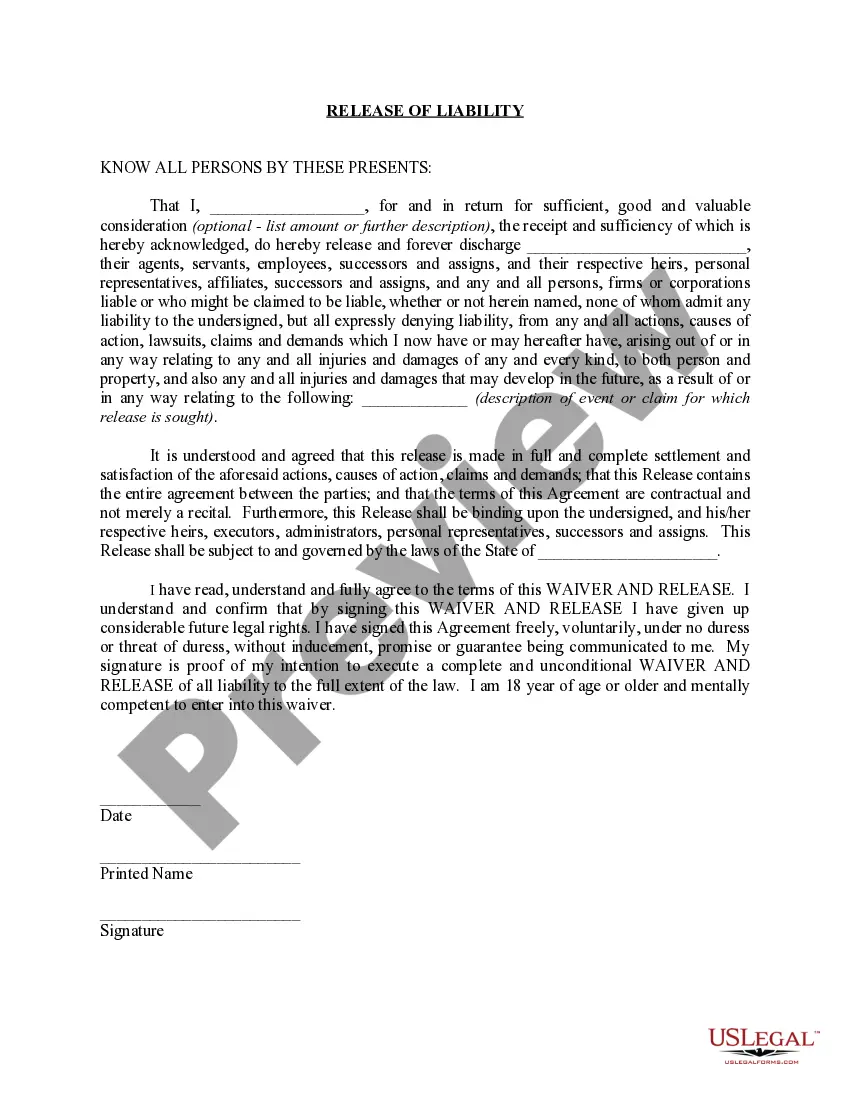
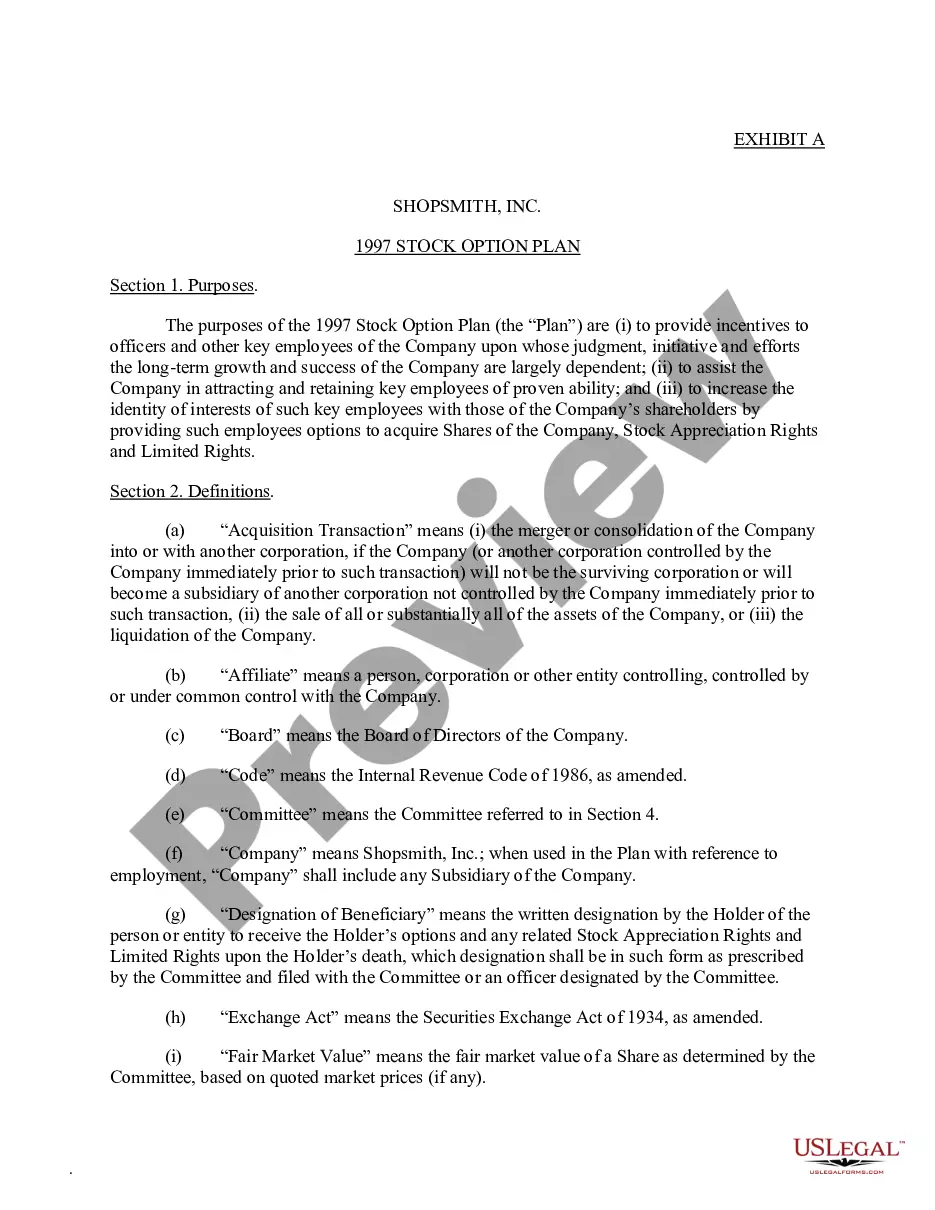

Form popularity
FAQ
Landing a career in private equity is very difficult because there are few jobs on the market in this profession and so it can be very competitive. Coming into private equity with no experience is impossible, so finding an internship or having previous experience in a related field is highly recommended.
There are several ways to branch into private equity investing, including through mutual funds, exchange-traded funds, SPACs, and crowdfunding. However, keep in mind that many private equity opportunities are only offered to qualified investors and may require a sizable minimum commitment as well as a high net worth.
There are several ways to branch into private equity investing, including through mutual funds, exchange-traded funds, SPACs, and crowdfunding. However, keep in mind that many private equity opportunities are only offered to qualified investors and may require a sizable minimum commitment as well as a high net worth.
In the United States, anyone can invest in private equity. You can buy a business from someone who owns it.
Many private equity associates give themselves a competitive edge by undertaking a master's degree. A business administration degree paired with a finance degree is an extremely desirable combination of qualifications in this industry.
How to Draft an Investor Agreement Step-by-Step Preliminary Considerations. Define the Terms of the Investment. Outline Rights and Obligations. Include Key Provisions. Draft Protective Clauses for Both Parties. Finalize the Agreement.
Equity agreements allow entrepreneurs to secure funding for their start-up by giving up a portion of ownership of their company to investors. In short, these arrangements typically involve investors providing capital in exchange for shares of stock which they will hold and potentially sell in the future for a profit.
Equity Investment Agreement Definition: Understanding the Basics of Equity Investment. Equity investment is a popular way for businesses to raise capital. An equity investment agreement is a legal document that outlines the terms and conditions of an equity investment.
Equity agreements commonly contain the following components: Equity program. This section outlines the details of the investment plan, including its purpose, conditions, and objectives. It also serves as a statement of intention to create a legal relationship between both parties.
Steps for creating an effective investment agreement #1 Identify the parties involved and their roles. #2 Clarify the investment terms and objectives. #3 Determine the structure and nature of the investment. #4 Conduct due diligence and research. #5 Use clear and easily understandable language.
