Share Agreement Contract Without In Mecklenburg
Description






Get your form ready online
Our built-in tools help you complete, sign, share, and store your documents in one place.
Make edits, fill in missing information, and update formatting in US Legal Forms—just like you would in MS Word.
Download a copy, print it, send it by email, or mail it via USPS—whatever works best for your next step.
Sign and collect signatures with our SignNow integration. Send to multiple recipients, set reminders, and more. Go Premium to unlock E-Sign.
If this form requires notarization, complete it online through a secure video call—no need to meet a notary in person or wait for an appointment.
We protect your documents and personal data by following strict security and privacy standards.

Make edits, fill in missing information, and update formatting in US Legal Forms—just like you would in MS Word.

Download a copy, print it, send it by email, or mail it via USPS—whatever works best for your next step.

Sign and collect signatures with our SignNow integration. Send to multiple recipients, set reminders, and more. Go Premium to unlock E-Sign.

If this form requires notarization, complete it online through a secure video call—no need to meet a notary in person or wait for an appointment.

We protect your documents and personal data by following strict security and privacy standards.
Looking for another form?
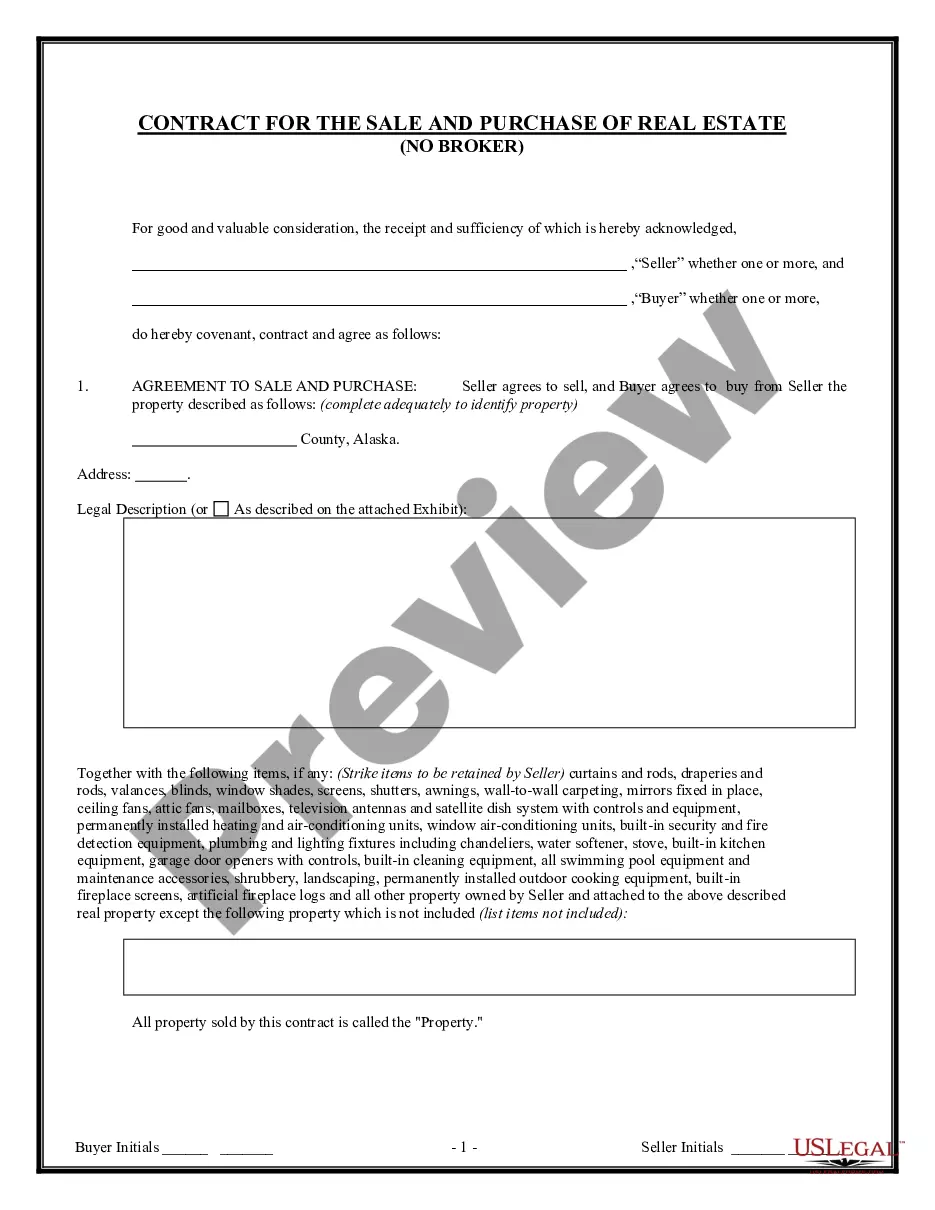







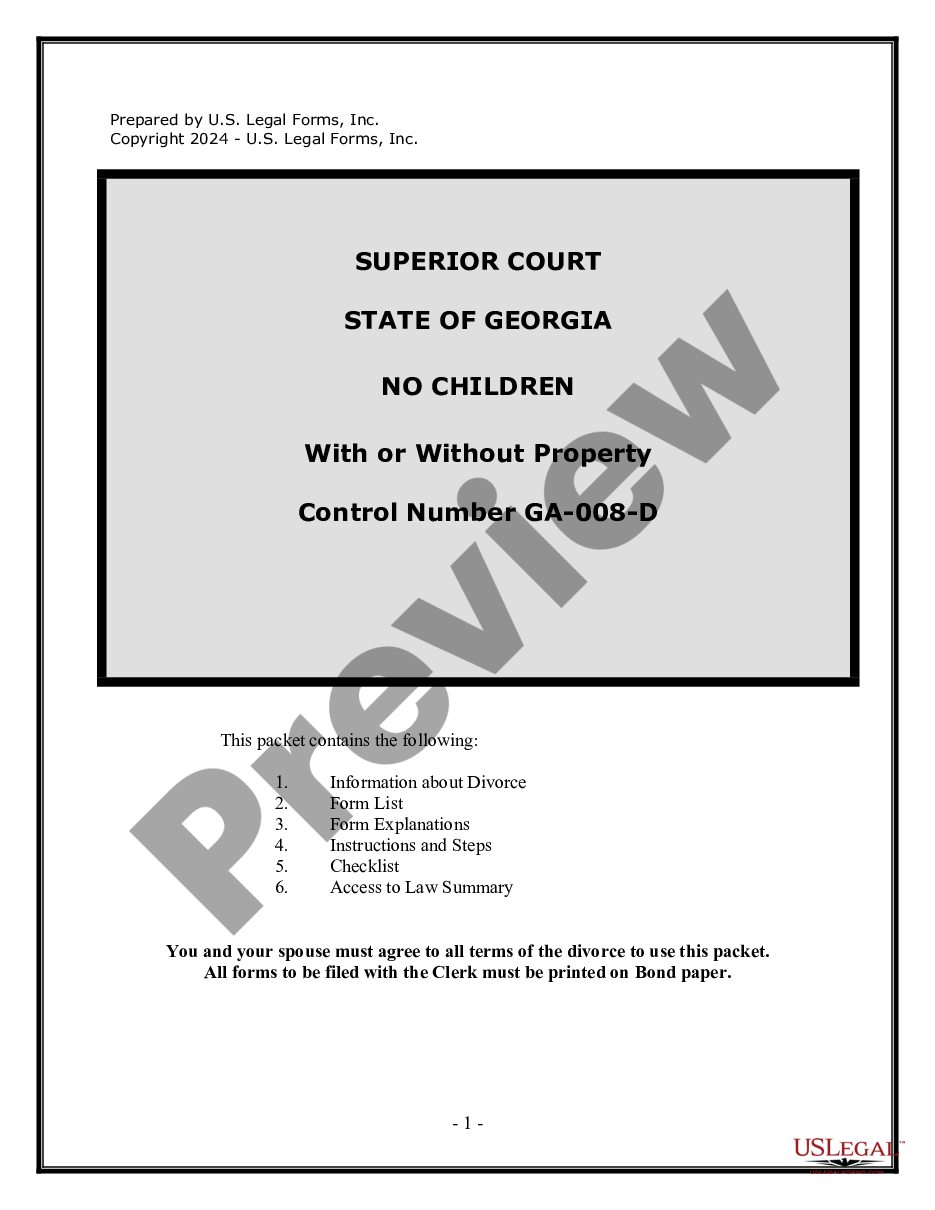
Form popularity
FAQ
How to draft a contract between two parties: A step-by-step checklist Know your parties. Agree on the terms. Set clear boundaries. Spell out the consequences. Specify how you will resolve disputes. Cover confidentiality. Check the legality of the contract. Open it up to negotiation.
What to Think about When You Begin Writing a Shareholder Agreement. Name Your Shareholders. Specify the Responsibilities of Shareholders. The Voting Rights of Your Shareholders. Decisions Your Corporation Might Face. Changing the Original Shareholder Agreement. Determine How Stock can be Sold or Transferred.
No notarization or filing of a shareholders' agreement is required.
Drafting shareholder agreements without expert advice could put you at risk of including provisions which may be deemed by a court as invalid.
How do I create a Shareholder Agreement? Step 1: Provide details about the corporation. Step 2: Include details about the shareholders. Step 3: Provide details about share ownership. Step 4: Outline share information including class and number. Step 5: Determine how the corporation's directors will be appointed.
10 Different Types of Contracts Type of ContractEveryday Use Implied Contracts Common in everyday transactions like dining out. Express Contracts Standard in formal business agreements. Simple Contracts Used for straightforward services or transactions. Unconscionable Contracts Often challenged in court for fairness.10 more rows •
Usually, contractual provisions that restrict assignment of the contract without the consent of the obligor are valid and enforceable, even when there is statutory authorization for the assignment. The restriction of the power to assign is often ineffective unless the restriction is expressly and precisely stated.
While a contract may still be binding even if not signed, you still need to take care in specific cases where the law requires a signature for other reasons. For example, if your contract is being executed as a deed, then in order to satisfy execution formalities a signature will typically be required.
A null contract is one that was never valid from the beginning, while a void contract becomes invalid due to certain circumstances, such as illegal provisions or the incapacity of one party. Consequently, such contracts are not legally binding and cannot be enforced.
A contract can involve multiple parties or be between companies and may involve anything from real estate to investments to gardening services. Government agencies or individuals can also enter into an agreement. If a party doesn't follow the terms, they may be found in breach of contract.
