Equity Split Agreement Template For Commercial Property In Massachusetts
Description






Get your form ready online
Our built-in tools help you complete, sign, share, and store your documents in one place.
Make edits, fill in missing information, and update formatting in US Legal Forms—just like you would in MS Word.
Download a copy, print it, send it by email, or mail it via USPS—whatever works best for your next step.
Sign and collect signatures with our SignNow integration. Send to multiple recipients, set reminders, and more. Go Premium to unlock E-Sign.
If this form requires notarization, complete it online through a secure video call—no need to meet a notary in person or wait for an appointment.
We protect your documents and personal data by following strict security and privacy standards.

Make edits, fill in missing information, and update formatting in US Legal Forms—just like you would in MS Word.

Download a copy, print it, send it by email, or mail it via USPS—whatever works best for your next step.

Sign and collect signatures with our SignNow integration. Send to multiple recipients, set reminders, and more. Go Premium to unlock E-Sign.

If this form requires notarization, complete it online through a secure video call—no need to meet a notary in person or wait for an appointment.

We protect your documents and personal data by following strict security and privacy standards.
Looking for another form?
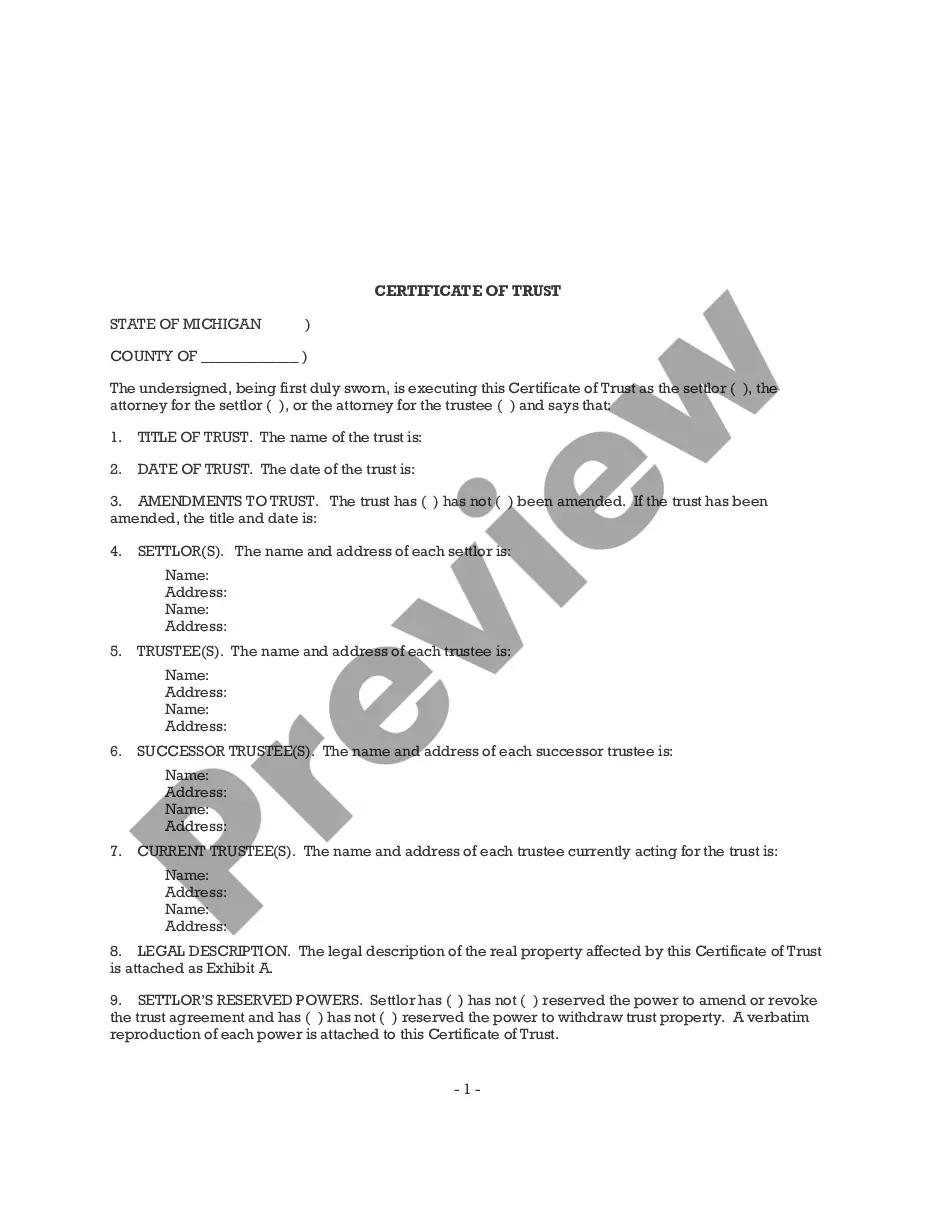



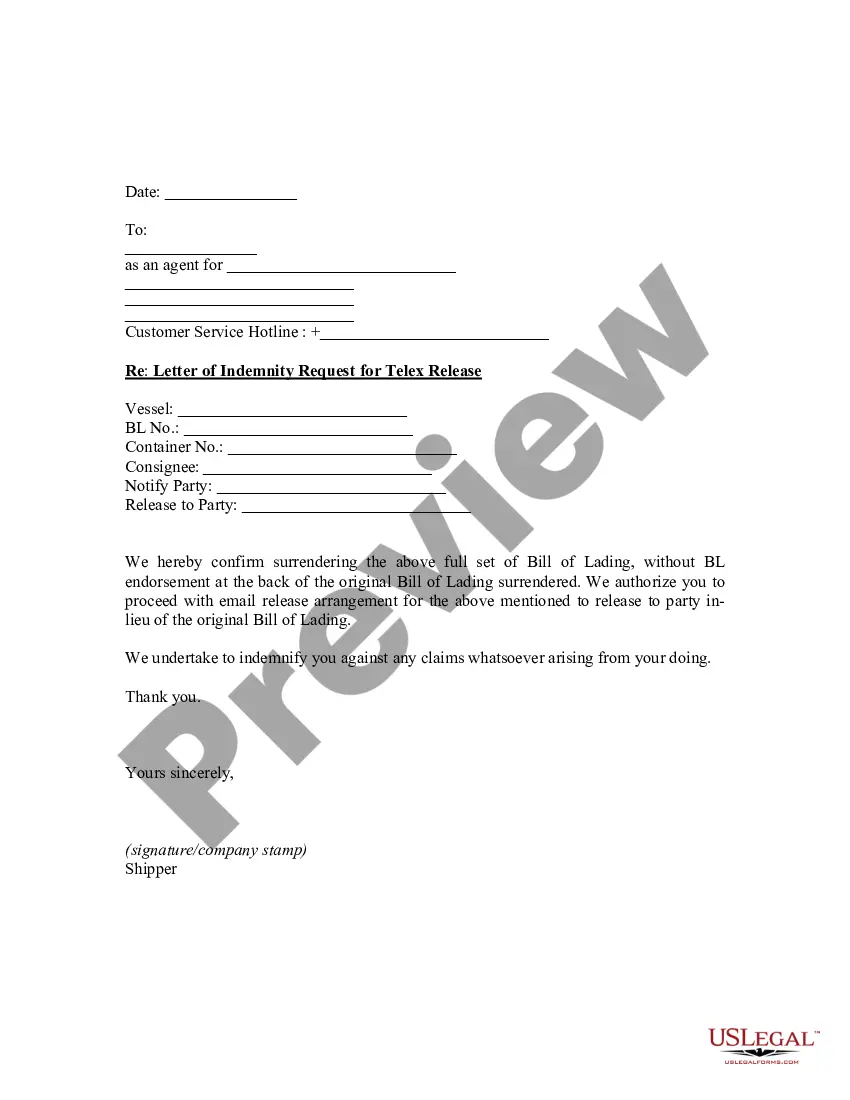
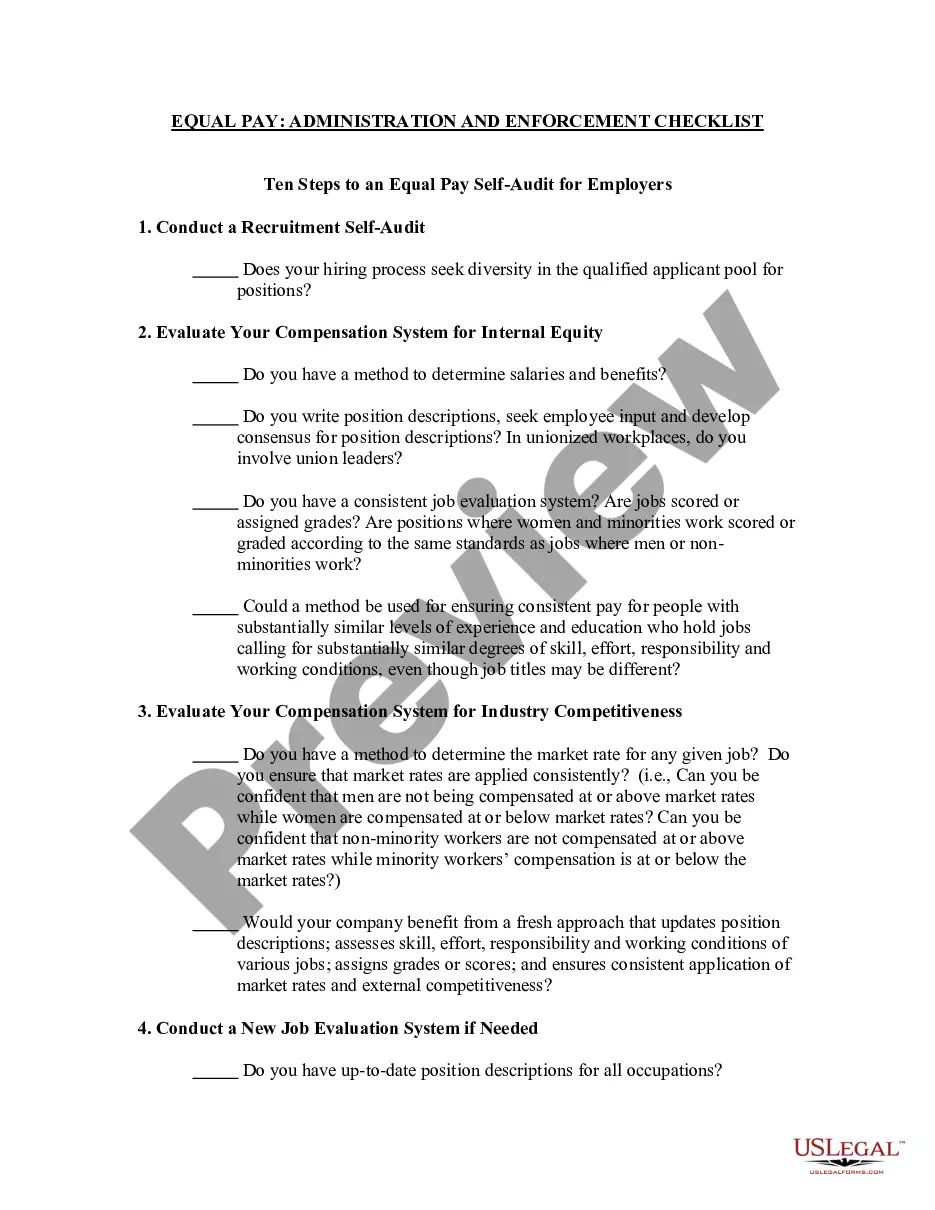




Form popularity
FAQ
First, it is important to remember that a separation agreement is not valid until it is signed by both parties. If both spouses decide during the process that they want to reconcile, then they can nullify the agreement. It can be done if one spouse has already signed.
If a judge determines a separation agreement is NOT “fair and reasonable” the separation agreement will be rendered null and void, and no longer exist as an enforceable contract.
January 2024. In a divorce case, you and your spouse may sign an agreement that says how you want to handle things after you get divorced. The agreement is called a "Separation Agreement." Sometimes the Separation Agreement is a binding contract between you and your spouse.
It usually covers division of property, responsibility for debts, spousal support, and child custody and child support. If properly drafted, it can become part of a subsequent divorce decree. Q: Do we have to enter into a separation agreement before we can separate? A: Absolutely not!
Generally speaking, the court will approve separation agreements, binding the parties, if they are fair and reasonable and not the product of fraud or coercion.
You can think of the marital settlement agreement as the preliminary process required when getting divorced. On the other hand, a divorce decree legally mandates that you are divorced in the eyes of the law.
Five tips for negotiating a divorce settlement with your spouse Communicate effectively. It can be difficult to talk to your ex, but clear and calm communication is critical to successful negotiations. Don't withhold information. Ask questions. Focus on goals. Consult an experienced divorce attorney.
1. What is a Marital Settlement Agreement in Massachusetts? A Marital Settlement Agreement (MSA) is a legal document that outlines the terms of a divorce or legal separation agreed upon by both spouses. It covers aspects such as property division, alimony, child custody and support, and insurance.
In a divorce in Massachusetts, a wife is entitled to: Equitable Division of Property: This includes real estate, bank accounts, investments, and other assets.
