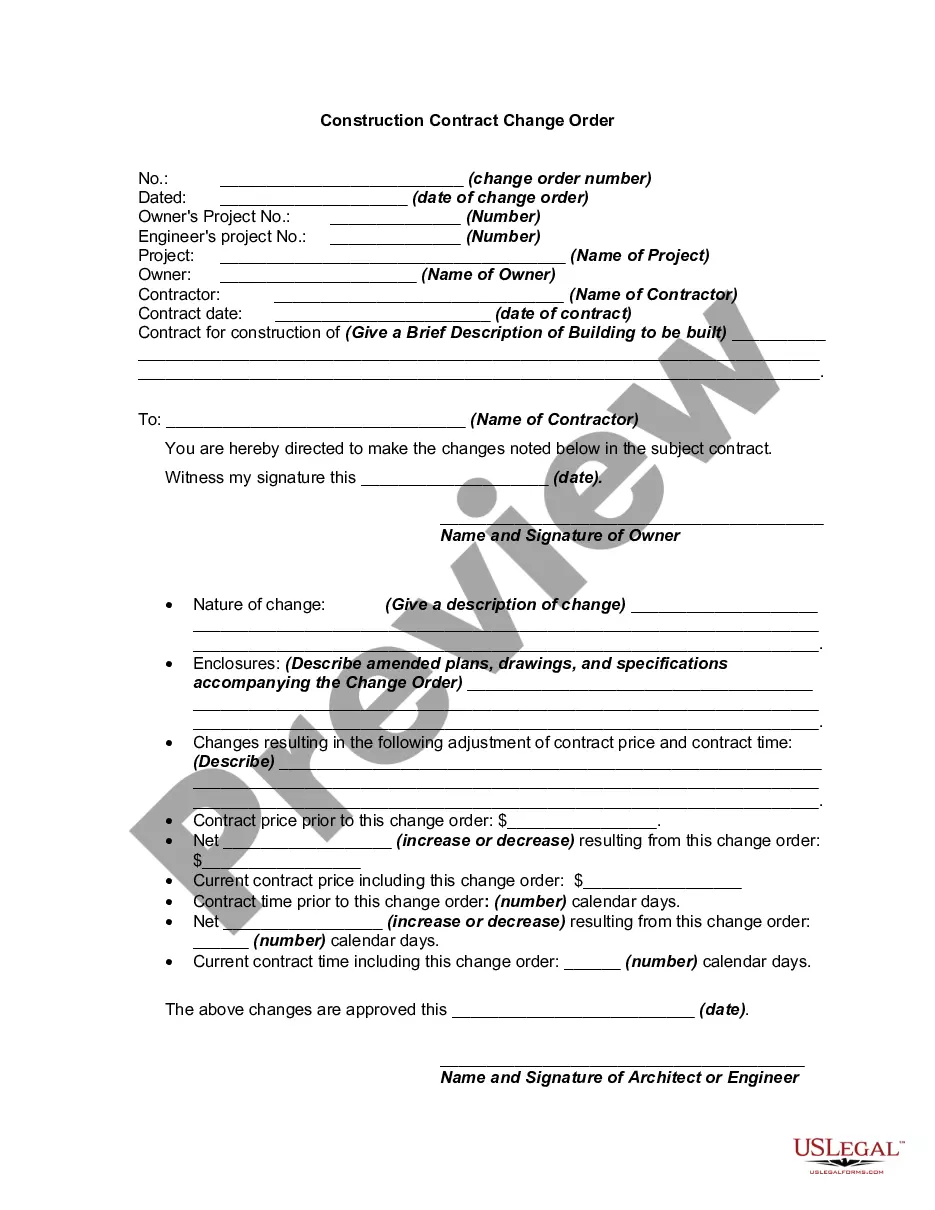
Equity Agreement Contract For Construction Work In Florida
Description






Get your form ready online
Our built-in tools help you complete, sign, share, and store your documents in one place.
Make edits, fill in missing information, and update formatting in US Legal Forms—just like you would in MS Word.
Download a copy, print it, send it by email, or mail it via USPS—whatever works best for your next step.
Sign and collect signatures with our SignNow integration. Send to multiple recipients, set reminders, and more. Go Premium to unlock E-Sign.
If this form requires notarization, complete it online through a secure video call—no need to meet a notary in person or wait for an appointment.
We protect your documents and personal data by following strict security and privacy standards.

Make edits, fill in missing information, and update formatting in US Legal Forms—just like you would in MS Word.

Download a copy, print it, send it by email, or mail it via USPS—whatever works best for your next step.

Sign and collect signatures with our SignNow integration. Send to multiple recipients, set reminders, and more. Go Premium to unlock E-Sign.

If this form requires notarization, complete it online through a secure video call—no need to meet a notary in person or wait for an appointment.

We protect your documents and personal data by following strict security and privacy standards.
Looking for another form?









Form popularity
FAQ
Top 10 Common Mistakes that We See in Construction Contracts It's not written down. Both parties haven't signed the contract. Not all of the terms of the agreement are in writing and in the contract. The timeline is unclear. Particular terms aren't defined. There's no written approval of any changes to the contract.
Passing a licensure exam for a certified contractor. Four years of experience or a combination of college and experience. Financial stability and decent credit. Fingerprints.
Generally, all construction contracts in Florida must contain are required to disclose the contractor or subcontractor's registration number issued by the Florida DPBR; if required. Furthermore, all construction contracts should also include a construction defect notice and opportunity to cure provisions.
Here is a quick list of all the elements that must be included in the Florida NTO: Property owner(s) name & address. Owner designee name & address (if any) General contractor name & address. A “general description” of the materials and/or work being provided to the job. Property description where the job is located.
A contract is legally binding. It is formed when there is an offer, an acceptance, and, importantly, consideration by both parties. Without consideration, there is no enforceable contract in Florida.
These agreements provide minimum salaries, benefits, job security and numerous other provisions to ensure safe working conditions and a work environment where actors and stage managers are protected. Equity contracts for individual members usually cover jobs in three categories: Principal, Chorus and Stage Manager.
Equity Contract means a contract which is valued on the basis of the value of underlying equities or equity indices and includes related derivative contracts.
Equity agreements allow entrepreneurs to secure funding for their start-up by giving up a portion of ownership of their company to investors. In short, these arrangements typically involve investors providing capital in exchange for shares of stock which they will hold and potentially sell in the future for a profit.
A contract can be declared unenforceable if it does not comply with applicable laws, Wolf said. For example, states like California and Florida have extensive and strict licensing laws, and if a contractor takes on a project without being properly licensed, the contract is likely illegal and therefore unenforceable.