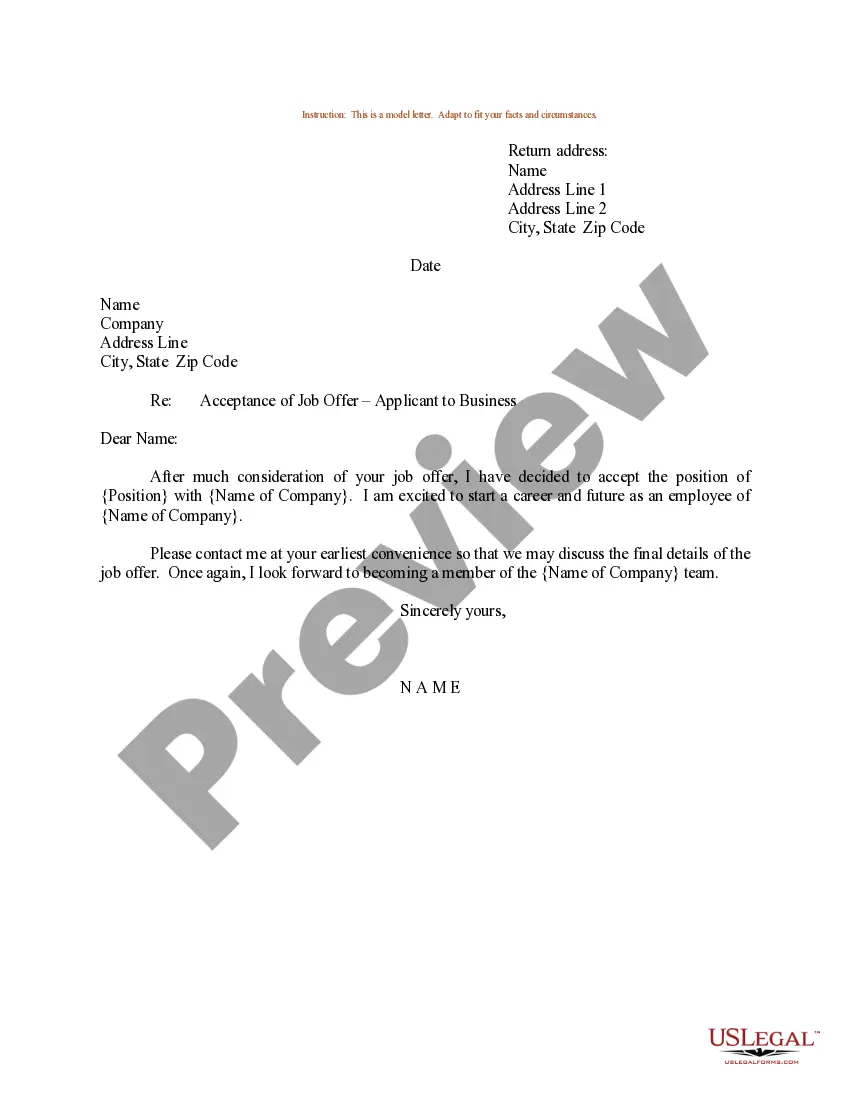
Equity Ownership Agreement Template For S Corp In Cook
Description






Get your form ready online
Our built-in tools help you complete, sign, share, and store your documents in one place.
Make edits, fill in missing information, and update formatting in US Legal Forms—just like you would in MS Word.
Download a copy, print it, send it by email, or mail it via USPS—whatever works best for your next step.
Sign and collect signatures with our SignNow integration. Send to multiple recipients, set reminders, and more. Go Premium to unlock E-Sign.
If this form requires notarization, complete it online through a secure video call—no need to meet a notary in person or wait for an appointment.
We protect your documents and personal data by following strict security and privacy standards.

Make edits, fill in missing information, and update formatting in US Legal Forms—just like you would in MS Word.

Download a copy, print it, send it by email, or mail it via USPS—whatever works best for your next step.

Sign and collect signatures with our SignNow integration. Send to multiple recipients, set reminders, and more. Go Premium to unlock E-Sign.

If this form requires notarization, complete it online through a secure video call—no need to meet a notary in person or wait for an appointment.

We protect your documents and personal data by following strict security and privacy standards.
Looking for another form?








Form popularity
FAQ
Transfer of Shares in an S Corporation Ensuring That the Purchaser Is Eligible. Tax code rules in an S corporation strictly limit the number and types of shareholders in a corporation. Review the Shareholder Agreement. Determine the Value of the Stock. Prepare the Stock Transfer Agreement. Update the Stock Transfer Ledger.
The equity accounts will track the flow of funds between the S-Corp and shareholders. When running a Profit and Loss (P&L) report, the income from the specific income account, minus salary and other business expenses, will give you a clearer picture of the taxable net income for the S-Corp.
The owners (the shareholders) have the same protection from liability as shareholders of a C corporation. An S corporation shareholder's personal assets, such as personal bank accounts, cannot be seized to satisfy business liabilities.
Equity agreements commonly contain the following components: Equity program. This section outlines the details of the investment plan, including its purpose, conditions, and objectives. It also serves as a statement of intention to create a legal relationship between both parties.
Shareholder restrictions: S corps are restricted to no more than 100 shareholders, and shareholders must be US citizens/residents.
The S corp shareholder agreement is a contract between the shareholders of an S corporation. The contents of the shareholder agreement differ from one S corporation to another. The shareholders are also able to decide what goes into the shareholder agreement, which is also referred to as the stockholder agreement.
Similarly, corporations (S corps and C corps) are not legally required by any state to have an operating agreement. Still, experts advise owners of these businesses to create and execute their version of an operating agreement, called bylaws.
Most S corporations with multiple shareholders should have a written shareholders' agreement in effect for a simple reason.
Equity agreements allow entrepreneurs to secure funding for their start-up by giving up a portion of ownership of their company to investors. In short, these arrangements typically involve investors providing capital in exchange for shares of stock which they will hold and potentially sell in the future for a profit.
Most S corporations with multiple shareholders should have a written shareholders' agreement in effect for a simple reason.