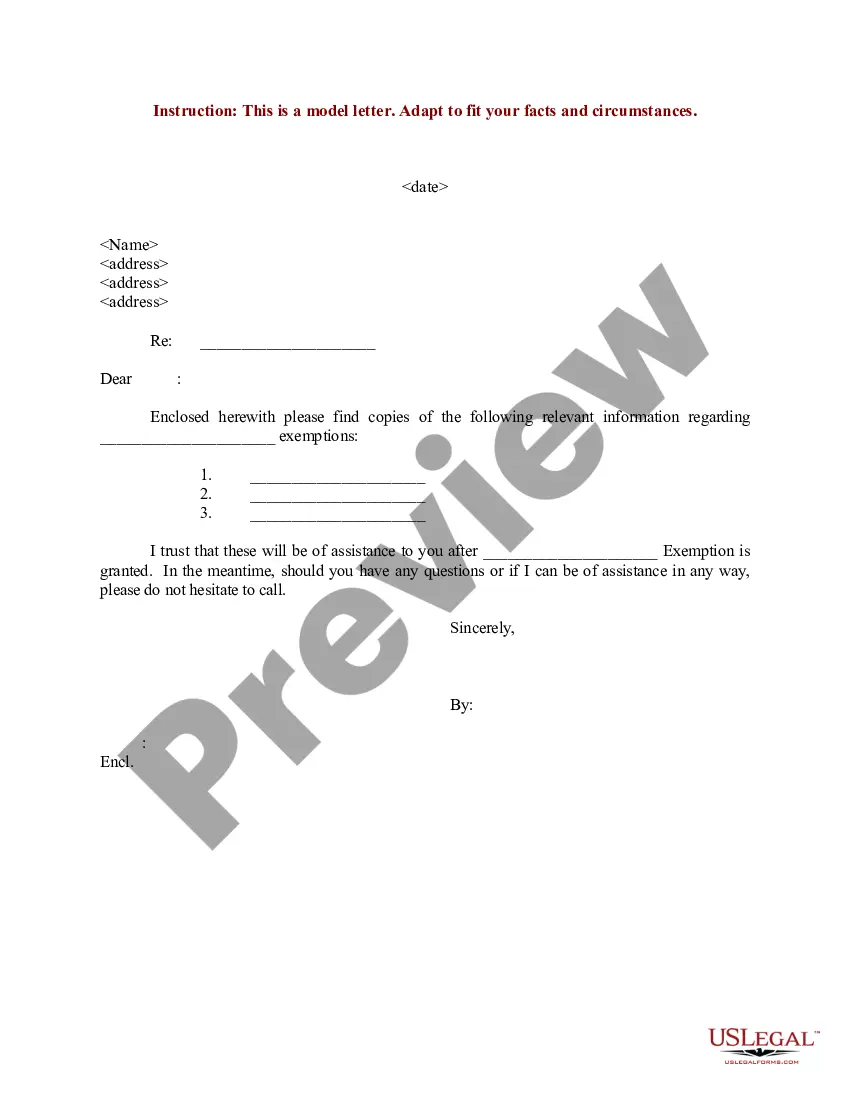
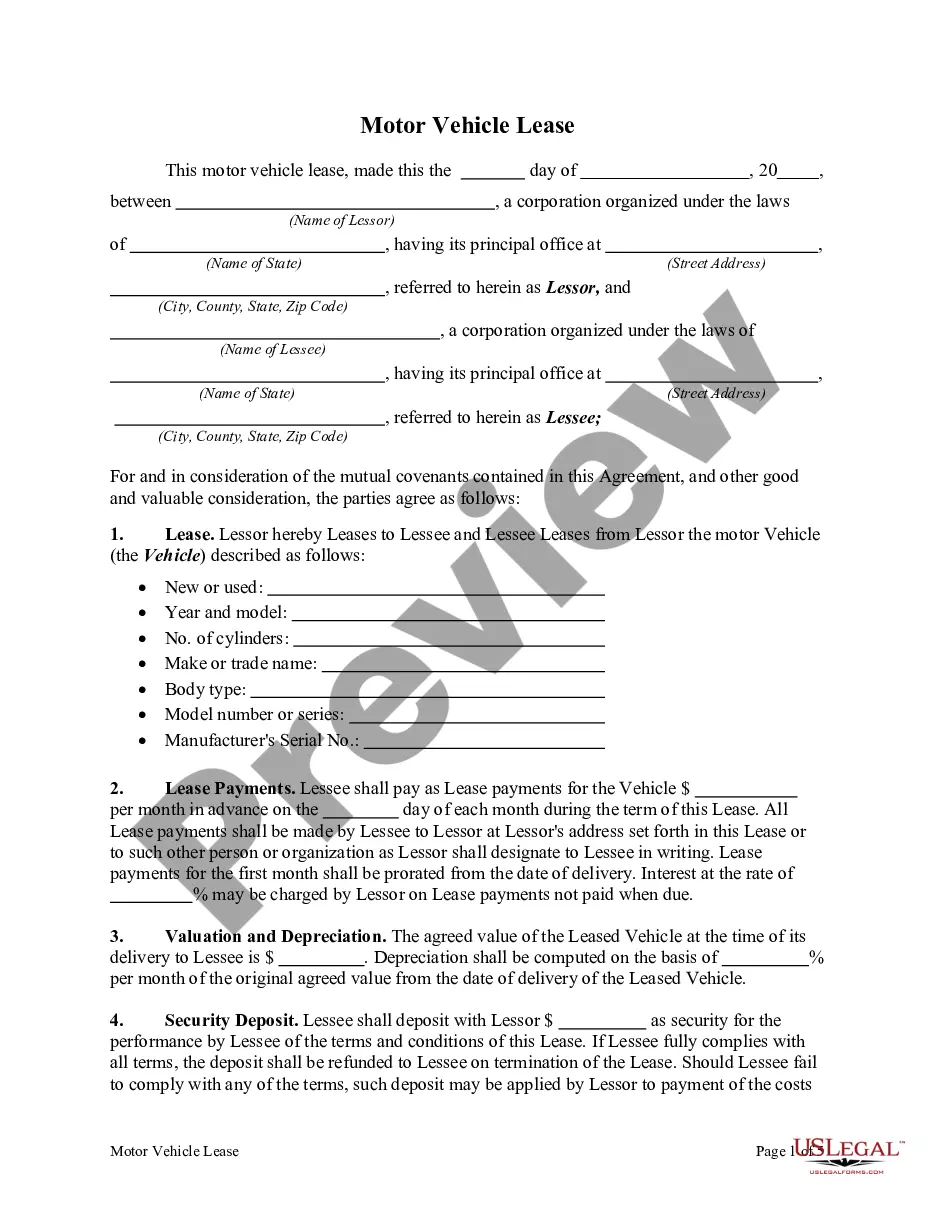
Equity Sharing Agreement With Landlord In Contra Costa
Description






Get your form ready online
Our built-in tools help you complete, sign, share, and store your documents in one place.
Make edits, fill in missing information, and update formatting in US Legal Forms—just like you would in MS Word.
Download a copy, print it, send it by email, or mail it via USPS—whatever works best for your next step.
Sign and collect signatures with our SignNow integration. Send to multiple recipients, set reminders, and more. Go Premium to unlock E-Sign.
If this form requires notarization, complete it online through a secure video call—no need to meet a notary in person or wait for an appointment.
We protect your documents and personal data by following strict security and privacy standards.

Make edits, fill in missing information, and update formatting in US Legal Forms—just like you would in MS Word.

Download a copy, print it, send it by email, or mail it via USPS—whatever works best for your next step.

Sign and collect signatures with our SignNow integration. Send to multiple recipients, set reminders, and more. Go Premium to unlock E-Sign.

If this form requires notarization, complete it online through a secure video call—no need to meet a notary in person or wait for an appointment.

We protect your documents and personal data by following strict security and privacy standards.
Looking for another form?









Form popularity
FAQ
A change of terms would require the approval of both parties (landlord and tenant). Some leases do contain a clause allowing the landlord to change the terms, but these are usually not true leases. If your agreement has a similar clause than either party may change the terms by giving notice.
If you are not behind in your rent but the landlord wants you to move out, they must give you a written notice. Only a 30-day notice is required if all tenants have lived there less than a year. A 60-day notice is required if all tenants have lived there a year or longer.
Ing to AB-1482, the Tenant Protection Act of 2019, landlords in California are only permitted to increase rent by 5% plus 10% or the annual inflation rate, whichever is lower.
In 2016, Richmond passed the Fair Rent, Just Cause for Eviction and Homeowner Protection Ordinance — the first rent-control law in Contra Costa County. The comprehensive measure includes both rent control and just cause eviction, which makes no-fault evictions costlier for landlords.
County Eviction Protection and Rent Freeze Ordinance 2021-20 that continued a temporary eviction moratorium for certain residential tenants and a moratorium on certain residential rent increases through September 30, 2021. The ordinance has not been extended beyond September 30, 2021.
Annual rent increases are capped at the lesser of 3% or 60% of CPI.
Ing to AB-1482, the Tenant Protection Act of 2019, landlords in California are only permitted to increase rent by 5% plus 10% or the annual inflation rate, whichever is lower.
Retaliatory actions by landlords are illegal in California. This means landlords cannot increase rent, decrease services, or attempt eviction in response to tenants exercising their legal rights, such as reporting housing code violations or participating in tenant organizations.
At a glance: What a landlord cannot do in California in 2024 Landlords can't raise rent more than 10% total or 5% + CPI increase (whichever is lower) over a 12-month period. No-fault evictions are prohibited, so landlords can't evict a tenant without cause.