Equity Agreement Contract For Employee In Clark
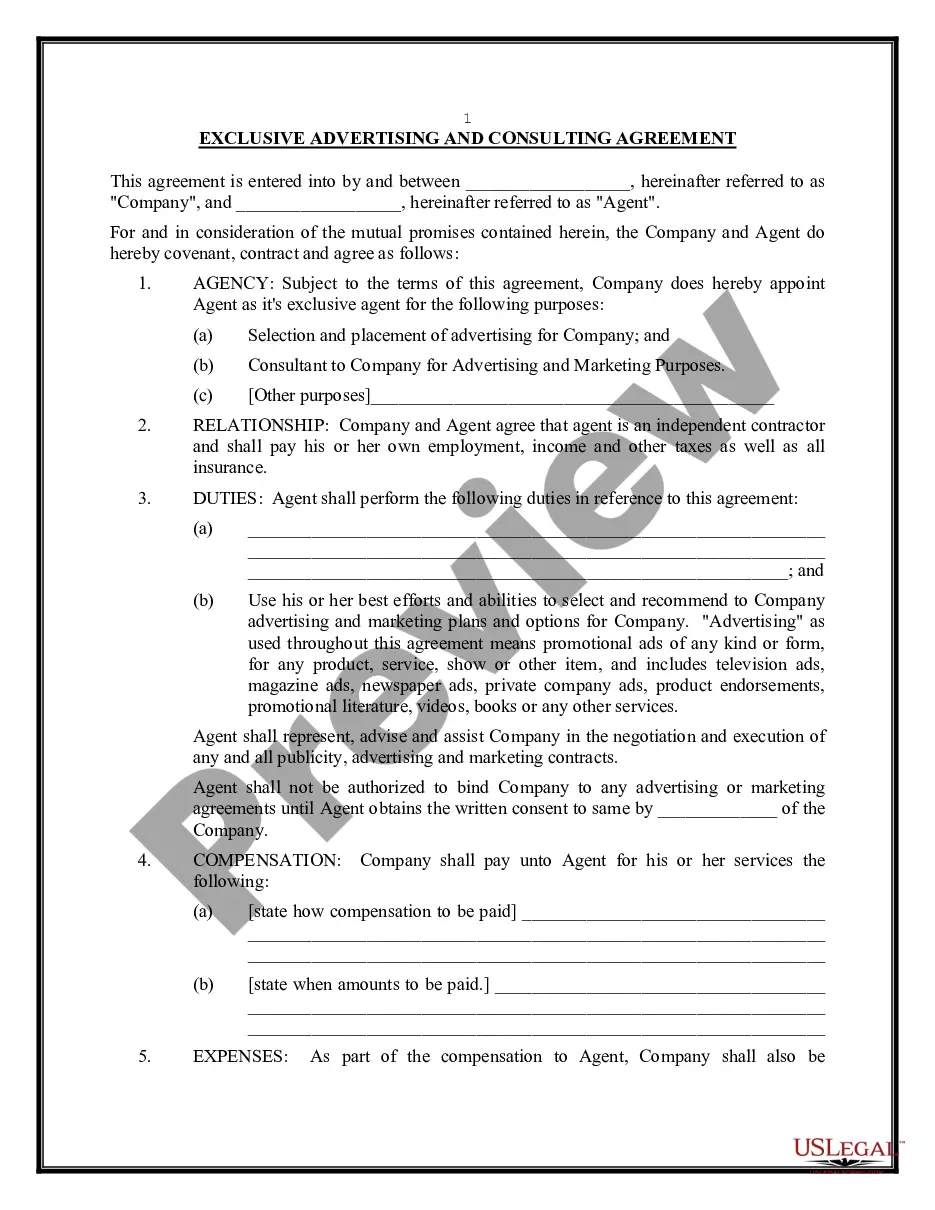
Description






Get your form ready online
Our built-in tools help you complete, sign, share, and store your documents in one place.
Make edits, fill in missing information, and update formatting in US Legal Forms—just like you would in MS Word.
Download a copy, print it, send it by email, or mail it via USPS—whatever works best for your next step.
Sign and collect signatures with our SignNow integration. Send to multiple recipients, set reminders, and more. Go Premium to unlock E-Sign.
If this form requires notarization, complete it online through a secure video call—no need to meet a notary in person or wait for an appointment.
We protect your documents and personal data by following strict security and privacy standards.

Make edits, fill in missing information, and update formatting in US Legal Forms—just like you would in MS Word.

Download a copy, print it, send it by email, or mail it via USPS—whatever works best for your next step.

Sign and collect signatures with our SignNow integration. Send to multiple recipients, set reminders, and more. Go Premium to unlock E-Sign.

If this form requires notarization, complete it online through a secure video call—no need to meet a notary in person or wait for an appointment.

We protect your documents and personal data by following strict security and privacy standards.
Looking for another form?








Form popularity
FAQ
An employment release agreement is typically signed just before a job ends. They are mutual agreements: typically, an employee agrees to release the employer from liability, in exchange for something of value. This might include severance, extended healthcare coverage, stocks and bonds and other valuable consideration.
(i) The amounts payable are computed by multiplying the appropriate hourly rate, or rates, set forth in the Contract, by the number of direct labor hours performed, which rates shall include wages, overhead, general and administrative expenses and profit.
An equity compensation agreement is a legal document that establishes the terms of an employee's stock ownership in a company. This agreement is legally binding once it is signed by both parties and filed with the company's state where the company resides.
Here are some steps you may use to guide you when you write an employment contract: Title the employment contract. Identify the parties. List the term and conditions. Outline the job responsibilities. Include compensation details. Use specific contract terms. Consult with an employment lawyer.
The employment agreement should define the employee's role, job duties, and goals so the employee knows what to expect and deliver. Employment duration. The agreement should include employment start and end dates, as well as the probationary period timeline, if applicable.
An employment contract for hourly employees outlines the essential terms governing an individual's employment within a company. In addition to stipulating details like job duties, working hours, and compensation, this contract may also cover confidentiality and the protection of intellectual property rights.
A Standard Clause that can be included in a collective bargaining agreement (CBA) to identify employee work hours and define the regular workweek, workday, and shift schedules for the employer's operations.
Unlike HELs and HELOCs, home equity agreements aren't loans. That means there are no monthly payments or interest charges..
A company provides you with a lump sum in exchange for partial ownership of your home, and/or a share of its future appreciation. You don't make monthly repayments of principal or interest; instead, you settle up when you sell the home or at the end of a multi-year agreement period (typically between 10 and 30 years).