Joint Ownership Of Agreement In Broward
Description
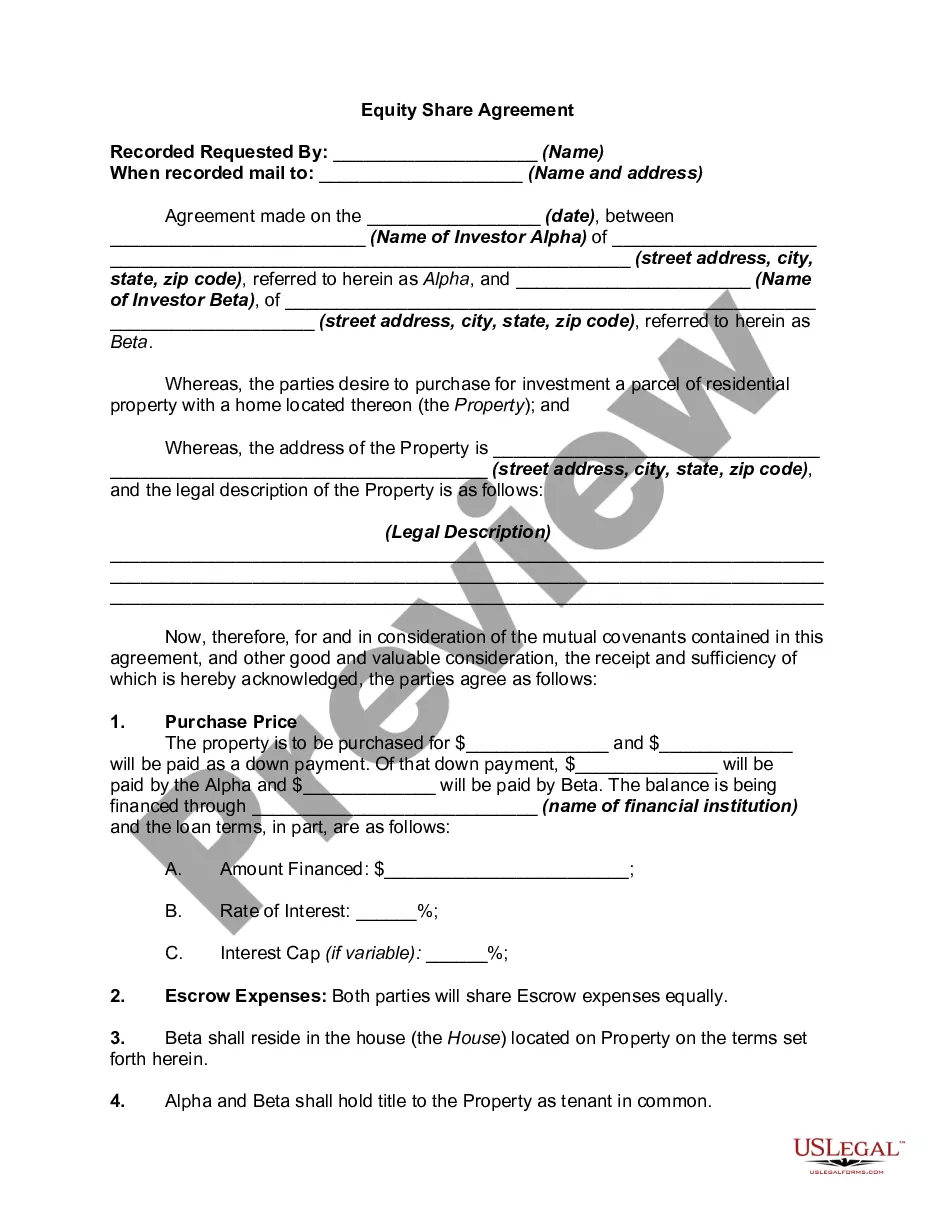
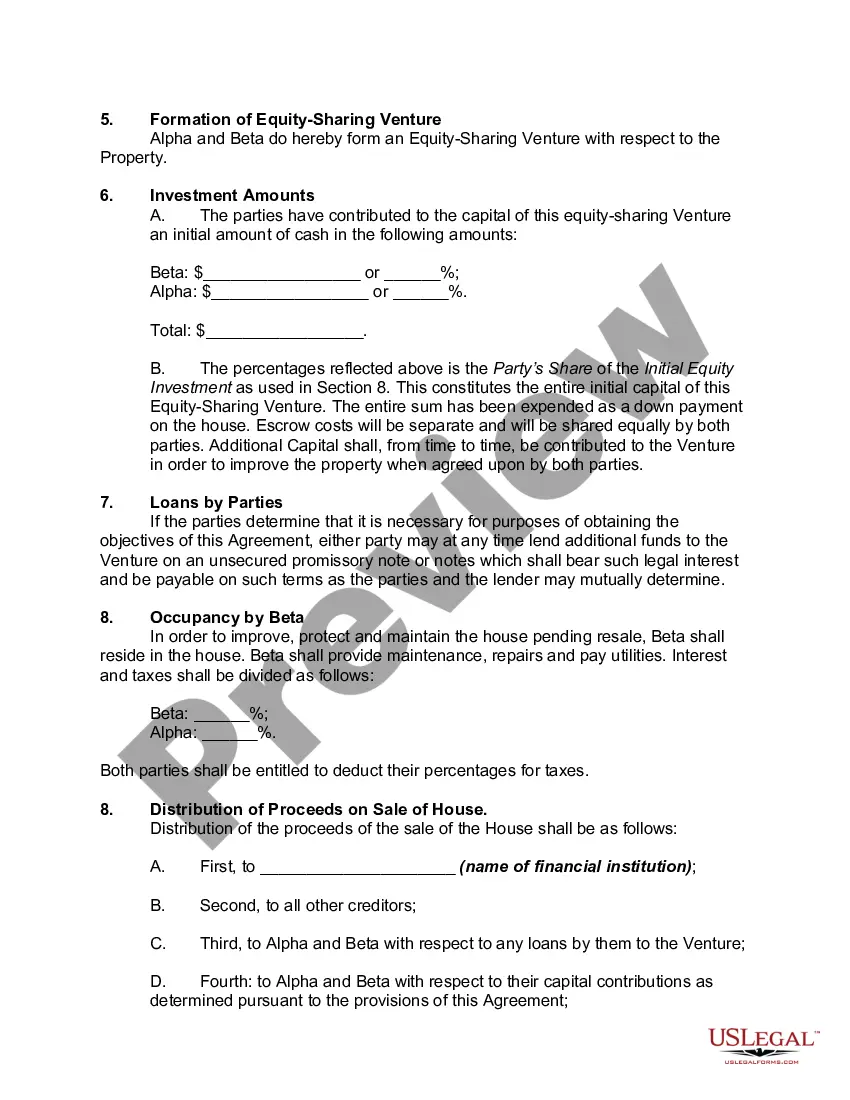
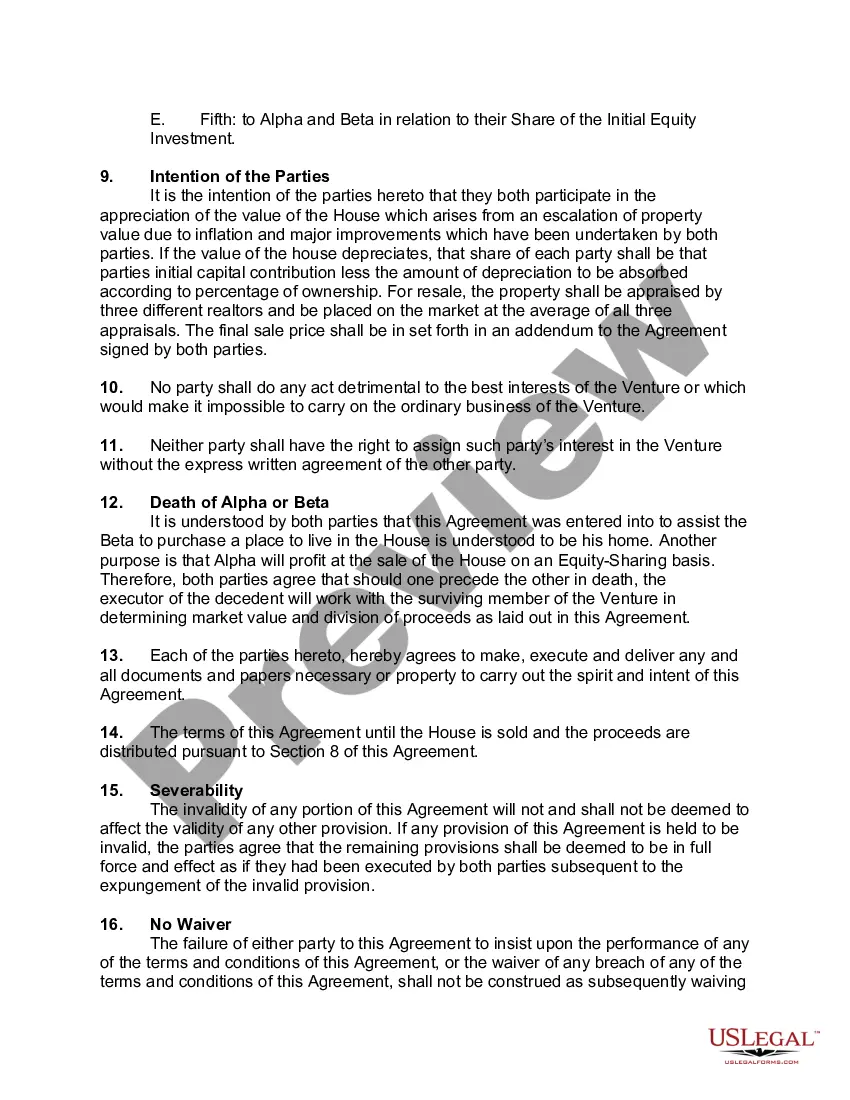
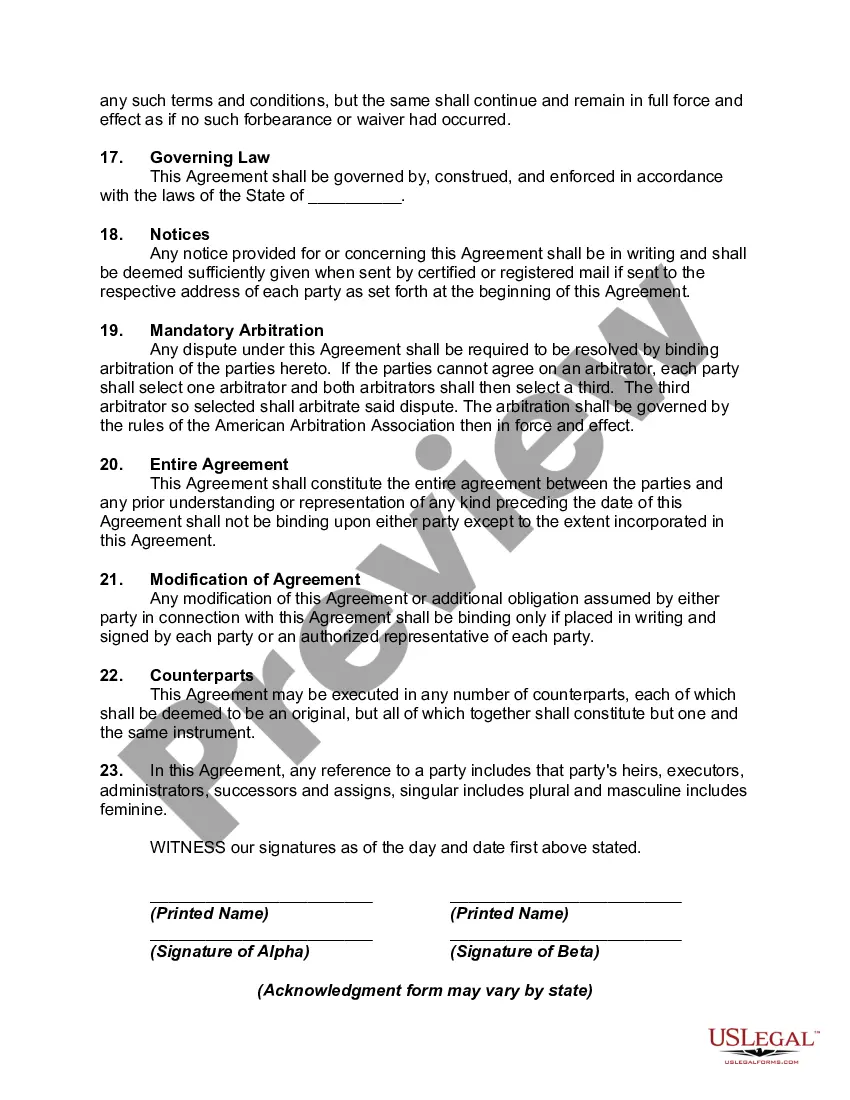
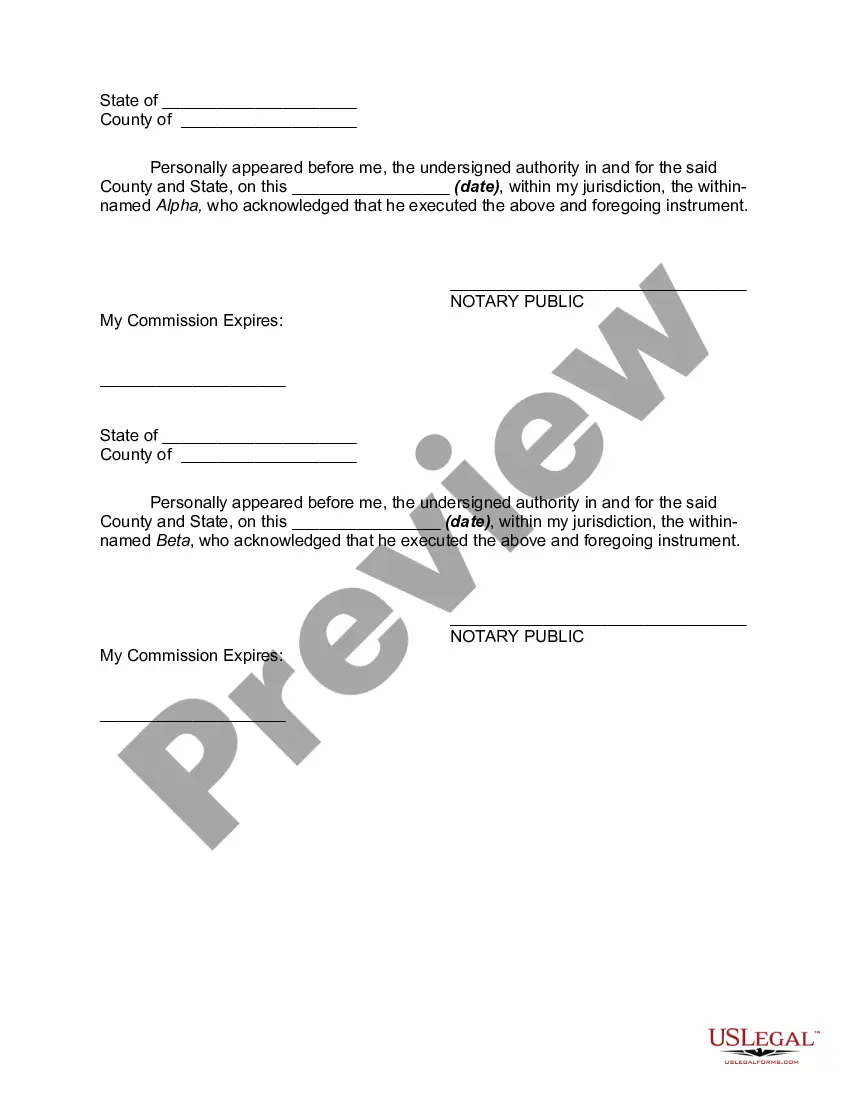
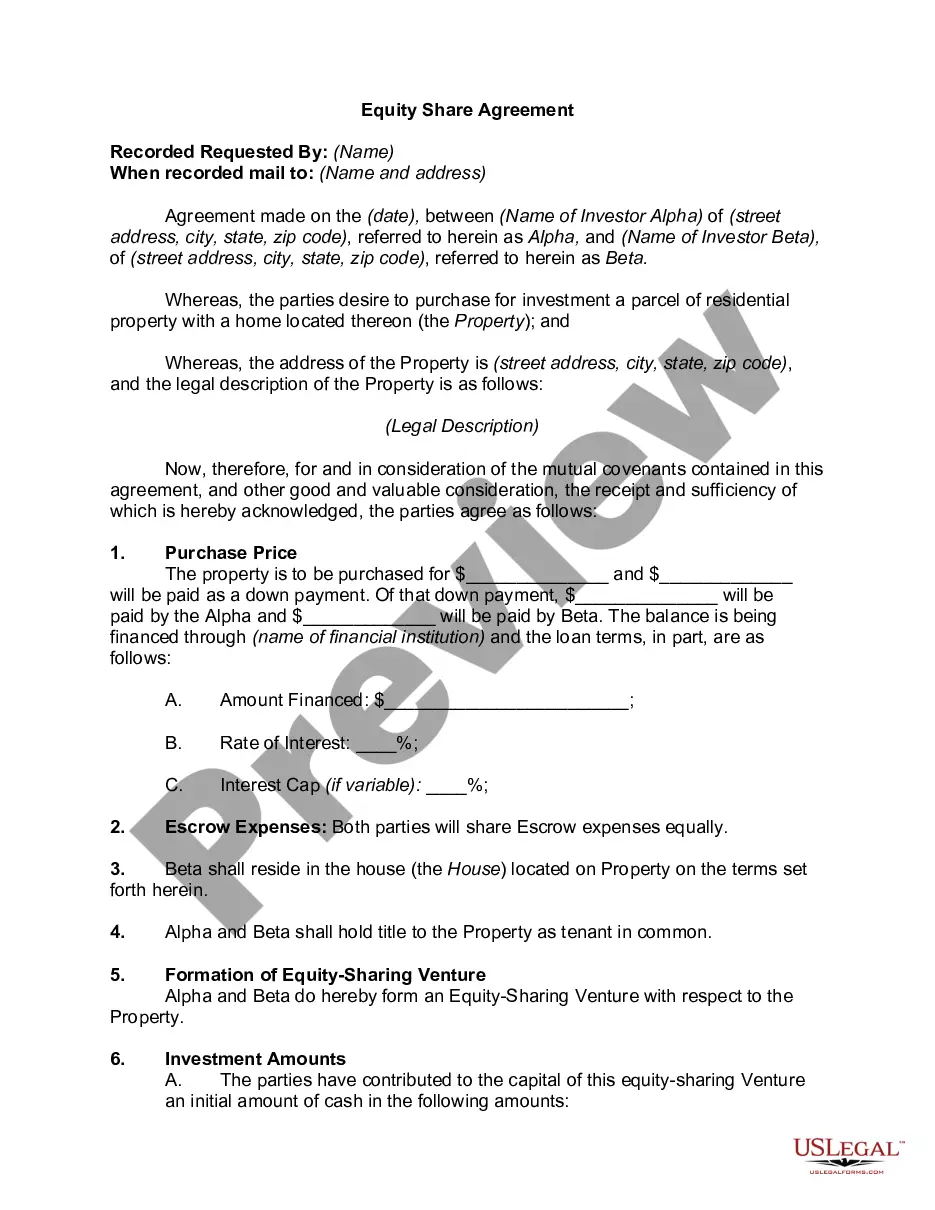
Get your form ready online
Our built-in tools help you complete, sign, share, and store your documents in one place.
Make edits, fill in missing information, and update formatting in US Legal Forms—just like you would in MS Word.
Download a copy, print it, send it by email, or mail it via USPS—whatever works best for your next step.
Sign and collect signatures with our SignNow integration. Send to multiple recipients, set reminders, and more. Go Premium to unlock E-Sign.
If this form requires notarization, complete it online through a secure video call—no need to meet a notary in person or wait for an appointment.
We protect your documents and personal data by following strict security and privacy standards.

Make edits, fill in missing information, and update formatting in US Legal Forms—just like you would in MS Word.

Download a copy, print it, send it by email, or mail it via USPS—whatever works best for your next step.

Sign and collect signatures with our SignNow integration. Send to multiple recipients, set reminders, and more. Go Premium to unlock E-Sign.

If this form requires notarization, complete it online through a secure video call—no need to meet a notary in person or wait for an appointment.

We protect your documents and personal data by following strict security and privacy standards.
Looking for another form?
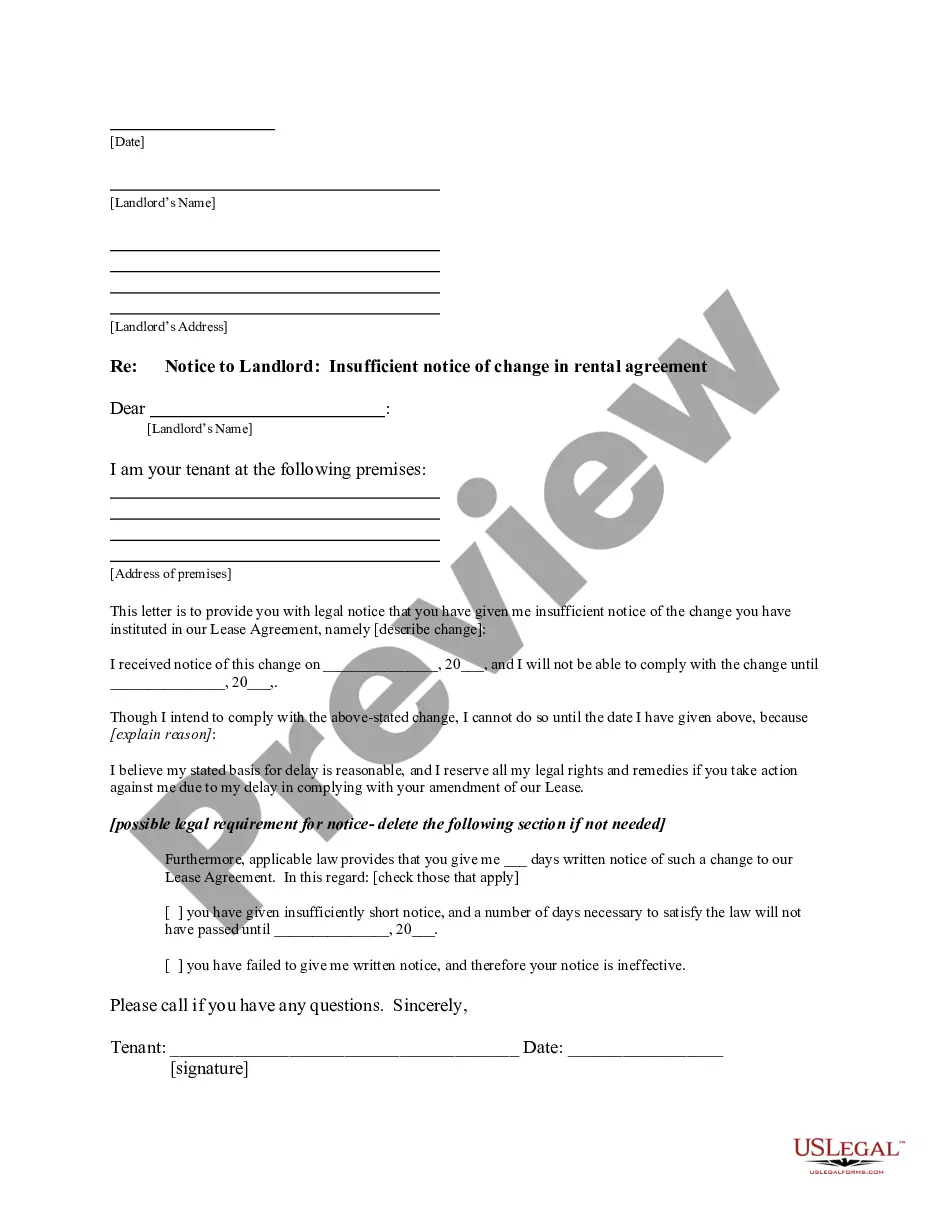
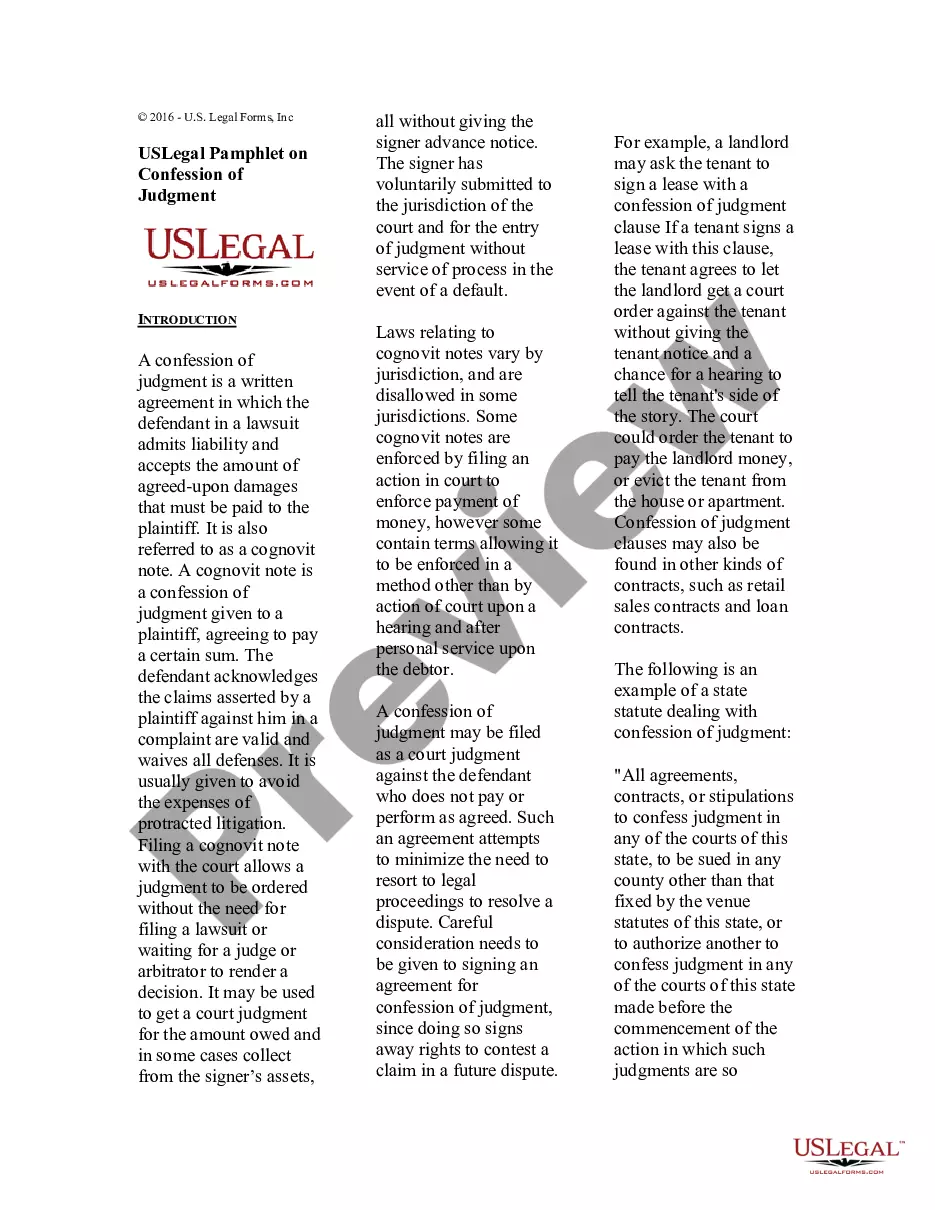
Form popularity
FAQ
The title should be vested to ``John Doe, a married (man/woman)'' and as long as this property doesn't become a homestead property or marital home, the other spouse would not need to sign the deed at the time of sale (the selling deed must have non-homestead language).
Each party in a joint tenancy has an equal interest in the property—the financial obligations as well as any benefits. A joint tenancy creates a right of survivorship, which means that if one party dies, their interest is automatically transferred to the surviving tenant(s).
Joint ownership is a common estate planning strategy that offers both simplicity and challenges. While it can streamline the transfer of assets and reduce probate costs, it also comes with potential drawbacks, including loss of control and unintended consequences.
To create a joint tenancy with the right of survivorship, all you need to do is put the right words on the title document, such as a deed to real estate, a car's title slip, or the signature card establishing a bank account.
Medicaid rules provide that for jointly owned real estate, such as a home or farm land, the entire value of the property can, in certain circumstances, be disregarded as a non-countable resource, meaning it will not count against the applicant.
Joint Tenancy Has Some Disadvantages They include: Control Issues. Since every owner has a co-equal share of the asset, any decision must be mutual. You might not be able to sell or mortgage a home if your co-owner does not agree. Creditor Issues.
Rights to Lease Property: Co-owners can lease out jointly owned property, but they typically need mutual consent. If the co-ownership agreement specifies, one owner might lease the property independently. However, without such an agreement, unilateral leasing can lead to legal disputes and potential partition actions.
Problems With Joint Ownership By jointly owning property, you may find yourself party to a lawsuit if your co-owner is sued or the asset could be lost to a creditor of your co-owner. If your co-owner becomes incapacitated, you could find yourself “owning” the property with the co-owner's guardian or the courts.
Choosing the Right Type of Co-Ownership While joint tenancy and tenancy in common are widely recognised as the most common types of co-ownership, the increasing popularity of fractional ownership, made possible at August, shows that there is a growing diversity in how people approach property ownership.
Ing to the National Association of Realtors, single-family, detached homes were the most popular type of house bought in the U.S. in 2023.