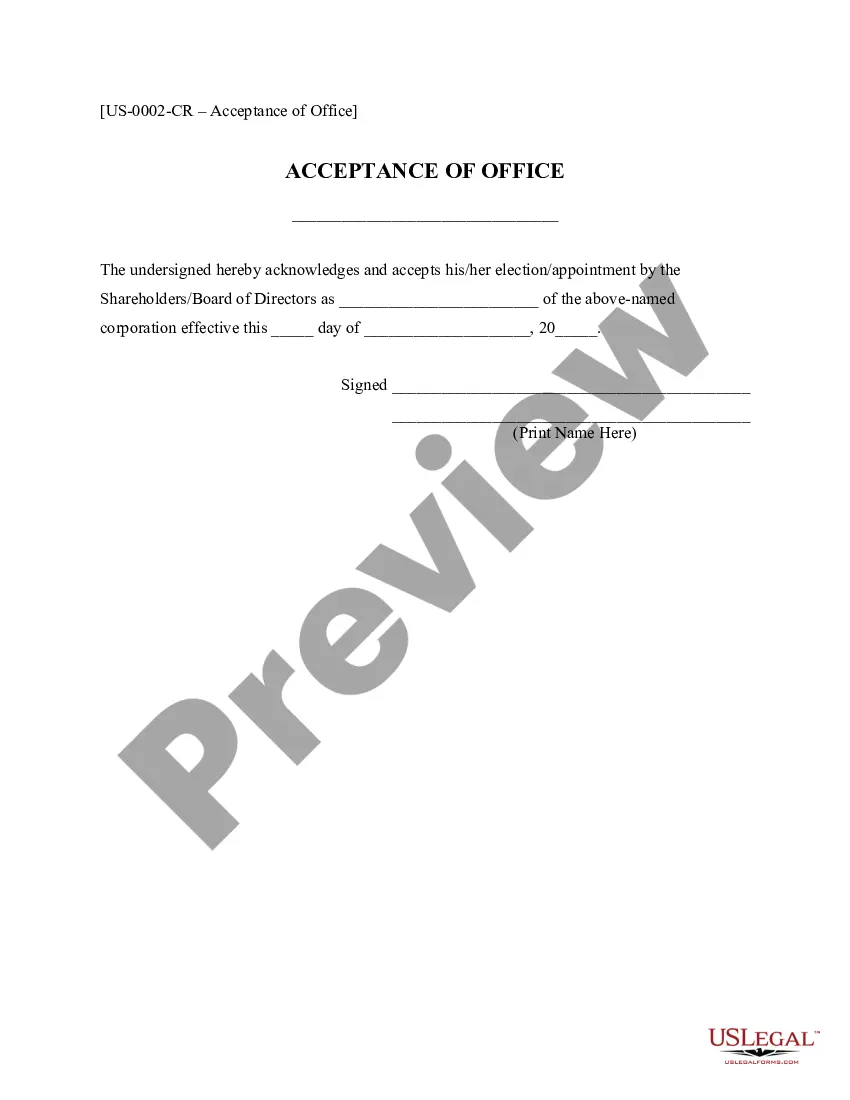
Equity Sharing Agreement With Landlord In Bronx
Description






Get your form ready online
Our built-in tools help you complete, sign, share, and store your documents in one place.
Make edits, fill in missing information, and update formatting in US Legal Forms—just like you would in MS Word.
Download a copy, print it, send it by email, or mail it via USPS—whatever works best for your next step.
Sign and collect signatures with our SignNow integration. Send to multiple recipients, set reminders, and more. Go Premium to unlock E-Sign.
If this form requires notarization, complete it online through a secure video call—no need to meet a notary in person or wait for an appointment.
We protect your documents and personal data by following strict security and privacy standards.

Make edits, fill in missing information, and update formatting in US Legal Forms—just like you would in MS Word.

Download a copy, print it, send it by email, or mail it via USPS—whatever works best for your next step.

Sign and collect signatures with our SignNow integration. Send to multiple recipients, set reminders, and more. Go Premium to unlock E-Sign.

If this form requires notarization, complete it online through a secure video call—no need to meet a notary in person or wait for an appointment.

We protect your documents and personal data by following strict security and privacy standards.
Looking for another form?









Form popularity
FAQ
A company provides you with a lump sum in exchange for partial ownership of your home, and/or a share of its future appreciation. You don't make monthly repayments of principal or interest; instead, you settle up when you sell the home or at the end of a multi-year agreement period (typically between 10 and 30 years).
Equity agreements commonly contain the following components: Equity program. This section outlines the details of the investment plan, including its purpose, conditions, and objectives. It also serves as a statement of intention to create a legal relationship between both parties.
Home equity sharing may also be wise if you don't want extra debt reflected on your credit profile. "These agreements allow homeowners to access their home equity without incurring additional debt," says Michael Crute, a real estate agent and operations strategist with Keller Williams in Atlanta.
Home equity sharing may also be wise if you don't want extra debt reflected on your credit profile. "These agreements allow homeowners to access their home equity without incurring additional debt," says Michael Crute, a real estate agent and operations strategist with Keller Williams in Atlanta.
In New York City, move-out fees are generally not legal unless they are specifically for covering actual damages or unpaid rent. The legality of these expenses is contingent on their inclusion in the lease agreement and compliance with local tenant laws.
New York Tenant Eviction Process Timeline Providing a Notice14-90 calendar days Serving the Complaint 10-17 business days Tenant Response 10 or fewer business days Court Process 10-20 business days Final Move-out Period 14 business days or fewer
How to File a Complaint Against a New York Landlord Common Types of Complaints and Lawsuits Against Landlords. Contact Your Landlord and Report a Complaint Directly. File a Complaint With NYC311. File a Complaint with the New York State Attorney General. File a Complaint with NYC Housing Preservation and Development.
It is illegal for landlords in New York to refuse lease renewal, significantly raise rent, or file for eviction in retaliation for a good faith complaint to them or to a government agency made in the past year, or for participation in the activity of a tenancy organization like ITU, ing to NY Real Prop L Section ...
If you sell your property, your tenant still has the right to live in the house under the original lease terms. The tenant should receive waivers or complimentary amenities as in the actual lease terms even after a new landlord takes over. This should happen until the lease term ends.