Good Faith Exam Template With Calculator In Florida
Description

Get your form ready online
Our built-in tools help you complete, sign, share, and store your documents in one place.
Make edits, fill in missing information, and update formatting in US Legal Forms—just like you would in MS Word.
Download a copy, print it, send it by email, or mail it via USPS—whatever works best for your next step.
Sign and collect signatures with our SignNow integration. Send to multiple recipients, set reminders, and more. Go Premium to unlock E-Sign.
If this form requires notarization, complete it online through a secure video call—no need to meet a notary in person or wait for an appointment.
We protect your documents and personal data by following strict security and privacy standards.

Make edits, fill in missing information, and update formatting in US Legal Forms—just like you would in MS Word.

Download a copy, print it, send it by email, or mail it via USPS—whatever works best for your next step.

Sign and collect signatures with our SignNow integration. Send to multiple recipients, set reminders, and more. Go Premium to unlock E-Sign.

If this form requires notarization, complete it online through a secure video call—no need to meet a notary in person or wait for an appointment.

We protect your documents and personal data by following strict security and privacy standards.
Looking for another form?



Form popularity
FAQ
Client signatures aren't required on either the consent document or the Good Faith Estimate. However, if the client chooses not to sign, the provider can opt out of providing care and the client can proceed to find an in-network provider instead.
Florida good faith examinations are crucial for enhancing patient safety in medical spas. They focus on a patient's health by thoroughly assessing their medical history and current health status. These evaluations create tailored treatment plans that address each patient's specific needs.
Client signatures aren't required on either the consent document or the Good Faith Estimate.
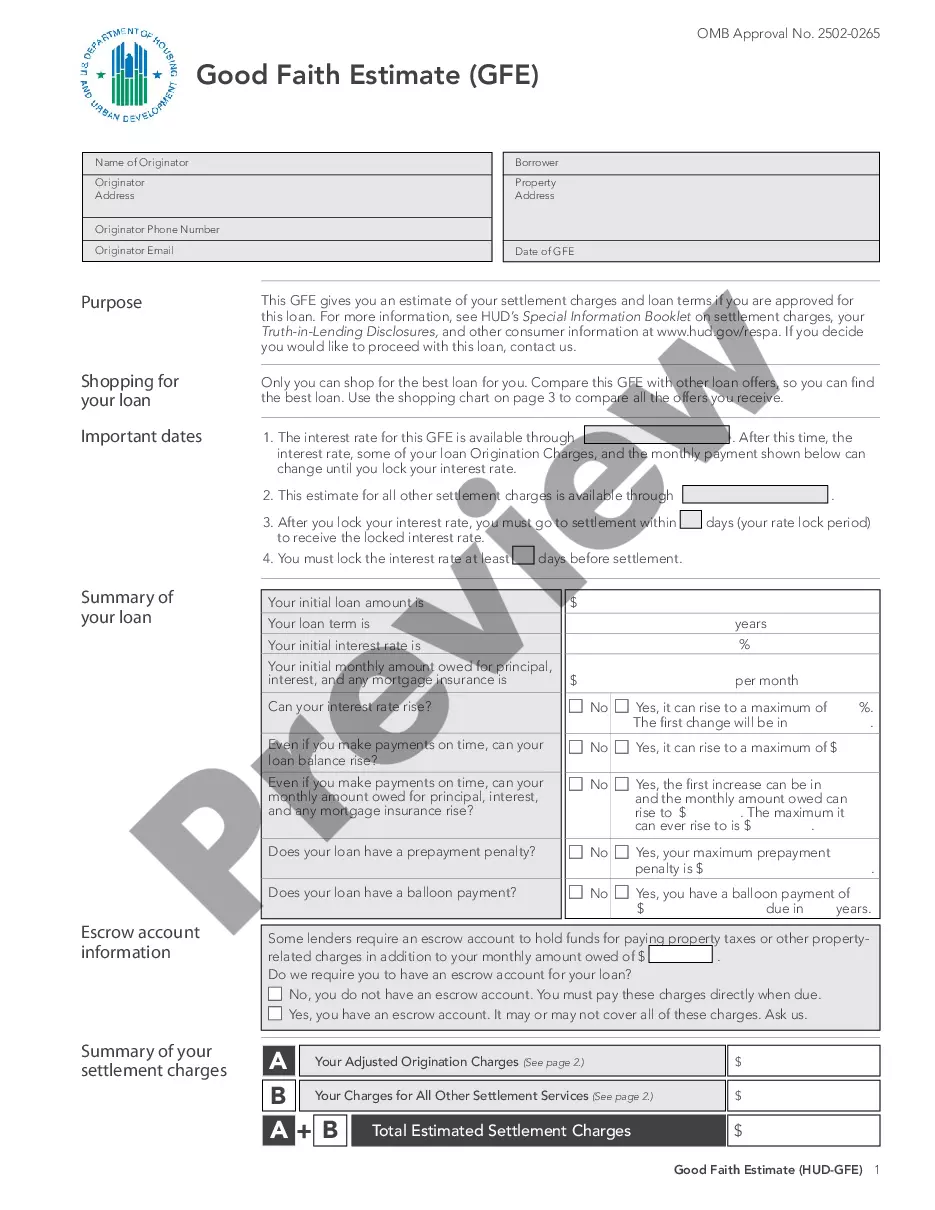
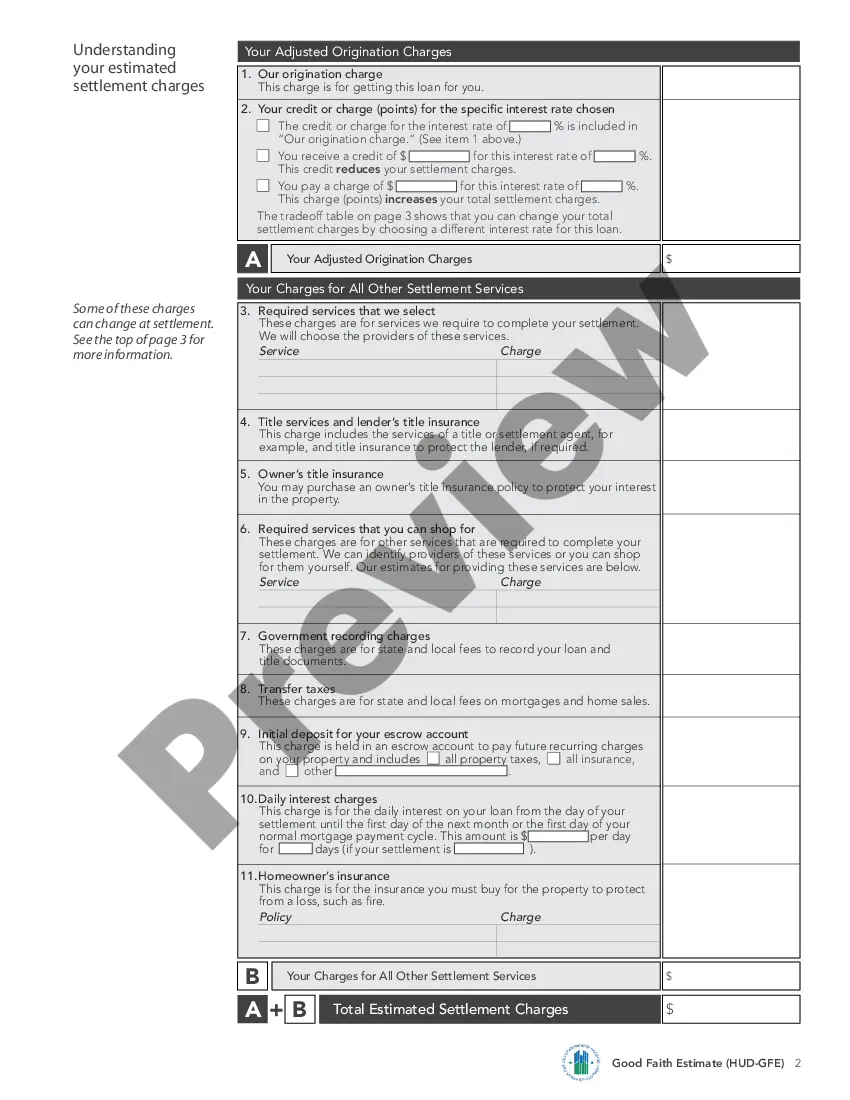
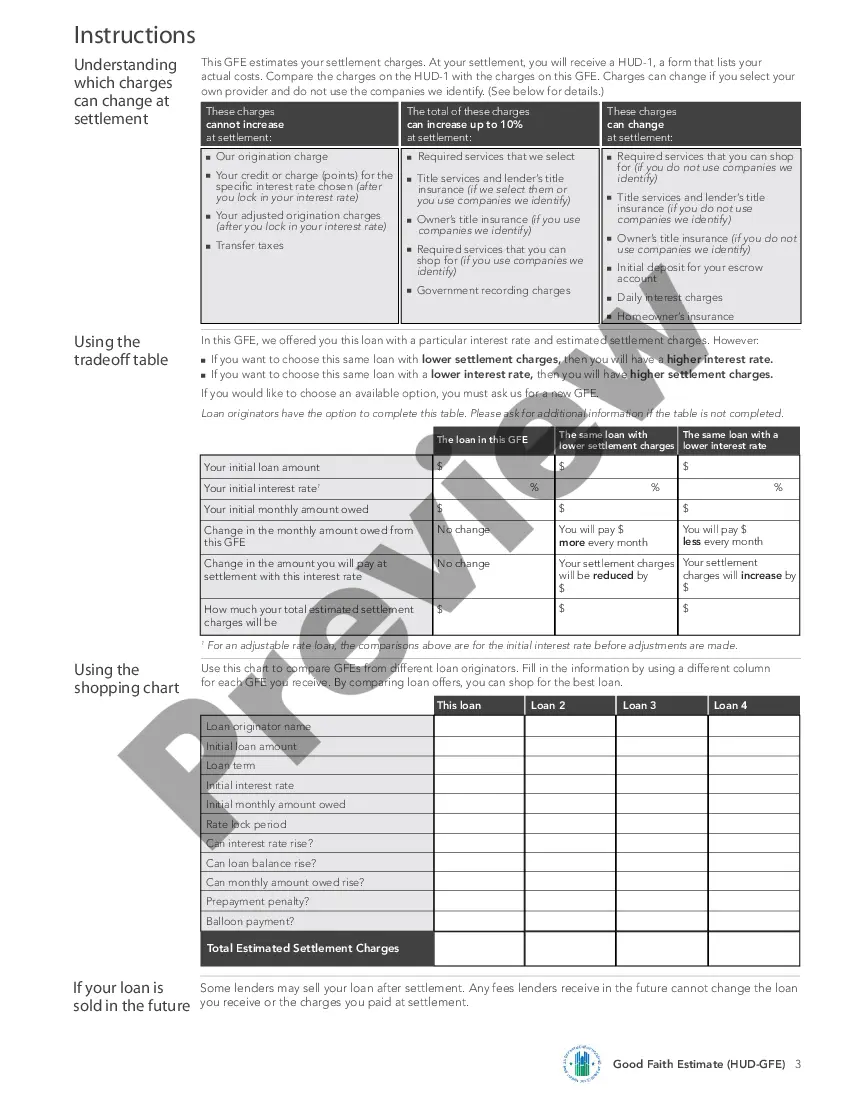
A good faith estimate should include expected charges for the scheduled health care items and services, including facilities fees, hospital fees, and room and board provided by the provider or facility. Good faith estimates only list expected charges for a single provider or facility.
When applying the good faith test, courts looked to whether the trustee exercised his or her discretion “reasonably.” Thus, in ordinary situations, a trustee must exercise his or her discretion in “good faith” and “reasonably.” Reasonableness is generally viewed as an objective standard – something that a court could ...
This “good faith” duty requires that “neither party shall do anything which will have the effect of destroying or injuring the right of the other party to receive the fruits of the contract.” Hammond v United of Oakland, Inc, 193 Mich App 146, 152; 483 NW2d 652 (1992).
Good faith exams serve as comprehensive assessments performed by medical professionals within the context of medical spas. These examinations assess a patient's overall health, identify potential contraindications, and determine the most appropriate treatment options.
Good faith exams serve as comprehensive assessments performed by medical professionals within the context of medical spas. These examinations assess a patient's overall health, identify potential contraindications, and determine the most appropriate treatment options.
