Production Contract Example In Washington
Description

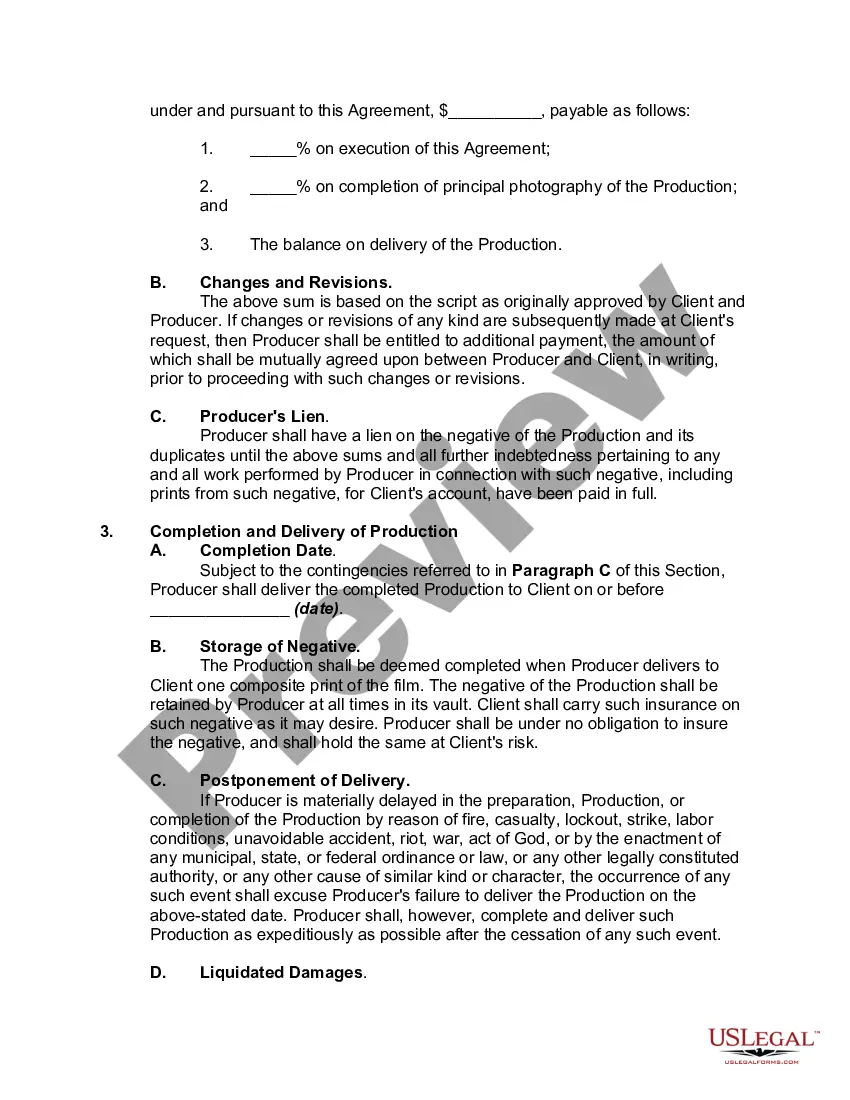
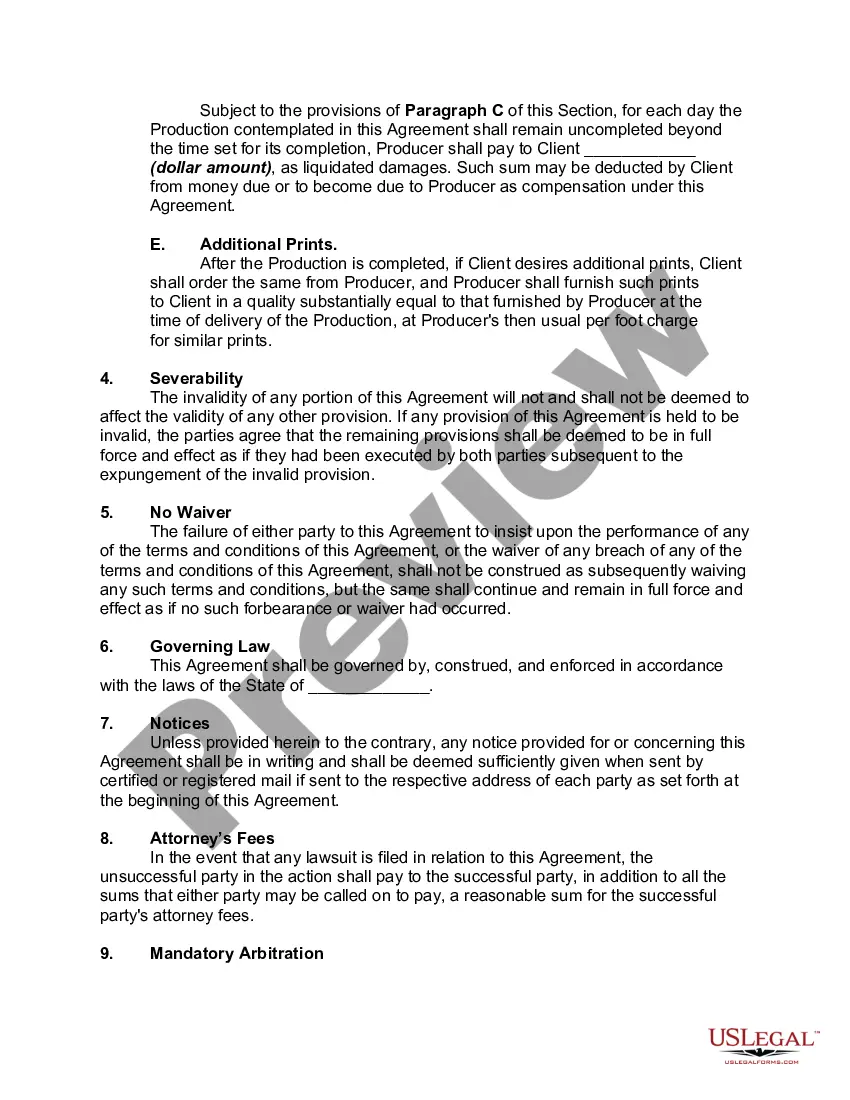
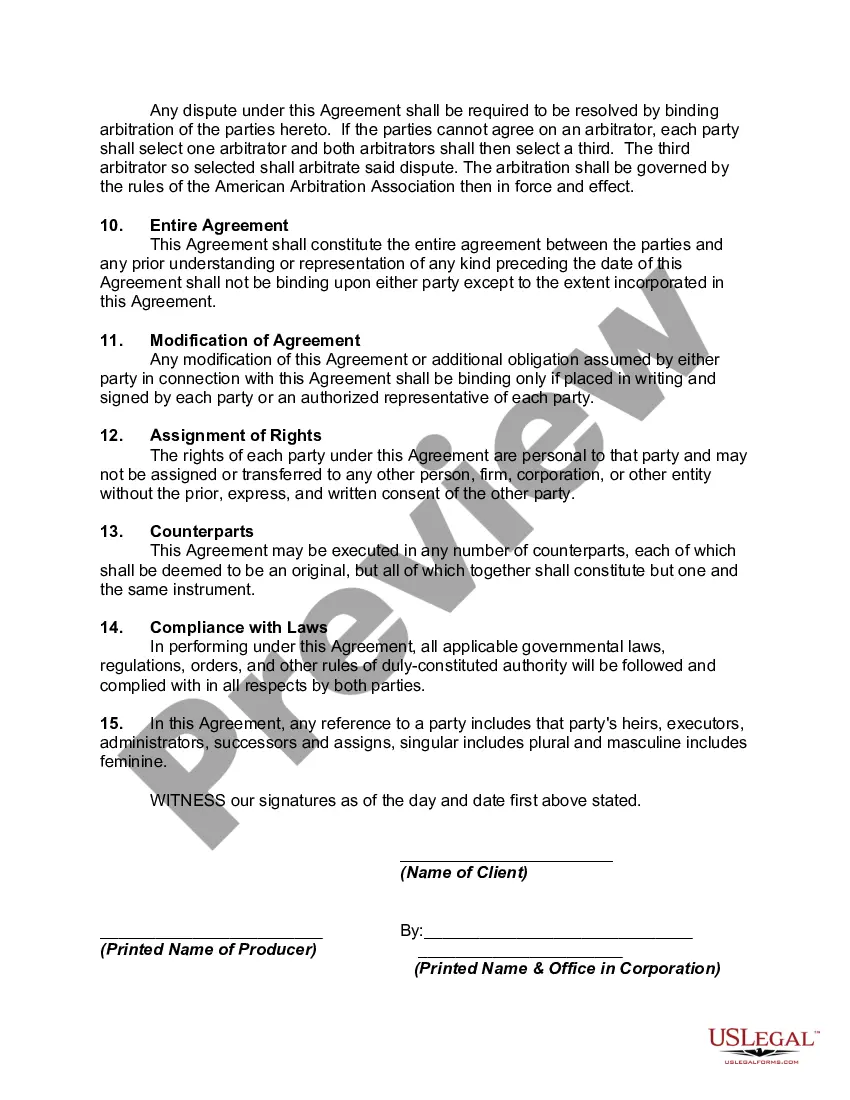
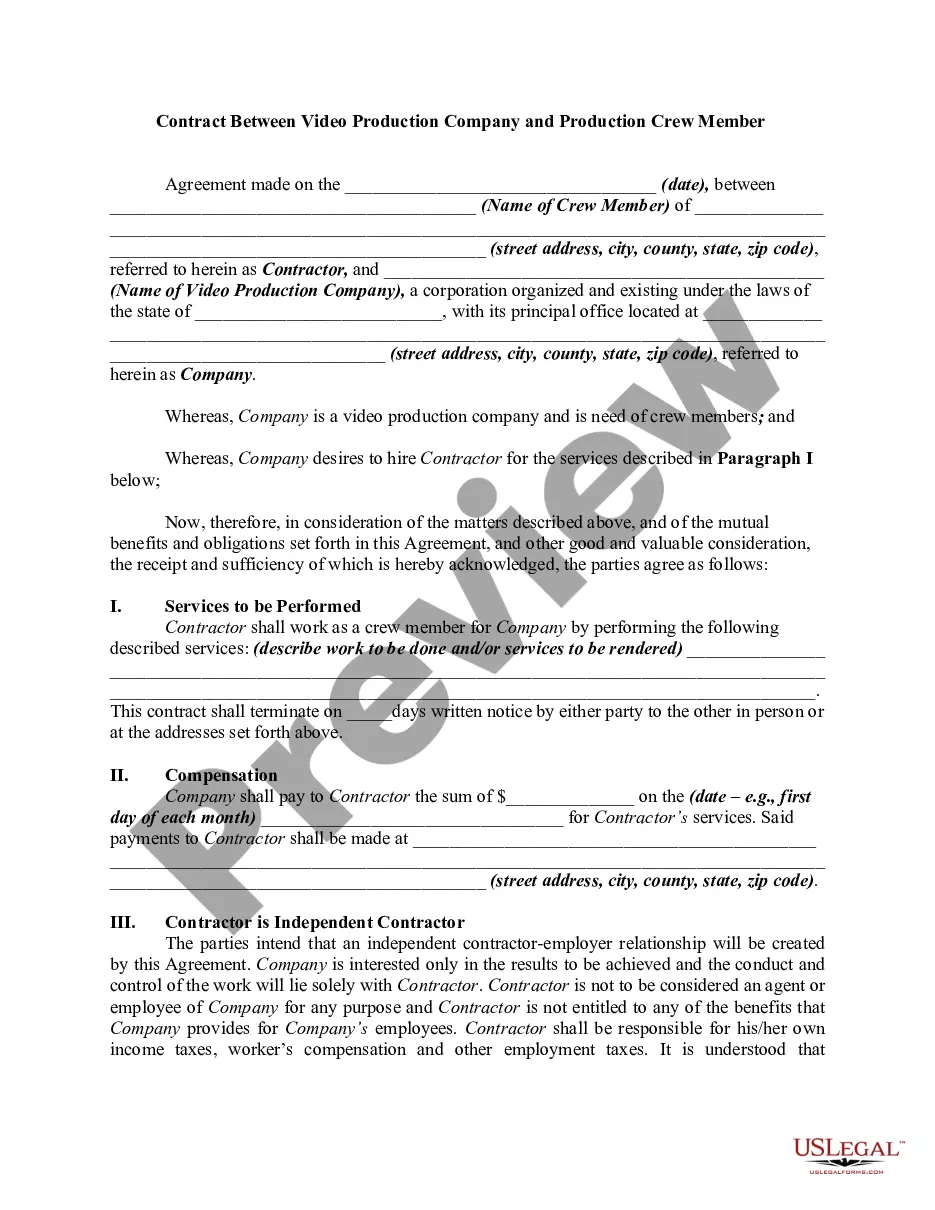
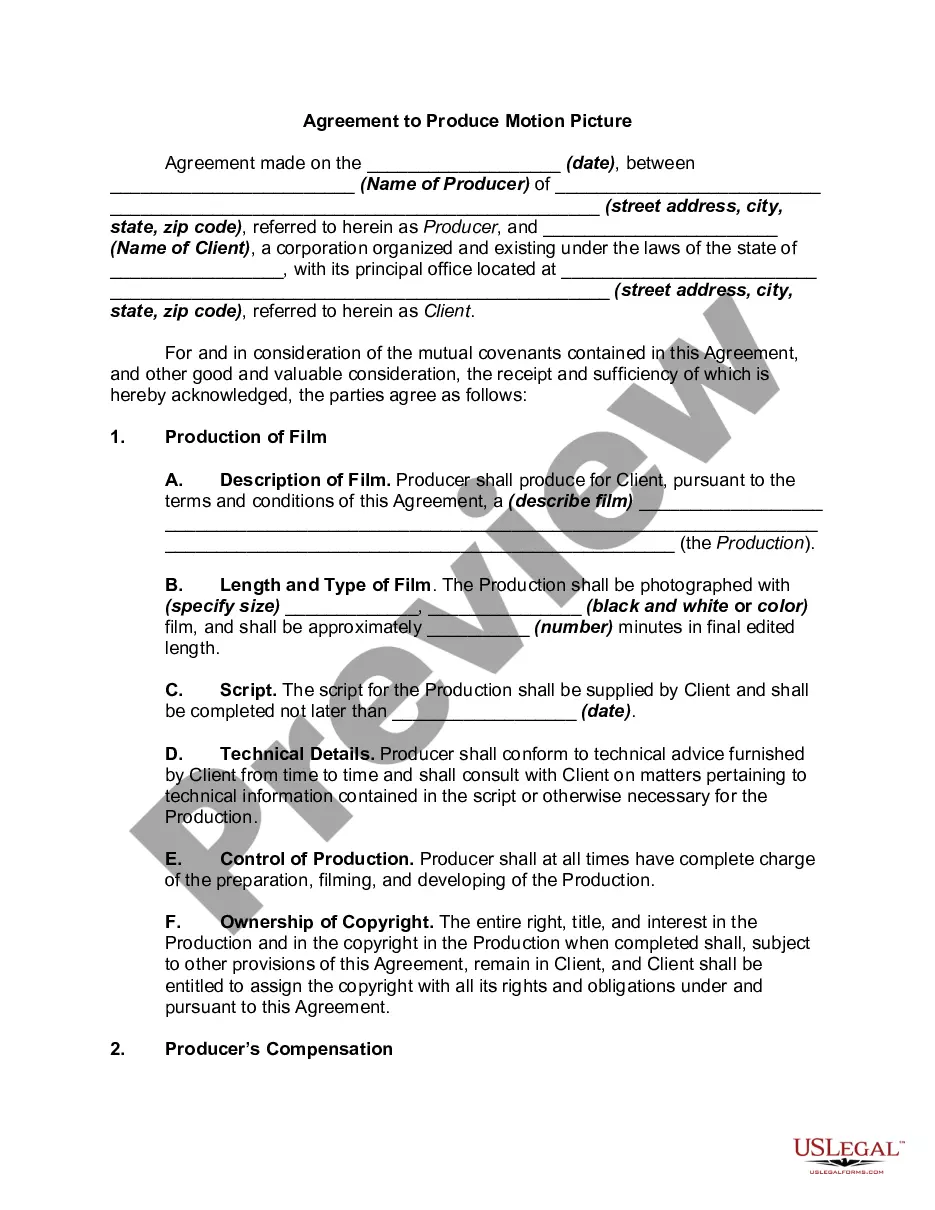
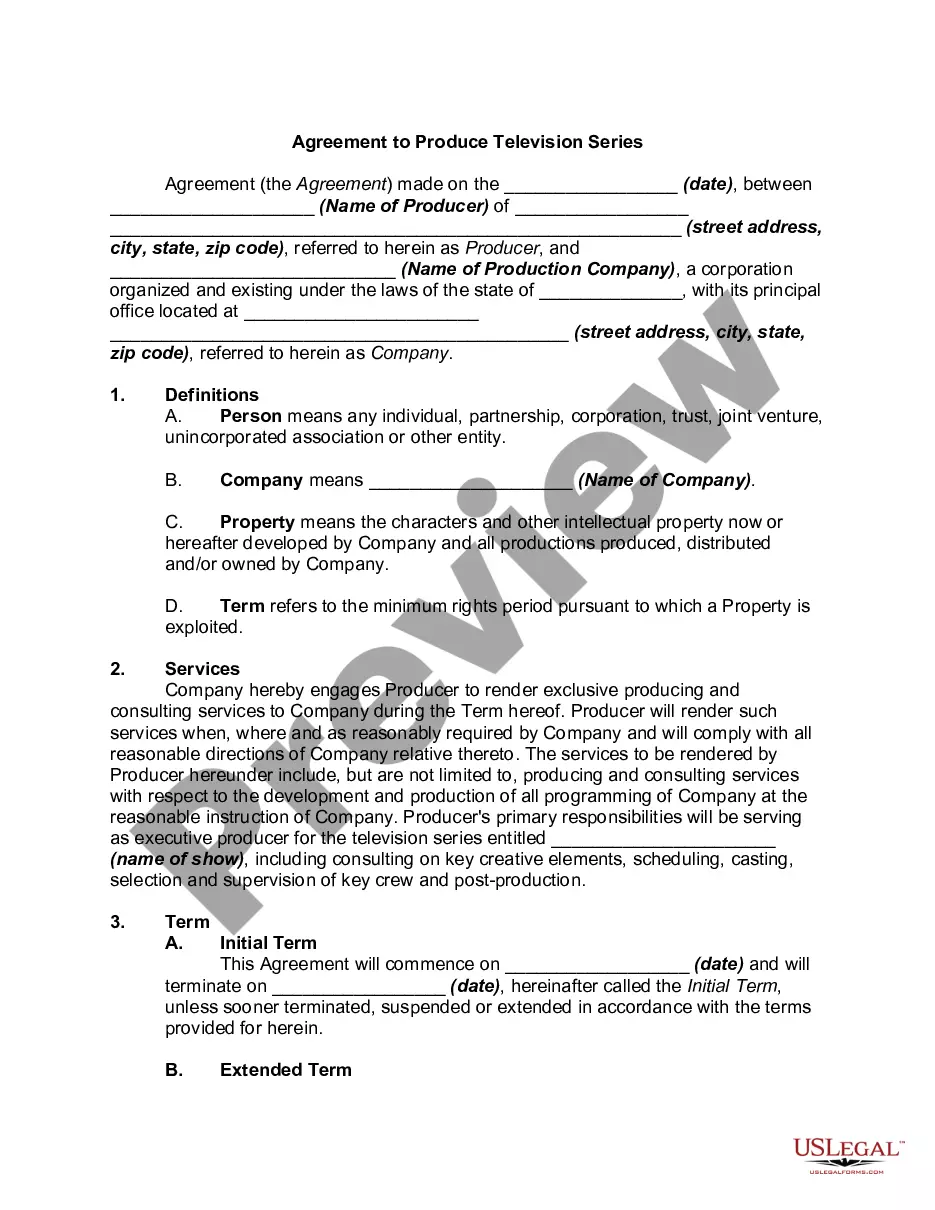
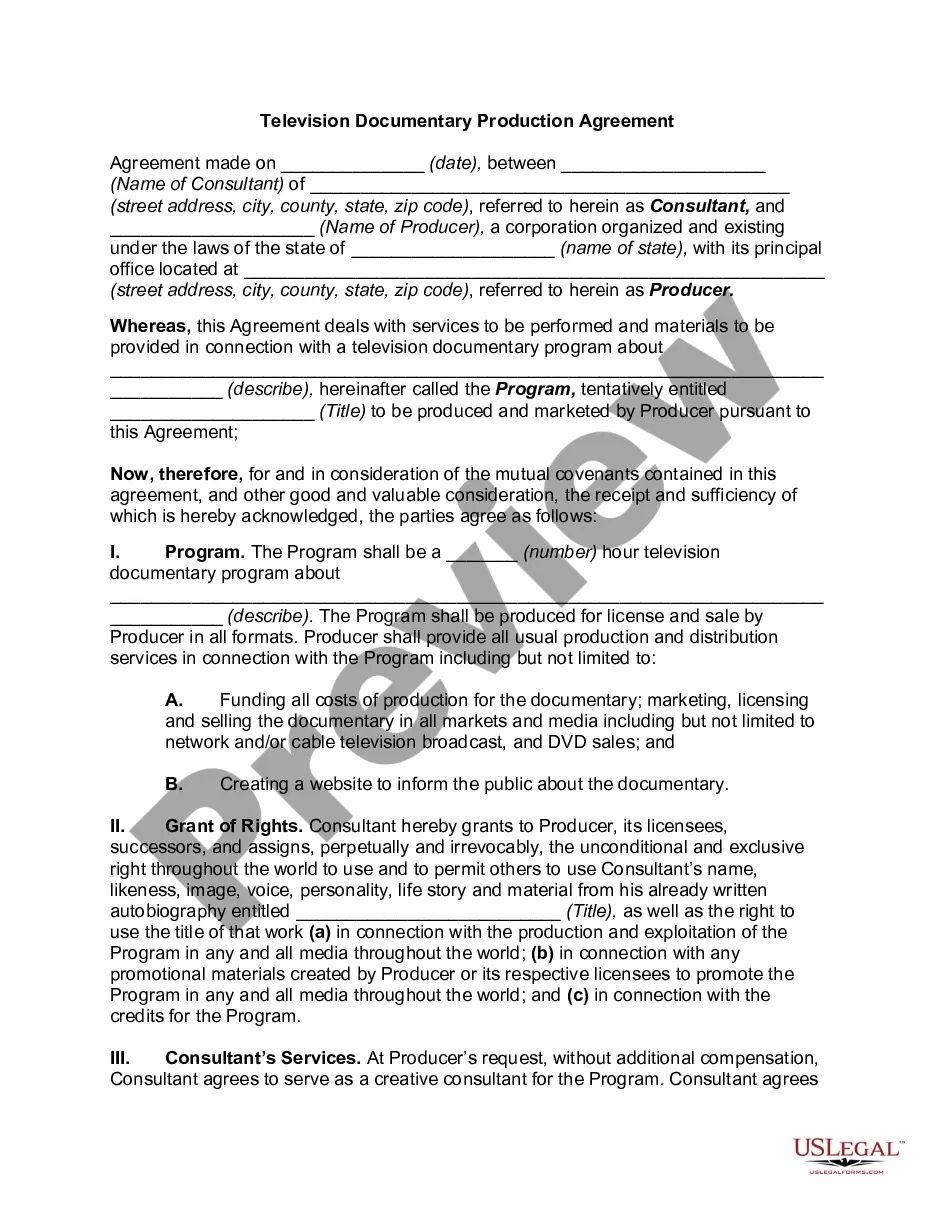
Get your form ready online
Our built-in tools help you complete, sign, share, and store your documents in one place.
Make edits, fill in missing information, and update formatting in US Legal Forms—just like you would in MS Word.
Download a copy, print it, send it by email, or mail it via USPS—whatever works best for your next step.
Sign and collect signatures with our SignNow integration. Send to multiple recipients, set reminders, and more. Go Premium to unlock E-Sign.
If this form requires notarization, complete it online through a secure video call—no need to meet a notary in person or wait for an appointment.
We protect your documents and personal data by following strict security and privacy standards.

Make edits, fill in missing information, and update formatting in US Legal Forms—just like you would in MS Word.

Download a copy, print it, send it by email, or mail it via USPS—whatever works best for your next step.

Sign and collect signatures with our SignNow integration. Send to multiple recipients, set reminders, and more. Go Premium to unlock E-Sign.

If this form requires notarization, complete it online through a secure video call—no need to meet a notary in person or wait for an appointment.

We protect your documents and personal data by following strict security and privacy standards.
Looking for another form?



Form popularity
FAQ
What should a music producer contract template include? Parties involved: Names and contact information of the artist, producer, and any relevant parties such as managers or record labels. Project scope: Detailed description of the work to be performed, including specific tracks or albums to be produced.
Write the contract in six steps Start with a contract template. Open with the basic information. Describe in detail what you have agreed to. Include a description of how the contract will be ended. Write into the contract which laws apply and how disputes will be resolved. Include space for signatures.
A production contract signals a collaboration between an artist and an independent music producer. It determines the producer's level of involvement in projects and the amount and type of compensation. Occasionally, producers can also be investors, bringing in their own funds to support the music creation process.
The producer's royalty rate commonly ranges anywhere between 1% to 5% in the recording's total earnings, but in practice the rate may differ and depends on what is agreed between the producer, artist and label.
It is a written legal agreement between integrators (typically a large specialized livestock-oriented business) and producers/farmers defining the terms and conditions affecting producer production payments. With this agreement, the producer/farmer provides land, labor, housing, and equipment.
A comprehensive guide on how to draft a contract Know your parties. Agree on the terms. Set clear boundaries. Spell out the consequences. Specify how you will resolve disputes. Cover confidentiality. Check the legality of the contract. Open it up to negotiation.
The producer agreement can be written either as a continuous contract with a termination date to be determined in the future by either or both parties, or it can be structured to terminate on a specific date. This section provides a listing of the general and specific duties and obligations of the producer.
What should a music producer contract template include? Parties involved: Names and contact information of the artist, producer, and any relevant parties such as managers or record labels. Project scope: Detailed description of the work to be performed, including specific tracks or albums to be produced.
Often, businesses work with qualified and experienced commercial solicitors to help them prepare suitable and robust business contracts. Although it is possible for you to write your own contract without the help of a lawyer, this may give rise to various risks.
