Contract For Film Music In Washington
Description

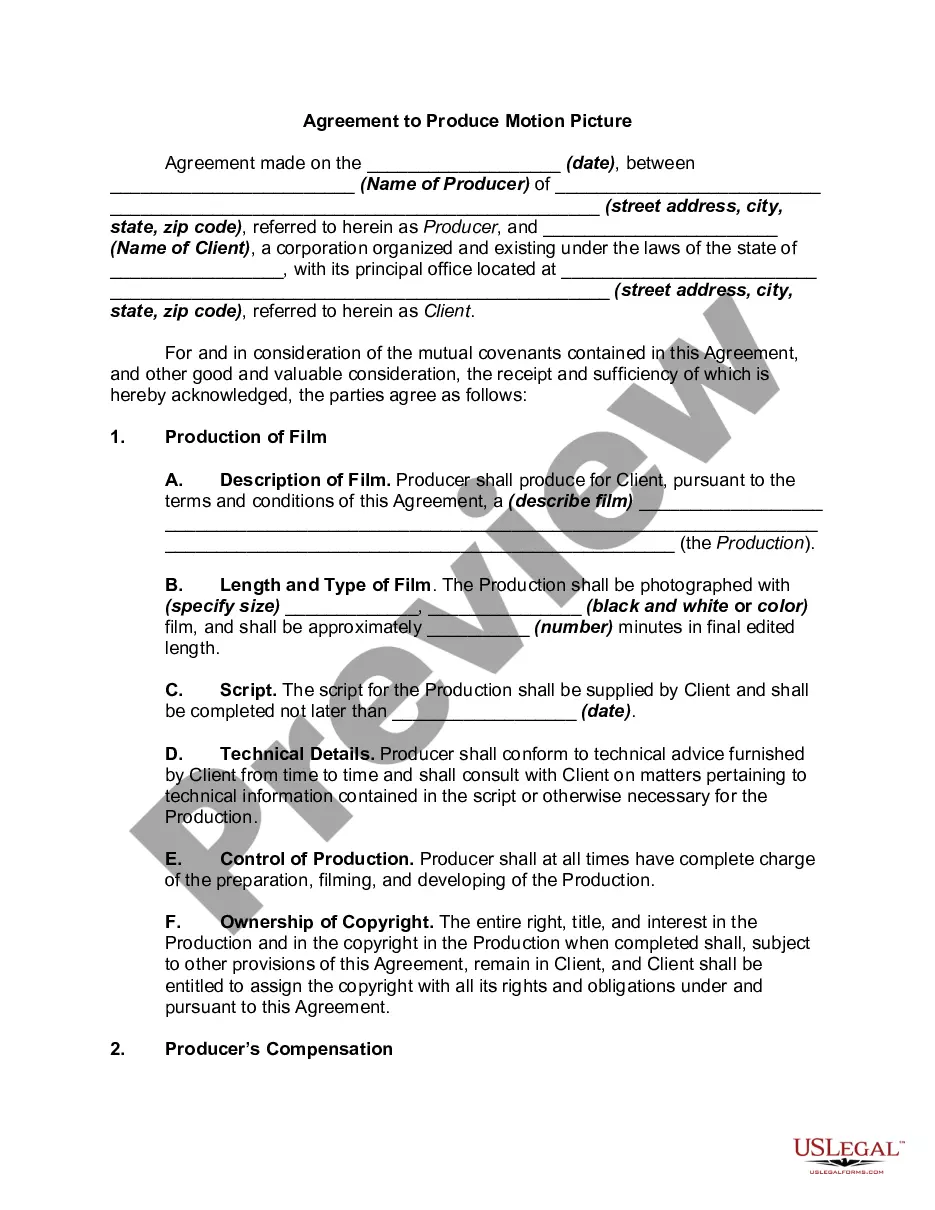
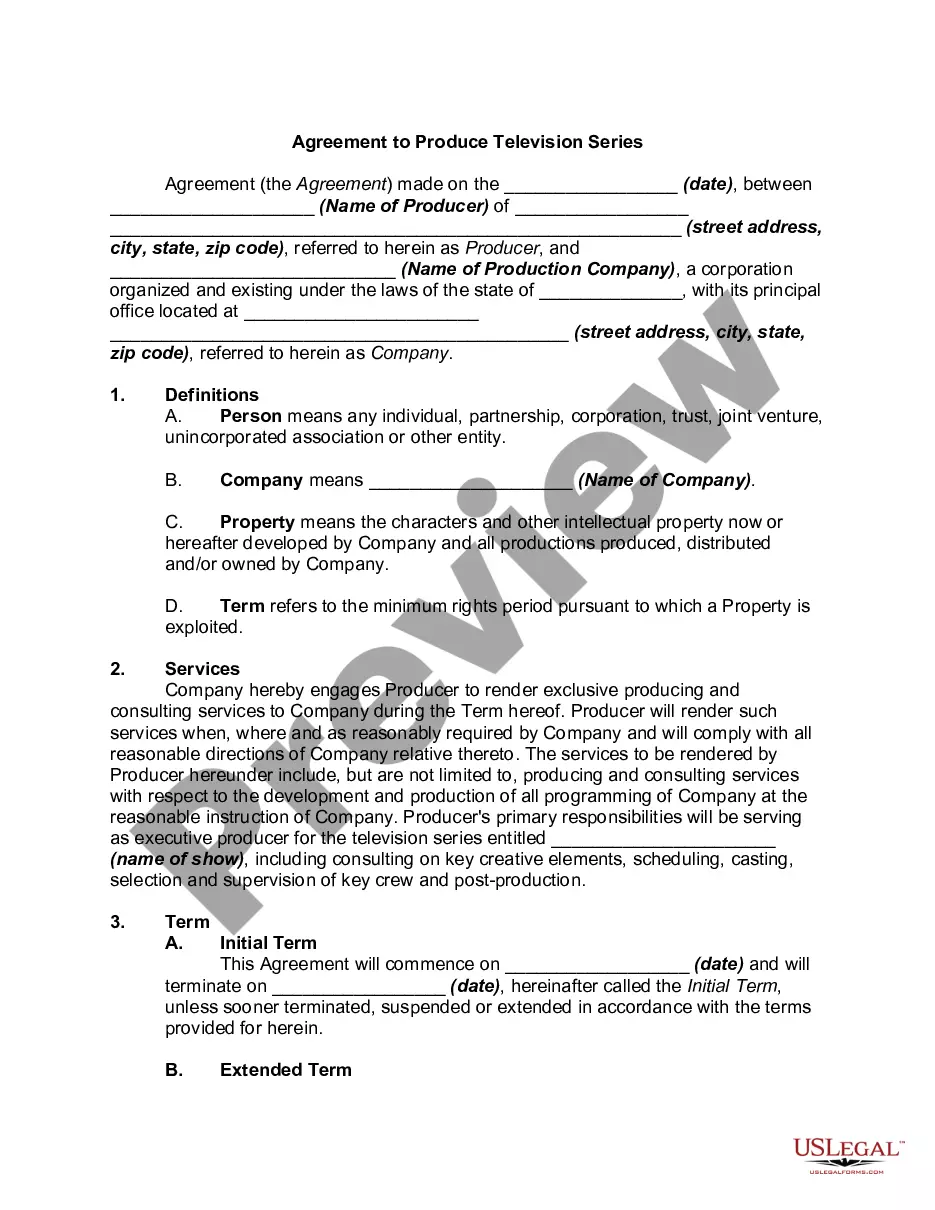
Get your form ready online
Our built-in tools help you complete, sign, share, and store your documents in one place.
Make edits, fill in missing information, and update formatting in US Legal Forms—just like you would in MS Word.
Download a copy, print it, send it by email, or mail it via USPS—whatever works best for your next step.
Sign and collect signatures with our SignNow integration. Send to multiple recipients, set reminders, and more. Go Premium to unlock E-Sign.
If this form requires notarization, complete it online through a secure video call—no need to meet a notary in person or wait for an appointment.
We protect your documents and personal data by following strict security and privacy standards.

Make edits, fill in missing information, and update formatting in US Legal Forms—just like you would in MS Word.

Download a copy, print it, send it by email, or mail it via USPS—whatever works best for your next step.

Sign and collect signatures with our SignNow integration. Send to multiple recipients, set reminders, and more. Go Premium to unlock E-Sign.

If this form requires notarization, complete it online through a secure video call—no need to meet a notary in person or wait for an appointment.

We protect your documents and personal data by following strict security and privacy standards.
Looking for another form?





Form popularity
FAQ
Generally, to license music for film you need to contact the publisher of the song and the owner of the master recording you want to use. The publisher's contact info can be found by searching for the song on ASCAP or BMI websites. The owner of the master is likely the record label.
Synchronization License: This is the right to synchronize a song or a piece of music with your visual image. It must be obtained from the copyright owner of the music, which is usually the publisher. You can find out who the publisher is by using ASCAP's Clearance Express (ACE) at .ascap/ace.
Your Music Recording Contract should cover details like: Compensation and royalties. Where and when the album will be recorded. The album's release date. Who has creative control over specific elements of the album. The termination clause. The exclusive agreement clause. Dispute resolution. Promotional appearances.
Generally, to license music for film you need to contact the publisher of the song and the owner of the master recording you want to use. The publisher's contact info can be found by searching for the song on ASCAP or BMI websites. The owner of the master is likely the record label.
How to create a Music Recording Contract Step 1: Specify where you're creating the Music Recording Contract. Step 2: Provide the recording company's and artist's details. Step 3: Outline the production details. Step 4: Outline the recording details. Step 5: Decide if the contract will include an exclusive agreement clause.
Formal Education: Consider enrolling in a music composition program, film scoring course, or music production degree at a university or conservatory. Online Courses: Platforms like Coursera, Berklee Online, or MasterClass offer courses in film scoring and music production.
Film Director Salary in India ranges between ₹1 Lakh to ₹18 Lakhs for 1 year of experience to 15 years of experience . Salary estimates are based on 104 latest salaries received from Film Director.
What Is a Music Director? A music director is tasked with selecting appropriate songs and music to heighten the emotional and dramatic impact of film scenes. Music directors may hold auditions to find the best artists or groups to perform particular pieces.
Direct Sales: Create your own website or use platforms like Bandcamp to sell your music directly to filmmakers. Sync Licensing: Reach out to filmmakers and content creators directly or use platforms that connect musicians with filmmakers. Demos: Create a demo reel showcasing your best work.
